REVIEW · TOKYO
Historic Kamakura: Temples, Shrines and Street Food Private Walking Tour
Book on Viator →Operated by Tokyo Memories · Bookable on Viator
Kamakura hits different when you walk. This private walking tour strings together famous temples, key shrine sights, and the kind of street food stop you’d miss if you just wing it. You also get time for scenery and architecture, plus a calm tea break in a bamboo grove.
I especially like the Engaku-ji stop with its Busudan hall and Buddha statue, then the climb for big views and tengu statues. I also like that lunch isn’t a vague option: you’ll eat along Komachi dori, sampling local sweets and savory bites while drinks are included.
One thing to consider: this is about moderate walking for around 6 hours, with some hill/slope time, and the tour depends on good weather.
In This Review
- Key highlights at a glance
- Six hours in Kamakura: how this tour feels in real life
- Engaku-ji: Busudan hall, Buddha statue, and the slope views
- Tsurugaoka Hachimangu: the main shrine sights and a treasures museum
- Komachi dori: lunch on the street, not in a random restaurant
- Hokoku-ji bamboo grove: cool air, tea, and a reset button
- Daibutsukiritoshi and the Great Buddha: classic Kamakura impact
- Price and value: what $220.22 really covers
- Guides and pacing: why the day stays smooth
- Logistics that actually matter: where to meet and how to plan your day
- What this tour is best for (and who might want another option)
- Should you book this Kamakura private walking tour?
- FAQ
- What time does the tour start?
- Where does the tour start and end?
- How long is the tour?
- Is this a private tour?
- What’s included in the price?
- Do I need to pay for admissions separately?
- Are transportation costs included?
- What should I wear or prepare for?
- Is the tour affected by weather?
- What is the cancellation policy?
Key highlights at a glance
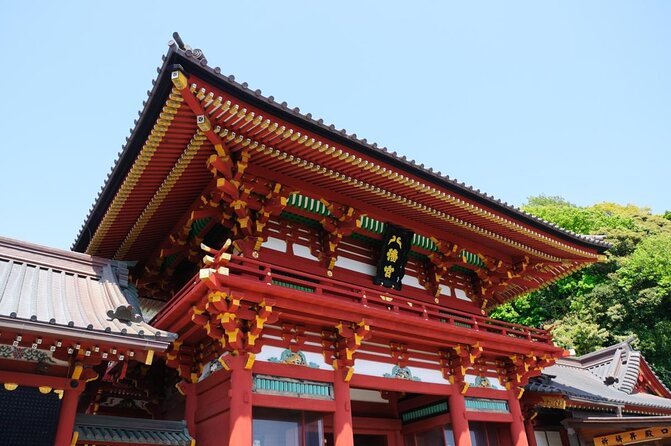
- Engaku-ji Busudan hall and the Buddha statue, plus viewpoints from the slopes
- Tsurugaoka Hachimangu with its main hall, torii gates, and a small treasures museum
- Komachi dori lunch that turns the street into your table, with snacks and drinks included
- Hokoku-ji bamboo grove tea at a tea house among the bamboo
- Great Buddha of Kamakura stop for a classic end-of-the-day wow moment
Six hours in Kamakura: how this tour feels in real life
Kamakura is the kind of place where “I’ll just go on my own” can work—until you factor in entry lines, finding the right lanes, and knowing what’s worth your time. This tour is built to remove that friction. You start at Kita-Kamakura Station at 9:00 am and end at Kamakura Station, so the day has a clear arc and you don’t have to backtrack.
The pace is relaxed, but it’s still a walking tour. You’ll cover major religious sites and then pivot into the street-food energy of Komachi dori. The mix matters. Temples and shrines give you the context—how Kamakura grew, what people believed, how rituals shaped daily life. The street-food part is where that culture turns into something you can actually taste, with lunch as the center of gravity.
One practical point: food and drink are included, including lunch, snacks, alcoholic beverages, bottled water, and soda/pop. That means you can focus on where you’re going next instead of doing money math at every stop.
You can also read our reviews of more walking tours in Tokyo

Engaku-ji: Busudan hall, Buddha statue, and the slope views
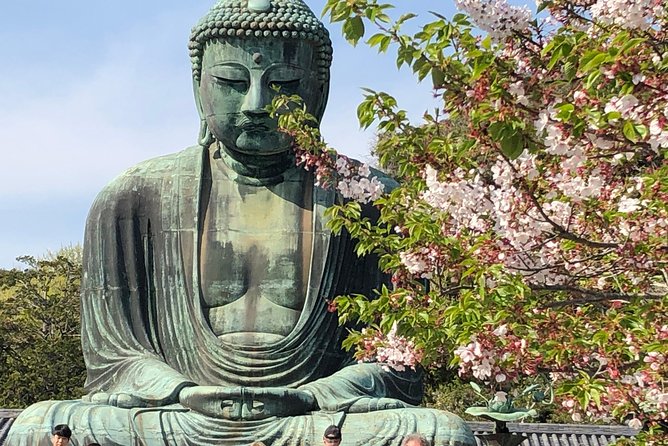
Engaku-ji is a large temple complex, and this stop is more than a quick photo break. You start by exploring the Busudan hall, which houses a wooden statue of Buddha. That detail matters because it’s not just the idea of a temple—it’s the specific building and its artifact you can stand in front of and take your time with.
Then comes the part that turns Engaku-ji into a “worth the effort” stop: climbing the slopes behind the temple. The payoff is fantastic views and a chance to see lots of tengu statues. Tengu are the kind of figures people associate with Japan’s spiritual storytelling, and seeing them placed around temple grounds adds a layer you usually miss when you just rush through.
A good way to prepare: wear shoes you trust on uneven ground, and give yourself a little extra time to catch your breath on the slope. If you’re the type who likes walking with purpose rather than sprinting between landmarks, you’ll like this stop.
Tsurugaoka Hachimangu: the main shrine sights and a treasures museum
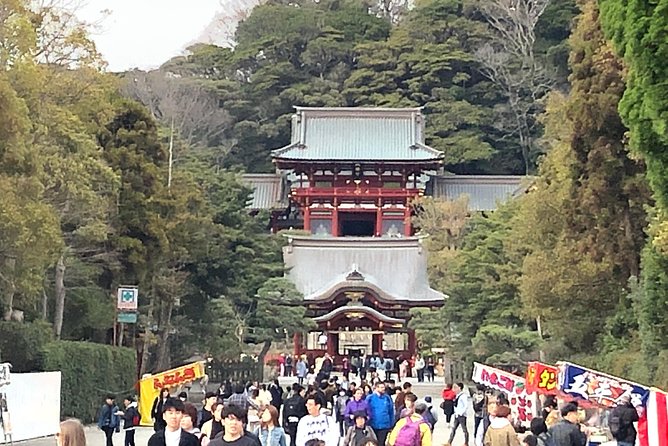
After Engaku-ji, you switch from temple complex to Kamakura’s most important shrine atmosphere. Tsurugaoka Hachimangu is the anchor here, and the stop focuses on the basics in a smart way: the main hall, torii gates, and a small museum of treasures.
The torii gates are the kind of sight you’ll notice immediately, but the museum is what keeps the visit from being only visual. Even if you don’t read every plaque, you can still appreciate the way a shrine preserves items connected to its role in local life and faith.
Time check matters: this is about 30 minutes at the shrine. That’s enough to see the key features without turning it into a checklist race. If you normally linger in religious sites, you may want to pause longer at the hall itself rather than trying to speed through everything.
Komachi dori: lunch on the street, not in a random restaurant
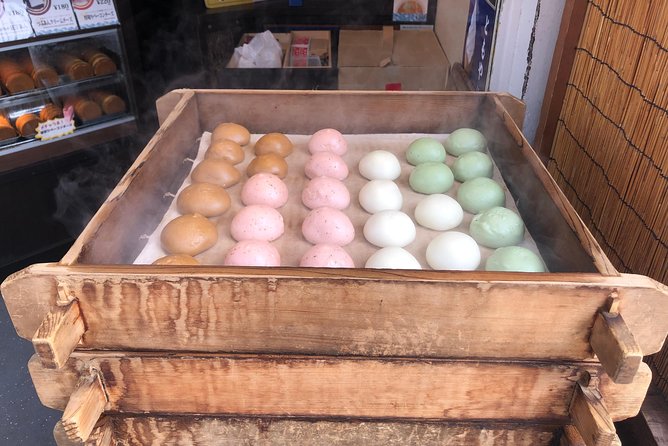
Komachi dori is one of those famous streets where the storefronts and snack counters practically demand attention. This tour uses that energy for a very specific reason: lunch is built around sampling.
You’ll spend about 1 hour along Komachi dori, where stalls line up sweet and savory treats. The tour’s whole point here is to let you try a bunch of smaller things instead of locking into one meal. The included lunch is designed for variety—ideal if you like tasting without committing to one dish.
Also, alcohol is included on the tour, along with bottled water and soda/pop. That’s useful here because the street can be warming, and sipping something while you eat keeps the whole experience comfortable.
My practical advice: if you see something you really want early in the walk, grab it sooner rather than waiting for later. With lots of stops and flavors, it’s easy to lose track of what you planned to try once you get mid-lane.
Hokoku-ji bamboo grove: cool air, tea, and a reset button
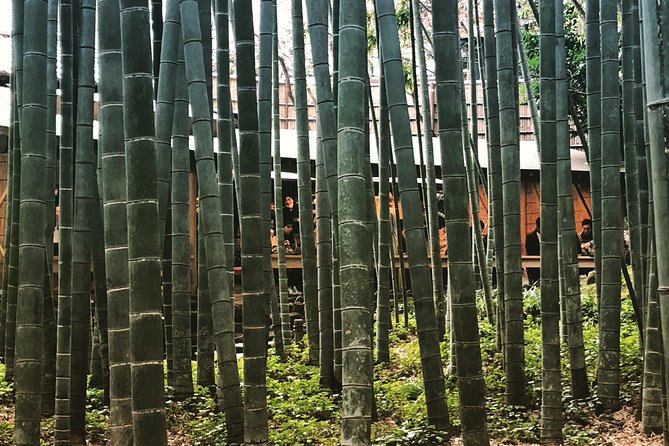
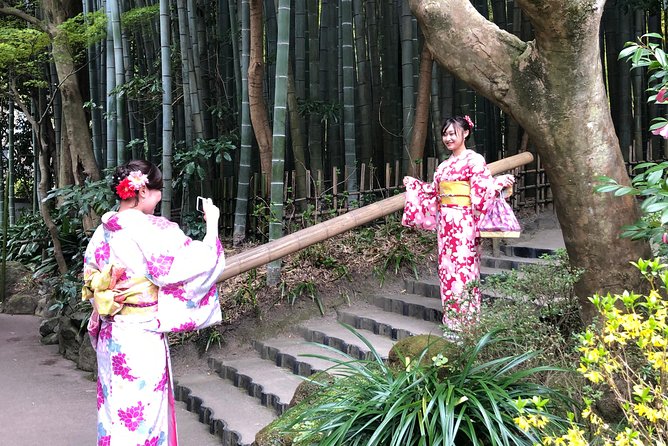
Hokoku-ji is known for its bamboo. Here, the tour gives you about 1 hour, which lets you slow down after the busier shrine street energy. You’ll visit the temple associated with the bamboo grove, then have time to relax in the cool bamboo area.
The best part is the tea break. You get a traditional cup of green tea at a tea house in the bamboo. This isn’t just a stop to warm up or take a photo. It’s a timing move. After temples and walking, a quiet tea moment helps you reset your pace and attention before the final big sights.
If you tend to get sensory overload in crowded areas, this is your pressure valve. Bamboo gardens can feel calm even with other visitors around, and the tea makes the atmosphere feel intentional rather than rushed.
You can also read our reviews of more food & drink experiences in Tokyo




Daibutsukiritoshi and the Great Buddha: classic Kamakura impact
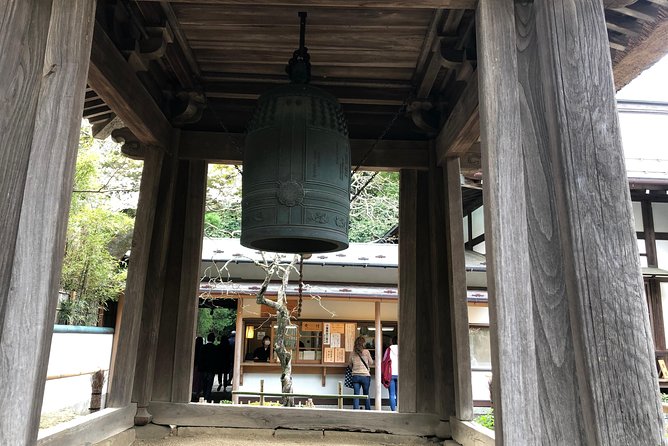
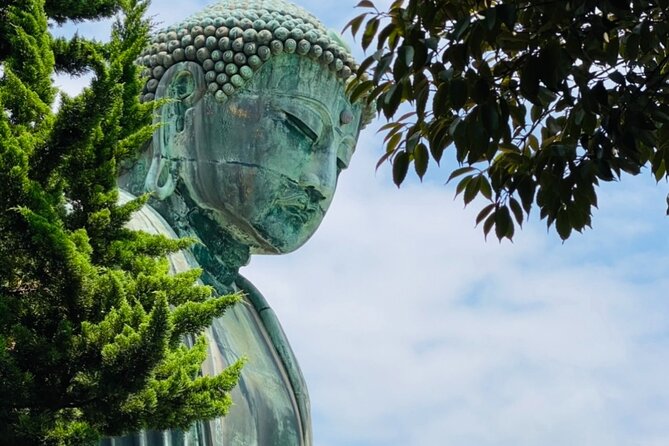
Near the end of the day, you get a classic Kamakura payoff: seeing the Great Buddha of Kamakura, noted as Japan’s second largest bronze Buddha. Your time here is around 30 minutes, which is just right for taking in the statue, stepping back to absorb scale, and doing a couple of different viewpoints.
This stop works well as a closer because it’s visual, iconic, and easy to understand even if you haven’t studied Kamakura’s religious details beforehand. You don’t need a guide lecture to appreciate the mass and presence of the Buddha. The guide’s role here is more about timing and making sure you don’t miss the key angles.
If you’re sensitive to crowds, an earlier viewpoint inside your 30 minutes can matter. So use the first part of the visit to get your main photos and perspective, then return for calmer moments if the area shifts.
Price and value: what $220.22 really covers
At $220.22 per person for a private walking tour of about 6 hours, the real question is value. Here’s the good news: you’re not paying for a guide plus a bunch of separate add-ons.
Included items cover:
- Entrance fees for the stops
- Lunch, plus snacks
- Alcoholic beverages
- Bottled water and soda/pop
- A guided experience throughout
That matters because temple/shrine admission and food can pile up quickly when you’re on your own. With this format, you don’t have to constantly decide, Will I pay now or later? You also get fewer gaps in your day, since the tour’s schedule is built around moving from one included experience to the next.
The tour is also private, meaning it’s only your group. In practice, this often makes a big difference: you get a more natural pace and more targeted explanations, instead of the guide having to keep one big group together.
One more cost note: transportation costs are not included. You’ll still want to plan how you’ll get to Kita-Kamakura Station at 9:00 am and how you’ll reach Kamakura Station at the end.
Guides and pacing: why the day stays smooth
The quality of a walking tour often comes down to timing. With this experience, the guide’s job is to keep you moving when you should, slow down when you should, and handle transitions between very different settings—temple quiet, shrine atmosphere, street-food sidewalks, then bamboo calm.
The names Simon and Chuck show up in the kind of feedback this tour gets. People highlight guides as personable and attentive, including adapting the pace for families and keeping things organized so you don’t feel dragged along.
You’ll also feel how the guide thinks about flow. For example, the day is structured so you’re not stuck waiting around. You start with a major temple complex, move to the main shrine, then switch to Komachi dori for lunch, take a quiet bamboo tea reset, and finish with the Great Buddha.
That sequencing is a hidden value. It gives you variety without chaos.
Logistics that actually matter: where to meet and how to plan your day
You meet at Kita-Kamakura Station, and the drop-off is Kamakura Station. Start time is 9:00 am. The tour runs about 6 hours, and it’s marked as requiring moderate physical fitness.
So plan like this:
- Dress for walking and possibly slopes, since Engaku-ji includes climb time.
- Bring a small day bag for water and any purchases from Komachi dori.
- Expect the tour to be weather-sensitive; it’s listed as requiring good weather.
One smart habit: if you plan to shop on Komachi dori, keep some cash or card ready. While snacks are included, souvenirs and extra drinks aren’t spelled out as included beyond what’s listed.
What this tour is best for (and who might want another option)
This is a strong match if you want a temples-and-shrines day without doing the map work. It’s also great if you like tasting local food and you’d rather sample several items than commit to one set menu.
It’s especially suitable if you:
- Like structured walking days with no guesswork
- Want a guide to point out what matters at major stops
- Care about both culture and street life (not just one)
If you dislike walking for 6 hours or you want a mostly indoor, low-mobility day, this may feel like more than you want. The tour does include some uphill and slope time, and it’s not framed as a casual stroll only.
Should you book this Kamakura private walking tour?
I’d book it if you want an efficient, human-paced day in Kamakura that doesn’t leave you guessing. The combination of Engaku-ji, Tsurugaoka Hachimangu, Komachi dori lunch, a Hokoku-ji bamboo tea break, and the Great Buddha gives you the core experiences most people come for—plus food that feels like part of the culture rather than an afterthought.
I’d think twice if you want minimal walking or if you’re traveling with a schedule that can’t flex around weather. Since the tour depends on good conditions, plan for the possibility of an alternate date or refund if it’s canceled due to weather.
If you’re aiming for value, this is one of the clearer deals in the “guide + admissions + food” category: you pay once, and the day flows through included sights and included meals.
FAQ
What time does the tour start?
It starts at 9:00 am.
Where does the tour start and end?
The tour starts at Kita-Kamakura Station and ends at Kamakura Station.
How long is the tour?
The duration is about 6 hours.
Is this a private tour?
Yes. It’s a private tour/activity, and only your group will participate.
What’s included in the price?
Entrance fees, a guided tour, lunch, snacks, alcoholic beverages, bottled water, and soda/pop are included.
Do I need to pay for admissions separately?
No. Entrance fees are included in the tour.
Are transportation costs included?
No. Transportation costs are not included.
What should I wear or prepare for?
The tour requires moderate physical fitness, and it involves walking including slopes (for example behind Engaku-ji), so comfortable walking shoes help.
Is the tour affected by weather?
Yes. The experience requires good weather. If it’s canceled due to poor weather, you’ll be offered a different date or a full refund.
What is the cancellation policy?
You can cancel for a full refund up to 24 hours before the experience’s start time. If you cancel less than 24 hours before, the amount paid isn’t refunded.