REVIEW · TOKYO
EDOCCO Tea House–A Quick Dive into Japanese Traditional Culture
Book on Viator →Operated by EDOCCO STUDIO · Bookable on Viator
Tea, dance, and crafts in one hour. I love the matcha tea ceremony and the hands-on shodo calligraphy lessons, and you’ll learn several traditional skills without feeling dragged on. One watch-out: the geisha-style dance segment is short, because everything is scheduled tight.
This is set in a restored, cozy Edo-style space, and the vibe is calm from the moment you arrive. You also get small-group attention (up to 20 people), plus English guidance for the key moments, which makes the cultural pieces easier to follow. A mobile ticket keeps check-in simple.
In This Review
- Quick hits: what makes EDOCCO Tea House work
- EDOCCO Tea House: Edo-style calm in the middle of Tokyo
- Your 1-hour plan: matcha, dance, kimono, shodo, origami
- Tea ceremony at EDOCCO: what to expect from the matcha session
- The Japanese dance show: short, explained, and easier than it looks
- Kimono cosplay: the fun part, but also a useful etiquette lesson
- Shodo calligraphy mini workshop: make one character, not just a mess
- Origami workshop: simple steps that turn into real art
- Who runs the show at EDOCCO (and why it matters)
- Price and value: is $72.48 a good deal for one hour?
- Where to meet in Chiyoda (and how to plan your arrival)
- Best for: first-timers who want real practice, not just watching
- The pace and timing reality check
- Should you book EDOCCO Tea House?
- FAQ
- FAQ
- How long is the EDOCCO Tea House experience?
- What’s included in the price?
- Is the matcha set included?
- How big are the groups?
- Do you get English support?
- Where do I meet, and does it end nearby?
- What do I receive for booking?
- When do I get confirmation?
- What happens if weather is bad?
- What if the minimum number of participants isn’t met?
Quick hits: what makes EDOCCO Tea House work
- Guided matcha making plus Japanese sweets to match the mood
- Kimono cosplay as part of the experience, not just a photo prop
- Shodo calligraphy basics so you can actually produce a character
- Origami workshop that starts simple and builds confidence fast
- Short geisha-style dance show with English explanation
- Max 20 people for a comfortable pace and real Q&A time
EDOCCO Tea House: Edo-style calm in the middle of Tokyo
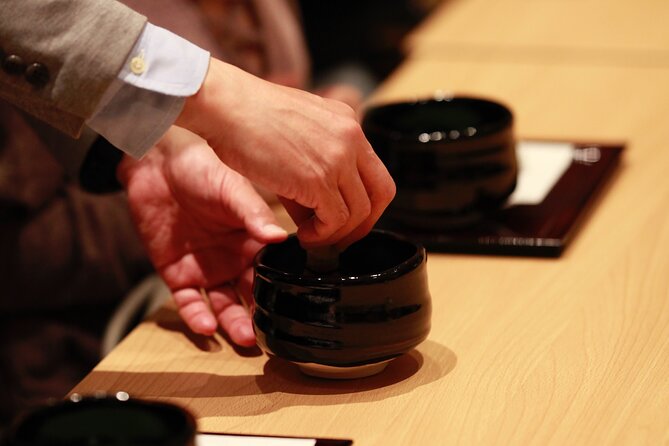
EDOCCO Tea House is the kind of place you want when your Tokyo plans include both big sights and something quiet. Instead of running from one landmark to the next, you step into a restored space built to feel like old Japan, where you focus on skills and etiquette rather than ticking boxes.
The value here is that you get several cultural forms in one visit: tea, dance, kimono, calligraphy, and origami. And they’re not thrown at you randomly. Each section has a reason, and the staff talk you through what you’re doing and why it matters—especially if this is your first time with Japanese traditional arts.
You can also read our reviews of more tours and experiences in Tokyo.



Your 1-hour plan: matcha, dance, kimono, shodo, origami
The whole experience runs about an hour, so think of it as a concentrated cultural sampler. You’ll do five main parts:
1) Tea ceremony with matcha and a Japanese sweet
2) A Japanese dance show with English explanation
3) Kimono cosplay (dressing experience for photos and atmosphere)
4) Shodo calligraphy mini workshop
5) Origami mini workshop
Because time is limited, the pace stays upbeat. You’ll get enough coaching to enjoy it, but this is not a multi-hour masterclass. If you’re the type who wants to slow down and perfect every stroke, you may wish there was more time for calligraphy or the dance. Still, as a first taste of Japanese arts, it’s a very efficient use of an afternoon.
Tea ceremony at EDOCCO: what to expect from the matcha session
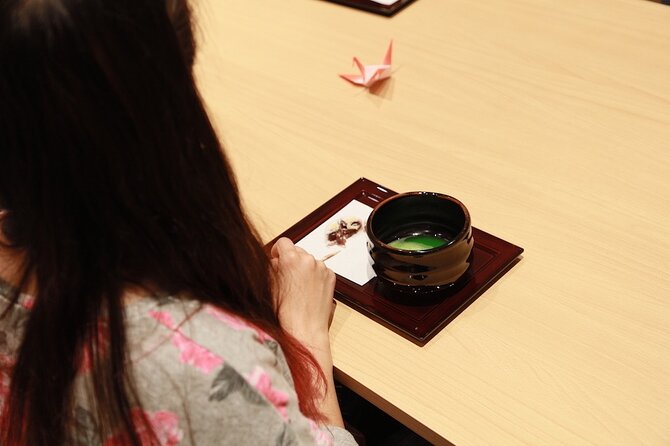
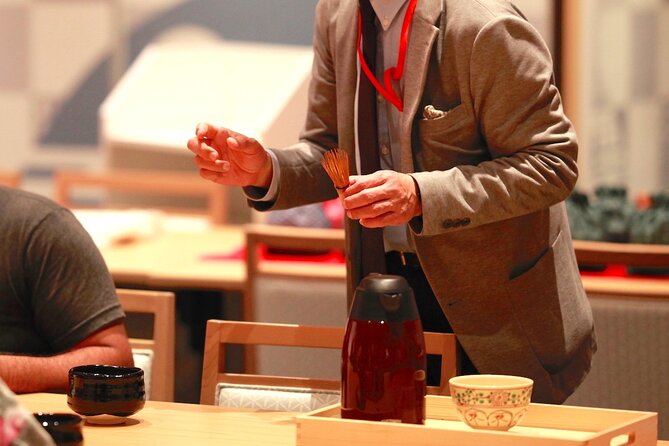
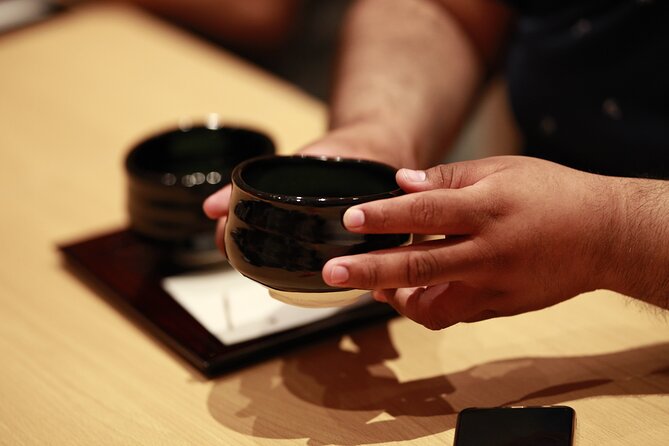
The matcha portion is built around doing the steps, not just watching. You’ll get guidance from the instructor as you prepare and serve the matcha, and you’ll also have Japanese sweets with your tea. That pairing matters. In Japan, sweets and tea often work together to balance taste and rhythm, and you’ll feel that more once you’re following the flow of the ceremony.
Practical tip: plan to be present during the tea steps. It’s easy to treat matcha like a selfie moment, but you’ll get more out of it if you slow down for the whisking, the serving, and the tasting.
Also, remember one specific detail: the matcha set (tea bowl, matcha powder, bamboo whisk, and other tools) is available for purchase, but it’s not included in the price. So if you fall in love with the tools, budget a little extra for souvenirs.
The Japanese dance show: short, explained, and easier than it looks
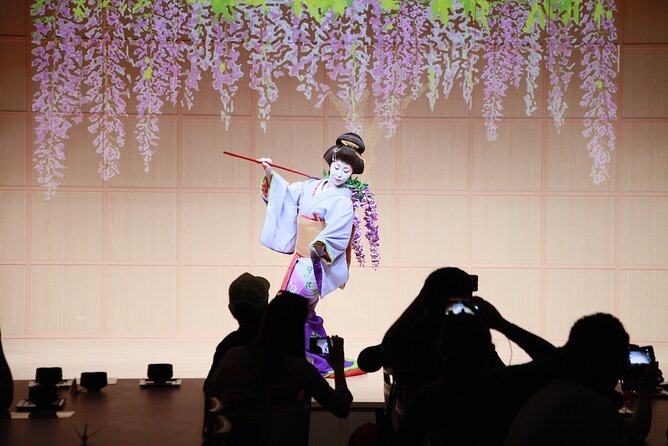
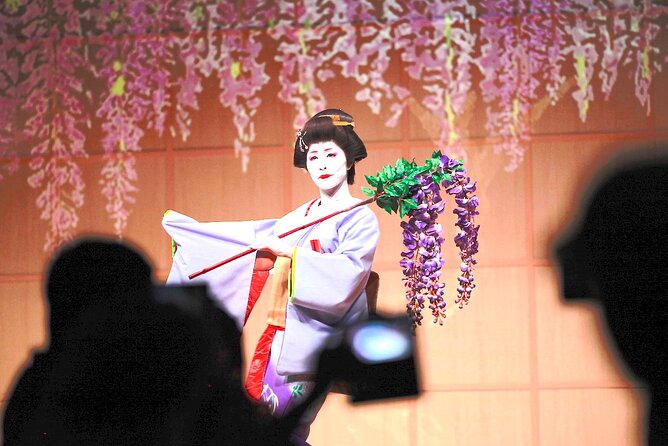
After the tea, you get a Japanese dance show. What makes this part especially useful is the English explanation. Even if you don’t know the style yet, the staff help you understand what you’re seeing—so the performance feels like a story, not just background entertainment.
One thing to know from experience with shows like this: the dance segment has limited time. It’s meant to be appreciated within the hour, and that can be a drawback if you were hoping for a long sit-down performance. That said, the upside is you still get all the hands-on activities without losing the cultural context.
If you want to maximize your enjoyment, watch the staff’s explanations, then pay attention to how the dance movements connect to the theme they explain. It turns what could be passive viewing into something you can follow.
Kimono cosplay: the fun part, but also a useful etiquette lesson
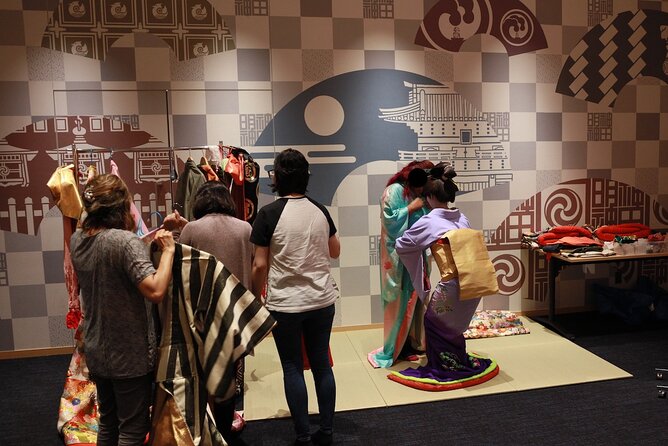
The kimono cosplay portion is a highlight for a lot of people—because it’s playful and visually memorable. You’ll dress in kimono, get into the Edo-style atmosphere, and use the setting for photos.
But I also like this part because it gently teaches you that traditional clothing isn’t just costume. It affects posture and how you move. Even if your time in the outfit is short, you’ll come away with a better sense of how kimono changes the whole experience of being in a traditional space.
Practical tip: go easy on makeup and hair before this. You’ll likely spend time getting dressed, and you want to be comfortable while you enjoy the ceremony and workshops that follow.






Shodo calligraphy mini workshop: make one character, not just a mess
Shodo is where EDOCCO becomes more than a show. You’ll try your hand at Japanese calligraphy with instructor guidance, focusing on basics like brush strokes. The goal isn’t perfection; it’s learning enough to create your own character and feel the logic behind the marks.
This is a great activity for first-timers because it’s structured. You start with guidance, then you practice. If you’re worried you’ll be terrible, don’t. The instruction tone is patient, and you’re not expected to already know the technique.
I’d put shodo right near the top if you want a souvenir that’s real. A small paper piece you made yourself can feel more meaningful than a generic postcard. Plus, you’ll understand what you’re looking at when you see kanji elsewhere in Tokyo.
Origami workshop: simple steps that turn into real art
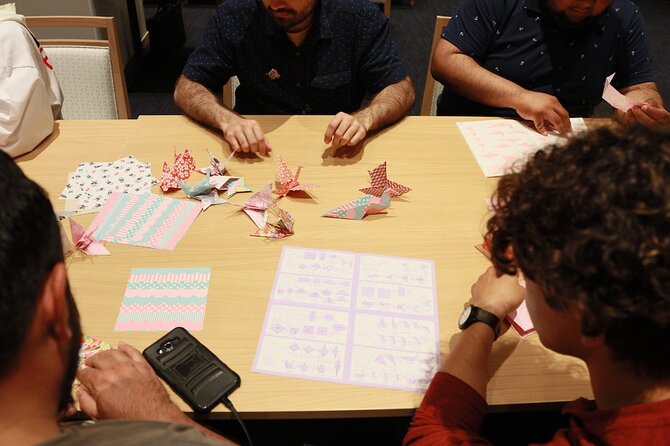
Origami at EDOCCO is a hands-on workshop, and it tends to be popular because it feels instantly doable. You’ll learn the craft of paper folding and create your own paper art. People often start with classic shapes like cranes, then move into more detailed designs depending on what time allows.
What I like about origami as a cultural activity is that it teaches patience without being intimidating. You can’t speed through it, but you also don’t need years of practice to make something attractive.
If you want a useful takeaway: watch the folding sequence closely, and don’t rush the creases. Most origami frustrations come from one small misfold early. Slow down for the first steps and the rest usually falls into place.
Who runs the show at EDOCCO (and why it matters)
The experience succeeds because the team stays attentive and supportive. In particular, I saw repeated appreciation for Ori and Mr. Bambu, including praise for clear English explanations and careful instruction during calligraphy and the overall flow.
That kind of staff attention changes the entire feel of cultural activities. When you can ask a question and get a direct answer, you stop worrying about doing it wrong and start enjoying the process.
Price and value: is $72.48 a good deal for one hour?
At $72.48 per person for about an hour, you’re paying for more than a seat. You’re paying for:
- a guided matcha tea ceremony with snacks (matcha + Japanese sweets),
- a dance show with English explanation,
- kimono cosplay,
- a shodo calligraphy workshop,
- and an origami workshop.
That’s five separate activities in one place, with instruction and materials managed by the venue. For Tokyo pricing, that can be good value—especially if you know you want more than one cultural highlight, but don’t want to spread it across half a day.
The one cost caveat is the matcha set. It’s not included, though it’s available for purchase. If you buy tools, your total trip spending rises. Still, you can enjoy everything without making any purchases.
Where to meet in Chiyoda (and how to plan your arrival)
You meet at EDOCCO2-chōme-16-2 Sotokanda, Chiyoda City, Tokyo 101-0021, Japan. The venue is near public transportation, and the activity ends back at the same meeting point.
My practical suggestion: build in a little extra time to walk the last stretch. Tokyo station exits can be confusing, and you don’t want to arrive sweaty and flustered for a calm tea and calligraphy session. If you plan to use the Marunouchi Line, many people find Ochanomizu (M20) a convenient target, and then it’s a short walk once you’ve sorted the correct route.
Best for: first-timers who want real practice, not just watching
This experience fits best when you want a fast, friendly introduction to multiple Japanese traditions. It’s also strong for families and kids, because the program is hands-on and the time commitment is small.
If you’re a serious calligraphy learner, you might find the shodo portion brief. If you want a long performance-focused evening, the dance show may feel too short. But for most people, the mix is exactly the point: you do, you learn, and you leave with tangible results.
The pace and timing reality check
Because everything is packed into about an hour, the pacing is structured. The upside is you won’t feel stuck waiting around. The downside is there’s less time than you’d want if you’re the kind of person who wants to repeat the calligraphy strokes again and again, or watch a longer dance segment.
A good way to think about it: this is an efficient start. If it sparks your interest, you’ll know what you want to study more afterward—tea, dance, calligraphy, or paper craft.
Should you book EDOCCO Tea House?
Yes, if you want a compact Tokyo cultural experience that feels hands-on and well guided. The combination of matcha + sweets, kimono dressing, shodo calligraphy, and origami makes your hour feel full without turning chaotic.
Book it especially if:
- you want multiple traditional arts in one stop,
- you’d like English support while you learn,
- you value an experience where staff like Ori and Mr. Bambu keep things organized and encouraging,
- and you prefer small-group attention over big tours.
Hold off if:
- you want a longer dance performance,
- you’re only interested in one discipline (like tea only),
- or you strongly prefer unhurried workshop time over variety.
FAQ
FAQ
How long is the EDOCCO Tea House experience?
It runs for about 1 hour.
What’s included in the price?
You get a set of matcha and Japanese sweets, a Japanese dance show appreciation, calligraphy experience (shodo), origami experience, and Japanese dress cosplay.
Is the matcha set included?
No. The matcha set with tools (tea bowl, matcha powder, bamboo whisk, and other items) is available for purchase, but it’s not included.
How big are the groups?
The activity has a maximum of 20 people.
Do you get English support?
Yes. The dance show includes explanations in English, and the experience is guided with English support.
Where do I meet, and does it end nearby?
You meet at EDOCCO2-chōme-16-2 Sotokanda, Chiyoda City, Tokyo 101-0021, Japan. The activity ends back at the meeting point.
What do I receive for booking?
You’ll receive a mobile ticket.
When do I get confirmation?
You receive confirmation at booking time, unless you book within 1 day of travel. In that case, confirmation is received as soon as possible, subject to availability.
What happens if weather is bad?
The experience requires good weather. If it’s canceled due to poor weather, you’ll be offered a different date or a full refund.
What if the minimum number of participants isn’t met?
If the minimum isn’t met and the experience is canceled, you’ll be offered a different date/experience or a full refund.