REVIEW · TOKYO
Shinjuku Highlights Walking Tour
Book on Viator →Operated by Viyago Japan · Bookable on Viator
Shinjuku is easier with a guide. This small-group walk threads you through the district’s tight lanes and big moods, with a human pushing you past the confusion and toward the stories that explain what you’re seeing. You get a shortcut to famous corners and lesser-known bits, plus an easy flow so you are not doing the map-calorie burn.
What I like most is the small group size (up to 5), which keeps things conversational. The other big win is the way guides connect the past to the present, so areas like Omoide Yokocho and Golden Gai feel less random and more like parts of the same Shinjuku puzzle.
One thing to consider: this is a short, focused 1 to 2 hour walk. If you want long, slow stops for wandering on your own, this plan will feel a bit brisk.
In This Review
- Key highlights worth planning for
- Entering Shinjuku’s Maze Without Wasting Your Time
- Omoide Yokocho: A Showa-Era Backstreet Moment
- Kabukicho: Nightlife Energy With Context
- Golden Gai: Tiny Alleys, Strong Subculture
- Hanazono Shrine Festival: A Peaceful Reset
- Price and Value: Paying $39.09 for the Right Stuff
- What the Best Guides Actually Change
- Who Should Book This Shinjuku Highlights Walk
- How to Get the Most From Your 1 to 2 Hours
- Should You Book This Shinjuku Tour?
- FAQ
- How much does the Shinjuku Highlights Walking Tour cost?
- How long is the tour?
- What is the group size limit?
- Is it a mobile ticket tour?
- Where do I meet the guide?
- Where does the tour end?
- What places are included in the walk?
- Is there an admission fee for the stops?
- Will I get confirmation after booking?
- Can I get a full refund if I cancel?
Key highlights worth planning for

- Up to 5 people means you can ask questions without shouting over foot traffic.
- No getting lost: a guide leads you through narrow alleyways where self-navigation gets annoying fast.
- Omoide Yokocho first to set the historical mood early, before the night-life zones.
- Golden Gai’s subculture vibe feels different from the alley streetscape you saw at the start.
- A calm finish at Hanazono Shrine gives you a breather after Shinjuku’s more intense energy.
Entering Shinjuku’s Maze Without Wasting Your Time
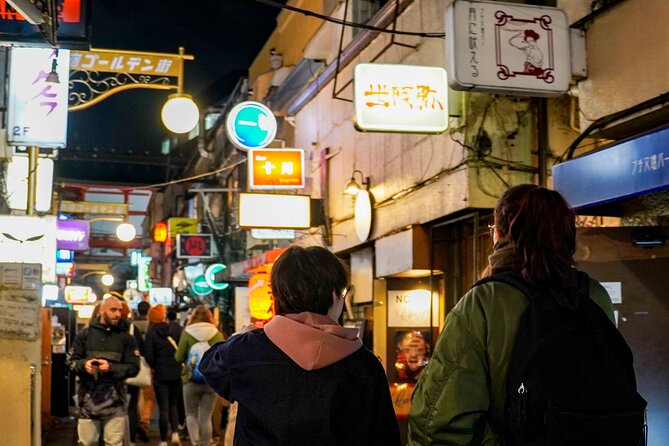
Shinjuku can be a bit of a test if you try to “see everything” on your own. It is not that the sights are hidden; it is that they are packed in a place where streets twist, alleys appear out of nowhere, and the vibe changes every few blocks. This tour solves that by doing the hard part for you: routing you through the right neighborhoods in a logical order.
The other smart move is the format. You are not herded by a megaphone. With a maximum of 5 travelers, the guide can adjust pace, repeat directions, and explain what matters as you pass it. That matters in Shinjuku, where the details are the experience. A doorway, a narrow passage, or a small neighborhood name can explain why a place feels the way it does.
Finally, you are walking with an actual guide in person, not just a route. In one of the experiences I read about, the guide Arata was prompt and showed a real interest in what the group wanted to see. That personal attention shows up in a tour like this because the best Shinjuku moments are not always the biggest signs—they are the small scenes you might miss.
You can also read our reviews of more walking tours in Tokyo


Omoide Yokocho: A Showa-Era Backstreet Moment
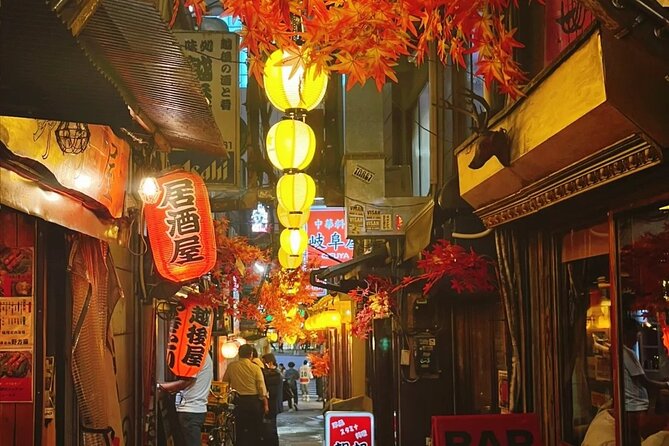
You start at Omoide Yokocho, a retro alley that preserves an older Tokyo streetscape from roughly the Showa era (about 50 to 70 years ago, depending on how you count it). The key point here is not nostalgia for its own sake. It is the contrast: you begin in a place that slows your brain down, even though it is surrounded by one of the busiest areas in the city.
This stop is quick—about 20 minutes—but it is timed well. Arriving early helps you absorb the “rules” of the area: tight passageways, old-school lane geometry, and that unmistakable sense that this space has a long memory. If you have ever walked into a narrow alley and felt you were supposed to know something but did not, this is the cure. The guide points out what you should notice so you are not just passing through.
Also, the experience is free at the point you enter. The tour notes an admission ticket of free for this stop, so you can focus on atmosphere rather than budgeting your sightseeing.
Practical tip: wear comfortable shoes. This is the kind of Tokyo alley that makes you slow down naturally, but you still cover real ground.
Kabukicho: Nightlife Energy With Context
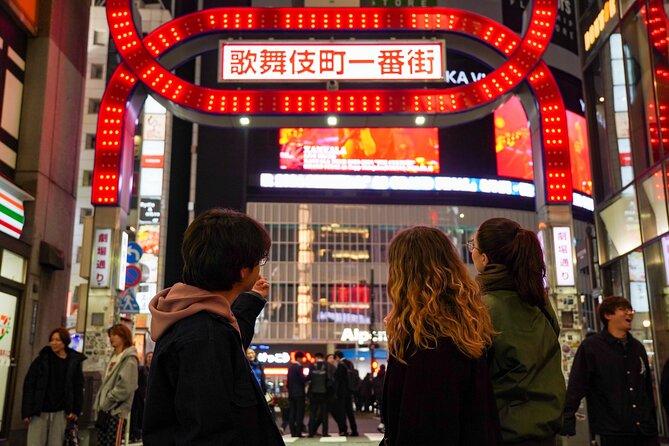
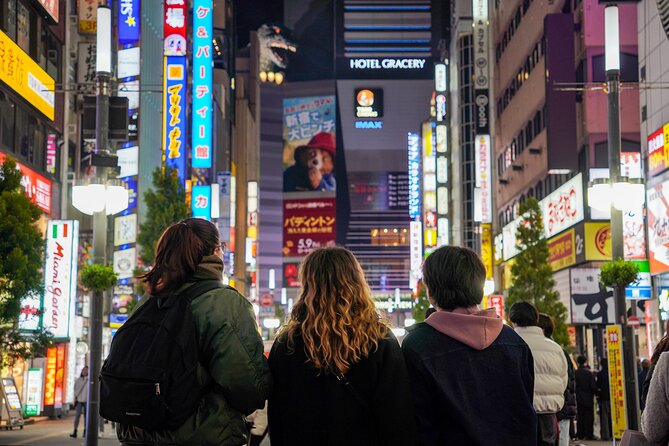
From Omoide Yokocho, you shift into Kabukicho, the area known for Tokyo’s nightlife scene. The tour description frames it as a place with hostess clubs and nightclubs, plus a harder-edged side of the city you might not want to ignore.
What makes a guided walk valuable here is context. Kabukicho can look like pure chaos if you do not know what you are looking at. With a guide, you get a clearer sense of how this neighborhood functions—why it draws crowds, how it became a magnet for nightlife, and what the area signals to visitors.
You get another ~20 minutes here, which is enough time to see the general atmosphere without getting stuck in one spot for too long. If your goal is photos, you will find plenty of visual material, but the better use of your time is to listen for the explanations. The guide’s commentary can turn a street of neon into something you can actually interpret.
Important note for your expectations: Kabukicho is not a quiet cultural museum. If you prefer calmer streets, treat this stop as a quick orientation. You are there to understand the district, not to linger in an environment that can feel intense.
Golden Gai: Tiny Alleys, Strong Subculture
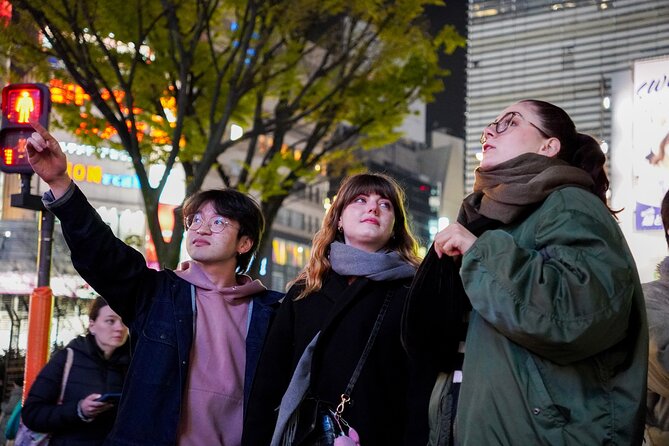
Next comes Shinjuku Golden Gai, another area that keeps a retro feel from older Tokyo, but with a different personality than Omoide Yokocho. Golden Gai is described as having a strong subcultural vibe, associated in the past with people like actors and writers.
This is where the walking tour becomes more than “look at this place.” It becomes “why do these places feel like they do?” The guide helps connect the dots: how Golden Gai carries a distinct identity, how that identity has shaped the kinds of stories you hear about the neighborhood, and how it remains recognizable even as the city around it keeps changing.
You get about 20 minutes at this stop. That duration is right for Golden Gai’s design: it is made for short, sensory impressions—tight lanes, small spaces, and a sense that the neighborhood is built for people who want conversation without ceremony.
Free admission applies here too, so you are not paying to observe the vibe. You’re paying for guidance, context, and direction—exactly what you need when the place is structurally confusing.
Hanazono Shrine Festival: A Peaceful Reset
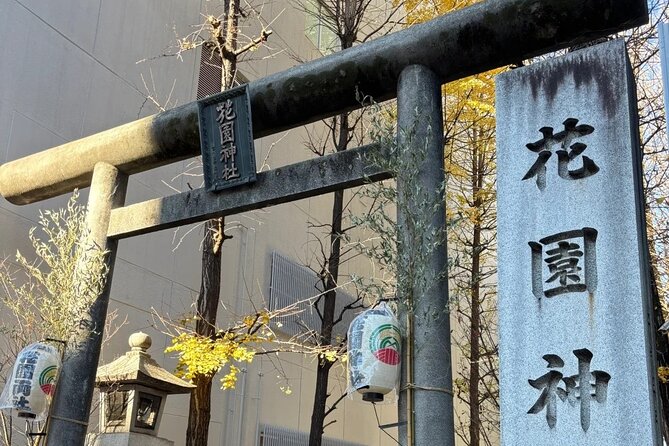
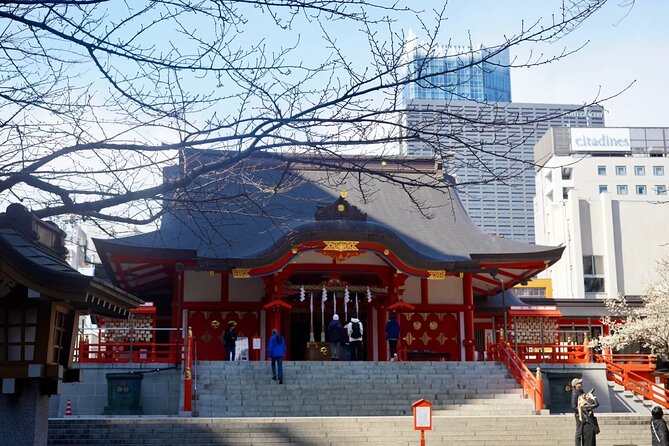
The walk ends at Hanazono Shrine, a traditional Japanese shrine where the tour aims to give you a calmer landing. The itinerary notes the shrine grounds as spacious, surrounded by nature, and offering a retreat from the city. It also mentions a festival element, though the specific event details are not spelled out in the info you provided.
Even without guessing about what day you are going to, this finish makes sense. After navigating nightlife-adjacent streets and retro alleys, you get a chance to reset your senses. Shrines tend to do that naturally—the space asks you to slow down and look up, not just forward.
This last stop is the shortest, about 10 minutes, and it is paced like a proper wrap-up. You likely leave with a more balanced impression of Shinjuku: not just the flash, not just the past, but the way the city contains both in close distance.
Practical tip: treat this as your cooldown. If you need water, this is a good time to grab it if you find a spot nearby, because you may not have the easiest pick-ups during the narrow alley segments.




Price and Value: Paying $39.09 for the Right Stuff
At $39.09 per person, this is not a cheap add-on, but it can be strong value if you care about understanding places instead of just ticking off names.
Here is why the price can work:
- You get an in-person guide for the whole walk, not just an orientation at the start.
- The tour includes admission fees—at least for the stops listed, the admission tickets are free.
- The format is small, with maximum 5 travelers, so you are paying for time with a guide, not for a mass production experience.
In Shinjuku, the “cost” of self-guided wandering is often time and confusion. This tour reduces both. You do not have to guess which alleys are worth your attention or how to sequence places so you get the contrast (old streets first, nightlife later, shrine to finish).
Is it worth it for everyone? If you love planning routes, reading about neighborhoods ahead of time, and wandering without help, you may feel like you could recreate this. But if you want to walk and learn without doing homework, this price is reasonable for what you get.
What the Best Guides Actually Change
One theme shows up in the guide stories tied to this experience: the guide turns the walk from a list into a narrative.
Arata, for example, was described as prompt and interested in what the person wanted to visit. The walk also included a handoff mindset—making sure the guest ended up at the correct location for the next activity afterward. That kind of care is not “extra credit.” In a place like Shinjuku, it helps you avoid the most common travel annoyance: arriving somewhere, feeling unsure, and burning your remaining time.
Another highlight from the guide experience was the storytelling. One account described a guide who shared personal background—stories from childhood and a grandfather—and used those details to explain how history shapes what exists today. That is the real value of a guided walk here. Shinjuku can feel like separate worlds stacked on top of each other. A good guide makes those worlds make sense.
Who Should Book This Shinjuku Highlights Walk
This tour is a great match if:
- You want Shinjuku’s contrast in one compact route: retro alley feel, nightlife neighborhood energy, then a shrine reset.
- You like getting local tips and recommendations from a person who can answer your questions on the move.
- You prefer small groups and hate being stuck at the back while everyone tries to hear the guide.
It may be less ideal if:
- You want long stays at each stop rather than a quick, well-paced sampling.
- Nightlife districts make you uncomfortable. Kabukicho is part of the plan, and the tour acknowledges that side of Shinjuku.
If you are on a first trip to Tokyo and you want one Shinjuku-focused experience that feels guided but not sterile, this hits that sweet spot.
How to Get the Most From Your 1 to 2 Hours
You will get more out of this tour if you treat it like a guided orientation to how Shinjuku works.
- Keep your questions ready. Ask things like what each neighborhood is “for” and how people use it.
- Go with walking comfort in mind. The value is in small scenes, and those scenes tend to reward slower viewing.
- Listen for the connections. The guide’s best work is explaining how today’s streets reflect older Tokyo patterns.
If you like to take photos, do it while still staying aware of your group. This is not a scavenger hunt where you can wander freely.
Should You Book This Shinjuku Tour?
I would book this if you want a time-efficient Shinjuku experience that prioritizes context over guesswork. The small group size, the focused route, and the guide-led navigation through narrow lanes are exactly what makes Shinjuku manageable.
I would skip it if you already have a detailed game plan and you prefer independent wandering through nightlife areas at your own pace. But if you want to walk, ask questions, and leave with a better understanding of Omoide Yokocho, Kabukicho, Golden Gai, and Hanazono Shrine, this is an easy yes.
FAQ
How much does the Shinjuku Highlights Walking Tour cost?
It costs $39.09 per person.
How long is the tour?
The tour runs about 1 to 2 hours.
What is the group size limit?
The tour has a maximum of 5 travelers.
Is it a mobile ticket tour?
Yes, it uses a mobile ticket.
Where do I meet the guide?
You meet at Kitakata Ramen BAN NAI Shinjuku-Omoide yokocho, 1-chōme-2-8 Nishishinjuku, Shinjuku City, Tokyo 160-0023, Japan.
Where does the tour end?
The tour ends at Hanazono Shrine, 5-chōme-17-3 Shinjuku, Shinjuku City, Tokyo 160-0022, Japan.
What places are included in the walk?
The walk covers Omoide Yokocho, Kabukicho, Shinjuku Golden Gai, and Hanazono Shrine.
Is there an admission fee for the stops?
Admission fees for the listed stops are free, and the tour includes admission fees.
Will I get confirmation after booking?
Yes, confirmation is received at the time of booking.
Can I get a full refund if I cancel?
Yes. You can cancel up to 24 hours in advance for a full refund.