REVIEW · TOKYO
Ebisu Food Tasting Experience with Japanese Cooking Class
Book on Viator →Operated by HomeTaste JapaneseCookingClass · Bookable on Viator
Cooking in Tokyo feels like family. This Ebisu home-cooking experience with Mari and her daughter Ayumi mixes a local ingredient hunt with hands-on lessons, all in English, and then you sit down to eat what you made. I especially like the supermarket stop that teaches you what to look for, and I love that the whole process is guided step-by-step so you’re not guessing.
There’s one catch to consider: the hamburger steak course doesn’t offer a vegetarian option, while the temaki sushi course includes making your own sushi with fresh fish, plus vegetables and tofu.
In This Review
- Key Highlights You’ll Care About
- Finding Ebisu: The Easy Start Before You Cook
- The Supermarket Walk That Actually Teaches You Something
- Two Courses, Two Moods: Temaki Sushi vs Hambāgu
- Temaki Sushi Course: DIY Rolls With Real Skills
- Japanese Hamburger Steak Course: Comfort Food With Structure
- Cooking in a Cozy Tokyo Kitchen (Without Needing Experience)
- What Happens During the Meal: Eat Your Work, Then Get Tokyo Tips
- Price and Value: What $78.04 Buys You in Real Terms
- Timing and Practical Flow: A 3-Hour Class That Fits a Day
- Who Should Book This Cooking Class (and Who Might Pass)
- Should You Book the Ebisu Food Tasting and Japanese Cooking Class?
- FAQ
- Where does the experience start?
- How long is the cooking experience?
- What courses are available?
- Is there a vegetarian option?
- Do I need any cooking experience?
- What language is the class taught in?
- Are drinks included?
- What is the group size limit?
- How do I receive my ticket?
- What is the cancellation policy?
Key Highlights You’ll Care About
- Mari and Ayumi lead in English with a clear, friendly teaching style that keeps you moving.
- Supermarket-to-kitchen flow helps you understand ingredients before you cook.
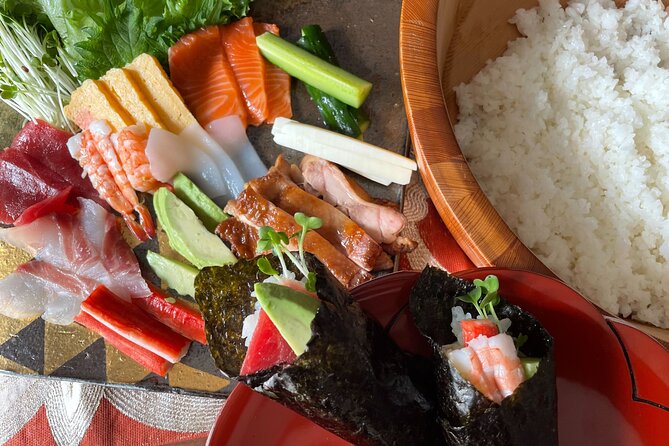
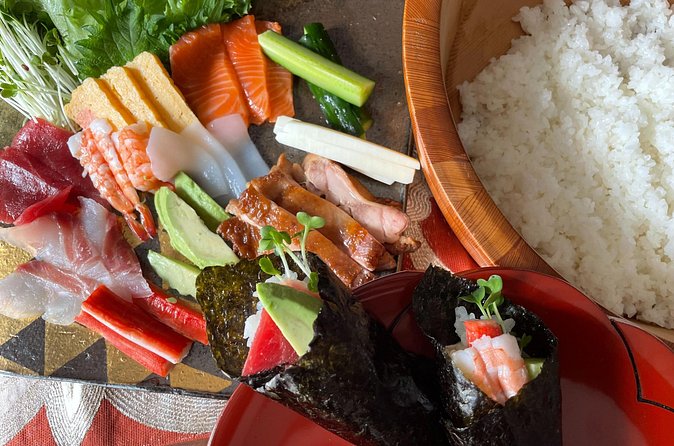
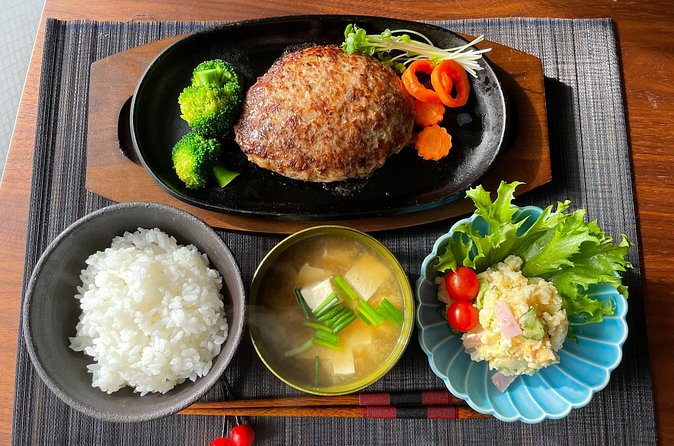
- Two distinct courses: temaki sushi (rice, tamagoyaki, teriyaki chicken, DIY rolls) or Japanese hamburger steak (hambāgu, potato salad, miso soup).
- Small group size with a maximum of 4 people for more attention and less waiting.
- Optional sake or craft beer to go with the meal you cooked.
- Tokyo tips come with dinner, since they’re locals who can help with planning after you eat.
Finding Ebisu: The Easy Start Before You Cook
The experience starts at Ebisu Station Police Box (1-chōme-5-5 Ebisuminami, Shibuya, Tokyo). It’s a very practical meet-up point: you’re at a major station area, and the activity is described as near public transportation. That matters in Tokyo, where “close” can mean 5 minutes or 25.
You’ll also see Ebisu Garden Place referenced as a stop in the flow of the outing. The vibe here is important: this isn’t a far-flung countryside class. It’s built for people who want Tokyo life—getting ingredients locally, walking back and forth, then cooking in a real home setting.
The group stays small (up to 4 people). That’s the difference between a class that feels like a production and one that feels personal. If you like asking questions, you’ll have room to do it without the class racing ahead.
You can also read our reviews of more food & drink experiences in Tokyo


The Supermarket Walk That Actually Teaches You Something
Before the apron goes on, you head out to a local Japanese supermarket. This is one of the best parts because it’s not just a photo stop. You learn what “essential” ingredients look like in Japan, and you get explanations that connect the shopping choices to the final dish.
Mari handles the culinary expertise, and Ayumi supports as a bilingual interpreter and assistant. In practical terms, that means you can ask about ingredients and understand not only what something is, but how it affects flavor and cooking.
One detail I really appreciate from the experience’s feedback: Mari and Ayumi go beyond the basic list. If you’re curious about products and ingredients, they’ll explain different items you might be interested in, and they may even take you to extra shops to find what you want. That kind of flexibility turns the supermarket stop from a quick tour into something closer to a guided shopping lesson.
Tip for you: come with questions. If there’s a Japanese ingredient you’ve seen in a market or on a menu—soy sauce type, miso style, tofu varieties—write it down and ask. The supermarket time is where those answers can actually help you cook later.
Two Courses, Two Moods: Temaki Sushi vs Hambāgu
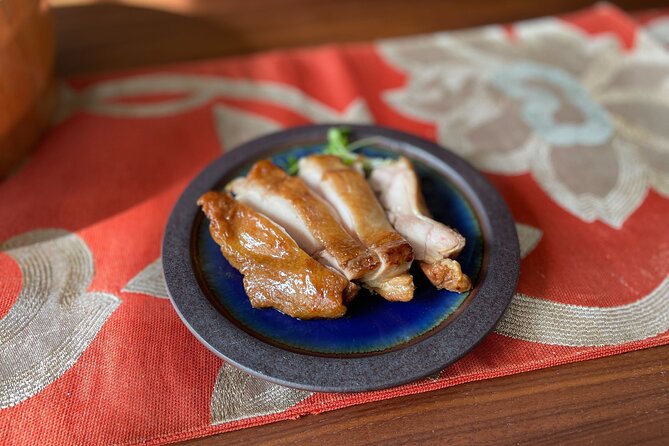
You’ll pick between two course options, and each one creates a different kind of fun.
Temaki Sushi Course: DIY Rolls With Real Skills
In the temaki sushi course, you make sushi rice and tamagoyaki (Japanese omelet). Then you cook teriyaki chicken. After that, you roll your own sushi with fresh fish, vegetables, or tofu.
What makes this feel like home cooking (not a demo) is the mix of tasks. You’re not just assembling. You’re learning components that matter: rice seasoning, omelet technique, and the sweet-savory teriyaki flavor that ties the meal together.
Vegetarian options are available in this course. That’s great for mixed groups, and it also lets you choose a temaki build that matches what you eat comfortably. If you’re vegetarian, this course is the safer bet based on the information provided.
One consideration: since the course includes fresh fish, you’ll want to be honest with yourself about whether you’re comfortable working with it and eating it. The course also includes vegetables and tofu, so there’s room to build a vegetarian-style roll, but you’ll still be in a sushi-focused workflow.
Japanese Hamburger Steak Course: Comfort Food With Structure
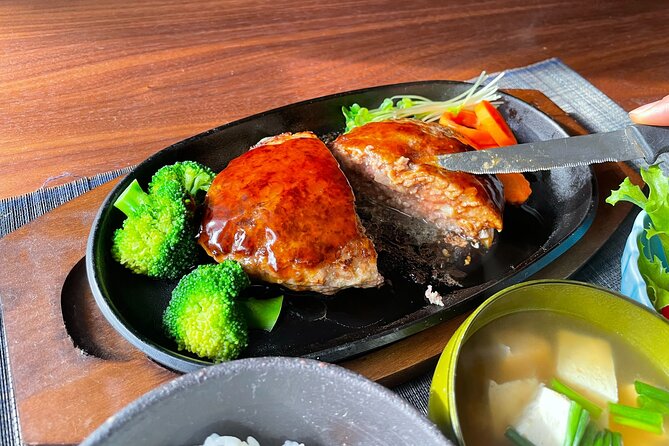
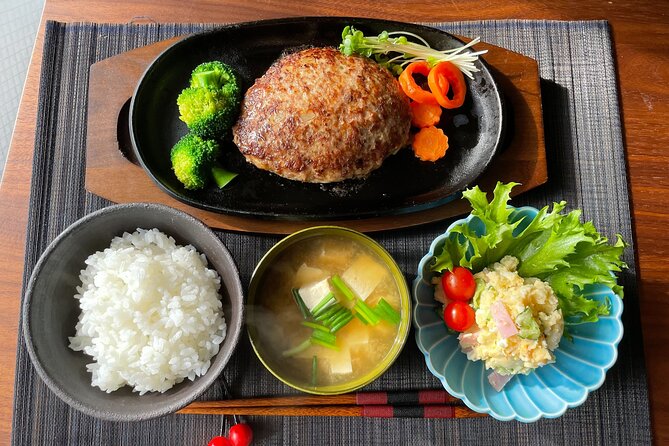
The Japanese hamburger steak course is a full set meal. You’ll prepare hambāgu (Japanese-style hamburger steak), potato salad, and miso soup.
This is the course for comfort-food energy. It’s also the one that’s easier to follow if you like classic, familiar textures: savory ground-meat patty, creamy potato salad, and a warm miso soup to finish.
No vegetarian option is available for this course. So if you’re traveling as a duo or family and dietary needs are in play, the temaki course may be the only realistic fit.
If you’re curious about Japanese home cooking beyond sushi, hambāgu is a solid entry point. It’s also a good choice if you want a meal where everyone understands what you’re making the whole time: mix, shape, cook, plate—no rolling technique required.
You can also read our reviews of more tours and experiences in Tokyo


Cooking in a Cozy Tokyo Kitchen (Without Needing Experience)
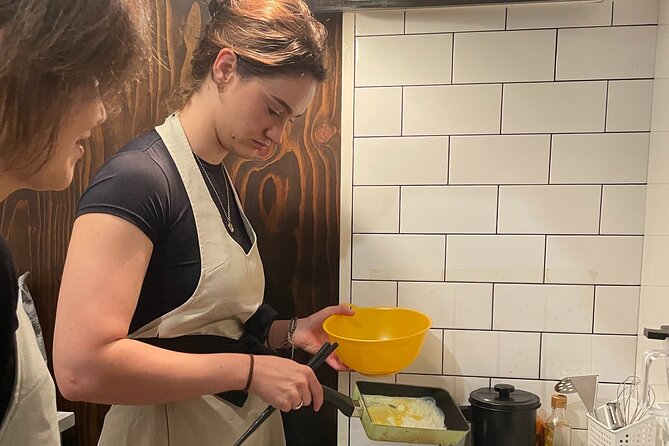
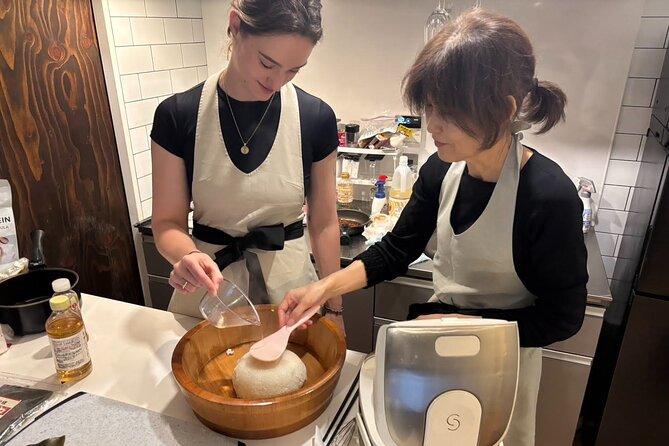
The class is taught entirely in English, and no cooking experience is required. That sounds like standard marketing, but what you’re really buying here is guidance. You’re guided through each step, and you cook together as a group in the home kitchen setting.
In a small group (up to 4), you get the kind of attention that helps you avoid that frustrating moment where you’re unsure what to do next. You’re also more likely to pick up the “why” behind instructions: why the rice is handled a certain way, why omelet texture matters, how teriyaki gets balanced.
Mari’s background is described as professional culinary expertise featured in TV programs and magazines. Whether you care about that credential or not, it matters because you’re not learning from someone who’s winging it. Her explanations (via Ayumi’s interpreting and assistance) are part of the value: you’re not just following steps; you’re building technique memory.
And the mother-daughter dynamic isn’t just cute. It shapes the tone. Many people come expecting a class, but the feedback emphasizes that you’ll feel like part of the ohana—like you’re being welcomed into their kitchen routine. In practice, that means the environment is supportive, not intimidating.
What Happens During the Meal: Eat Your Work, Then Get Tokyo Tips
After cooking, you enjoy the meal together. This is not a situation where you cook for show and then eat something else. You sit down and eat what you made, which is satisfying for two reasons:
1) You taste the results right away, so you understand what each ingredient and step contributed.
2) The sharing part becomes more personal. You’re not talking about food in theory; you’re comparing bites you just created.
The experience also includes local tips and help planning your Tokyo trip after the meal. Since Mari and Ayumi live in Tokyo and have over 15 years of experience living there, you’re getting advice from people who know daily life—not just famous-spot highlights.
If you’re the type of traveler who wants your itinerary to feel realistic, ask them what neighborhoods make sense based on your interests and time. If you’re planning around food, ask what to eat next and where it fits with the cooking skills you just learned.
Optional drinks include sake or craft beer. The key word here is optional. You can keep it simple and focus on the meal if you prefer, or add a drink to match the cozy home-kitchen mood.
Price and Value: What $78.04 Buys You in Real Terms
The price is $78.04 per person, and the class lasts about 3 hours. For Tokyo, that may sound like a lot until you look at what’s included in the overall experience style:
- You get instruction in English from Mari and Ayumi
- You visit a local Japanese supermarket to learn what to buy
- You cook multiple components, not just one dish
- You eat the meal together afterward
- You can include optional sake or craft beer
- You’re in a small group (max 4)
So the value isn’t only the food. It’s the combination of ingredient education + hands-on cooking + a sit-down meal + local guidance. If you want to learn how Japanese home cooking works, not just what Japanese food is, this is the kind of class where the cost makes sense.
When it might not feel like a win: if you’re looking for a broad, sightseeing-heavy Tokyo tour, this is still a cooking-first experience. It’s also course-dependent. Your choice matters—especially for vegetarian needs.
Timing and Practical Flow: A 3-Hour Class That Fits a Day
A 3-hour experience is a workable block in Tokyo. It’s long enough to shop, cook, and eat without feeling rushed, but short enough that you can still plan dinner elsewhere—or make it your dinner.
The start point is clear at Ebisu Station Police Box, and you end back at the meeting point. That reduces stress. You’re not left figuring out how to get back on your own after being distracted by cooking and conversation.
Also, this class is commonly booked about 22 days in advance on average. That tells me it’s not a “walk-up any day” situation. If you’re set on a specific course, plan ahead and reserve when you know your dates.
Who Should Book This Cooking Class (and Who Might Pass)
This experience is a great match if you want:
- Hands-on Japanese cooking with guidance, even if you’re a beginner
- A small-group atmosphere (max 4 people)
- A mix of supermarket education and home-kitchen technique
- English instruction you can trust for clarity
- A warm social meal after cooking, plus Tokyo planning tips
You might consider the temaki sushi course if you want a vegetarian option or you like the idea of making rice, tamagoyaki, teriyaki chicken, then building your own rolls.
You might consider the hamburger steak course if you prefer a comfort-food plate with miso soup and potato salad, and your dietary needs fit because there’s no vegetarian option for this one.
You might pass if you don’t eat fish and you’re not comfortable with a sushi course that includes fresh fish as part of the making process. You could still potentially choose tofu/vegetable builds, but the dish framework is still sushi-focused.
Should You Book the Ebisu Food Tasting and Japanese Cooking Class?
I’d book this if you want a real, guided taste of Tokyo home cooking—especially if you like learning ingredients, not just recipes. The small group size, English-led teaching, and the supermarket-to-kitchen structure make it feel worth the money. Add in the mother-daughter team’s warm, welcoming tone, and it turns into more than a checklist activity.
Don’t book it blindly if vegetarian requirements matter. Choose the course intentionally. If you’re going for vegetarian flexibility, the temaki sushi course is the one that includes vegetarian options. If you want hambāgu specifically, plan for a non-vegetarian meal.
If you want, tell me which course you’re considering (temaki sushi or hambāgu) and whether anyone in your group has dietary restrictions. I can help you decide which option fits best.
FAQ
Where does the experience start?
The class starts at Ebisu Station Police Box, 1-chōme-5-5 Ebisuminami, Shibuya, Tokyo 150-0022, Japan, and it ends back at the meeting point.
How long is the cooking experience?
The experience lasts about 3 hours.
What courses are available?
You can choose between a Temaki Sushi Course or a Japanese Hamburger Steak Course.
Is there a vegetarian option?
Vegetarian options are available for the Temaki Sushi Course. The Japanese Hamburger Steak Course has no vegetarian option.
Do I need any cooking experience?
No cooking experience is required. You’ll be guided through each step.
What language is the class taught in?
The lessons are taught entirely in English.
Are drinks included?
Optional drinks are available, including sake and craft beer.
What is the group size limit?
The experience has a maximum of 4 travelers.
How do I receive my ticket?
You’ll receive a mobile ticket.
What is the cancellation policy?
Free cancellation is available up to 24 hours in advance of the experience for a full refund.