REVIEW · TOKYO
Asakusa: 2-Hour History Walking Tour & Local Food Tasting
Book on GetYourGuide →Operated by Local Guide Stars · Bookable on GetYourGuide
Asakusa moves fast, like a time machine on foot. I really like the chance to see Senso-ji and hear what made it matter, plus I like the local street food tasting that turns all that temple-walking into something delicious. One thing to consider: this is a 2-hour walking tour, so you’ll want comfortable shoes and patience if the weather shifts.
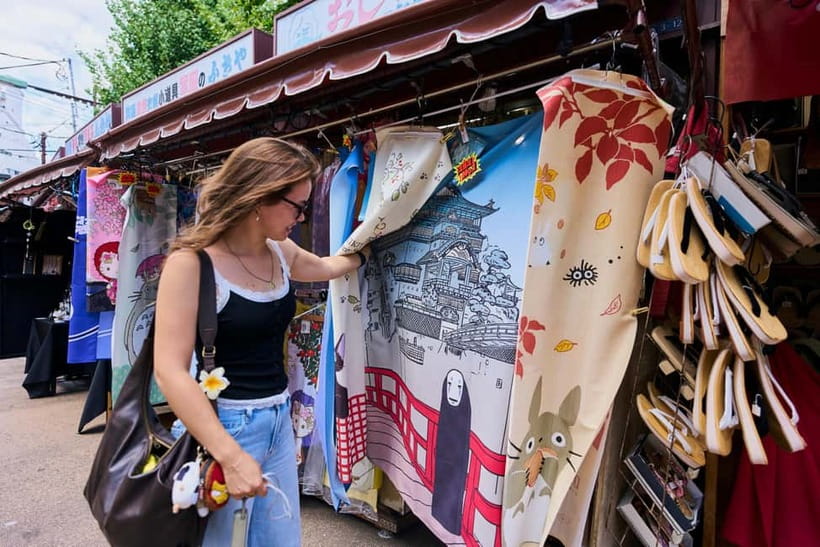
What makes this tour extra practical is the mix of sacred and real-life Tokyo. You’ll connect the temple setting with nearby places where daily culture lives on, then you’ll stop for very specific shopping hits: a pro-level knife shop, a samurai sword and ninja gear store, and a cute tableware shop you can actually picture using back home.
In This Review
- Key Things I’d Highlight Before You Go
- Meeting Kaminarimon: finding your guide and start time
- Senso-ji Temple and Asakusa Shrine: Tokyo’s old center in walking distance
- Street food tasting: how to eat like you belong for 2 hours
- Pro-level knife shop and Japanese craft shopping that teaches
- The 2-hour walking format: what fits your day (and what doesn’t)
- Price and value: why $16 can work (if you use the guide well)
- Who this Asakusa tour is perfect for
- Should you book this Asakusa history and local food tour?
- FAQ
- How long is the Asakusa 2-hour history walking tour?
- How much does the tour cost?
- Where do I meet the guide?
- Where does the tour end?
- Is the tour in English?
- What’s included in the price?
- Are meals or drinks included?
- What should I bring?
- What if I want to do something at the temple?
- Are there cancellation or pay-later options?
Key Things I’d Highlight Before You Go
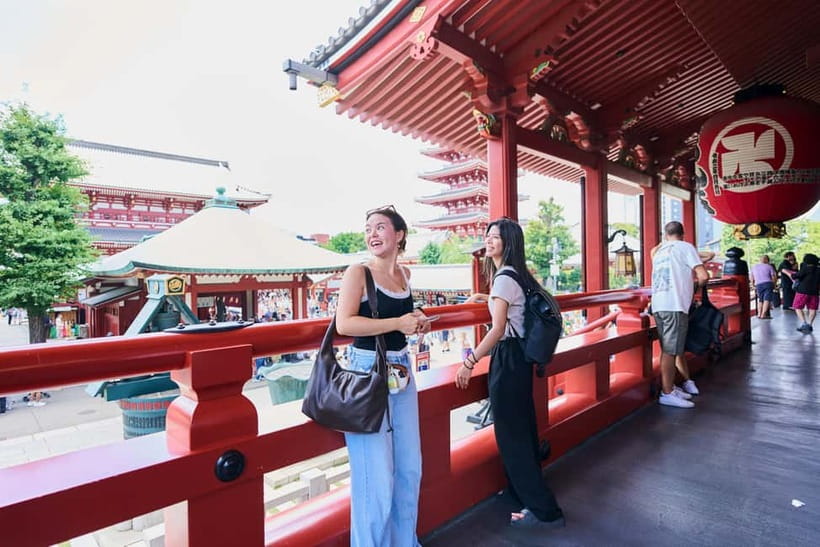
- Senso-ji (built 628) plus Asakusa Shrine right next to it, showing how religion works in everyday Japan
- Local street food tasting with your guide’s top snack picks for sweet and savory stops
- Pro chef knife shop visit for a shopping stop that’s more than window dressing
- Samurai sword and ninja gear store for fun gear—and a quick history-laced look at pop culture
- Cute Japanese tableware shop that’s ideal for smaller, meaningful souvenirs
Meeting Kaminarimon: finding your guide and start time
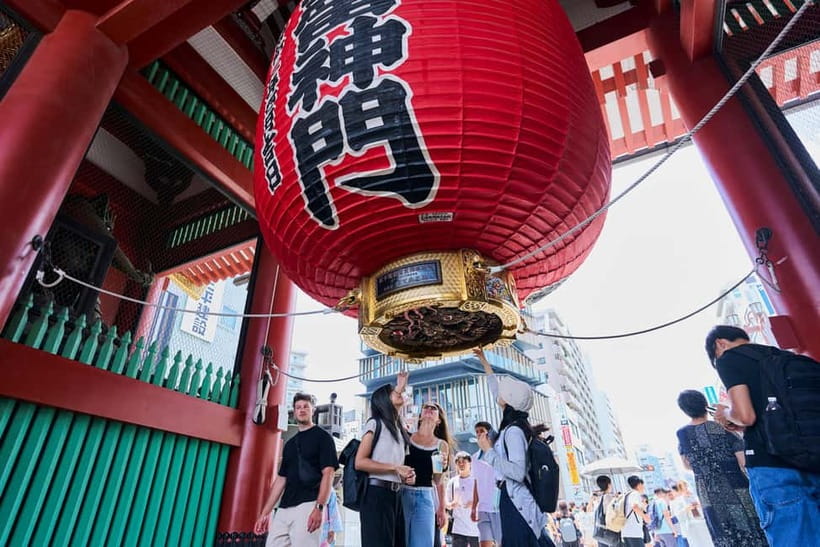
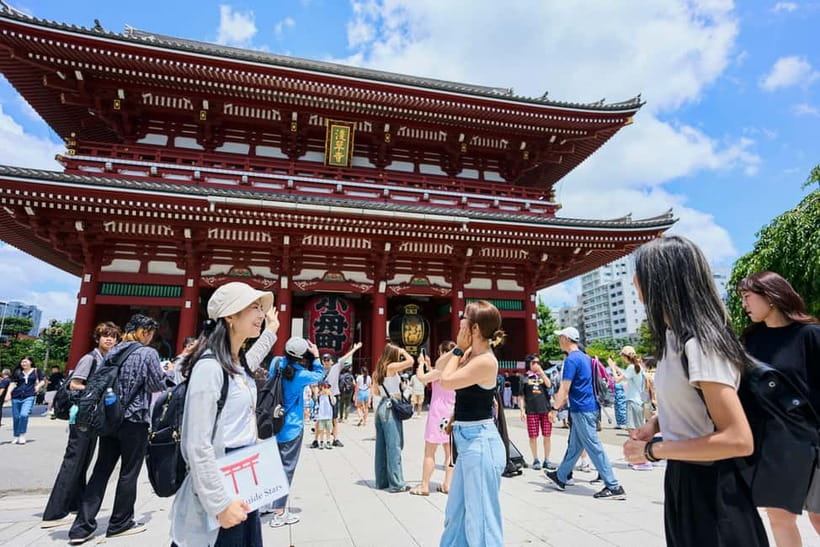
This tour’s start point is easy to locate once you know the landmark: meet in front of the Kaminarimon Police Box at Asakusa Station. Your guide will be holding a sign that says Local Guide Stars so you can match it quickly, even if you’re arriving from a busy platform.
Plan to arrive a few minutes early. Not because the tour is complicated, but because Tokyo stations can be a maze when you’re not in “find the exits” mode yet. Also, since the whole experience is a compact 2 hours, being late can cut into your walk time and your snack stops.
You should know the tour ends back at the meeting point. That matters for planning: you can treat this as a neat “anchor” activity in the middle of your day, without worrying about a long transfer afterward.
You can also read our reviews of more walking tours in Tokyo


Senso-ji Temple and Asakusa Shrine: Tokyo’s old center in walking distance
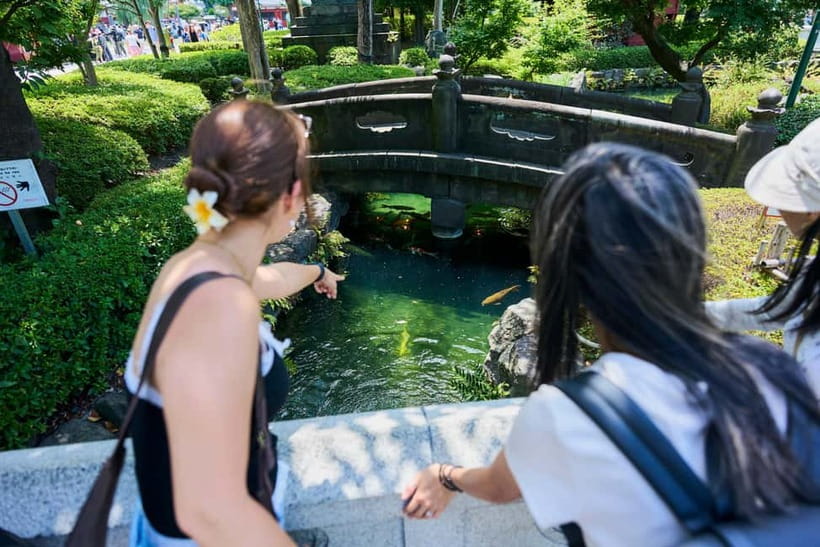
The star of the show is Senso-ji, Tokyo’s oldest temple. It dates back to 628, and that “ancient” feeling isn’t just marketing—standing in the space, you get why this place has survived and stayed central for so long. The guide also explains how samurai once protected it, which helps you connect the temple to Japan’s broader history instead of treating it like a museum stop.
Next door is Asakusa Shrine, where Buddhism and Shinto coexist in a uniquely Japanese way. I like this pairing because it teaches you something subtle: Japan doesn’t always separate belief systems into neat boxes. Seeing both together right in the same area makes it easier to understand what you’ll notice elsewhere in Tokyo—shrines and temples often feel like neighbors, not rivals.
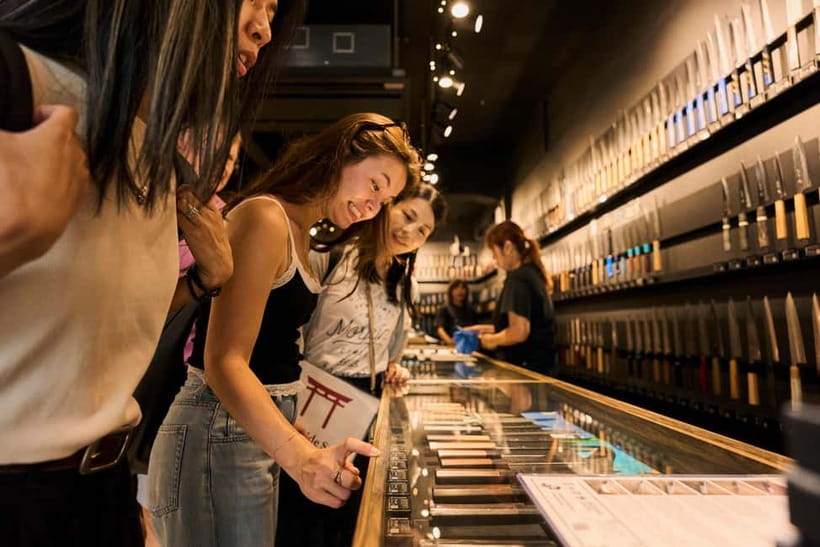
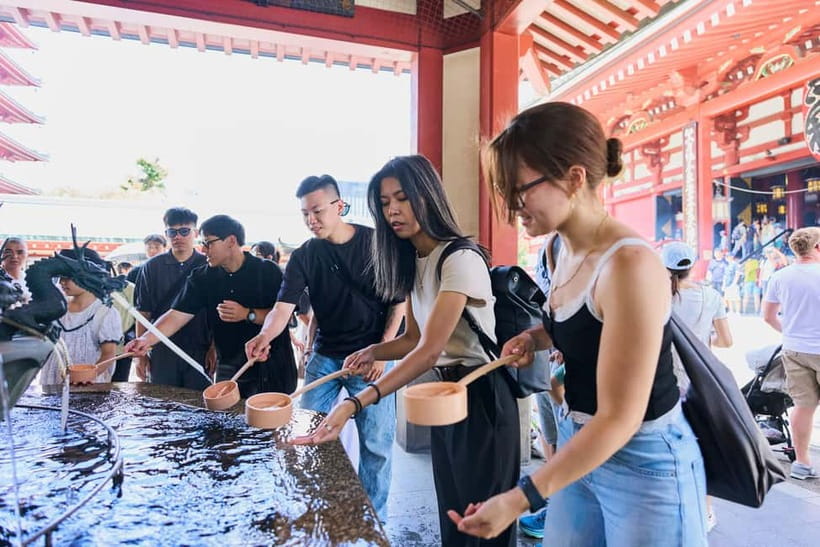
At the temple area, there’s also a realistic chance you’ll want to participate a bit beyond watching. The tour notes you might feel like making a small offering or drawing an omikuji (fortune-telling paper). Cashless payment isn’t accepted there, so bring some cash just in case. It’s optional, but having cash keeps you from having to choose between taking part and skipping it.
Street food tasting: how to eat like you belong for 2 hours

One of the best parts of this experience is the idea that you don’t just walk through Asakusa—you snack through it. The tour includes a local street food tasting, and the guide shares their top picks for local eats. That’s the value: in Asakusa’s street markets, it can be hard to know what’s worth your money when you’re reading Japanese labels. Having someone steer you to good choices makes the tasting feel confident instead of random.
The notes also suggest you can expect sweet or savory options. I like that approach because it gives you variety without turning the tour into a calorie-heavy marathon. You’re sampling, not overeating—perfect for keeping your energy up for the temple sights and later shopping stops.
A practical tip: treat your tasting like “samples that guide your bigger plan.” If you try something and love it, you’ll know what to look for on your own later. If you don’t, you still end up learning your preferences. Either way, you leave with better instincts for what to seek when you’re back in the streets.
Also, since meals and drinks aren’t included, think of the tasting as the curated starter. Bring snacks for later only if you know you get very hungry, but most people should be fine with the tasting plus whatever they plan after the tour.
Pro-level knife shop and Japanese craft shopping that teaches
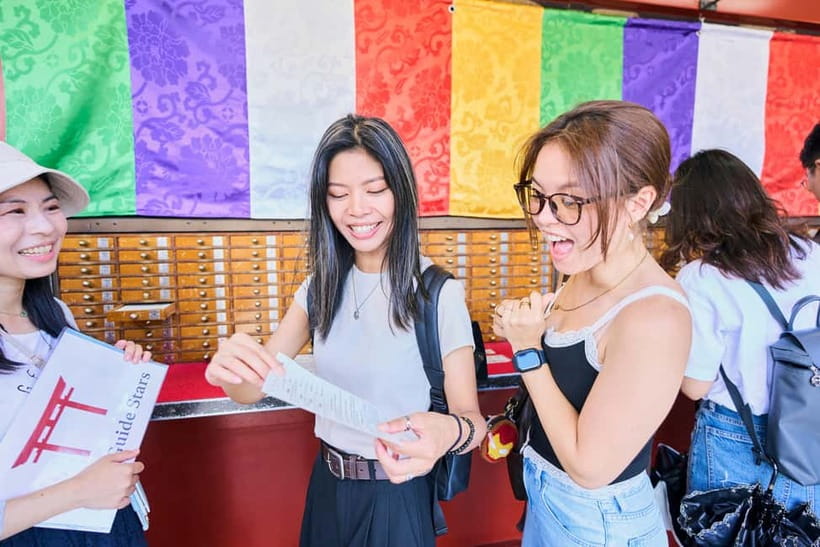
This tour’s shopping stops are genuinely interesting because they’re specific. It’s not random souvenir chaos. You’ll visit a renowned knife shop, described as pro-level for chef knives. Even if you’re not a cook, seeing the craftsmanship and purpose behind these tools is a fast education in Japanese manufacturing culture—precision, utility, and the pride people take in everyday items.
After that, you’ll move into a samurai sword & ninja gear store. This is where the tour turns playful. The connection here is cultural contrast: serious history and legend-side of Japan, plus modern fascination with the characters tied to it. You get a fun break from temple vibes, and you can browse without feeling pressured to buy.
Then there’s the cute Japanese tableware shop, which is ideal for souvenirs that feel usable. I tend to prefer small items that don’t turn into clutter, and tableware fits that logic: it’s easy to pack, and you’ll actually use it. It also makes a great gift because it’s typically recognizable as Japanese without being too complicated.
If you’re budget-minded, set a simple rule for yourself before you go: decide in advance what you’d like to buy (knife? small gear item? tableware?) so your shopping time stays focused. The tour gives you access; you decide your priorities.
The 2-hour walking format: what fits your day (and what doesn’t)
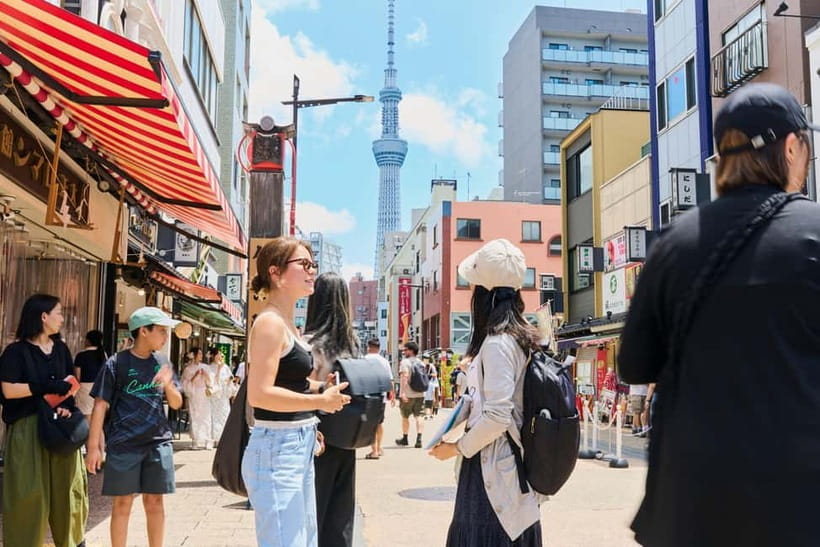
This is a short tour by design: about 2 hours on foot, centered around Asakusa’s most recognizable area. That’s a win if you’re trying to fit Tokyo into a tight schedule. You don’t need half a day to get a solid dose of classic sights plus food and a couple of shopping breaks.
It also means your time is “compressed,” not “slow.” You’ll be walking enough to feel it, especially if you’re coming from other neighborhoods earlier in the day. Plan for that. Comfortable shoes aren’t a suggestion here; they’re how you keep the day enjoyable rather than irritating.
The tour also mentions weather can vary, so dress for the conditions you’ll face at street level. Asakusa can feel different depending on the time of day—so if the forecast looks iffy, bring the kind of layer you can actually move around in.
One more thought: this is a history-and-food experience, not an in-depth lecture marathon. If you love studying every detail for hours, you might want to pair this with extra free time after. But if you want a guided hit that gives you orientation fast, this format is built for that.
You can also read our reviews of more food & drink experiences in Tokyo




Price and value: why $16 can work (if you use the guide well)
The price is listed as $16 per person. For Tokyo, that’s the kind of cost that usually makes sense if you’ll actually use the guide for what they’re best at: translating the area into choices and context.
Here’s what you’re paying for in practical terms:
- A guided walk through Senso-ji and into the story around why it matters
- A structured visit to nearby Asakusa Shrine where Buddhism and Shinto are shown as coexisting
- Street food tasting with your guide’s top picks, which helps you avoid guesswork
- Access to focused shopping stops: knife shop plus samurai/ninja gear and tableware
The one “watch this” factor is that meals and drinks aren’t included. You might spend a little extra beyond the tasting depending on what you buy during the shop stops or if you want more snacks after. But even with that, you’re still likely getting good value because the guide’s selection saves time and confusion.
Another value point: there are no extra fees on the tour itself, but you may choose to make a small offering or draw an omikuji. Since cashless payment isn’t accepted there, bringing cash can prevent friction if you want to participate.
Who this Asakusa tour is perfect for
I’d point this tour toward you if you want an Asakusa experience that’s both story-driven and practical. It works especially well if:
- You’re a first-time visitor who wants your bearings fast
- You like getting a local guide to sort out food choices
- You want a mix of temples plus culture-linked shopping
- You’re shopping for smaller souvenirs like tableware and manageable gifts
It’s also a strong pick if you’re not trying to build a complicated itinerary. The tour ends where it starts, so you can keep your plans flexible around it.
The only real mismatch I can see is for people who hate walking or expect a completely “seated” experience. This is a walking tour, and temple + street time requires steady legs.
Should you book this Asakusa history and local food tour?
If you want a guided Asakusa hit that combines Senso-ji, snack stops, and clever shopping without overcommitting your day, I think it’s an easy yes. The $16 price only really makes sense when you’ll use the guide’s choices—so if you enjoy having someone help with food and context, you’ll likely feel like you got your money’s worth quickly.
Before booking, check two things in your own travel style: bring cash for possible temple extras, and wear shoes you can walk in for 2 hours without thinking about it. If that’s your kind of day, this is one of the more straightforward ways to experience Asakusa beyond sightseeing photos.
FAQ
How long is the Asakusa 2-hour history walking tour?
The tour is listed as a 2-hour walking experience.
How much does the tour cost?
The price is $16 per person.
Where do I meet the guide?
Meet in front of the Kaminarimon Police Box at Asakusa Station. The guide will be holding a sign that says Local Guide Stars.
Where does the tour end?
The activity ends back at the meeting point.
Is the tour in English?
Yes, the tour is available in English.
What’s included in the price?
It includes an English local guide, a walk at Senso-ji Temple, visits to renowned knife shops, and help with the guide’s top local food picks, plus learning how Buddhism and Shinto coexist.
Are meals or drinks included?
No. Meals and drinks are not included, though the tour includes a local street food tasting.
What should I bring?
Wear comfortable walking shoes. The tour also notes you may want cash for temple offerings or drawing an omikuji.
What if I want to do something at the temple?
There’s no extra fee for the tour, but you might want to make a small offering or draw an omikuji. Since cashless payment isn’t accepted there, bring some cash just in case.
Are there cancellation or pay-later options?
The tour notes a reserve & pay later option, and you can cancel up to 24 hours in advance for a full refund.