REVIEW · TOKYO
Small Group Tour Mount Fuji and Lake Kawaguchi from Tokyo
Book on Viator →Operated by Tourist Japan · Bookable on Viator
Fuji views start before lunch. This Mount Fuji and Lake Kawaguchi day trip from Tokyo uses a small group (up to 15) and an English-speaking guide to reach Arakurayama, Lake Kawaguchi, Oshino Hakkai, and even the 5th Station. I love the small-group size that makes each stop feel manageable, and I love the multiple Fuji viewpoints that improve your odds of a great look. The one drawback to plan for is that the 5th Station view depends on weather, so the mountain can be partly hidden.
At around 10 hours, it’s a long day, but it’s also efficient: you get transfers, guided timing, and a real checklist of classic Fuji-area sights. You’ll carry a mobile ticket on your phone, and you’ll start and end back at the same central meeting point near public transit.
The other thing to consider up front is physical comfort. There’s optional climbing of about 400 steps, so wear shoes you can move in, and be ready for some uphill strolling.
In This Review
- Key highlights worth waking up for
- Getting from Shimbashi to Fuji without losing your whole day
- Arakurayama Sengen Park: Chureito Pagoda photos plus shrine atmosphere
- Oishi Park on Lake Kawaguchi: where the mountain gets framed
- Oshino Hakkai ponds: clear water and thatched houses in an easy-hour
- Mt. Fuji 5th Station: panoramic time with a weather reality check
- Fujiyoshida lunch and souvenir time that actually fits the schedule
- Price and value: what $99.50 covers, and what it doesn’t
- Guide style matters: the difference between okay and great days
- Who should book this Mount Fuji and Lake Kawaguchi tour
- Should you book this tour?
- FAQ
- What’s included in the tour price?
- Do I need to pay admission tickets at the stops?
- How much walking is involved, including the 400 steps?
- Where do I meet the group, and what time does it start?
- Is lunch included?
- What if I can’t see Mount Fuji clearly at the 5th Station?
- Can I cancel for a full refund?
Key highlights worth waking up for
- Up to 15 people keeps the bus, photo stops, and walkways from feeling chaotic
- Arakurayama Sengen Park gives you Chureito Pagoda and the Arakura Fuji Sengen Shrine area in one hit
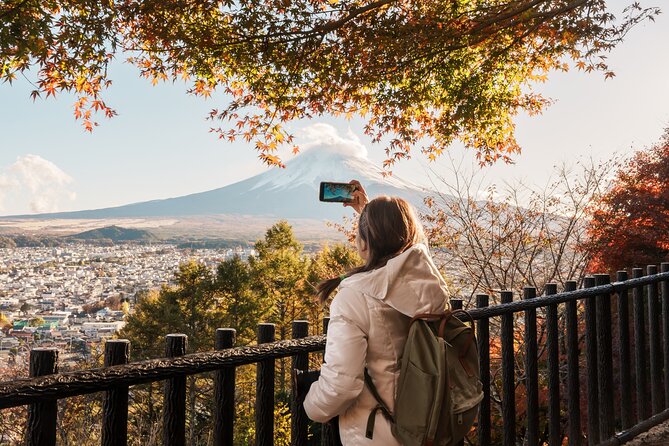
- Oishi Park on Lake Kawaguchi is built for Mount Fuji framing with lots of natural viewpoints
- Oshino Hakkai mixes clear ponds with thatched houses for a different feel than the big viewpoints
- 5th Station panoramic time is short, but it’s the boldest try for a wide Fuji view
- Fujiyoshida free time lets you handle lunch and shopping without the tour crowding your meal
Getting from Shimbashi to Fuji without losing your whole day
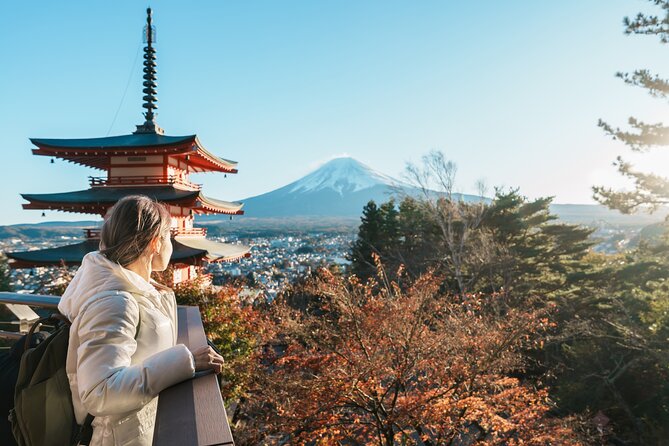
This tour starts early, with a 7:50 am departure, meeting at Lad’s de Wine Shimbashi (in the Shinbashi area of Minato City). The exact address is Lad’s de Wine Shimbashi, 1-chōme, 15-4, Sōtetsu Fresa Inn Shimbashi Hibiya Exit Annex, at the first floor. The big win here is simplicity: a clear meeting point, near public transportation, plus round-trip transfers so you’re not wrestling with trains and buses before you even see Fuji.
You’re in an air-conditioned vehicle, and the group limit is 15. That matters more than it sounds, because Mount Fuji days can turn into stop-and-go bottlenecks. When you have a small group, your guide can keep track of who’s ready to move, who wants extra photo time, and who needs a bathroom break without turning it into a timing disaster.
The tour runs about 10 hours and ends back at the start location. For first-time visitors, that means you don’t have to plan a second set of logistics at the end of a long day.
You can also read our reviews of more tours and experiences in Tokyo.



Arakurayama Sengen Park: Chureito Pagoda photos plus shrine atmosphere
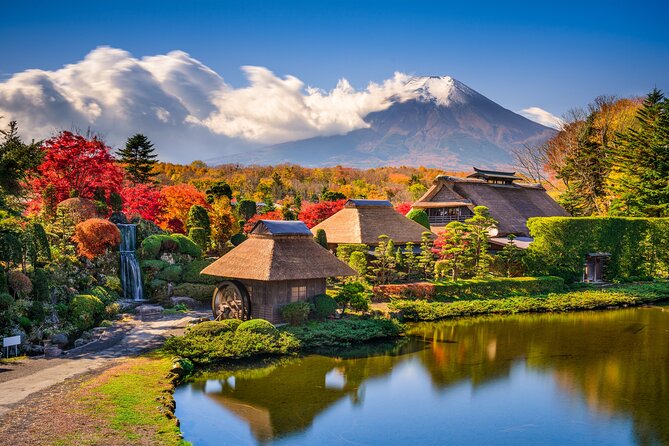
Your morning anchors at Arakurayama Sengen Park, where you’ll visit the area around the famous Chureito Pagoda and the Arakura Fuji Sengen Shrine. This stop is about two hours total, and it’s one of the most recognizable Fuji-area scenes because the views are framed in a way that’s easy to photograph even if you’re not a “camera person.”
Here’s what I’d focus on when you get there. First, the pagoda and shrine area rewards people who slow down. If you rush straight to the most obvious angle, you miss the chance to find a slightly different view with less crowding. Second, pay attention to footwear and energy. The tour notes a significant amount of physical activity, including optional climbing of about 400 steps. You don’t have to do the full climb if you don’t want to; the best photos often come from a few choices, not one heroic trek.
Admission isn’t included for Arakurayama Sengen Park, so budget a little extra for site entry. Also, give yourself a minute to look around before you start snapping. That calm minute often makes you realize you’ve been standing at a viewpoint that’s slightly off from the one you actually wanted.
Oishi Park on Lake Kawaguchi: where the mountain gets framed
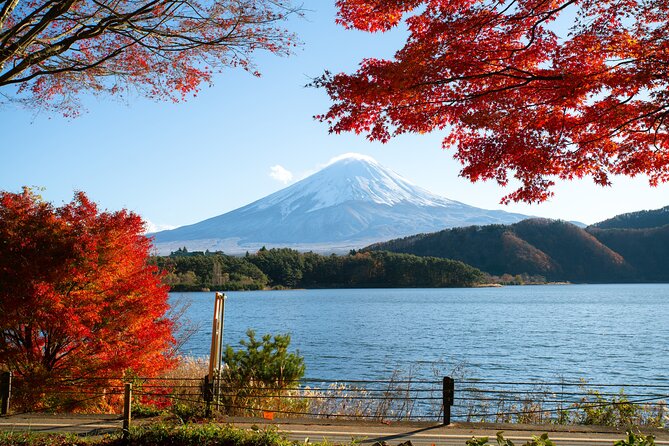
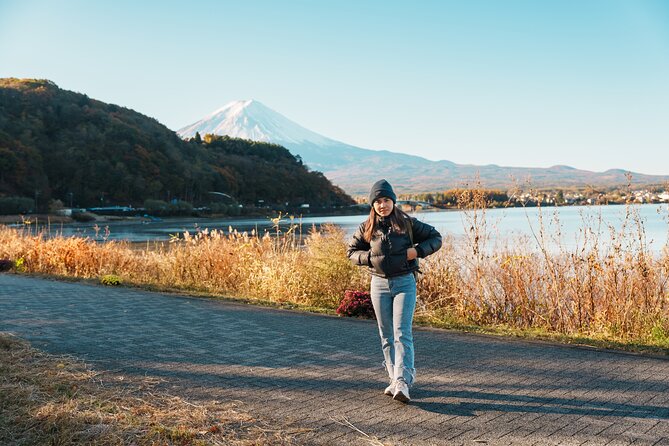
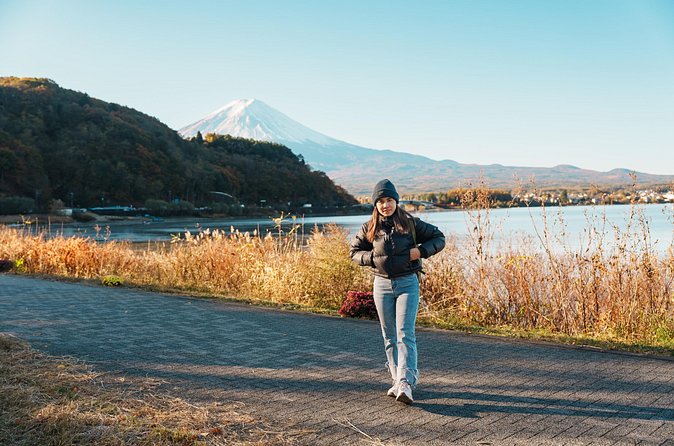
After Arakurayama, you head toward Oishi Park and spend about two hours soaking in Lake Kawaguchi views with Mount Fuji in the background when conditions cooperate. Oishi Park is one of those places where the scenery makes people talk to each other. You’ll see why: it’s set up for viewpoint hopping without needing long walks, and the lake-and-mountain composition tends to make even short photo sessions feel worthwhile.
This stop can also be where you benefit from guide timing. A good guide helps you decide where to stand first, and when to switch angles as the light changes. In the feedback for this tour, guides like Akari are praised for practical stop-by-stop recommendations, including snack tips and where to find good options. One guest specifically called out Mount Fuji viewing plus ice cream here, which is exactly the sort of simple treat that turns a “sightseeing stop” into a relaxed break.
Admission isn’t included for this stop either, so don’t assume it’s fully covered. Still, the main value at Oishi Park is time and viewpoints: two hours is long enough to take photos, rest, and re-check whether Fuji is showing itself clearly.
Oshino Hakkai ponds: clear water and thatched houses in an easy-hour
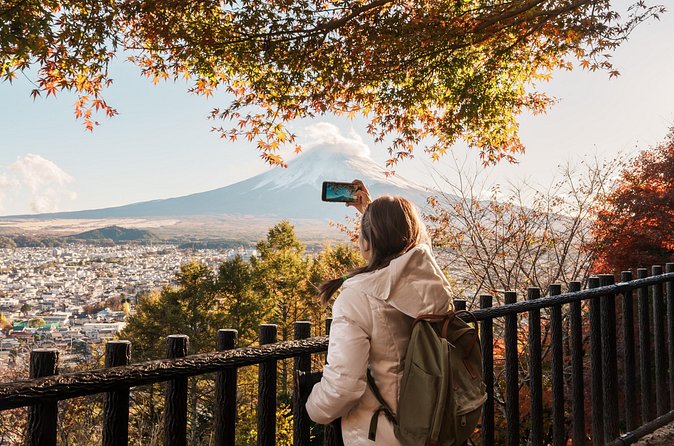
Next up is Oshino Hakkai, with about one hour to explore. This is a different kind of Fuji-area experience. Instead of the iconic skyline view, you’re in a village-like setting with crystal-clear ponds and thatched houses.
What makes Oshino Hakkai valuable is contrast. After pagoda views and lake viewpoints, your eyes get a break. The ponds are visually calm, and the thatched houses give the area a lived-in feel. It’s also a stop where you can slow your pace without feeling like you’re falling behind the group.
Admission isn’t included here either, so plan for small extra costs on top of the tour price. For timing, one hour is enough to stroll, take photos, and grab a quick bite if you want something warm or sweet. If you’re the type who likes to read small details on site, you’ll feel more satisfied here than in the places where you’re basically “standing and shooting.”
Mt. Fuji 5th Station: panoramic time with a weather reality check
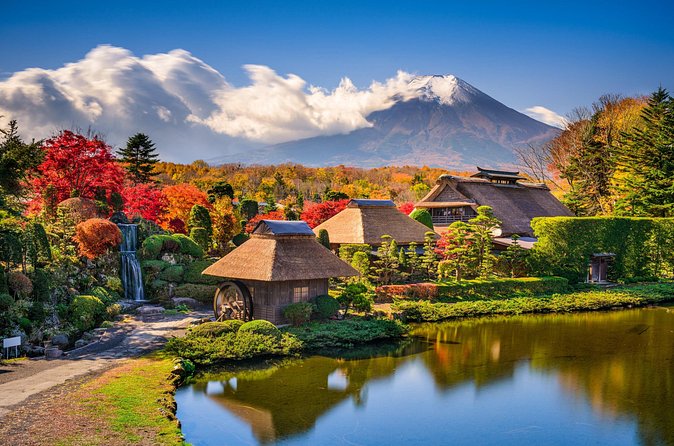
The tour’s big finale-at-a-height is Mt. Fuji 5th Station, about one hour. This is your best shot for panoramic views, and the tour is upfront that weather conditions can affect visibility of the mountain. That warning isn’t just legal language; it’s the heart of how you should mentally prepare.
If the sky is clear, this is where you feel like you’ve reached the Fuji zone rather than just viewing it from afar. If visibility is limited, you still get the experience of being at a high point with wide views over the surrounding area, even if Fuji itself is hazy.
Two practical tips matter here. First, treat this like a short window, not a long hangout. One hour goes fast once you start wandering for angles and settling on a viewpoint. Second, plan your expectations. The day is structured around multiple chances to see Fuji; the 5th Station is the bold attempt, not the only attempt.
Admission for this stop isn’t included either. Also, since the day is long and you’ve climbed steps earlier if you chose to, pace yourself. Save energy for the final viewpoint time so you can enjoy it, not just survive it.




Fujiyoshida lunch and souvenir time that actually fits the schedule
After the height and viewpoints, you head to Fujiyoshida for about one hour of free time. This part is designed to help you recharge: lunch is up to you, and you also get time to shop for souvenirs in traditional shops.
I like this structure because it gives you control. You can eat something quick if you’re already hungry, or you can browse if your main goal is getting little Fuji-themed gifts and snacks to bring back. In the feedback, guides such as Akari are praised not only for guiding but also for sharing practical ideas for what to eat and where to find good deals. Even if you don’t copy a specific recommendation, it helps to have a guide who can steer you toward options that don’t waste your time.
The tour notes that this Fujiyoshida stop includes free admission. The catch is simple: meals and drinks are not included, so you’ll pay for your own lunch. That’s normal for a day tour, but it’s worth remembering when you’re budgeting your total day spending.
Price and value: what $99.50 covers, and what it doesn’t
At $99.50 per person, this tour sits in the “reasonable if you factor in convenience” category. You’re paying for an English-speaking guide, an air-conditioned vehicle, and a set day plan that covers several major Fuji-area sights without you needing to coordinate transportation across multiple locations.
If you tried to DIY this, you’d likely spend time and mental energy on train schedules, bus transfers, and the uncertainty of how long each stop will actually take. Here, the schedule is built for a full loop: Arakurayama, Lake Kawaguchi at Oishi Park, Oshino Hakkai, the 5th Station, then Fujiyoshida before returning to Tokyo.
What you still need to budget separately:
- Meals and drinks aren’t included
- Site admissions are not included for the listed stops like Arakurayama Sengen Park, Oishi Park, Oshino Hakkai, and the 5th Station
- Travel insurance isn’t included
So the tour price is value for guiding and logistics, not a full all-inclusive spending bubble. If you’re comfortable budgeting for admissions and lunch, this can be a strong deal.
Guide style matters: the difference between okay and great days
A huge part of this kind of day trip is the human factor: keeping you on time, making the stops flow, and helping you know what to do once you arrive. The feedback on guides is strongly positive, with names like Akari, Aki, and AKo showing up again and again.
A standout theme is care and flexibility. Akari is specifically praised for being thoughtful and warm, including practical gestures like heat-warmers for everybody on a cold day. Guides are also praised for pointing out good places to eat and finding cheaper snack options, plus guiding families and adjusting the itinerary on the spot when needed.
What that means for you: you’ll get more than a speech. You should expect stop-by-stop guidance, including what to look for and where to stand for better photos. And if your group has different energy levels, the small group size gives the guide room to adapt.
Who should book this Mount Fuji and Lake Kawaguchi tour
This is a great fit if you:
- Want a first-time Mount Fuji day that hits the classics without turning it into a DIY logistics project
- Like structured time with photo-friendly viewpoints
- Are traveling with family or mixed ages and prefer a guide to help keep things smooth
- Can handle moderate walking and the option of climbing about 400 steps
It might be less ideal if you:
- Can’t do stairs or steep walking at all (the tour specifically flags significant physical activity and optional steps)
- Hate uncertainty around weather. You can still have a good day, but the 5th Station view can be limited if conditions aren’t clear
Should you book this tour?
If your goal is to see as much of the Fuji area as possible in one day from Tokyo, I’d book it. The small group size, English-speaking guide, and the mix of Arakurayama, Lake Kawaguchi, Oshino Hakkai, and the 5th Station give you multiple chances for great views and a real variety of settings.
Just go in with a smart mindset: treat the 5th Station as a high-stakes viewpoint, not a guaranteed postcard. If you’re okay paying for your own lunch and site admissions and you can manage optional steps, this is the kind of organized day trip that saves you time and stress while still feeling like a genuine Fuji outing.
FAQ
What’s included in the tour price?
The price includes an air-conditioned vehicle and an English-speaking tour guide. The tour also uses a mobile ticket.
Do I need to pay admission tickets at the stops?
Not everything is included. Admission tickets are not included for Arakurayama Sengen Park, Oishi Park, Oshino Hakkai, and Mt. Fuji 5th Station. Fujiyoshida time is listed as free for that stop.
How much walking is involved, including the 400 steps?
The tour notes moderate physical fitness is recommended and that the day includes significant activity, including climbing about 400 steps as an optional part of the experience. Wear comfortable shoes and only do the steps if you feel good about it.
Where do I meet the group, and what time does it start?
You meet at Lad’s de Wine Shimbashi in Shinbashi, Minato City. The start time is 7:50 am, and the tour ends back at the same meeting point.
Is lunch included?
No. Meals and drinks are not included, but you do get free time in Fujiyoshida for lunch and souvenir shopping.
What if I can’t see Mount Fuji clearly at the 5th Station?
Visibility can be affected by weather at the 5th Station. The tour may still run as planned, but you should expect the mountain might be partially hidden depending on conditions.
Can I cancel for a full refund?
Yes. Free cancellation is available up to 24 hours before the experience start time for a full refund. If you cancel later than that, you won’t get your money back.