REVIEW · TOKYO
tokyo:Hakone Owakudani & Gotemba Premium Outlet 1d Tour
Book on GetYourGuide →Operated by VIP Japan Tour · Bookable on GetYourGuide
Hakone in one packed day. I like the photo moment at Hakone Shrine with its torii gate appearing to float above the lake, and I love the odd-but-memorable tradition of eating black eggs at Owakudani. The main catch: there’s no hotel pickup, so you’ll need to get yourself to the meeting point at Ueno Station Park Exit Square or the KOKUYO Tokyo Shinagawa Office.
This day trip runs on a clear rhythm. You’ll ride with an English/Chinese-speaking guide who provides bus commentary and keeps the whole route moving, and then you’ll get a solid break for Gotemba Premium Outlets before returning to Ueno Station.
In This Review
- Key things to know before you go
- Why this Hakone and Gotemba route works in 10 hours
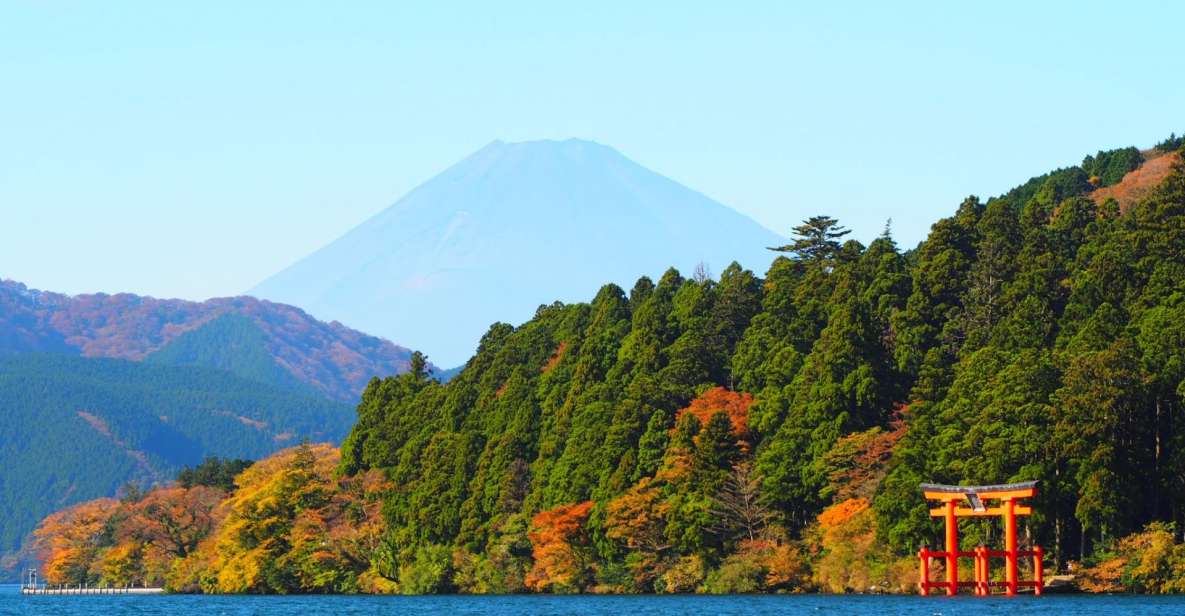
- Hakone Shrine’s floating torii gate and Peace Torii photo stop
- Lake Ashi photo stop: brief, but strategically placed
- Owakudani Valley: steaming vents, bubbling hot springs, and black eggs
- Gotemba Premium Outlets: 2.5 hours of shopping without the planning headache
- Price and value: what you get for $69 (and what you don’t)
- Timing, group size, and weather on the Fuji route
- Who should book this day trip (and who might not love it)
- Should you book this Hakone Owakudani & Gotemba tour?
- FAQ
- Where do I meet for the tour?
- Is hotel pickup included?
- What language will the guide speak?
- How long is the tour?
- What is included in the price?
- Is food included?
- Is there time for shopping at Gotemba Premium Outlets?
- Is the tour wheelchair accessible?
- FAQ
- Can the tour be cancelled due to low group size?
- How far in advance can I cancel for a full refund?
- Is reserve now, pay later available?
- When does the tour finish?
Key things to know before you go
- Hakone Shrine floating torii views that are made for photos and calm, lakeside strolling
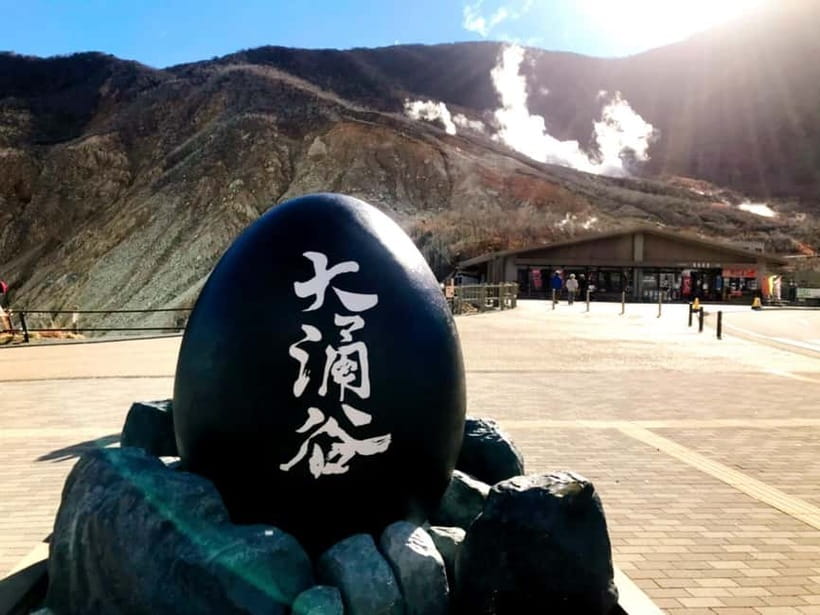
- Owakudani volcanic scenery plus black egg tradition for a very specific Hakone experience
- Peace Torii and Lake Ashi stops to see more than one angle of the lake-and-mountain scenery
- Guided time where it matters most (including about 50 minutes at Hakone and 50 minutes at Owakudani)
- Gotemba Premium Outlets free time with 2.5 hours to shop without rushing
- A structured 10-hour plan that trades planning stress for a busy-but-doable route
Why this Hakone and Gotemba route works in 10 hours
If you’re short on time in Tokyo, this is a smart way to get outside the city without turning your day into a transit puzzle. For $69 per person, you’re paying for round-trip bus transport plus a guide who handles the narration and the key stops, so you can spend your brainpower on seeing and eating what you came for.
The day is also balanced. You get guided sightseeing time at the big-ticket cultural/nature spots, then you get a real chunk of free time to shop at Gotemba Premium Outlets—instead of squeezing everything into tiny windows.
One practical note I keep in mind: this is not a door-to-door day. Since hotel pickup and drop-off aren’t included, your experience depends on how easily you can reach your chosen meeting point.
You can also read our reviews of more tours and experiences in Tokyo



Hakone Shrine’s floating torii gate and Peace Torii photo stop
Hakone Shrine is the reason many people plan a trip to Hakone at all, and the tour leans right into it. You’ll start with a guided visit to Hakone Shrine for about 50 minutes, which gives you time to take in the lake setting and linger long enough for photos that aren’t rushed.
The standout visual here is the torii gate that appears to float on the water’s surface. It’s the kind of scene that looks different depending on where you stand and what the light is doing, so having a bit of time matters. If the conditions are right, it’s one of those moments that feels instantly “Hakone,” even if you’re new to the area.
Afterward, you’ll make a Peace Torii photo stop. This is brief, but it helps you build a visual story—like you’re collecting angles of the shrine area rather than just checking a box.
Lake Ashi photo stop: brief, but strategically placed
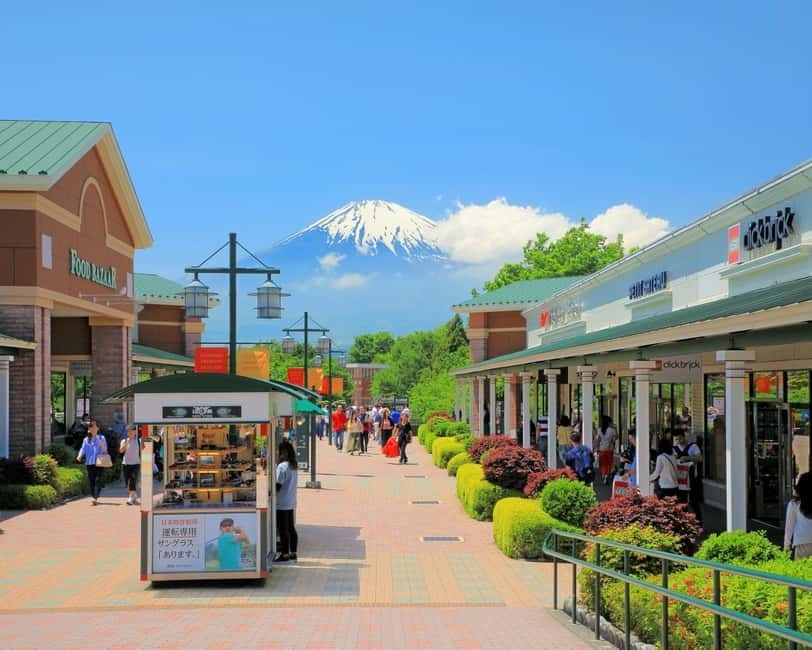
You’ll also have a Lake Ashi moment, with time for both sightseeing and photos. Because this is a bus day trip, the stop is designed to give you the best likelihood of a view without swallowing your whole schedule.
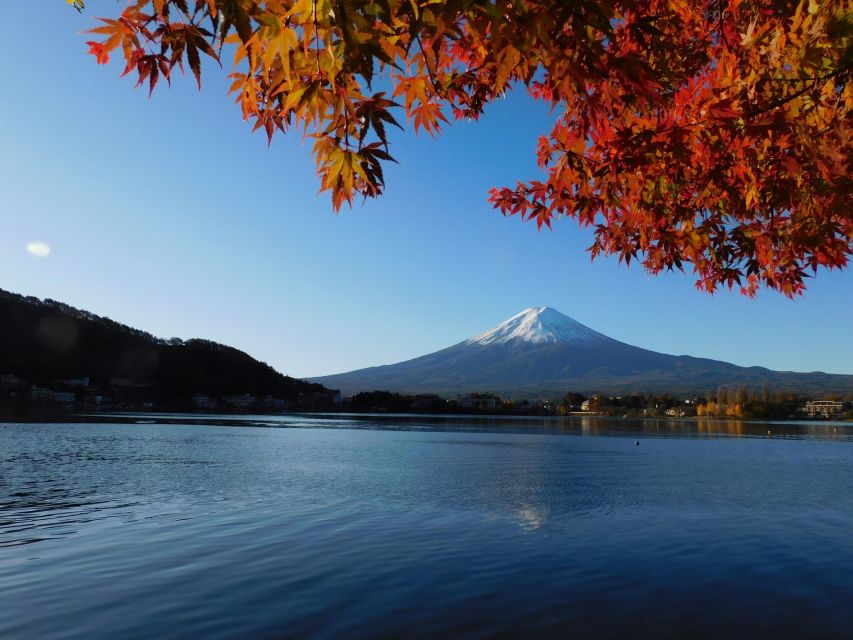
What I like about this setup is that you get the lake in more than one way: first as a backdrop to the Hakone Shrine torii, and then again with a stop that’s specifically set aside for scenery viewing. If you’re hoping to spot views toward Mount Fuji, this is one of the windows where it can happen—though it will always depend on weather and visibility.
Bring the practical stuff: comfortable shoes and a jacket layer. Lake-area air can feel cooler than you expect, and you don’t want to spend your sightseeing time distracted by being uncomfortable.
Owakudani Valley: steaming vents, bubbling hot springs, and black eggs
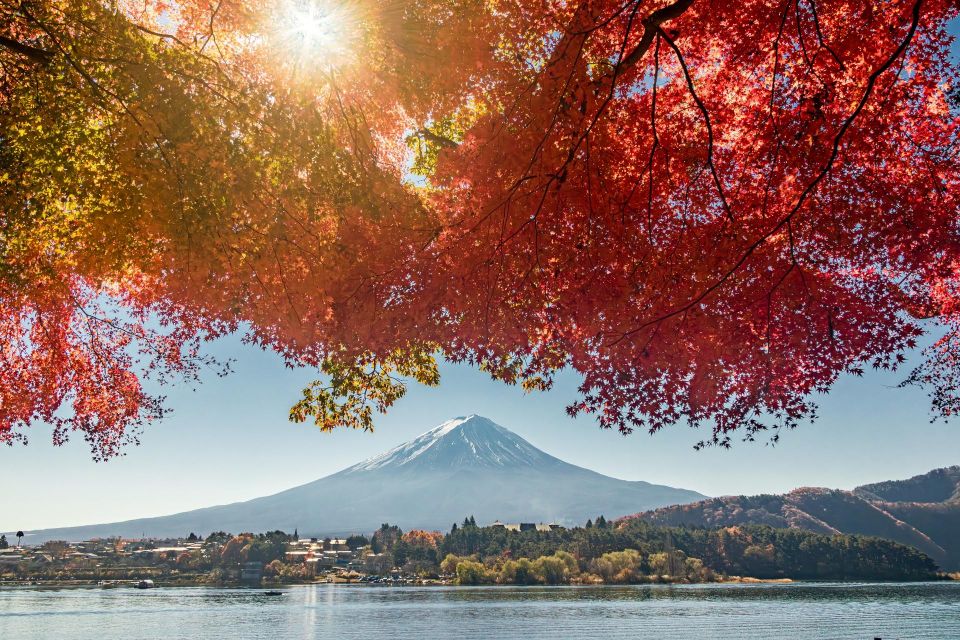
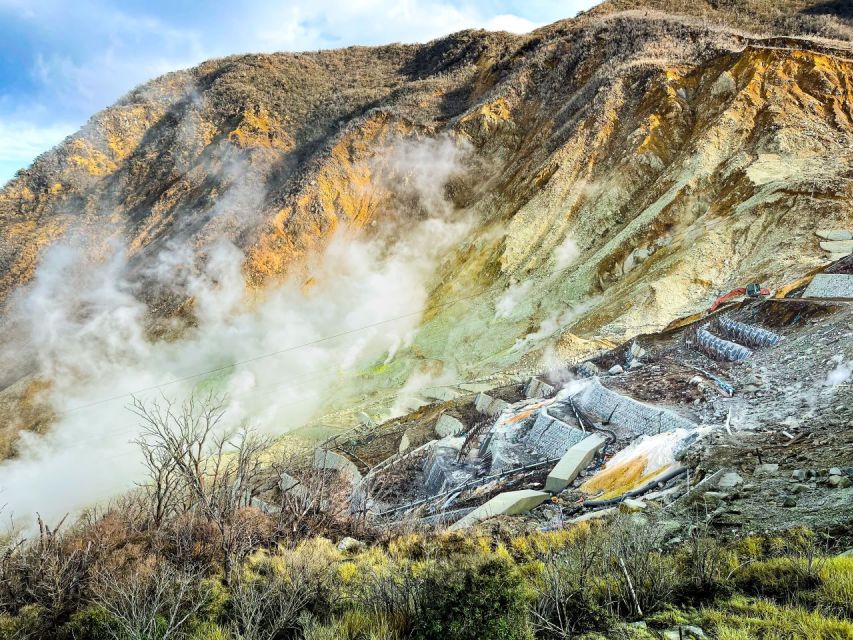
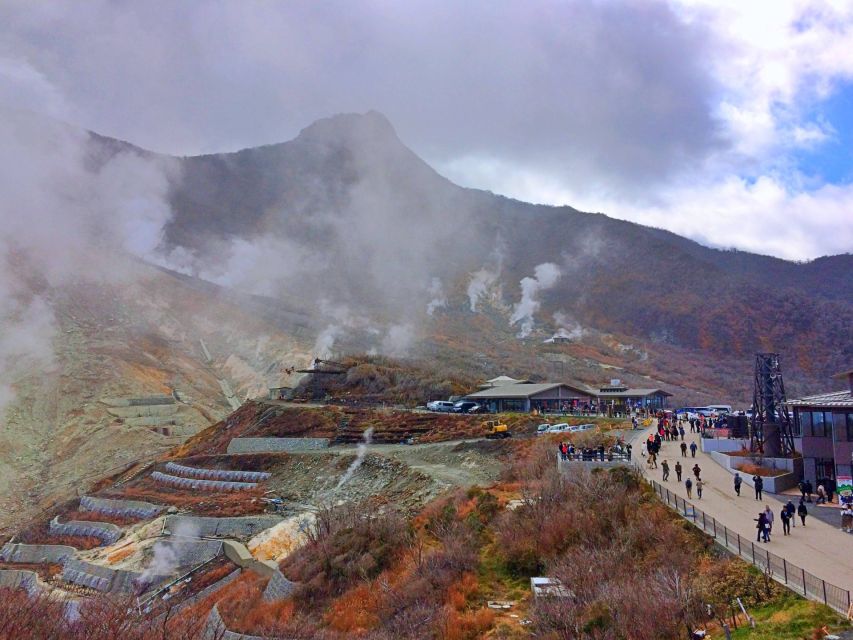
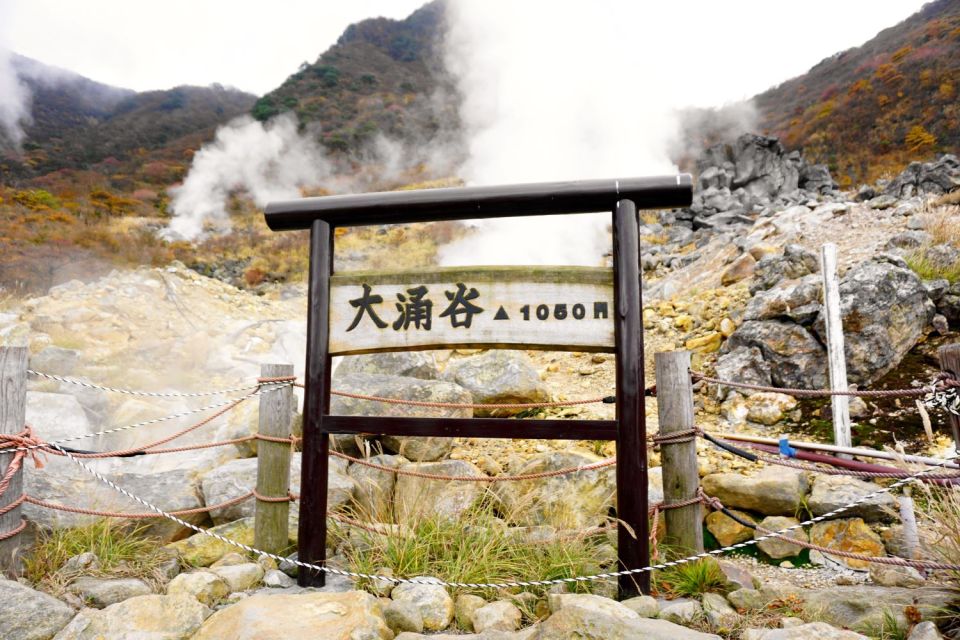
Owakudani is where the day turns from pretty to powerfully strange—in the best way. The tour includes a photo stop and a guided visit to Owakudani Valley for about 50 minutes, giving you time to see the volcanic activity up close and follow along with the guide’s explanations.
You’ll be surrounded by steaming vents and bubbling hot spring activity. Even if you don’t know much about volcanos, the visual impact is immediate: this is geothermal energy you can literally feel in the air.
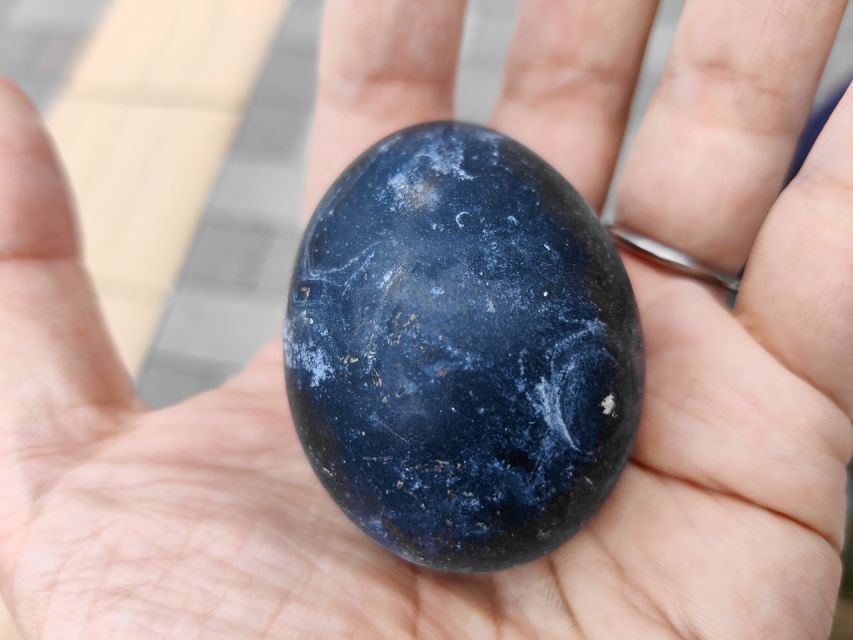
And then there are the famous black eggs. The tradition is that people eat them as a longevity charm, linked to the local belief around the eggs being cooked in the hot volcanic waters. Since the tour notes that food isn’t included, you’ll be making this choice on your own—so budget a little extra if you want to try one.
If you go for the eggs, plan to eat them casually during your Owakudani time rather than treating it like a rushed snack. The stalls are part of the experience, and the smell around the valley is part of why this stop feels so distinctly Hakone.
Gotemba Premium Outlets: 2.5 hours of shopping without the planning headache
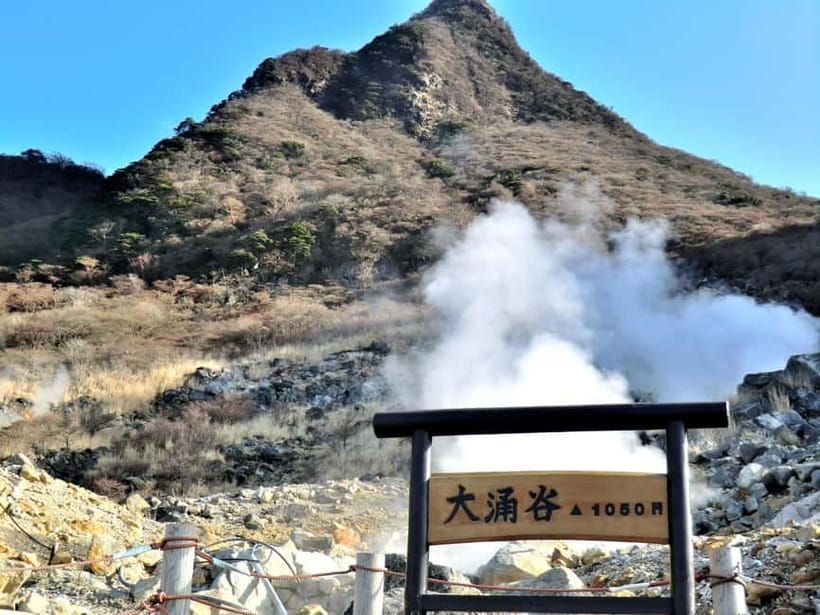
Then you pivot to shopping, and this is where the tour’s value gets very tangible for practical travelers. You’ll get about 2.5 hours of free time at Gotemba Premium Outlets, which is long enough to browse, try to find a few best buys, and still sit down for a meal if you want.
The mall is described as having over 200 stores, including designer brands and Japanese goods sold at discounted prices. That mix matters. You can pick up souvenirs that feel more like purchases than trinkets, and you can also grab clothing or home items if you want something more useful than a magnet.
One of the nicer details is that the tour mentions dining with views of Mount Fuji. That doesn’t mean you’ll always see it, but it’s a solid reason to take your meal break here instead of eating on the run.
My shopping tip for a timed outlet stop: decide your top goal before you arrive. If your plan is browsing, start with the sections that match your style first. If your plan is gifts, go for small wins early so you’re not stuck at the end with empty pockets and a shrinking time window.



Price and value: what you get for $69 (and what you don’t)
The headline price—$69 per person—isn’t just paying for bus seats. You’re also getting an English/Chinese-speaking guide and guided sightseeing time at the key stops, plus round-trip transportation between Tokyo and the Hakone-to-Fuji-area route.
What’s not included is equally important: food and drinks are on you. That means your true cost depends on whether you plan to eat during Owakudani and how you handle lunch at Gotemba. I’d treat the day as “transport + guide included,” with your personal food budget as an add-on.
Also, hotel pickup and drop-off are not included. In exchange, the tour uses clear meeting options (Ueno Station Park Exit Square or the KOKUYO Tokyo Shinagawa Office), so your job is mainly getting yourself to the start point.
If you were planning this yourself, you’d likely spend time coordinating tickets, transfers, and timing. The tour trades some flexibility for convenience, which is often exactly what you want on a day trip.
Timing, group size, and weather on the Fuji route
This is a 10-hour day trip, so pace is part of the deal. You’re not meant to linger at every stop; instead, the schedule allocates guided time where it’s most worthwhile (Hakone Shrine and Owakudani) and free time where you get control (Gotemba).
One more real-world thing: the tour can be cancelled if the group is under a minimum size of 10 people. That doesn’t mean it will cancel, but it does mean you should be ready with a backup plan if you’re traveling during a busy week or right before a deadline.
Finally, think about visibility. The torii gate and lake views are still worth it even if Mount Fuji hides, but if you’re specifically chasing Fuji sightings, you’ll want to understand that weather controls the outcome. Packing a light layer and a small rain option is simply smart for this region.
Who should book this day trip (and who might not love it)
This tour is a good fit if you want a day that feels structured but still includes a freedom block for shopping. I also like that the guide provides commentary in English and Chinese simultaneously, which makes the information part easier to follow without waiting for a single-language narration.
It also makes sense for first-timers. You get the big visuals (Hakone Shrine, Lake Ashi) plus the classic volcanic flavor (Owakudani) plus a practical shopping finish in Gotemba.
Where it might not be perfect: if you want a slow travel pace, hotel pickup convenience, or a fully self-directed itinerary. Since food/drinks aren’t included and meeting points are fixed, the tour works best when you’re comfortable managing a few details yourself.
Wheelchair accessibility is noted as available, which is helpful if you need that support—just plan around the bus day format and time limits at each stop.
Should you book this Hakone Owakudani & Gotemba tour?
I’d book it if your priority is ticking off the must-see Hakone experiences without wrestling with transit on your own. The combination is strong: Hakone Shrine’s floating torii, the very specific Owakudani black egg tradition, and then a generous shopping window at Gotemba Premium Outlets.
I’d also book it if you like having a guide handle context while you focus on the sights. In a 10-hour format, having bus commentary and scheduled guided stops can make the day feel smoother and more meaningful.
Before you commit, do two practical checks: confirm which meeting point you chose (Ueno Station Park Exit Square or the KOKUYO Tokyo Shinagawa Office) and budget for meals. And if you’re expecting hotel pickup, don’t—this one assumes you’ll meet the group on your own.
FAQ
Where do I meet for the tour?
You can meet at either Ueno Station Park Exit Square or the KOKUYO Tokyo Shinagawa Office, depending on the option you booked. The meeting point may vary.
Is hotel pickup included?
No. Hotel pickup and drop-off are not included.
What language will the guide speak?
The guide provides commentary in English and Chinese.
How long is the tour?
The duration is 10 hours.
What is included in the price?
The tour includes an English/Chinese-speaking guide and round-trip bus fare.
Is food included?
No. Food and drinks are not included.
Is there time for shopping at Gotemba Premium Outlets?
Yes. You get about 2.5 hours of free time for shopping at Gotemba Premium Outlets.
Is the tour wheelchair accessible?
Yes, the tour is listed as wheelchair accessible.
FAQ
Can the tour be cancelled due to low group size?
Yes. The tour may be cancelled if the group does not reach the minimum size of 10 people.
How far in advance can I cancel for a full refund?
You can cancel up to 24 hours in advance for a full refund.
Is reserve now, pay later available?
Yes. You can reserve now and pay later, meaning you pay nothing today.
When does the tour finish?
The tour finishes at Ueno Station.