REVIEW · TOKYO
From Tokyo: Hiroshima and Miyajima Day Trip by Bullet Train
Book on GetYourGuide →Operated by AMIGO TOURS JAPAN GK · Bookable on GetYourGuide
Two days condensed into one. I especially like the chance to visit Hiroshima Peace Memorial Park and reflect, and I also like the ferry-to-island setup for the floating torii gate at Miyajima. It’s one long day, but the pacing is built around two places that can change how you see Japan.
One possible drawback: the schedule is time-tight once you hit Miyajima. You’ll have enough time to walk, snack, and take photos, but you won’t have hours to wander slowly.
You travel in a group with a live guide (English or Spanish), and you’ll also ride with a respectful driver during the land transfers. In the spirit of keeping things clear, the guide I saw switch between English and Spanish without missing a beat.
In This Review
- Key highlights worth planning around
- From Tokyo to Hiroshima: the Shinkansen rhythm
- Miyajima ferry time: that island feeling kicks in fast
- Itsukushima Shrine: the included visit that anchors the island
- Floating torii gate photos: timing, tide, and respectful viewing
- Miyajima walking time: streets, deer, and the snacks you’ll remember
- Back to Hiroshima by ferry, then straight to the memorial park
- Hiroshima Peace Memorial Park: where context changes everything
- Transport flow: coaches, timing, and why your day feels long
- Price and value: is $104 a fair deal?
- Who this trip suits best (and who should skip it)
- Small practical tips that make the day easier
- Should you book this Hiroshima and Miyajima day trip?
- FAQ
- How long is the Tokyo to Hiroshima and Miyajima day trip?
- What is included in the ticket price?
- What is not included?
- Which languages are available for the live tour guide?
- Are there any restrictions or rules during the tour?
- Can the ferry schedule change?
Key highlights worth planning around
- Guided Hiroshima peace time with a live guide for context at the most important memorial sites
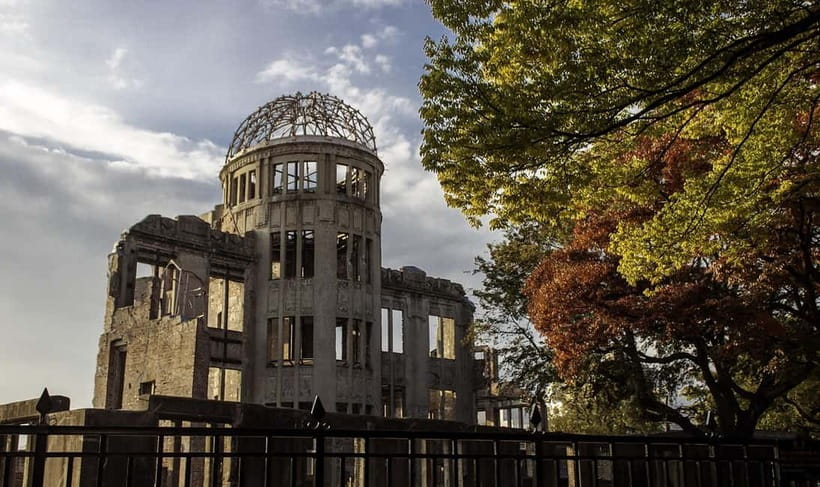
- UNESCO Atomic Bomb Dome area plus the broader memorial park setting for perspective
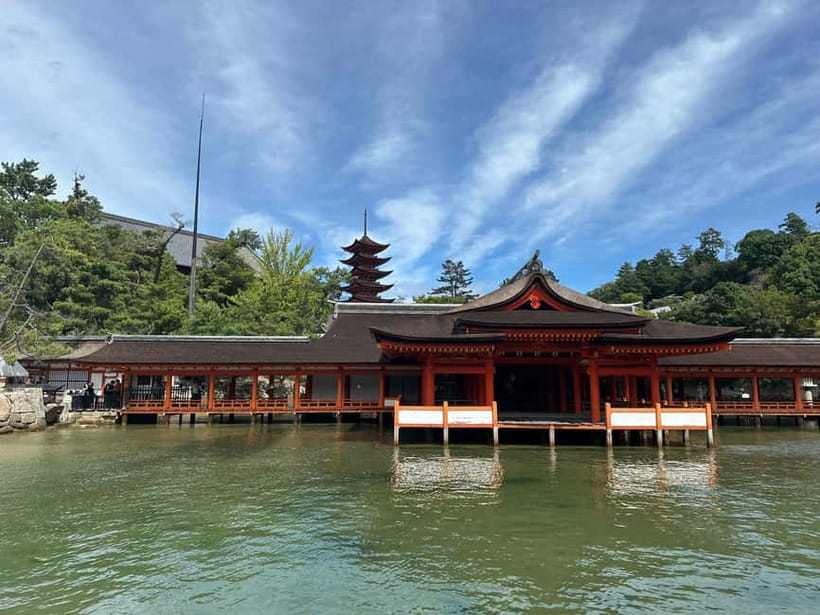
- Ferry ride to Miyajima that sets the mood quickly and positions you for the torii gate photos
- Itsukushima Shrine admission included so you’re not scrambling for tickets
- Real walking plus short breaks: enough time to see highlights, not enough to do everything slowly
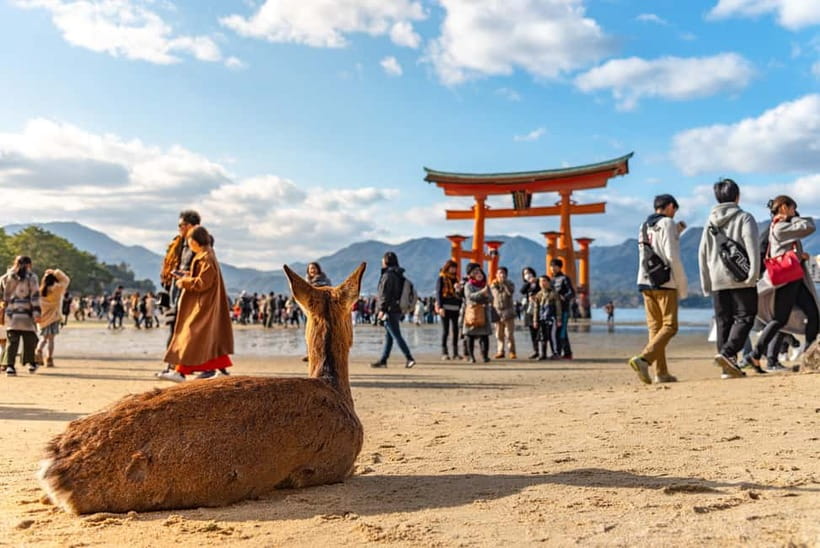
- Local tastes like oysters and momiji manju, with deer roaming around the island
From Tokyo to Hiroshima: the Shinkansen rhythm
This is a classic Japan day-trip structure: long-distance speed first, then slower sightseeing where it matters. If you choose the round-trip Shinkansen option from Tokyo, you’ll ride the high-speed train down to Hiroshima for about 4 hours, then switch to a coach for the coastal leg before the ferry.
Why I think this works: it gets you out of Tokyo early enough to actually see Hiroshima and still reach Miyajima. It also means you’re not spending your energy on directions or connections. Your guide keeps the day moving so you can focus on the stops that demand your attention.
One trade-off is that a long travel day can make the middle hours feel compressed. You’ll want to keep your expectations realistic: this is a highlights tour with structured time blocks, not a “stay as long as you want” kind of outing.
You can also read our reviews of more tours and experiences in Tokyo



Miyajima ferry time: that island feeling kicks in fast
The moment the ferry gets underway, the vibe changes. You’re leaving the mainland behind for an island known for its calm atmosphere and natural scenery, and that shift starts before you even step onto Miyajima.
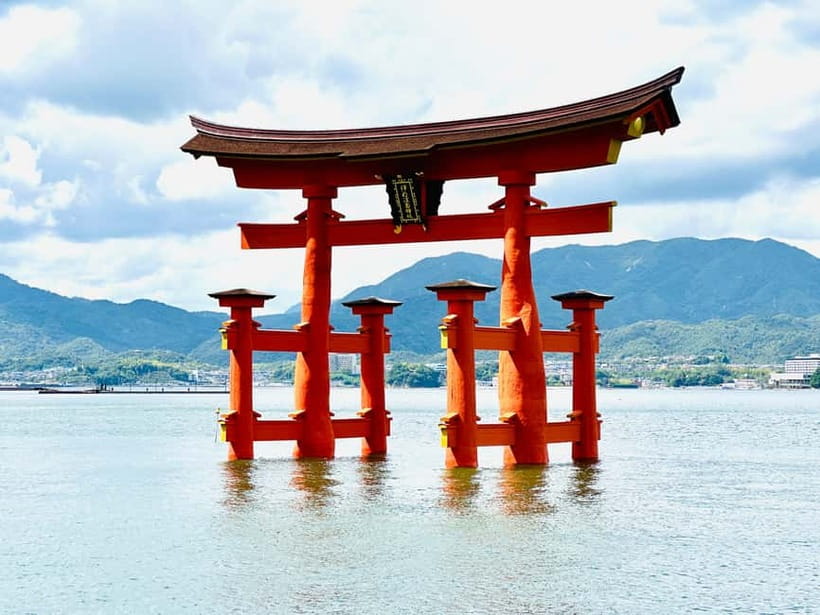
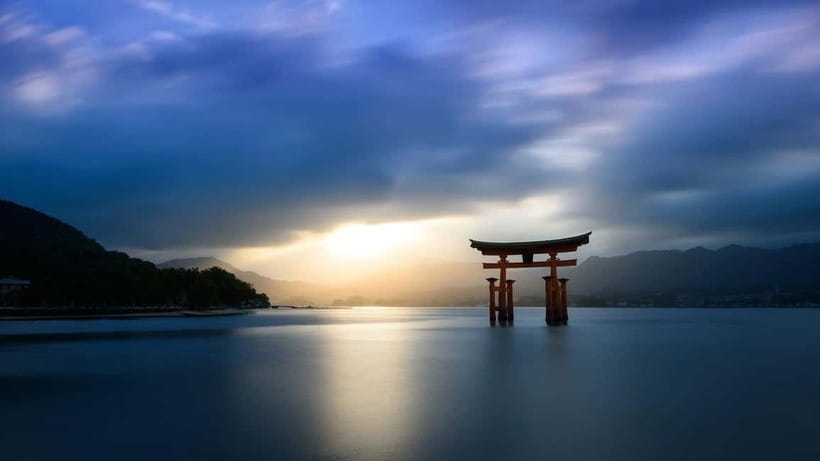
Plan your photos for the water view of the famous landmark. The torii gate is known for looking like it’s floating, especially when conditions are right. The tour uses a real ferry crossing (about 30 minutes going over), so you’re not just being transported—you’re doing part of the experience.
Heads up: the ferry schedule can change due to weather. That matters because it can affect the exact timing of your shrine time and walking time on the island. Bring patience for that, and keep your camera ready for sudden light changes.
Itsukushima Shrine: the included visit that anchors the island
Once you reach the shrine area, you get an about 30-minute guided tour of Itsukushima Shrine, with admission included. This is one of the main reasons the tour is worth considering if you’re short on time: you arrive with a guide who can point out what you’re looking at and why it’s meaningful.
You’ll also get the kind of setup that makes sense for first-time visitors. Rather than wandering with no context, you’ll understand the shrine setting and how it connects to the island’s identity. And since admission is included, you don’t need to handle ticket logistics while you’re trying to absorb the place.
Wear comfortable shoes. Even with guidance and scheduled time, you’ll still be walking on uneven ground in spots and moving between key points without long pauses.
Floating torii gate photos: timing, tide, and respectful viewing
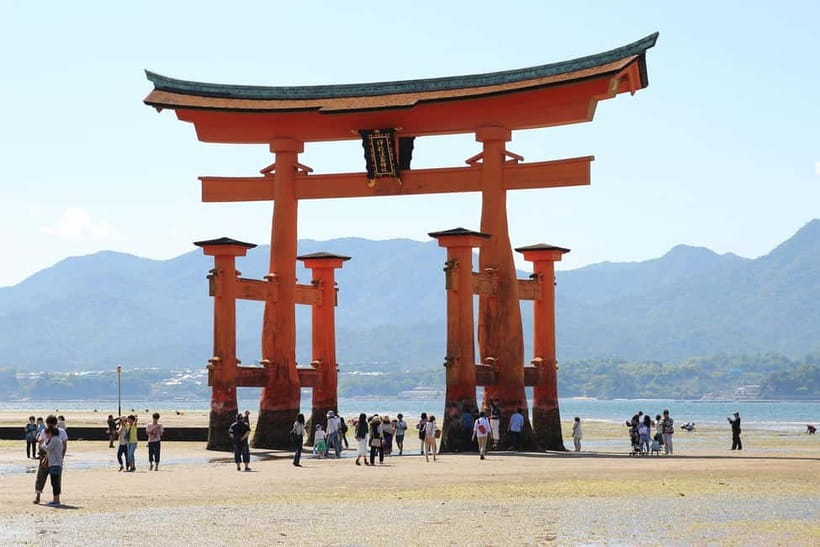
The floating torii gate is why many people build a Miyajima day around this trip. It looks dramatic, like it’s lifted from the water, and it’s easy to see why it’s a top photo magnet in Japan.
But here’s the practical part: that effect depends on conditions. You can’t fully control tide timing, and you can’t always control cloud cover, so try not to wait for a “perfect” moment for too long. Do your best photos, then spend the time walking and noticing the atmosphere around you.
Also keep it respectful. Memorial-level solemnity isn’t the theme here, but shrine spaces still deserve quiet behavior and careful movement around people and worship areas. If you’re taking photos, aim for a quick shot, then step aside so others can do the same.
Miyajima walking time: streets, deer, and the snacks you’ll remember
After the shrine visit, you get about 100 minutes of free time on Miyajima. That’s enough for a loop: stroll through the island’s charming streets, look for small shops and local treats, and enjoy the classic Miyajima details—like deer that roam around.
This is where the tour earns its “fun day” label. Hiroshima can be heavy emotionally, so Miyajima gives you contrast: a calmer pace, open air, and the everyday feel of people eating and walking around.
Food-wise, the tour highlights Miyajima oysters and momiji manju (the maple-leaf shaped pastry). You don’t need to treat this like a food tour, but I’d plan to try at least one of these. They’re simple ways to make the day more than just sightseeing.
What you might not get: unlimited wandering. With 100 minutes, you’ll want to decide quickly whether you’re prioritizing views, souvenir browsing, or snacks. If you hesitate too long at any one stop, you can end up sprinting the last few minutes back toward the ferry.




Back to Hiroshima by ferry, then straight to the memorial park
After Miyajima, you head back to Hiroshima by ferry (about 10 minutes). Once you’re back on the mainland, you’ll ride by coach for roughly 1 hour toward the Hiroshima Peace Memorial Park area.
This transition is important psychologically. Miyajima’s pace can feel light, then Hiroshima brings you back to a place where history isn’t abstract. The tour helps you switch gears with a guided visit, and that context makes a difference if you want to understand what you’re looking at rather than just reading plaques.
Hiroshima Peace Memorial Park: where context changes everything
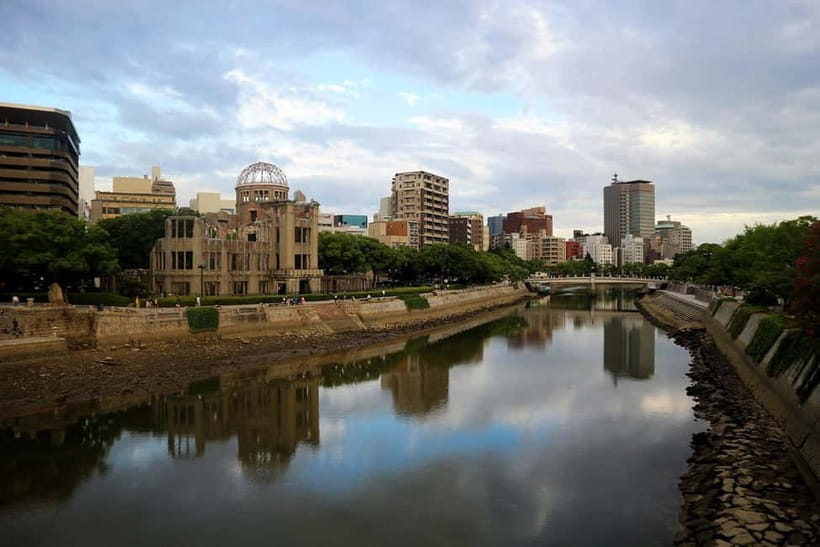
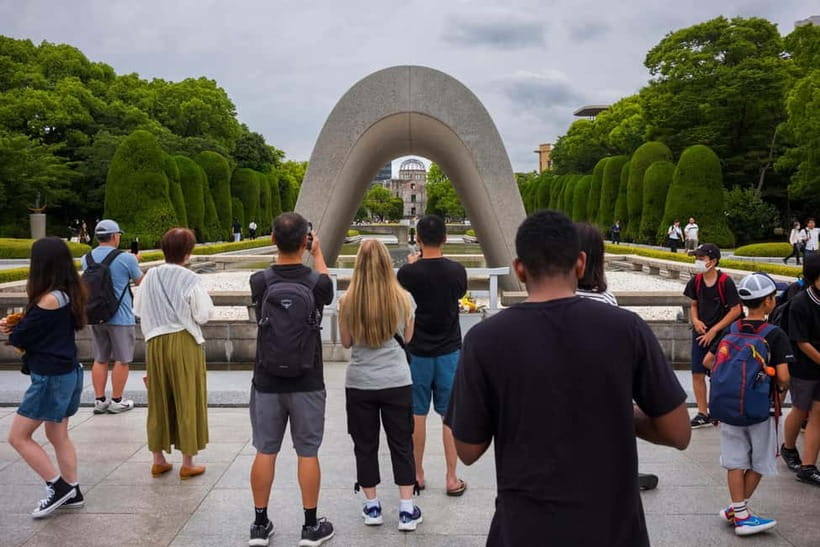
The most serious portion of the day is the Hiroshima Peace Memorial Park, where you’ll get a guided tour plus free time (about 2 hours total for this stop). The big sights include the Peace Memorial and the Atomic Bomb Dome, plus other monuments dedicated to the victims of the 1945 bombing.
Here’s why I value the guided component: it slows you down in the right places. At memorial sites, it’s easy to skim because the information is heavy. A good guide helps you understand what each marker means and why people gather here. You’re not rushing through grief; you’re learning how to look with care.
You’ll likely want some quiet personal time too, and the free time buffer is there for that. Use it to stand where the guide suggested, read at your own pace, and then step aside if the emotions start to hit too hard. That’s not something you can schedule perfectly, so having room to breathe matters.
Photography is allowed, but keep it respectful. If you’re unsure, treat the area like a solemn museum.
Transport flow: coaches, timing, and why your day feels long
In total, the day is 8–16 hours, and that range depends on the starting option and scheduling. What stays consistent is the pattern: Shinkansen for the long pull, then coach segments for shorter transfers, and ferry time for Miyajima.
It’s not complicated, but it is nonstop. You’ll go train → bus/coach → ferry → shrine visit → walking time → ferry back → bus/coach → memorial park → bus/coach → train back. You’ll spend time sitting on coaches, and you’ll spend time on your feet at key stops.
If you hate rushed days, this might feel like a lot. If you like structured sightseeing and you’re okay with walking at a moderate pace, it’s a great match.
Price and value: is $104 a fair deal?
The listed price is $104 per person, and value comes from what’s handled for you and what’s included.
Included costs you’d otherwise have to manage:
- Round-trip bullet train from Tokyo (if you choose that option)
- Ferry ride to Miyajima
- Itsukushima Shrine admission
Not included:
- Meals
So what are you really paying for? Time and coordination. You’re paying for a smooth chain of transport and guided stops that cut down on planning stress. For many visitors, that’s the hardest part of day trips—getting the connections right while still seeing the major sites.
If you’re comfortable building your own itinerary and you don’t mind navigating trains, buses, and ferry timing on your own, you could possibly save money. But if you want the day to run like a plan rather than a puzzle, $104 can be reasonable—especially given that the day includes guided time at Hiroshima’s memorial areas and the shrine visit on Miyajima.
Who this trip suits best (and who should skip it)
This tour is a strong fit if:
- You want to see Hiroshima and Miyajima in one day
- You prefer a guided explanation for heavy history
- You like efficient transport and hate last-minute ticket juggling
- You’re okay with moderate walking and a pace that stays moving
It’s not a great fit if:
- You need wheelchair accessibility (it’s not suitable for wheelchair users)
- You want lots of free, unstructured time on Miyajima
- You’re sensitive to long travel and sitting on coaches
Also note the weather reality: you should be ready for all conditions. Bring a hat and plan for sun or rain with an umbrella or raincoat.
Small practical tips that make the day easier
These are the details that quietly improve the experience:
- Bring comfortable walking shoes. You’ll use them a lot more than you think.
- Carry water and consider sunscreen. Your time on the island and around open areas can be bright.
- Pack light layers and a rain option. Ferry delays or schedule shifts can happen with weather.
- Have your camera charged before you leave. You’ll want it for the shrine area and the torii views.
- Expect the day to be emotionally serious at Hiroshima. Give yourself permission to slow down mentally there.
Should you book this Hiroshima and Miyajima day trip?
I’d book it if you’re the type of traveler who wants a smart, guided hit of two iconic destinations—Hiroshima for reflection and Miyajima for that unforgettable island setting. The included shrine admission, guided portions, and the ferry connection make this feel like a well-built plan rather than a collection of random stops.
I’d skip it if you want a relaxed day with lots of freedom to wander. The time blocks are real, and the schedule can feel long. If you can accept that trade, you’ll come away with memories that balance solemn history with a calmer, beautiful island day—and that mix is exactly why this itinerary works.
FAQ
How long is the Tokyo to Hiroshima and Miyajima day trip?
The duration is listed as 8 to 16 hours, depending on the starting option and available departure times.
What is included in the ticket price?
Included items are round-trip high-speed bullet train from Tokyo if you select that option, the ferry ride to Miyajima, and admission to Itsukushima Shrine.
What is not included?
Meals are not included, and hotel pickup and drop-off are also not included.
Which languages are available for the live tour guide?
The live tour guide is available in English and Spanish.
Are there any restrictions or rules during the tour?
Smoking is not allowed.
Can the ferry schedule change?
Yes. The ferry schedule to Miyajima may be subject to change due to weather conditions.