REVIEW · TOKYO
Tokyo Mt. Fuji Hakone Shrine, Owakudani, Lake Yamanakai Day Tour
Book on Viator →Operated by Scenic Bend · Bookable on Viator
Volcano views in eight hours. This Tokyo-to–Mt. Fuji day tour stacks Hakone Shrine by Lake Ashinoko with the crater drama of Owakudani, then rounds things out with Fuji photo spots at Lake Yamanaka and Oshino Hakkai. It’s a fast-hit sampler of the Hakone/Fuji area without the stress of stitching together trains and connections all day.
I especially like the way the day gives you multiple chances to see Mt. Fuji from scenic vantage points, not just one “big moment.” You’ll also get a comfortable, guided flow built around included transport, including a Hakone Ropeway segment that’s timed to the scenic parts of the route.
The main drawback to plan around is the weather. Rain, wind, or thick clouds can hide the view, and in rough conditions you may lose certain ride options or simply enjoy more cloudy Hakone than Fuji-on-the-cover.
In This Review
- Key Highlights to Know Before You Go
- Price and Value: What $76.96 Actually Covers
- Hakone Shrine at Lake Ashinoko: The Torii That Frames Fuji
- Hakone Ropeway Toward Owakudani: The Scenic Ride Portion
- Owakudani Valley: Big Hell Vibes and the Black Egg Moment
- Lake Yamanaka Shiratorihama: Swans, Fuji Photos, and Quick Time
- Oshino Hakkai: Fuji Snowmelt Springs and Mirror-Water Photos
- Timing, Walking, Lunch, and the Weather Reality Check
- Who This Tour Suits Best (and When It Might Not)
- Should You Book This Tokyo–Hakone–Fuji Day Tour?
- FAQ
- How long is the Tokyo Mt. Fuji Hakone Hakone Shrine, Owakudani, Lake Yamanakai day tour?
- What is included in the tour price?
- Do I need to pay for admission at each stop?
- Does the tour run every day, and how many people are needed?
- What should I do about luggage?
- What is the cancellation policy?
Key Highlights to Know Before You Go
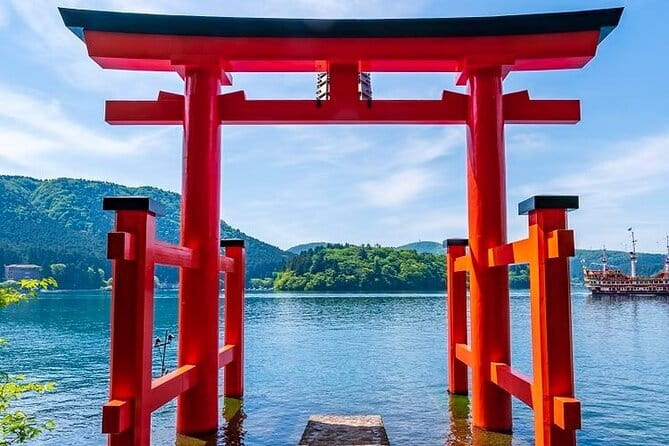
- Lake Ashinoko’s red Hakone Shrine torii: A classic Mount Fuji-from-a-distance photo moment over volcanic water.
- Hakone Ropeway timing toward Owakudani: You ride through the segment where the crater lake views tend to be most rewarding.
- Owakudani’s Big Hell atmosphere: Steam, sulphur hints, and free time close to the volcanic remains.
- Black eggs are optional, not required: A local “do it once” snack you can grab at your own expense.
- Two Fuji Five Lakes style photo breaks: Lake Yamanaka’s swans and Oshino Hakkai’s Fuji snowmelt ponds.
- Guide quality can vary: People have praised guides like Jack, Tom, and Kousei for being fun and informative, while one experience noted a more rushed, information-light day.
Price and Value: What $76.96 Actually Covers
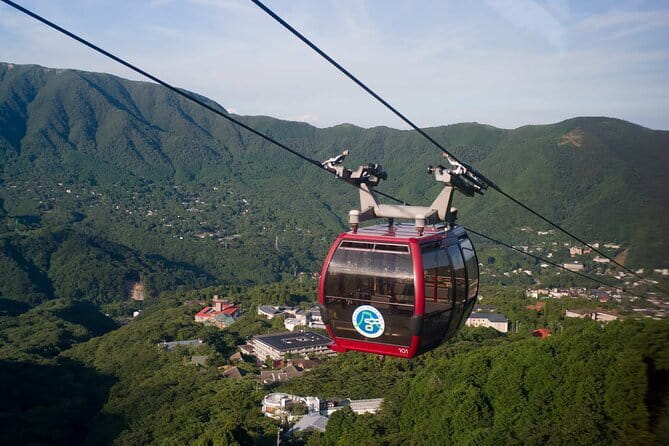
At about $76.96 per person for roughly 8 hours 20 minutes, this tour is mostly paying for transportation plus one “paid” scenic component: the Hakone Ropeway segment near Owakudani. The rest of the major sightseeing stops are set up so you’re not constantly budgeting for admissions—Hakone Shrine, Owakudani, Lake Yamanaka, and Oshino Hakkai are all described as free at the stops.
That structure matters. In the Hakone/Fuji area, the biggest cost and hassle is often getting between viewpoints. Here, you’re outsourcing the driving, fuel, tolls, and scheduling to the operator, while you spend your energy on the places themselves.
A few value notes I like:
- The tour runs daily, and it’s designed for day-trippers starting from Tokyo.
- It’s capped at a small group size (up to 15), so you’re less likely to feel like cattle in a commuter train.
- You get a mobile ticket, which is handy when you’re moving fast and not trying to manage paper receipts.
Two things to keep in mind: meals aren’t included, and the day still depends on daylight and weather. If Mt. Fuji is hidden, the tour doesn’t become worthless—it just turns more into “scenery + culture” than “Fuji in every frame.”
You can also read our reviews of more tours and experiences in Tokyo.



Hakone Shrine at Lake Ashinoko: The Torii That Frames Fuji
Hakone Shrine and Lake Ashinoko’s maritime torii are the emotional warm-up for the whole trip. You’re in a volcanic region, but you’re not hiking a crater yet. First you get that iconic red torii rising from the lake, with Mount Fuji often visible in the distance when conditions cooperate.
You’ll spend about 80 minutes here with built-in free time. That’s enough to:
- Look from the shoreline and take your time with photos.
- Walk at a calm pace around the shrine area.
- Pause without feeling like you’re being hurried to the next stop.
Why I think this stop is worth your attention: it sets the theme of the day—sacred place + volcanic setting + Fuji in the background. Even if Fuji is faint, the lake and torii still do their job.
The shrine itself traces back to 757, and it’s associated with mountain faith traditions and later reverence from notable historical figures like Minamoto Yoritomo and Tokugawa Ieyasu. The tour also notes the shrine’s reputation as a guardian of Hakone and a place linked to good luck for things like traffic safety, fulfilling wishes, success in love, and warding off misfortune.
One practical consideration: because this stop is about views and photos, it rewards patience. If you’re the type who takes ten minutes to choose angles and then commits, you’ll be happy. If you’re rushing, you might leave photos on the table.
Hakone Ropeway Toward Owakudani: The Scenic Ride Portion
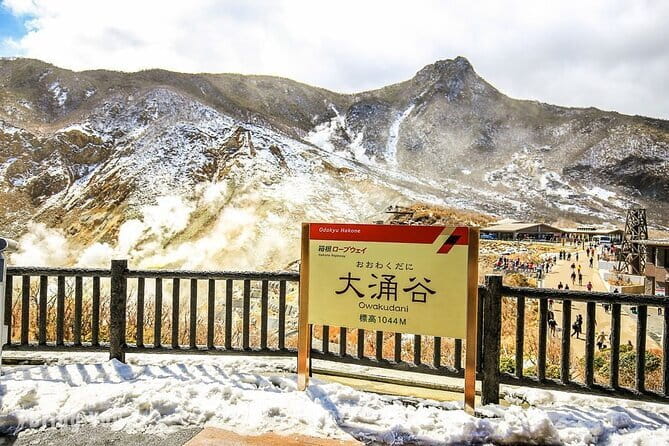
Next comes the Hakone Ropeway segment—about 30 minutes—and it’s included in the ride you’re paying for. The route you’ll take is described as Togendai Station to Owakudani (and the scenic course between points is the “money shot” area).
This is the part where you stop thinking of the day as only “walking stops” and start experiencing Hakone as a place you travel through. Ropeways offer views that are harder to replicate from the road—especially in a place defined by elevation and crater geography.
The tour notes that the most beautiful stretch is the section between two parts because you can potentially see Mount Fuji, and you’re also looking at the crater lake in the middle portion of the route. That’s exactly what you want from an included scenic transit: it turns transportation time into sightseeing time.
Two reality checks:
- The ride is scenic, but it’s still weather-dependent. High wind or rain can affect what you can do or what you can see.
- If you’re prone to motion discomfort, it’s still short, but you’ll want to be ready for a bit of movement.
If you’ve ever done Hakone ropes and cable rides in fog, you already know the emotional roller coaster: you feel like you’re in a movie, then the clouds show up and suddenly you’re just riding. Still, this is the best kind of “even if Fuji hides” moment, because the volcanic lake and valley context remain interesting.
Owakudani Valley: Big Hell Vibes and the Black Egg Moment
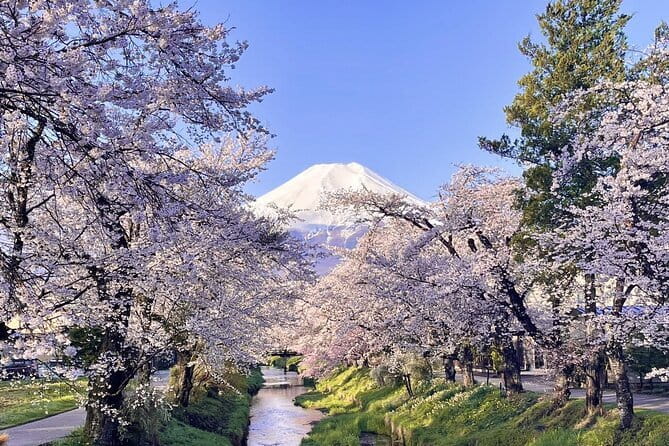
Owakudani is the crater-valley heart of the tour. You’ll get around 50 minutes of free time here, which is just enough to breathe it in, walk a short route, and grab a snack if you want one.
The day frames Owakudani as the volcanic region that helped give birth to Hakone. It’s located in Hakone City, southeast of Mount Fuji, and the remains of the crater date to a volcanic eruption at the end of the Hakone volcanic activity about 1,000 years ago (as described). Spring water is a big theme here, and the tour notes it’s poisonous—often referred to as Big Hell—and that the area’s name was associated with Emperor Meiji’s visit.
The practical way to approach this stop:
- Wear good shoes. The ground can be uneven in places, and you’re walking near volcanic terrain.
- Bring a little patience for sensory intensity. You’ll likely notice steam and strong “volcanic” smells, and that’s kind of the point.
- Decide if you want to try the famous black eggs. The tour mentions you can buy them at your own expense, and that’s the classic “try it once” souvenir-snack people come for.
There’s also a quick walking component referenced as a nature research trail entrance walk of about 15 minutes, plus a small shop area where smoke rises. That tells you Owakudani isn’t a one-corner-and-done stop. Even with limited time, it’s designed to feel like you’re close to the source of the action.
One more thought: if you’re hoping for spectacular Mount Fuji views here, don’t count on it. Owakudani is about the geology and atmosphere first. Fuji is a bonus when it shows up.
Lake Yamanaka Shiratorihama: Swans, Fuji Photos, and Quick Time
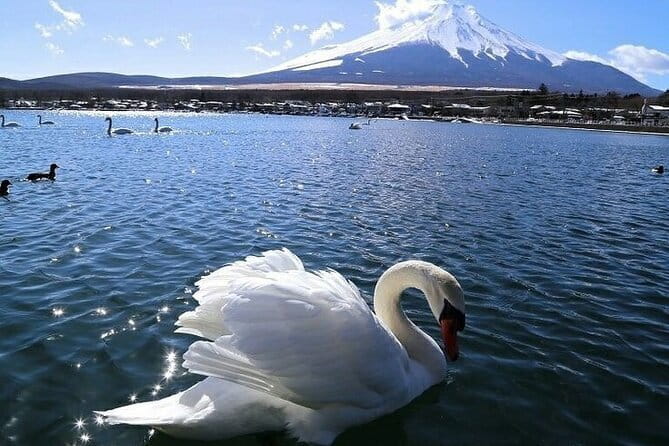
After Owakudani, you shift from volcanic steam to calmer water scenery at Lake Yamanaka, part of the Fuji Five Lakes. Here, you get a short photo break of about 20 minutes at Shiratori-hama.
Shiratori-hama is named for the abundance of swans. The tour notes a key detail: the swans here are often fed by tourists, which is why they can feel friendly and approachable. And yes, the goal is visual—getting a life-like photo of a swan with Mount Fuji in the same frame.
I like this stop because it balances the intensity of Owakudani. It’s also forgiving: even if Fuji is obscured, you still have a pleasant lakeside scene, and the swans can make the photos feel more alive than a static viewpoint.
What to watch out for:
- This is short. If you want more than one photo setup, position yourself early.
- Like everywhere today, your Mt. Fuji visibility depends on the day’s conditions.
This is also a good stop for a quick reset. If your feet are tired from Owakudani, you’ll feel the relief immediately.






Oshino Hakkai: Fuji Snowmelt Springs and Mirror-Water Photos
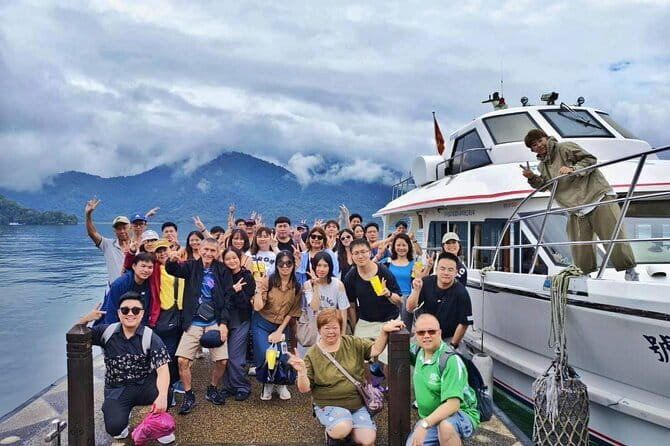
Oshino Hakkai is your final “Fuji water” stop, set around eight springs formed by snow water from Mount Fuji flowing through strata. The tour notes the springs are famous for the way the rippling water and the Fuji reflection can come together, and it’s recognized as a national natural monument.
You’ll have around 40 minutes here, which is a comfortable window for:
- Seeing the different ponds/springs.
- Taking time with reflections and different angles.
- Buying a small snack or drink if you want to bridge the gap to the end of the day.
I appreciate Oshino Hakkai because it feels different from both Hakone Shrine and Owakudani. You go from crater heat to spring-fed water. It’s also a “slow photo” environment, meaning you can spend a few minutes, step back, adjust, and wait for the water to settle.
Drawback to keep in mind: if the weather is rainy or heavy overcast, reflections can be less dramatic. Still, the water and pond texture remain visually interesting even without perfect Fuji mirror conditions.
Timing, Walking, Lunch, and the Weather Reality Check
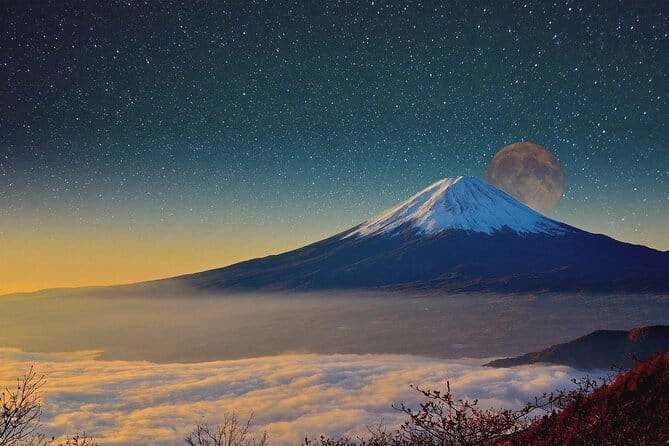
This is a packed day. The tour runs about 8 hours 20 minutes, and you’re given time for travel and lunch within the remaining hours, with meals not included. That means you should treat lunch as your responsibility: plan to eat what’s nearby on your schedule, not when the calendar says you should.
Also, it’s described as a one-day trip, and you’re warned not to carry luggage if you can avoid it. If you need luggage, you can bring it—but only one luggage per person, and you’re supposed to register it. If you don’t note it, or if it turns out you brought more than one piece, there’s an additional 100 yuan per extra piece mentioned.
That luggage note is more practical than it sounds. In Japan, many hotels can’t park luggage for long. And once you’re on the bus day, handling bags can turn a scenic day into an awkward shuffle.
Weather is the big swing factor:
- One experience noted a pouring rain start and that the day didn’t deliver much visibility.
- Another mentioned strong wind prevented a cable car use, turning the day into more bus riding instead of scenic segments.
So my advice is simple: don’t plan this tour as your only shot at Mt. Fuji. If you’re traveling when Fuji is your top priority, consider staying in the area longer or pairing this with a flexible second day. If your schedule only allows one shot, you can still enjoy Hakone even when Fuji hides, but you should mentally budget for a weather-driven outcome.
Who This Tour Suits Best (and When It Might Not)
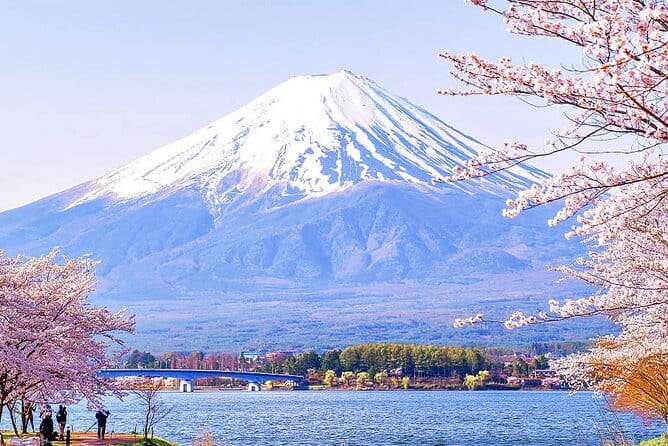
This tour fits you best if you want an efficient, guided day focused on:
- Hakone Shrine by Lake Ashinoko and the maritime torii photo moment
- Owakudani volcano scenery with the chance to try black eggs
- Two bonus Fuji water stops: Lake Yamanaka swans and Oshino Hakkai springs
It’s also a good fit for people who don’t want to manage transport between Hakone viewpoints and the Fuji Five Lakes region. The tour includes the vehicle service time, fuel, tolls, and driver service fee, which is a lot of “invisible work” taken care of for you.
You might want a different plan if:
- You’re extremely sensitive to weather changes and hate the idea of losing views.
- You expect deep, stop-by-stop讲 guide narration. The guide experience can be strong (people have mentioned Jack, Tom, and Kousei specifically), but at least one experience criticized the lack of real information and emphasized an overly rushed feel.
There’s also a minimum group size: it needs at least four people to run. It’s daily, but if you book last minute during a quiet period, you might want to double-check.
Should You Book This Tokyo–Hakone–Fuji Day Tour?
If you want a one-day hit of Hakone volcano vibes plus Fuji photo scenery, I’d say this is a solid booking. You’re paying for guided transport and a scenic ropeway segment, while the main attractions are timed with enough free time to actually enjoy them: shrine viewing, crater valley walking, and two lakeside/spring photo stops.
Book it if:
- You’re short on time in Japan and want a high-coverage day.
- You like scenic transit moments like the Hakone Ropeway.
- You’re okay with weather being a co-author of your photos.
Skip or adjust expectations if:
- Mt. Fuji must be perfectly visible for your trip to feel successful.
- You dislike tours where the day is structured around moving you between many places.
If you do book, pack for walking, bring some cash for optional food, and go in knowing the day is built to show you a lot—not to linger for hours.
FAQ
How long is the Tokyo Mt. Fuji Hakone Hakone Shrine, Owakudani, Lake Yamanakai day tour?
It’s about 8 hours 20 minutes (approximately), with the remaining time after stops allotted for travel time and lunch.
What is included in the tour price?
The fee includes vehicle service fees and fuel costs, tolls, the driver service fee, and the portion of the Hakone Ropeway from Togendai Station to Owakudani. Entrance for the listed stops is described as free where applicable.
Do I need to pay for admission at each stop?
No. Hakone Shrine, Owakudani, Lake Yamanaka, and Oshino Hakkai are described as admission-free in the tour outline. The Hakone Ropeway fee is included for the specified course.
Does the tour run every day, and how many people are needed?
The tour has daily departures. It requires a minimum of 4 persons for the tour to proceed.
What should I do about luggage?
The tour notes it is not recommended to carry luggage. If you need luggage, you should register it clearly when booking; 1 luggage per person is allowed. An extra 100 yuan per piece may be charged if more than one is brought or if you didn’t note luggage in advance.
What is the cancellation policy?
You can get free cancellation up to 24 hours before the experience starts for a full refund. If you cancel less than 24 hours before, the amount paid is not refunded.