REVIEW · TOKYO
Tokyo: Mt Fuji 3 Lakes Day Trip | 9-Guest Small Group
Book on GetYourGuide →Operated by Leda Japan · Bookable on GetYourGuide
Fuji without the crowd. This small-group day trip targets quieter lake viewpoints plus seasonal swaps that change with the month, so the scenery feels fresh. I particularly like the calm stop at Lake Shoji (great “mirror” potential) and the flower-and-snow photo rhythm around Oishi Park and Lake Kawaguchi. One thing to plan around: if a specific activity option can’t run that day, expect a last-minute change of plan and possibly some extra walking to still reach the views.
This is a true 10-hour itinerary with a 9-guest setup, not a bus cattle run. Pickup is organized with a multilingual driver (English and Chinese) and direct contact by phone/WhatsApp, which matters when you’re juggling a hotel lobby and a tight schedule. For value, a lot is included—van transport, fuel/tolls/parking, and the full day loop—so you’re mostly paying for your own meals and a la carte entry tickets.
The tradeoff is simple: entry tickets and meals are not included, so your day budget needs a little extra cash for cruises/ropeway/museums and lunch. Also, this is a long day in a vehicle and on foot, so it’s not a fit for everyone.
In This Review
- Key Points You’ll Want to Know Before You Go
- Why Lake Shoji, Oishi Park, and Hirano Beach Hit Different
- Pickup, Timing, and How to Make the Morning Actually Easy
- Lake Shoji at 10:00 AM: Quiet Water, Sengen Shrine, and Seasonal Drama
- Oishi Park and Lake Kawaguchi: Where Flowers (or Snow) Do the Work
- Your Choose-One Adventure: Cruise, Ropeway + Park, or Music Forest
- The Lawson Fuji Frame and the Hikawa Clock Shop Detour
- Hirano Beach on Lake Yamanaka: Highest-Altitude Views and Golden Hour Payoff
- Price and Ticket Strategy: What You’re Really Paying For
- Who Should Book, and Who Should Skip This Fuji Day Trip
- Should You Book This Fuji 3 Lakes Day Trip?
- FAQ
- FAQ
- What languages are available on this tour?
- How long is the tour?
- Where do I meet the group in Tokyo?
- Which stops are included in the itinerary?
- Are entry tickets included for the ropeway or cruise?
- Is lunch included?
- What should I bring?
- How do I make sure pickup goes smoothly?
Key Points You’ll Want to Know Before You Go
- Crowd focus on three lakes: Lake Shoji, Oishi Park area, and Hirano Beach on Lake Yamanaka
- Seasonal scenery swaps: lavender, cosmos, snow art, and winter-on-Fuji moments
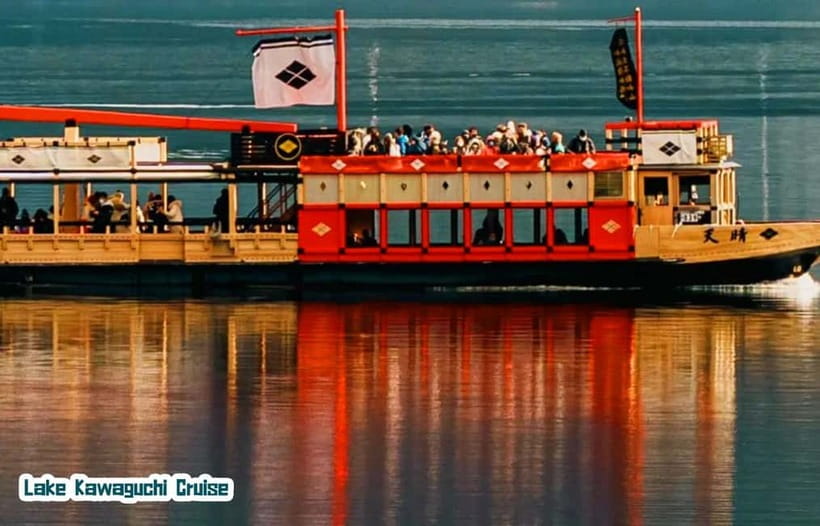
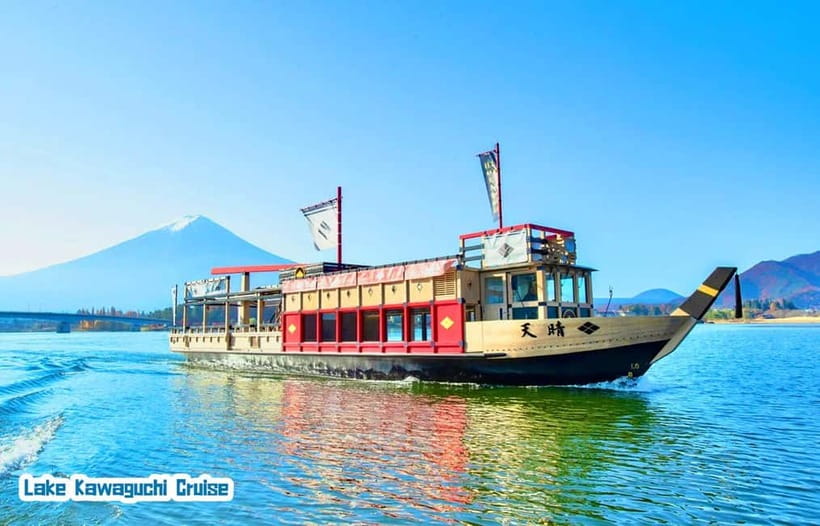
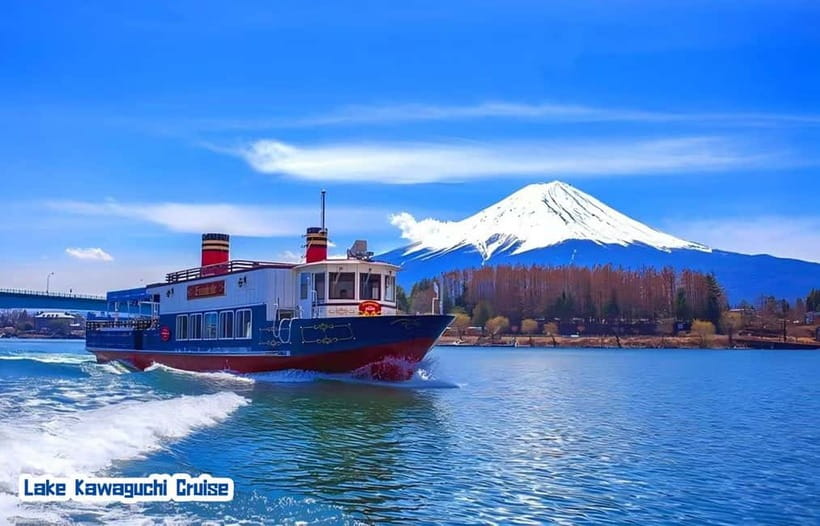
- Choose-one adventure time near Lake Kawaguchi: cruise, ropeway + park, or the Music Forest Museum
- Driver contact is part of the plan: you’ll get the license plate and a phone/WhatsApp number the night before
- Tickets and meals are on you: ropeway/cruise/museum entry and lunch are not included
Why Lake Shoji, Oishi Park, and Hirano Beach Hit Different
Most Fuji day trips stack the same viewpoints over and over. This one spreads your time across three lake areas, and that alone changes the feel of the day: you’re not just chasing a single postcard.
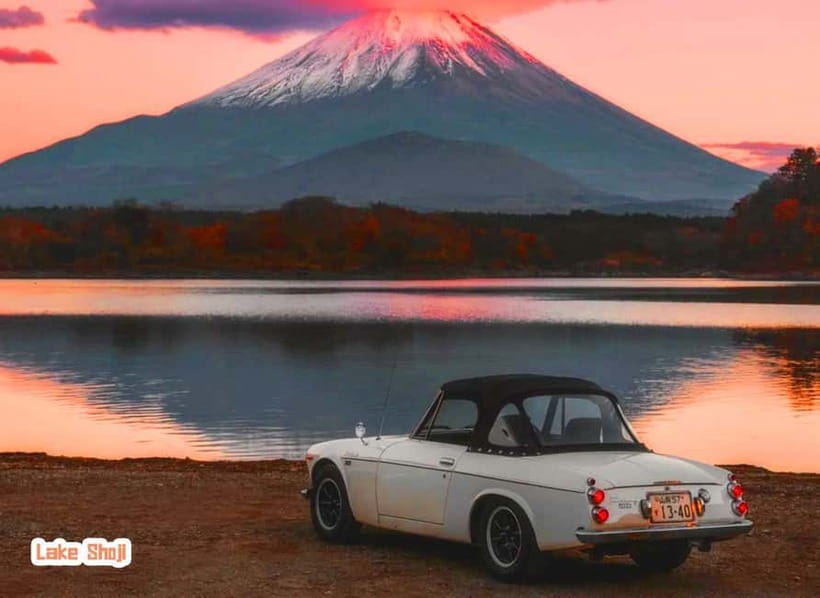
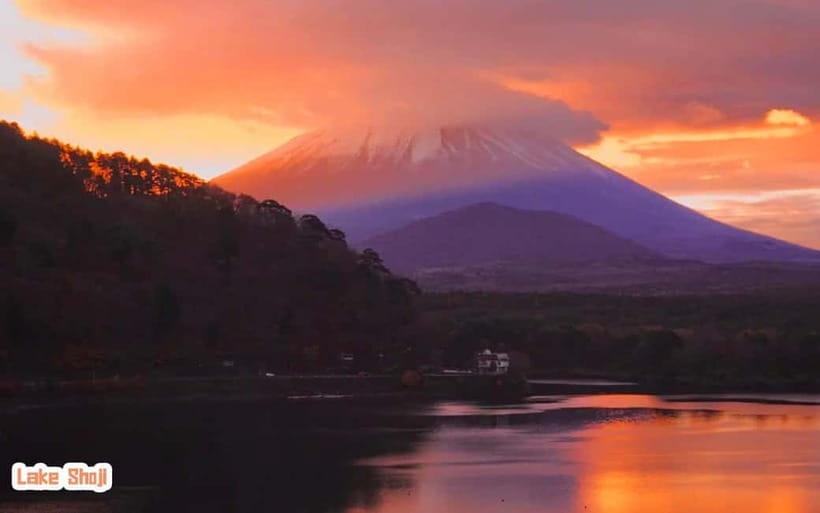
Lake Shoji is the quiet note in the middle of the route. Oishi Park and the Lake Kawaguchi area add the “seasonal stage”—flowers in warm months, and winter-themed scenery when the temperatures drop. Then Hirano Beach on Lake Yamanaka finishes with one of the best setups for that famous floating-Fuji style illusion, especially near golden hour.
The real win is that your photos won’t all look like the same shot. The itinerary is designed so Fuji appears in different moods: soft and reflective, floral and bright, and later in the day more dramatic.
You can also read our reviews of more tours and experiences in Tokyo



Pickup, Timing, and How to Make the Morning Actually Easy
This tour runs on rails from Tokyo. Departure is set for about 8:00 AM, and the schedule is strict. Hotel pickup happens roughly between 7:30–8:30 AM in several central wards, and if you’re late, the driver won’t wait and there’s no late-arrival adjustment.
Meet-up depends on where you’re staying and how you booked. If you’re using the package-style meet-up, you gather at JR Tokyo Station (Marunouchi North Exit). If you’re doing hotel pickup, the pickup locations cover a defined set of wards (including Shinjuku, Chiyoda, Chuo, Shinbashi, Akasaka, Tamachi, Shiodome, Hamamatsuchō, Roppongi, and Taito).
The detail that makes or breaks the day is communication. You’ll receive your guide/driver’s phone number and license plate details the night before. Right after you get that email, contact the driver to confirm your exact pickup time and location. It’s the fastest way to avoid the classic Tokyo problem: you and your ride are both outside the wrong door at the wrong minute.
Lake Shoji at 10:00 AM: Quiet Water, Sengen Shrine, and Seasonal Drama
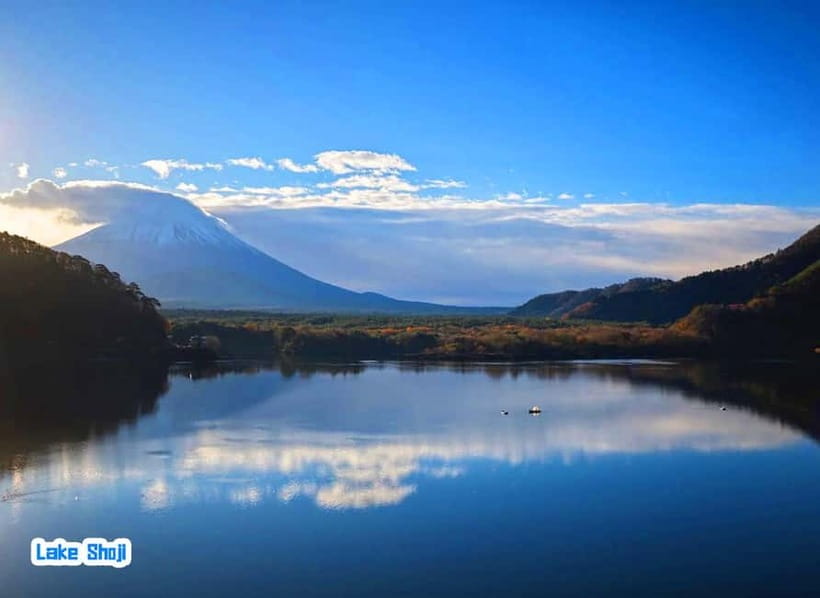
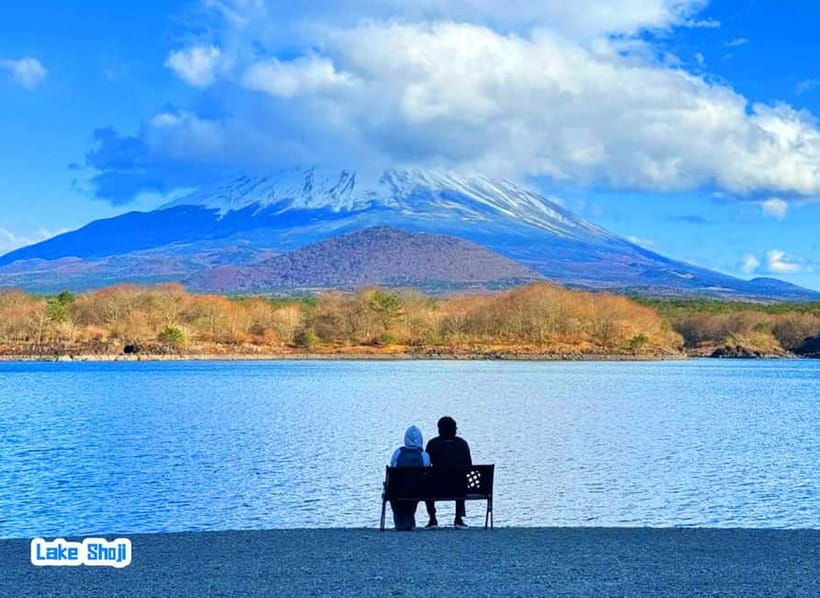
Your first Fuji lake stop is Lake Shoji. The tour leans into the “quiet Fuji” vibe here, with scenery that shifts by season.
In spring, you’re looking for cherry blossoms; in summer, the focus turns to the darker greens of the forest; autumn brings fiery color; and winter offers the clean, snow-dusted mood people chase on Fuji days. If you’re going in August, you may catch the Suzumi-no-Matsuri festival atmosphere, including taiko drums and local street food.
There’s also a culture stop: Sengen Shrine, tied to Fuji heritage. It’s not just a quick photo break. It gives the landscape some context so your day doesn’t feel like a checklist of views.
Practical tip: start early at the lake area so you’re not sprinting to the best angles at the busiest times of day. This itinerary’s strength is pacing, so use it.
Oishi Park and Lake Kawaguchi: Where Flowers (or Snow) Do the Work
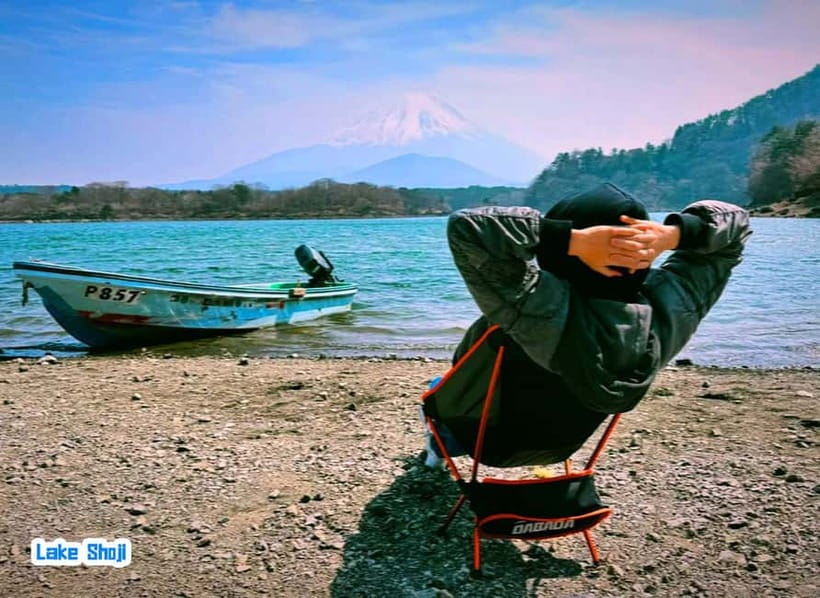
Around 11:30 AM, you shift to the Oishi Park / Lake Kawaguchi experience zone. The itinerary here is built around seasonal swaps, meaning what you do at this stage depends on the month.
Expect a “Fuji-as-backdrop” walk through different seasonal themes:
- Lavender in June–July
- Cosmos in September–October
- Snow art in December–February
If you’re traveling from late March to mid-April (Mar 25–Apr 15), the route also lines up with the Lake Kawaguchi Cherry Blossom Festival, when the pink canopy effect is at its peak. That’s the moment when this stop earns its reputation—Fuji isn’t the only star.
You’ll have about 150 minutes plus lunch, which is longer than many fast tours. That extra time matters at these lakes, because viewing angles aren’t always right next to the parking area. Sometimes you walk for a viewpoint; sometimes you wait for light.
Your Choose-One Adventure: Cruise, Ropeway + Park, or Music Forest
This is one of the best-designed parts of the day because you can match the activity to your energy level and interests. You’ll pick 1 option from the listed adventures, and entry tickets for these are not included, so plan for that cost.
Lake Kawaguchi Cruise (20 minutes)
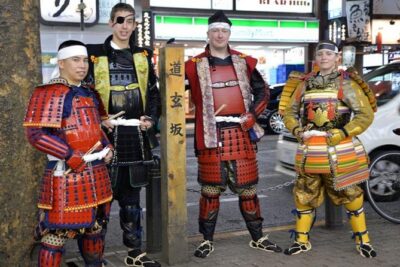
You’ll board the Tenkyo sightseeing boat modeled after a 16th-century warship. Fuji views from the water can be magical when conditions cooperate, and the cruise setup includes time for reflections—plus a playful photo element with samurai-style gear. The cruise is listed as wheelchair-accessible.
Mt. Kachikachi Ropeway to Tenjozan Park
A short ride gets you up to panoramic views. Tenjozan Park is folklore-themed, with rabbit and raccoon statues and shrines, plus traditional snack culture like kachi-kachi grilled dango. You’ll also find small “do it for luck” moments like clay disc throwing, and there’s a couple-focused photo/ritual stop at the Bell of Heaven.
Lake Kawaguchi Music Forest Museum
This one feels different from the lake-and-Fuji pattern. The museum is described as an European-style garden and centers on antique instruments—especially music boxes and organs. One detail that stands out is the mention of a Titanic replica among the collections, plus weekend concerts and souvenir shops. Workshops are listed too, but you’ll want to treat this as an option to browse and see what’s available on your day.





The Lawson Fuji Frame and the Hikawa Clock Shop Detour
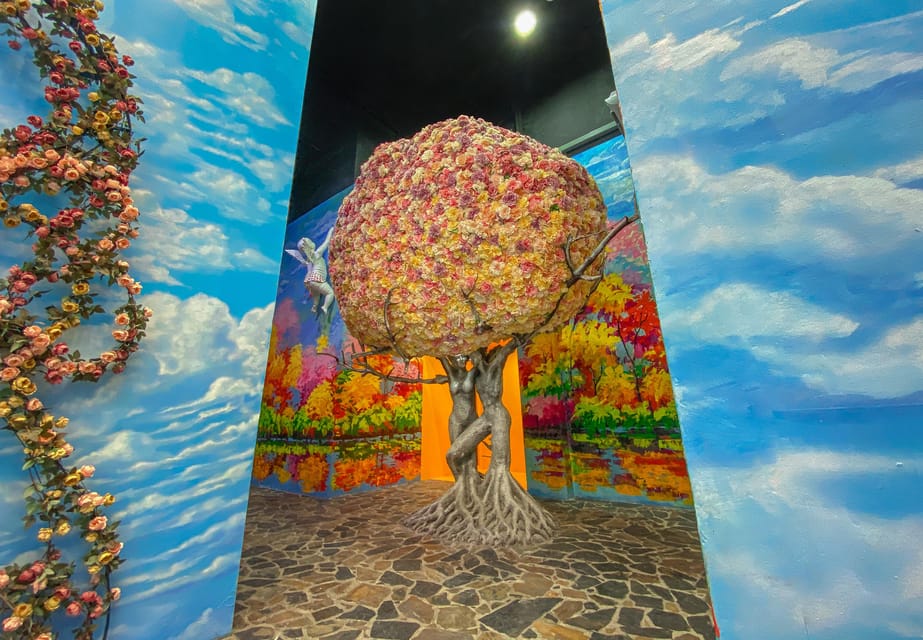
After your lake-and-views block, the itinerary pivots to two quick-but-fun stops that break up the day.
Around 2:10 PM, there’s time for the Lawson store photo. This is the classic shot where Fuji sits perfectly framed in the background behind the convenience store facade. It’s a little silly in the best way. If you like the idea of modern Japan in the same frame as Fuji, this stop is worth the quick detour.
Then around 2:50 PM, you’ll visit Hikawa Clock Shop. Expect 1,000+ handcrafted clocks in a retro alleyway setting, mixing traditional streetscape vibes with mechanical design. It’s also described as having Fuji views depending on weather, so if clouds roll in, your “exact postcard” angle might change—but the clock collection still gives you something tangible to look at.
This portion of the day is helpful if you’re tired of walking lake perimeters. You get indoor browsing energy and a different kind of photo target.
Hirano Beach on Lake Yamanaka: Highest-Altitude Views and Golden Hour Payoff
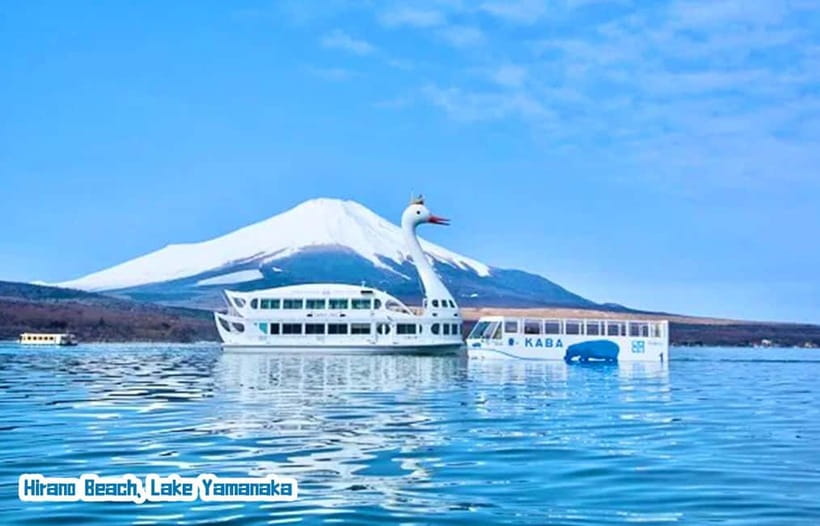
The final lake stop is Hirano Beach on Lake Yamanaka, scheduled for about 3:20 PM. This lake is described as Fuji’s highest-altitude lake area, and that matters because it can shift the light and the feel of the scenery late in the day.
The highlight here is that you can aim for the “floating Fuji” illusion near golden hour. In practice, you’re watching the horizon, the water texture, and how light hits the mountain. It’s the kind of end-of-day payoff where you’ll be glad you didn’t rush your earlier stops.
Then you head back toward Tokyo. The return timing puts you back at JR Tokyo Station or your original pickup spot by about 6:00 PM, with the overall tour duration set at roughly 10 hours.
Price and Ticket Strategy: What You’re Really Paying For
The listed price is $20 per person, which is unusually low for a full-day, multi-stop Fuji route. The value is in the included logistics:
- Van transportation
- Driver service
- Fuel, tolls, and parking
- A 10-hour day plan
What’s not included is equally important for planning:
- Meals
- Entry tickets for the ropeway/cruise/museum options
- Any self expenses you choose during the day
This means you should budget for lunch plus a ticket cost depending on your chosen adventure. If you pick the cruise, ropeway, or museum option, you’ll also need cash (or card) for that entry fee on your day.
I like this model because it keeps flexibility: you aren’t locked into an activity you don’t care about. You choose the adventure and then pay the entry for that specific choice.
Who Should Book, and Who Should Skip This Fuji Day Trip
This trip fits best if you want:
- A small group experience (9 guests)
- Fuji views across multiple lake areas, not just one
- Seasonal variety (lavender/cosmos/snow art)
- Photo stops that mix classic scenery with modern Japan
It’s not for everyone. It’s listed as not suitable for pregnant women, people with heart problems, and people over 70. Also, you’ll need comfortable shoes because you’re doing walking around lake viewpoints and attractions.
If you’re the type who gets cranky on long days, keep your expectations realistic: it’s a full Tokyo-to-Fuji loop. Wear comfortable layers, bring water, and don’t schedule something right after you return.
Should You Book This Fuji 3 Lakes Day Trip?
If you’re aiming for Fuji views with less crowd stress and you want scenery to match the season, I think it’s a smart booking. The route design—quiet Lake Shoji, seasonal Oishi Park / Lake Kawaguchi, then Hirano Beach—keeps your day feeling varied instead of repetitive.
I’d book it especially if you like choosing the energy level for the day through the choose-one adventure. Just keep a flexible mindset about on-the-ground conditions and activity access, and plan for separate costs for tickets and meals.
FAQ
FAQ
What languages are available on this tour?
The tour lists Chinese, English, Japanese, and Traditional Chinese support.
How long is the tour?
The tour duration is set at 10 hours.
Where do I meet the group in Tokyo?
If you’re a meet-up package traveler, you meet at JR Tokyo Station (Marunouchi North Exit). For others, hotel pickup is available in specific wards, with confirmed pickup locations provided in the tour details.
Which stops are included in the itinerary?
The main stops are Lake Shoji, the Oishi Park/Lake Kawaguchi area (with seasonal options), the Lawson store photo stop, Hikawa Clock Shop, and Hirano Beach on Lake Yamanaka, then return to Tokyo.
Are entry tickets included for the ropeway or cruise?
No. Entry tickets for the ropeway/cruise/museum are listed as not included.
Is lunch included?
Meals are listed as not included, even though lunch time is mentioned as part of the schedule.
What should I bring?
Bring comfortable shoes, water, and comfortable clothes.
How do I make sure pickup goes smoothly?
You’ll receive the driver’s direct contact (phone/WhatsApp) and details the night before. After you get the email, contact the driver to confirm your pickup location and time and save their number for same-day coordination.