REVIEW · TOKYO
Tokyo: Meiji Jingu, Yoyogi Park & Takeshita Street Tour
Book on GetYourGuide →Operated by TripGuru Japan · Bookable on GetYourGuide
Three hours, and Tokyo changes faces.
This Tokyo walking tour keeps it focused: you start in Harajuku, slow down at Meiji Jingu, then speed up again for youth fashion and modern shopping. I like the simple mix of calm forest ritual space and city energy, without turning it into a long all-day sprint.
Two things I really love here are the sense of order you get at Meiji Jingu Shrine and the contrast of Harajuku streets right after. You’re not just looking at landmarks—you’re also learning how people behave in each place, from shrine etiquette to how Harajuku shopping feels like a playground.
The main drawback is the pace. It’s a 3-hour walk with several stops, and it isn’t a good fit if you’re dealing with mobility limits, breathing issues, or high blood pressure, or if you need lots of breaks.
In This Review
- Key points that make this tour worth your time
- The route: from Harajuku station to shrine calm
- Meiji Jingu Shrine: the forest shrine moment that Tokyo needs
- Yoyogi Park: a short green breather in the middle of Harajuku
- Takeshita Street: youth fashion with a guide’s eye
- Omotesando Avenue: modern design, boutique browsing, and a cleaner pace
- The guides: why small-group energy matters
- What it costs, and why it’s fair for 3 hours
- How to make it feel easy: shoes, sun, and pace
- Who this tour suits best (and who should skip it)
- Practical questions before you go
- Should you book this Harajuku–Meiji Jingu–Omotesando tour?
- FAQ
- Where is the meeting point?
- How long is the tour, and what does it cover?
- Is the tour guide English-speaking?
- Do I need to pay any entrance fees?
- What should I bring for a walking tour?
- Can I cancel for a full refund?
Key points that make this tour worth your time
- Meiji Jingu in a forest setting: one of Tokyo’s best-known Shinto shrines, reached without fighting traffic for an hour first
- Yoyogi Park as a reset: a short green stop that helps you catch your breath between crowds
- Takeshita Street with context: you’ll see the quirky shops and street-food vibe through a guide’s lens, not just as scenery
- Omotesando at the end: a stylish shopping and architecture district that feels like a different Tokyo
- Small-group feel: private or small groups are available, and guide feedback has been consistently strong
The route: from Harajuku station to shrine calm
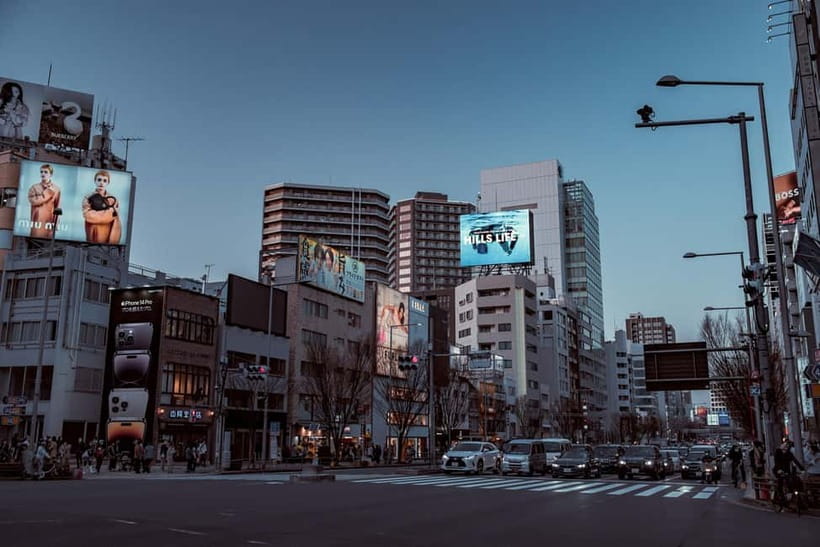
This tour is built for people who want variety fast. In about 3 hours, you go from Harajuku’s fashion buzz to the hush of Meiji Jingu, then back into street-level shopping culture around Takeshita and Omotesando.
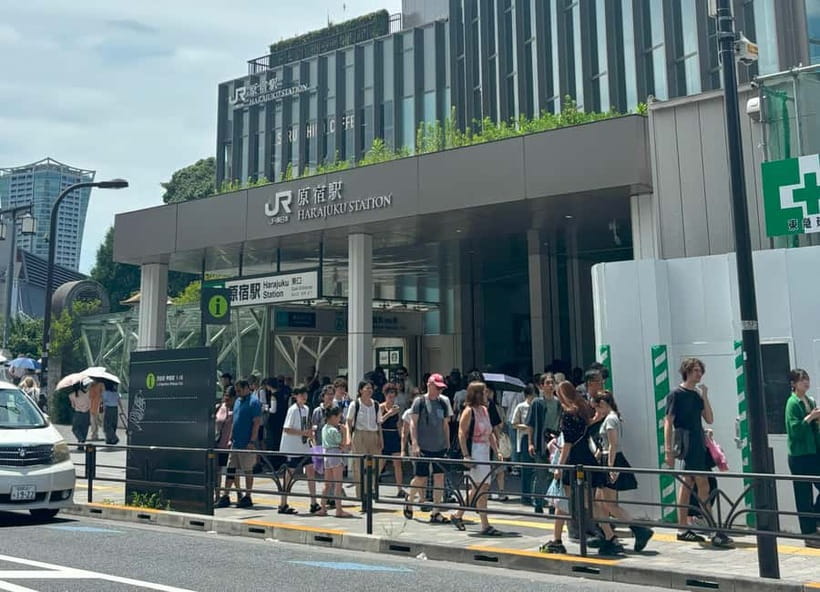
You meet at JR Harajuku Station West Exit. The guide will be wearing a TripGuru shirt or holding a TripGuru sign, so it’s not a guessing game once you’re at the right spot.
A practical detail I always watch for in Tokyo walking tours: timing. You should arrive at least 10 minutes early, and the guide won’t wait more than 10 minutes before starting. If you’re even slightly late because you got turned around, that can cost you part of the experience.
You can also read our reviews of more tours and experiences in Tokyo.



Meiji Jingu Shrine: the forest shrine moment that Tokyo needs
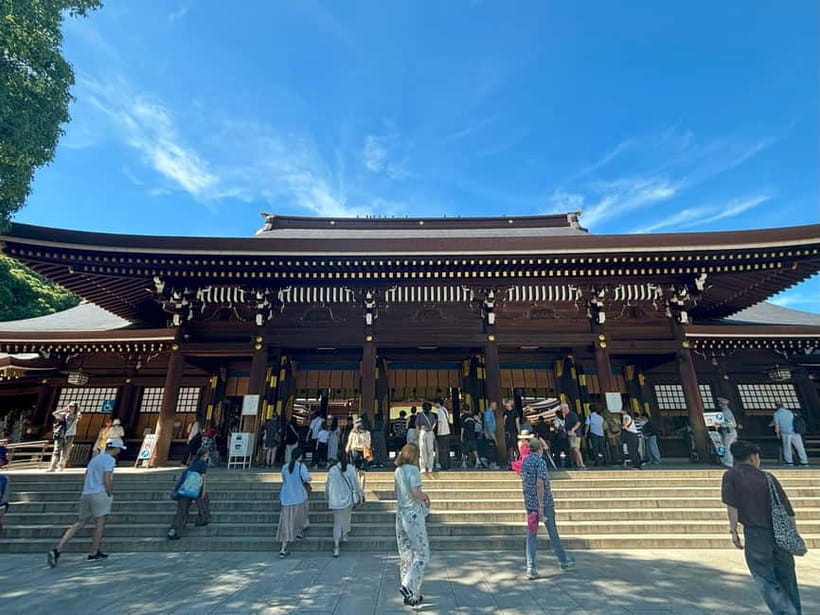
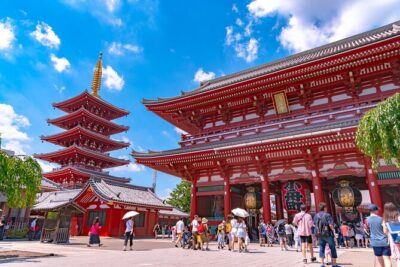
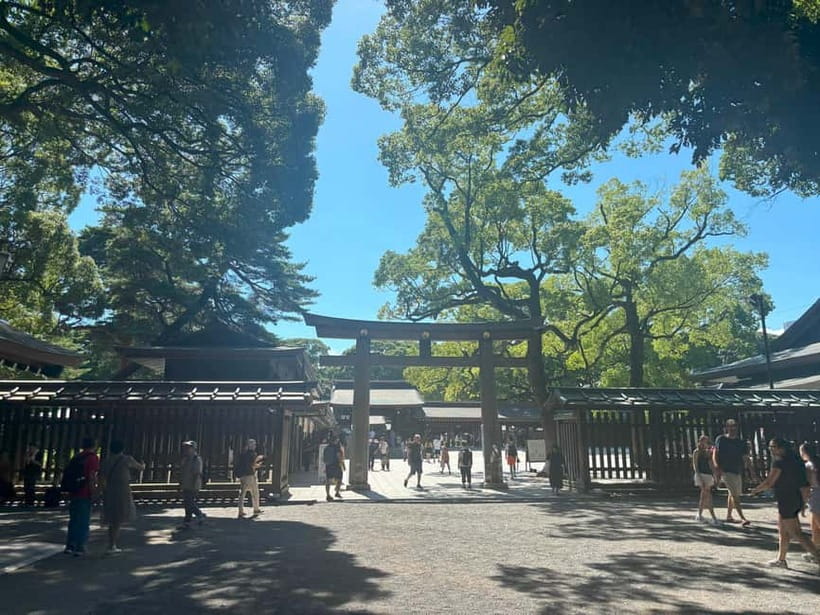
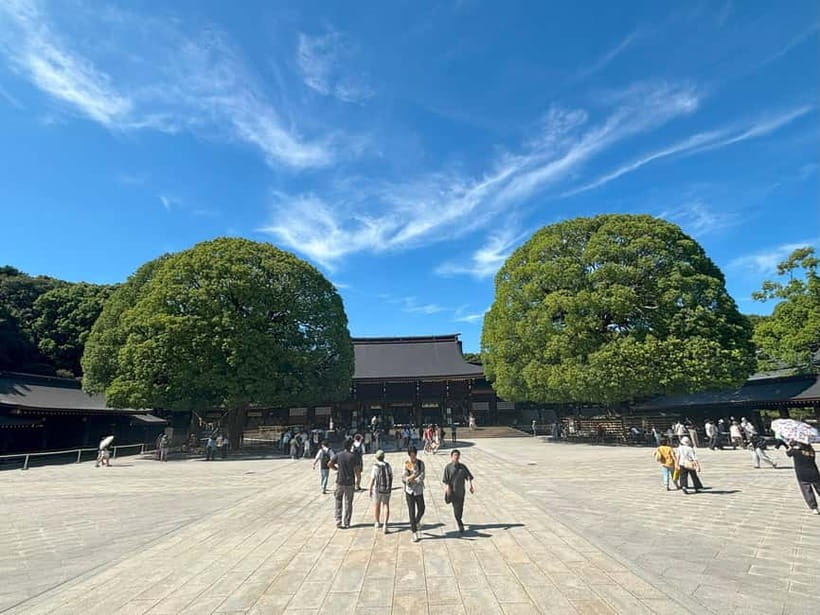
Meiji Jingu is famous for a reason. It’s Tokyo’s most iconic Shinto shrine, and the big draw is how the entrance leads you into a forest-like space right inside the city.
On this tour, you spend about 1.5 hours at Meiji Jingu with a guide. That time matters because it gives you room to notice what’s happening around you—people doing rituals, paths that create a slow walking rhythm, and the feeling that you’ve stepped away from the noise without leaving the city.
What I like about a guided visit here is behavior and meaning. A good guide helps you understand what you’re seeing, so you’re not just taking photos at random angles. You’ll get cultural context while you walk, and that changes how the shrine feels.
Cost note: the Meiji shrine museum has an entrance fee of 1,000 yen per person, and it’s not included. If you’re the type who enjoys museum-style context, budget for it. If you’d rather keep your time focused on the shrine grounds and surrounding walk, you can likely treat the museum as optional.
Yoyogi Park: a short green breather in the middle of Harajuku
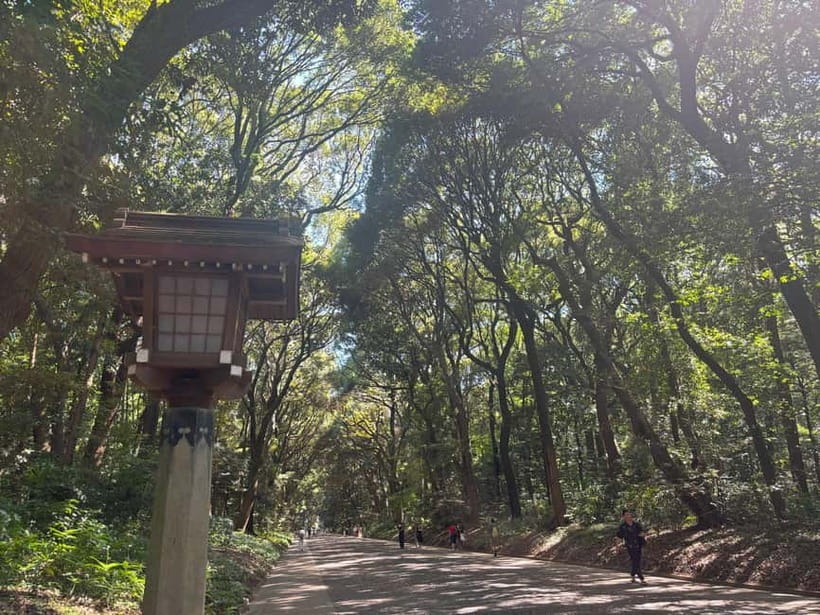
Right after the shrine, you head to Yoyogi Park for about 30 minutes. This stop is short by design, but it’s the kind of pause that keeps the whole day from turning into a crowd checklist.
Think of Yoyogi Park as a reset button. You’ll get a little breathing space from the fashion streets and the shrine paths, and it can also help your legs. Even in good walking shoes, Tokyo mornings and afternoons add up, and this is a helpful break.
This part of the tour also gives you a change in texture. The contrast—serious shrine grounds, then an open park—makes Tokyo feel less repetitive. It’s easier to remember the places separately instead of stacking them into one blur.
Takeshita Street: youth fashion with a guide’s eye
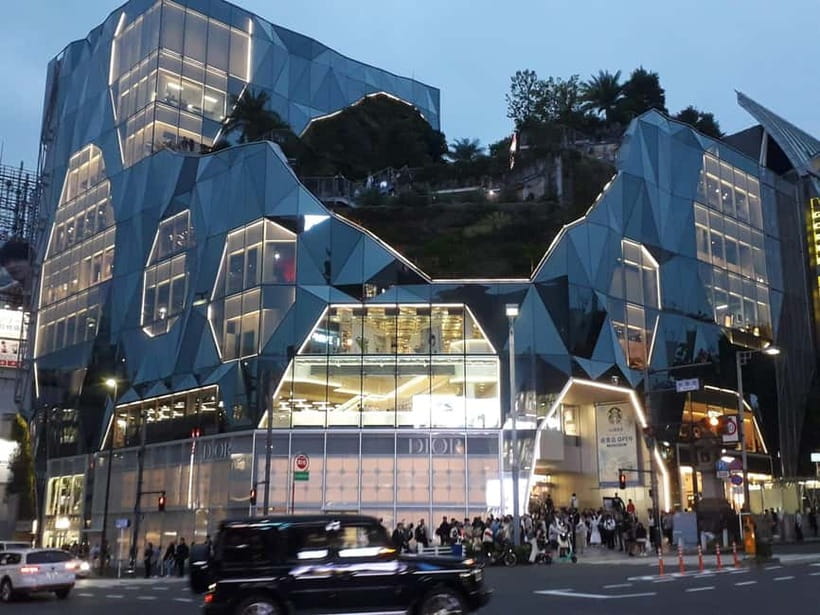
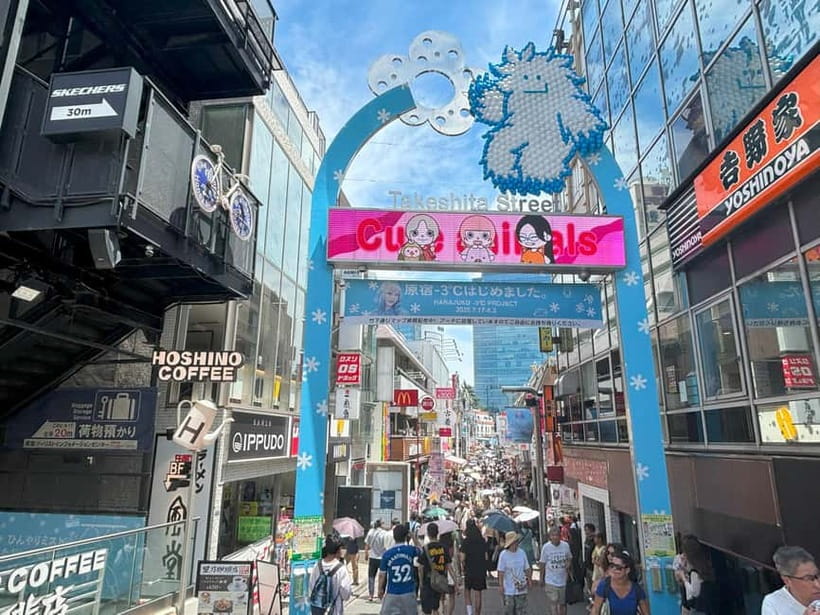
Next comes Takeshita Street, and the mood changes quickly. This is Harajuku’s hub for youth fashion and pop culture, known for quirky shops, street food, and nonstop street style.
You’ll spend about an hour here with your guide, which is enough time to see the main flow without feeling like you’re trapped in it the entire time. A guided approach helps you navigate the street beyond the obvious storefronts—so you’re more likely to spot what’s actually interesting rather than just what’s loud.
A shopping tip that saves money and frustration: don’t try to buy everything at once. Harajuku-style shopping can trigger impulse purchases fast, especially if you’re tired. Use your hour for browsing, pick one or two things you’ll truly use, and save the rest of your energy for the final district.
Also, if you want to snack: street food is part of the vibe here, but meals and drinks aren’t included in the tour price. Keep a little cash or a card ready, and plan on buying what you genuinely feel like eating.
Omotesando Avenue: modern design, boutique browsing, and a cleaner pace
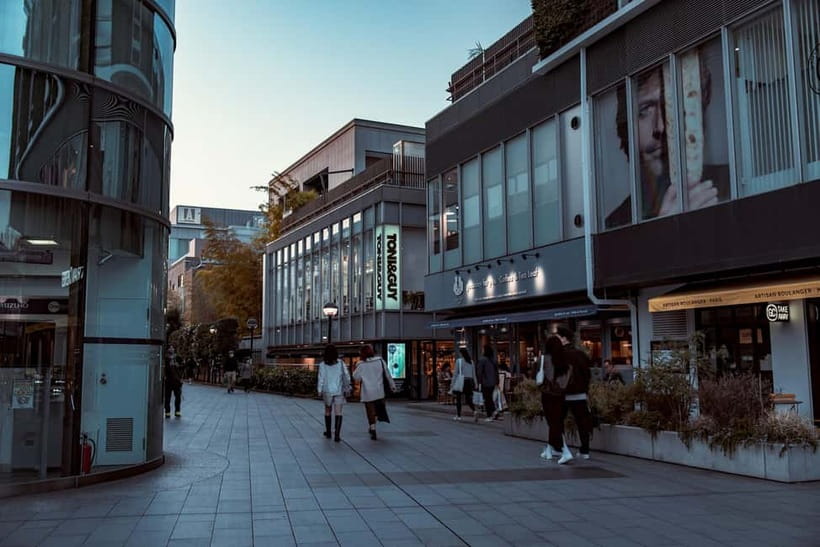
The tour ends with Omotesando Avenue, often compared to Tokyo’s Champs-Élysées for its stylish shopping feel. You get about 30 minutes here, which is a good closing act because it shifts you away from intense street crowds and into a more designed, boutique-heavy environment.
Omotesando is also where Tokyo’s fashion world looks more polished. Architecture and storefront rhythm feel more structured than what you experience on Takeshita Street, so it makes sense as a finale: you end with style and structure, not chaos.
If you like photography, this is a strong time window. Clean lines and storefronts are easier to frame when you’re not shoulder-to-shoulder the whole time. It’s also a nice moment to regroup—check your map, confirm dinner plans, and decide what neighborhood you want to explore next on your own.




The guides: why small-group energy matters
This tour is run by TripGuru Japan, and the biggest quality signal is the guide experience. Several guides have been praised for being professional, friendly, and able to explain culture in a way that feels fun, not like a lecture.
Names that stood out in strong feedback include Chit Ng Li, Ritsuko, and Aska. I take those details seriously because a shrine visit and a fashion street visit require different teaching styles. You want context at Meiji Jingu and freedom in Harajuku, and the guide choice can make or break that balance.
Another thing I appreciate is flexibility. Feedback highlights that small groups can give you more room to adjust based on what you want to see during the walk. That’s practical, especially when someone in your group wants more photos or fewer shops.
What it costs, and why it’s fair for 3 hours
The listed price is $36 per person for a 3-hour guided walking tour. That’s a solid value in Tokyo terms because you’re paying for guided time across several neighborhoods, not just one attraction.
What’s included is the English-speaking tour guide and the 3 hours of walking time. Meals and beverages are not included, and the only explicit attraction fee mentioned is the Meiji shrine museum entrance fee of 1,000 yen per person.
If you plan on museum time, the trip is still usually worth it because you’re saving time and getting help with what to look for. If you skip the museum, you can keep spending under control and treat the tour as mostly walking + guided learning.
How to make it feel easy: shoes, sun, and pace
Tokyo walks are rarely about distance alone. They’re about stopping, starting, crowd density, and how long your legs stay “on.”
Bring comfortable shoes first. Then bring sunglasses, an umbrella, and sunscreen—especially if you’re going in bright weather. Also, pack a reusable water bottle. Water helps you keep your energy steady, and steady energy makes the tour more enjoyable.
If you’re someone who gets worn out quickly, plan simple follow-up. After the tour, you’ll likely still have energy for one more neighborhood stop, but not a full day of hopping between far-apart areas. This route is designed to give you a good finish, not to drain you.
Who this tour suits best (and who should skip it)
This is ideal for first-time visitors who want a different side of Tokyo without committing to a full-day itinerary. It also suits people who enjoy contrast—traditional shrine space, then youth street culture, then modern shopping.
The tour isn’t suitable for everyone. It’s listed as not suitable for pregnant women, people with mobility impairments, people with respiratory issues, and people with high blood pressure. The reason is likely the walking time and physical demands, even though the stops include breaks.
If you’re in good walking shape and you want a guided overview of Harajuku + Meiji Jingu + Omotesando, this tour is a strong fit.
Practical questions before you go
You’ll move through several distinct areas, so think about what you’ll do during each. At Meiji Jingu, your focus should be etiquette and atmosphere. In Takeshita Street, your focus shifts to exploring shops and street food possibilities.
If you’re bringing kids, or you’re traveling with someone who gets bored fast, small-group flexibility can help, but keep expectations realistic. This is a walking tour, not a sit-and-watch show.
Should you book this Harajuku–Meiji Jingu–Omotesando tour?
Yes, if you want a smart, time-efficient way to see Tokyo’s traditional and trendy sides in one afternoon. The biggest selling points are the Meiji Jingu forest experience and the way the route ends in Omotesando rather than leaving you stuck in only one style of neighborhood.
Skip it if you need a low-walking plan, if you fall into the listed health or mobility categories, or if you prefer independent exploring with no guide. Also skip if you already know you’ll spend your time only on shopping and you don’t care about shrine context, because part of the value here is guided meaning.
If you’re on the fence, this is the kind of tour that helps you decide what you want to return to later. After Meiji Jingu and Harajuku, you’ll have a clearer sense of which parts of Tokyo you want to go deeper into.
FAQ
Where is the meeting point?
Meet at JR Harajuku Station West Exit. Look for a guide wearing a TripGuru shirt or holding a TripGuru sign.
How long is the tour, and what does it cover?
The tour lasts 3 hours. You’ll visit Meiji Jingu (about 1.5 hours), Yoyogi Park (about 30 minutes), Takeshita Street (about 1 hour), and the tour ends with Omotesando Avenue (about 30 minutes).
Is the tour guide English-speaking?
Yes. The tour includes an English-speaking live guide.
Do I need to pay any entrance fees?
The Meiji shrine museum has an entrance fee of 1,000 yen per person, and it is not included. Other personal expenses and meals are also not included.
What should I bring for a walking tour?
Bring comfortable shoes, sunglasses, an umbrella, sunscreen, and a reusable water bottle.
Can I cancel for a full refund?
Yes, you can cancel up to 24 hours in advance for a full refund.