REVIEW · TOKYO
Mt. Fuji 6 Attractions Tour: Lake Kawaguchi, Oshino Hakkai
Book on GetYourGuide →Operated by Wandering Japan Adventures · Bookable on GetYourGuide
Fuji day trips are won or lost by timing. What makes this one work is how it ties together shrines, UNESCO nature, and classic Lake Kawaguchi viewpoints in a single day. I also love that the guide (often Anna or Evita) focuses on practical history plus photo help, so you’re not just collecting pictures.
I’d call the main trade-off planning-friendly but real: Mt. Fuji visibility depends on weather. If the mountain is hidden, you’ll still enjoy the stops, but the big postcard moment might not land as strongly as you’d hoped.
In This Review
- Key Points I’d Pack First
- Why This Mt. Fuji Day Feels More Meaningful Than a Photo Route
- Tokyo-to-Fuji Morning: How to Use the Coach Time
- Arakura Sengen Shrine and Shinkurayama Park: The 398-Step View
- Honcho Street and the Hikawa Clock Shop: Fuji Feels Close, Yet It’s Still Distant
- Oshino Hakkai: Where Fuji Snow Becomes Crystal Spring Water
- Kawaguchiko Oishi Park and the Assembly Memorial Monument
- Seasonal Extras: Cherry Blossoms, Maple Corridor, and Winter Snow
- Lawson Convenience Store Stop: Fuji From a Modern Angle
- Returning to Tokyo: What the Timing Actually Feels Like
- Price and Value: Is $50 a Good Deal for This Route?
- Who This Tour Suits Best (and Who Might Want Another Option)
- Should You Book This Mt. Fuji 6 Attractions Tour?
- FAQ
- What time does the tour start and end?
- Where do I meet the guide?
- Are admission tickets included?
- What languages does the guide speak?
- What are the main stops on the route?
- What is special about Oshino Hakkai?
- Is lunch included in the price?
- Do I need cash?
- Will I definitely see Mt. Fuji?
- Is the tour suitable for wheelchair users or elderly guests?
Key Points I’d Pack First
- Arakura Sengen Park’s 398 steps plus a Mt. Fuji view with a five-story pagoda in frame
- Oshino Hakkai’s eight springs fed by Fuji snowmelt filtered over decades
- Honcho Street and the Hikawa Clock Shop for Showa-era charm and Fuji-from-town sightlines
- Lake Kawaguchi photo stops at Oishi Park and a uniquely placed Lawson convenience store
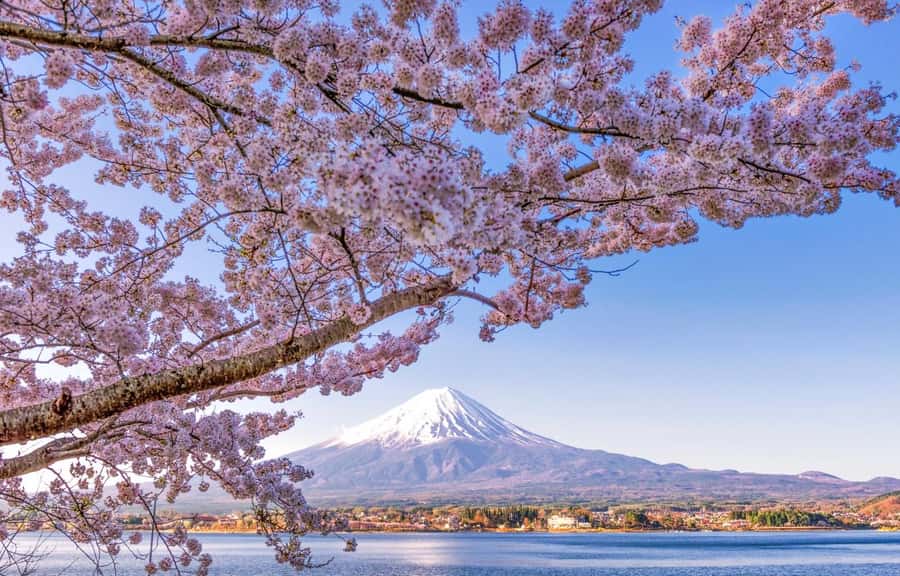
- Seasonal upgrades like cherry blossoms in spring or maples in autumn (when conditions line up)
- A multilingual, well-managed day with a comfortable air-conditioned coach and pickup/drop-off
Why This Mt. Fuji Day Feels More Meaningful Than a Photo Route
A Mt. Fuji day trip can be either a smooth day or a scramble of half-seen viewpoints. This one feels more intentional because it mixes sacred places with the way Fuji-shaped water and seasons show up in everyday life around Kawaguchiko.
I like the balance: you get the spiritual side at places like Arakura Sengen Shrine and you get the “Fuji at ground level” side at Oshino Hakkai, where the landscape is literally made by melted snow from the mountain. It’s not just scenery; it’s a story you can walk through.
The pace is also set up to help with real-world limits. You’re on a coach with planned stops, which matters because distances around Tokyo-to-Fuji are no joke. And because the day has guided context, you can look at what’s in front of you with better questions than just Where’s the best shot?
You can also read our reviews of more tours and experiences in Tokyo.



Tokyo-to-Fuji Morning: How to Use the Coach Time
You’ll depart Tokyo around 8:00 AM, meeting your guide at a designated pickup point (it can vary by option). Once you’re on the air-conditioned coach, you get countryside views and a guided lead-in to what you’re about to see.
This is the moment to do the smart stuff:
- Check your camera settings before you arrive, not after you climb stairs
- Have water ready for later stops (meals and beverages aren’t included)
- Keep an eye on the sky, because visibility is the whole game with Mt. Fuji
A multinational group tour means you’ll hear explanations across languages. That’s useful because places like Oshino Hakkai and the shrines can feel deeper when someone explains what you’re looking at and why it matters.
Also, the day is built around timing. The first big stop arrives around 10:30 AM, so the morning drive is essentially your warm-up lap.
Arakura Sengen Shrine and Shinkurayama Park: The 398-Step View
At 10:30 AM, you’ll reach Arakura Sengen Shrine and Shinkurayama Sengen Park, a famous “Path of Faith” style viewpoint. Plan for the stairs: it’s a climb of 398 steps to reach a perspective over Fujiyoshida town and Mt. Fuji.
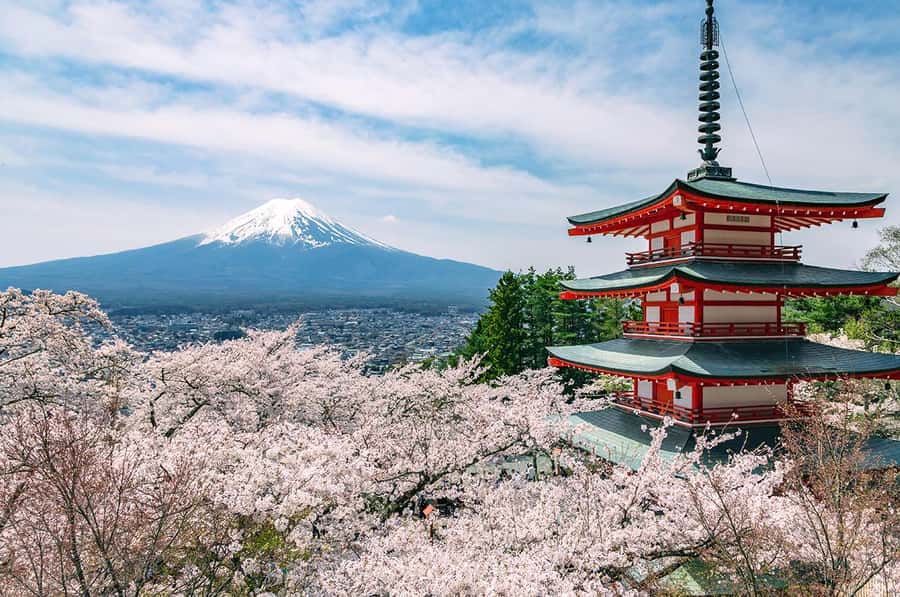
Here’s why this stop is worth the effort. From the viewpoint, you often get a layered composition: Mt. Fuji in the distance, plus a five-story pagoda and the townscape below. It’s one of those places where even a quick look becomes a frame-worthy scene.
Season matters a lot here:
- In spring, you may see cherry blossoms framing the scene
- In autumn, the colors can change the whole mood
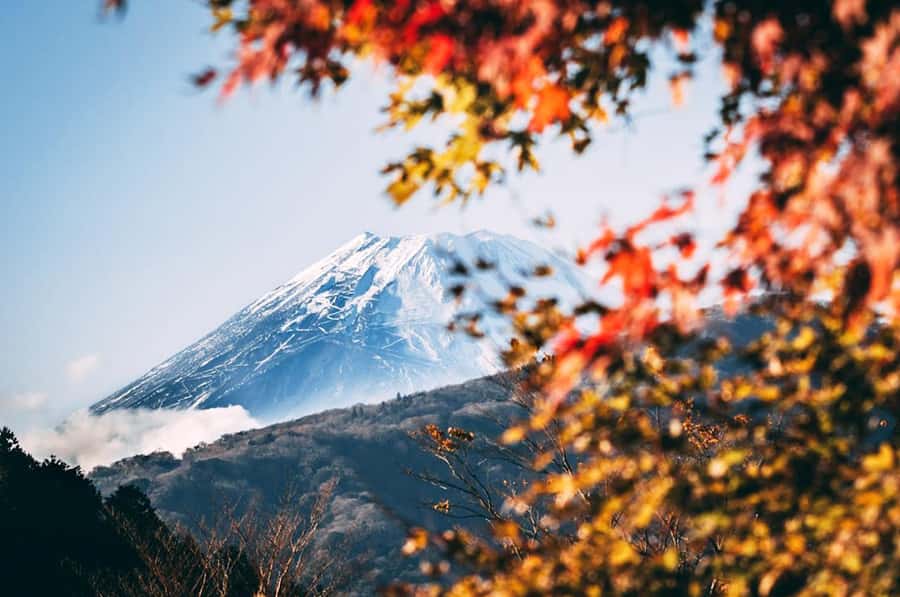
- In winter, you may get that crisp snow-peak look
Possible drawback: that climb is real. If you’re tired easily or you’re not steady on stairs, this is the place where you’ll feel it most. The good news is that you’re not doing the entire day on stairs—this is the big vertical moment, then you move back to calmer strolling afterward.
Honcho Street and the Hikawa Clock Shop: Fuji Feels Close, Yet It’s Still Distant
Around 11:40 AM, you’ll head to Hikawa Clock Shop and Honcho Street in the Fuji area. This is sometimes described as a “Sky Ladder Town,” and the idea is simple: the sightlines make Mt. Fuji feel spiritually close, even though it’s still far away.
What I like about this stop is the atmosphere. The street feels like a step back in time, with nostalgic shopfronts and a calm, local rhythm. It’s not designed to rush you; it’s designed to help you slow down and notice details.
The Hikawa Clock Shop adds an interesting focal point, and the walking route helps you line up views where the town layout seems to pull your eyes toward Mt. Fuji. If you’re someone who likes street-level Japan—shops, textures, and small landmarks—this stop earns its keep.
Potential consideration: this is a strolling stop, but it’s still part of a busy day. If you’re sensitive to long days, keep your energy for the later Lake Kawaguchi viewpoints too.
Oshino Hakkai: Where Fuji Snow Becomes Crystal Spring Water
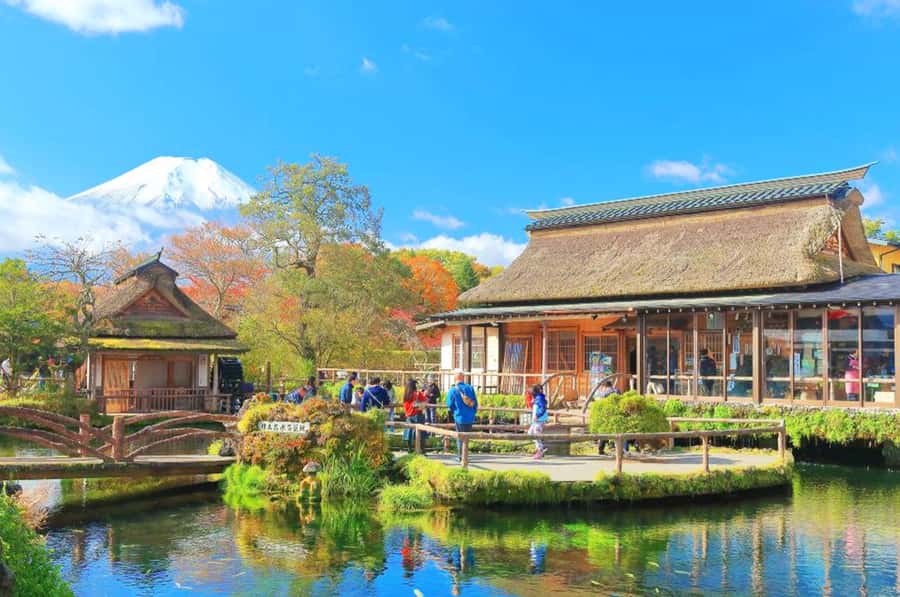
At 12:30 PM, you’ll arrive at Oshino Hakkai, one of the most rewarding stops on a Mt. Fuji loop. The big idea here is that this village is known for eight crystal-clear springs, historically fed by melted snow from Mt. Fuji.
What makes Oshino Hakkai special is the time scale. The springs are described as being filtered over decades, so you’re not just visiting a pretty pond—you’re seeing the slow movement of water from high-altitude snow into something drinkable-looking and visually clean.
It’s also recognized within the broader Mt. Fuji UNESCO setting and noted as a natural monument area. In practice, that means the place feels protected, cared for, and intentionally preserved.
How to enjoy it: wander with patience. Look at how water channels and stone edges shape the look of each spring. Try not to treat it like a checklist spot. The springs are distinct, and the calm pace is part of the point.
The main limitation here is not physical—it’s mental. If you arrive exhausted, you’ll miss the quiet details that make Oshino Hakkai feel like a breather inside a full-day trip.




Kawaguchiko Oishi Park and the Assembly Memorial Monument
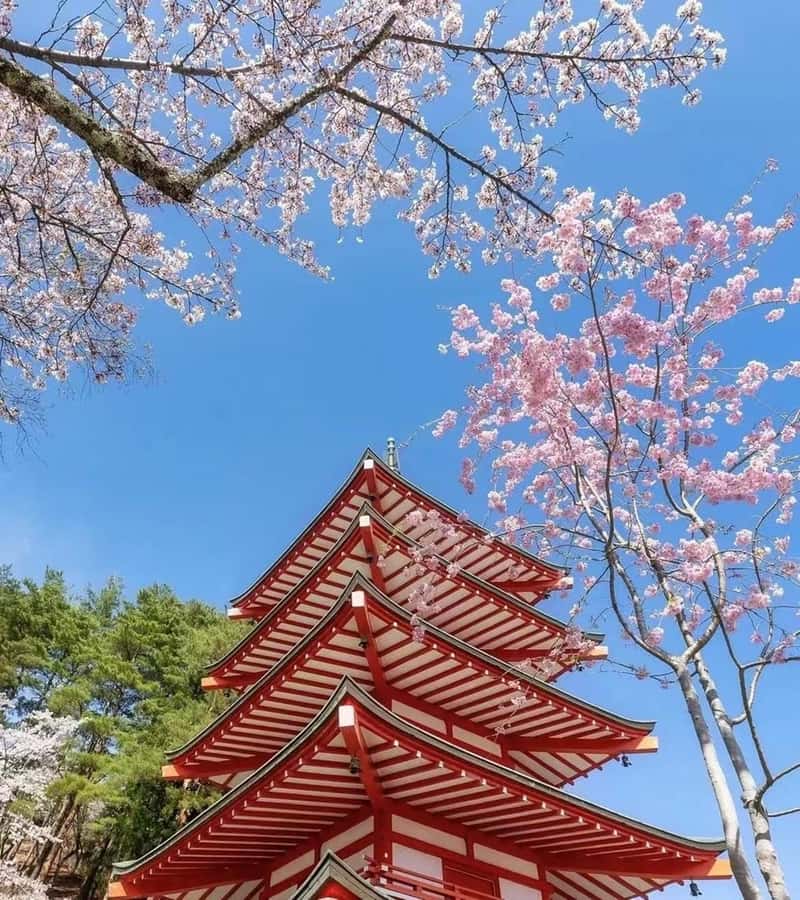
Next up is Lake Kawaguchi, where you’ll go to Oishi Park around 2:30 PM. This is a classic “Mt. Fuji framed by flowers” viewpoint, and it’s popular for a reason: the lake and seasonal planting combine into a postcard composition that’s easy to find from the right angles.
Oishi Park is also tied to the Mt. Fuji Assembly Memorial Monument, made from rocks sourced across Japan. That adds meaning beyond the photo. It’s a reminder that Fuji isn’t only a natural feature—it’s a national symbol people gather around.
Seasonal context helps you pick the moment:
- Spring: cherry blossoms can turn the area into a pink-and-white scene with reflective lake views
- Autumn: colors can bring warmer tones and a heavier, dramatic mood
- Winter: snowy peaks can make the mountain look like a cutout on a crisp day
Potential drawback: like all Lake Kawaguchi viewpoints, Oishi Park’s best effect depends on visibility and light. If the sky is hazy, the mountain can look smaller or flatter. Still, the lake views and seasonal plantings can carry the stop even without a perfect Fuji silhouette.
Seasonal Extras: Cherry Blossoms, Maple Corridor, and Winter Snow
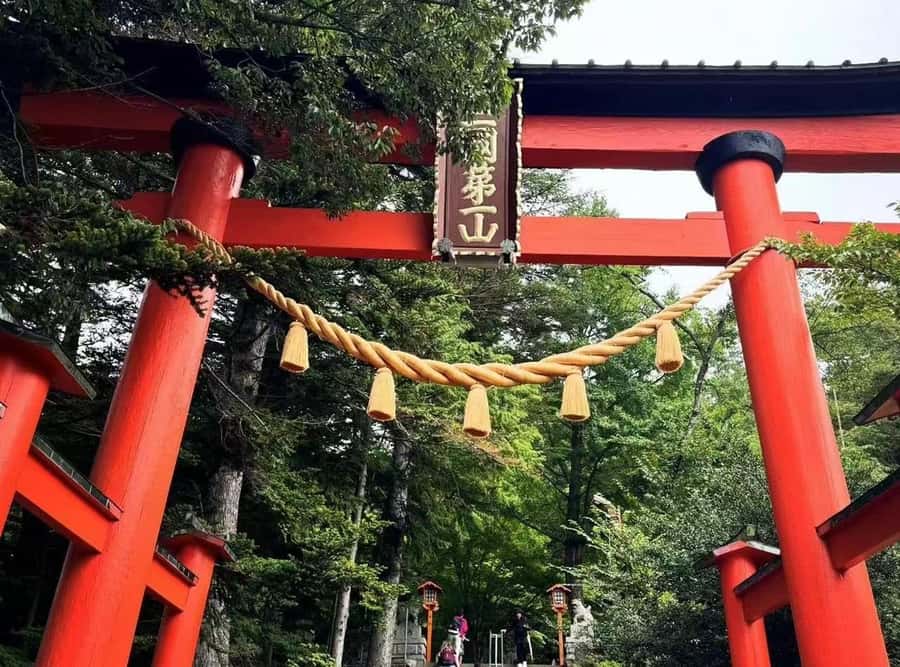
This tour includes seasonal limited options, depending on timing and conditions.
Kawaguchiko Cherry Blossom Festival
When spring lines up, the northern shore of Lake Kawaguchiko can become a famous photo zone where you can capture Mt. Fuji, the lake, and cherry blossoms in one frame. This is a high-demand look, so keep your patience. The point is the shared view, not winning a “first spot” race.
Kawaguchiko Maple Corridor
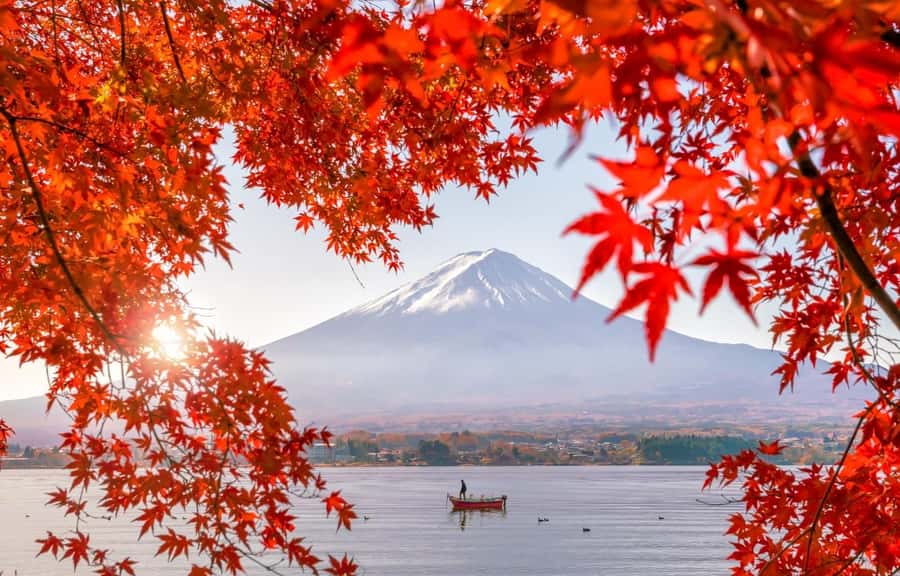
There’s also a special autumn scene designed for maximum contrast: snow-capped Mt. Fuji against fiery red maples. It’s described as once-a-year spectacular, and the practical advice is to go in ready for the crowds that come with that kind of color payoff.
Winter snowy peak scenery
Winter conditions can bring that clean snow-peak look that photographers obsess over. If you’re sensitive to cold, plan your clothing accordingly, because “Fuji looks great” doesn’t mean your hands will enjoy the air.
One reality check: the day is still weather-dependent. If you’re traveling for a specific seasonal look, don’t assume it will happen exactly as you imagined. Give yourself flexibility, and treat the seasonal stop as a bonus when it works.
Lawson Convenience Store Stop: Fuji From a Modern Angle
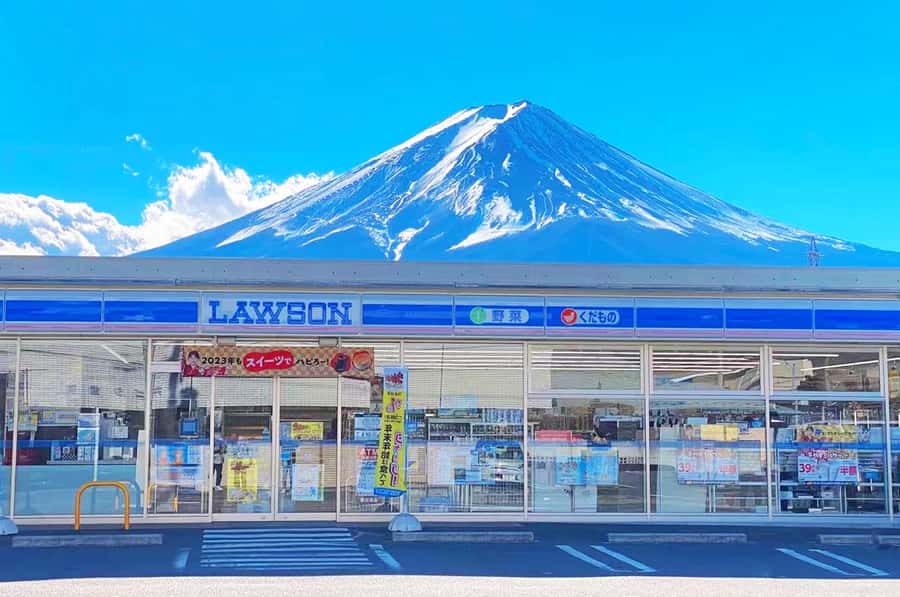
Around 3:40 PM, you’ll stop at a uniquely located Lawson Convenience Store near Lake Kawaguchi. Yes, it’s a convenience store. No, it’s not a waste stop.
The fun part is the perspective. From the parking area, you may get a Mt. Fuji view framed by something totally everyday—modern signage, vehicles, and that little bit of Japan-life convenience culture. It’s a reminder that Fuji isn’t isolated in a postcard world. It’s right there in daily movement.
I also like this stop for pacing. After the shrine and water sights, it gives you a short break where you can reset, grab a drink if you want, and regroup with the group before the final return ride.
Returning to Tokyo: What the Timing Actually Feels Like
You’ll typically leave the Fuji area for Tokyo at 4:00 PM, then return around 6:00 PM. During peak periods, return time can stretch later—sometimes as late as 9:00 PM—depending on traffic and pickup locations.
So here’s the practical move: don’t book a tight dinner far from your pickup area that same night. Keep your evening loose. A day like this runs on roads, not just on clocks.
One more planning note: it’s a group tour with multilingual explanations, so getting everyone together matters. The guide’s job is to keep the group moving smoothly, and that affects how often you’ll linger at viewpoint edges. If you want a long moment in front of Mt. Fuji, aim to enjoy the best minute you get, then take a second look later with calmer eyes.
Price and Value: Is $50 a Good Deal for This Route?
At about $50 per person, this day trip is priced like an efficient bundle: multiple paid attractions plus transportation. Here’s why that can be good value.
You’re getting:
- Admission to the attractions along the route
- An English/Chinese/Japanese-speaking guide
- An air-conditioned coach bus
- Pickup and drop-off at the meeting point
- A professional driver handling the day’s driving
What’s not included is the big travel budget category people forget: meals and beverages. You’ll want cash or a card plan for quick food choices, and it’s smart to carry some cash because some local shops may not accept cards.
Is it “cheap”? It depends on what you compare to. But as a day-trip bundle—especially with guided interpretation and entry fees included—it’s often the kind of pricing that makes sense if you want to see key Fuji-area highlights without juggling trains, bus transfers, and ticket desks on your own.
Who This Tour Suits Best (and Who Might Want Another Option)
This fits well if you want a structured day with built-in stops that cover three angles of Mt. Fuji:
- spiritual viewpoint energy (shrines and pilgrimage-style places)
- nature and water (Oshino Hakkai springs)
- iconic lake perspectives (Oishi Park and the Lawson Fuji angle)
I’d especially recommend it if you like guided storytelling and you want help translating what you’re seeing into something meaningful. The guides described here stand out for being attentive and organized, including photo tips and caring support for families. If you’re traveling with kids, that kind of coordination helps keep the day from turning chaotic.
I would think twice if:
- you struggle with stairs, because Arakura includes 398 steps
- you need wheelchair access, since the tour isn’t suitable for wheelchair users
- you’re traveling with someone who’s over 95, since it’s listed as not suitable for that age group
Should You Book This Mt. Fuji 6 Attractions Tour?
If your priority is a full-day Mt. Fuji experience that balances shrines, UNESCO water, and Lake Kawaguchi views without DIY stress, this is a strong pick. The value is in the bundled admissions, the coach comfort, and the guide support that helps you make the most of each stop.
If you’re booking with the expectation of a guaranteed perfect Mt. Fuji photo, temper that with reality: visibility depends on weather. Still, even when Fuji is shy, the shrines, Oshino Hakkai springs, and seasonal atmosphere around Kawaguchiko give you a day that’s worth your time.
FAQ
What time does the tour start and end?
You depart Tokyo at 8:00 AM. You typically return around 6:00 PM, but during peak seasons it can be as late as 9:00 PM.
Where do I meet the guide?
The meeting point varies depending on the option booked, and you return to the meeting point at the end of the day.
Are admission tickets included?
Yes. Admission to attractions is included in the tour price.
What languages does the guide speak?
The tour guide is listed as English/Chinese/Japanese-speaking. The tour information also lists English and Japanese.
What are the main stops on the route?
The day includes Arakura Sengen Shrine & Shinkurayama Sengen Park, Hikawa Clock Shop & Honcho Street, Oshino Hakkai, Kawaguchiko Oishi Park, a Lawson convenience store stop, plus seasonal limited options depending on timing.
What is special about Oshino Hakkai?
Oshino Hakkai is known for eight crystal-clear springs fed by Mt. Fuji’s snowmelt, filtered over decades, and it’s recognized as part of the Mt. Fuji UNESCO World Heritage setting.
Is lunch included in the price?
No. Meals and beverages are not included. You may find lunch options during the day, including an option to book lunch on the bus, and there is also a McDonald’s nearby the Lawson stop.
Do I need cash?
Bring some cash, since some attractions and local shops may not accept cards.
Will I definitely see Mt. Fuji?
No. Mt. Fuji visibility depends on the weather, so you should be ready for the possibility that the mountain might not be clearly visible that day.
Is the tour suitable for wheelchair users or elderly guests?
No. It’s listed as not suitable for wheelchair users, and it also says it’s not suitable for people over 95 years.