REVIEW · TOKYO
Tokyo: Learn to play traditonal songs on Tsugaru Shamisen
Book on GetYourGuide →Operated by Shishido Inc. · Bookable on GetYourGuide
The Tsugaru shamisen hits hard, fast. In one hour near Shinjuku, I love how you actually get sound out of a Tsugaru-style instrument quickly, and how Kouzan Oyama teaches with real techniques plus performance so you understand what you’re hearing. You’ll practice a song of your choice (or a traditional folk song if you don’t pick one), learn what makes Tsugaru different from other shamisen styles, and end with photos and video of your play.
The main thing to consider is time. A one-hour class is perfect for getting started and leaving with a usable first song, but it won’t make you a substitute performer by the end of the session—think beginner momentum, not mastery.
In This Review
- Key things you’ll care about before you go
- Why the Tsugaru Shamisen Lesson Feels Different in Tokyo
- Meet Kouzan Oyama: What a Champion Teacher Changes
- The Hour’s Flow: From First Hold to a Song You Can Play
- 1) Start with the shamisen in context
- 2) Get the instrument “parts and materials” picture
- 3) Learn the core techniques (and why they matter)
- 4) Choose a song, then practice it
- 5) Finish with your performance—and recordings
- Tsugaru vs. the Other Voices: Okinawa Sanshin and Style Differences
- What You’ll Really Learn on Day One (and What You Won’t)
- Price and Value: $59 for a Real Masterpiece of Practice
- Where You’re Located Matters: Near Shinjuku Convenience
- Who This Shamisen Class Is Best For
- Should You Book This Tsugaru Shamisen Lesson?
- FAQ
- Can I request the song I want to play?
- How long is the Tsugaru shamisen lesson?
- Is the instruction available in English?
- What’s included in the price?
- Will I get to take photos or videos?
- Do I get to hear other shamisen types besides Tsugaru?
- Is this lesson private or group-based?
- Is it wheelchair accessible?
Key things you’ll care about before you go
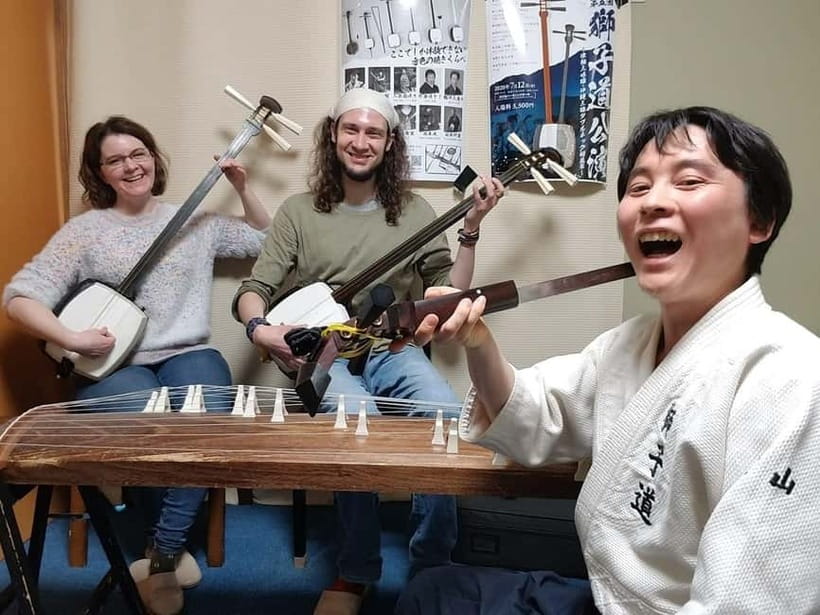
- Tsugaru style energy: sharp, clear tone with a lively, fast-paced feel
- Request your song: practice something you choose from the start
- Master-level coaching: instruction from Kouzan Oyama, an Oyama-school Tsugaru specialist and double champion (2018, 2019)
- Learn the instrument itself: you’ll understand what the three-stringed shamisen is and how it’s built
- More than one shamisen: you’ll hear examples including Okinawa sanshin
- Record your progress: you’ll take photos and videos together with the instructor
Why the Tsugaru Shamisen Lesson Feels Different in Tokyo
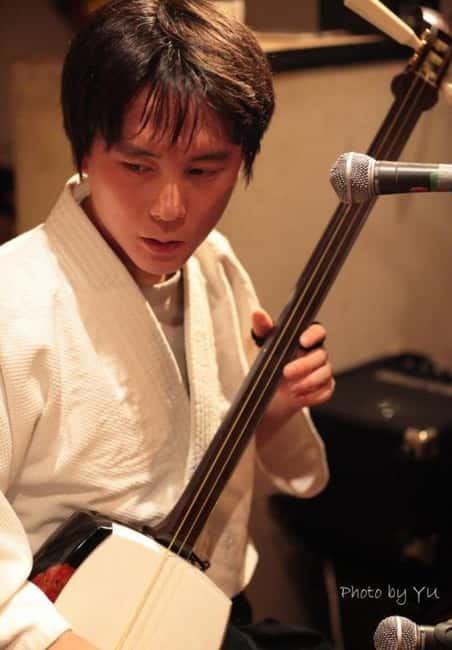
Tokyo can be a blur of schedules. This lesson is refreshing because it gives you one focused goal: make music on a classic Japanese three-string instrument, and learn why the sound lands the way it does.
Shamisen is often described as similar to a banjo, but the vibe is its own thing. The Tsugaru style is especially intense: the tone can feel sharp and clear, with the kind of rhythm that people associate with strong wind and rolling sea waves. The class doesn’t just show you the instrument; it helps you translate the sound from a performer’s hands into something you can reproduce—fast enough that you’ll hear progress during the same hour.
And you’re not learning in a vacuum. You’ll also hear other shamisen types, including Okinawa sanshin, so you start spotting how style changes tone, timing, and feel. That context matters. Otherwise, shamisen can seem like one fixed sound. Here, you learn it’s more like a family of regional voices.
You can also read our reviews of more tours and experiences in Tokyo.



Meet Kouzan Oyama: What a Champion Teacher Changes
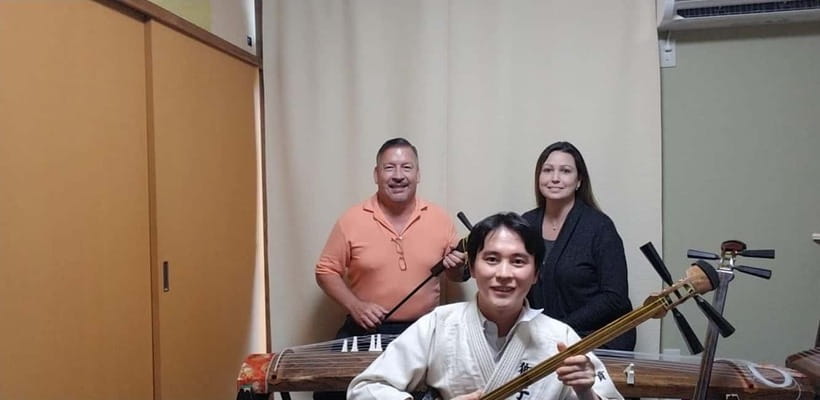
The biggest value in this experience is your instructor. You’ll work with Kouzan Oyama, a master of the Oyama school of Tsugaru shamisen, and a double champion at the Tsugaru Shamisen World Cup (2018 and 2019). That doesn’t mean the class becomes flashy or intimidating. It means you get instruction that’s grounded in how performance actually happens—not just theory.
One of the smartest teaching choices: he uses his own books during the lesson. For a first-timer, that’s huge. It gives you a practical path to play a song or two before the hour is over, instead of leaving you with only audio demonstrations.
He also performs as part of the teaching. When you hear him play, then try the technique yourself, the lesson makes sense in your hands, not just in your ears. And in English, he’s able to explain the instrument’s characteristics and answer questions while you work.
The Hour’s Flow: From First Hold to a Song You Can Play
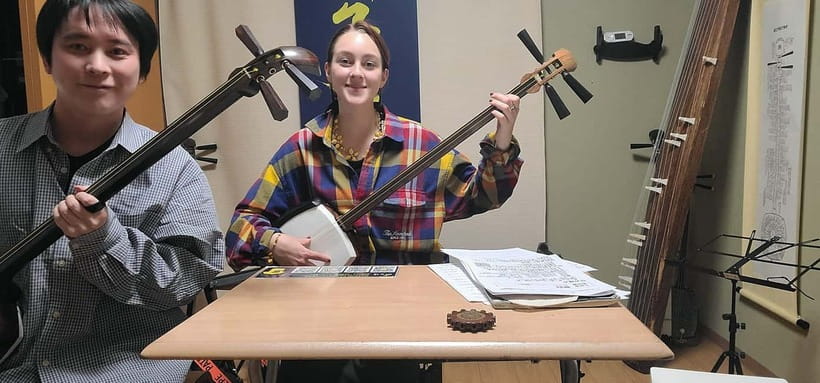
This is a private-group lesson (so you’re not stuck waiting your turn). In an activity that lasts just one hour, you need a structure that keeps you moving. Here’s what that structure feels like in practice.
1) Start with the shamisen in context
You begin with an introduction to shamisen as an instrument and what makes Tsugaru style special. You’ll learn what distinguishes its performance approach from other traditions, and you’ll also hear examples of different shamisen sounds. That’s not “extra.” It helps you understand what you’re aiming for, so practice time doesn’t turn into guesswork.
2) Get the instrument “parts and materials” picture
You’ll discover the secrets behind the three-string design and what it’s made of. That kind of information matters because it explains why the tone behaves the way it does—why it can feel sharp and clear, and why technique choices affect the sound you hear.






3) Learn the core techniques (and why they matter)
The lesson covers the techniques involved in Tsugaru shamisen performance. You’re not just mimicking finger positions; you’re learning the approach that produces the Tsugaru feel—fast-paced energy and that crisp articulation.
Expect the instructor to show examples and then help you apply them. This is where the class earns its keep: he’s patient, and he uses performance examples to make technique click.
4) Choose a song, then practice it
At the start, you can request a preferred song. If you don’t, you’ll practice a traditional Japanese folk song instead. Either way, the lesson is built around playing. And because you’re using the instructor’s teaching materials, you have a realistic shot at getting through something simple but satisfying inside the hour.
If you’re the type who loves a challenge, picking your own song is the fastest way to feel invested. If you’re the type who wants to be surprised, the folk song route is a great way to hear how Tsugaru storytelling works through melody.
5) Finish with your performance—and recordings
You’ll be able to take photos and videos of your performance together with the instructor. This is more useful than it sounds. Recording makes practice memorable, and it also gives you something to replay later when you want to try again at home.
Tsugaru vs. the Other Voices: Okinawa Sanshin and Style Differences
One of the most interesting parts of this lesson is that it doesn’t lock you into one sound as “the” shamisen sound. You’ll hear various types, including Okinawa sanshin, and you’ll learn what changes between styles.
That matters because shamisen traditions vary in tone and in how the rhythm feels. Even if you can’t explain every technical difference at first, your ear will start sorting patterns: which styles feel more aggressive, which feel more airy, and which sound more percussive or more lyrical.
This is also where the lesson helps you connect western expectations to Japanese musical instruments. The class includes a discussion of sound-producing differences between western instruments and Japanese instruments. I like that framing because it prepares you to stop comparing and start listening for how each tradition creates its own identity.
What You’ll Really Learn on Day One (and What You Won’t)
Let’s be honest: a one-hour lesson is a sprint. Here’s what you can realistically expect to walk away with.
You’ll learn the basics of producing the Tsugaru sound on the instrument—how to get clear notes, how to work with the techniques you’re taught, and how to keep your playing steady enough to feel like a song rather than scattered attempts.
You’ll also learn instrument details you can carry with you. The class focuses on the three-string construction and what the instrument is made of. That knowledge helps your later listening, too. If you hear Tsugaru on a playlist, you’ll start recognizing why it sounds the way it does.
What you won’t get is deep, long-form technique mastery. You’ll be building a first foundation. The goal is confidence and a workable song, not perfection.
Price and Value: $59 for a Real Masterpiece of Practice
The price is $59 per person for a one-hour private-group lesson near Shinjuku. On paper, it’s short. In value terms, it can be a strong deal because you’re paying for access to an award-winning instructor and time with his teaching materials.
Music lessons get expensive fast when you’re dealing with instruments that are hard to pick up. Here, you’re not learning by trial and error alone. You get:
- hands-on instruction in English
- a Tsugaru-focused approach
- a chance to play your requested song (or a traditional folk song)
- coaching that includes instructor performance examples
- photos and videos of your playing
If you compare this to paying for a performance-only ticket, this goes further. You’re not just watching Tsugaru—you’re making it.
Where You’re Located Matters: Near Shinjuku Convenience
The lesson takes place near Shinjuku, which helps if you’re already spending time around central Tokyo. I like that you can fit this kind of hands-on cultural experience into a day without turning it into a half-day expedition.
It also helps you keep your energy. A Tsugaru lesson is physical in a subtle way: concentration, coordination, and repeated attempts. If you’re rushing across multiple neighborhoods, you’ll feel it. Staying close to where you’re already based is practical.
Who This Shamisen Class Is Best For
This experience works well if you fit any of these:
- You’re a first-timer who wants a quick start with a guided path to a real song.
- You love Japanese music but want a close-up lesson rather than a museum-style explanation.
- You want a personal souvenir you can take with you later: your own video, your own first tune, and a better ear for Tsugaru.
- You like asking questions. The instructor teaches in English and responds to questions throughout.
If you already play string instruments, you may pick up technique faster—but even without any music background, the class structure and materials are designed to help you move quickly.
Should You Book This Tsugaru Shamisen Lesson?
I’d book it if your priority is hands-on learning with a serious instructor, not just a cultural show. The class seems built for momentum: you get instruction, you practice, you play, and you leave with recordings. That combination is rare.
Skip it only if you’re looking for a long multi-session program. This is one hour. It’s a great start, not a full course.
If you want a fun Tokyo experience that’s clearly different from temples, shopping, and restaurant hopping, this is one of the most direct ways to do it—make the instrument sound like Tsugaru, and then take the proof home on video.
FAQ
Can I request the song I want to play?
Yes. You can request a preferred song at the beginning of the lesson. If you don’t request one, you’ll practice a traditional Japanese folk song.
How long is the Tsugaru shamisen lesson?
The lesson lasts 1 hour.
Is the instruction available in English?
Yes. The instructor provides explanations in English.
What’s included in the price?
The included item is the lesson fee.
Will I get to take photos or videos?
Yes. You can take photos and videos of your performance together with the instructor.
Do I get to hear other shamisen types besides Tsugaru?
Yes. You’ll hear sounds of various types of shamisen, including Okinawa sanshin.
Is this lesson private or group-based?
It’s a private group experience.
Is it wheelchair accessible?
Yes, the experience is described as wheelchair accessible.