REVIEW · TOKYO
Tokyo: Anime, Manga or Kanji Tattoo in a Modern Salon
Book on GetYourGuide →Operated by Inklinic · Bookable on GetYourGuide
A calm place to make permanent art. This Tokyo tattoo session is designed to feel like a modern salon or spa, not a loud, old-school parlor. I love the clean, serene atmosphere and how the artist carefully listens, then turns your idea into a finished piece. My only real consideration: the experience is size-dependent, so your total time and cost can shift once you decide the final design and placement.
If you want a tattoo that actually reflects your Japan trip, this is a smart way to do it. I like that you get a consultation, custom design, and aftercare instructions all in one package, plus a multilingual setup meant to keep things stress-free. The session is also not a good fit for everyone, since it’s not suitable for certain ages and medical situations, and the info given includes some conflicts around mobility needs—so you’ll want to confirm before you book.
In This Review
- Key Points You’ll Care About
- A Modern Salon Tattoo Session in Tokyo
- Price and Time: What $193 Really Means for Your Design
- Before You Go: Prep, References, and the Questionnaire
- Meeting Up at Inklinic and Getting Started Calmly
- Consultation and Custom Design: Turning Your Japan Memory Into Ink
- Stencil, Placement, and Size: Where People Usually Get Nervous
- The Tattoo Session: What the 3 Hours Likely Includes
- Studio Rules That Affect Your Experience
- Cleanliness, Safety, and Why It Should Matter to You
- Aftercare Instructions and Living With Your New Memory
- Who Should Book This Tokyo Tattoo Experience
- Should You Book Inklinic for an Anime, Manga, or Kanji Tattoo?
- FAQ
- How long is the tattoo experience?
- What is included in the price?
- What isn’t included?
- Is it possible to book without paying right away?
- Can I cancel for a refund?
- What should I bring or prepare before my appointment?
- Are there rules about what I can bring or do during the session?
- Is the experience wheelchair accessible?
- Is it suitable for kids or pregnant travelers?
Key Points You’ll Care About
- Modern-salon vibe: clean, calm rooms that help you relax during the tattooing
- Custom design from your idea: you talk size, location, and references, then get original artwork
- Artist-led style range: fine line and small tattoos up through bold Japanese-style work
- Clear timing by tattoo size: credit-card-size examples are referenced so you can plan your day
- Comfort plus safety focus: equipment is handled, and aftercare guidance is included
- Reviews highlight the listening: the artist not only copies ideas, she refines them into something that fits
A Modern Salon Tattoo Session in Tokyo
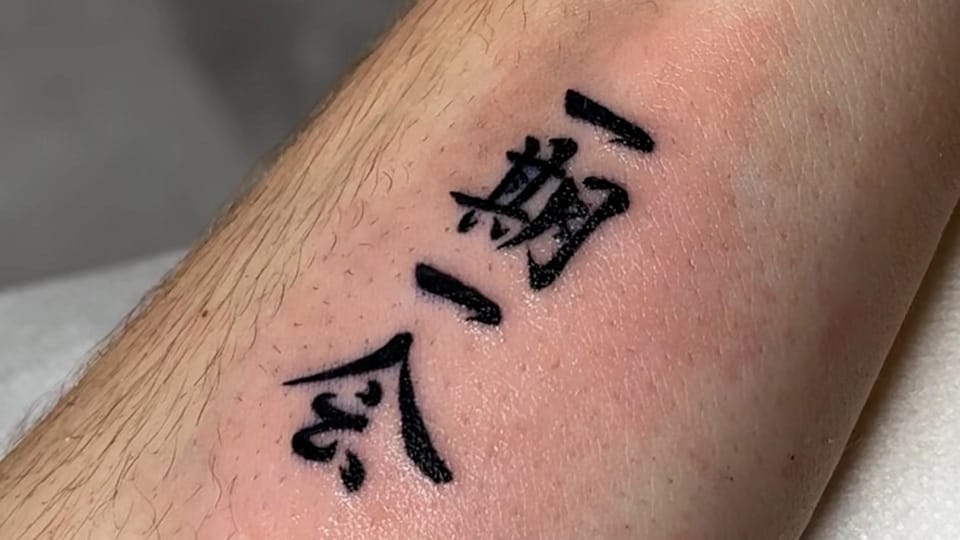
Tokyo has no shortage of creative options, but a tattoo studio that feels like a medical office or spa is a different experience. In this setup, the goal is simple: make the process calm, not chaotic. The space is presented as clean and serene, with everything designed to help you sit comfortably while the artist works.
This matters more than you might think. A tattoo is part procedure, part patience test. When the environment is quiet and organized, you can focus on decisions that actually affect the outcome—like line weight, proportions, and placement—without feeling rushed or uncomfortable.
You can also read our reviews of more tours and experiences in Tokyo.



Price and Time: What $193 Really Means for Your Design
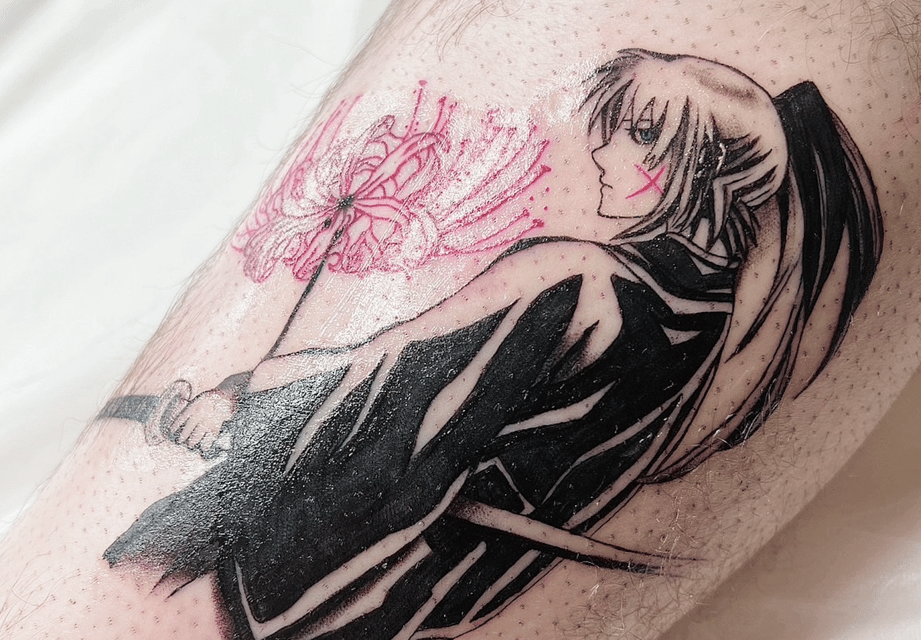
The stated price is $193 per person, and the session is 3 hours. That sounds straightforward, but tattoos aren’t one-size-fits-all. The information you’re given includes a reference point: 30,000 JPY is for a typical credit card sized tattoo with a simple design. That gives you a realistic anchor for planning, even if your final piece ends up larger or more detailed.
Here’s how I think about value in a case like this:
- You’re paying for more than ink. You’re paying for a consultation, custom design work, and an experienced artist translating your references into a tattoo that holds up over time.
- You’re buying predictability within a range. The studio sets expectations so you’re not surprised at the end by a mismatch between your idea and the time needed to do it well.
If you want a tiny, crisp piece, you may find the process stays closer to that shorter, simpler end. If you’re aiming for something with bold Japanese elements or a more complex composition, plan for the session to flex with the final artwork size.
Before You Go: Prep, References, and the Questionnaire
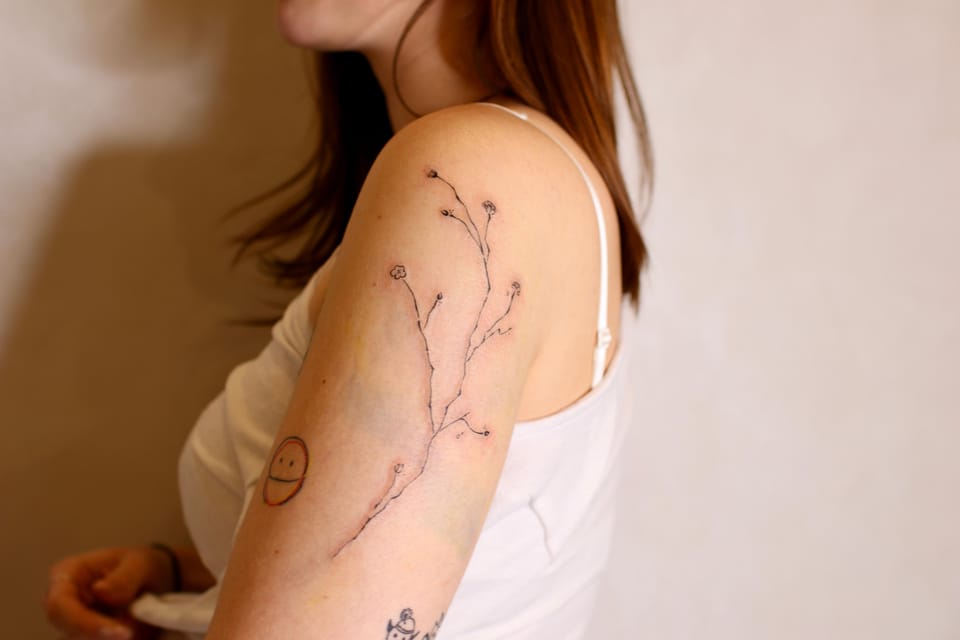
This experience asks you to arrive prepared. Booking in advance is required, and you’ll receive preparation instructions by email, plus a pre-tattoo questionnaire that you’ll need to answer.
What you should do before your appointment:
- Have your design ideas ready. If you’re inspired by anime, manga, or kanji, decide what elements matter to you most.
- Bring references. The studio specifically asks you to discuss design ideas or bring reference materials.
- Follow the prep instructions exactly. The studio frames this as part of your peace of mind and safety.
The practical takeaway: the more clearly you can describe what you want (and what you don’t), the easier it is for the artist to create something that feels personal rather than generic.
Meeting Up at Inklinic and Getting Started Calmly
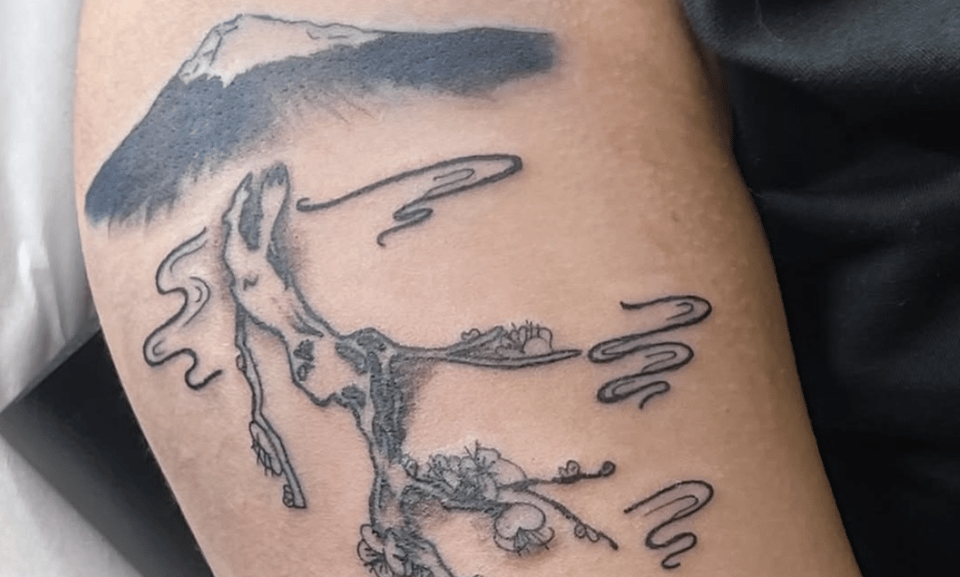
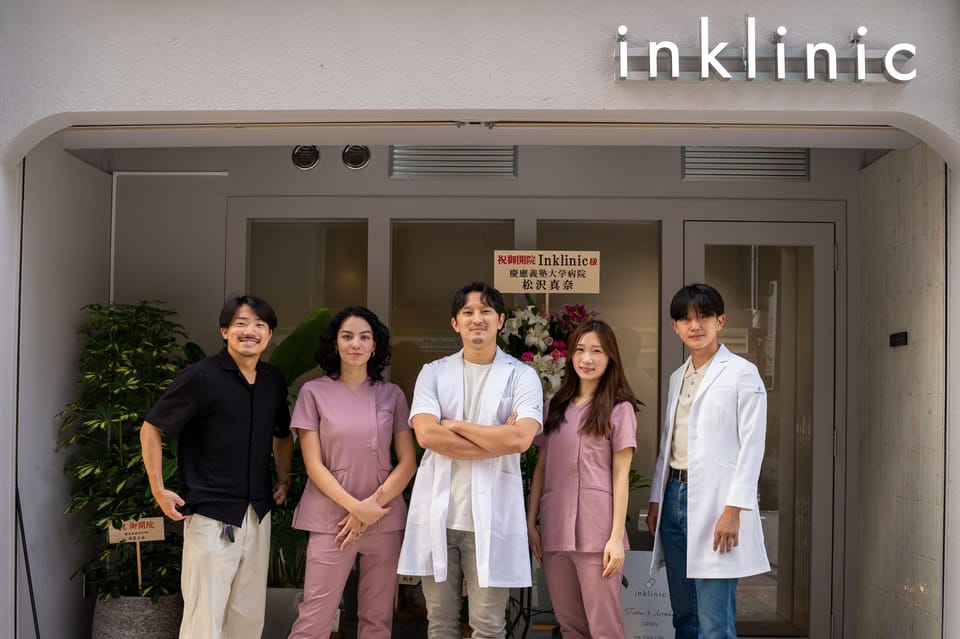
Your meeting point is Inklinic. Once you’re there, the session is built around a smooth start: you’re not thrown into the chair without planning. Instead, you’ll go through a professional tattoo artist consultation as part of the package.
This early stage is where you protect yourself from regret. You’ll talk through:
- the design concept,
- the intended size,
- and the placement on your body.
If you’ve ever worried that a tattoo artist will just “draw something” and you’ll have to live with it, this is a good sign. The experience is positioned as collaborative and personalized, not assembly-line.
Consultation and Custom Design: Turning Your Japan Memory Into Ink
The included steps are where most of the value lives:
- professional consultation,
- custom tattoo design,
- and the equipment and anesthetic if needed.
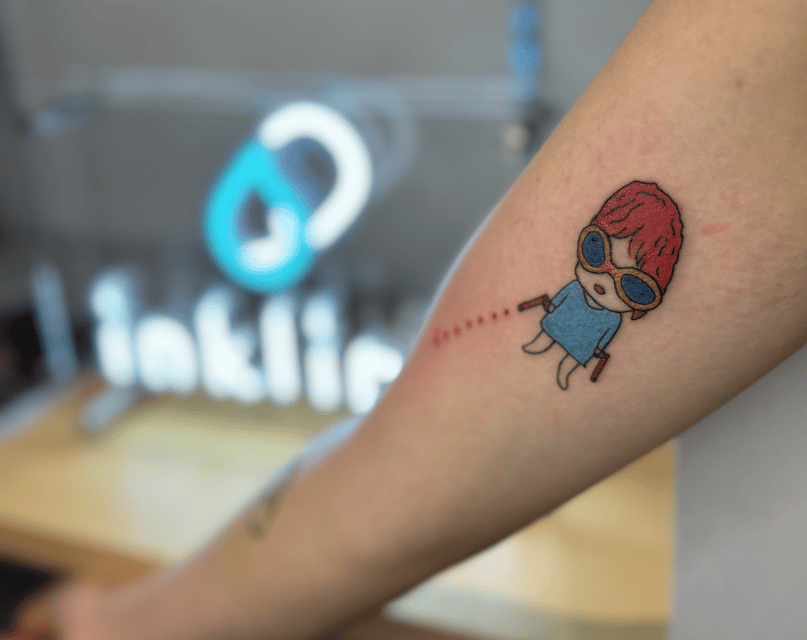
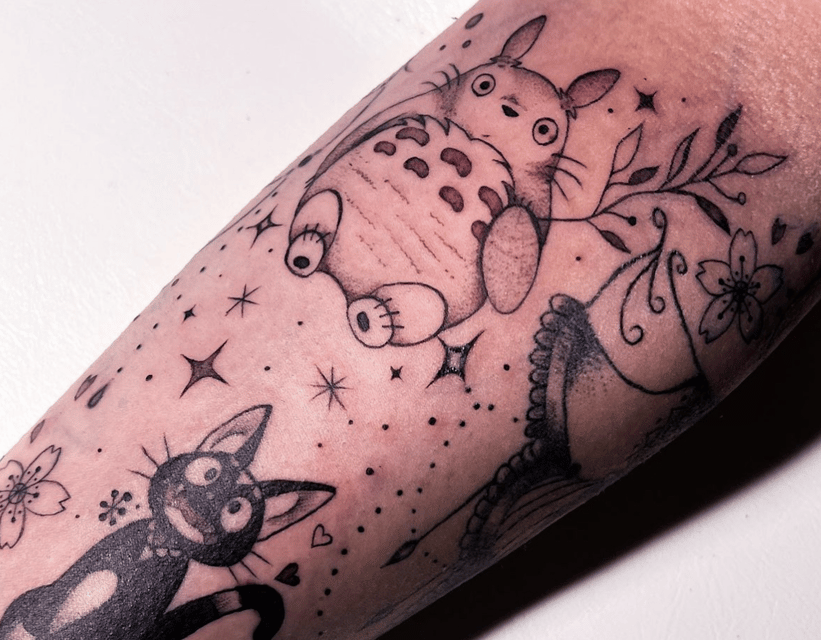
You’ll be able to discuss an anime or manga inspired tattoo, a design inspired by your adventures in Japan, or something more personal. The studio also notes that the artist works across different styles, from fine line and small tattoos to bold traditional and Japanese designs.
A detail I really like from the reviews is how the artist doesn’t just follow instructions—she refines the idea into something original. One reviewer, Doris from the United States, described the studio as relaxing and noted that the artist listened closely and executed the design perfectly, creating an original design after discussing size and location. Another review pointed out that you should let the artist freestyle and credited the result as amazing artwork.
That’s useful advice for you. If you’re worried about losing control, don’t. You’re still steering the concept, but the artist’s job is to make it tattoo-ready—correct proportions, clean lines, and a final look that works on skin.






Stencil, Placement, and Size: Where People Usually Get Nervous
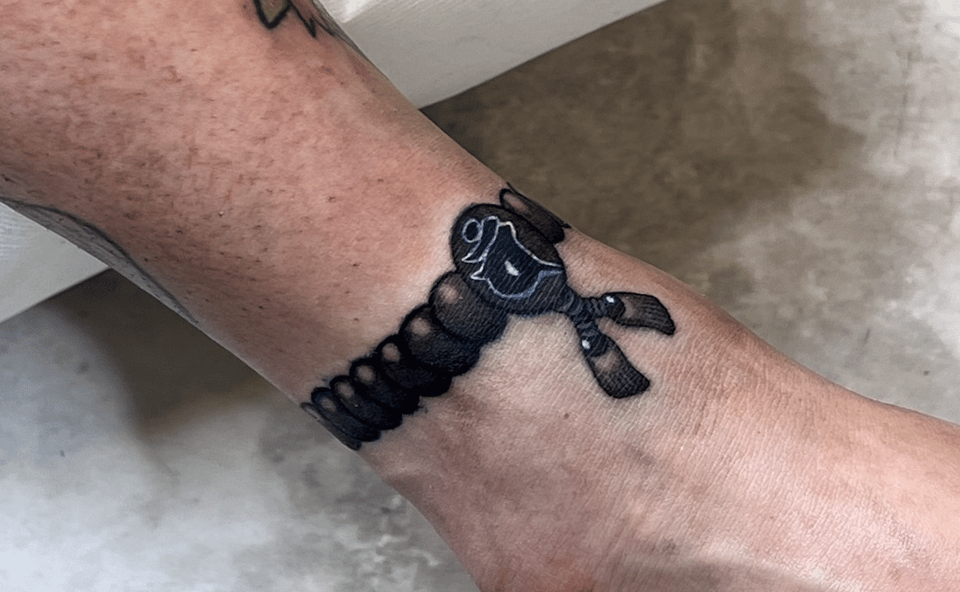
Even when you’ve chosen the design, placement can make or break it. The experience is explicitly structured so you discuss size and location before the tattoo begins, which is the right approach. You’re not just guessing where something will look good; you’re aligning the artwork with the way your body moves and how the tattoo will be viewed daily.
Here are the questions you should ask yourself while you’re in that consultation phase:
- Do you want the tattoo to be easy to show off, or easy to cover?
- Does your chosen location make sense for the tattoo style you want (fine line versus bolder traditional lines)?
- Are you picturing a small detail, or a more obvious focal piece?
One more practical tip: if you have references from anime/manga characters, try to bring the elements you want translated, not just a whole image. The studio can create something more intentional when it knows which parts you care about.
The Tattoo Session: What the 3 Hours Likely Includes
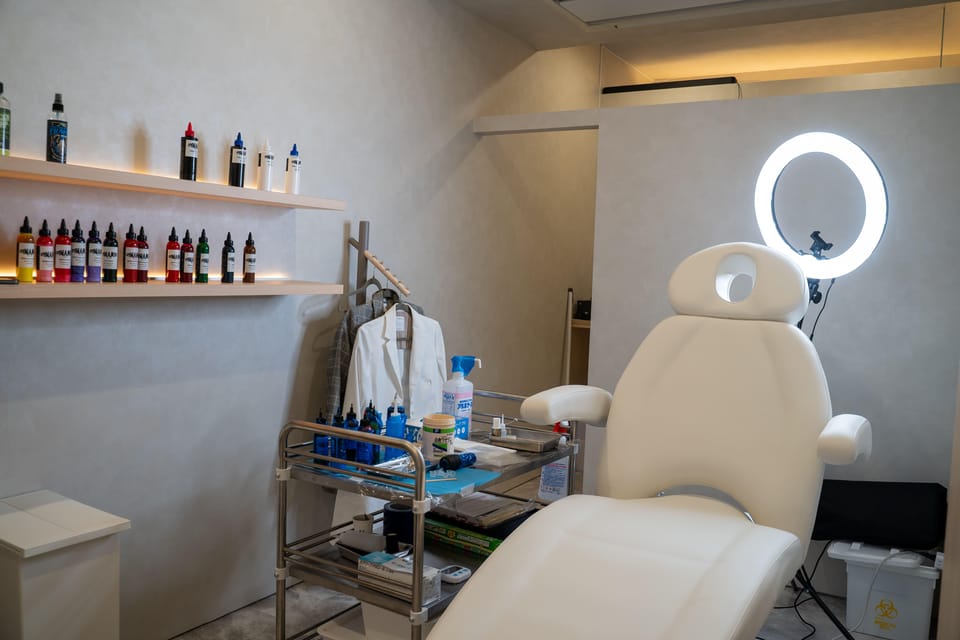
The overall duration is 3 hours, but the studio explains that the tattooing procedure timing varies depending on the tattoo size. That means your appointment length is more like a planning window than a fixed stopwatch.
In practice, you can expect the session to follow a rhythm like:
1) consultation and final design alignment,
2) setup and the artwork transfer process,
3) the actual tattooing,
4) wrap-up and aftercare instructions.
An included point worth noting: equipment is provided, and anesthetic is included if needed. That doesn’t mean the tattoo won’t be uncomfortable—tattoos are still tattoos—but it can make the experience more manageable.
Also, the reviews you’ve seen emphasize how relaxing the room feels. Doris specifically described the studio as not like a typical parlor and more like a medical office or spa, and she reported the experience as stress-free and enjoyable. That matches the studio’s promise of a sanctuary focused on cleanliness, safety, and comfort.
Studio Rules That Affect Your Experience
This is one of those experiences where the “rules” are really about keeping the process safe and smooth. The studio lists what’s not allowed:
- smoking,
- food,
- alcohol and drugs.
So bring your plans accordingly. If you’re used to eating on the go between activities in Tokyo, you’ll want to schedule this session at a time when you can eat before you arrive (since meals are not included) and avoid anything that could interfere with the process.
Cleanliness, Safety, and Why It Should Matter to You
Tattoo studios vary a lot in how they handle cleanliness and setup. Here, the emphasis is on a sanctuary-style approach, with cleanliness, safety, and comfort managed carefully for your peace of mind. It’s also framed as a calm environment, not a crowded chaos zone.
Why I think this is valuable: if your tattoo is meant to be a long-term memory, you want to trust the basics—sanitation, tools, and consistent procedure. You don’t want to second-guess what’s happening minute by minute. A well-run environment makes the hard part—waiting through healing—much easier psychologically.
Aftercare Instructions and Living With Your New Memory
The experience includes aftercare instructions, which is exactly what you want. A tattoo is only half “the moment.” The other half is what you do in the days after.
Since the studio provides aftercare guidance, your job is to follow it closely rather than improvising from random advice online. If you’re planning other activities in Tokyo right after your session, think about what aftercare might require for your skin—especially if your placement is somewhere that gets rubbed by clothing, bags, or daily commuting.
Also, you’ll get one free beverage. It’s small, but in a process this long, it helps you feel cared for without turning the visit into a production.
Who Should Book This Tokyo Tattoo Experience
This experience is a strong match if:
- you want a custom tattoo tied to your Japan trip,
- you like anime/manga/kanji concepts and want them translated into tattoo-ready art,
- you care about cleanliness, comfort, and a studio that feels calm.
It’s also a good option if you want a private group experience, since the info specifies private group booking.
But it’s not suitable for:
- children under 10 years,
- children under 18 years (as listed),
- pregnant women,
- people with pre-existing medical conditions,
- people with recent surgeries,
- and there’s additional wording about mobility: it says wheelchair accessible, but it also says not suitable for wheelchair users and people with mobility impairments.
That conflict is important. If mobility is part of your planning, contact the provider and confirm what will work for you in real life before you commit.
Should You Book Inklinic for an Anime, Manga, or Kanji Tattoo?
If you’re looking for a Tokyo tattoo that feels modern, calm, and genuinely tailored to you, I’d say yes—especially if you want the artist’s help turning references into an original piece. The biggest wins here are the clean salon-like setting, the consultation-driven custom design, and the fact that aftercare instructions and equipment are included so you’re not left holding the bag.
Skip it or at least confirm details first if:
- you’re unsure about your design direction and don’t have references to discuss,
- your plan depends on precise timing for a busy day (because size affects procedure time),
- or you fall into one of the categories listed as not suitable—plus check mobility needs carefully given the contradictory wording.
If you’re the type who wants a tattoo that functions as a memory marker—something you’ll look at years later and feel good about—this is a smart, well-framed way to do it in Tokyo. And if you’re nervous about “getting it wrong,” that’s where the consultation and artist listening can save you.
FAQ
How long is the tattoo experience?
The experience is listed as 3 hours. The tattooing time can vary depending on the size of the design.
What is included in the price?
Included items are a professional tattoo artist consultation, custom tattoo design, all necessary tattoo equipment (including anesthetic if needed), aftercare instructions, and one free beverage.
What isn’t included?
Transportation to and from the studio and any meals are not included.
Is it possible to book without paying right away?
Yes. The option is Reserve now & pay later, so you can book your spot and pay nothing today.
Can I cancel for a refund?
You can cancel up to 24 hours in advance for a full refund.
What should I bring or prepare before my appointment?
Be prepared to discuss your design ideas or bring references. You’ll also receive preparation instructions by email and need to answer a pre-tattoo questionnaire.
Are there rules about what I can bring or do during the session?
Smoking, food, alcohol, and drugs are not allowed.
Is the experience wheelchair accessible?
The information says the venue is wheelchair accessible, but it also lists that it’s not suitable for wheelchair users and people with mobility impairments. Confirm directly with the provider before booking if mobility is a concern.
Is it suitable for kids or pregnant travelers?
It’s not suitable for children under 10 years and children under 18 years. It is also not suitable for pregnant women.