REVIEW · TOKYO
Go Karting Tokyo Bay Experience | 9 Top Destinations in 120 Mins
Book on Viator →Operated by Kartzilla Go Kart Tours | Top Cultural & Historic Destinations in Tokyo · Bookable on Viator
Karting beats Tokyo sightseeing fatigue. This small-group go-kart ride strings together major landmarks fast, with hands-on driving plus a guide’s street-level history and tips. I especially like the included 360-degree photo and video coverage, so you get memories beyond a few blurry selfies.
You’ll also spend your time on the road, not waiting around, and the tour keeps things manageable with a max group size of 10. The one big consideration: this is driving-your-own-kart, so you must bring the correct license paperwork (local license plus an International Driving Permit under the 1949 Geneva Convention) and make your own way to the meeting point.
One more reason I feel good about the experience: the safety brief tends to be clear. In one review, guide Travis was specifically praised for helping riders feel safe while he explained what you’re seeing along the way.
In This Review
- Key things you’ll notice right away
- Price and what it buys you in Tokyo
- Getting started: meeting point, timing, and the fast pace
- Safety first: what the included insurance and licensing mean for you
- The tour route: Skytree to Tokyo Station to the craft of Tokyo streets
- Tokyo Skytree and Sumida City views
- Ryogoku and the sumo-world contrast
- Tokyo Sword Museum stop: weapons, art, and meaning
- Tokyo Station and Marunouchi architecture
- Akihabara: electronics and pop culture
- Ueno Park: Tokugawa-era roots to modern art and culture
- Asakusa and the Imperial Palace stop for Tokyo depth
- Dressing up and why the costume actually matters
- Photos and 360-degree video: how to use them later
- What the guide actually adds (and why safety feels better with explanations)
- Practical tips so your ride feels smooth
- Is this tour for you? A quick fit check
- Should you book Karting Tokyo Bay? (My take)
- FAQ
- How long is the go-karting experience?
- What’s the group size limit?
- Where is the meeting point, and does the tour end there?
- What’s included in the price?
- Do I need a driving license to participate?
- Is food or pickup/drop-off included?
- What if the weather is bad or I need to cancel?
Key things you’ll notice right away
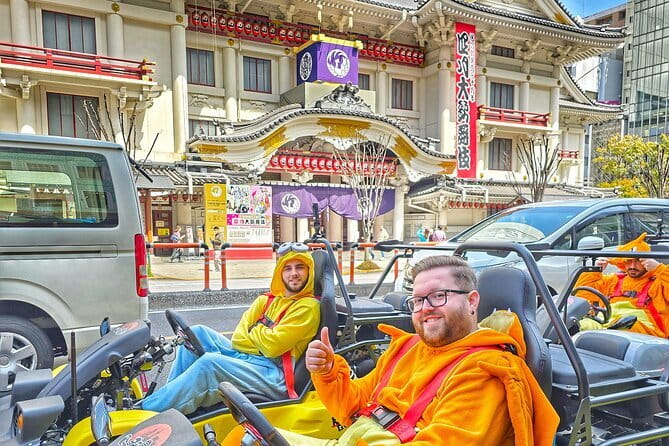
- 360-degree photos and video are included, so the fun keeps its shape after the ride
- Novelty costume is provided, which makes the photos more memorable than standard street-sightseeing
- Small group (up to 10) keeps the pace friendly and the guide easier to hear
- A landmark route across multiple districts saves you from piecing together separate tours
- Insurance and fuel are included, which reduces the usual add-on surprises
- Weather matters since the experience requires good conditions
Price and what it buys you in Tokyo
At $117.27 per person for about 1 hour 40 minutes, this isn’t a cheap activity. But it is priced like a full-value experience: the kart rental, fuel, insurance, and a guide are all included, plus photo and video coverage. In other words, you’re not paying extra every time you want to do the actual activity.
Also, the “value” is in time. Tokyo is big, and most sightseeing days get stuck in transportation loops and long walks. A go-kart route lets you cover a lot of ground in a short window, while still having stops where you can look around and get context from your guide.
Who this fits best: people who want a high-energy day and don’t mind reading signs, following instructions, and driving with focus. If you prefer quiet museums or unstructured wandering only, this may feel like too much movement for your taste.
You can also read our reviews of more tours and experiences in Tokyo.



Getting started: meeting point, timing, and the fast pace
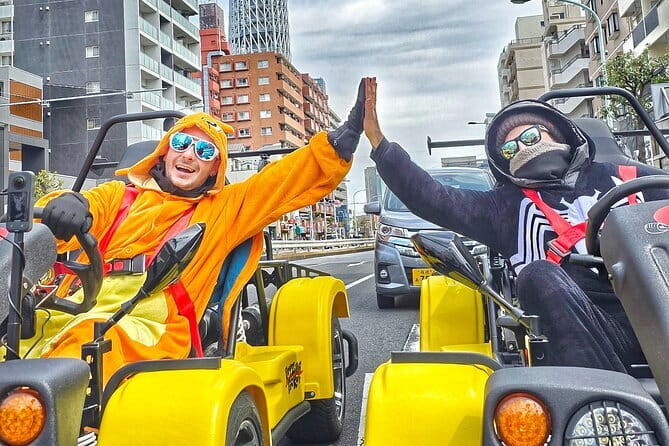
The tour meets at a fixed location in Katsushika City (Higashiyotsugi, 1-chōme), and it ends back at the same meeting point. That matters because there is no pickup or drop-off included. You’ll want to plan your transit so you arrive early enough to handle basics without rushing.
Duration is listed as approximately 1 hour 40 minutes. In practice, that usually means a sequence like: check-in and gear, brief safety instructions, kart time, guided stops, then return. Since it is capped at 10 travelers, you generally won’t be stuck waiting on a huge crowd before you get behind the wheel.
Tip: if you’re the type who always shows up at the exact minute, show up a little earlier here. Getting settled calmly makes the whole ride feel smoother.
Safety first: what the included insurance and licensing mean for you
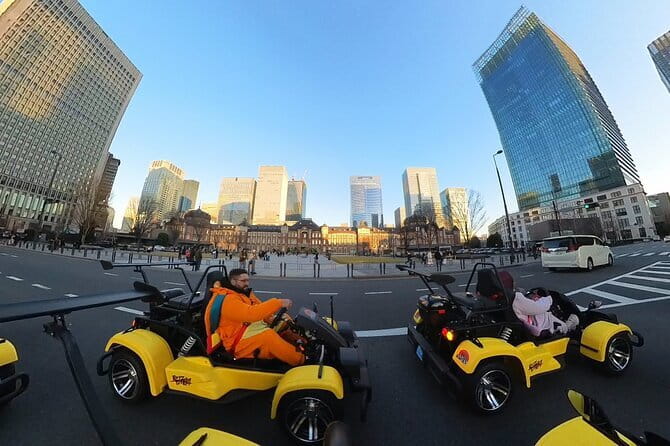
This tour includes insurance, fuel, and the rental kart. That’s helpful because it means you’re not juggling uncertainty about basic coverage. Still, the activity is also clearly operational: you are driving on public streets.
So the most important part is your driving paperwork. For most people, you’ll need:
- Your local driving license
- An International Driving Permit issued under the 1949 Geneva Convention
- Your passport
If you’re traveling with US Forces in Japan, the requirement is different: a SOFA Driving License is required.
And if you do not bring the original documents, the tour can be canceled with no refund. That’s not a “maybe” situation. It’s worth treating your permits like your passport: don’t leave them to chance.
If you’re from Switzerland, Germany, France, Belgium, Monaco, or Taiwan, there’s an additional detail: you may be able to drive if you have a Japanese translation of your driving license available, but you should contact the operator about a month in advance if you need help. Translation requirements can be strict, and the timeline matters.
Bottom line: if your documents are solid, this feels like a fun, well-supported way to drive Tokyo streets. If your documents are unclear, pause and confirm before you book.
The tour route: Skytree to Tokyo Station to the craft of Tokyo streets
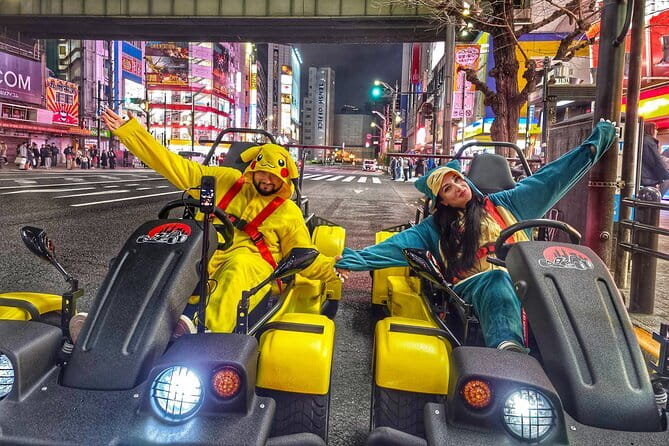
This is designed as a “see a lot in two hours” route, with guided interpretation as you move. The landmark list is stacked, and the stops are placed where you can actually take in what makes each area distinct.
Tokyo Skytree and Sumida City views
Early on, the route includes a stop near Tokyo Skytree, the world’s tallest broadcasting and communication tower and the third tallest structure. The point here is not just the photo opportunity. Skytree is a modern skyline anchor, and your guide’s commentary helps you connect the tower to the city’s overall layout and culture of design.
If you like contrast, this stop delivers it: the tall, modern silhouette against older Tokyo patterns still visible nearby.




Ryogoku and the sumo-world contrast
Next comes Ryogoku, where the Sumo Stadium takes center stage. This is where Tokyo shows a side that feels deeply rooted in tradition while still living in a dense, modern city.
You’ll get that history-and-identity framing as you pass through the area. The benefit of a kart route is that you don’t need to plan separate train rides just to touch these different cultural zones.
Tokyo Sword Museum stop: weapons, art, and meaning
Then you’re guided through a stop connected to Japanese swords and samurai culture at the Tokyo Sword Museum. Swords here are treated as more than objects of combat; they’re presented as symbols of authority and as works of art.
This stop can be a good reset after street driving: you get a moment to slow down, look, and learn what these artifacts mean in Japanese history and craftsmanship.
Tokyo Station and Marunouchi architecture
The tour also includes a stop through Tokyo Station and the Marunouchi district. Tokyo Station is one of those places that looks instantly important, and the guide helps you read why. The station’s origins date to the early 20th century, and the area is often a strong example of Tokyo’s blend of old planning ideas with modern movement.
If you like architecture, you’ll enjoy that this isn’t just a pass-by. You get time to orient yourself and understand what you’re seeing.
Akihabara: electronics and pop culture
Akihabara is next, described as the epicenter for anime and electronics pop culture, and tied to the Meiji period. It’s commonly called the world’s Otaku Capital, but the point on this tour is the guide context: how this district fits into Tokyo’s bigger story of change and technology.
From a rider perspective, this stop is fun because it’s visually loud. Bright storefronts and dense foot traffic create an easy-to-understand atmosphere—then your guide adds the background you’d normally miss if you only walked through.
Ueno Park: Tokugawa-era roots to modern art and culture
Ueno Park is included with admission ticket marked as free. The guide context matters here: Ueno rose in prominence after the Tokugawa shogunate in Edo in 1603. It began as a neighborhood tied to Buddhist temples and townsfolk, then evolved into a hub for modern Japanese art and culture.
This is a good stop if you enjoy connecting older Tokyo power structures to what you see today in public spaces.
Asakusa and the Imperial Palace stop for Tokyo depth
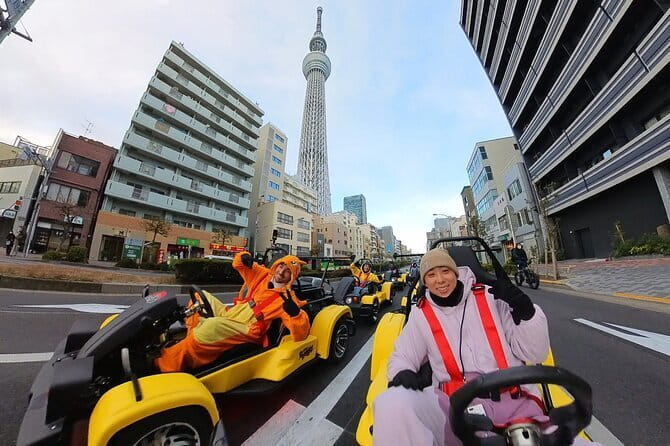
The route continues to Asakusa, with a stop framed by its origin dating back about 1,400 years to the Asuka period. It’s often presented as a key part of Tokyo’s low city, or shitamachi, where everyday life and older urban character still show through.
If you’ve only seen Tokyo from the top floors of observation decks, Asakusa is the kind of place that helps you feel the city’s bones.
Then the Imperial Palace grounds appear as another major landmark moment. The Imperial Palace is described as the residence of the emperor and empress, and it ties to major historical layers: constructed in 1457 by Ota Dokan within the expansive grounds of Edo Castle.
This stop balances out the more pop-culture-heavy areas like Akihabara. One moment you’re in modern entertainment and electronics; the next you’re dealing with the long timeline of power, architecture, and ceremonial space.
Finally, the tour loops back near Tokyo Station again, which helps you end the experience with a clear “home base” feeling before you head back to your start point.
Dressing up and why the costume actually matters
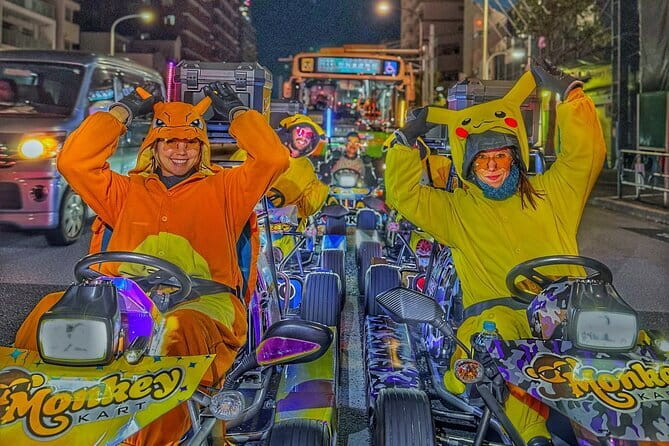
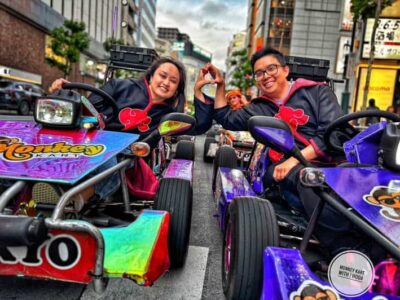
A novelty costume is provided for the drive. This might sound like an extra just for laughs, but it’s useful. On a moving kart, photos turn out better when you’re visually distinct. It also keeps the group vibe playful, and that helps on a day that asks you to concentrate.
If you’re worried about looking silly, remember: everyone else is in the same situation. The costume is part of the experience design.
Photos and 360-degree video: how to use them later
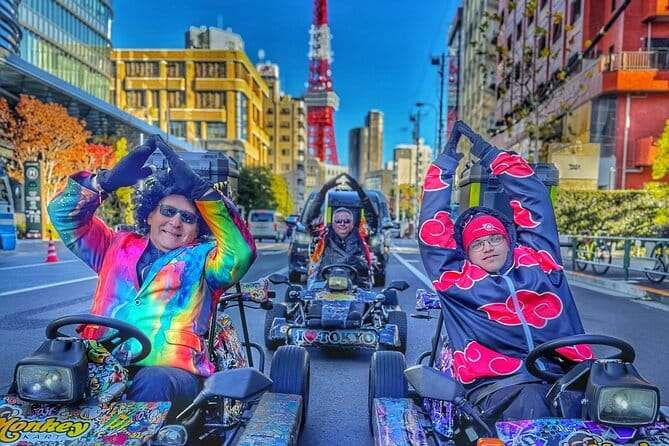
The tour includes photo and video, and the description specifically mentions 360-degree capture. That’s a big deal because Tokyo streets can be hard to remember once you’re back in your hotel.
When you get your files, don’t just scroll once and forget. Rewatch for route context. You’ll likely spot landmarks you missed in the moment, and the 360 view helps you understand what was behind you, not just what was in front.
Also, bring a plan if you’re picky about storage. A data card for your camera is not included, so if you’re hoping to add your own footage, check what you’ll need ahead of time.
What the guide actually adds (and why safety feels better with explanations)
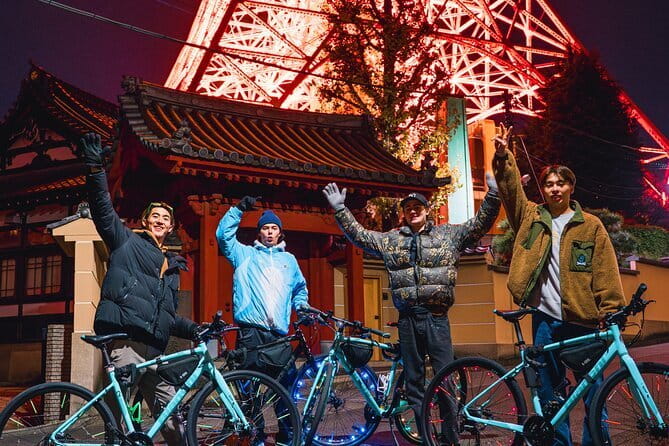
The guide role is not just giving a list of famous names. The descriptions highlight that you’ll learn about Japanese history, culture, and architecture as you drive and hear recommendations along the way.
In the reviews, the highest praise lands on safety and guide explanation. One review calls out Travis by name, saying he was amazing and that riders felt safe while he shared interesting insights. Another strongly recommends the experience for the street-driving cool factor and a great guide.
You can use that as a decision filter: choose this if you want someone to translate Tokyo from a driving perspective, not just hand you a helmet and wish you luck.
Practical tips so your ride feels smooth
A few practical points can make the difference between a fun ride and a stressful one.
- Bring your driving documents in original form. No photocopies. No screenshots.
- Plan your transit so you arrive early at the Katsushika meeting point since there’s no pickup.
- Wear comfortable clothes and shoes. You’ll be moving and controlling a kart for the better part of the session.
- If you’re sensitive to heat or cold, dress for the weather. The experience requires good weather, and that generally means you’ll be outdoors for part of the time.
- Don’t assume food is covered. Food is not included, so either eat before or bring a snack plan for after.
Is this tour for you? A quick fit check
This go-karting experience is best for you if:
- You want an active way to see several Tokyo landmarks without a full-day train plan
- You like the idea of getting photos and 360-degree video as part of the package
- You value safety guidance and clear instructions
- You want a guided route across districts like Skytree, Ryogoku, Akihabara, Asakusa, and the Imperial Palace area
It may not be the best choice if:
- You don’t want to deal with driving rules and international permit paperwork
- You prefer a slower sightseeing style with long walking and lots of downtime
- You need pickup or you expect the operator to handle transport
Should you book Karting Tokyo Bay? (My take)
If you’re the kind of traveler who wants Tokyo to feel real, fast, and a little adrenaline-powered, this is a smart book. The price is fair for what you get: kart rental, fuel, insurance, a guide, and photo/video support. The route selection also gives variety in just under two hours, which is hard to replicate with walking tours.
My main caution is boring but important: your documents. Get the license and International Driving Permit sorted early, and you’ll spend the day enjoying the ride instead of worrying at check-in.
If you can handle the prep, this is one of those Tokyo experiences that feels like more than a photo stop. It’s motion, context, and memories in one package.
FAQ
How long is the go-karting experience?
It runs for about 1 hour 40 minutes (approx.).
What’s the group size limit?
The tour has a maximum of 10 travelers.
Where is the meeting point, and does the tour end there?
You meet at 1-chōme202 小島貸事務所, Higashiyotsugi, Katsushika City, Tokyo, and the activity ends back at the meeting point.
What’s included in the price?
Included are go kart rental, a tour guide, a costume, fuel, insurance, and photo and video.
Do I need a driving license to participate?
Yes. You need a local driving license and an International Driving Permit issued under the 1949 Geneva Convention, plus your passport. For US Forces in Japan, a SOFA Driving License is required.
Is food or pickup/drop-off included?
No. Pickup and drop-off are not included, and food is not included.
What if the weather is bad or I need to cancel?
The experience requires good weather. If it’s canceled due to poor weather, you’ll be offered a different date or a full refund. You can cancel up to 24 hours in advance for a full refund.