REVIEW · TOKYO
Sightseeing Day Trip to Mount Fuji and Hakone Green Number
Book on GetYourGuide →Operated by LiveNipponLLC · Bookable on GetYourGuide
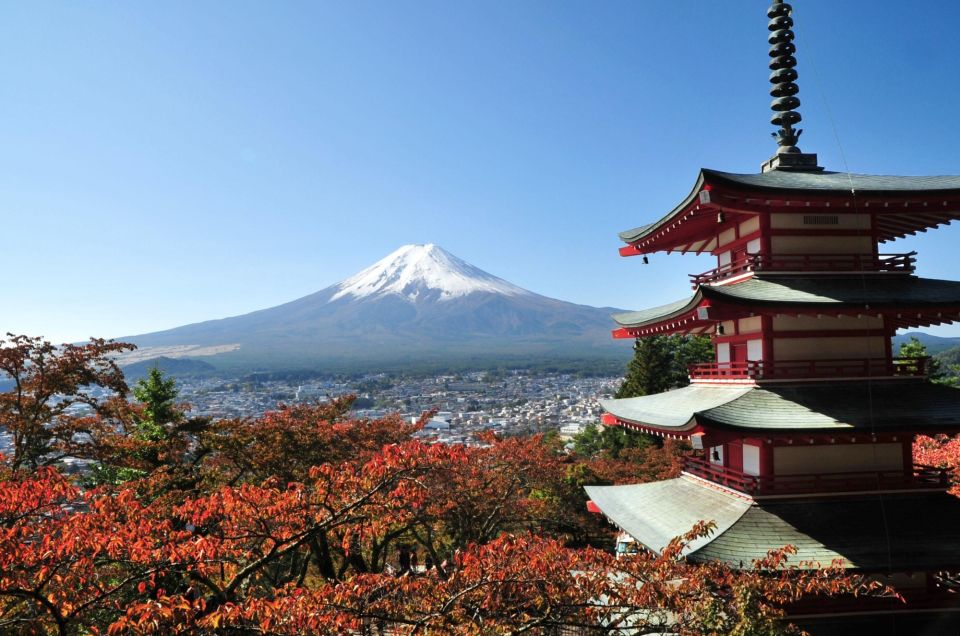
Fuji can change your whole day. This private tour is built for real Mount Fuji viewing stops and a live English guide who helps you hit the best photo angles, like the way guides such as Petteri and Zia are known for directing you to picture-ready moments. You also get a comfortable, door-to-door setup from Tokyo so you’re not stress-scheduling trains or buses on a tight clock.
I like that you can choose a full Mt. Fuji + Hakone route or keep it focused on the Fuji area only, which helps you match your day to your priorities and your weather luck. The possible drawback: Mount Fuji 5th Station is weather dependent, so if the clouds roll in, the payoff can be smaller than you hoped.
In This Review
- Key Highlights You’ll Care About
- Why This Fuji and Hakone Day Trip Works in 10 Hours
- Price and What $419 Buys (Up to 5 People)
- Choosing Your Route: Mt. Fuji + Hakone or Fuji Area Only
- Option A: Mt. Fuji + Hakone in One Day
- Option B: Fuji Area Focused Day
- Customization is possible
- Pickup From Tokyo to Mt. Fuji: Be Ready for Weather Swings
- Mt. Fuji 5th Station: The One Stop You Shouldn’t Skip
- Lake Kawaguchi and Fujikawaguchiko: Fuji Views at Human Speed
- Oshino Hakkai: The Fuji-Side Culture and Water Stop
- Oishi Park and Kachi Kachi Ropeway: Make the Most of Your Photo Time
- Hakone Ropeway and Lake Ashi: Wide Views, Green Spaces, and Calm
- Wakudani (Owakudani): Steam and Strong Smell, Worth the Effort
- Shrines and Viewpoints: From Fuji Sengen Shrines to Arakurayama
- The Guide Makes the Day: Real-World Strengths I’d Expect
- Timing and Traffic Reality: What Can Go Off Plan
- Who This Tour Fits Best (and Who Might Want Something Else)
- Should You Book This Mt. Fuji and Hakone Green Number Day Trip?
- FAQ
- How long is the tour?
- What is the starting point for pickup?
- Is this a private tour?
- How much does the tour cost?
- Are tickets for Mt. Fuji 5th Station included?
- Do I get a guide in English?
- Which places can be included?
- What’s the cancellation policy?
Key Highlights You’ll Care About
- A private English guide who also drives, meaning fewer handoffs and more time at the places you actually came for
- Two routing styles: Mt. Fuji and Hakone together, or Mt. Fuji area only
- Iconic stops like Mt. Fuji 5th Station and Oshino Hakkai, plus ropeway views in Hakone
- Green scenery breaks at places like Lake Ashi and Oishi Park for wide-open breaths
- Shrines and viewpoints including Kitaguchi Hongu Fuji Sengen Shrine and Arakurayama Sengen Park (route-dependent)
- Flexible timing to add requests if you have extra minutes
Why This Fuji and Hakone Day Trip Works in 10 Hours
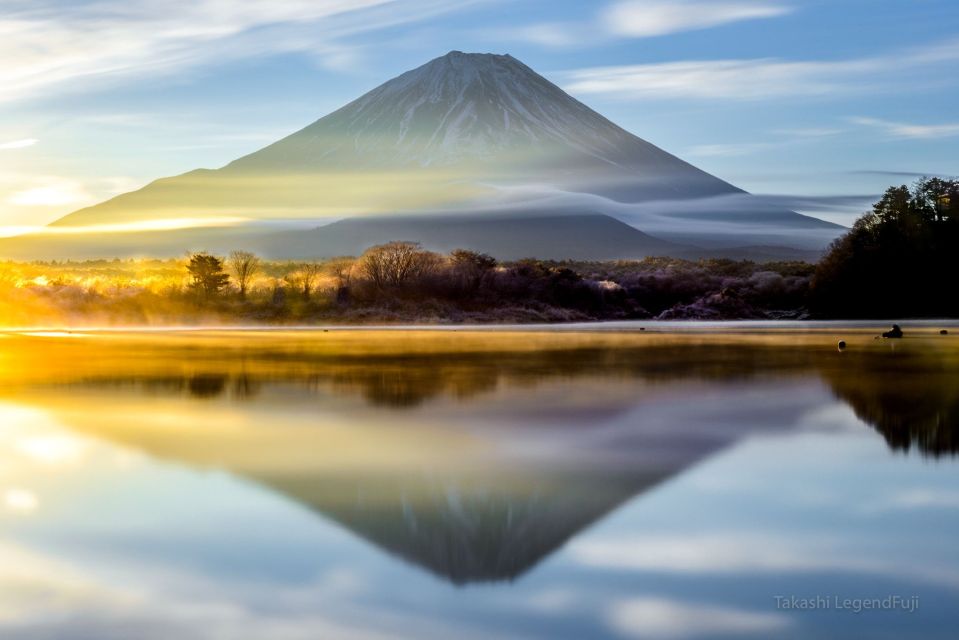
If you’ve only got one day around Tokyo, the big question is simple: can you see real Mount Fuji and also enjoy Hakone without turning the day into a nonstop commute? This is the kind of tour where the answer is usually yes, because you’re not juggling transfers with a group you don’t know.
The private format also matters. Your guide is with you the whole time—driving and explaining—so you get quicker context when something is foggy, closed, or running behind schedule. That’s a big deal on mountain days, where conditions can change hour by hour.
You’re also paying for momentum. For $419 per group (up to 5 people), you’re not just buying sightseeing. You’re buying a plan that starts with pickup in Tokyo, keeps the day coherent, and then lets you spend your time on viewpoints like Lake Kawaguchi and Lake Ashi, not on logistics.
You can also read our reviews of more tours and experiences in Tokyo



Price and What $419 Buys (Up to 5 People)
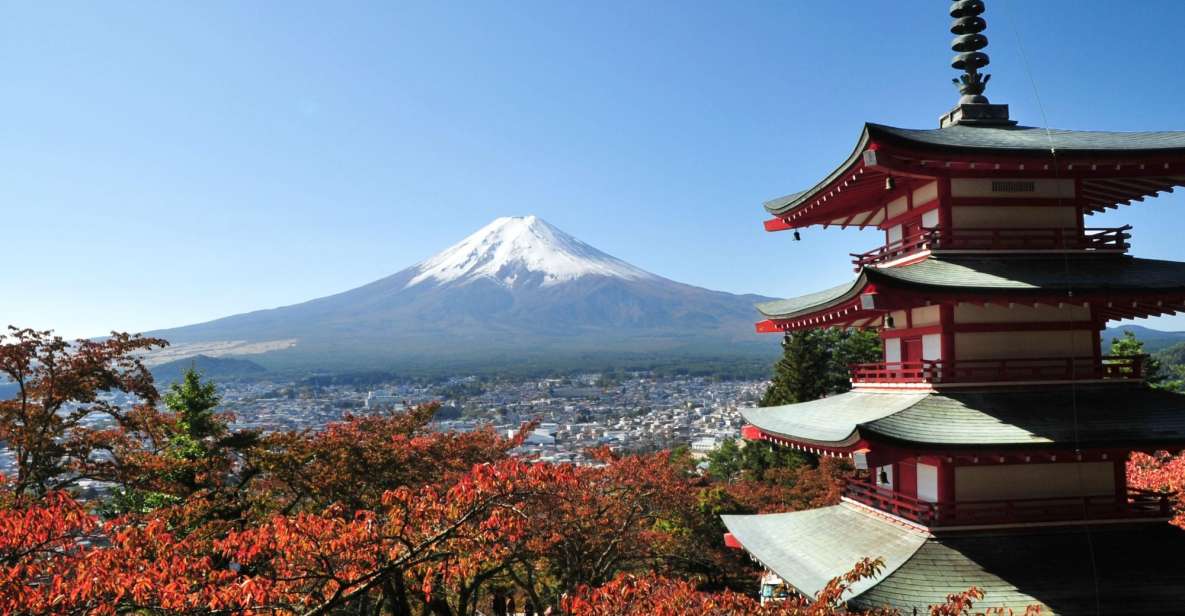
Let’s talk value plainly. At $419 per group up to 5, this is priced like a private car day. That can sound steep at first if you’re thinking solo. But for families and small friend groups, it can be cheaper than each person paying for separate seats plus taxis plus paid transfers.
What’s included is meaningful for a Fuji/Hakone day:
- Hotel pickup and drop-off in Tokyo
- Private roundtrip transportation
- A private tour guide who is also the driver
- Green Number plates
- Fully insured
What’s not included is also clear, so you can budget without surprises:
- Entry tickets, including Mt. Fuji 5th Station entry (¥2,800)
So the math is mostly about risk management. Fuji days depend on visibility, and traffic can happen. Paying for a private plan is how you keep options open and make fast decisions when weather or timing shifts.
Choosing Your Route: Mt. Fuji + Hakone or Fuji Area Only
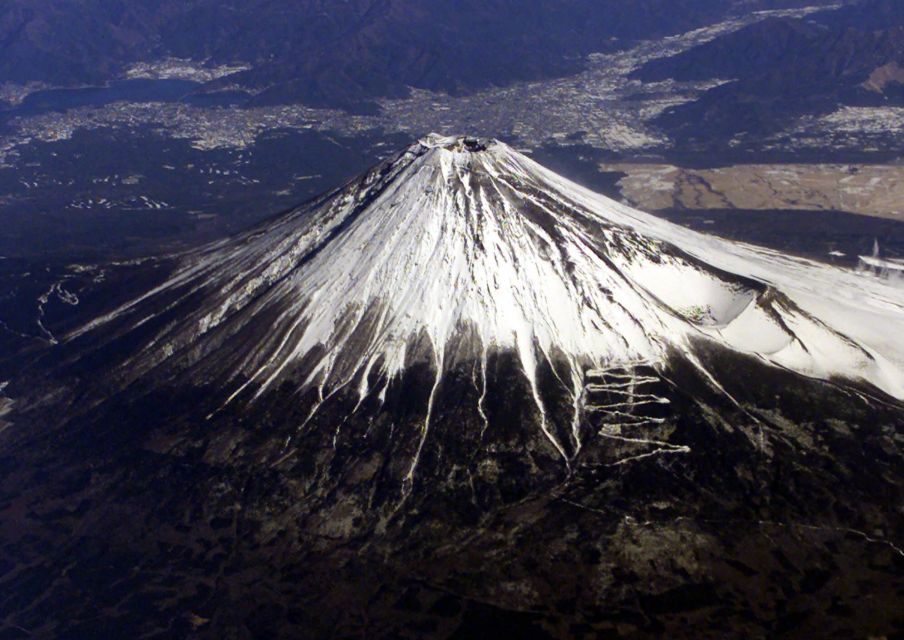
You get two itinerary styles, and choosing the right one can make the day feel smooth instead of crowded.
Option A: Mt. Fuji + Hakone in One Day
This is the classic combo route when you want both iconic Fuji views and Hakone’s scenic vibe. The flow is designed to move you through:
- Lake Kawaguchi
- Mt. Fuji 5th Station (weather dependent)
- Ropeway-style viewpoints (including Kachi Kachi Ropeway)
- Hakone Ropeway and Lake Ashi
- Owakudani (Wakudani)
It’s a fuller day in terms of locations, and that’s great if your priority is variety.
Option B: Fuji Area Focused Day
If you’d rather squeeze out the best Fuji-side scenery and avoid feeling rushed, the Fuji area only version focuses on:
- Mt. Fuji 5th Station (weather dependent)
- Lake Kawaguchi
- Kachi Kachi Ropeway
- Kitaguchi Hongu Fuji Sengen Shrine
- Oshino Hakkai
- Oishi Park
- Arakurayama Sengen Park or Arashiyam Sengen Shrine (route-dependent)
This tends to feel more Fuji-saturated. You’ll spend more time around the lakes and viewpoints that people associate with Mount Fuji’s postcard angles.




Customization is possible
There’s also room to customize and add requests if time allows. That’s useful if you know you care about a specific viewpoint, a photo stop, or want extra time at one place.
Pickup From Tokyo to Mt. Fuji: Be Ready for Weather Swings
The tour starts with pickup in Tokyo, and the timing is built for getting out early enough to maximize your chances. One of the strongest takeaways from past experiences is that starting early can be the difference between seeing Fuji clearly and staring at clouds.
Here’s the key reality: Mt. Fuji 5th Station is weather dependent. That means you should plan mentally for two outcomes:
- Clear views and a satisfying 1-hour window up top
- Fog or cloud cover, where you’re still at the 5th Station area but the view payoff is reduced
This is exactly where having a guide matters. When conditions change, you don’t just sit there hoping. Your guide can redirect your attention to what’s still working—nearby viewpoints, lakeside angles, and scenic stops that don’t require perfect visibility.
Mt. Fuji 5th Station: The One Stop You Shouldn’t Skip
Even when visibility is imperfect, Mt. Fuji 5th Station is the anchor stop. It’s the point in the day that makes the whole trip feel grounded in the mountain itself.
You’ll spend about 1 hour sightseeing at the station area. The station visit is designed to give you time to:
- Take in sweeping views when the sky cooperates
- Adjust your plans around what you can actually see that day
- Reposition for photos without rushing
Also, budget the entry fee. Mt. Fuji 5th Station entry tickets cost ¥2,800 and are not included. That’s not a huge fee, but it’s the kind of detail that can catch you off guard if you only budget for your tour price.
Lake Kawaguchi and Fujikawaguchiko: Fuji Views at Human Speed
After the 5th Station, you’ll shift from mountain height to lakeside perspective. The tour includes Lake Kawaguchi (and in the broader route also a stop around Fujikawaguchiko), which is where Fuji often looks most dramatic from eye level.
This part of the day is about breathing space and composition:
- Fuji framed by shoreline angles
- Wide views that let you appreciate scale
- A calmer pace than the station
You’ll typically spend about 1 hour in this area, which is enough time to settle your eyes, find a good vantage point, and decide if you want to linger for more photos.
If you’re the type who gets overwhelmed by too many quick stops, this is one of the best places to slow down.
Oshino Hakkai: The Fuji-Side Culture and Water Stop
Next up is Oshino Hakkai, a popular area fed by spring water coming from Mount Fuji. The tour allocates about 1 hour for sightseeing here, which is perfect for walking at an easy pace, soaking in the setting, and taking photos without feeling like you’re doing a race.
What I like about Oshino Hakkai on a day like this is that it adds texture. Fuji days can turn into view-chasing. This is a more hands-on, ground-level place where the scenery feels lived-in, not just scenic.
Even on a day when the 5th Station view is muted, Oshino Hakkai can still feel like a win.
Oishi Park and Kachi Kachi Ropeway: Make the Most of Your Photo Time
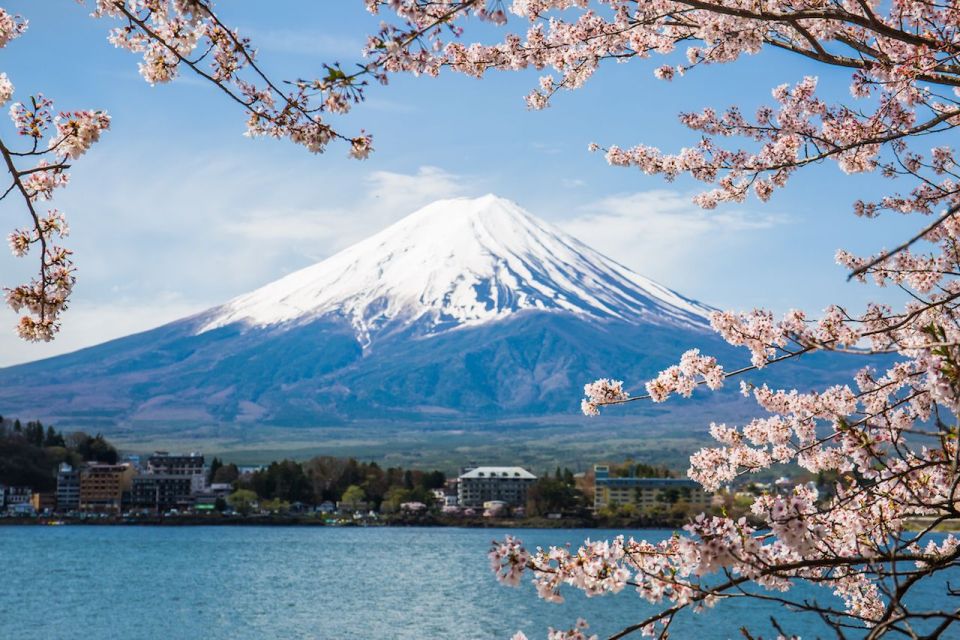
If your itinerary includes Oishi Park, you’ll get another chance at Fuji angles from a lakeside viewpoint. It’s a good stop for that “how is this real” feeling when the weather lines up.
Then there’s the Kachi Kachi Ropeway. Ropeways in Hakone and around Fuji can sound gimmicky until you actually have them in your day plan. The real value is simpler: they help you gain altitude and change your perspective without spending hours hiking.
This tour includes Kachi Kachi Ropeway as part of the Fuji-focused route, and it also shows up in the broader Mt. Fuji + Hakone style. Either way, it’s a useful tool for getting variety in your photos.
Hakone Ropeway and Lake Ashi: Wide Views, Green Spaces, and Calm
For the route that includes Hakone, you’ll move into the classic Hakone loop of ropeways and water views.
You spend time around:
- Hakone Ropeway
- Lake Ashi (about 1 hour on the water-view side)
- Scenic breaks that emphasize open air and big sightlines
Lake Ashi is a highlight because it changes the mood. Instead of alpine altitude, you get a mirror-like water setting that often gives you a dramatic relationship between mountain, sky, and shore. The tour treats this as a real sightseeing segment, not a quick stop.
One useful note from past experiences: when conditions allow, people have gotten a speed-boat style view from the lake area. You shouldn’t count on any specific boat option unless it’s part of your day’s pacing, but it’s an example of the kind of memorable water-angle you can chase here.
Wakudani (Owakudani): Steam and Strong Smell, Worth the Effort
Hakone also includes Wakudani (spelled as Wakudani/Wakudani in the tour info), which is the area known for volcanic activity.
This is one of those stops where the payoff is immediate:
- You see and experience the steam atmosphere
- You feel like you’re in a totally different zone than Tokyo
The tour schedule includes this as part of the Hakone section, paired with Lake Ashi viewing. That’s a good pairing because one spot gives you the earth’s drama, and the next gives you the wide, scenic reset.
Shrines and Viewpoints: From Fuji Sengen Shrines to Arakurayama
A day like this isn’t complete without a shrine or a viewpoint, and this tour builds that in.
Depending on your route, you might see:
- Kitaguchi Hongu Fuji Sengen Shrine
- Arakurayama Sengen Park (about 1 hour)
- Arashiyam Sengen Shrine (listed as an alternative stop on the Fuji-only route)
These places do two jobs. First, they give your day a cultural spine rather than only mechanical sight-seeing. Second, they often function as “photo punctuation marks”—you know you’re nearing the end of the day’s main highlights when you reach the viewpoint.
If you’re choosing between routes, consider this: the Fuji-only plan tends to pack in more Fuji-side shrine and park-style stops, while the Hakone plan keeps those moments but shifts more time into ropeways and water views.
The Guide Makes the Day: Real-World Strengths I’d Expect
This tour is powered by the guide-driver pairing. And that matters because the best parts of a Fuji/Hakone day are the ones that happen when things go slightly wrong: a road delay, a foggy station, a missed angle.
From past experiences, guides such as Ghazi Ali, Hadir, Mukarram, Israr, and Petteri are described as:
- Finding the best photo spots instead of just driving past
- Using local know-how for timing, including how to work around holiday traffic
- Being patient and safety-minded, including with families and kids
One standout theme is that the guide doesn’t treat the day like a script. People describe routes as adaptable, with the driver helping manage the day so you still see as much as possible within the 10-hour window.
Timing and Traffic Reality: What Can Go Off Plan
Here’s the honest caution. A Fuji/Hakone day depends on roads. Even with a private car, traffic can stretch drive time enough to force a change in the order—or even skip one major area.
One example from a past experience: heavy traffic made the trip take almost four hours to reach the Hakone area, and because of that, Mt. Fuji was not visited on that day. The guide Hadir was described as excellent, but the schedule constraints were real.
So when you book, I’d treat Mt. Fuji 5th Station as the main target, then also treat the day as a flexible plan. Your guide will try to hit everything, but weather and road timing can win.
Who This Tour Fits Best (and Who Might Want Something Else)
This is a strong match if you:
- Want a private day instead of a bus group
- Care about Mt. Fuji and want a plan that includes the “big hitters” (5th Station, Oshino Hakkai, lake views)
- Travel with up to four other people, which helps the price make sense
- Prefer a human guide who helps with photo timing and sightseeing context
It may be less ideal if you:
- Are on a tight schedule where you can’t handle any risk of weather affecting the station view
- Hate cars for long stretches and would rather keep travel minimal (this tour is built around a private car day)
Should You Book This Mt. Fuji and Hakone Green Number Day Trip?
If your goal is to get real Mount Fuji highlights plus Hakone’s ropeways and water views in one day, this is a practical way to do it. The value is strongest for small groups, and the private guide-driver setup is the difference between a smooth day and a stressful one.
My recommendation: book if you’re comfortable with one big truth—visibility at Mt. Fuji 5th Station can’t be forced—and you’re happy that the rest of the day still has good, worthwhile stops even when clouds show up. If you’re the type who needs a guaranteed view no matter what, you’ll want a more weather-safe plan than one anchored to a mountain summit.
FAQ
How long is the tour?
The tour runs for about 10 hours.
What is the starting point for pickup?
Pickup is from Tokyo.
Is this a private tour?
Yes. It’s a private group tour for up to 5 people.
How much does the tour cost?
It’s $419 per group (up to 5).
Are tickets for Mt. Fuji 5th Station included?
No. Mt. Fuji 5th Station entry tickets are not included and cost ¥2,800.
Do I get a guide in English?
Yes. There is a live tour guide in English.
Which places can be included?
You can do a Mt. Fuji + Hakone day with stops such as Mt. Fuji 5th Station, Oshino Hakkai, Lake Ashi, and ropeway areas. You can also choose a Fuji area only route that includes places like Lake Kawaguchi, Kachi Kachi Ropeway, Oshino Hakkai, Oishi Park, and shrine/viewpoint stops.
What’s the cancellation policy?
You can cancel up to 24 hours in advance for a full refund.