REVIEW · TOKYO
Samurai experience: art and soul of the sword
Book on Viator →Operated by Arumachi · Bookable on Viator
Samurai and swords can sound like action movie stuff. This experience is more about etiquette and the quiet rules behind the blade. You spend your time learning why samurai carried themselves a certain way, not how to cosplay.
I especially liked how the training starts with bushido basics—courtesy, discipline, and restraint. In the first minutes, it becomes clear that drawing or attacking was treated as a last step, not a default. The close-up solo demonstration also helps you understand what skilled control looks like before you try anything yourself.
One thing to consider: this is not a casual sword show. You’ll follow the dojo master’s instructions closely, and the real-sword option comes with strict age requirements and a waiver.
In This Review
- Key highlights you’ll remember
- Samurai etiquette and bushido values at Kuramae Station
- What Iaido training actually covers (and why it matters)
- The dojo flow: etiquette, your practice, then the master’s solo
- Targets and cutting practice: cardboard now, tatami optionally
- The real-sword option: age rules and the waiver
- Price and value: what $216.86 gets you in Tokyo
- Who should book this Iaido lesson (and who might not love it)
- Logistics in Tokyo: where you meet and how not to miss it
- Safety and mindset: why this feels disciplined, not chaotic
- Should you book this Samurai experience in Tokyo?
- FAQ
- Where does the experience start in Tokyo?
- What time does it begin?
- How long is the experience?
- Is this a small-group class?
- Do I need a waiver?
- Who can participate in the real-sword tatami cut?
- What’s the minimum age if I skip the real sword option?
- What kind of ticket do I use?
- What is the cancellation/refund policy?
Key highlights you’ll remember
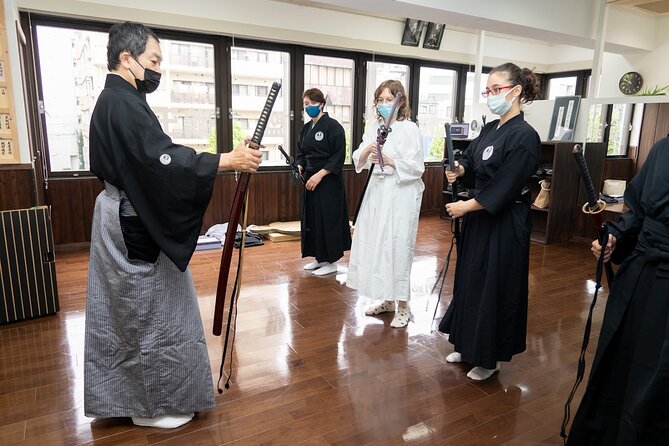
- Bushi-level etiquette first: you begin with how to handle and respect the sword and the mindset behind it.
- Iaido focus: you practice the controlled flow of swordwork, including a classroom-style cutting moment.
- Close-up master demonstration: you watch the instructor up close, then you get hands-on practice.
- Real targets, not just stories: cardboard and (optionally) rolled tatami cuts.
- Small group size: the experience caps at 10 people, so the lesson stays focused.
Samurai etiquette and bushido values at Kuramae Station
Tokyo can feel like it’s all about speed. This class slows you down on purpose. You meet near Kuramae Station in Taito City and spend about 1 hour 30 minutes in a dojo setting.
What makes this experience feel different is the framing. It’s not built around bravado. From the start, you’re guided to sense the values samurai prized—courtesy, discipline, and control—before you touch anything that looks like a weapon.
I like that the tone is serious but not stiff. The moment you learn the etiquette, it changes how you watch the sword later. And when you finally cut, you do it with your brain switched on, not with adrenaline.
You can also read our reviews of more tours and experiences in Tokyo.



What Iaido training actually covers (and why it matters)
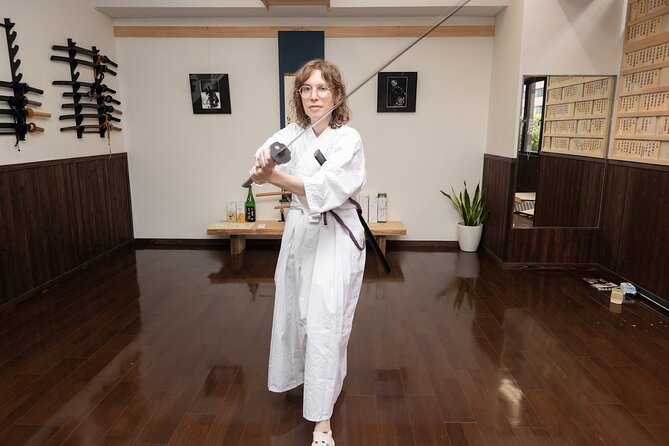
Iaido is often described as swordsmanship tied to precise timing and controlled movement. Here, you’re not just learning a single trick. You’re learning the flow: how the lesson thinks, how your body follows that thinking, and how the sword is treated as something with responsibility.
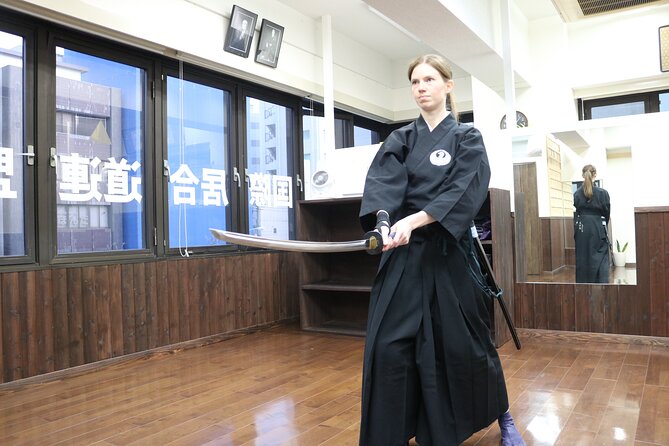
You’ll start by changing into samurai attire with a sword. That costume step matters more than you’d think. It helps you slow down and act with care, because the clothing and the handling rules force you into correct posture and attention.
Then you learn the fundamentals of bushido and the proper etiquette toward the sword. This is where your expectations can get corrected. The samurai image most people carry—someone always ready to fight—doesn’t match what the training emphasizes. You’re shown that strong samurai resolve issues through discussion first, and violence is treated as a last resort.
That message is the heart of the experience. The cutting is important, but the values are the point. If you like Japan when it’s thoughtful and disciplined, you’ll get a lot out of this.
The dojo flow: etiquette, your practice, then the master’s solo
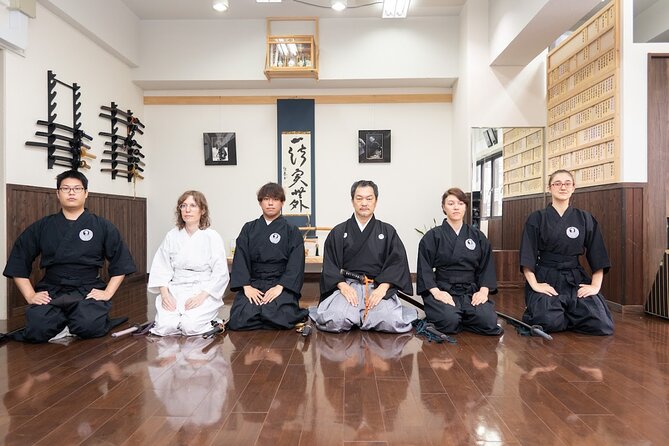
The structure is simple, and that’s a good thing. You’ll arrive at the Iaido dojo and begin with instructions from the master. You’re learning what to do and why you do it, which keeps the experience from feeling like “follow these moves, done.”
After the setup, you change into samurai attire and learn the overall flow of the experience. Then comes the hands-on part: you slash a man-shaped cardboard target with a sword. This is a controlled way to experience timing and form without turning the session into chaotic sparring.
One more key moment is the master’s solo demonstration up close. Watching a skilled practitioner first helps you understand how little wasted motion there should be. Then when you practice, you’re not guessing what good looks like—you have a reference point right in front of you.
You also get support from a teaching assistant (TA). The TA helps explain and correct as you go, which is especially useful if you have never done Iaido-style movement before.
Targets and cutting practice: cardboard now, tatami optionally
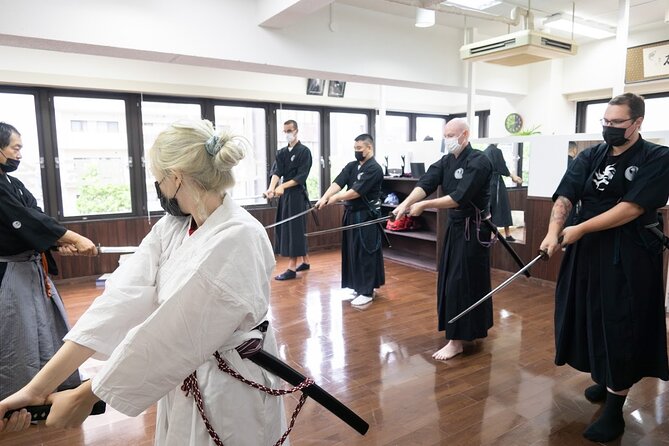
The experience uses a progression of “real enough” targets. First, you cut the man-shaped cardboard. It’s a simple target, but it teaches something big: staying controlled as you complete the movement. You’re not wrestling with a moving object; you’re learning the shape of the action.
If you choose the enhanced option, you also try cutting a rolled tatami mat with a real sword. The goal is to experience the difference between practice and the real feel of steel. That’s also where the seriousness kicks in.
This is where you’ll want to decide honestly what kind of experience you want:
- If you want the values, etiquette, and form, the basic option is already the core.
- If you want that one memorable moment of stepping into the real thing, the rolled tatami cut is the standout addition.
Either way, you should expect a certificate of completion at the end. It’s a small paper sign-off, but it does mark that you learned something structured, not just watched a performance.
The real-sword option: age rules and the waiver
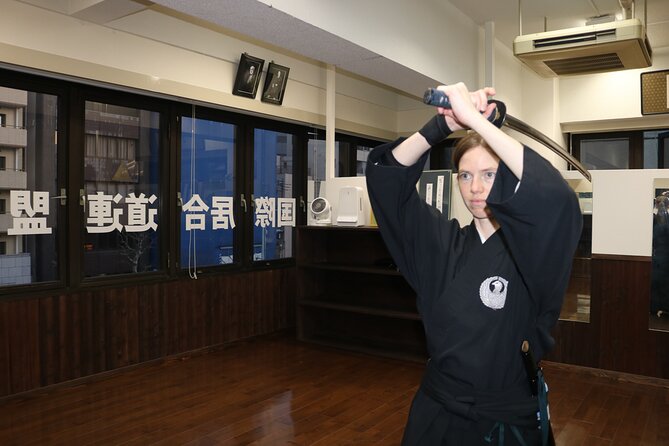
If you plan to cut the rolled tatami mat with a real sword, check the requirements early. For that option, you must be 18 or older on the day of your experience, and you’ll need to sign a waiver before the activity.
You also must follow the dojo master’s instructions. This matters because the training isn’t about letting you freestyle. It’s about doing it the correct way so you stay safe and you learn the right technique.
If you do not choose the real sword option, the minimum age is 5. So the session can work for families and kids who are interested in the etiquette and the movement, as long as they’re joining the non-real-sword version.






Price and value: what $216.86 gets you in Tokyo
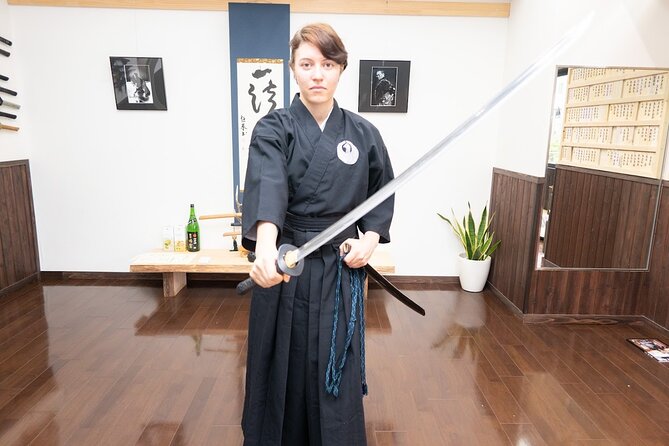
At $216.86 per person, this isn’t an impulse buy. You’re paying for a small-group dojo lesson led by a master, with hands-on instruction and close-up demonstrations.
Where the value shows up:
- Small group size (max 10) means you’re less likely to get lost in a crowd.
- Instructional flow matters. You’re taught etiquette and bushido first, then you practice form, then you see a solo demo.
- Optional real-sword practice (rolled tatami cut) gives you a clear “I did it” memory, not just photos.
- Certificate of completion adds a sense of closure.
Could you find a cheaper “samurai experience” somewhere in Tokyo? Yes, but you usually get performance more than learning. This class is built around discipline and correct handling, which tends to cost more because it’s slower and instructor-led.
If you want a Tokyo activity that feels like you learned something real about how samurai thought and trained, this price can make sense.
Who should book this Iaido lesson (and who might not love it)
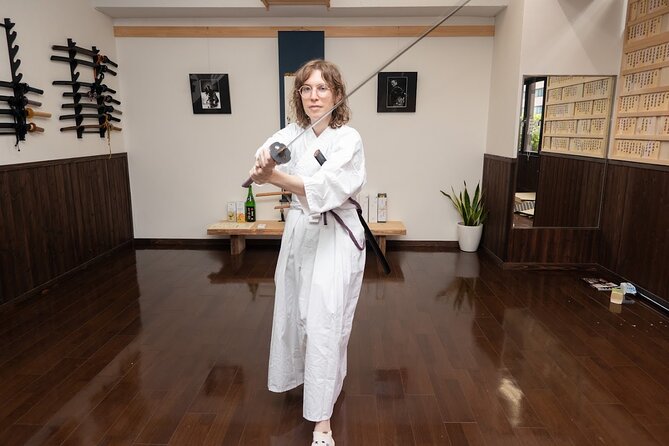
This is a great fit if you like Japan with structure. You’ll probably enjoy it if you’re the type of person who appreciates rules, form, and respect in how something is taught.
I’d especially recommend it to:
- Beginners who want guided instruction and corrections
- People who are tired of “sword shows” and want etiquette and mindset
- Visitors who enjoy observing a master closely before doing the movement
You might not love it if you’re expecting a high-energy fight reenactment. The training emphasizes restraint and courtesy, and your actions follow the master’s guidance rather than your instincts.
The physical side is described as moderate fitness. That usually means you should be able to stand, move, and follow instruction for about 90 minutes. It doesn’t sound like extreme athletics, but you should plan to be present with your body, not just your camera.
Logistics in Tokyo: where you meet and how not to miss it
This starts at 9:00 am and ends back at the meeting point. That “back where you started” detail is comforting when you’re traveling in Tokyo and want a clean schedule.
Your meeting point is:
Kuramae Station, 2-chōme-3-1 Kuramae, Taito City, Tokyo 111-0051, Japan
It’s also near public transportation, so you won’t need a taxi plan. Still, arrive a few minutes early. Dojo experiences move to the rhythm of the master and the group, and running late just stresses everyone.
You’ll use a mobile ticket, which keeps things easy on your phone. Also, confirmation is received within 48 hours of booking, subject to availability.
One practical tip: wear comfortable clothing under your robe setup. You’ll want to be able to move safely as you change and practice the sword motions.
Safety and mindset: why this feels disciplined, not chaotic
The biggest theme running through this experience is that the sword isn’t treated like a toy. The lesson begins with etiquette, and that sets expectations instantly. You’re shown that decisions—especially violent ones—aren’t made lightly.
As you practice, you’ll feel how the instruction steers you away from aggression and toward control. That’s the psychological shift. You stop thinking about “winning” and start thinking about correct form and timing.
That’s also why watching the master’s solo demonstration is so useful. Skilled movement reads as calm. You learn that a strong samurai wasn’t just brave; they were capable enough that people didn’t want trouble in the first place.
If you’re the kind of person who likes learning how culture expresses values through training, this is one of those activities that actually teaches something you can carry home.
Should you book this Samurai experience in Tokyo?
Book it if you want more than sword photos. This is a values-first Iaido lesson with etiquette, bushido fundamentals, and close-up instruction from a master. The small group size and the optional real-sword tatami cut make it feel like a serious, personal training session rather than a tourist performance.
Skip it only if you’re chasing a loud spectacle or you don’t want to follow detailed instructions. This class asks for attention. But if you bring that, you’ll leave with a different view of samurai—one where discipline and restraint matter as much as the blade.
If you’re deciding between this and a generic “samurai show,” I’d choose this. It’s built to help you understand the art and the meaning, not just watch movement.
FAQ
Where does the experience start in Tokyo?
It starts at Kuramae Station, 2-chōme-3-1 Kuramae, Taito City, Tokyo 111-0051, Japan.
What time does it begin?
The start time is 9:00 am.
How long is the experience?
It runs for about 1 hour 30 minutes.
Is this a small-group class?
Yes. It has a maximum of 10 travelers.
Do I need a waiver?
A waiver is required for the real sword option (rolled tatami mat cut).
Who can participate in the real-sword tatami cut?
You need to be 18 or older on the date of your experience to do the real sword option.
What’s the minimum age if I skip the real sword option?
If you don’t choose the real sword option, the minimum age is 5.
What kind of ticket do I use?
You’ll receive a mobile ticket.
What is the cancellation/refund policy?
You can cancel for free up to 24 hours before the start time for a full refund.