REVIEW · TOKYO
Official Japan Go-Kart Tokyo Skytree/Akihabara (IDP Required)
Book on Viator →Operated by JAPANKART · Bookable on Viator
Skytree and Akihabara at kart speed. This is a Tokyo go-kart ride that helps you see a stacked list of neighborhoods in a short window, with a guide on hand for the culture context and a planned route that hits major photo stops.
You get a small group (max 10) and a short, efficient total time (about 1 hour 30 minutes), which makes it realistic even if your Tokyo days are packed.
The main catch is the International Driving Permit (IDP) rule, plus strict document checks and clothing requirements—if you miss that step, you could be turned away.
In This Review
- Key things that make this go-kart tour worth your time
- Tokyo Go-Kart With Skytree and Akihabara: What You’re Really Buying
- Price and Duration: Why $65.69 Can Make Sense in Tokyo
- Meeting Point at Azumabashi: How to Show Up Without Stress
- International Driving Permit Rules: The Most Important Part of This Tour
- What Happens When You Arrive: Setup, Video, and Getting Your Kart
- Kaminarimon (Sensō-ji) at Go-Kart Speed: Why This Stop Works
- Ameyoko Market in Ueno: Shopping Streets You Can Actually Feel
- Ueno Park: Culture Anchors Between Stops
- Akihabara: Neon, Tech, and Otaku-World Energy
- Kappabashi Kitchen Town: For Food Nerds and Tool Lovers
- Tokyo Skytree: Panoramic Payoff and a Clear View Goal
- Guide Support and Local Context: Why This Tour Feels Easier
- Weather, Clothing, and Safety Reality Check
- Who This Go-Kart Tour Fits Best
- Should You Book JapanKart for Skytree and Akihabara?
- FAQ
- What driving documents do I need to participate?
- Where do I meet the guide and when should I arrive?
- How long is the tour and how much of it is actual riding?
- Is the tour canceled for bad weather?
- What’s included in the price?
- What should I wear or avoid?
Key things that make this go-kart tour worth your time
- Small group cap of 10 for a less chaotic experience and more direct guide attention
- English & Japanese speaking guide plus an instructional video before you drive
- A route built for highlights: Asakusa (Kaminarimon), Ueno (Ameyoko/Ueno Park), Akihabara, Kappabashi, then Tokyo Skytree
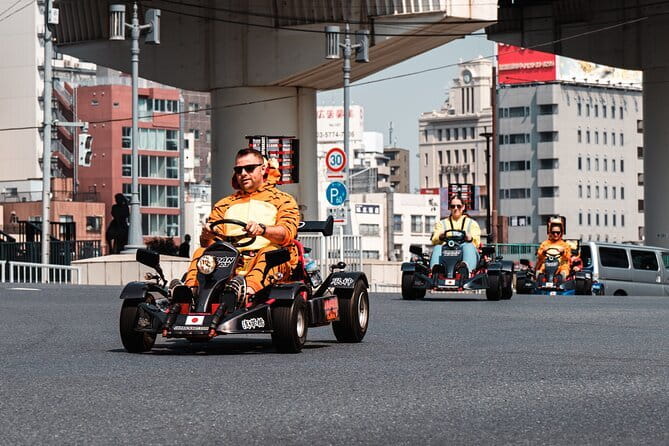
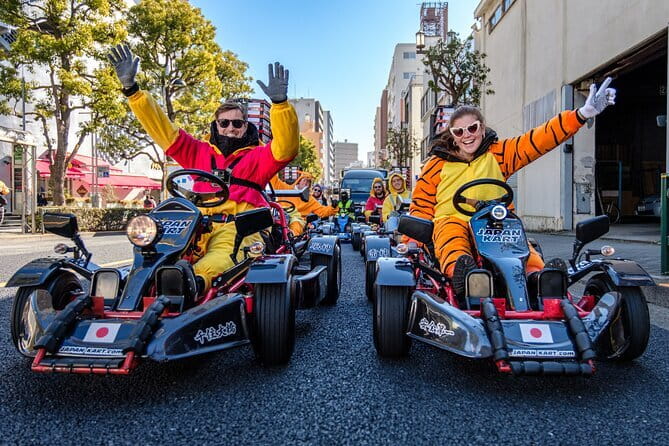
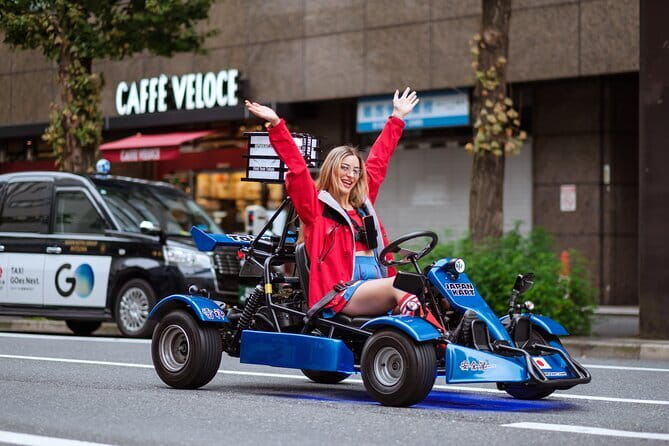
- Go-karts + outfit/costume vibe during the setup, so you’re not just riding—you’re also turning it into a Tokyo moment
- Mobile ticket for easier check-in, if you’re already using your phone for plans
Tokyo Go-Kart With Skytree and Akihabara: What You’re Really Buying
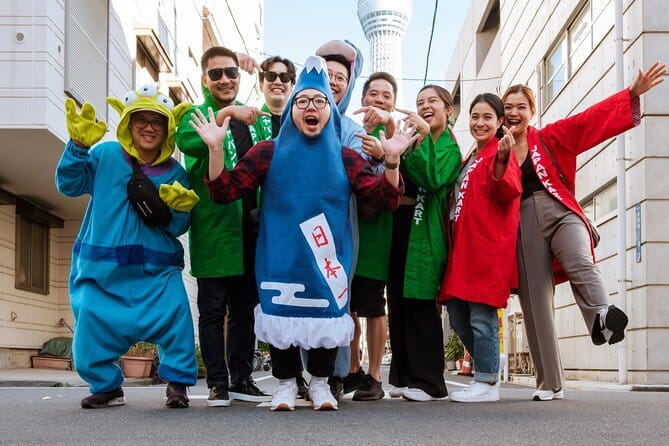
You’re not paying for a long sightseeing day. You’re paying for speed—literal speed in a go-kart—and a route that strings together Tokyo’s most recognizable areas with minimal backtracking. The ride portion is described as about one hour, while the total experience runs about 1 hour 30 minutes, which usually means time for check-in, safety instruction, and getting sorted before you go.
This is also one of those tours where the value comes from the math of Tokyo logistics. When you’re trying to fit Asakusa, Ueno, Akihabara, and Skytree into one itinerary, walking alone starts to eat your day. The kart route turns those hops into one continuous loop, with a guide to help you understand what you’re seeing along the way.
One more thing I like: it’s set up for people who want a little thrill without needing to be a pro driver. You’ll watch a short instruction video, get your vehicle details, and head out with a group size that stays manageable.
You can also read our reviews of more tours and experiences in Tokyo.



Price and Duration: Why $65.69 Can Make Sense in Tokyo
At $65.69 per person, this sits in the category of “paid experiences” that can either feel steep or feel fair, depending on what’s included. Here, the key is that the go-kart and the guide are included, so you’re not paying extra for the vehicle or a guided route.
The duration also matters. A 1 hour 30 minutes total experience is long enough to feel like an event, but short enough to still leave energy for markets, museums, or dinner after. If your Tokyo schedule is tight, this timing is a big part of why it gets recommended.
Dinner isn’t included, so plan to eat separately. But that’s normal for a ride tour—you’ll get your excitement first, then you’re free to choose your meal afterward.
Meeting Point at Azumabashi: How to Show Up Without Stress
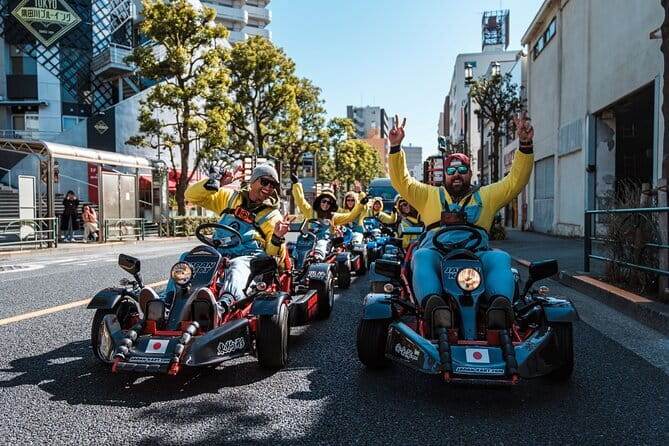
Your starting point is JapanKart at 2-chōme-18-15 Azumabashi, Sumida City, Tokyo 130-0001. The tour ends back at the same meeting point, so you’re not trying to figure out a final destination when you’re already tired.
Timing tip: arrive 15 minutes before your booking. They’ll wait a maximum of 10 minutes after the reserved time. Tokyo can be fast and confusing—especially if you’re navigating transit right before a scheduled drive—so give yourself breathing room.
Also, watch the instructional video sent with your confirmation email. It’s there for a reason: the smoother your prep, the faster you’ll get into the fun part.
International Driving Permit Rules: The Most Important Part of This Tour
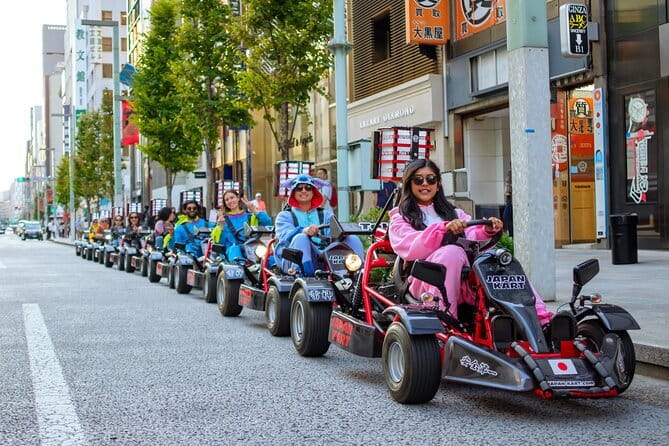
This tour has a hard requirement: you must be able to drive in Japan legally. The experience specifically states you must have an International Driving Permit in the format of the 1949 Geneva Convention, plus a valid driving license from your home country and your passport.
A few details here are worth treating like non-negotiables:
- The IDP must be in booklet form, not paper/A4.
- Vienna Convention 1968 IDPs are not accepted in Japan for this activity.
- IDPs must be issued by approved organizations (examples given include AAA/AATA for the USA, AA/RAC for the UK, and CAA for Canada).
- If your license is from Switzerland, Germany, France, Taiwan, Belgium, or Monaco, you’ll need a Japanese translation via JAF (Japan Automobile Federation), using the online application, plus your own driving license.
If you’re unsure, contact them before your trip. The rules also say it’s your responsibility to bring valid documents, and if you don’t, you can be denied participation without a refund. That’s the single biggest way people get burned by driving tours.
One more practical safety note: alcohol consumption before the tour is prohibited. The goal is clear riding, clear thinking, and a smooth check-in.
What Happens When You Arrive: Setup, Video, and Getting Your Kart
You’ll start with check-in, waivers, and then the practical part: getting you into the right setup. The experience includes an English and Japanese speaking guide, and you’ll also use a short instructional video to learn how to operate safely.
From the on-the-ground experience described in prior bookings, the flow typically includes:
- signing the waiver
- choosing outfits/costumes
- a short video explanation
- getting placed on the lead kart or following karts, depending on your group order
That costume option is part of the fun factor. It also changes how your photos come out: you’re not just taking pictures of landmarks—you’re part of the scene.
Once you’re briefed, you’ll head out as a group and ride through your planned highlights. Expect the guide to keep the pace and help you understand what you’re looking at as you pass key areas.





Kaminarimon (Sensō-ji) at Go-Kart Speed: Why This Stop Works
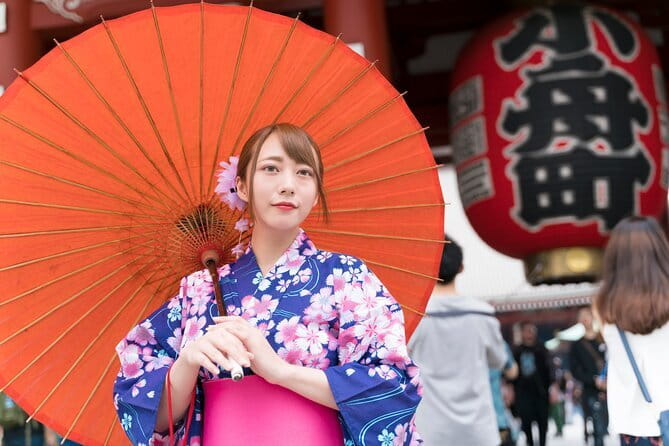
Your first major landmark stop is Kaminarimon in Asakusa, the Thunder Gate entrance to Sensō-ji. It’s famous for the large red lantern and for the statues of Fujin (god of wind) and Raijin (god of thunder).
Why it’s a good first target: Asakusa sets a Tokyo baseline. You’re stepping into one of the city’s most instantly recognizable temple-adjacent areas, and seeing it from the street gives you that “I’m in Tokyo now” feeling fast. With a kart, you’re also not pacing your visit like a museum—you’re getting a quick hit of a big icon and moving on.
One consideration: temple-area streets can be busy. You’re riding in a group, so your experience depends on timing and crowd levels. The guide’s job is to manage the pace so you still get to see what matters.
Ameyoko Market in Ueno: Shopping Streets You Can Actually Feel
Next is Ameyoko (short for Ameya Yokocho), a lively street market in the Ueno area. The name comes from a story tied to goods associated with America, and the street has evolved into a go-to place for shopping energy.
On a go-kart, you don’t slow down enough to browse every stall. But that’s not the point. The point is to experience the vibe—colors, signage, and the feeling of a street built for everyday locals and visitors moving in both directions.
If you love markets but don’t want to spend hours just looking for the right entrance, this stop helps you sample the feeling quickly. Then you can return later by foot if something catches your eye.
Ueno Park: Culture Anchors Between Stops
You’ll also pass through Ueno Park, known for major cultural spots like the Tokyo National Museum and the Ueno Zoo, plus famous cherry blossom scenery in spring.
Why this stop matters on this route: parks are the reset button. After busy commercial streets, you get a visual break—open space, big landmarks, and a calmer sense of Tokyo’s rhythm. Even if you’re not going into any museums here, you’re getting a sense of where the city keeps its cultural anchors.
A practical note: parks can be seasonal. If you’re not in cherry blossom season, you’ll still see the open layout and institutional buildings, but the “wow” factor may depend on the time of year and light.
Akihabara: Neon, Tech, and Otaku-World Energy
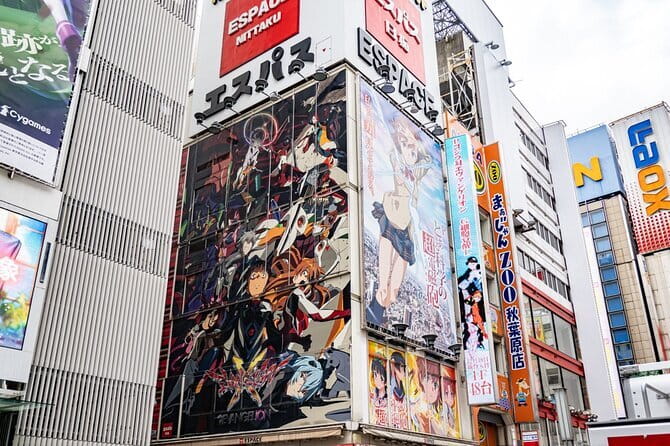
Then it’s Akihabara, also called Akiba—the city’s hub for otaku culture and cutting-edge tech. Think neon-lit streets, stacked electronics stores, and shops centered on anime and manga culture (plus the quirky details that Tokyo does well).
This is where the go-kart format really shows its strength. Akihabara is a visual overload area. Walking can work, but it can also slow you down as you stop repeatedly. On a kart, you get a fast sweep through the strongest signals of the district, and you can take your own quick photos without committing to a full browsing session right there.
If you’re the kind of person who wants Tokyo’s “wow, that’s different” neighborhoods on your first day without burning energy, Akihabara is a highlight stop that delivers.
Kappabashi Kitchen Town: For Food Nerds and Tool Lovers
Your route includes Kappabashi, Tokyo’s Kitchen Town area. This is the street for knives, cookware, and professional kitchen tools, plus things like intricate plastic food models.
Even if you don’t plan to buy anything, it’s a fun stop because it tells you something practical about Japanese everyday life: food culture isn’t separate from the tools—it’s built into them. Seeing the storefronts and shelves from the street gives you ideas for what to hunt for if you come back later with shopping time.
The drawback? If you’re expecting a sit-down guided “food tour,” this stop is more about passing through a concentrated shopping zone than doing a deep dive. If you love browsing tools, you might wish you had extra time after the ride.
Tokyo Skytree: Panoramic Payoff and a Clear View Goal
Your final big landmark is Tokyo Skytree, towering at 634 meters, Japan’s tallest structure. Observation decks offer panoramic views of Tokyo and, on clear days, a chance to see Mount Fuji.
This is a smart end point. After you’ve zipped through Asakusa, Ueno, Akihabara, and Kappabashi, Skytree feels like the grand finale—an instant, iconic “yes, I really came to Tokyo” finish. Even if you don’t go into the tower during your ride, you’ll still get the sense of scale that makes Skytree special.
One practical consideration: observation deck visibility depends on weather. Since this experience is weather dependent, you’ll want to check local conditions and be flexible with your expectations.
Guide Support and Local Context: Why This Tour Feels Easier
A go-kart tour can be fun on its own. But what makes this one more useful is the presence of an English & Japanese speaking guide who adds context about local life and culture as you move past major spots.
In practice, that means you’re not just scanning for photos. You’re also picking up the meanings behind places like Kaminarimon and the street market origins around Ameyoko. That extra layer helps you remember the trip, not just the pictures.
It also helps with driving confidence. The guide supports your safety and pacing, and the video plus staff setup reduces guesswork before you roll.
Weather, Clothing, and Safety Reality Check
This experience requires good weather. The details say it can be canceled due to poor weather, and you’ll be offered a different date or a full refund. Tokyo weather moves fast, so if you’re booking near rainy days, I’d plan with backup options in mind.
Clothing rules are also strict:
- avoid long skirts
- avoid high heel shoes
- avoid sandals
That’s about safe footwear and leg control while driving. If you show up in anything questionable, you risk slowing down your check-in or getting turned away from driving.
And remember: alcohol before the tour is prohibited. It’s a driving activity, so treat it like one.
Who This Go-Kart Tour Fits Best
This tour is a strong match if:
- you want maximum Tokyo highlights with minimal time
- you’re comfortable driving a kart and following instruction
- you already have the correct IDP + license + passport setup
- you want a fun, photo-friendly activity that still feels guided
It’s not the right match if:
- you don’t have valid driving documents and can’t get them sorted before you travel
- you dislike speed and traffic-street driving, even with a guide and a group cap
Should You Book JapanKart for Skytree and Akihabara?
If you’re short on time and you want a single activity that checks off Asakusa, Ueno, Akihabara, Kitchen Town, and Skytree, this is a smart way to do it. The price isn’t just for a kart—it’s for the route design, the guide support, and the efficient timing.
My main advice is simple: don’t book until your driving documents are truly ready. The IDP format matters here, and the experience is clear that missing documents can mean denied participation.
If you meet that requirement, you’ll likely find this is one of those Tokyo activities that’s both practical and genuinely memorable—fast, structured, and focused on seeing the city in motion.
FAQ
What driving documents do I need to participate?
You must have an International Driving Permit in the format of the 1949 Geneva Convention, plus your original driving license and passport. The tour also lists exceptions for licenses from Switzerland, Germany, France, Taiwan, Belgium, or Monaco, where you need a Japanese translation through JAF.
Where do I meet the guide and when should I arrive?
The meeting point is JapanKart at JapanKart2-chōme-18-15 Azumabashi, Sumida City, Tokyo 130-0001. Arrive 15 minutes before your booking time, and they can wait a maximum of 10 minutes after the reserved time.
How long is the tour and how much of it is actual riding?
The activity is listed at about 1 hour 30 minutes total. It’s also described as a shorter one-hour tour, which suggests you’ll spend a portion of that time on setup and instruction before you start riding.
Is the tour canceled for bad weather?
Yes, it requires good weather. If it’s canceled due to poor weather, you’ll be offered a different date or a full refund.
What’s included in the price?
The price includes the go-kart and an English & Japanese speaking guide. Dinner is not included.
What should I wear or avoid?
You should not wear long skirts, high heels, or sandals. The rules are specifically about what you wear, so plan comfortable closed-toe footwear and clothing that lets you drive safely.