Fuji in a single day beats the wait. A private Mt. Fuji day trip is a smart way to see multiple famous viewpoints without wrestling trains and transfers. You get a set pace, clear stops, and a driver who handles the driving so you can focus on the photos and the views.
What I like most is the pickup/drop-off convenience from your accommodation in Tokyo. I also love that the day is run with an English-speaking driver (Dev), so you’re not left guessing what to do at each spot.
One consideration: the tour price is for the private vehicle and stops, but lunch and several entrance/ride fees are not included, so you’ll want to budget extra for those.
In This Review
- Key things to know before you go
- Private Tokyo-to-Fuji pacing: what makes this day feel easy
- Price and value: how this trip stacks up for a small group
- Fuji 5th Station: the big viewpoint stop and what to pay for
- Oshino Hakkai ponds: the slower, hands-on part of the day
- Arakurayama Sengen Park: shrines, pagodas, and a postcard-style view
- Lake Yamanaka: one of the Fuji Five Lakes, built for wide views
- Hananomiyako Flower Park by Yamanakako: seasonal colors, close-to-the-water setting
- Narusawa Ice Cave: a real geological story you can feel
- Optional Oishi Park and Gotemba Outlets: choose your flavor
- What’s included (and what’s not): the money side of the day
- The best kind of group for this day trip
- Should you book this Mt. Fuji private day trip?
- FAQ
- How long is the Mt. Fuji private day trip from Tokyo?
- What time does the tour start, and where does it end?
- Is pickup from my Tokyo accommodation included?
- What’s included in the price?
- Is lunch included?
- Are entrance fees included for the stops?
- How big is the group?
- Can I cancel for a full refund?
Key things to know before you go
- Private group size (up to 5): Easier conversations, fewer delays, and a more flexible feel than big buses.
- English-speaking driver Dev: Helpful, direct guidance to keep the day running on time.
- 10-hour plan with frequent viewpoints: Fuji 5th Station, Oshino Hakkai, parks by the lakes, and an ice cave.
- Some stops are free, some are not: Oshino Hakkai and Lake Yamanaka are free, but other key stops may require paid tickets.
- On-board WiFi plus bottled water: Small comfort upgrades that matter on a long day.
- Optional adds for scenery and shopping: Oishi Park for views and Gotemba Premium Outlets for brand-name retail.
Private Tokyo-to-Fuji pacing: what makes this day feel easy
This is a 10-hour day with pickup and drop-off back at your meeting point in Tokyo, starting at 8:00 am. That early start helps you fit a lot into one day while keeping the schedule realistic. It’s also private in the sense that you’re in an air-conditioned vehicle with up to 6 people total, so you’re not competing for space at each stop.
You’ll also get practical in-car perks: WiFi on board and bottled water. On a day that includes multiple photo stops and at least one paid attraction, those little comforts can make the whole thing feel calmer.
And you’ll likely appreciate the human touch. The driver, Dev, is mentioned for being great at guiding the plan, keeping it organized, and explaining the flow clearly. That’s a big deal on a first trip to Fuji, because some stops can be confusing if you’re trying to read signs and figure out timing on your own.
You can also read our reviews of more private tours in Tokyo

Price and value: how this trip stacks up for a small group
The price is $652.15 per group (up to 5), and the operator notes it’s often booked around 35 days in advance. That matters if you want a specific day, since Mt. Fuji trips are popular and the best slots can go fast.
Here’s the value math I’d use when deciding: you’re paying for (1) a private vehicle for roughly 10 hours, (2) pickup and drop-off, and (3) an English-speaking driver who helps the day run smoothly. If you’re traveling with 3–5 people, the per-person cost usually starts to feel more reasonable compared to separate taxis or joining a bigger tour where you spend more time waiting.
But be honest about the add-ons. The tour does not include lunch and it also doesn’t provide cruise or rope way tickets or admission tickets fee (and some stops are explicitly marked as not included). That means your final spending for the day depends on what you choose to pay on-site and whether you add the optional stops.
Fuji 5th Station: the big viewpoint stop and what to pay for
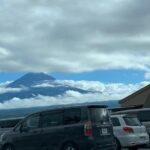
The day kicks off at Mt. Fuji 5th Station, your first real hit of famous Fuji scenery. The experience here is all about being at a higher vantage point and taking in panoramic views of the surrounding valleys and peaks. This is the stop that gives many people their clearest “I’m really seeing Mt. Fuji” moment.
Time-wise, you’ll have about 1 hour here. That’s enough to walk around, grab photos, and take in the atmosphere without feeling rushed.
The catch: admission tickets are not included for this stop. So factor in that you may need to buy your ticket on arrival. It’s a common pattern on Fuji days—some of the most popular viewpoints cost extra, and the base tour price covers the transportation and guidance, not the site fees.
Oshino Hakkai ponds: the slower, hands-on part of the day
After the first major viewpoint, you head to Oshino Hakkai, a small area known for eight ponds fed by fresh water connected to Mt. Fuji. This is a very different vibe from the 5th Station. Instead of height and big views, you get calm water and a more village-like feel.
You’ll have about 1 hour, and admission here is free. That makes it a nice break in the day: you can stroll, look at how the ponds are arranged, and browse local food and souvenir vendors at your own pace.
If you want a practical strategy, this is the stop where I’d take your time to reset. Use the extra walking as a breather before the next parks and viewpoints.
Arakurayama Sengen Park: shrines, pagodas, and a postcard-style view
Next comes Arakurayama Sengen Park, where the point is more than just scenery. The park is known for shrines and pagodas, and the star attraction is the Mount Fuji Observation Deck halfway up the mountain. This is the kind of place that shows up on Japanese brochures and postcards, and it earns that reputation with its classic framing.
You’ll get about 1 hour here. It’s a good length: you can take a few photos, check out the religious structures, and still have time to move on without the day turning into one endless walk.
One consideration: admission is not included at this stop. That means you should be ready for a ticket purchase and plan around it. If you’re the type who hates surprise costs, mentally tag this stop as one where you’ll likely pay something extra.
You can also read our reviews of more tours and experiences in Tokyo





Lake Yamanaka: one of the Fuji Five Lakes, built for wide views
Then you’ll go to Lake Yamanaka, one of the Fuji Five Lakes. What makes it stand out is simple but useful: it’s the largest by surface area and also the highest in elevation among the group. That gives it a different feel than the other lakes you might see on a DIY day.
You’ll have 1 hour, and admission is free. This stop is a solid payoff after the shrine-and-deck scenery. It’s more open, more view-focused, and you can slow down while keeping your eyes on Fuji’s shape in the background.
Since it’s free, I treat it as a “take what you need” stop. If you want photos, this is where you grab them. If you want a calmer pause, you can also do that without feeling like you’re losing time to ticket lines.
Hananomiyako Flower Park by Yamanakako: seasonal colors, close-to-the-water setting
After Lake Yamanaka, the schedule continues to Yamanakako Hananomiyako Park (Flower Park). This is centered on seasonal flowers along the bank of Lake Yamanakako, and it’s described as dramatic because the park sits near the water with Fuji in view.
You’ll get 1 hour here. Admission is not included, so again, expect some on-site cost.
One detail you should note: the park is referenced as being around 1,000 meters above sea level. That’s useful context if you’re curious why the air might feel different or why the views look a certain way. It also makes the timing and comfort matters even more—plan on wearing comfortable clothes for being outdoors and moving around.
Narusawa Ice Cave: a real geological story you can feel
Now for something very physical and different: Narusawa Ice Cave. The ice cave is explained as being formed after Mt. Nagao erupted in 864, when lava hollowed out an underground cave. The description also notes that temperatures drop steadily as you go further down.
You’ll have about 50 minutes here. That’s a good chunk for a cave visit because you’re not only looking at entrances and signage—you’re walking through the space and taking in the temperature change.
Admission is not included for the ice cave. If you’re trying to plan your day budget, this is one of the most likely paid attractions besides the Fuji viewing areas. It’s also one of the easiest stops to justify if you like experiences that are more than just photos.
Optional Oishi Park and Gotemba Outlets: choose your flavor
The plan includes two optional adds, each 30 minutes and both listed as free.
Oishi Park focuses on panoramic views of lavender fields by Lake Kawaguchi, with Mt. Fuji as the backdrop. If the day starts to feel like a string of viewpoints, this one can feel like a more relaxed, open-air photo session. It’s also the kind of stop that tends to work well if you like scenic, color-focused pictures.
Gotemba Premium Outlets is for a totally different mood: shopping. It’s described as Japan’s most popular outlet mall, with 210 stores. This is the “we’ve seen enough Fuji” move—or the “I want a treat before heading back to Tokyo” move. Since the tour does not include food, you could also use this time to eat on your own if you’re hungry and want variety.
A practical way to decide: if you care more about scenery, pick Oishi Park. If you care more about shopping and gifts, pick Gotemba. If you’re unsure, choose based on what you’re most likely to actually do back in Tokyo.
What’s included (and what’s not): the money side of the day
The included items are straightforward:
- Air-conditioned vehicle
- WiFi on board
- Bottled water
- Pickup offered and drop-off back at your meeting point
- Mobile ticket
What’s not included is where you should plan ahead:
- Lunch (the company won’t provide food or drinks)
- Cruise and rope way tickets
- Admission tickets fees (with multiple stops specifically marked not included)
So if you want the smoothest day, I’d treat this like a self-managed lunch day. Bring a snack, or plan to buy food near the stops where you’re allowed. The last thing you want is to realize you’re hungry right when you’re at the most crowded viewpoint.
The best kind of group for this day trip
This trip fits best if you want a structured private day rather than figuring it out yourself. It’s also ideal for groups that include people who don’t want to spend time navigating transit—your driver handles the route.
Because it’s limited to a small group (up to 6 people), it also works well for families or friend groups who want to talk, compare photo spots, and avoid delays caused by large tour buses.
If you’re the solo type, the price is still a better deal when you can share the group cost. But even solo, a private vehicle can reduce the stress of a very popular area.
Should you book this Mt. Fuji private day trip?
If your goal is a one-day Mt. Fuji hit with less hassle, I’d book this. The biggest reasons are practical: pickup/drop-off, an English-speaking driver (Dev) who keeps the day moving, and a route that stacks major stops like Fuji 5th Station, Oshino Hakkai, parks by Fuji Five Lakes, and Narusawa Ice Cave.
I would hesitate only if your budget can’t handle extra on-site costs. Since admission tickets and lunch are not included, you’ll pay more than the headline price once you add the paid stops.
One more nudge: since it’s commonly booked about 35 days in advance, if you’re traveling during a busy period, locking in your date early can make the difference between getting your preferred day and scrambling for alternatives.
If you like your Japan days organized, guided, and worth the money without turning into a logistical project, this is a strong pick.
FAQ
How long is the Mt. Fuji private day trip from Tokyo?
It runs for about 10 hours.
What time does the tour start, and where does it end?
It starts at 8:00 am in Tokyo and ends back at the meeting point.
Is pickup from my Tokyo accommodation included?
Pickup is offered, and the tour includes pickup and drop-off back to the meeting point.
What’s included in the price?
You get an air-conditioned vehicle, WiFi on board, and bottled water, plus a mobile ticket.
Is lunch included?
No. Lunch and any food or drinks are not provided.
Are entrance fees included for the stops?
Not all of them. The tour does not include admission tickets, and several stops are specifically marked as not included, though some stops are free.
How big is the group?
This activity has a maximum of 6 people.
Can I cancel for a full refund?
Yes. You can cancel up to 24 hours in advance for a full refund.