REVIEW · TOKYO
Mount Fuji Day Tour:Lake Kawaguchi, HealingVillage,Oshino Hakkai
Book on Viator →Operated by Hotel Takitei · Bookable on Viator
Fuji views without the rental car stress. You get a smooth, one-day loop around Mount Fuji highlights with a guide and driver handling the hard parts. I especially like the mix of photo-ready viewpoints and real, everyday Japanese countryside stops, plus the calm pacing that helps you enjoy the scenery instead of wrestling trains.
What I like most: you’ll hit three classic Fuji photo areas around Lake Kawaguchi and also make time for Oshino Hakkai’s iconic spring-fed ponds. I also like that the tour is capped at 40 people, so it feels manageable even during peak season.
One thing to watch: Mount Fuji visibility isn’t guaranteed, and traffic or crowding can shift timing—especially on weekends, sakura season, and holidays. Bring patience, and keep your expectations flexible for what the mountain gives you that day.
In This Review
- Key points to know before you go
- A one-day Mount Fuji escape that feels low-effort
- Getting picked up from Tokyo (and what can affect timing)
- Stop 1: Arakurayama Sengen Park for classic Fuji framing
- Stop 2: Oshino Hakkai for the ponds fed by Fuji’s meltwater
- Stop 3: Lake Kawaguchi’s Oishi Park and seasonal color
- Stop 4: Saiko Iyashi no Sato Nemba for a quieter, traditional village feel
- What the tour includes (and what you’ll need to pay for yourself)
- Photo strategy for Fuji: how to get the most from imperfect weather
- Comfort and logistics: why this tour is easier than DIY
- Weather, crowds, and route tweaks: how to stay flexible
- The human factor: guide quality and the reality of delays
- Who should book this Mount Fuji day tour
- Should you book? My take on value and fit
- FAQ
- Is food included on the tour?
- Do I need cash during the day?
- What entrance fees are included?
- How long is the tour and how many major stops are there?
- Can I count on seeing Mount Fuji clearly?
- Will the itinerary change during late October to mid-November?
Key points to know before you go
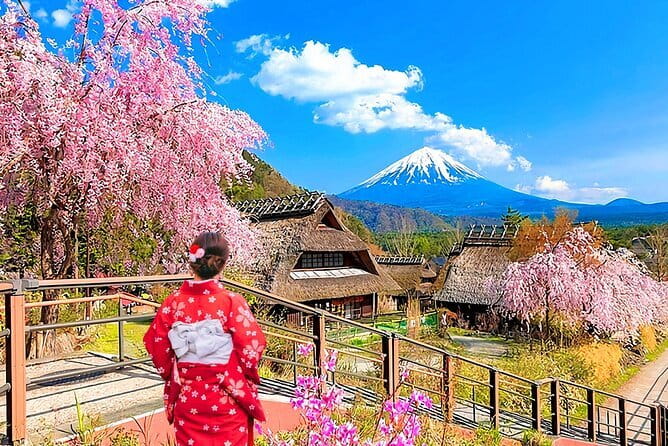
- Four stops, one calm day: Fuji views plus Oshino Hakkai and a traditional thatched-roof village-style experience
- Small-group feel with a maximum of 40 travelers
- Cash helps: some spots and restaurants may only accept cash, and the tour recommends bringing it
- Not all entrances are included: only the Saiko Healing Village Root Field ticket is included
- Seasonal itinerary change: Oct. 26–Nov. 20 may skip Oishi Park due to Maple Corridor timing
- Plan for weather: Fuji visibility can be limited by cloud and fog
A one-day Mount Fuji escape that feels low-effort
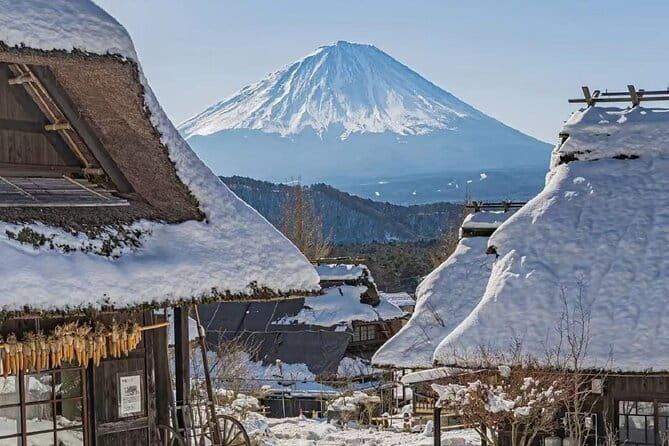
This is a 10-hour full-day trip from Tokyo that trades city noise for crisp mountain air and clear, camera-friendly viewpoints. The big value here is simple: you’re not planning routes, juggling transfers, or driving unfamiliar roads in a crowded region.
The tour uses a professional driver, a multilingual guide, and includes pickup and drop-off at your designated meeting point. You also get a mobile ticket, which keeps things easy when you’re moving through a busy area before you head out.
Group size matters too. With a cap of 40 travelers, you usually get enough organization that the day doesn’t feel chaotic—though, like any popular Fuji outing, some stops can still get busy.
You can also read our reviews of more tours and experiences in Tokyo.



Getting picked up from Tokyo (and what can affect timing)
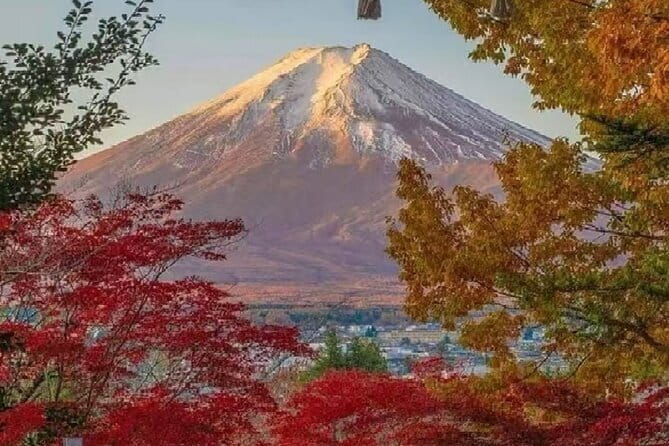
The itinerary is built around avoiding public-transport headaches. You’ll meet at the set location, then spend the day riding in a vehicle with tolls, parking, and fuel handled.
That said, Japan traffic can be real. During weekends, sakura season, and holidays, return times can run late. The operator notes they cover overtime fees for the guide and driver, but the practical takeaway for you is: don’t schedule anything important right after the tour.
Also keep weather in mind. The tour explicitly warns that Mount Fuji visibility cannot be guaranteed, and attraction times may be shortened, adjusted, or canceled if conditions don’t cooperate.
If you want to reduce stress, do two things:
- Keep your day plan flexible when you’re heading back to Tokyo.
- Dress in layers, because mountain weather can change fast.
Stop 1: Arakurayama Sengen Park for classic Fuji framing
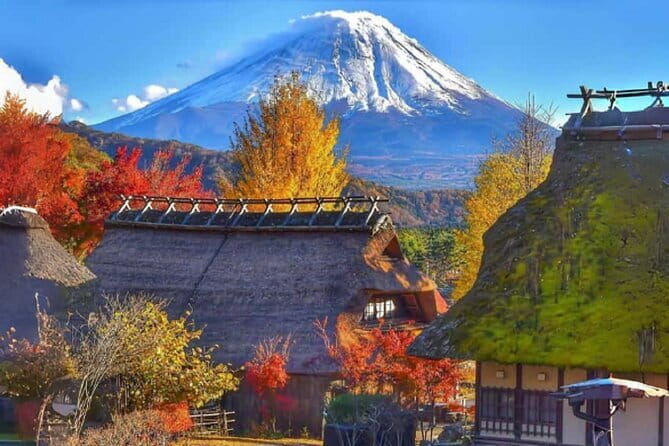
Your first major view stop is Arakurayama Sengen Park, where you’ll get broad views of Mount Fuji and the surrounding area. It’s also known for mixing nature with historic and cultural atmosphere, which helps the stop feel more than just a quick photo point.
Time is set at about 1 hour 10 minutes. That’s usually enough to walk the approach, find a good vantage spot, and still have time to reset before you move on.
What to consider: this is the kind of location that can draw crowds, especially when visibility is good. If the sky looks promising, don’t wait too long to start taking photos.
Stop 2: Oshino Hakkai for the ponds fed by Fuji’s meltwater

Next up is Oshino Hakkai, famous for eight clear ponds fed by Mount Fuji’s snowmelt filtered over decades through volcanic rock. This is the stop where the day shifts from pure scenery into something more grounded and tangible.
You’ll have about 1 hour 10 minutes here, which gives you time to walk through the pond area and take in the mirror-like water effects. It’s also one of those places where “small” details matter—standing at different angles changes the way the ponds reflect the sky and mountain.
A practical note: admission isn’t listed as included for this stop. So budget for small on-site fees, and bring cash just in case.
Stop 3: Lake Kawaguchi’s Oishi Park and seasonal color
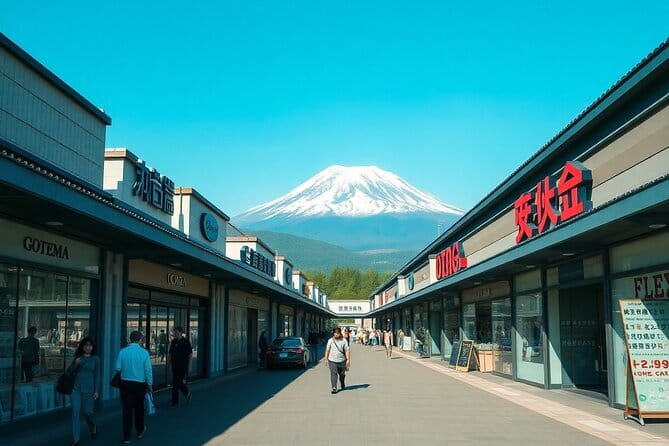
For lake views, the tour heads to Oishi Park on Lake Kawaguchi. This is a classic Fuji-region photo zone because you can line up wide mountain views against changing seasonal scenery.
Timing here is shorter—about 40 minutes—so you’ll want to move efficiently once you arrive. If you catch the right angle with the light, this is where your day starts to look like the postcard you hoped for.
One seasonal detail matters a lot: Kawaguchiko Maple Corridor (Oct. 26–Nov. 20) can cause the tour to skip Oishi Park during that period. If you’re traveling in late October into mid-November, double-check the day’s actual stop list after you get your pre-trip email.
Like the other stops, crowds can be heavy when weather cooperates. If you’re flexible, you can sometimes find quieter corners by walking a bit rather than staying at the busiest viewpoints.





Stop 4: Saiko Iyashi no Sato Nemba for a quieter, traditional village feel
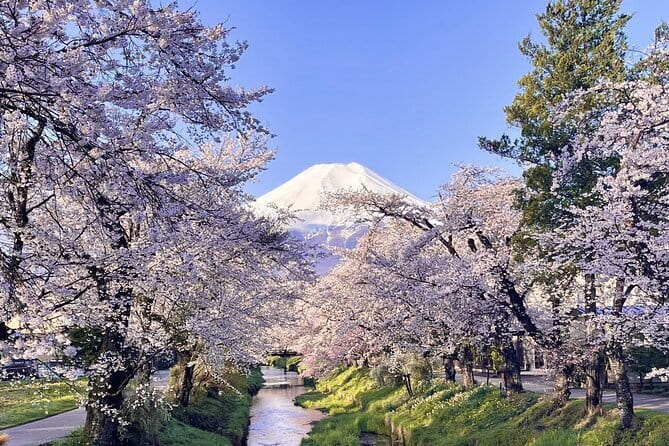
The last stop is Saiko Iyashi no Sato Nemba (West Lake Healing Hometown Root Field). This is the tone shift of the day: instead of chasing the widest views, you step into a traditional, thatched-roof village-style setting.
You’ll have about 1 hour here, and the important ticket detail is this: the tour includes the 500 yen per person ticket for the Root Field. That means you can focus on the experience instead of counting entrance fees mid-trip.
What makes this stop worth your time is balance. After Lake Kawaguchi and Oshino Hakkai, this gives you a slower, more human pace—good for wandering, photos that don’t look like every other Fuji shot, and a sense of regional culture away from the busiest city flow.
What the tour includes (and what you’ll need to pay for yourself)
This trip is good value because so much is handled up front. Included basics:
- Multilingual tour guide
- Professional driver
- Toll charges, parking fees, and fuel costs
- Pickup and drop-off at the designated meeting point
- The 500 yen Root Field ticket (Saiko Healing Village)
Not included:
- Food and drinks
- Admission tickets for Arakurayama Sengen Park, Oshino Hakkai, and Oishi Park (listed as not included)
You should also know: eating is prohibited on the bus. That’s common on tours in Japan, but it matters if you plan to snack during travel. Instead, treat lunch as a separate meal plan and bring only what you’re allowed to have outside the vehicle.
For spending, I’d recommend a two-buffer approach:
- Cash for any entrance fees or small purchases you didn’t expect.
- A separate budget for lunch, since food isn’t included.
Photo strategy for Fuji: how to get the most from imperfect weather
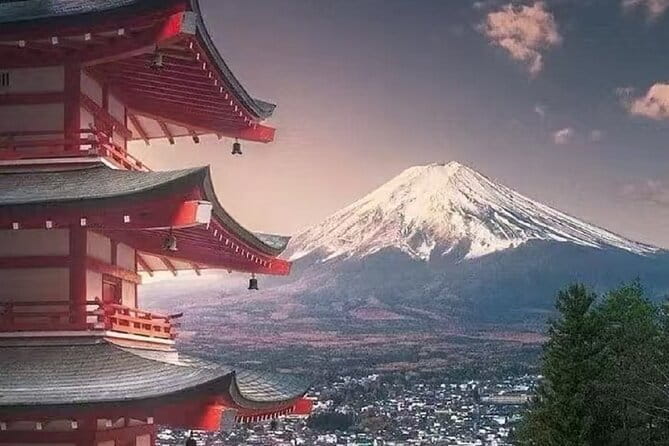
The tour itself is clear-eyed: Fuji visibility depends on conditions, and sometimes the mountain is hidden. Still, you can maximize your odds with a few smart habits.
First, aim to be ready quickly at each viewpoint. When the sky clears, it clears fast—especially around lake areas.
Second, be willing to change your angle. Even when the mountain isn’t perfectly framed, reflections and foreground details can still produce strong photos at places like Oshino Hakkai. And at Lake Kawaguchi, the lake and seasonal scenery help fill the frame when Fuji isn’t fully visible.
Third, dress for temperature swings. When you’re standing still for photos, even a mild day can feel chilly with mountain wind.
Comfort and logistics: why this tour is easier than DIY
If you’re coming from Tokyo, Fuji-area travel can be a puzzle: routes, timing, station transfers, and then the local buses that don’t always match your ideal photo sequence. This tour solves that by doing one long, organized loop.
A few details make it feel practical:
- Mobile ticket keeps check-in simple.
- You’re not responsible for driving.
- You get a guide to help you move efficiently between stops.
And because it’s a group tour, you might share the vehicle with people speaking other languages. That’s normal and doesn’t affect the core experience—just be prepared for a slightly mixed-group vibe.
Weather, crowds, and route tweaks: how to stay flexible
This day trip can run into real-world friction: weather, crowd surges, and seasonal changes.
Here’s what you should expect and plan for:
- Mount Fuji visibility isn’t guaranteed, and the schedule can adjust.
- Some sites can have heavy crowds, particularly during peak seasons.
- Timing can change due to traffic (weekends, sakura, holidays).
- During Oct. 26–Nov. 20, Oishi Park may not be visited because of the Maple Corridor schedule.
So rather than locking in a perfect plan for photography, think of it like this: you’re buying a full-day “Fuji region sampler.” When conditions are great, you’ll get the best version. When they’re not, you’ll still get meaningful countryside sights.
The human factor: guide quality and the reality of delays
I like that the tour is guided, not just transported. A helpful guide can make a big difference in how smoothly you move through a popular area and how quickly you find the right photo spots and walking paths.
One real-world point: delays can happen. The operator has noted that late departures can occur due to Tokyo subway disruptions. That doesn’t mean the day is ruined, but it does mean you should keep a buffer for your overall day.
If you’re the type who hates uncertainty, pick a day earlier in your Tokyo stay rather than your last full day. That gives you room to recover if something runs behind.
Who should book this Mount Fuji day tour
This works especially well if you:
- Want a structured one-day Fuji experience without car or train planning.
- Appreciate a mix of views and cultural stops (Oshino Hakkai plus the traditional village experience).
- Like photography but don’t want to spend your morning figuring out logistics.
It’s also a good fit for first-timers to the Fuji region. You’ll see the main “musts” in a single day and get a feel for how the area works.
If you’re a hardcore DIY traveler who loves slow pacing and flexible stops, you might prefer building your own route—especially if you’re aiming for a very specific photo window. But if your goal is a smooth, stress-reduced day, this is built for you.
Should you book? My take on value and fit
At $46.91 per person for about 10 hours, this tour can be strong value—especially once you factor in the guided transport, tolls/parking/fuel, and the convenience of pickup/drop-off. You’re paying for time and coordination, and that’s often what costs you most if you try to DIY from Tokyo.
I’d book it if you want:
- Low-effort planning
- Classic Fuji-region highlights in one loop
- A calmer countryside pace without rental-car hassle
I’d think twice if:
- You cannot handle schedule changes (traffic or shortened visits).
- You need guaranteed Mount Fuji visibility (no tour can promise that).
- You prefer meals and expenses fully bundled (food isn’t included, and some entrances cost extra).
If you do book, go in with the right mindset: you’re not just buying photos. You’re buying a smooth day away from the city, with a few stops that actually feel like you left Tokyo for a reason.
FAQ
Is food included on the tour?
No. Food and drinks aren’t included, and eating is prohibited on the bus, so plan for lunch separately.
Do I need cash during the day?
It’s recommended to bring some cash because some scenic spots and restaurants in the Mount Fuji area may only accept cash payments.
What entrance fees are included?
The tour includes the 500 yen per person ticket for Saiko Healing Village Root Field. Other stops are listed as having admission not included.
How long is the tour and how many major stops are there?
The tour runs about 10 hours and includes multiple sightseeing stops, including Arakurayama Sengen Park, Oshino Hakkai, Oishi Park, and Saiko Iyashi no Sato Nemba.
Can I count on seeing Mount Fuji clearly?
No. Visibility of Mount Fuji can’t be guaranteed due to unpredictable weather.
Will the itinerary change during late October to mid-November?
Yes. The Kawaguchiko Maple Corridor (Oct. 26–Nov. 20) may affect the route, and the tour may not go to Oishi Park during that period.