REVIEW · TOKYO
Kabukicho, Shinjuku: experiencing Japanese Host Club
Book on GetYourGuide →Operated by No.9 by ACQUA · Bookable on GetYourGuide
Neon lights, flirty smiles, strict rules. In Kabukicho, Shinjuku, I love how the host club night gives you an insider look at Japanese pop-culture flirting, and how multilingual staff support keeps conversations from stalling. The one drawback: the listed $12 mostly covers the reservation and translation, while cover and drinks are separate—so your final bill depends on how much you order.
You choose a 20:00 or 21:30 slot for a one-hour visit, and the experience runs in a private-group format with a friendly English-speaking greeter. You’ll step into a polished venue, sit down with your host(s), chat, and play simple games while ordering from a drinks menu built around Japanese favorites like shochu mixes and highballs.
In This Review
- Key things you should know before you go
- Kabukicho after dark: what you’re really stepping into
- The one-hour flow at 20:00 or 21:30
- Your host, plus translation: how the conversation actually works
- The real value test: drinks, cover charges, and cash budgeting
- Champagne call: the optional spectacle you can choose to watch
- What to expect when the clock starts ticking
- Who this is for, and who should skip it
- Price and logistics: passports, meeting point, and start-time timing
- Making it fun: how to get the most from the hour
- Should you book this Japanese host club night?
- FAQ
- What does the $12 price include?
- What is not included in the price?
- How long is the experience?
- Can I stay longer than one hour?
- What time slots are available?
- What languages are supported?
- Where exactly is the meeting point?
- Do I need a passport?
- Is this experience suitable for everyone?
- Can I cancel, and is there extra cost with credit cards?
Key things you should know before you go
- Kabukicho is the real stage: you’re doing this in Shinjuku’s famous nightlife district, where host clubs are part of the scene
- Language support is built in: English, Chinese, and Korean translation support so you’re not stuck guessing
- Two start times for a one-hour visit: 20:00 or 21:30 keep it easy to plan around dinner and trains
- Drink menu is the heart of the night: shochu mixed drinks, beer, highball, and fruit sours
- Optional champagne call: if you’re curious about the dramatic host-club moment, ask what’s available
Kabukicho after dark: what you’re really stepping into
Kabukicho, Shinjuku is Tokyo’s neon playground, and this host club experience happens in the middle of it. The area itself can feel loud and fast, which is part of the point: host clubs are entertainment built for a night out, not a quiet museum-style culture stop.
Your night starts at the Gofuku Building. The practical detail I like here is the clear meeting-direction: when you reach the building, go down the stairs to B1 and wait in front of the vending machine. That small “where do I stand” instruction matters when Tokyo crowds are doing their own thing.
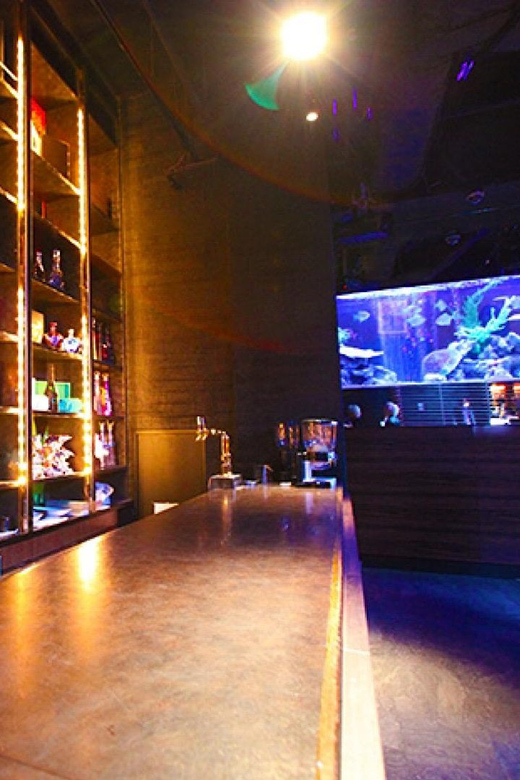
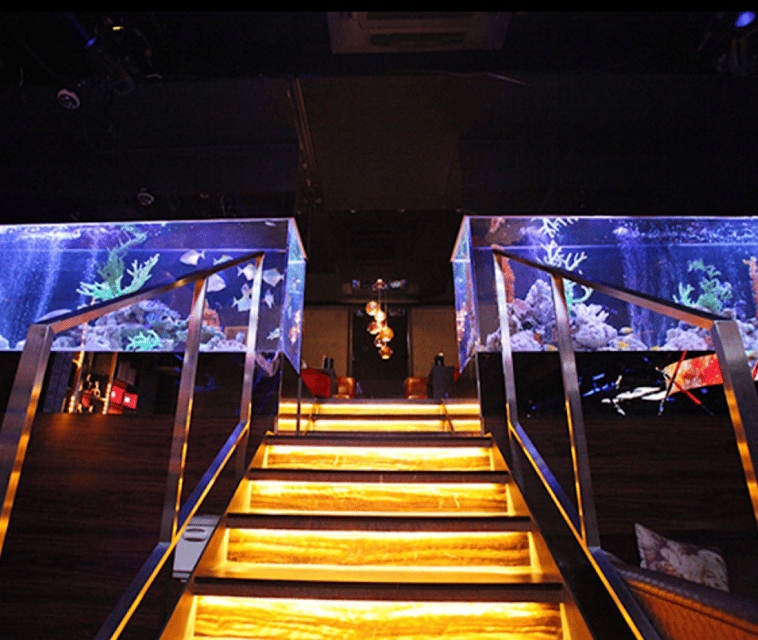
Once inside, expect an opulent, performative vibe. Hosts aren’t there to just talk—they’re there to guide the evening. That means conversation, games, and a steady rhythm where you’re meant to feel attended to. If you go in expecting a simple drink and small talk, you might miss what host clubs are trying to do: create a themed social experience where your time feels like it’s being “managed” (in a good way).
You can also read our reviews of more tours and experiences in Tokyo.



The one-hour flow at 20:00 or 21:30
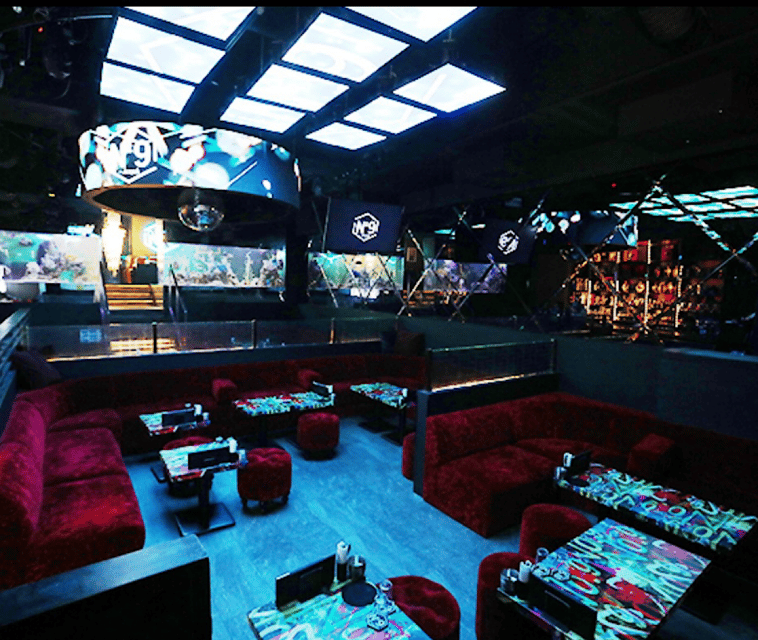
This is scheduled like a tight Tokyo night: you pick 20:00 or 21:30, and you have one hour included. The plan is simple—arrive, get checked in, meet your staff, and spend that hour chatting and playing games with the hosts while you enjoy the drink menu.
What makes this useful is pacing. One hour is long enough to get past the initial awkwardness, but short enough that you don’t feel locked in. And because the club is built around ordering drinks, the host will usually steer the evening toward what’s easy and familiar to do together—conversation starters, games, and small moments that feel like they’re meant for your attention, not a big group show.
There’s also a “stay longer” option. The info says you can stay longer with an additional price, and you can choose either one hour or a free time stay option at the host club. Translation: you can test the waters, or you can turn it into a longer night—but your spending will likely climb as the time stretches.
Your host, plus translation: how the conversation actually works
The biggest “make it or break it” factor for a host club experience is language. If you’re even slightly nervous about your Japanese, you’re in good shape here because the staff provides translation support in English, Mandarin, and Korean.
That doesn’t mean everything will be perfect. But it does mean you can keep up. You’ll be guided through the club world by the English-speaking staff, and you should feel comfortable asking questions, responding, and joining in games without guessing every word.
One name that comes up is Ryuki, noted for translating for the rest of the hosts during the night. The practical takeaway for you: translation isn’t just a passive service. It’s part of how the evening keeps moving and keeps everyone on the same page.
Also, don’t underestimate how much a host club evening can lean on “vibe” and facial expressions. Even if someone’s English level is limited, you’re not abandoned—you’ll still have translation support, and communication can happen through apps and quick help. That’s especially valuable if you want to ask about music, anime, or Tokyo life.
The real value test: drinks, cover charges, and cash budgeting
Let’s talk money honestly, because this is where people get surprised.
Your $12 price is a reservation fee that includes translation service. What’s not included is the cover charge plus drink fee. The info notes that the entry cost is usually around 10,000 yen per person for an hour if you enter before 21:30 (so your cost profile changes depending on your start time).
So what are you paying for?
- You pay a manageable upfront fee for the experience organization and language support.
- You pay the club’s main costs separately through the cover and your drinks.
In other words, you’re not buying a fixed-price meal. You’re buying access to a staffed conversation environment where alcohol is part of the model. That’s why budgeting matters.
Drink choices are clearly listed: you can expect shochu mixed with soft drinks, beer, highball, and fruit sours. This is helpful because you can pick something that feels safe if your Japanese ordering isn’t perfect. If you like simple mixes, start there. If you want to try the local angle, shochu mixes and highballs are usually the easiest entry points.
One budgeting tip that’s worth copying: bring cash. Credit cards exist, but the info says that if you pay by credit card, a 10% tax will be charged. Cash can save you a small headache and help you keep track of spending as you go.
And for a reality check, one example mentioned spending about 22,000 yen for a two-hour visit. Your total could be lower or higher, depending on what you order and whether you add the optional moments like champagne.
Champagne call: the optional spectacle you can choose to watch
There’s an optional add-on here: champagne and a champagne call. You’ll only see that if you and the staff decide it’s worth it during your time slot.
From a value perspective, think of the champagne call as the host-club version of a stage moment. It’s not necessary for the experience to be fun, but it can be the “this is why people talk about host clubs” kind of memory—especially if you like watching how Japanese nightlife performances build drama through timing, chants, and group energy.
If you’re the type who likes to try one outlandish option on a trip—this is one. If you’d rather keep your night focused on conversation and games, you can skip it and stick with the drinks included in your own comfort zone.






What to expect when the clock starts ticking
Host club evenings can feel like they have social “rules,” even if the staff explains everything. Your best move is to stay flexible and treat this like a guided fun night, not a formal interview.
During the one hour, expect a steady flow:
- greeting and seating
- conversation with your host(s)
- light games and interactive bits
- drink ordering and small resets where you choose what’s next
When the language support is working well, you’ll feel like you’re participating, not just observing. When it isn’t, you can still ask simple questions: where they’re from, what they do, what they’re into outside of work, and what TV/anime they enjoy.
Anime shows up naturally in this kind of talk. One example included hosts knowing Naruto, and that kind of shared pop culture can break the ice fast. You don’t need to be an anime superfan. You just need one or two references you’re comfortable discussing.
Who this is for, and who should skip it
This kind of night isn’t for everyone, and that’s okay.
It’s not suitable for:
- People under 20
- Pregnant women
Beyond that, I’d say it’s best for adults who:
- like Japanese pop culture and nightlife
- want a structured, social “how it works” introduction
- are comfortable spending a bit more for the service model
- would enjoy a multilingual conversation environment
You might want to skip it if you hate alcohol-heavy venues, or if you dislike the idea of paying attention to a host as part of the entertainment. Host clubs can feel a little intense if you want a totally detached experience.
Price and logistics: passports, meeting point, and start-time timing
This is a straightforward night in terms of schedule, but the ID details matter.
Bring your passport (copies are not accepted). The info is explicit: passport or ID card is mentioned, but it also clearly says copies aren’t acceptable and passport is required. If you’re using a credit card, remember the 10% tax.
Also plan your arrival with care. Kabukicho is busy, and the meeting point is specific. Meet at the Gofuku Building, then go down to B1 and wait in front of the vending machine. If you show up late, it’s harder for staff to catch you quickly—especially with two start times (20:00 and 21:30).
You can cancel for free up to 24 hours in advance for a full refund, which helps if your schedule shifts.
One final caution: there’s at least one reported issue where a guide didn’t show up and didn’t respond. That’s rare, but it’s still worth doing the sensible things—arrive early, have the provider contact handy, and confirm you’re at the correct meeting spot.
Making it fun: how to get the most from the hour
Host club nights get better when you treat them like a conversation with structure.
My advice:
- Decide your budget before you arrive. Remember: cover and drinks are separate from the reservation fee.
- Pick a drink that you can enjoy without translation stress. Shochu mixes, highballs, and fruit sours are listed, so choose what fits your taste.
- Keep your topics light. Anime, music, Tokyo neighborhoods, and daily life tend to work well.
- If you want extra time, plan for it. One example said the guide helped with catching the last train by setting an alarm and giving directions. That tells you staff can be practical, but you shouldn’t count on a late-night miracle—build a buffer into your plans.
And for first-timers, set expectations: you’re not just seeing a business. You’re stepping into a performance style of social attention that has deep roots in modern Japanese pop culture.
Should you book this Japanese host club night?
If you want a taste of Japanese nightlife that’s more than just walking around, this is a solid option. The strongest points are the multilingual support and the fact that the experience is structured into an easy-to-manage one-hour visit at 20:00 or 21:30. That makes it less stressful than “go in and figure it out.”
I’d recommend booking if:
- you’re 20+ and you’re comfortable with an alcohol-centered setting
- you want conversation and games, not just a look from the outside
- you value having translation so you can actually participate
I’d think twice if:
- you dislike pay-as-you-go nightlife spending
- you’re very tight on budget (because cover + drinks can change the total fast)
- you want a low-pressure, minimal-interaction outing
For many people, the real win is the social attention. For the right traveler, that’s part of the fascination of host clubs in Kabukicho.
FAQ
What does the $12 price include?
The price includes a reservation fee and translation service to English, Mandarin, and Korean.
What is not included in the price?
The cover charge plus drink fee are not included. The info says it is usually around 10,000 yen per person for an hour at the cheapest if you enter before 21:30. Optional champagne and a champagne call are also not included.
How long is the experience?
The included visit is for one hour.
Can I stay longer than one hour?
Yes. The information says you can stay longer with an additional price, and it also notes you can choose either one hour stay or free time stay at the host club.
What time slots are available?
You can choose a preferred time slot of 20:00 or 21:30.
What languages are supported?
Translation support is available in English, Mandarin, and Korean.
Where exactly is the meeting point?
The meeting point is 1600021 Gofuku Building, 2-26-3 Kabukicho, Shinjuku District, Tokyo. When you find the building, go to the stair that goes downstairs, go to B1, and wait in front of the vending machine.
Do I need a passport?
Yes. You are asked to bring your passport and it says copies are not acceptable.
Is this experience suitable for everyone?
No. It is not suitable for pregnant women and people under 20.
Can I cancel, and is there extra cost with credit cards?
You can cancel up to 24 hours in advance for a full refund. Also, if you pay by credit card, the info says a 10% tax will be charged.