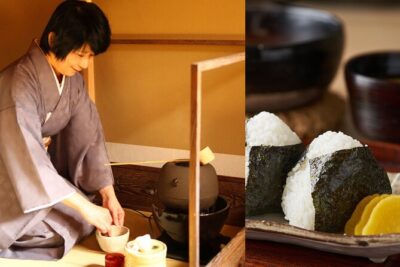
REVIEW · TOKYO
【NEW】Shibuya Tea Ceremony Tokyo-Chaan
Book on GetYourGuide →Operated by The Osaka&Tokyo · Bookable on GetYourGuide
Matcha tastes better when you make it. This Shibuya Tea Ceremony in Tokyo-Chaan is a calm, hands-on matcha lesson led by kimono-wearing Japanese instructors who guide you in clear English. I like that you get both the live otemae demonstration and a chance to mix your own bowl, not just watch. One thing to consider: children under 4 can’t participate.
You’ll do the experience in a traditional tatami room, which helps you slow down fast in busy Shibuya. If you want the story behind the ritual, the instructors explain the meaning and history as part of the flow, with real guidance on serving manners and tea-tool use. A recurring highlight is how the class feels personal and well paced, especially when hosted by instructors like Sakura sensei and Kini.
In This Review
- Key highlights worth showing up for
- Finding the Calm in Shibuya’s Dogenzaka Area
- Welcome and Intro: The Tea Ceremony Gets Explained
- Otemae Demonstration: Watch the Tools and the Manners
- Hands-On Matcha Making: Your Bowl, Your Technique
- Tasting Matcha With Seasonal Japanese Sweets
- Why Tatami Matters (Even If You’re Not a Culture Nerd)
- Price and Value: Is $18 Worth It?
- Who This Experience Fits Best
- Kids, Age Rules, and Who Should Skip
- How to Plan Your Visit Without Stress
- Should You Book Shibuya Tea Ceremony Tokyo-Chaan?
- FAQ
- Where is the meeting point for Shibuya Tea Ceremony Tokyo-Chaan?
- What language is the tea ceremony taught in?
- What happens during the tea ceremony?
- Do I get to make matcha myself?
- What is included in the price?
- Are there age restrictions?
- Can I cancel and get a refund?
- Is pay later available when booking?
Key highlights worth showing up for
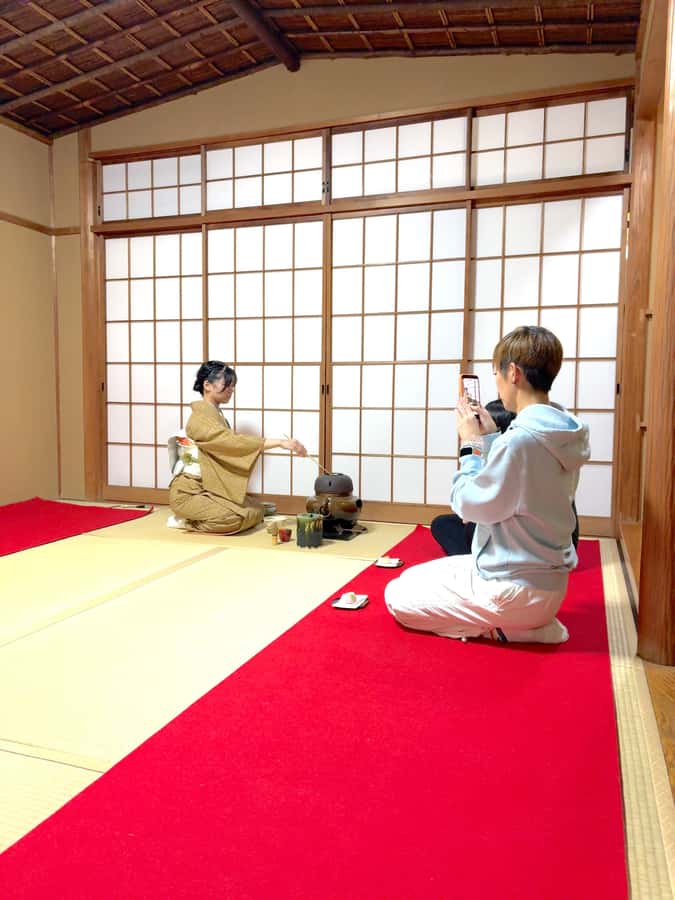
- English-speaking Japanese instructors with over 10 years of tea ceremony experience each
- Live otemae demonstration so you can see the movements before you copy them
- Hands-on matcha making using traditional utensils, then you taste your own bowl
- Tatami room calm that makes Shibuya feel a lot quieter for a bit
- Seasonal Japanese confections paired alongside the matcha
Finding the Calm in Shibuya’s Dogenzaka Area
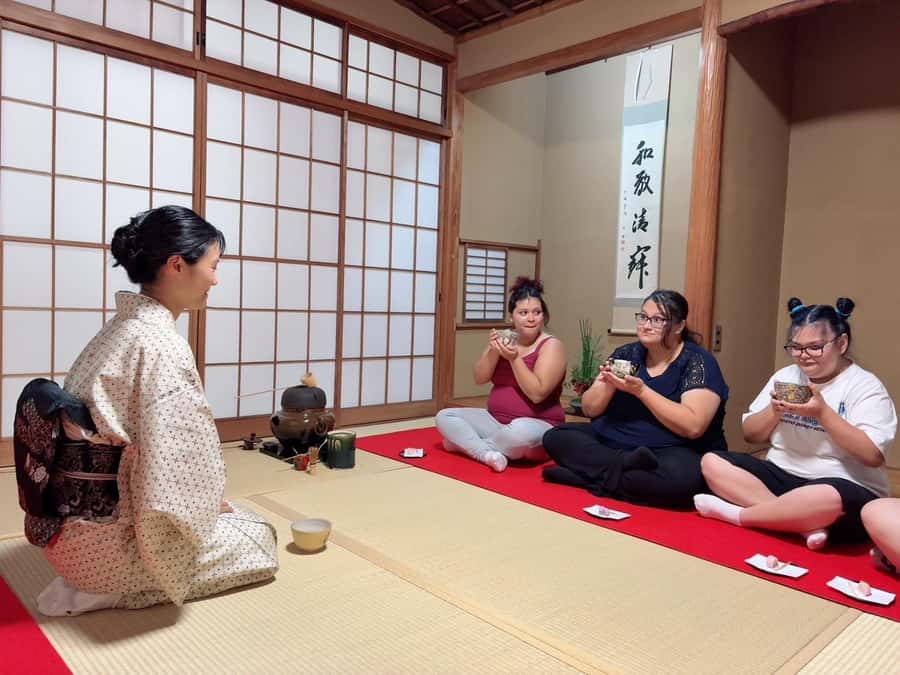
Shibuya can feel like nonstop motion. That’s exactly why I think this class works. You start in a proper tea setting rather than trying to squeeze a cultural activity between train stops and shopping streets.
Your meeting point is straightforward: 2nd Floor, Manji Building, 1-15-9 Dogenzaka, Shibuya-ku, Tokyo 150-0043 (〒150-0043 東京都渋谷区道玄坂1-15-9 万字ビル 2F). The address is specific enough that you can plug it into your map app and plan to arrive a few minutes early. Once you’re inside, the tatami room setting helps you settle quickly—no wandering around trying to find the right place once you’re there.
If you’re the type who likes structured activities when you land in a new city, this is also a win. You aren’t guessing what to do next. The class has a clear sequence: welcome, demonstration, then you make and taste.
You can also read our reviews of more tours and experiences in Tokyo.



Welcome and Intro: The Tea Ceremony Gets Explained
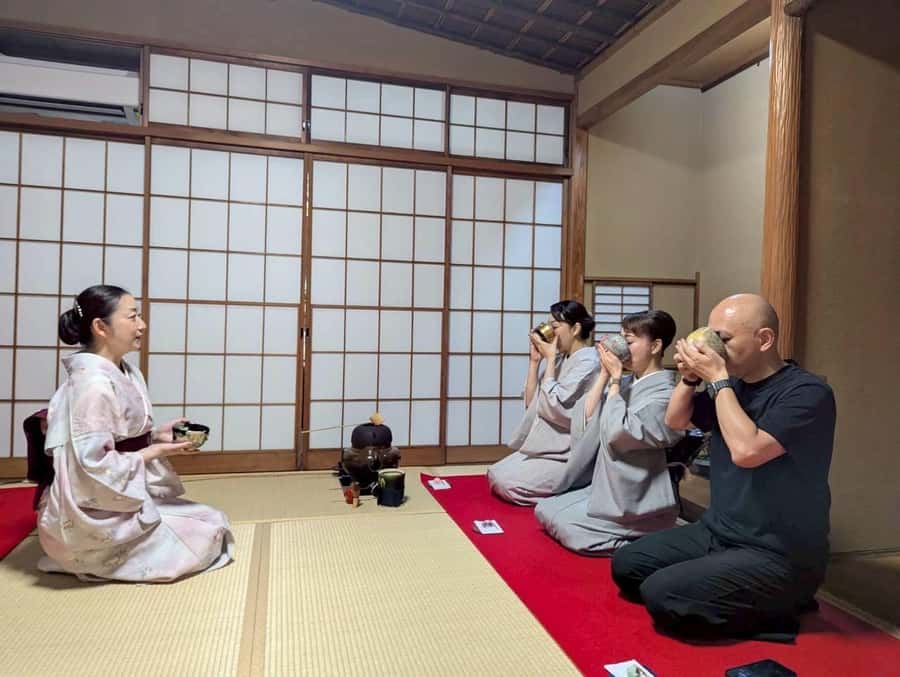
Before you ever touch the whisk, you get the context. The welcome portion includes an explanation of the meaning and history of the tea ceremony. This matters because matcha isn’t just a drink in Japan—it’s connected to manners, attention, and how people interact.
You’re also introduced to how the experience works and what you’ll learn. In the reviews, Sakura sensei and Kini are praised for walking people through the background and then guiding the practical steps. That combo—story first, then action—makes it easier to remember what you’re doing and why it matters.
You’ll also get basic etiquette covered along the way. That’s not just performative. Knowing how to handle the moment respectfully makes the whole experience feel more genuine and less like a quick photo stop.
Otemae Demonstration: Watch the Tools and the Manners
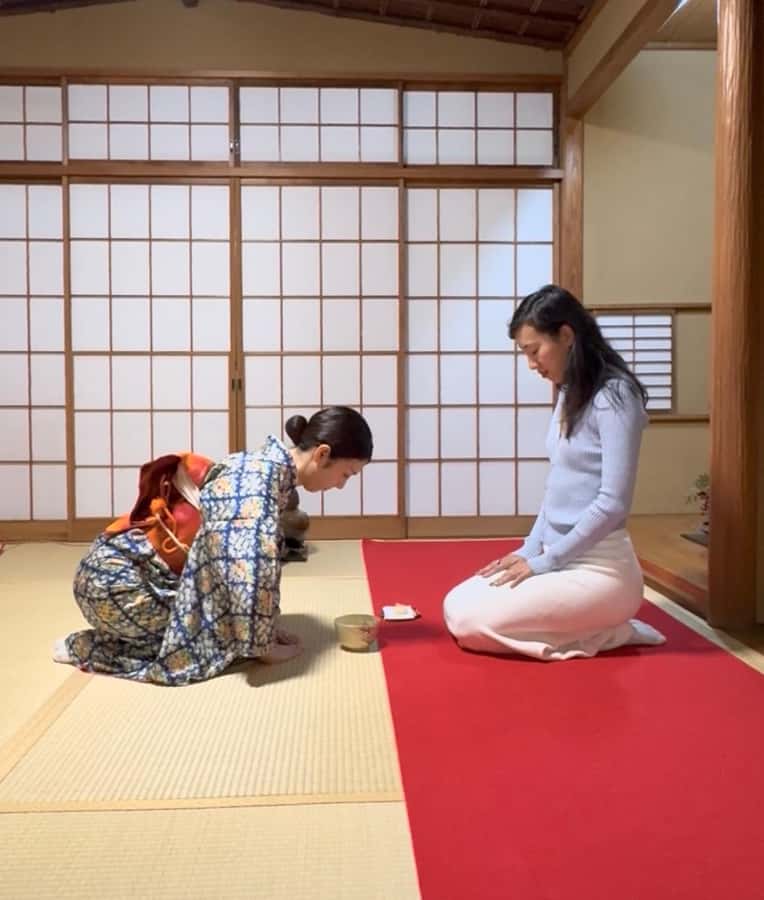
Next comes the live demonstration. This is the part where you get to see the tea tools in use and understand the rhythm of the ritual.
During the otemae demonstration, your instructor shows you how to use the tea tools and explains the basic manners and etiquette of serving tea. Even if you’ve never done anything like this before, you’ll likely catch patterns fast because the instructor is modeling what matters: careful handling, respectful pacing, and attention to each step.
What I like about this format is that it prevents the common tea-ceremony mistake: jumping straight into whisking without understanding the sequence. You’re not just learning a recipe. You’re learning how the process is supposed to feel.
Hands-On Matcha Making: Your Bowl, Your Technique
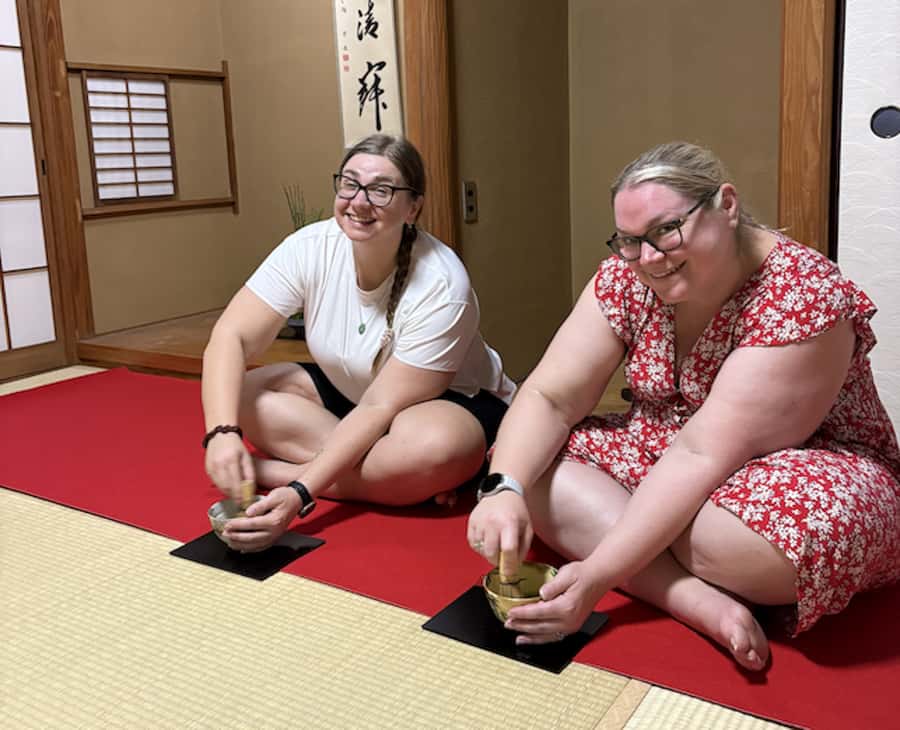
Then it’s your turn. Using traditional utensils, you’ll make your own bowl of matcha with freshly ground powder (the matcha is included). This is where the class goes from “interesting to watch” to “I actually understand how it works.”
You’ll follow the instructor’s guidance step by step. The point isn’t perfection. The point is that you’re participating in the act—measuring your attention into each motion and tasting what results from your effort.
One practical tip: go in expecting your first try to be a learning round. Even when the group is doing the same action, people’s bowls can end up tasting a little different based on technique and how carefully they follow the demonstration. That’s not a problem. It’s part of why this is worth doing in person.
The reviews back up that the instruction feels clear and supportive. People highlight that the teacher explained things perfectly and that they made tea together with the host during the session. That feedback matters because tea ceremony instruction can vary wildly; this one is designed for visitors, with English guidance and structured steps.
Tasting Matcha With Seasonal Japanese Sweets
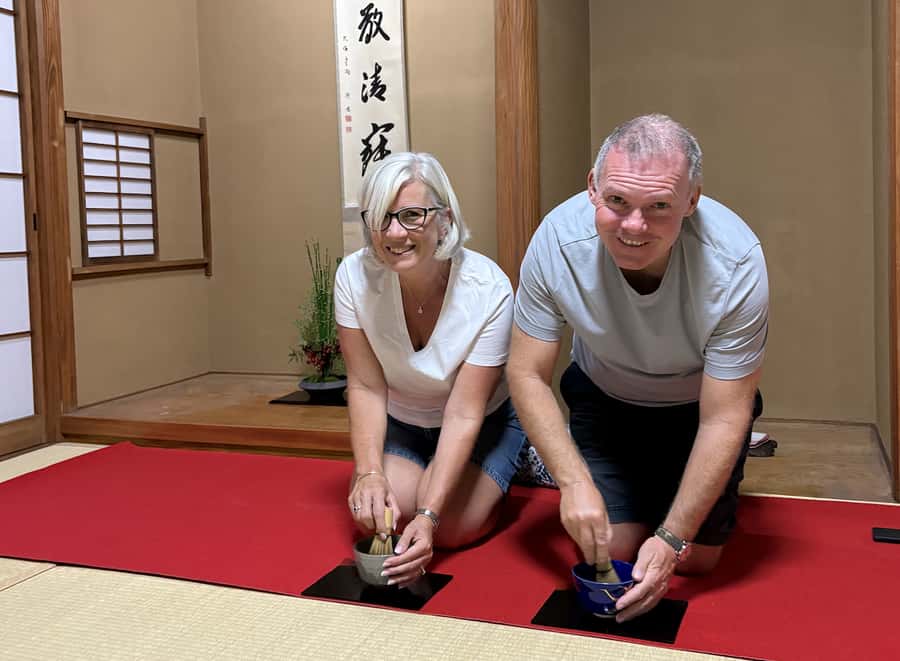
After you prepare your matcha, you taste it along with seasonal Japanese sweets. The sweets are included, and they’re meant to pair with the matcha.
I appreciate pairing because it helps you notice more than flavor alone. Matcha has a distinct character—earthy, grassy, and often intense. Pairing it with a seasonal confection is a simple way to experience a contrast in sweetness and texture, and it gives you something to focus on besides the technique you just learned.
In the reviews, people specifically call out that the tea and sweets were delicious, and that the tasting fit naturally into the overall experience. That’s exactly how it should feel: you’re not rushing to the end. You’re tasting the result of everything you just practiced.






Why Tatami Matters (Even If You’re Not a Culture Nerd)
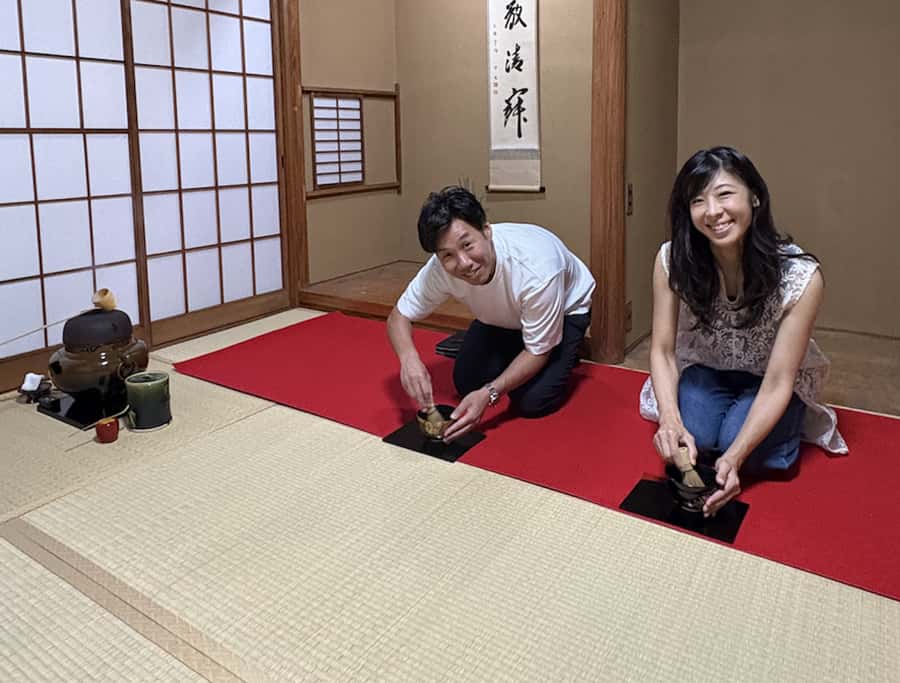
This is a small detail that changes the whole mood. The tea ceremony happens in a traditional tatami room, which is designed to slow people down. There’s a physical sense to it—your posture, your attention, the way the space encourages quiet.
In practical terms, tatami seating and a calm room environment also help the class run smoothly. It’s easier to concentrate when you’re not surrounded by constant street noise and movement. In Shibuya, that contrast is huge.
If you’re used to travel days packed with transit and busy sights, this is a rare pause that still feels cultural rather than just restful. You leave with something you can remember and repeat: the experience of making matcha and understanding the etiquette behind it.
Price and Value: Is $18 Worth It?
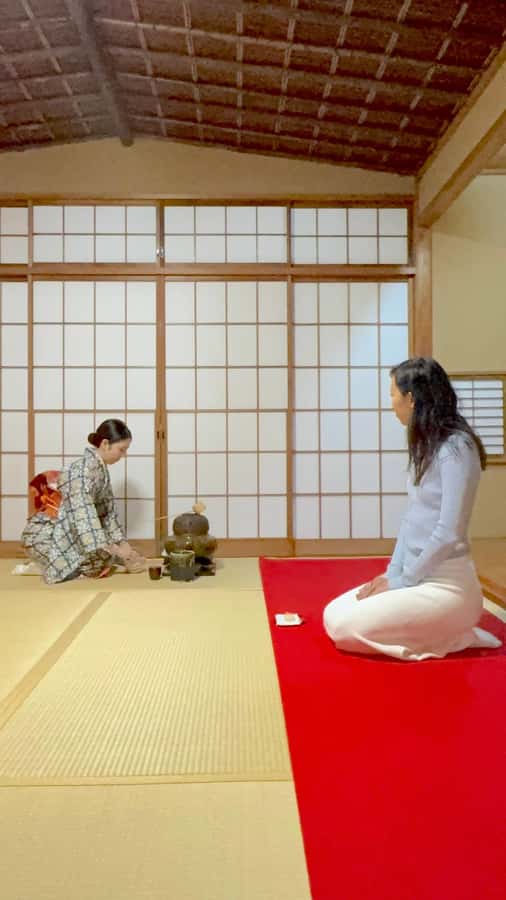
At $18 per person, this is priced like a straightforward cultural workshop—especially for an experience that includes more than just a tasting. You’re getting:
- Entrance fee
- Matcha (powdered green tea)
- Confections
- Instruction in English
- A live otemae demonstration
- Hands-on matcha making using traditional tools
For me, the value comes from participation. You’re not only watching someone else do the whole process. You make your own bowl, and you get a guided explanation that includes etiquette and meaning—not just a how-to.
Could it be cheaper? Sure, but tea ceremony experiences don’t usually stay dirt cheap because you’re paying for specialist instruction and time in a traditional setting. For this class, the best value signal is that the instructors have long experience (over 10 years each) and they teach in clear English. That’s what helps you feel confident rather than lost.
Who This Experience Fits Best
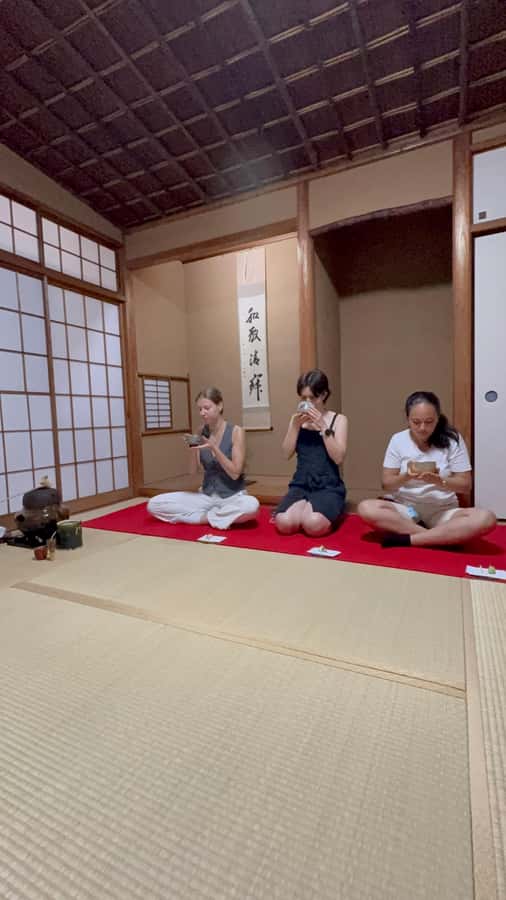
This is ideal if you want a first, beginner-friendly intro to Japanese tea culture and you like structured learning. It’s also a strong pick if you’re traveling with friends and want a shared activity that doesn’t rely on everyone being into the same kind of sightseeing.
You’ll probably enjoy it most if:
- you like learning how cultural rituals actually work
- you want to try matcha beyond ordering it in a café
- you appreciate manners and etiquette as part of the story
It may be a less good fit if you’re looking for a big group party atmosphere or a long, free-form museum-style experience. This is calm and focused.
Kids, Age Rules, and Who Should Skip
This one has a clear boundary: children under 4 can’t participate. Also, even if an adult has a ticket, children aged 4 and above need their own ticket. The provider may refuse entry if you’re accompanied by a child under 4.
So if you’re traveling with little kids, check that age detail carefully before you book. It’s a small rule that can easily become a frustrating surprise on the day of your class.
How to Plan Your Visit Without Stress
I’d treat this like a short, structured appointment. Arrive on time, find the meeting point, and expect to follow the class flow rather than roaming or delaying.
A few practical ideas that keep things smooth:
- Wear something you can sit comfortably in, since the ceremony happens in a tatami room.
- If you’re nervous about speaking Japanese, good news: the instructors teach in English.
- If you’re picky about sweets, remember the sweets are part of the pairing, but you can still decide how much you want to taste.
Also, if you like flexibility, you can use reserve-and-pay-later style booking. That means you can hold a spot first and pay later, which helps when your Tokyo schedule is still shaking out.
Should You Book Shibuya Tea Ceremony Tokyo-Chaan?
If you want a genuine tea ceremony experience in Shibuya that includes both teaching and hands-on matcha making, I think it’s an easy yes. The strongest reasons to book are the English-speaking Japanese instruction, the otemae demonstration, and the chance to make and taste your own bowl in a traditional tatami room.
Skip it only if age rules are a concern for your group, or if you’re not interested in guided etiquette and ritual steps.
For an activity priced at $18 that combines learning, participation, and a pairing with seasonal sweets, this is the kind of class that gives you a memorable souvenir that isn’t just a photo. It’s an experience you can actually understand—and repeat in spirit—long after you leave Shibuya.
FAQ
Where is the meeting point for Shibuya Tea Ceremony Tokyo-Chaan?
You meet at Start: 2nd Floor, Manji Building, 1-15-9 Dogenzaka, Shibuya-ku, Tokyo 150-0043, Japan (〒150-0043 東京都渋谷区道玄坂1-15-9 万字ビル 2F).
What language is the tea ceremony taught in?
The experience is taught in English.
What happens during the tea ceremony?
You’ll receive a welcome and introduction, watch an otemae demonstration, and then do hands-on matcha making before tasting your matcha with seasonal sweets.
Do I get to make matcha myself?
Yes. You’ll make your own bowl of matcha using traditional utensils, then taste it.
What is included in the price?
The price includes the entrance fee, matcha (powdered green tea), and confections (seasonal Japanese sweets).
Are there age restrictions?
Yes. Children under 4 years old can not participate. Children aged 4 and above require their own ticket, even if an adult has a ticket.
Can I cancel and get a refund?
Yes. You can cancel up to 24 hours in advance for a full refund.
Is pay later available when booking?
Yes. There is a Reserve & Pay Later option, meaning you can book your spot and pay nothing today.