REVIEW · TOKYO
Grand Sumo Tournament Tour w/an English Guide ,Tokyo January 2026
Book on Viator →Operated by True Japan Tour · Bookable on Viator
Sumo feels like theatre until you know the rules. This January 2026 Grand Sumo Tournament tour pairs Kokugikan arena seats with an English guide and a visit to the Sumo Museum, so you actually understand what you’re watching.
I especially like two things: you get escorted to your reserved chair seating and briefed on how pro sumo works (including the referee and announcer), and the guide connects the action to what you see around the arena and in the museum, from traditional clothing to rank and technique. One thing to weigh is the price; it can feel high compared with buying a tournament ticket on your own if you manage to snag one.
In This Review
- Key highlights
- Why Ryogoku and Kokugikan Are the Right Place to Learn Sumo
- Your Reserved Seat Setup (S Seat) and What It Means for Comfort
- The English Guide Factor: From Etiquette to the People in the Ring
- Watching the Tournament With a Map in Your Head
- Kokugikan + Sumo Museum: Why the Second Stop Matters
- Chanko and the Value of Doing More Than Just Buying a Seat
- Timing, Group Size, and How to Prepare
- Who Should Book This Sumo Tour (and Who Might Skip It)
- Book It or Skip It?
- FAQ
- Where do I meet, and what time does the tour start?
- How long is the tour?
- What seating do I get for the tournament?
- Is there an admission fee?
- What happens if the weather is poor?
- Can I cancel for a full refund?
Key highlights
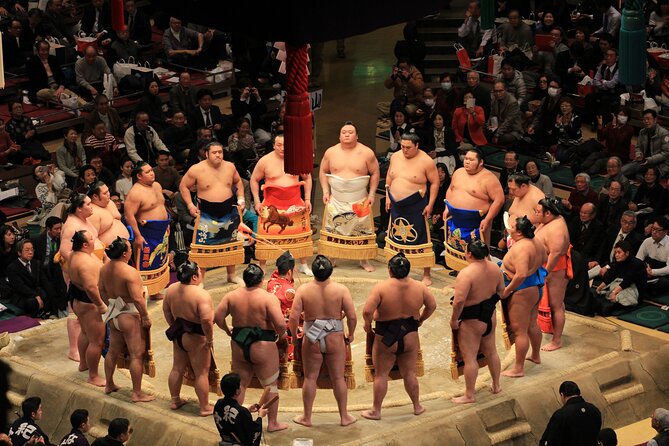
- Reserved chair seating with a guide escort so you get to the right spot without wandering
- A live primer on pro sumo: divisions, rankings, and the roles of gyoji and yobidashi
- Kimarite-focused explanations that make match moments easier to follow
- Kokugikan + Sumo Museum together for architecture, clothing, and etiquette context
- Small group size (max 10) for questions instead of watching from the back row
- Chanko mentioned as part of the experience, adding a local food win to the day
Why Ryogoku and Kokugikan Are the Right Place to Learn Sumo
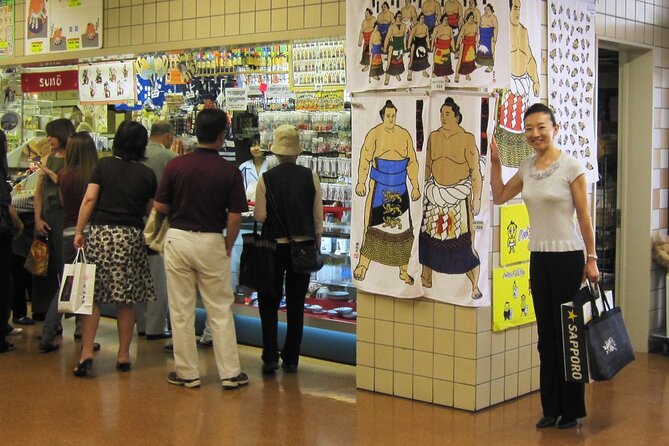
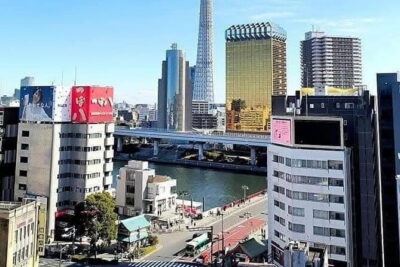
Tokyo’s sumo culture is concentrated around Ryōgoku, and this tour starts right where it matters: at Ryōgoku Station (1-chōme-3-20 Yokoami, Sumida City). Meeting at a major station is a big deal. It means you can show up without playing subway detective, and you can stay calm before the tournament.
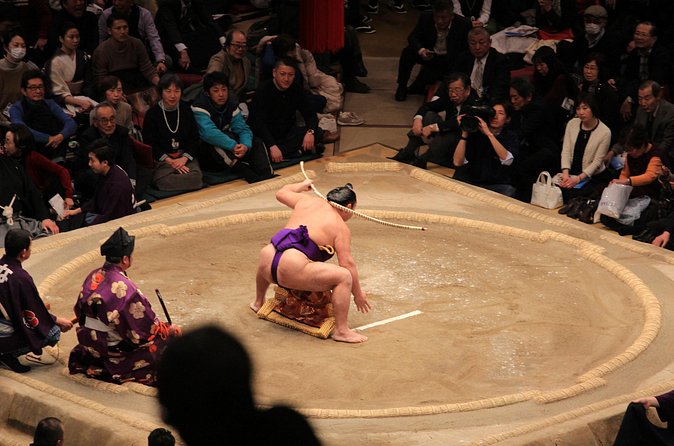
Then there’s Kokugikan. Even if you’ve seen photos, it’s the kind of arena that makes people quiet without trying. The tour emphasizes the building’s unique Japanese architecture and the symbolic decorations, and it’s a smart choice. Sumo isn’t just a sport; it’s a ceremony, and those details help you understand why the pageantry feels serious.
The best part for your viewing experience is that this isn’t a sit-and-hope tour. You’re not just dropped into the arena and pointed at the ring. The guide explains what you’re looking at as you go, so you’re picking up patterns in real time instead of waiting for the match to be over.
You can also read our reviews of more guided tours in Tokyo
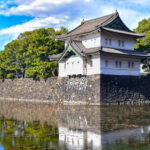
Your Reserved Seat Setup (S Seat) and What It Means for Comfort
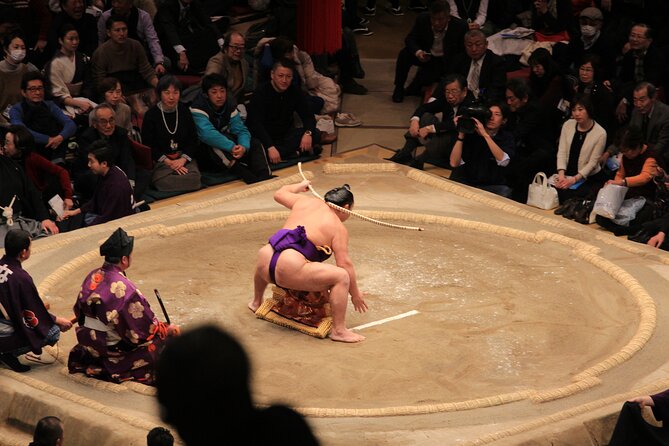
Seat talk matters in sumo. Kokugikan is an arena experience: you’re there for closeness, but you’re also there for time. This tour includes S Seat (chair seating) described as the best chair seating available, and the guide escorts you to your reserved place.
That escort might sound small, but it’s practical value. When you’re handling directions, stairs, crowd flow, and the timing of pre-match rituals, a guide cuts the stress. You’ll also spend less energy figuring out where to stand and more attention on what the guide is pointing out.
One practical caution: seat allocations are date-dependent. The notes say S Seat and A Seat for January 2026 are to be released soon, while B Seat is specified for certain January dates (Jan 11, 13, 15, 21, 22, 23). If you have a strict plan for dates, you’ll want to confirm what’s available for the exact day you want.
The tour also uses a mobile ticket, which is convenient. It reduces paperwork and makes it easier to keep everything in one place—useful in a busy station area and around the arena.
The English Guide Factor: From Etiquette to the People in the Ring
What makes this tour feel worth it is that you get a guided explanation of pro sumo structure and match flow. The guide doesn’t just tell stories. They explain the machinery of the sport.
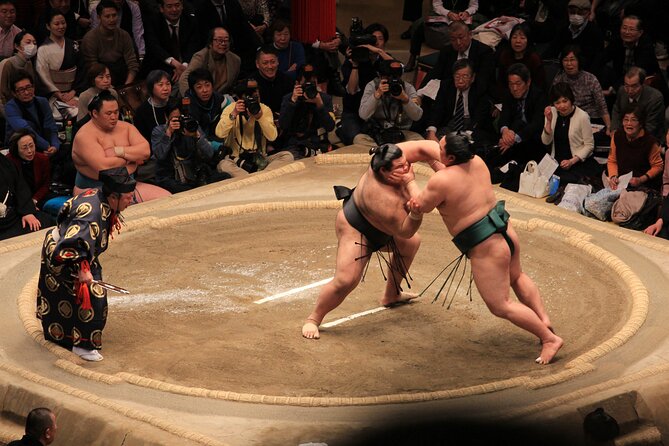
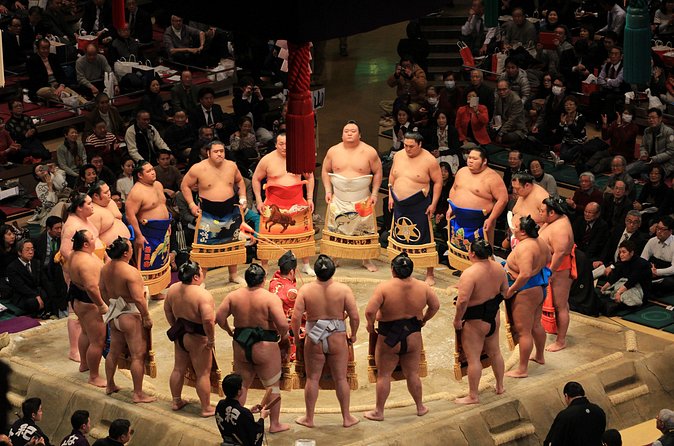
You’ll learn how professional sumo is organized into divisions and how early matches fit into the larger tournament rhythm. You’ll also hear about the different roles around the ring. In particular, the tour highlights the referee (gyoji) and the announcer (yobidashi), including the meaning behind their traditional attire.
That may sound like background info, but it changes what you notice. When you understand who is doing what—who officiates, who narrates the match, how formal the procedure is—you stop reading sumo as random chaos and start reading it as choreography with athletic violence.
This is where the guide quality really shows up in the feedback. One guest specifically praised Jeff for being friendly and for explaining a lot about sumo rules and history, saying the experience was far better with someone who knows the rules. Another guest highlighted Yuki for doing a strong job explaining everything, including preparing an additional information sheet about the wrestlers.
Even if your Japanese is solid, you’ll get more out of the day with an English guide doing the connecting work. They help you link what you hear with what you see, which is the difference between watching and understanding.
Watching the Tournament With a Map in Your Head
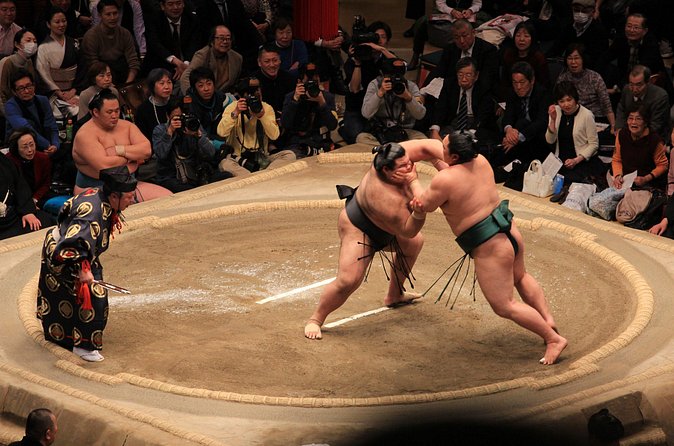
Inside the Kokugikan, your goal should be simple: track the stakes, not just the action. This tour builds that mental map for you before things get loud.
The guide covers the wrestler ranking ladder: yokozuna and ozeki at the top, and then the sanyaku and makuuchi tiers. That matters because the intensity of each bout changes depending on rank. When you know where someone sits in the system, you can better appreciate why certain matches feel more momentous, even if the physical technique looks similar.
You’ll also get explanations tied to match highlights and winning techniques. The tour description explicitly mentions kimarite, which are the named winning moves. That’s a huge help because sumo finishes can look like a blur. When you’re told what to look for—how the body position shifts, how the grip and footwork lead to the finish—you’re not just watching a takedown. You’re watching a method.
If you want one piece of advice for the day: don’t try to memorize everything. Instead, listen for the big buckets the guide repeats—rank, roles, match flow, and technique type. That repetition is what lets you keep up when the arena gets busy.
Kokugikan + Sumo Museum: Why the Second Stop Matters
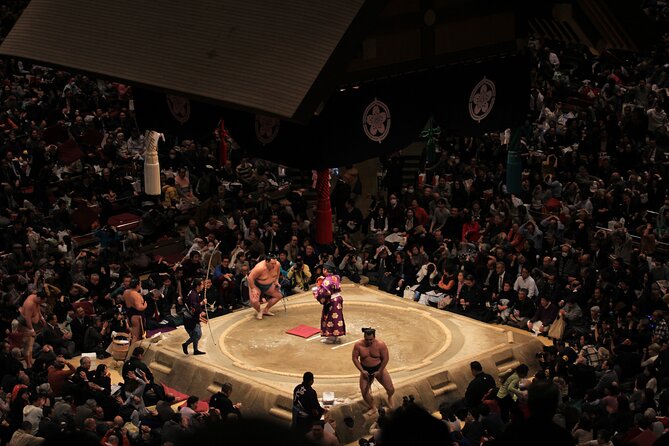
Most people think of a sumo match as the only “real” part of the experience. I don’t. The museum time is where the story gets anchored.
The tour includes a visit to the Sumo Museum, paired with the guided look at the arena itself. The arena stop focuses on Japanese architecture and the ceremonial atmosphere—plus traditional clothing and symbolic decorations. Then the museum gives you context so those details don’t stay as just neat visuals.
The museum visit is particularly useful if you’re new to sumo. You’ll come away with a clearer sense of what you’re seeing beyond the ring: how sumo culture developed, what certain traditional elements represent, and how formal the sport is compared with more casual combat styles.
This two-part structure also helps your stamina. Arena time can be intense. A guided museum stop gives your brain a chance to reorganize what you learned from the first briefing, and it helps you carry that understanding into later matches.




Chanko and the Value of Doing More Than Just Buying a Seat
One of the quieter wins in the feedback is food: chanko gets mentioned as tasty. In Japan, chanko is more than just dinner. It’s associated with the sumo training world, and adding it to the tour makes sense because it ties culture to the sport.
I treat meal inclusions like this as part of the value calculation, not as a bonus afterthought. If you’re going to spend an afternoon around Ryōgoku and then into Kokugikan, you don’t want to fight with timing or food logistics. Having chanko as part of the experience means you can focus on the event rather than hunger planning.
Now, about the price. The tour is listed at $124.26 per person. That might sting if you’re comparing it to the base cost of an individual ticket. But the “regular ticket” comparison misses what you’re paying for: reserved S Seat chair seating with escort support, an English guide explaining rankings, roles, and technique, and museum time that helps the whole experience make sense.
One review also called out that it felt pricey compared with a regular tournament ticket you might manage to get. That’s a fair caution. But for many people, the real value is not just the seat—it’s the translator of meaning. If you want to leave with understanding, not just photos, this type of tour tends to feel like money well spent.
Timing, Group Size, and How to Prepare
The tour runs about 3 hours 45 minutes. It starts at 2:15 pm and ends back at the meeting point. That’s a workable schedule for a Tokyo trip because it doesn’t swallow your whole day.
Group size is capped at 10 travelers, which is another quiet advantage. Smaller groups make it easier for the guide to answer questions, and it tends to keep the experience from feeling rushed.
You’ll also get confirmation within 48 hours of booking, subject to availability. For January tournament dates, that’s important. If your plans are locked in, don’t wait until the last minute to book.
What should you bring? Nothing fancy, just your usual tournament-day basics: comfortable shoes for walking in and around Ryōgoku, and a willingness to ask questions when you don’t understand a term. The tour’s whole structure is built around explaining things clearly.
Also note the event requires good weather. If it’s canceled due to poor weather, you’ll be offered a different date or a full refund.
Who Should Book This Sumo Tour (and Who Might Skip It)
This tour is a strong fit if:
- You want the tournament experience but don’t want to spend hours learning sumo basics on your own.
- You care about etiquette, ranks, and technique enough to let an English guide guide you.
- You prefer a small group setting where it’s easier to ask what something means.
- You’d enjoy museum context, not just the match night excitement.
You might skip it if:
- You already know sumo well and only want the raw chance to watch matches from a seat.
- You’re comfortable finding your own way to seats and you don’t care as much about the background explanations.
In other words: if you want the sport to make sense, this tour is built for you.
Book It or Skip It?
I’d book this if you’re new to sumo or if you want more than a photo-and-cheer experience. The reserved S Seat plus the English guide explanations—ranks, the ring roles, and kimarite—turn the tournament from a spectacle into something you can actually follow. Add the Kokugikan details and the Sumo Museum context, and it becomes a full cultural afternoon, not just a ticket purchase.
Skip it only if you’re sure you don’t need coaching to understand what you’re watching. If that’s your style, you can likely do it cheaper with a standard ticket. If not, the guided setup is what makes this feel like real value.
FAQ
Where do I meet, and what time does the tour start?
You meet at Ryōgoku Station (1-chōme-3-20 Yokoami, Sumida City, Tokyo 130-0015, Japan). The start time is 2:15 pm.
How long is the tour?
The experience lasts about 3 hours 45 minutes (approx.).
What seating do I get for the tournament?
The tour offers chair seating, and S Seat is described as the best chair seating available. Seat availability can vary by date, and S Seat and A Seat are listed as to be released soon for January 2026.
Is there an admission fee?
Yes. The tour notes that an admission fee applies for guests aged 4 and above.
What happens if the weather is poor?
The experience requires good weather. If it’s canceled due to poor weather, you’ll be offered a different date or a full refund.
Can I cancel for a full refund?
Yes. You can cancel for free up to 24 hours in advance for a full refund. If you cancel less than 24 hours before the start time, the amount paid will not be refunded.