REVIEW · TOKYO
Authentic Japanese tea tasting session: sencha, matcha, gyokuro
Book on Viator →Operated by ShiZen Tea · Bookable on Viator
Tea tasting can be a real eye-opener. In Tokyo, this 1.5-hour class at ShiZen Tea has you taste sencha, matcha, gyokuro, and other green teas while learning how they’re made and why their flavor changes so much. It’s not a formal ceremony; it’s a guided tasting that helps you connect leaf, process, and cup.
I really like two parts: the side-by-side comparison that makes differences obvious fast, and the way host Yosuke keeps things organized with clear explanations and a handout you can follow as you sip. You also get the useful practical stuff, like what to pay attention to during steeping and what flavor clues point to production style.
One possible drawback: if you’re expecting the full ritual theater of a tea ceremony, this isn’t it. It’s more about tasting, production, and history than choreography, so plan your expectations accordingly.
In This Review
- Key highlights you’ll care about
- From sencha to matcha: what this tasting session feels like
- Why this is not a ceremony (and why that’s good)
- The “side-by-side” trick: how you learn taste quickly
- What you learn about production and history (without getting stuck in lectures)
- Premium vs daily tea: seeing quality without marketing smoke
- The role of Yosuke: organized explanations that land
- Price and value: is $90.80 worth it?
- Getting there and making the most of your afternoon
- Who should book this Japanese tea tasting in Tokyo?
- Should you book ShiZen Tea’s sencha–matcha–gyokuro tasting?
- FAQ
- What teas are included in the tasting?
- Is this experience a tea ceremony?
- How long does the session last?
- What is the group size?
- What if I’m caffeine sensitive?
- How does cancellation work?
Key highlights you’ll care about
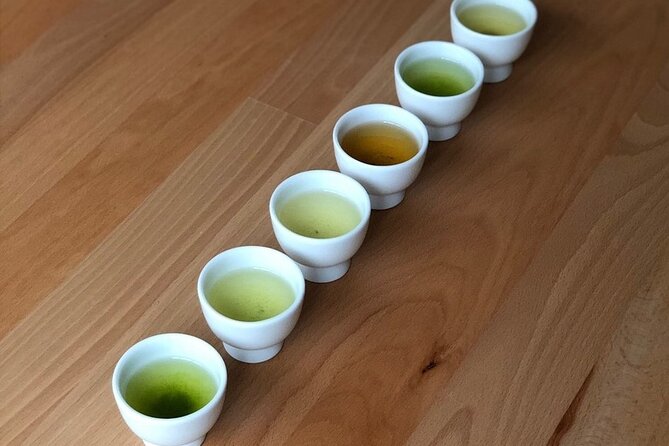
- Twelve green teas are the backbone here, including sencha, matcha, and gyokuro
- Small group size (max 4) means you can actually ask questions, not whisper into the void
- Not a tea ceremony: you’ll focus on flavor, process, and history instead of performance
- Practical guidance like how tea is prepared and what details to notice during tasting
- A handout system helps you remember what you learned after the session ends
- Daily and premium teas together show how quality and processing shift the cup
From sencha to matcha: what this tasting session feels like
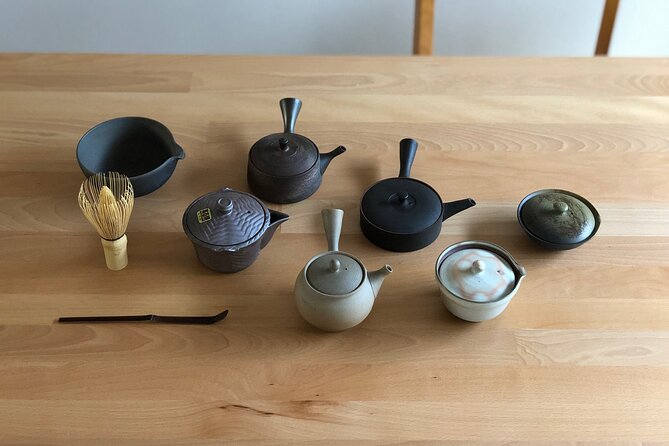
Japanese tea can be confusing in the beginning. You might know sencha is common, matcha is trendy, and gyokuro sounds fancy—but the real story is how farming and processing steer flavor. This experience is built to make that story click.
You’ll start by tasting multiple green tea styles back-to-back, guided by Yosuke at ShiZen Tea. The format works like a “flight” in wine tastings: you taste, pause, compare, and then learn the production reason behind what you’re noticing. Because the tastes are served in sequence, the differences don’t blur into one big green splash.
The session explicitly includes sencha, matcha, and gyokuro, and it’s designed around about 12 different types of Japanese tea overall. You’ll also be tasting both more everyday teas and higher-end premium options. That mix matters. If you only taste the best teas, you miss what “quality” actually changes. If you only taste everyday tea, you don’t understand what the top end is reaching for.
You can also read our reviews of more food & drink experiences in Tokyo



Why this is not a ceremony (and why that’s good)
Let me be blunt: this experience is not a traditional tea ceremony class. You won’t spend the session doing formal steps or mastering the choreography.
Instead, the tasting is focused on what most people want when they’re paying attention:
- how each tea is produced
- how it tastes and why
- the basic history behind the styles
That approach is a plus if you’re traveling with a tight schedule and want a high learning-to-time ratio. A ceremony can be beautiful, but it’s not always the fastest way to separate sencha vs gyokuro vs matcha in your mind.
Also, tea ceremony settings can make it harder to ask direct questions midstream. Here, with a small max group of 4, the tone is more like a guided tasting workshop than a performance. If you’ve got questions—water temperature, leaf qualities, regional differences—this format gives you a way to get answers while it still matters.
The “side-by-side” trick: how you learn taste quickly
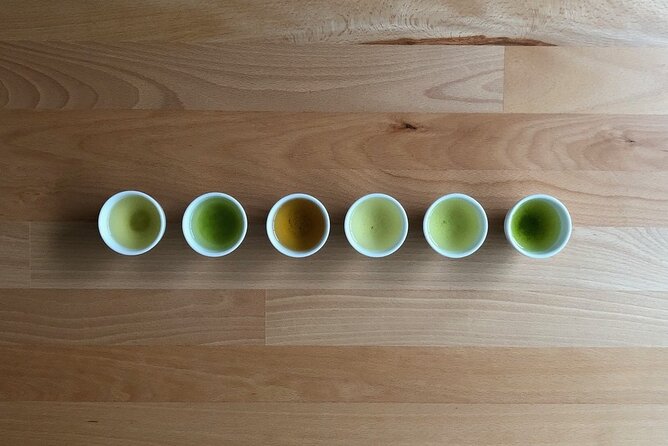
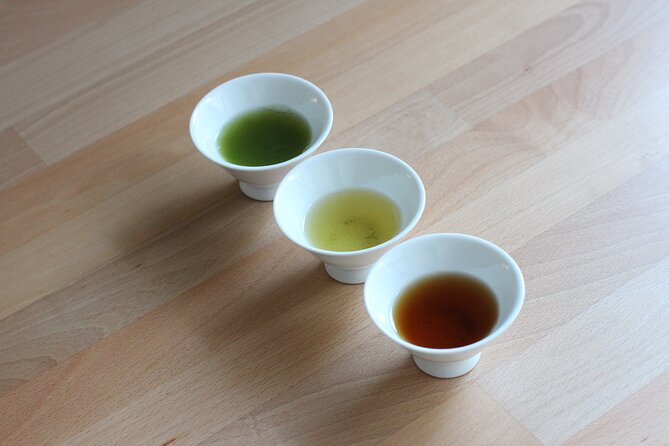
The best part of tasting flights is comparison. Japanese green tea does the opposite of what beginners expect: it often looks similar in the cup, but it tastes wildly different once you’re paying attention.
This session is built to highlight differences by tasting multiple teas in sequence. You’ll get explanations as you go, not after everything is finished. That keeps your brain synced with the flavor clues.
Here’s what this method helps you do:
- Identify what makes sencha feel brighter or more straightforward
- Notice how matcha changes texture and impact (it’s not just a stronger version of green tea)
- Understand why gyokuro tends to feel more rounded or umami-driven compared with other styles
And because the host ties each tea back to production choices, you start to connect sensory experience with the farming and processing behind it. That’s how you move from liking tea to knowing what you like.
What you learn about production and history (without getting stuck in lectures)
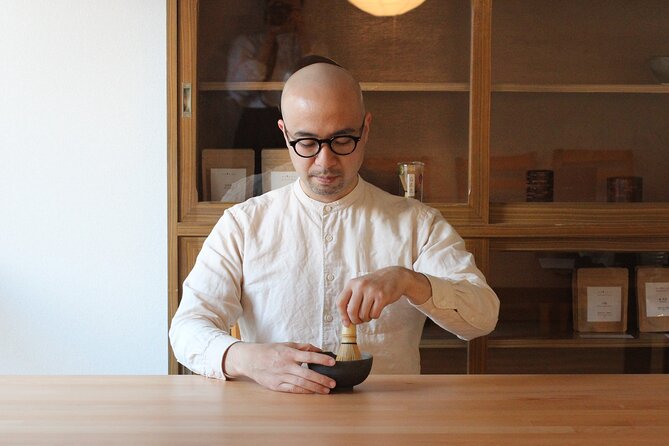
The session’s promise is simple: you learn how the teas are made and the history around them, while tasting. The structure keeps that from turning into a random trivia dump.
You’re not just told the names. You’re guided through details that help you read the cup:
- differences in cultivation and processing
- how tea-making choices affect flavor
- how different styles fit into Japan’s tea story
From the experience description, you’ll also explore regional differences and how those show up in the tea you taste. That’s useful because Japanese tea isn’t a single uniform product. Even within green tea, the “why” behind each style changes with where and how the leaves are grown and processed.
And in the practical world, you’re also given guidance on tasting mechanics. One of the standout strengths from participant comments is the way the preparation is methodical—so you can see what the host is doing and why. People also highlight getting specifics like the right temperature for each tea. That’s the kind of detail that turns a nice memory into a repeatable skill when you’re back home.
Premium vs daily tea: seeing quality without marketing smoke
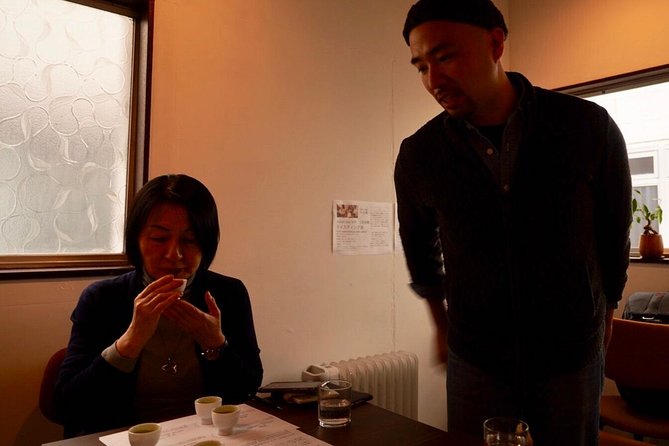
A lot of tea tastings fall into a trap: either everything is “premium” and you don’t learn what normal tastes like, or everything is basic and the top-end experience feels out of reach.
This class avoids that by pairing daily tea and premium tea together in the same session. The value is huge: you get a real comparison. Quality isn’t just about a price tag—it’s about what changes in the leaf and process.
When you taste both levels back-to-back, you start noticing:
- how refinement affects aroma and mouthfeel
- how flavor depth comes from production choices
- how the best teas can taste more coherent, not just more intense
And because the premium options are described as “unique and special even for locals,” you’re not just sampling tourist-safe brands. You’re tasting teas that can be rare or standout even within Japan. That’s the kind of access that makes a class feel worth it.





The role of Yosuke: organized explanations that land
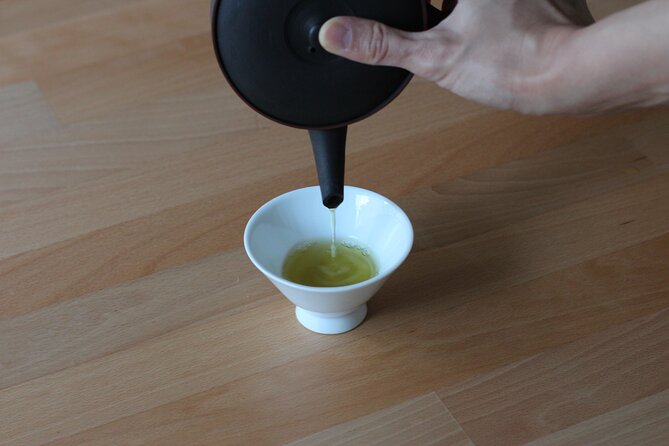
This experience stands out for how it’s hosted. The recurring theme around Yosuke is that he’s organized, communicates clearly, and answers questions without making you feel rushed.
One practical detail that really helps: participants point to a handout (not just a casual list) you can follow as you taste each tea. That kind of structure is more than paperwork. It keeps your attention on the right cues—what to notice, what to compare, and what the host is connecting to the flavor.
You’ll also pick up the “thinking like a tea person” skill. Instead of just rating tea as good or bad, you learn to describe what’s happening in the cup. That is exactly what you want if you plan to buy tea later. Otherwise, you’ll just grab whichever tin looks nicest.
Price and value: is $90.80 worth it?
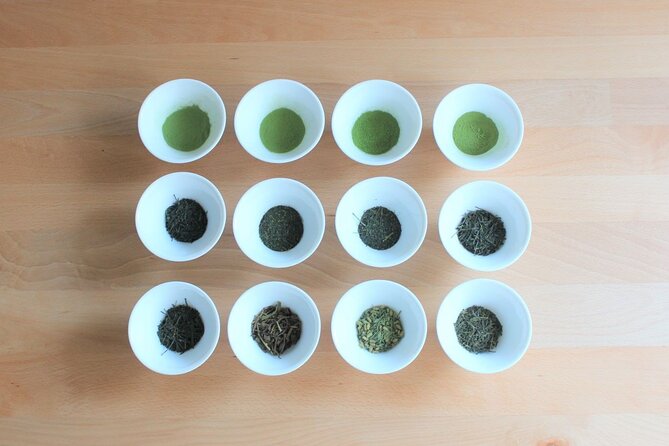
At $90.80 per person for about 1 hour 30 minutes, this isn’t a cheap snack activity. But it also isn’t overpriced in the way “experience” pricing sometimes is.
Here’s where the value comes from:
- you taste multiple teas, including both everyday and premium styles
- you get explanations tied to production and history, not just flavor notes
- the session is small (max 4), which supports real Q&A
- you leave with a guide-like handout and practical cues like preparation temperature
If you like wine tastings, this feels like that style of learning, just with green tea. You’re paying for guided comparison plus the context that turns sipping into understanding.
Also, the average booking window is around 16 days in advance, which suggests the dates can fill up. If you want a specific afternoon, it’s smart to reserve sooner rather than later.
Getting there and making the most of your afternoon
You meet at ShiZen Tea in Morishita, Koto City, Tokyo, at 135-0004 Tokyo, Koto City, Morishita, 2-chōme 28-3 森下TMマンション 202. The session starts at 1:30 pm, lasts about 1 hour 30 minutes, and ends back at the meeting point. It’s described as near public transportation, which matters because Tokyo directions can be… a lot.
A small prep tip: if you’re sensitive to caffeine, tell the host before the session. Green tea is caffeinated by nature, and this is the one time you want to be proactive so you can get the experience in a way that’s comfortable for you.
During the tasting, don’t rush. The whole point is to compare. If you’re taking a “quick sip and move on” approach, you’ll miss the subtle differences that make the lessons stick.
Who should book this Japanese tea tasting in Tokyo?
I’d put this near the top of the list if you fall into any of these categories:
- You like food plus history learning, not just browsing shops
- You’re a tea enthusiast and want a structured way to compare sencha, matcha, and gyokuro
- You want practical details you can use later, like how temperature affects the cup
- You enjoy small-group formats where you can ask questions
It’s also a great choice if you’re overwhelmed by tea terms and want someone to sort them out in a clean, step-by-step way.
But if your dream Tokyo afternoon includes a full traditional ceremony experience with formal pacing, this will feel more like a workshop. That doesn’t make it worse; it just means you should match it to your mood.
Should you book ShiZen Tea’s sencha–matcha–gyokuro tasting?
Book it if you want a focused, high-return tea lesson with real comparison. The small group size, the structured explanations from Yosuke, and the emphasis on both daily and premium teas are exactly what you need to go from “I like green tea” to “I can tell why.”
Skip it only if you specifically want a ritual ceremony performance instead of a guided tasting built around production, history, and flavor differences.
If you’re the kind of traveler who likes tasting experiences the way you like wine flights—organized, paced, and teachy—you’ll likely leave with a better palate and a clearer idea of what to buy next.
FAQ
What teas are included in the tasting?
The experience includes a range of Japanese teas, with sencha, matcha, and gyokuro specifically mentioned. It’s described as covering 12 different types of tea overall.
Is this experience a tea ceremony?
No. It’s explicitly not a tea ceremony. The focus is on tasting, how the teas are produced, and their history.
How long does the session last?
It runs for about 1 hour 30 minutes.
What is the group size?
The experience has a maximum of 4 travelers.
What if I’m caffeine sensitive?
If you’re caffeine sensitive, you should inform the host before the session.
How does cancellation work?
Cancellation is free, and you can cancel up to 24 hours in advance for a full refund. If you cancel less than 24 hours before the start time, the amount paid is not refunded.
![Tokyo: Enjoy Sumo match and know about it! [Ticket included] - Getting Started: Handprints to Tickets, Without the Stress](https://e.thetokyoexplorer.com/wp-content/uploads/tokyo-enjoy-sumo-match-and-know-about-it-ticket-included-400x267.jpg)