REVIEW · TOKYO
Beauty Vegan Dessert Cooking Class + Sake Kasu Hand Mask Trial!
Book on Viator →Operated by Coji Life Cooking · Bookable on Viator
Fermentation meets skincare in Tokyo. This 2-hour, beauty-minded vegan class teaches you the culture and health angle behind Japanese fermented foods, then lets you test it on your hands with a sake kasu hand mask.
I also like the small group size (up to 6), so the instructor can slow down and explain what you are actually doing, not just send you off to mix ingredients.
The second thing I really enjoy is the focus on real ingredients like amazake and sake kasu used in seasonal vegan desserts, plus the sakura tea and the recipe handout you take home. One consideration: sake kasu contains around 8% alcohol and it is part of a hand-treatment trial, so it is not a fit for people who avoid alcohol or have sensitive skin and you should skip it if you have cuts or wounds on your hands.
In This Review
- Key highlights you should care about
- Akasaka-Mitsuke location and timing that work in real life
- What you make: seasonal vegan desserts with amazake and sake kasu
- Fermentation class portion: Japanese culture, gut health, and beauty talk
- The sake kasu hand mask trial: a beauty moment with real safety notes
- Tea break extras: sakura tea, coffee or Japanese tea, and a more Japanese feel
- Price and value: what you get for $64.09 in 2 hours
- Who should book this class (and who should skip it)
- Bonus idea: the fermented lunch class gift
- Should you book this class?
- FAQ
- How long is the class?
- Where do I meet for the experience?
- Is the class vegan?
- What ingredients are featured in the desserts?
- Is there alcohol in the experience?
- Do you offer an option for non-drinkers or minors?
- What is included in the price?
- What if I have allergies or food restrictions?
- Is this suitable for young children?
- What is the cancellation policy?
Key highlights you should care about
- Amazake and sake kasu, explained for everyday eating
- Vegan desserts made together, with a recipe handout included
- Sake kasu hand mask trial as a hands-on beauty component
- Sakura tea and Japanese tea during the class break
- Convenient location near major rail lines, so weather matters less
Akasaka-Mitsuke location and timing that work in real life
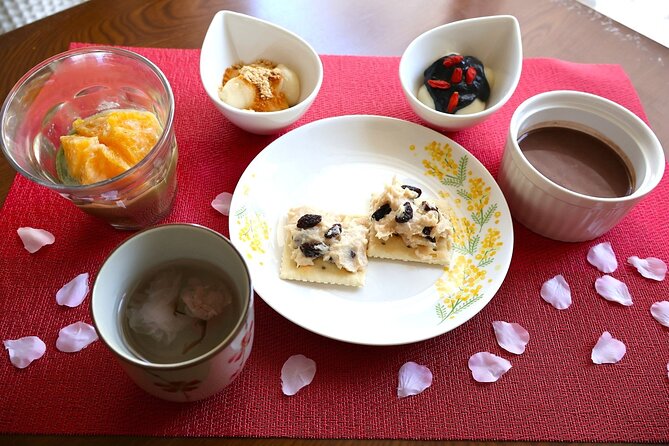
This class starts at 2:00 pm and runs about 2 hours, ending back where you meet. The meeting point is at Akasaka-Mitsuke Station (3-chōme-1-6 Akasaka, Minato City), and it is in central Tokyo, about 10 minutes from Shibuya Station. That matters because you can fit it into a normal sightseeing day without turning it into an all-day commute.
You also get the practical perk of doing it at an indoor-friendly, transit-accessible spot. The operator notes that the location is close enough to avoid getting crushed by weather, which is a nice benefit if you are visiting in a rainy week or during summer heat.
Group size is capped at 6 travelers, which changes the whole vibe. It feels more like a focused workshop than a big show, and it is easier to ask questions about fermentation and ingredients without shouting over everyone.
You can also read our reviews of more food & drink experiences in Tokyo



What you make: seasonal vegan desserts with amazake and sake kasu
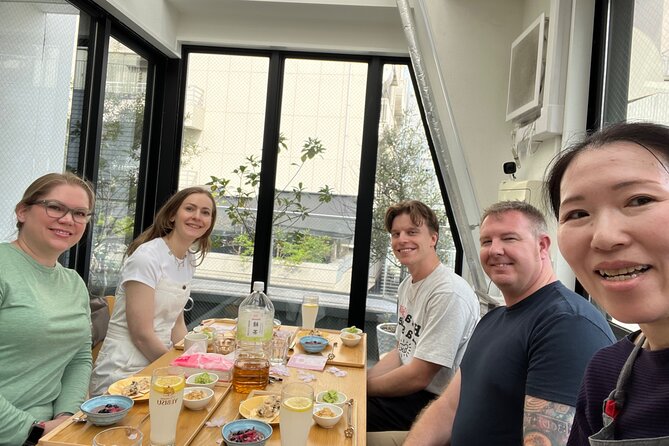
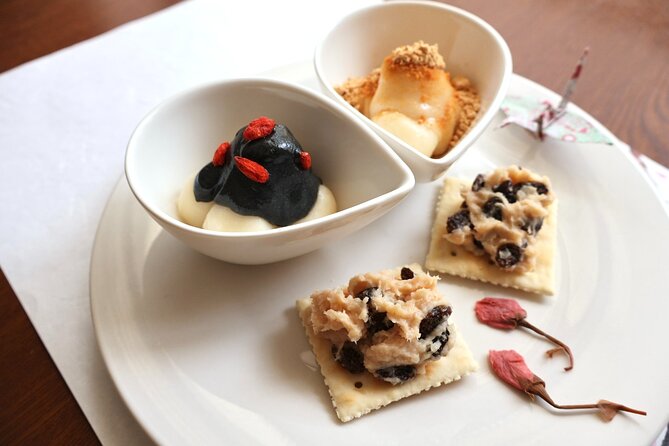
The menu changes by season, so you are not stuck with the same “global dessert” template. Instead, you learn how Japanese fermented foods—especially amazake and sake kasu—can be used to build flavor and texture in sweets.
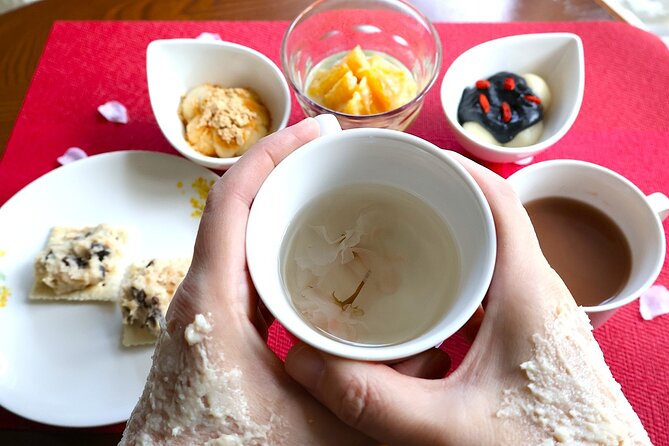
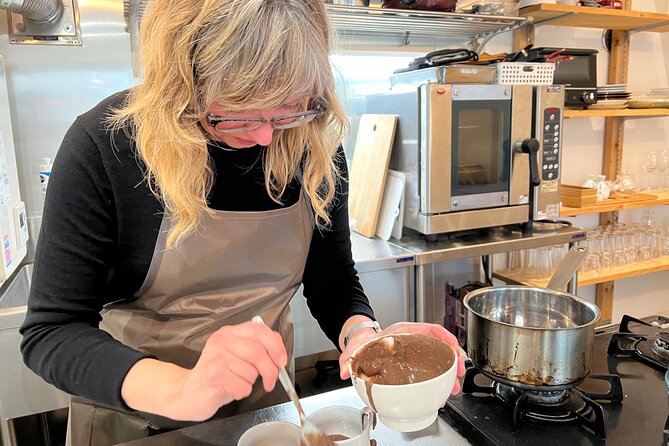
Here is what is clear from the class structure: you make snacks and desserts together. That hands-on cooking is the core of the experience, not just tasting. You will also leave with a lecture handout with recipe material, so the class does not vanish the moment you walk out.
What makes the ingredient pair interesting is the contrast:
- Amazake is a traditional fermented rice product that is sweet without sugar. It is used as a flavor base and a way to bring in fermentation character.
- Sake kasu is the byproduct left after pressing sake. The class frames it as nutrient-rich, and it plays a role in both the dessert component and the skincare trial.
The class is fully vegan, so if you are avoiding animal ingredients, you should feel comfortable here. Still, do tell the operator about any allergen restrictions ahead of time, because fermented ingredients and tea pairings can vary.
Fermentation class portion: Japanese culture, gut health, and beauty talk
You are not just cooking in silence. The experience includes a lecture plus presentation materials/handout. The goal is to connect fermented foods to Japanese history, culture, and health tips, then show you how that idea translates into dessert.
What I like about this approach is that fermentation can sound like a niche hobby. Here, it is framed as something Japan has been doing for a long time—and something you can actually use in foods you already like. The class focuses on the inside-out concept: gut health and beauty support through fermented ingredients.
The instructor also brings in the specific “why” behind the products you are working with, especially how amazake can contribute sweetness without added sugar and how sake kasu fits into the mix. Even if you have never used fermented foods at home, you should leave with a clearer mental map of what they do in cooking, not just a list of ingredients.
And because the lecture is part of the two-hour flow, it tends to stay practical. You are not going to be stuck in a long classroom session before you can start making anything.
The sake kasu hand mask trial: a beauty moment with real safety notes
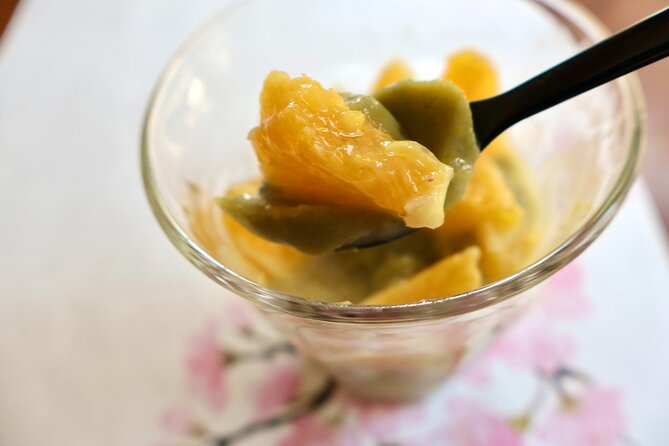
This class has one of the more unusual add-ons I have seen in Tokyo cooking experiences: a sake kasu hand mask trial. It is tied directly to the beauty angle the class teaches, so it is not random skincare marketing. You get to experience the ingredient as a skin treatment, not only as food.
However, there are two safety considerations you should take seriously:
- The class notes that sake kasu contains around 8% alcohol. The operator also advises that you should not drive a car after the class.
- Sake kasu may not suit everyone’s skin. It may cause irritation for those with sensitive skin, and the experience is not available if you have cuts or wounds on your hands.
If you are concerned, ask your questions before you go. If you do have sensitive skin, consider whether you are comfortable with a trial on your hands. This is one of those moments where being cautious is smarter than being brave.
Good news: the operator also provides an alternative. For participants under 20 and for people who do not drink alcohol, they use banana instead. You just need to write that preference during booking, including if you will have anyone under 20 in your group.
Tea break extras: sakura tea, coffee or Japanese tea, and a more Japanese feel
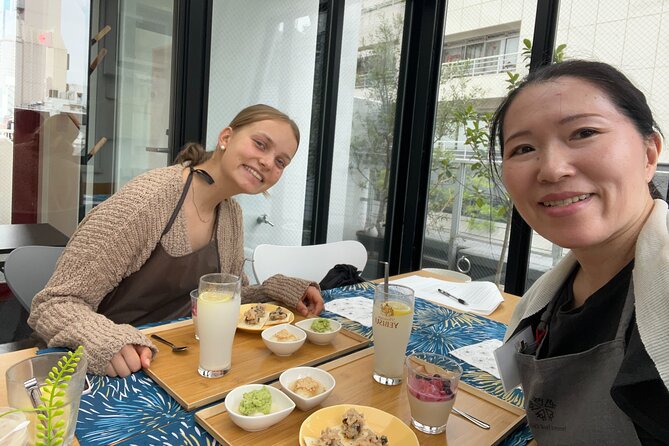
This class leans into Japanese “afternoon tea” energy, even though it is a cooking class. You get sakura tea, plus coffee and/or tea during the session (green tea or other Japanese tea, depending on what is available).
These little drink breaks do more than fill time. They help you reset between steps, and they fit the overall theme: fermentation and beauty are being explained as part of a Japanese routine, not as a one-off gimmick.
You also get an apron, so you are set up for cooking right away, rather than arriving to improvise with whatever you are wearing.
You can also read our reviews of more tours and experiences in Tokyo


Price and value: what you get for $64.09 in 2 hours
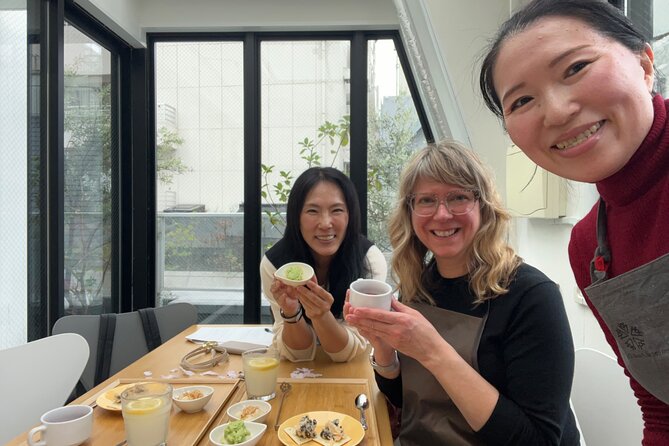
At $64.09 per person, this is positioned as good value for a Tokyo activity. Here is why it can make sense beyond the cooking itself:
You are paying for:
- A 2-hour small-group class (max 6 travelers)
- Vegan snack and dessert making
- Coffee/tea and sakura tea
- A sake kasu hand mask trial
- A lecture handout with recipe material
- An apron, so you can actually cook comfortably
For me, the “value” comes from the combination. A cooking class alone is one experience. Adding the fermented-food lecture plus a hands-on beauty trial makes it feel like you got three components, all related. And the handout means you can repeat at least parts of the recipes back home.
Also, it is a convenient central location near major transit lines, so you are less likely to lose time (or energy) getting there.
One note: private transportation is not included, so if you are moving around Tokyo by taxi or private car, you will still pay that separately.
Who should book this class (and who should skip it)
This experience is a strong match if you want:
- A vegan cooking class in Tokyo that stays focused on Japanese ingredients
- A small-group atmosphere where you can ask questions
- A fermentation-themed experience that includes more than just tasting
- The novelty of trying sake kasu in both food and a skincare trial
It may not be ideal if:
- You have sensitive skin or you are worried about irritation from topical products
- You strongly avoid alcohol and do not feel comfortable with the ingredient despite the class guidance
- You need something kid-friendly in terms of lecture length or format; it is noted that it may not be suitable for children 6 and under
Bonus idea: the fermented lunch class gift
If you are the type of person who likes to go deeper, there is a promotion tied to a second class called the Fermented Food Lunch Class that starts at 11am. If you join both classes on the same day, you receive a special gift: rice koji amazake, the same ingredient used in the dessert class.
If you have the time and want a full day around fermentation, this can be a smart way to stretch the value of your ingredients and learning. If you only want the afternoon session, you can still have a complete experience on its own.
Should you book this class?
Book it if you want a practical, vegan Tokyo workshop that connects food, culture, and beauty—and you like the idea of learning fermentation through something you can actually taste and repeat. The small group size, the included recipe handout, and the hands-on sake kasu hand mask trial are the big reasons this stands out.
Skip or choose with caution if alcohol content or topical skin reactions are dealbreakers for you. Also, if you have hand cuts or wounds, you will not be able to take the mask trial.
If you are excited by Japanese superfoods, fermented sweet drinks, and the idea of healthier eating habits you can use at home, this class is likely a good fit.
FAQ
How long is the class?
It runs for about 2 hours.
Where do I meet for the experience?
The meeting point is Akasaka-Mitsuke Station (3-chōme-1-6 Akasaka, Minato City, Tokyo 107-0052, Japan).
Is the class vegan?
Yes. The class is all vegan.
What ingredients are featured in the desserts?
The class uses amazake and sakekasu (sake lees). The specific dessert menu changes depending on the season.
Is there alcohol in the experience?
The class notes that sakekasu contains around 8% alcohol. You are also advised not to drive after the class.
Do you offer an option for non-drinkers or minors?
Yes. For participants under 20 and for people who do not drink alcohol, the operator uses banana instead. You should write this preference when booking.
What is included in the price?
Included items are apron, the snacks/desserts you make together, coffee and/or tea, a lecture handout with recipe material, and the sake kasu hand mask trial.
What if I have allergies or food restrictions?
You should let the provider know about allergen restrictions. Confirmation is received after booking, unless booked within 3 days of travel.
Is this suitable for young children?
It may not be suitable for children age 6 and under due to the difficulty of the lecture.
What is the cancellation policy?
You can cancel for a full refund up to 24 hours before the experience starts. If you cancel less than 24 hours before, the amount paid will not be refunded. The cut-off is based on local time.