REVIEW · TOKYO
Tokyo: Samurai Experience with a real sword
Book on GetYourGuide →Operated by H.I.S. Co Ltd(TIC) · Bookable on GetYourGuide
A real sword lesson in Tokyo feels like stepping into a different rhythm of time. This one pairs traditional dress with hands-on samurai technique, plus the chance to record your moves for keepsakes.
I especially like that you’re not just watching: you’re taught the basics, then you practice in a controlled, guided way.
What really seals it is the mix of etiquette and action: you learn Zarei seated etiquette, watch Shiden-ryu sword work demonstrated, and then join the sword-to-sword practice. The one thing to consider is that the session needs physical comfort—it’s not suitable for wheelchair users, and cutting-object work is limited to age 12+.
In This Review
- Key points that make this Tokyo samurai experience worth your time
- A Samurai Lesson With Real Sword Work, Not Just Costumes
- Getting There: The McDonald’s West Exit Meeting Point
- Kimono, Hakama, and Zarei Etiquette: Why This Starts the Right Way
- Shiden-ryu Iai Demonstration: The Draw and the Discipline
- Sword Handling, Forms, and Movements: What You’re Actually Learning
- Uchikomi Sword-to-Sword Practice: The Fun Part (With Guardrails)
- The Cutting Moment: Real Steel, Video Recording, Age 12+
- Your Souvenir: Photos and the Take-Home Video
- What Else You Might Get: Calligraphy and a Small Meal
- Price and Value: What $102 Is Buying You
- Language and Communication: English Support, Plus Real-World Flex
- What to Bring (and What to Avoid) So You Don’t Feel Rushed
- Who This Is Best For (and Who Should Skip)
- Should You Book It?
- FAQ
- How long is the Tokyo samurai sword experience?
- Where do I meet the staff?
- What language is used during the experience?
- What should I bring?
- Do I need to provide my body measurements?
- Is cutting objects with a sword included?
- Will I get photos or a video?
- Is there an option to record the cutting part?
- Are there any restrictions on smoking or alcohol?
- Is it refundable if my plans change?
Key points that make this Tokyo samurai experience worth your time
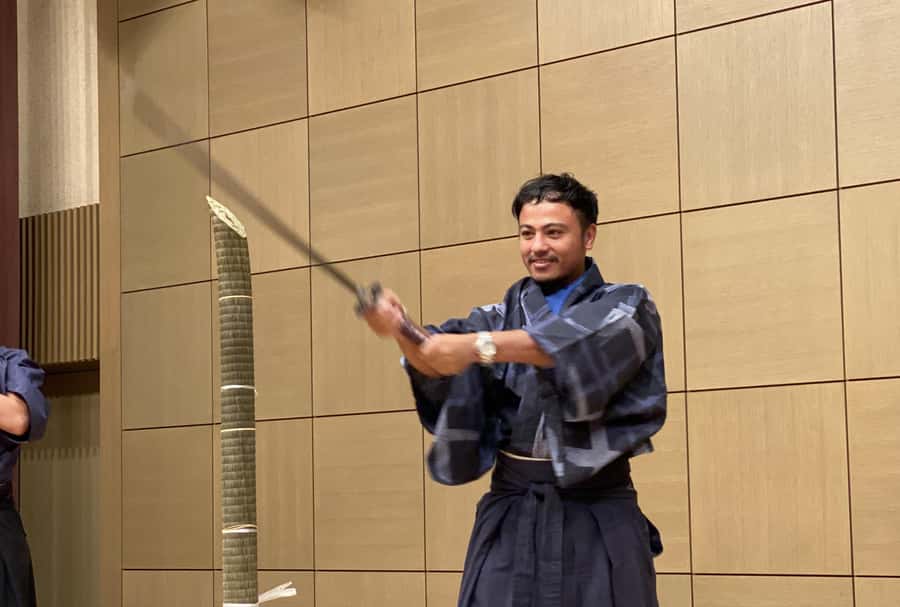
- Kimono and hakama dressing for the full look, not just a costume moment
- Zarei etiquette (seated manners) so the practice feels like the real form
- Shiden-ryu demonstration, then instructor-led training on sword handling
- Interactive sword-to-sword combat (Uchikomi) rather than a passive show
- Cutting objects with a genuine samurai sword, filmed so you can relive it
- Photo session plus a take-home video included in the experience
A Samurai Lesson With Real Sword Work, Not Just Costumes
In Tokyo, it’s easy to find “samurai-themed” activities that stop at photos. This one goes further. You start with the basics of how samurai training begins—with rules, posture, and etiquette—then you move into sword technique with a professional coach. That matters because the sword isn’t the point by itself. The training is.
You’ll dress in kimono and hakama, then go through technique coaching that covers handling, forms and movements, and the rhythm of drawn-and-sheathed sword work. The result feels like a structured introduction to sword discipline, not a gimmick.
And yes, the thrill is real: a sword-to-sword fight drill and the chance to cut objects with a real blade. You also leave with a video and photos, which turns the whole thing into something you can share without needing to explain every step.
You can also read our reviews of more tours and experiences in Tokyo.



Getting There: The McDonald’s West Exit Meeting Point
You’ll meet at a specific spot right after the ticket gates: exit via the west exit, walk down to the ground floor, and look for McDonald’s. The staff hold a meeting board.
Two practical tips:
- Arrive 20 minutes early. If your train drops you late or you’re navigating station exits, early arrival protects your time.
- Know that the meeting location can vary within Tokyo depending on the date. You’ll be notified if that happens, so don’t assume the same street corner every time.
Kimono, Hakama, and Zarei Etiquette: Why This Starts the Right Way
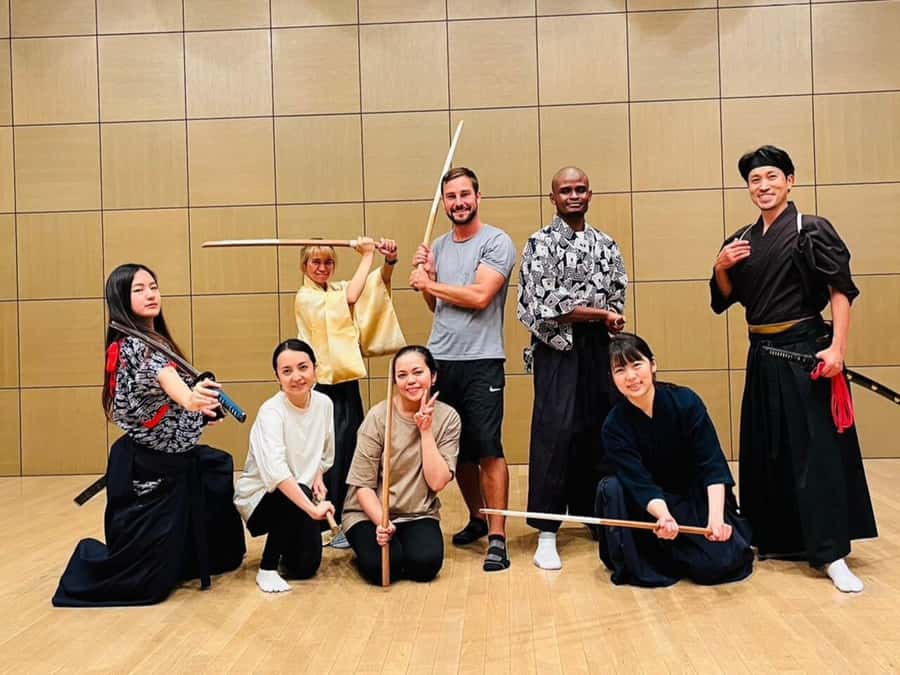
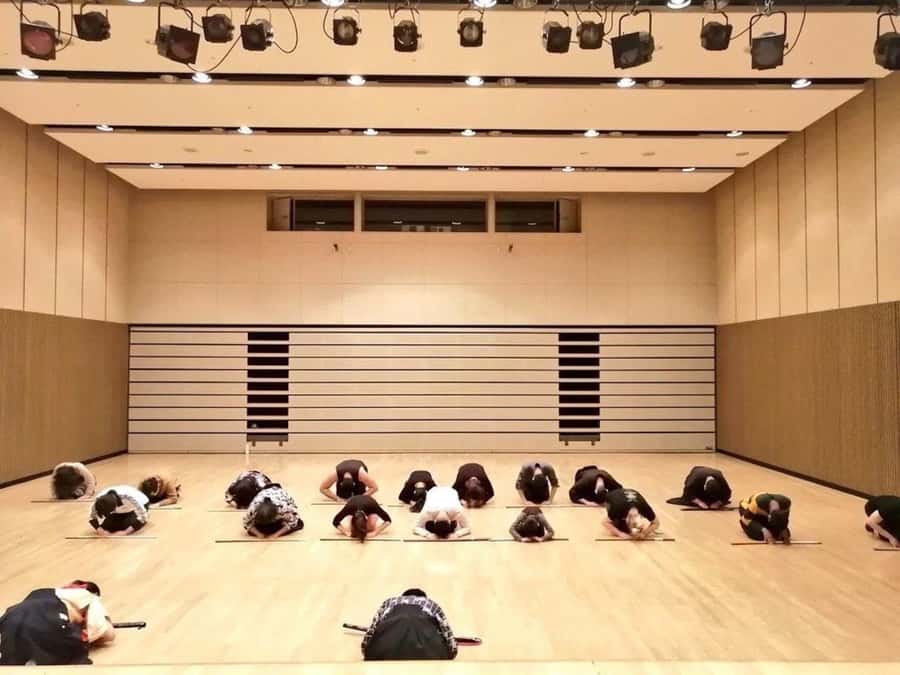
The session isn’t just about swinging steel. It begins with reception and dressing, then a quick orientation to samurai etiquette (Zarei).
Zarei is seated etiquette, and it changes the feel of the lesson. Instead of jumping straight into action, you learn how posture and form come first. For you, that means you’re less likely to feel lost during the technical parts later on. For the group, it keeps everyone moving at the same pace and reduces chaos—important when you’re learning with sharp tools and strict rules.
After that, you’ll be taught how to handle the sword correctly. That setup is the difference between a fun stunt and a skill you can actually repeat.
Shiden-ryu Iai Demonstration: The Draw and the Discipline
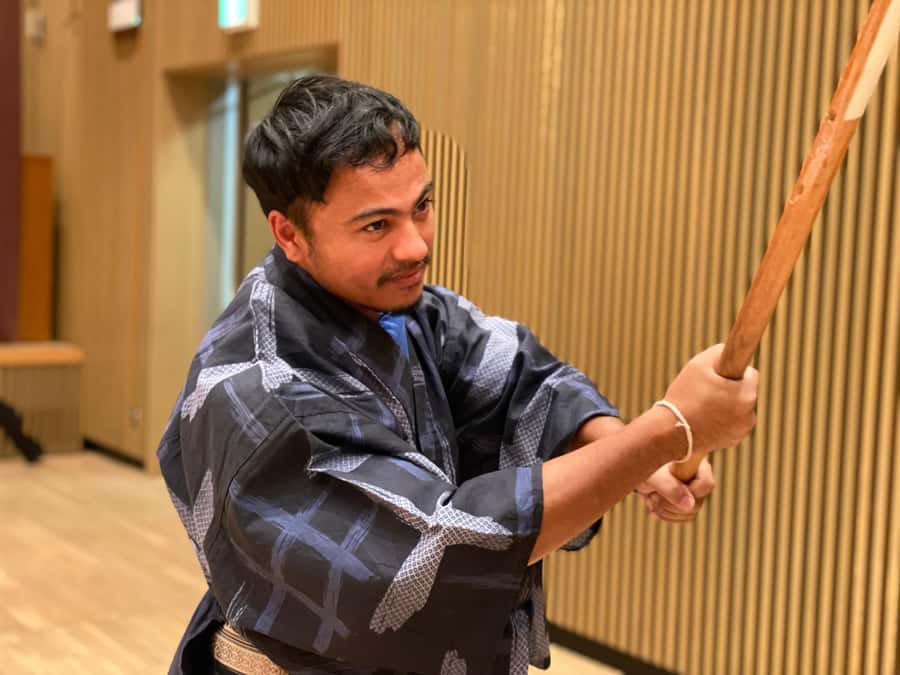
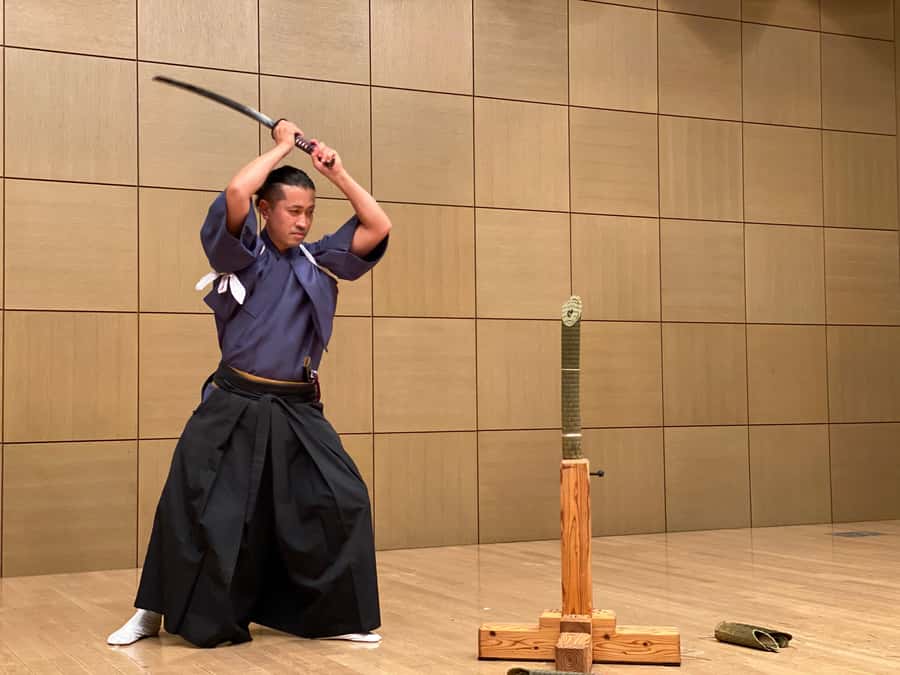
A highlight is the demonstration of iai and swordsmanship by Shiden-ryu. Iai is about the draw-and-control side of sword technique—how the movement is timed, how the blade behaves, and how the posture stays consistent.
Even if your background is zero, this kind of demonstration helps you understand what the instructors are aiming for. You’re not just learning “swings.” You’re learning a sequence and a body position that makes the technique safe and effective.
And since the instructors then teach you the handling techniques, you’re not left staring at a sword like it’s magic. You get the basics you need to connect what you saw to what you’ll practice next.
Sword Handling, Forms, and Movements: What You’re Actually Learning
The core training covers:
- sword handling techniques
- samurai forms and movements
This is where you’ll notice the structure. The coach isn’t simply giving instructions like a workshop where anything goes. The session is built around learning the body mechanics and timing first, then applying them in drills.
One subtle benefit: you’ll likely leave with a clearer idea of how disciplined martial arts training works. It’s not only about power. It’s about control, angles, and repeatable motion. That’s the part that makes the experience feel culturally grounded rather than purely adrenaline-driven.






Uchikomi Sword-to-Sword Practice: The Fun Part (With Guardrails)
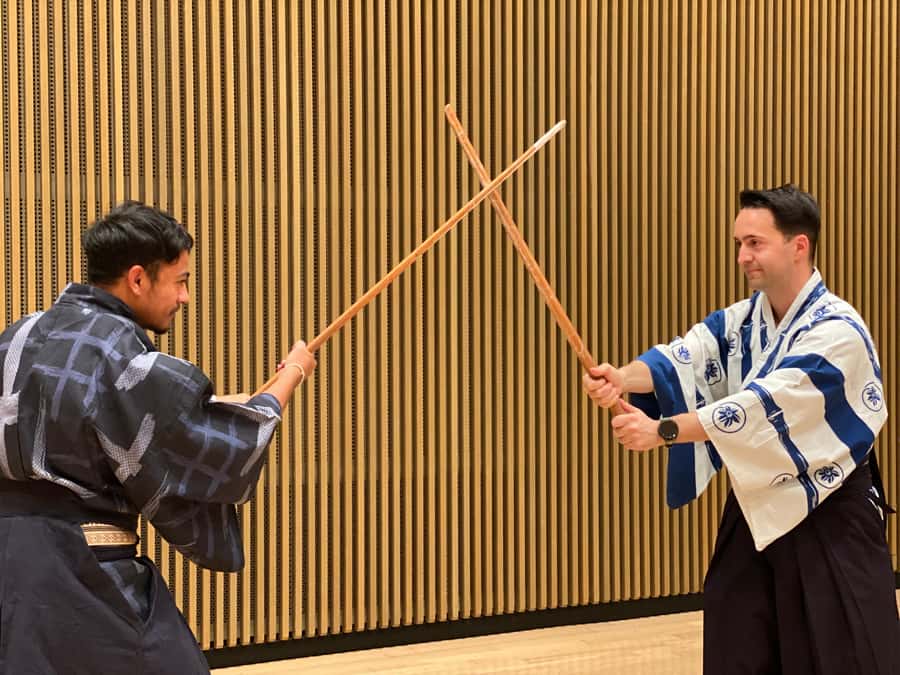
Then comes the interactive portion: sword-to-sword combat (Uchikomi). This is the point most people came for. You get to participate in a controlled back-and-forth practice where your movements meet someone else’s training rhythm.
Even though it’s exciting, the key is the coaching. Professional guidance helps keep the session safe and helps you focus on form instead of just chasing speed. If you like experiences where you can be part of the action—rather than only watching—this drill is the payoff.
The Cutting Moment: Real Steel, Video Recording, Age 12+
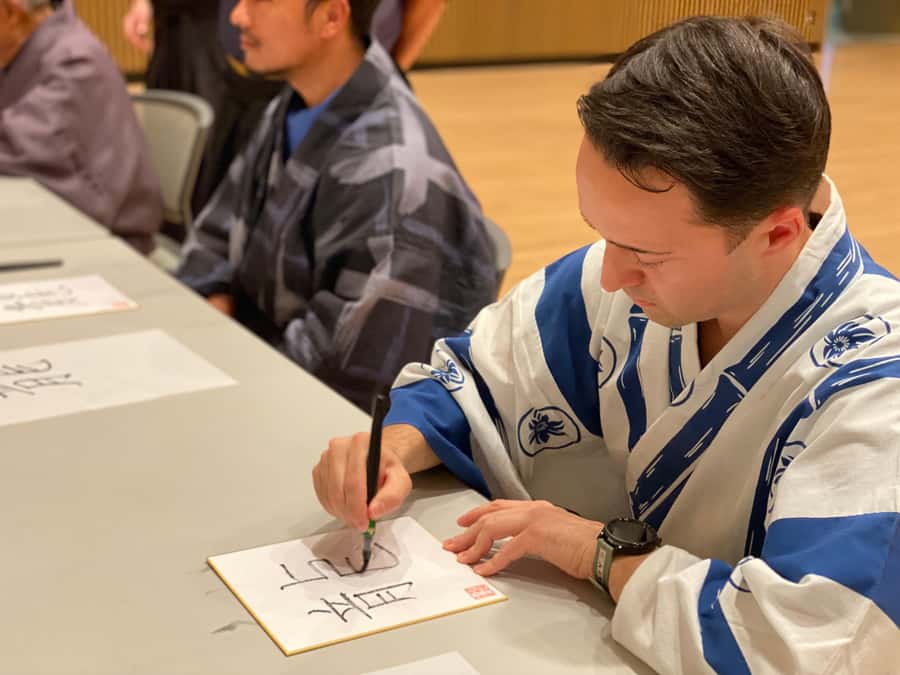
Cutting objects with a real samurai sword is available for participants aged 12 and above. That’s important, because it means the session is flexible for younger participants in general—but the cutting action itself has a clear minimum age rule.
The experience also includes cutting objects with video recording available. So you’re not guessing later whether you did it “right.” You have footage you can show friends and use to compare your stance, timing, and blade angle.
Practical expectations:
- You’ll want to listen closely during the lead-up. This kind of cutting requires specific setup and spacing.
- You should be comfortable following instructions fast. The session runs about two hours, so there’s not much idle time.
Your Souvenir: Photos and the Take-Home Video
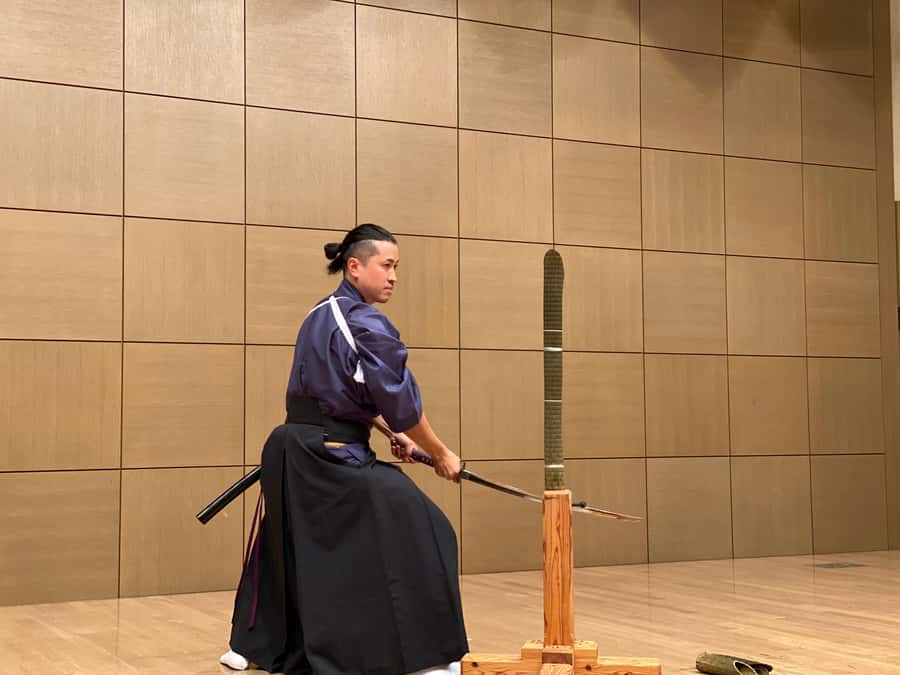
A lot of Tokyo experiences give you photos. Fewer give you a video that includes your action.
Here, you’ll get:
- a commemorative photo session
- presentation and video recording
- a video of your experience, including the cutting section
For most people, the video is the real memory-maker. It turns a short, two-hour block into something you can rewatch later and actually understand what you did.
What Else You Might Get: Calligraphy and a Small Meal
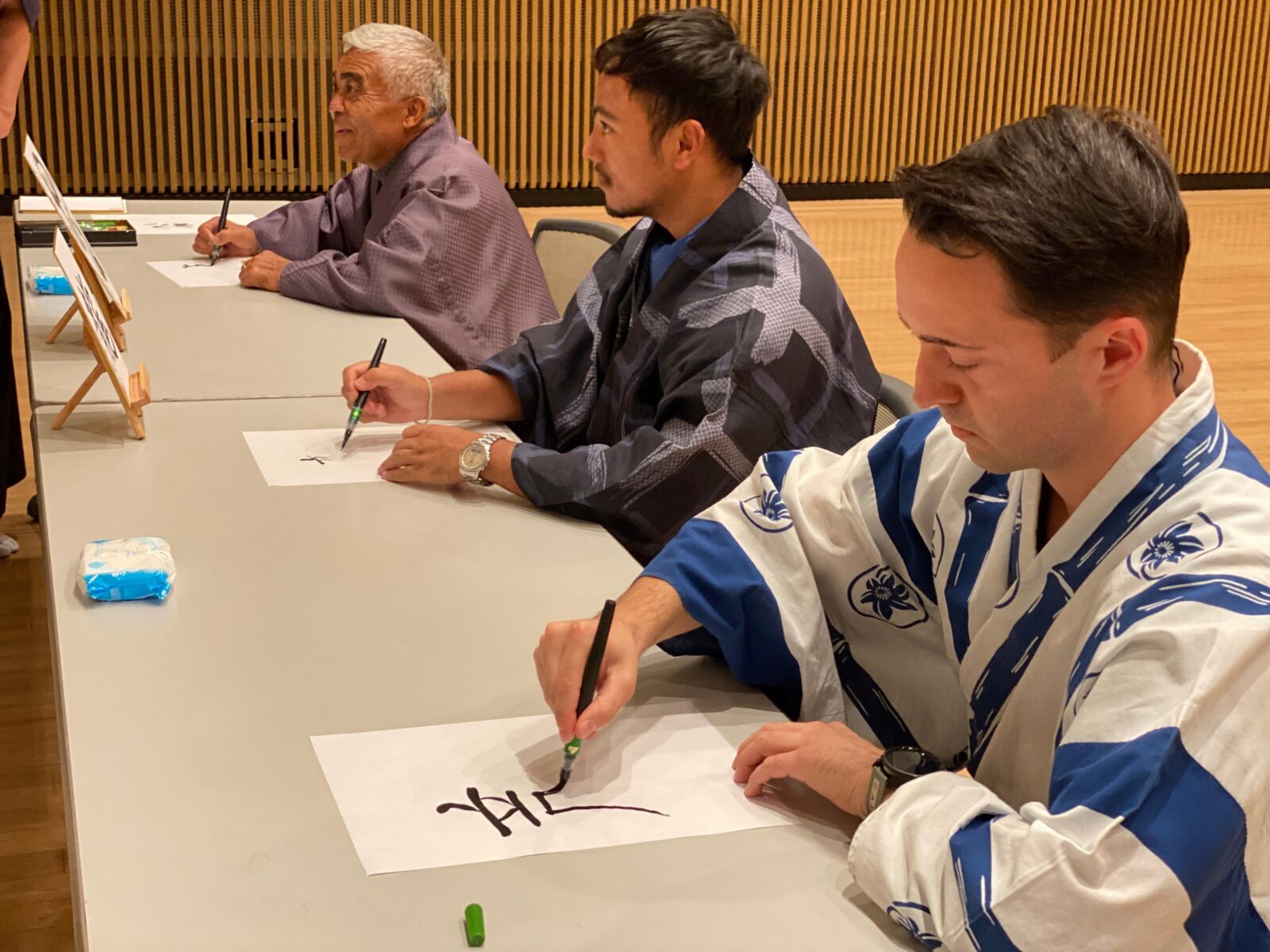
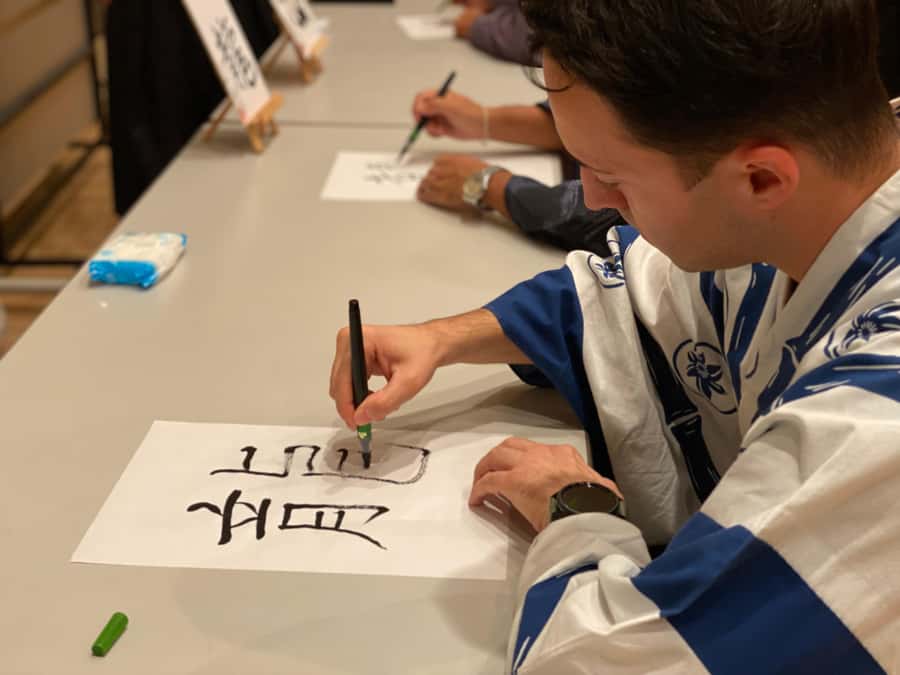
Some sessions include extras beyond the sword focus. In one set of experiences, people added a calligraphy session and a small meal during the overall event. If that happens on your date, it’s a nice balance: after learning disciplined movement, you switch to something quiet and cultural.
I like extras like this because they help the whole day feel more connected to Japan beyond the one activity. It’s not required for the event to be worthwhile, but it can add real value to your time.
Price and Value: What $102 Is Buying You
At about $102 per person for roughly two hours, you’re paying for more than a costume or a basic demo. Your fee includes professional coaching, English-speaking staff, venue fees, and photography charges. It also covers reception, dressing, instruction, the sword-to-sword practice portion, and the video and photo souvenir.
In other words, you’re paying for:
- guided instruction with a real sword setting
- a structure with etiquette + technique + practice
- take-home content (video and photos), which many standalone classes charge extra for
If you want a “one-and-done” Tokyo experience that gives you both skill and a tangible souvenir, the pricing makes sense.
Language and Communication: English Support, Plus Real-World Flex
The experience is listed with English-speaking staff, and the instructor is English. That’s the headline.
Still, real life varies. Some hosts may not be fluent all the time, and you may end up using phone translation to make quick questions easy. It doesn’t usually block the experience, because the session is very practical: instructions are repeated, and demonstrations do a lot of the work.
If you’re the type who likes to ask lots of questions, it helps to prepare a few simple ones in advance about what you should focus on—like posture, timing, or safety rules.
What to Bring (and What to Avoid) So You Don’t Feel Rushed
Here’s what the session expects you to have:
- change of clothes (you’ll be changing during the experience)
- water
- comfortable clothes
A couple of small but important notes:
- Bring a drink with a secure lid.
- Height and weight are needed by the reservation form, so they can fit the kimono/hakama properly.
- You should follow the no-smoking rule and avoid alcoholic drinks in the vehicle.
If you want this to feel smooth, pack light and avoid anything that’s hard to carry during changing.
Who This Is Best For (and Who Should Skip)
This activity is a strong fit if you:
- want hands-on practice, not just a show
- enjoy structured instruction and clear rules
- want a memorable souvenir you can watch later (video + photos)
It’s not suitable for:
- pregnant women
- wheelchair users
Also, if you’re expecting zero physical effort, this may not be the right match. Kimono dressing, stance work, and sword practice require coordination and comfort.
Should You Book It?
I think this is a great booking choice if you want a true taste of samurai discipline—etiquette first, then technique, then a chance to do the action with real sword work and take home a video.
Skip it if:
- you’re sensitive to the idea of physical stance training, even at a beginner level
- you need wheelchair access
- you’re traveling with expectations that the focus is only on photos (the real value is the instruction and practice)
If you want to remember Japan with something that goes beyond a picture, this delivers: you leave with the look, the learned basics, and the footage.
FAQ
How long is the Tokyo samurai sword experience?
The experience lasts about 2 hours.
Where do I meet the staff?
Meet after exiting the ticket gates, go out the west exit, and head to the ground floor where you’ll find McDonald’s. Staff will be there holding a meeting board.
What language is used during the experience?
English.
What should I bring?
Bring a change of clothes, water, and comfortable clothes.
Do I need to provide my body measurements?
Yes. You’re asked to provide your height and weight by the reservation form.
Is cutting objects with a sword included?
Cutting objects with a real sword is available, and cutting is available for participants aged 12 and above.
Will I get photos or a video?
Yes. You’ll have a photo session and you’ll be able to take home a video of your experience.
Is there an option to record the cutting part?
Video recording for cutting objects is available, and the experience includes video recording/presentation as part of the session.
Are there any restrictions on smoking or alcohol?
Smoking is not allowed, and alcoholic drinks in the vehicle are not allowed.
Is it refundable if my plans change?
You can cancel up to 14 days in advance for a full refund.