REVIEW · TOKYO
Tokyo: Izu Scenic Oceanview Train, Volcano, Coast Day Trip
Book on GetYourGuide →Operated by TAIHOU CO,LTD · Bookable on GetYourGuide
Pacific air beats Tokyo time tables. This day trip strings together sea views on the Resort 21 train, a volcano summit loop, and wild-coast walking on the Jogasaki Coast. It’s a lot to fit into 11 hours, but the payoff is the kind of scenery that feels way bigger than a day-trip should.
I love how the route mixes big-picture icons with “small place” moments. You get a summit viewpoint at Omuroyama with a 360-degree trail, then you can decompress at Izu Cactus & Animal Park with hands-on cactus/succulent time and animal cuteness. The one clear drawback: food and optional activities aren’t included, and the schedule can feel tight if you’re expecting a relaxed pace.
That tightness matters for your planning. One piece of feedback I saw flagged late driver arrival, limited upfront orientation, and no built-in lunch time—so if you want extra guidance or a guaranteed meal, plan to self-manage with snacks and cash, and be ready to move.
In This Review
- Key Highlights You’ll Actually Feel
- Morning Pickup from Tokyo Mode Gakuen: beat the crowds
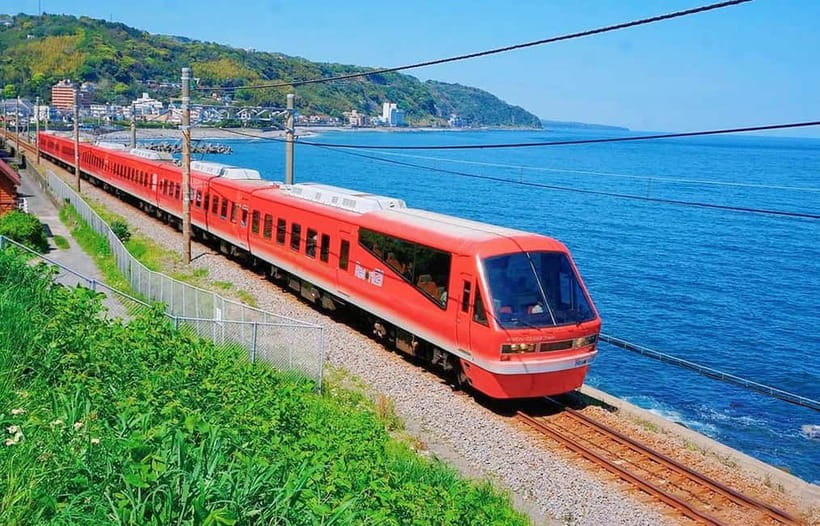
- Resort 21 Oceanview Train: the sea comes close fast
- Omuroyama Volcano Summit: matcha-pudding cone and 360 views
- Izu Cactus & Animal Park: friendly chaos in the greenhouses
- Kadowaki Suspension Bridge and Jogasaki Coast: lava cliffs and roar
- Ito Marine Town: quick food and omiyage, with sea views
- Price and Value: why $90 can be fair, and when it isn’t
- How the Day Feels on the Ground: small group, real schedule limits
- Who This Tour Fits Best (and who should skip)
- Should You Book This Izu Scenic Oceanview Train Day Trip?
- FAQ
- What time and where do I meet for the Tokyo pickup?
- How long is the tour?
- What’s included in the price?
- Is lunch included?
- Are there optional fees?
- How big is the group?
- Is the tour wheelchair accessible?
Key Highlights You’ll Actually Feel
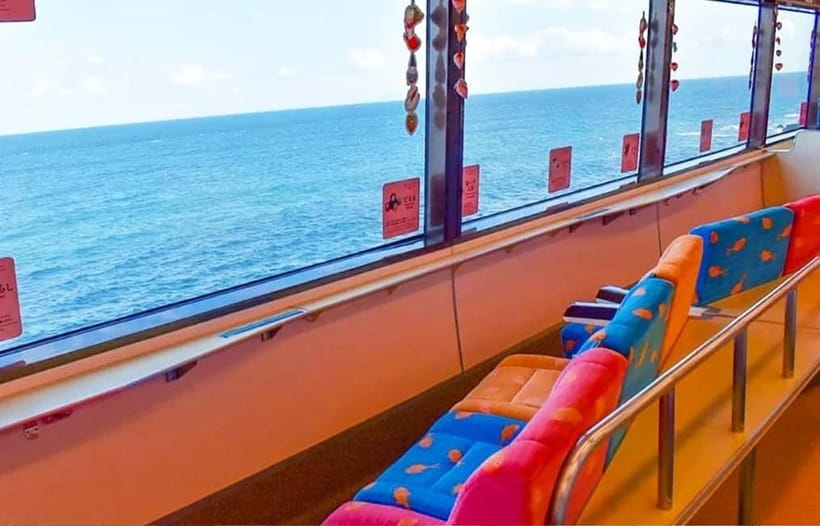
- Resort 21 oceanfront windows with cliff-hugging views for a memorable short sea segment
- Omuroyama’s 360-degree circular trail atop an extinct volcano shaped like a cone
- Izu Cactus & Animal Park with squirrel monkeys, kangaroos, and themed greenhouses of cacti/succulents
- Kadowaki Suspension Bridge (48 meters long, 23 meters high) over roaring waves
- Jogasaki Nature Trail (about 9 km) with volcanic rock formations and dramatic viewpoints
- Ito Marine Town for quick bites, omiyage shopping, and seaside cooling-off
Morning Pickup from Tokyo Mode Gakuen: beat the crowds
Your day starts early at Tokyo Mode Gakuen in Shinjuku (1-7-3 Nishi-shinjuku). You meet at 6:45AM and depart 7:00AM, which is early enough that the city still feels half asleep. That early start is part of the value here: you’ll spend daylight on the coast instead of sitting in traffic during peak hours.
The tour uses an air-conditioned coach with a professional multilingual driver. The driver gives simple commentary during the drive, but they do not accompany you inside attractions. That’s normal for Japanese day tours, but it’s important for your expectations: you’ll want to listen closely when instructions are given, because inside stops are self-guided within the allotted time.
Also, the vehicle seats are smaller than what many travelers expect from Western coaches. If you’re tall or broad-shouldered, pack your “comfort strategy” (water, posture help, and a light layer).
You can also read our reviews of more tours and experiences in Tokyo



Resort 21 Oceanview Train: the sea comes close fast
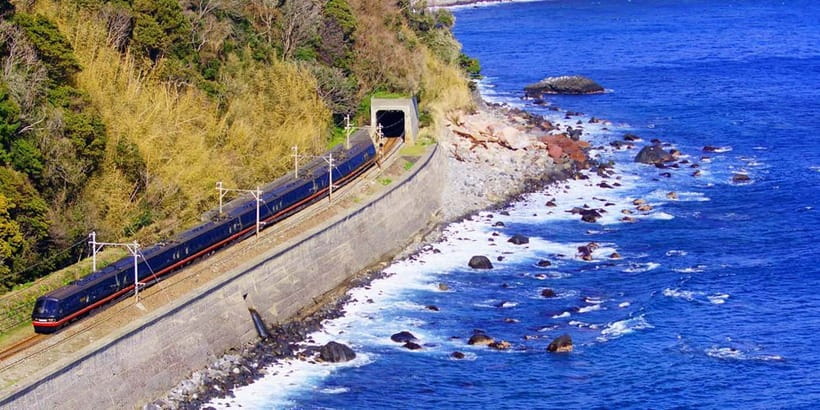
One of the best parts of this trip is the train itself: the Resort 21 limited express from Izu-Kogen Station. This is the moment the tour stops feeling like a checklist and starts feeling like a travel story. Even if you don’t speak Japanese, you don’t need a translation app for the view.
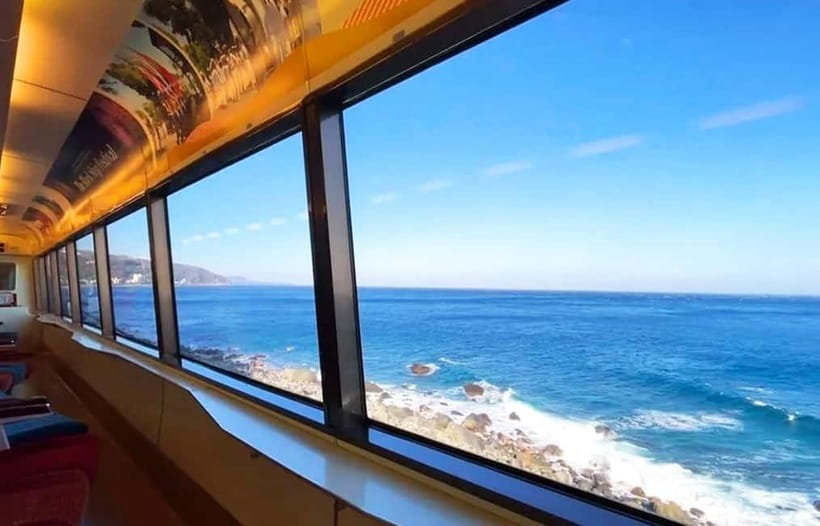
Here’s what makes it special: the windows open to a near-breeze-in-your-face experience, and the sea scenery changes quickly as the route hugs the coastline. On the segment between Katase-Shirata and Izu-Inatori, you get a short but intense run where waves look close enough to make you lean forward. Sometimes the horizon feels endless; sometimes you’re watching surf crash against dark rock just outside the glass.
Practical tip: have your camera ready, but also put your phone away for a few minutes. The brain needs time to actually process what you’re seeing—especially on coastal routes where the colors and motion keep changing.
Omuroyama Volcano Summit: matcha-pudding cone and 360 views
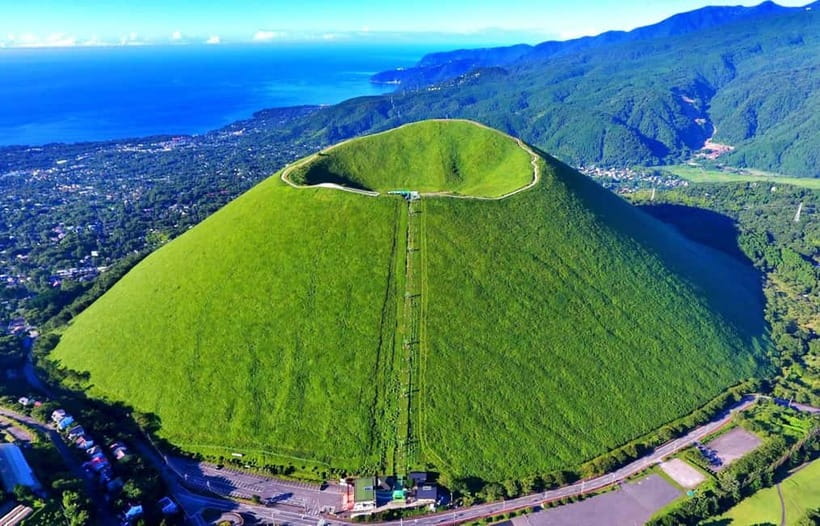
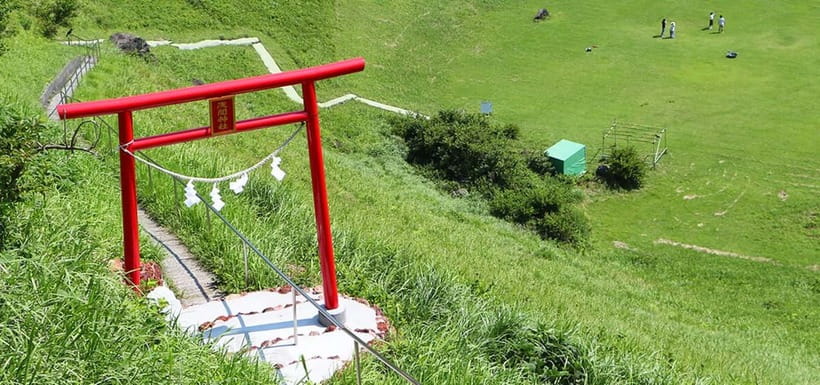
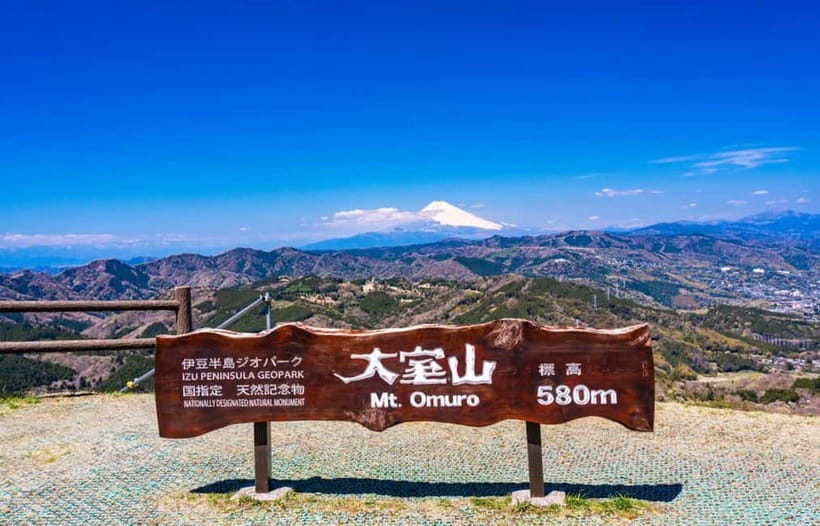
Omuroyama is the sort of place that sounds cute until you get there. It’s an extinct volcano shaped like a cone—often compared to a giant matcha pudding—and you head to the top with a scenic chairlift. The chairlift is listed as optional, so if you want the classic “summit first, then stroll” experience, budget for that lift fee.
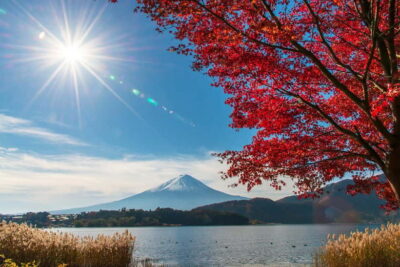
Once up top, you’ll walk a circular trail designed for panoramic viewing. The payoff is the scale: on clear days you can see Mt. Fuji, Sagami Bay, the Hakone mountains, and the Izu Seven Islands in the Pacific. Even if the visibility isn’t perfect, you still get a strong sense of how this coast sits against open water.
What I like about this stop is the mix of effort and reward. You’re not doing a hardcore climb, but you’re also not stuck at a single viewpoint. The 360-degree loop keeps the experience moving, so you don’t feel trapped looking at just one direction.
One consideration: if weather turns or clouds sit low, your “Fuji moments” may be limited. Still, the trail and volcanic terrain are worth doing even when the view is more muted.
Izu Cactus & Animal Park: friendly chaos in the greenhouses
Next up is Izu Cactus & Animal Park, where the mood shifts from coastal drama to quirky, sunny fun. This is not just a cactus display. It’s a world of themed greenhouses and animals that feel like part of the landscaping.
You can expect free-roaming animal moments—your route includes encounters with squirrel monkeys and kangaroos. The park vibe is hands-on, but you’ll still want to follow staff rules because you’re sharing space with animals.
Then come the greenhouses: there are five themed greenhouse areas and over 1,500 cacti and succulents from around the world. The point isn’t to memorize species. The point is to let your eyes relax on textures, shapes, and small details. And yes, you can do a DIY succulent potting experience and take your handmade creation home.
Seasonal note: in winter, the park features capybaras enjoying hot spring baths. If you’re traveling outside peak seasons, that kind of seasonal detail can make the visit feel extra personal.
Practical tip: bring cash. Even when major entrance fees are optional, the DIY and any extra purchases tend to work best with ready payment.
Kadowaki Suspension Bridge and Jogasaki Coast: lava cliffs and roar
After the park, you head for your coastal payoff: the Jogasaki Coast. This area is shaped by volcanic activity from about 4,000 years ago, which is why the cliffs look rugged and layered like something sculpted by time and fire.
The big photo stop is the Kadowaki Suspension Bridge. It’s 48 meters long and 23 meters high, suspended above waves that feel loud even from the bridge. If you’re afraid of heights, take a slow approach—walk out when your brain is calm, not during a panic surge.
From there, you walk the Jogasaki Nature Trail. The route is about 9 km, with epic viewpoints and volcanic rock formations. You’re not just strolling for exercise. You’re moving along a coastline that constantly changes your perspective: dark rock in one section, bright sea reflections in another.
What to wear matters here. Comfortable shoes are non-negotiable. The ground around lava coasts can be uneven, and you’ll want grip when you stop to photograph.
A balanced caution: this portion of the day can feel long if the coach schedule runs late. If you’re the type who hates being rushed, build in a mindset of “move with the group and enjoy the moments you get.”




Ito Marine Town: quick food and omiyage, with sea views
Before heading back to Tokyo, the itinerary includes a stop at Ito Marine Town, a seaside rest area. Think of it as a practical wrap-up: a chance for quick snacks, local food, omiyage shopping, and ocean views.
This stop helps fill the biggest gap in the package: the tour doesn’t include food and drinks. So if you want something more than vending-machine snacks, Ito Marine Town is your best bet on this route. You’ll also find regionally made sweets and ice cream, plus souvenirs like hot spring skincare items.
If you’re the kind of traveler who likes to bring home edible gifts and small practical items, this is a good place to do it without turning the day into a separate shopping mission.
Price and Value: why $90 can be fair, and when it isn’t
At about $90 per person for an 11-hour day, the math mostly works because you’re paying for three expensive things at once:
- Round-trip coach transportation (air-conditioned)
- A scenic train ticket on the Resort 21
- Driver and on-the-ground logistics like expressway tolls and parking
That package value is real if you’re the type who would otherwise spend money on train tickets plus private transport plus separate planning.
Where the cost can surprise you: food isn’t included, and optional activities can add fees (like the chairlift up Omuroyama, and optional zoo entrance). If you plan to eat three full meals out, you may end up spending more than you’d expect for a “cheap day trip.”
My best advice: assume you’ll buy snacks and a proper meal yourself. Bring cash for the spots that run on it, and keep your schedule flexible so optional fees don’t create pressure.
How the Day Feels on the Ground: small group, real schedule limits

This is a small group capped at 9 participants, which is one of the reasons the day stays manageable. Smaller groups usually mean quicker boarding and less chaos. It also means you’ll notice if the schedule gets off.
One piece of feedback I saw pointed to issues like delayed driver arrival, limited orientation, and tight time allowances. Even if your experience isn’t identical, it highlights the key risk of this kind of tour: you’re on rails. The driver won’t “translate your experience” inside each stop, so you’re responsible for staying aware of time and meeting points.
So here’s how you can make the tour work for you:
- Be at the meeting point early (the tour asks for 15 minutes before departure)
- Check your email the evening before for details, and check spam/junk too
- Listen when the driver gives instructions for where to go next
- Carry a small snack plan so you’re not stuck hungry during tight intervals
If you love big scenery but dislike micromanaged days, this tour sits in the middle. It’s structured, but not boring.
Who This Tour Fits Best (and who should skip)
This trip fits best if you want:
- Ocean scenery from Tokyo in one long day
- A memorable train moment on the Resort 21
- A mix of viewpoints, walking, and hands-on time at Izu Cactus & Animal Park
- Coast photos plus a volcanic landscape, not just one attraction
You might want to skip or at least rethink if:
- You need a wheelchair-friendly route (it’s not suitable for wheelchair users)
- You strongly dislike timing pressure
- You’re counting on a built-in lunch stop and a guided walkthrough inside attractions
If you’re traveling with older kids who can handle walking and waiting, it can also work well because the day has lots of visual variety.
Should You Book This Izu Scenic Oceanview Train Day Trip?
If you’re chasing the “I’m going to remember this train ride” feeling, this tour is a solid pick. The combination of Resort 21 coastline windows, Omuroyama’s summit views, and the Jogasaki Coast + Kadowaki Bridge makes the day feel like more than a typical Tokyo side trip.
Just go in with eyes open. Bring cash, wear comfortable shoes, and plan your own food. Also, treat the “optional chairlift” like part of your strategy, not an afterthought, because that decision affects how the summit loop feels.
For the right traveler, it’s an efficient way to get Izu’s dramatic coast without spending days changing transportation plans.
FAQ
What time and where do I meet for the Tokyo pickup?
Meet at 6:45AM and depart at 7:00AM from Tokyo Mode Gakuen, 1-7-3 Nishi-shinjuku, Shinjuku-ku, Tokyo.
How long is the tour?
The duration is 11 hours.
What’s included in the price?
Included are the scenic train ticket, round-trip transportation by air-conditioned vehicle, a professional multilingual driver, expressway tolls, vehicle fuel cost, and parking fees.
Is lunch included?
No. Food and drinks are not included, so you’ll need to plan to buy your own meals or snacks during the day.
Are there optional fees?
Yes. The Omuroyama lift fee is listed as optional, and zoo entrance fees are also optional.
How big is the group?
It’s a small group limited to 4 to 9 participants.
Is the tour wheelchair accessible?
No. It is listed as not suitable for wheelchair users.
If you tell me when you’re going (month) and whether you care more about walking vs. viewpoints, I can suggest how to pace yourself on the coast section.