REVIEW · TOKYO
Tokyo: Customizable Day Trip Within Tokyo & English-Driver
Book on GetYourGuide →Operated by Mount Fuji Discoveries · Bookable on GetYourGuide
Tokyo by private car beats the subway grind. This customizable day trip mixes iconic Tokyo stops with futuristic Odaiba, all driven in comfort with hotel pickup/drop-off. You’ll also have an English-speaking guide riding along to help make sense of what you’re seeing—no silent bus tour energy.
I like two things most: the route flexibility (you can reshape the day as you go) and the time saved by handling transport in a private car. One possible drawback: even with English included, the guide’s fluency can vary day to day—so keep questions simple and ask for repeats if needed.
In This Review
- Key Moments That Make This Day Trip Worth It
- The Big Idea: A 10-Hour “Pick Your Tokyo” Day
- Your Ride and Your Guide: Comfort Plus Real Explanations
- Asakusa and Nakamise Street: Where Old Tokyo Still Shows
- Skytree Photo Stop: Go Early for the Best Views
- Sumida River Cruise and Rainbow Bridge: Tokyo’s Most Scenic Detour
- Ueno Park and Akihabara: Culture + Nerd Heaven (Choose Your Pace)
- Ginza Six Rooftop Garden: A Quiet City Break
- Takeshita Street in Tokyo’s Fashion Zone
- Meiji Shrine: The Reset Button Between City Worlds
- Shibuya Crossing, Hachiko, and Nonbei Yokocho Side-Alleys
- Odaiba: Gundam, TeamLab Borderless, and Big Views
- Tokyo Tower and Shibuya Sky Twilight: The Golden Hour Payoff
- Price and Value: $322 Per Group Up to 6 (What You’re Really Buying)
- The Real Logistics: Timing, Walking, Weather, and Rules
- Who This Day Trip Fits Best
- Should You Book This Tokyo Private Day Trip?
- FAQ
- Is lunch included in the tour price?
- Are Tokyo Skytree tickets included?
- What’s included with the private vehicle?
- Where does pickup work?
- Can this tour start from an airport or cruise terminal?
- How flexible is the itinerary?
Key Moments That Make This Day Trip Worth It
- Private car comfort (Toyota Alphard) with WiFi and charging ports, plus air-conditioning when Tokyo gets hot
- Hotel pickup and drop-off inside Tokyo’s 23 wards, so you don’t waste the day wrangling trains
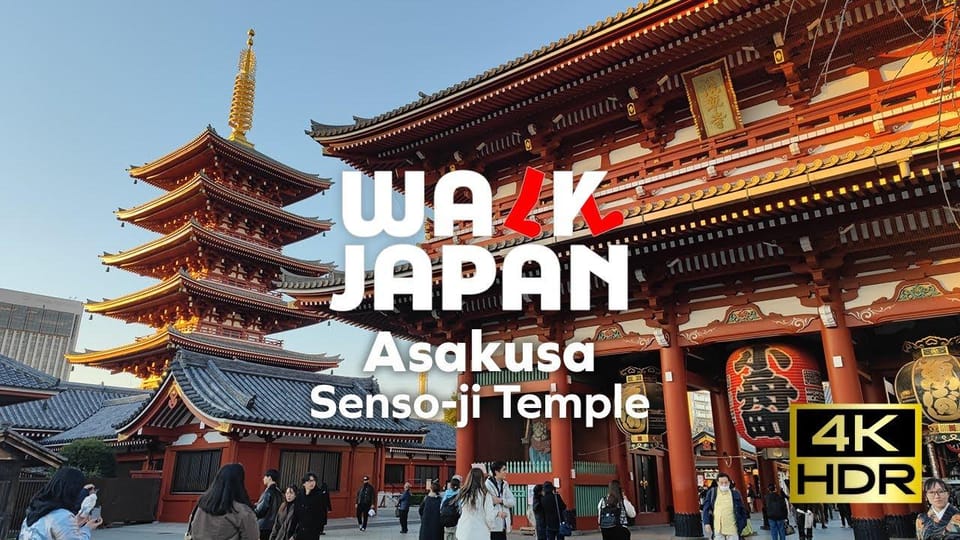
- Senso-ji and Nakamise Street for classic Tokyo with snacks that stretch way back (Nakamise dates to 1688)
- Sumida River cruise + Rainbow Bridge views for photos you can’t get from a sidewalk
- Odaiba futurism with Gundam statues and TeamLab Borderless-style digital art time
- Skyline payoff near sunset at places like Shibuya’s viewpoints and Tokyo Tower (timing depends on your plan)
The Big Idea: A 10-Hour “Pick Your Tokyo” Day
This isn’t a rigid sightseeing checklist. The whole point is that you get your own driver-guide and you can adjust the route based on what you care about—temples, shopping, anime energy, or skyline views. With a private vehicle, you can also move through busy areas without the constant “which train now?” stress.
The other smart piece is how the day is built to cover different moods. You start with old Tokyo around Asakusa and Senso-ji, then shift toward modern city landmarks like Tokyo Skytree and the Ginza area. After that you get Harajuku/Takeshita Street style youth culture, then Shinto calm at Meiji Shrine, and finish with big visual Tokyo moments in Shibuya and Odaiba.
In a perfect Tokyo day, you need two things: time control and translation help. This tour gives you both, but with a small reality check: English commentary quality can be uneven. In the best cases, guides like Lux, Syed, and Jimmy (seen on past departures) have a knack for making places feel clear and personal. In other cases, English can be good rather than perfectly fluent—so don’t rely on the tour to answer super technical questions you could ask in advance.
You can also read our reviews of more tours and experiences in Tokyo



Your Ride and Your Guide: Comfort Plus Real Explanations
You’ll ride in a private, air-conditioned Toyota Alphard with WiFi and charging ports. That matters in Tokyo because walking and waiting can eat your energy fast. Also, the driver handles parking logistics around busy stops—meaning you’re not spending your day searching for the right entrance.
The guide is the second half of the value. You’re not just chauffeured. During the drive, you’re meant to get commentary and local context (not total silence). You’ll also get help with entry at included stops.
Two practical tips:
- If you want specific shopping stops—Akihabara electronics/anime, Tsukiji fish market, or Harajuku fashion—bring them up early so the driver can build the route.
- If something is unclear, ask for a repeat right away. Don’t save it for later.
Asakusa and Nakamise Street: Where Old Tokyo Still Shows
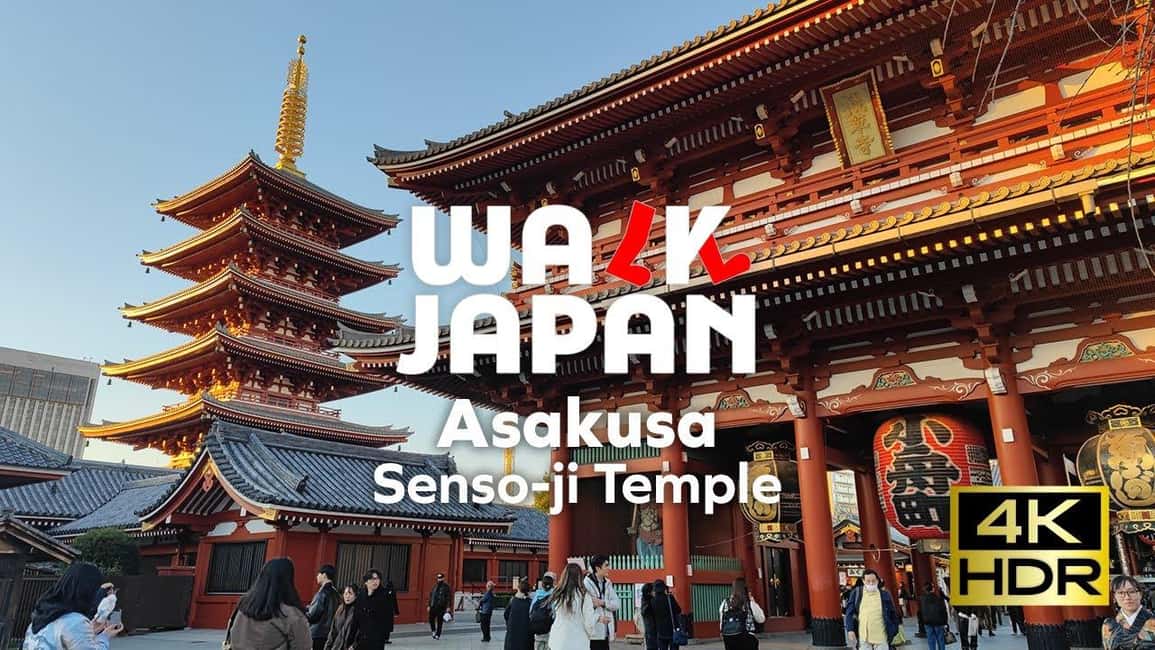
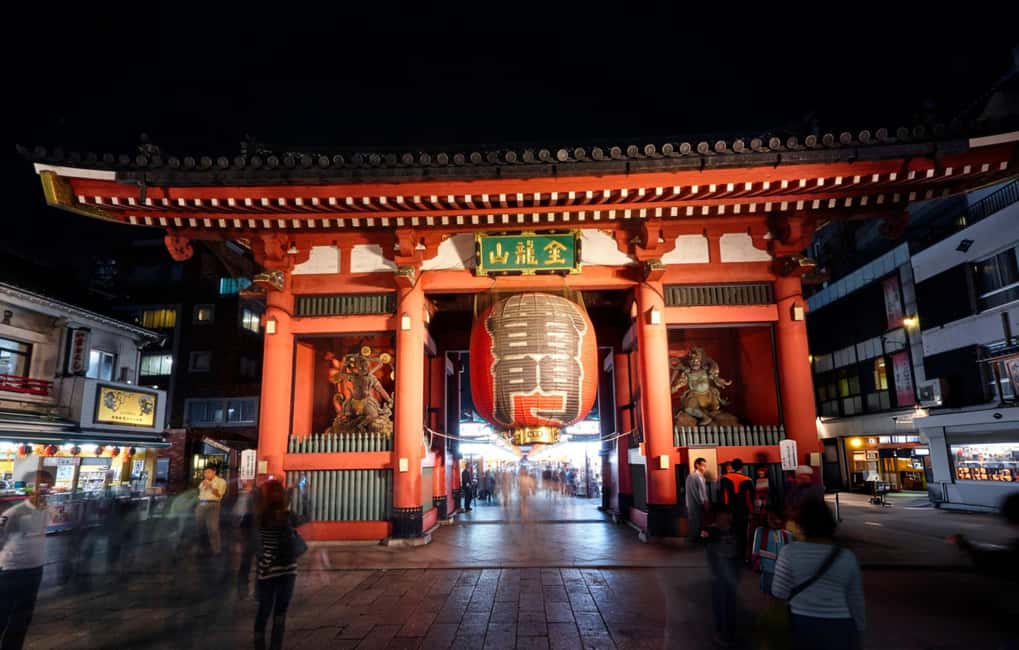
Asakusa is the part of Tokyo that feels like a postcard became real. You get time at Sensō-ji Temple and also the long, snack-focused hallway that leads up to it: Nakamise Shopping Street.
Nakamise is the kind of place you can browse for an hour and still feel like you missed half the food. It’s also a historical anchor—Nakamise dates back to 1688—so you’re not just buying souvenirs, you’re seeing a lane that’s been doing this for centuries. The guide can help you choose what to try without turning the whole visit into an expensive sugar scramble.
Sensō-ji itself is busy, but that’s the point. The Thunder Gate area and the temple district give you a sense of how Tokyo’s “old + crowded” side still functions. Plan to walk at a relaxed pace, stop for photos when it makes sense, and don’t try to speed-run the vibe.
One drawback to plan around: this is a place where crowds concentrate. If you want calmer photos, aim for the earlier part of the day when possible (especially since Skytree also gets better earlier).
Skytree Photo Stop: Go Early for the Best Views
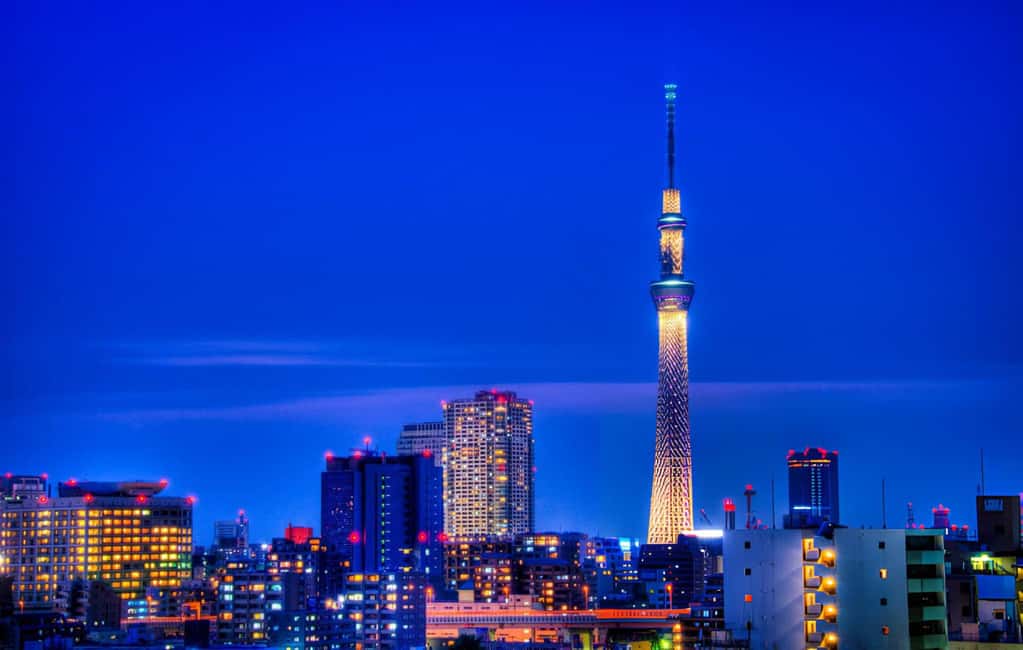
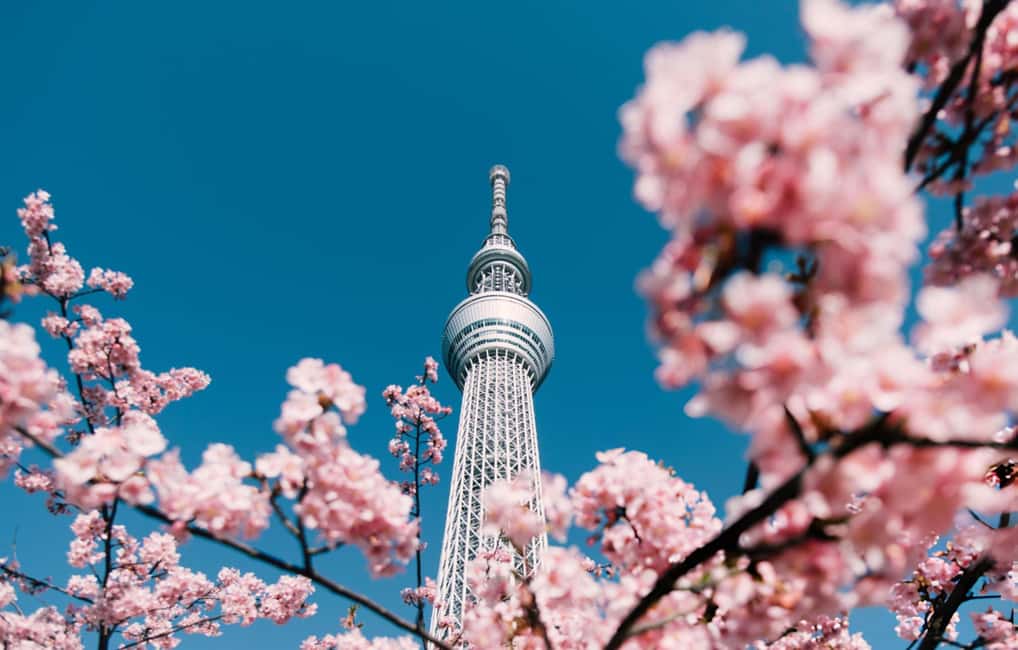
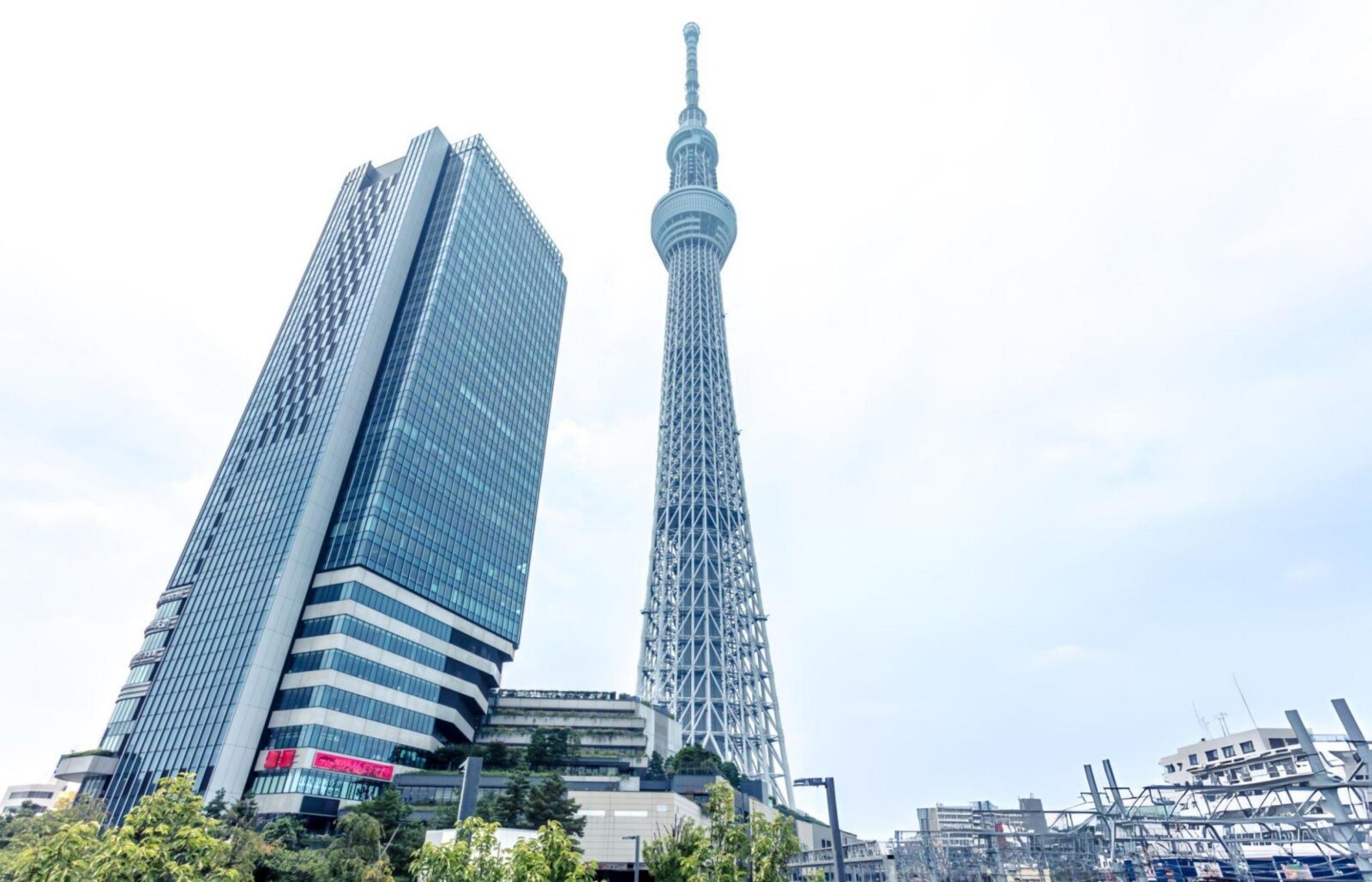
Tokyo Skytree is a straightforward “wow” stop. You’ll likely get a photo moment plus time up top, depending on whether you want to buy the optional ticket. The observation levels can deliver panoramic city views that make Tokyo feel understandable—even when it isn’t.
If you do go for the Skytree ticket, go early. It’s much less crowded, and the view experience improves. The tradeoff is simple: your day is only 10 hours, so picking Skytree earlier helps you keep the rest of your route from feeling rushed.
Also, remember this is a tower day. You’ll want your camera ready and comfy shoes on. The walking isn’t extreme, but it adds up when you’re moving between districts.
Sumida River Cruise and Rainbow Bridge: Tokyo’s Most Scenic Detour
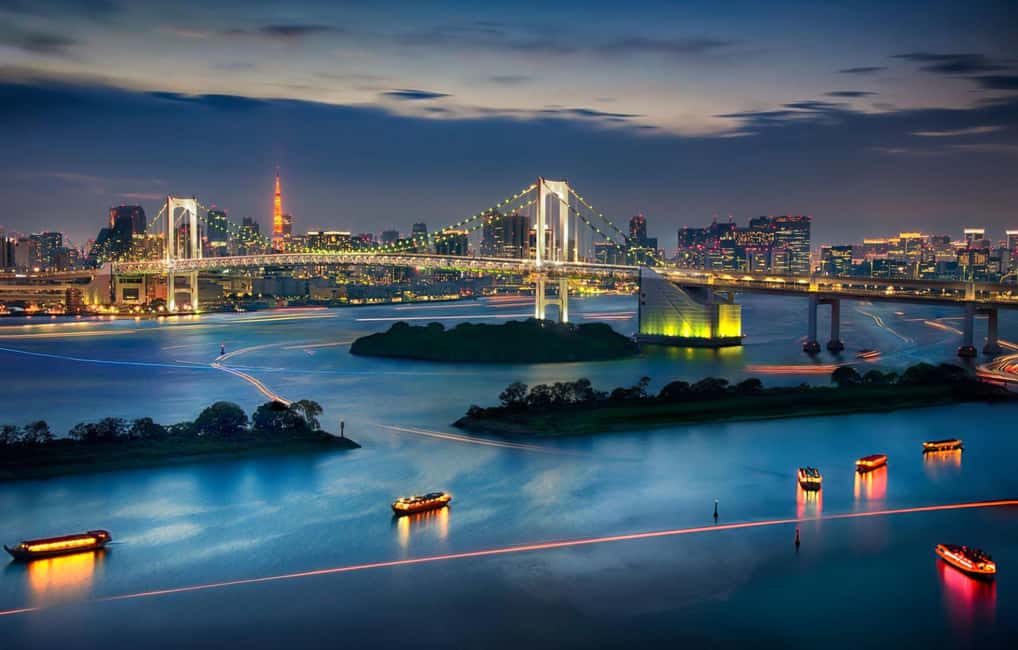
This is one of the best parts of the design because it adds water—and Tokyo always looks better with water nearby. The Sumida River cruise gives you a moving viewpoint as you pass major sights, plus a chance to see the Rainbow Bridge with the skyline opening up behind it.
If you care about photos, this is where you can relax and let the scenery come to you. It’s also a break from the “walk, stop, walk, stop” cycle that happens in dense cities.
If your timing lines up with seasonal blooms, you might get cherry blossom viewing options too. Even without that, the river ride is a good pacing tool: it resets your brain before you jump into the next high-energy neighborhood.
You can also read our reviews of more tours and experiences in Tokyo

Ueno Park and Akihabara: Culture + Nerd Heaven (Choose Your Pace)
A stop at Ueno Park gives you a quick dose of classic Tokyo greenery and a chance to re-center. Even with only about half an hour, it works as a breather between bigger sights.
Then you swing into Akihabara Electric Town, which is Tokyo’s electronics and pop-culture zone. The vibe is fast, bright, and very “follow your curiosity.” If you like anime, gadgets, or just want to see a completely different Tokyo texture than temple streets, this stop pays off.
Here’s the practical way to use it:
- If you love shopping, use the time for browsing and people-watching, not hunting one specific store.
- If you’re not a shopper, treat it like a visual museum—see how the streets are organized and how stores present products.
The nice thing about this tour format is you can spend your time the way you want. You’re not forced to stay in places that don’t match your interests.
Ginza Six Rooftop Garden: A Quiet City Break
Ginza Six Rooftop Garden is a contrast stop. Ginza can feel polished and expensive, but the rooftop garden gives you an airy break without leaving the city. It’s a useful stop if you’ve had a busy morning and you want a place to slow down, take photos, and cool off.
It also works well as a transition. From here, the day can shift toward more playful streets and fashion areas.
Takeshita Street in Tokyo’s Fashion Zone
Takeshita Street is where Tokyo shows you its youth culture on full volume. Expect lots of shopping and people-watching, plus a high-energy street feel. It’s a good stop if you want the “what’s trendy right now” side of Tokyo.
Do one thing that helps: set a simple goal. For example, buy one item (a snack, a small accessory, or a souvenir) and move on. If you try to shop like you have unlimited time, the street will win.
Also, plan for standing and walking. This is not the stop for a slow, seated break.
Meiji Shrine: The Reset Button Between City Worlds
Then you get a big mood shift: Meiji Shrine. This Shinto space offers a calm walk under forested grounds—an escape from the noise you just left behind.
You might even spot wedding ceremonies, which is a neat cultural layer you don’t get in typical “famous photo spots only” days. The shrine works best when you take it slower, because the real value is feeling the contrast from the surrounding districts.
If you’re traveling with kids or teens, Meiji Shrine is often a crowd-pleaser because it’s a peaceful break without feeling like a lecture.
Shibuya Crossing, Hachiko, and Nonbei Yokocho Side-Alleys
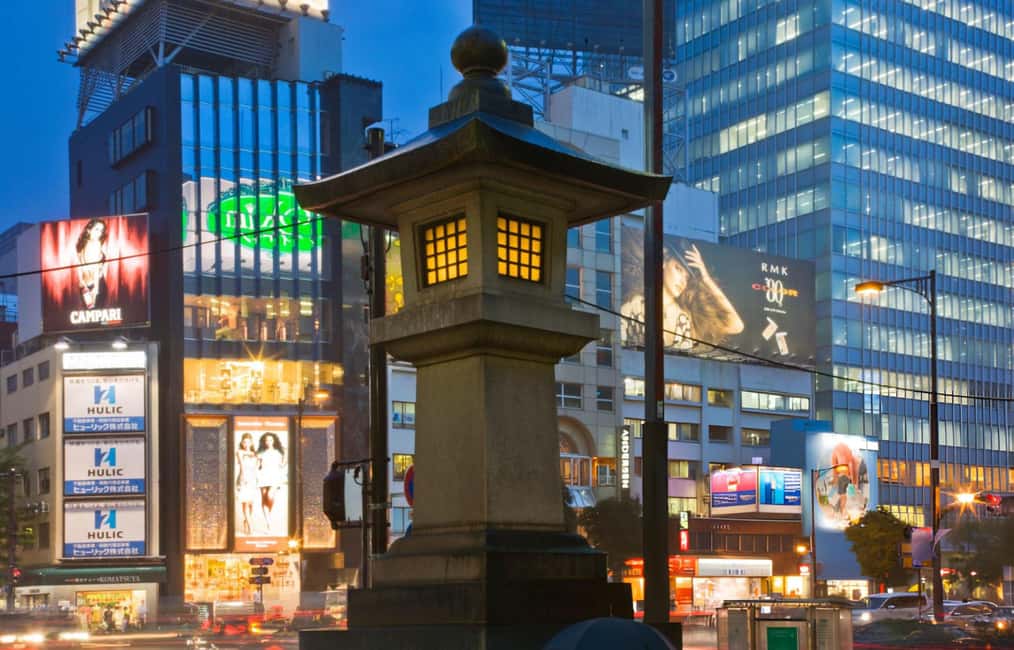
Shibuya is the poster child for “Tokyo moves fast.” You’ll hit Shibuya Crossing and also see the Hachiko statue area. Hachiko is an easy entry point into Japanese pop culture and local storytelling, even if you’re not a dog-movie person.
From there, you can use time around Nonbei Yokocho alley areas. These small streets tend to be where you catch the more lived-in side of Shibuya—especially for quick food and drink stops (though actual consumption rules inside attractions can apply).
This part of the day is best for:
- photos (crossing scenes are iconic),
- and quick wandering (don’t lock yourself into one spot).
Odaiba: Gundam, TeamLab Borderless, and Big Views
Odaiba is what you put on the calendar when you want Tokyo’s futuristic side. You’ll explore this waterfront area with photo moments like Gundam statues and time around modern entertainment options such as TeamLab Borderless digital art.
Odaiba also offers more built-in “visual attractions,” including the idea of a ferris wheel experience at Palette Town. The point isn’t just that it’s shiny. It’s that it’s a different Tokyo language—wide spaces, big architecture, and tech-driven experiences.
Also look at it this way: Odaiba is a good place to bring the group together at the end of the day. Everyone can split their interests for an hour—tech art here, a view there—and the private car makes re-grouping easy.
Tokyo Tower and Shibuya Sky Twilight: The Golden Hour Payoff
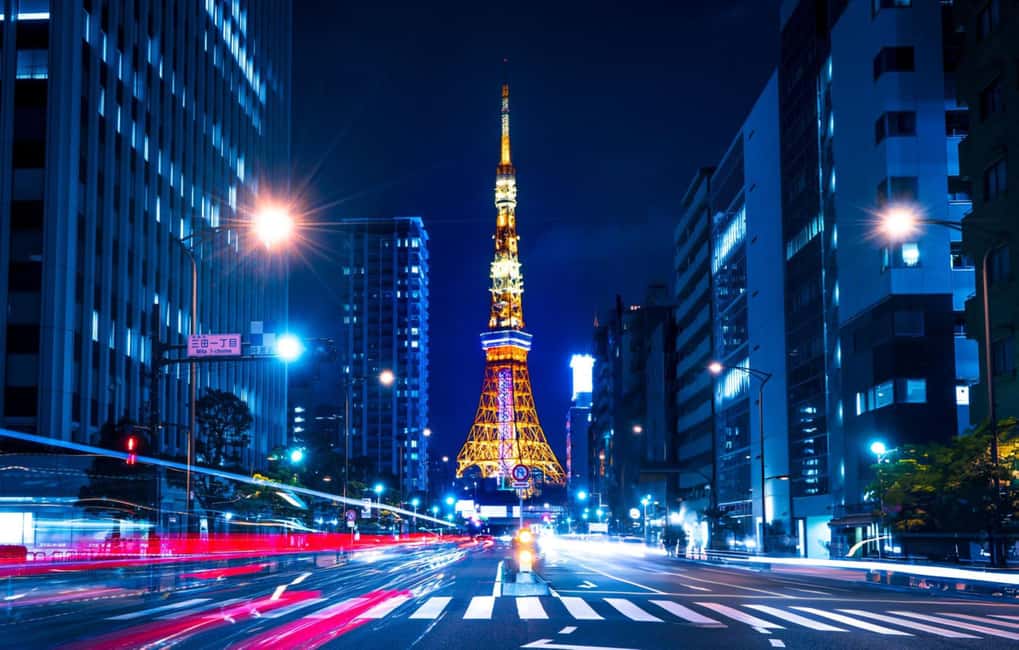
This tour’s highlights aim for skyline moments during golden hour, including Tokyo Tower and Shibuya’s observation options like Shibuya Sky. This is where the day stops being a set of stops and becomes a story arc: old Tokyo, modern Tokyo, and then Tokyo as a single glowing city.
Golden hour is hard to schedule in a busy city. The advantage of a private guide is that you can shift the plan to catch the light, instead of hoping the group hits a viewpoint at the exact right minute.
If you want the best payoff:
- keep your camera charged,
- and choose one viewpoint to linger at rather than sprinting through three.
Price and Value: $322 Per Group Up to 6 (What You’re Really Buying)
At $322 per group (up to 6), the price is mainly about replacing three headaches:
- the cost of coordinating separate tickets and transport,
- the time loss from trains plus walking,
- the stress of getting through busy areas with no plan.
Compared with paying for multiple individual attractions plus transit, a private day can become good value fast—especially if you’re traveling as a small group. The sweet spot is families or pairs traveling with another duo, because you spread the vehicle cost across people.
But here’s the fair warning: if you’re traveling solo and you’re mostly interested in only one or two paid attractions, you might feel the cost more. In that case, consider which optional tickets you truly want (like Skytree). If you’re skipping most optional entries and doing mainly photo stops, ask yourself if a cheaper transit-based day would work.
The Real Logistics: Timing, Walking, Weather, and Rules
This is a 10-hour day with a moderate amount of walking. Comfortable shoes aren’t a suggestion—they’re the difference between enjoying the day and feeling cranky at Meiji Shrine.
Tokyo weather matters. Bring a hat and sunscreen for sunny days, and be ready for all-weather conditions. Also, there are restrictions like no smoking and no eating or drinking inside attractions, and you’re not allowed alcohol or drugs.
Bag rules can also show up at certain entrances. If you’re packing heavy, keep it simple and expect you might need to check a bag at some sites.
One more timing note: the driver waits up to 60 minutes after the scheduled pickup time. Still, aim to be ready in the lobby about 10 minutes early. Tokyo is great, but meeting schedules is not its strongest skill.
Who This Day Trip Fits Best
This tour is a great fit if you:
- want a first Tokyo day that covers both classics and modern districts,
- hate subway transfers and prefer planning once,
- like mixing shopping (Akihabara, Takeshita, Nakamise) with iconic landmarks (Senso-ji, Skytree, Shibuya).
It’s less ideal if you:
- need wheelchair accessibility (not suitable),
- or you’re traveling with someone over 95 (not suitable).
If you’re the kind of traveler who wants to decide what matters mid-day, the customization is the big advantage.
Should You Book This Tokyo Private Day Trip?
I’d book it if you want a high-quality Tokyo sampler with real guide help and zero public-transport stress. The standout strengths are the combinations: Senso-ji plus Nakamise, Skytree plus river views, and Shibuya plus Odaiba—Tokyo in multiple moods, without the logistics burden.
Skip it only if your travel style is “I’ll wander on my own and figure it out.” If that’s you, you can do Tokyo cheaper with transit. But if you want your first day to feel smooth and memorable, this format makes it easier to hit the right spots and enjoy them.
FAQ
Is lunch included in the tour price?
No. Lunch is not included. You’ll need to plan your own meal break, with options mentioned around areas like Solomachi near Senso-ji or around Takeshita Street.
Are Tokyo Skytree tickets included?
Not in the base inclusions. Skytree entry is listed as not included, and you’d pay for it separately if you choose to go up.
What’s included with the private vehicle?
You get an air-conditioned vehicle, WiFi on board, and private transportation plus parking fees. Hotel pickup and drop-off are also included within Tokyo’s 23 wards.
Where does pickup work?
Pickup is included from your hotel or another location within Tokyo’s 23 wards. If you’re outside the 23 wards, pickup drop-off may require an additional 10,000¥ fee, and you should contact the supplier to confirm.
Can this tour start from an airport or cruise terminal?
No. Pickup services from airports or cruise terminals aren’t provided, so you’ll need to arrange pickup from your confirmed Tokyo location.
How flexible is the itinerary?
It’s designed to be customizable. You can replace stops with other options like Akihabara, Tsukiji fish market, or Harajuku fashion streets, depending on your preferences and the time available.