REVIEW · TOKYO
Tokyo: Beyond Asakusa to Kappabashi Kitchen Town
Book on GetYourGuide →Operated by Reelu inc · Bookable on GetYourGuide
Fortunes and kitchen gear in one tight walk. I love the fortune-telling ritual with hands-on guidance for drawing, reading, and tying your paper, and I love how Kappabashi Kitchen Town shows the tools behind Japanese restaurants. One possible drawback: the meeting point can be a little tricky if your map pin doesn’t match the Starbucks near Kaminarimon.
You get a live guide in multiple languages, and that’s what turns a quick walk into something you can actually explain to friends. Sanae is praised for strong French, and Shun is noted for making history easy to remember with examples and personal stories. Wear comfortable shoes and bring cash, since snacks and kitchen souvenirs are basically unavoidable.
In This Review
- Key highlights worth showing up for
- Why this Asakusa to Kappabashi route works so well
- From Starbucks at Kaminarimon to Nakamise Shopping Street
- Hozomon Gate and the spiritual rhythm of Sensō-ji
- Fortune-telling: what you actually do, not just what you watch
- Sensō-ji (founded 628 AD) and the Shinto shrine next door
- Hoppy Street and the izakaya after-work vibe
- Rokku Street: old entertainment quarter meets modern Tokyo
- Kappabashi Kitchen Town: knives, plastic food, and chef-grade reality
- Price and value: what $17 buys you here
- Who should book this tour (and who might skip it)
- Quick decision: should you book this one?
- FAQ
- How long is the tour?
- Where is the meeting point?
- How much does it cost?
- What is included in the tour price?
- Are food and drinks included?
- Do I need cash?
- What languages are available for the live guide?
- Is there a cancellation option?
Key highlights worth showing up for
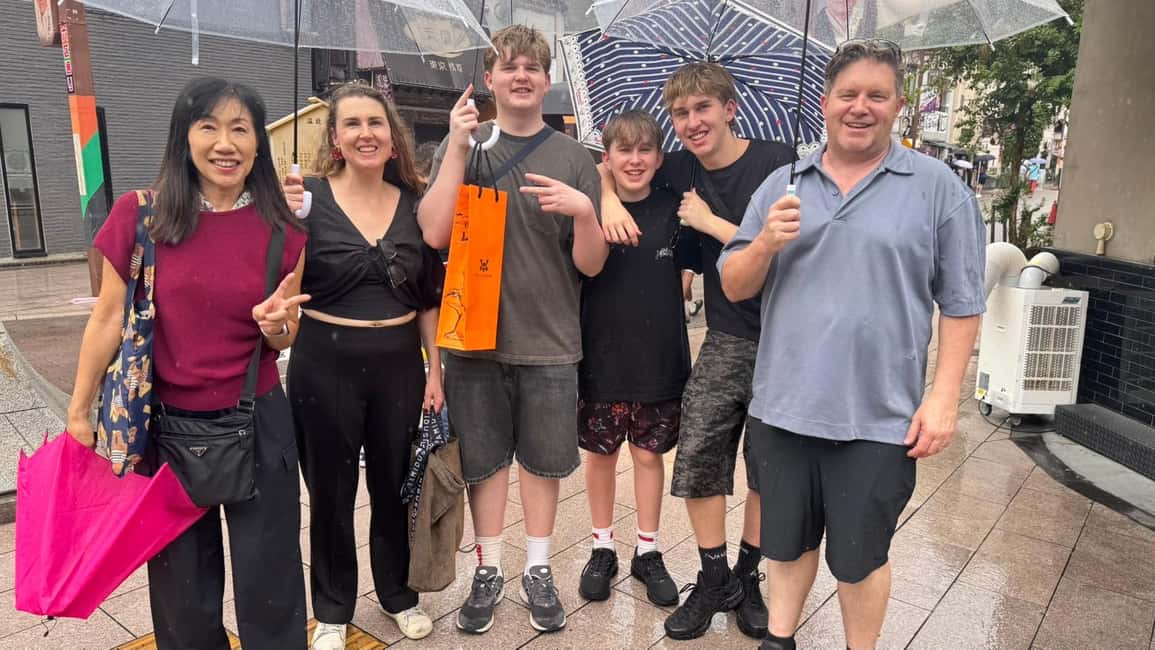
- Kaminarimon red lantern start: the iconic gateway feel right from the first minute
- Nakamise Shopping Street (Edo-era lanes): traditional snacks and old-school merchant crafts
- Hozomon gate + Buddhist treasures: a proper spiritual gateway, not just a photo op
- Purification fountain + incense steps: guidance so you don’t look lost
- Fortune-paper etiquette: you learn what to do with the paper, not just watch
- Kappabashi Kitchen Town tools: knives and supplies used by chefs and restaurateurs for over 100 years
Why this Asakusa to Kappabashi route works so well
This is one of those Tokyo itineraries that makes sense if you’re short on time. In about two hours, you move from classic Asakusa temple street energy into the highly specific world of Japanese kitchenware. That contrast is the point: you get culture, ritual, and real daily life in the same block of time.
I also like that the tour doesn’t treat the major sights as checkboxes. You’re guided through what you’re seeing—how gates function, why purification matters, and what to do with your fortune. Without that context, these places can start to blur together fast.
You can also read our reviews of more tours and experiences in Tokyo.



From Starbucks at Kaminarimon to Nakamise Shopping Street
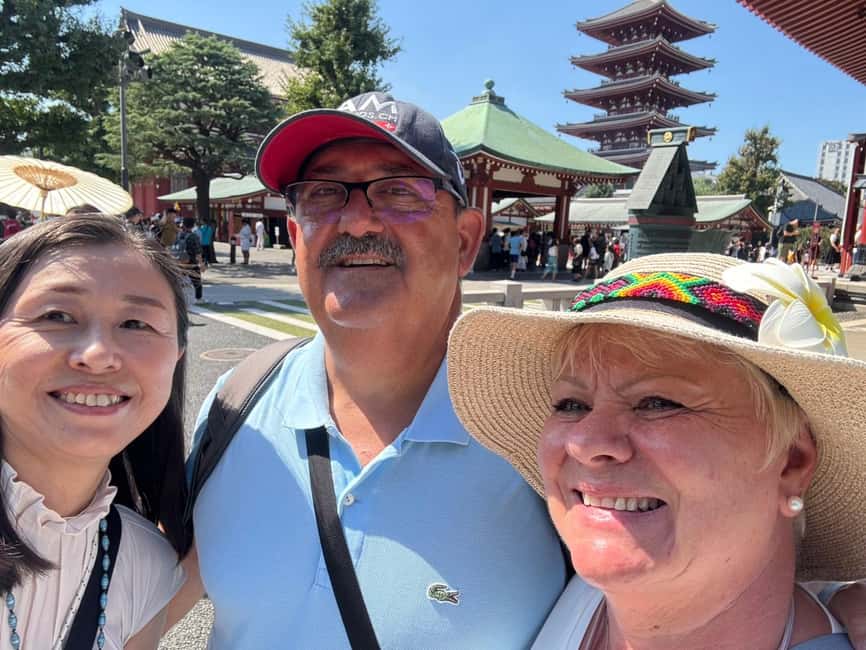
You start at Starbucks near Kaminarimon, by the famous red lantern entrance. That’s a smart choice for navigation: you get a clear landmark and you’re already at the action, facing the gateway that has welcomed visitors for centuries.
Then you walk along Nakamise Shopping Street, which dates back to the Edo period. This is the kind of place where it’s easy to get pulled in every direction—snack smells, small stalls, and crafts that look great even if you don’t buy anything. What makes it worth doing with a guide is the story side: you learn about the merchant traditions behind the street, so the shopping feels connected to the neighborhood instead of just random tourist clutter.
A practical tip: keep a little cash in your pocket even if you’re not planning to buy food. The whole street is built for sampling, and the tour itself doesn’t include food.
Hozomon Gate and the spiritual rhythm of Sensō-ji
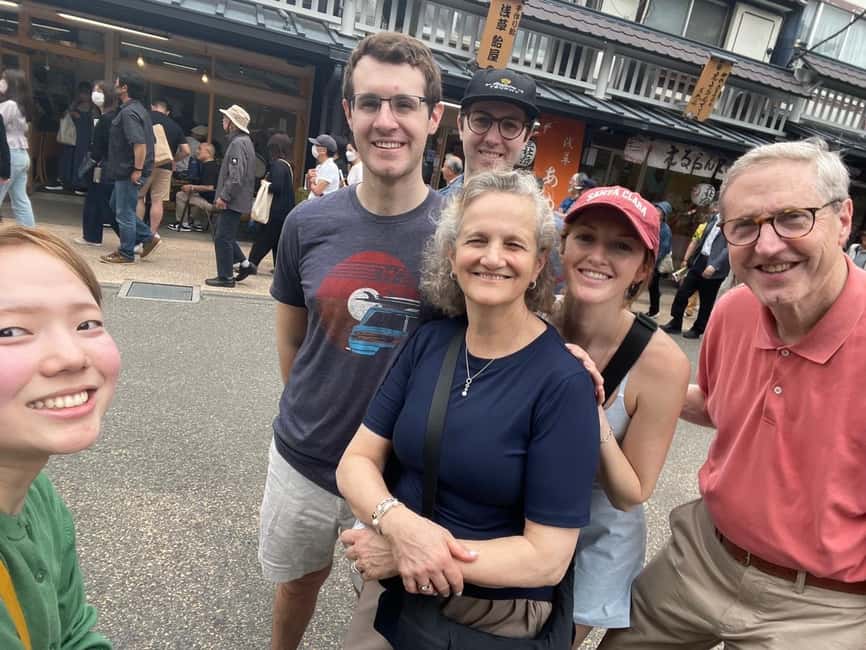
After Nakamise, you pass the Hozomon Gate, a striking two-story entryway known for housing Buddhist treasures. Gates in Japan aren’t just architecture—they’re a transition from the ordinary world into a sacred space. With a guide, you understand why you’re moving through certain areas and what the gate signifies.
Soon after, you get to do the part many people only watch: the purification and incense ritual. You’re guided at the purification fountain, so you can participate correctly instead of doing it the awkward way by guesswork. Then you experience the incense ritual, learning what’s happening and why it matters in Japanese Buddhist practice.
This section is also where the tone of the day shifts. The streets are busy, sure, but your attention narrows. You’ll notice that even small actions—how you approach, what you do, when you pause—feel part of the temple experience.
Fortune-telling: what you actually do, not just what you watch
One of the most memorable parts is the fortune-telling ritual. The tour doesn’t leave you standing around with a paper in your hand wondering what to do next. You learn how to properly draw your fortune, how to read it, and how to tie the fortune paper in the right way.
That “how-to” detail matters. In a big city, rituals can feel like a performance from the outside. Here, your guide turns it into a real cultural interaction with clear steps you can follow. It’s the difference between taking a photo and leaving with a story you’ll actually remember.
Sensō-ji (founded 628 AD) and the Shinto shrine next door
You visit Sensō-ji Temple, said to be founded in 628 AD. With a guide, you hear how the temple has endured through wars, disasters, and the city’s constant urban transformation—while still keeping its spiritual essence.
I like that this stop isn’t only about the big-name landmark views. You also get the spiritual logic: why the layout matters, why certain areas feel more “ceremonial,” and what it means to keep a place functioning across centuries of change.
Right adjacent to the temple area, you also see a Shinto shrine. This is one of Japan’s most distinctive everyday truths: two major religions sharing space, each with their own architectural style. Seeing them side by side is one of those things that sounds simple until you’re standing there and noticing the differences up close.




Hoppy Street and the izakaya after-work vibe
Next you head into Hoppy Street, a narrow alley lined with izakayas. This is where Asakusa shifts from temple solemnity to neighborhood social energy. The tour helps you understand Hoppy, a local beer-like beverage, and it also connects the scene to snack culture like kushikatsu.
Even if you don’t stop for a drink (food and drinks aren’t included), you’ll walk away with the context to make sense of what you see. You’ll know what people are ordering and why the vibe feels like after-work ritual rather than nightlife theater.
If you’re the type who likes food travel but hates wasting time guessing menus, this stop is a nice compromise. You get the culture cues without committing to a full meal inside a tiny alley restaurant.
Rokku Street: old entertainment quarter meets modern Tokyo
From there, you pass through Rokku Street, described as a historic entertainment quarter that once rivaled Tokyo’s major theater districts. Today, it’s a charming mix of old and new Japanese popular culture.
The practical value here is that your guide helps you “read” the street. Without guidance, entertainment districts can blur into generic neon. With guidance, you catch the layered timeline—what used to matter, what still feels familiar, and what the area became over time.
Kappabashi Kitchen Town: knives, plastic food, and chef-grade reality
Finally, you reach Kappabashi Kitchen Town, Tokyo’s legendary kitchenware street. This is the stop I’d most recommend if you’re even slightly interested in cooking tools, not just tourism.
What makes Kappabashi special is that it’s not about novelty souvenirs. Shops here have served professional cooks—chefs and restaurateurs—who have shopped there for over 100 years. That’s why the displays feel serious. You’re seeing tools built for daily work, not just display pieces.
Expect three big sights:
- Japanese kitchen knives, made by generations-old smithies
- Hyper-realistic plastic food displays, which show what’s popular on menus and how restaurants market dishes
- Kitchen tools that you’ll recognize if you’ve watched Japanese chefs at work
You’ll also appreciate the tour structure here: you don’t just get dropped at a street corner. You get a guided walk through the area, so you spend your limited time seeing the best kinds of shops efficiently instead of hunting randomly.
And yes, you might end up buying something small like a keychain or novelty item—because the street is set up to tempt you. Food and drink aren’t included, but shopping is fair game, and you’re told to bring cash.
Price and value: what $17 buys you here
At $17 per person for a two-hour guided walk, the value is in the guided execution. You’re paying for more than sightseeing. You’re paying for:
- a live guide walking with you through multiple neighborhoods
- hands-on participation in purification and the fortune-telling process
- guided understanding of Hoppy Street and the izakaya culture
- a structured visit to Kappabashi Kitchen Town so you don’t waste time
If you tried to self-guide this route, you could do it—Tokyo makes that possible. But the difference is how long you’d spend figuring out ritual etiquette, what fortune-telling means in practice, and what to look for in kitchenware stores. That’s where the guide earns the money.
Also, since food and drinks are not included, consider this a tour for learning and exploring, not a meal plan. You can always eat after, with better choices because you’ll know what you’re looking at.
Who should book this tour (and who might skip it)
This tour is a great fit if you want Tokyo with structure. If you like temples but also enjoy food culture and shopping for practical items, this route connects those interests naturally.
Book it if:
- you want to participate in a fortune-telling ritual correctly
- you’re curious about the meaning behind purification and incense
- you want an efficient Kappabashi visit without wandering for hours
You might skip it if:
- you want zero schedule and no participation in rituals
- you’re mostly interested in one single site (like only Sensō-ji) and prefer to linger there alone
- you don’t like walking in hot weather, since the day is built around several short stops and continuous movement
Quick decision: should you book this one?
Yes, if you’re the kind of traveler who likes getting the story behind what you’re seeing. The standout value is the combo of ritual participation plus a focused, chef-reality stop in Kappabashi. Even if you don’t buy knives, you’ll come away with a much stronger sense of how Tokyo culture links everyday habits, food, and spirituality.
If your priority is purely lounging in cafes or only taking photos, then choose a looser plan. But if you want meaning and momentum in two hours, this is one of the more practical Asakusa-to-kitchenware day ideas.
FAQ
How long is the tour?
The tour lasts about 2 hours.
Where is the meeting point?
Meet your guide in front of the Starbucks in Asakusa (Kaminarimon area). Coordinates: 35.7113392, 139.7961047.
How much does it cost?
The price is $17 per person.
What is included in the tour price?
It includes a guided walking tour, cultural immersion activities, purification ritual participation, exploration of Hoppy Street, and a tour of Kappabashi Kitchen Town.
Are food and drinks included?
No. Food and drinks are not included.
Do I need cash?
Yes, bring cash for personal shopping.
What languages are available for the live guide?
The live guide is available in English, Spanish, French, Chinese, Korean, Portuguese, Japanese, and Russian.
Is there a cancellation option?
Yes. You can cancel up to 24 hours in advance for a full refund.