REVIEW · TOKYO
Seasonal Mt. Fuji Scenic Views, Fruit Picking and Ropeway!
Book on GetYourGuide →Operated by H.I.S. Co Ltd(TIC) · Bookable on GetYourGuide
Mt. Fuji looks different every month. This day trip pairs seasonal fruit picking around Yamanashi with a gondola ride for wide views of the iconic peak, plus classic photo stops that shift with the calendar.
I like that the tour is built around variety, not one fixed viewpoint. You get a 360-degree view from the Mt. Fuji Panoramic Ropeway area, and you’re also tasting your way through the seasons with fruit you can actually pick. The main thing to keep in mind is that visibility depends on weather, and heavy rain, fog, or humidity can hide Mt. Fuji.
If you’re planning around a specific month, the seasonal rotation is a big deal. The operator notes that the standard itinerary includes Oishi Park and Mt. Fuji until May 10, then adjustments start for May 25, 2025 to give guests more time to enjoy each destination.
In This Review
- Key things you’ll care about on this tour
- Mt. Fuji by season: what you’ll actually see
- The seasonal rotation you can plan around
- Getting from Tokyo to the Fuji area (and back) the easy way
- Where you meet
- On-bus comfort (small but useful)
- Gondola time: the Mt. Fuji Panoramic Ropeway experience
- When the view is good, this is the star
- If the ropeway can’t operate
- Orchard fruit picking in Yamanashi: what you’ll harvest by month
- Fruit picking schedule (by season)
- The practical reality
- Scenic stops around Mt. Fuji: Oishi Park and the seasonal “must-see” places
- Why Oishi Park matters on this itinerary
- The other season-specific stops
- Lunch in Yamanashi: houtou noodles, pork, and seasonal vegetables
- Your guide and the “view-finding” mindset
- Price and value: does $90 make sense?
- Weather, timing, and visibility: how to set expectations
- Practical tips so your day runs smoothly
- Should you book this Mt. Fuji ropeway and fruit picking tour?
- FAQ
- What is included in the Mt. Fuji Scenic Views, Fruit Picking and Ropeway day tour?
- Where do we meet for the tour in Tokyo?
- What fruit can you pick on this tour?
- Is lunch included?
- What happens if the ropeway does not operate?
- Will Mt. Fuji definitely be visible?
- Do I need to bring anything?
- Is the tour only for international tourists, and can children join?
Key things you’ll care about on this tour
- Ropeway views for a true “Mt. Fuji from above” moment with a 360-degree perspective when visibility is good
- Seasonal fruit picking matched to the orchard calendar, from strawberries to grapes (and sometimes apples or oranges)
- Oishi Park and other Fuji-area photo stops change by season so you see more than one “same-same” scene
- A local lunch built around Yamanashi flavors, including thick houtou noodles and pork
- Weather can make or break the view, and schedule changes happen if the ropeway can’t run
Mt. Fuji by season: what you’ll actually see
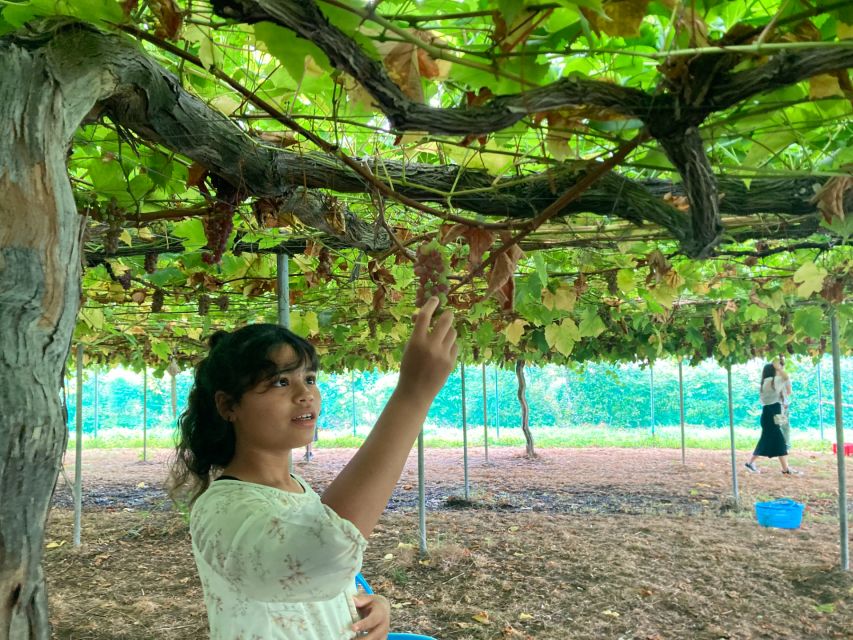
This tour is designed for one simple idea: Mt. Fuji isn’t a single view. It’s a changing backdrop. So instead of a one-size-fits-all route, the scenic stops rotate across the year, and the fruit picking rotates too.
That seasonal approach matters because many Mt. Fuji day trips feel repetitive: bus, one park, one view, then shopping. Here, you’re more likely to get a day that feels like it belongs to your travel month. One month leans floral. Another month leans harvest. Another month is about quiet winter beauty.
You can also read our reviews of more tours and experiences in Tokyo.



The seasonal rotation you can plan around
The tour lays out seasonal highlights like this:
- Winter (late Dec–March): Saiko Iyashi no Sato, a traditional healing village with Mt. Fuji views
- Spring (April): cherry blossoms around Kawaguchiko
- Shibazakura season (late Apr–late May): Fuji Shibazakura Festival at Motosu Lake Resort, with pink phlox carpeting the scene
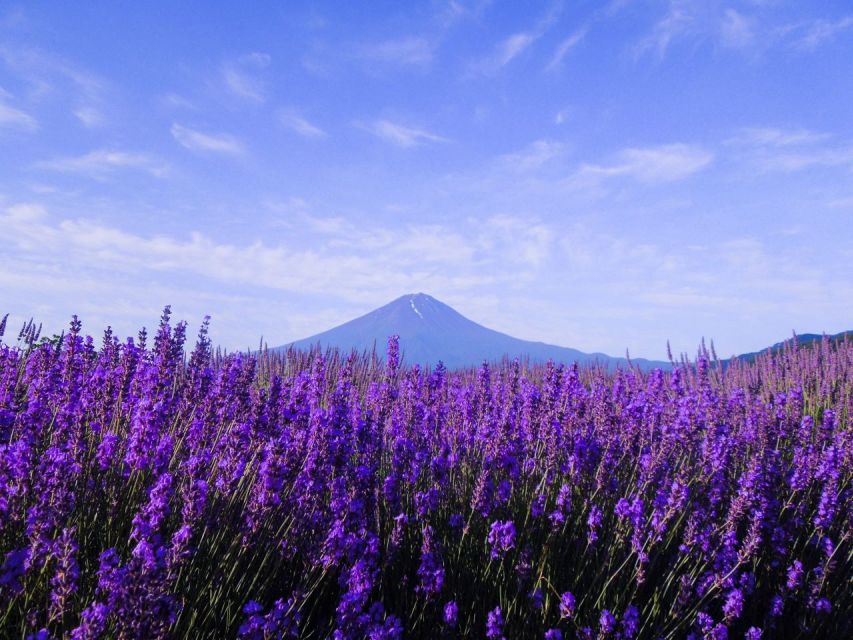
- Summer (June–July): lavender fields at Oishi Park with Mt. Fuji in the background
- Late summer (Aug–Sept): Mt. Fuji 5th Station for closer, higher-up panorama vibes
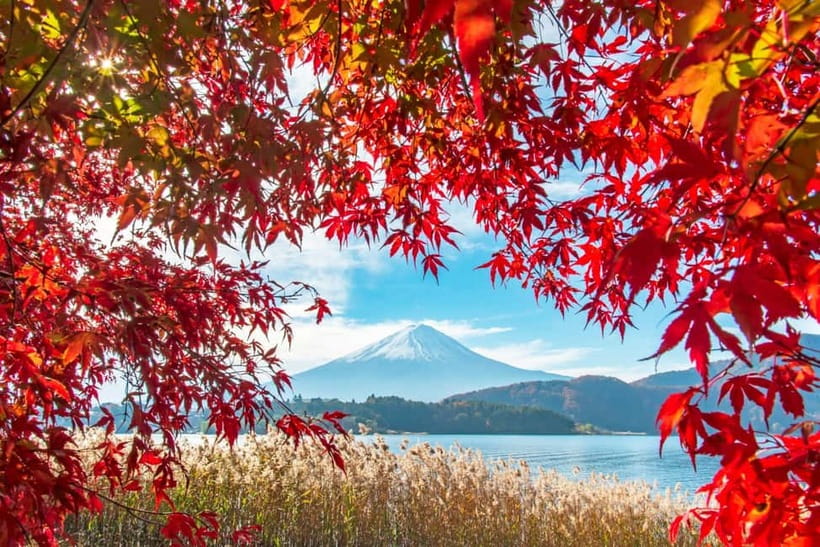
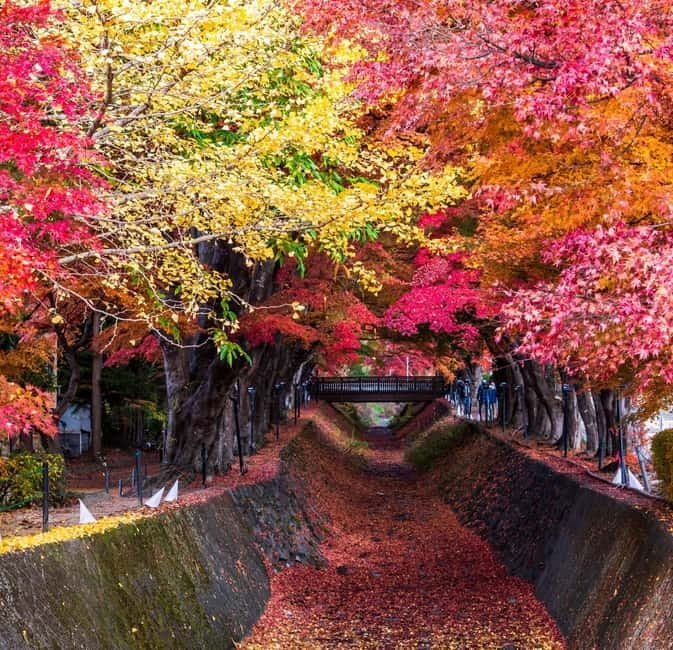
- Autumn (Oct–Nov): fall foliage at Oishi Park or the Momiji Corridor (maple leaf tunnel)
Even if clouds roll in, you still get a full day of movement: gardens, villages, and seasonal scenery, not just one stop. And if conditions cooperate, you’ll likely come away with photos that actually look like your month on the calendar.
Getting from Tokyo to the Fuji area (and back) the easy way
You depart from Tokyo by air-conditioned bus with an English-speaking guide. The tour is a 1-day format, and it ends back at the same meeting area you started from.
This is the practical part: leaving Tokyo early and using a bus means you don’t have to wrestle with train transfers, schedules, and a long day of navigating stations in a second language. One guide leads the day, and the minimum passenger count is listed at 10, so it’s not a tiny private car style experience, but it’s also not the giant-escort chaos you’d expect from the biggest groups.
Where you meet
Your guide holds the HIS logo blue flag or a meeting board at the starting point.
- From JR Shinjuku Station: walk from the West Exit (about 10 minutes)
- From Tokyo Metro Marunouchi Line Nishi-Shinjuku Station: about 3 minutes from exit E7
This matters because Mt. Fuji tours can be punctual to the point of strict. Give yourself margin to find the flag and get settled.
On-bus comfort (small but useful)
Wi-Fi is included on the bus. That’s handy because Fuji days are often phone-hungry: map check, weather check, and sorting your photos while you still have daylight.




Gondola time: the Mt. Fuji Panoramic Ropeway experience
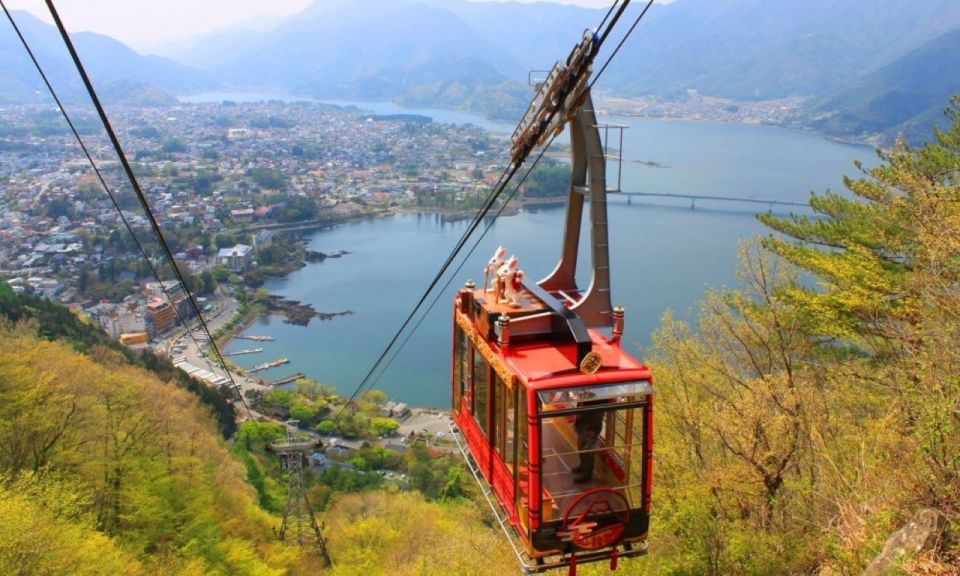
The headline mechanical moment is the gondola ride. The tour includes a Mt. Fuji Panoramic Ropeway (gondola) ticket, and the goal is simple: lift you into a wide-angle view where Mt. Fuji and the surrounding lake area can be seen from above.
The highlights describe it as 360-degree breathtaking views. That’s exactly what you want for a day trip: a viewpoint that feels bigger than what you get from a flat platform.
When the view is good, this is the star
If skies are clear, this is where you’ll feel the shape and scale of the mountain. When visibility is limited, the ropeway still gives you a more dramatic vantage point than walking around at ground level, but you may see more clouds and less of the peak. The operator also notes that Mt. Fuji may not be visible depending on fog, heavy rain, and humidity.
If the ropeway can’t operate
Good to know: if the Mt. Fuji Panoramic Ropeway doesn’t run, the tour redirects you to alternatives such as the Fuji Visitor Center or Oshino Hakkai. That doesn’t replace the gondola itself, but it keeps the day moving instead of turning into a cancellation situation.
Orchard fruit picking in Yamanashi: what you’ll harvest by month
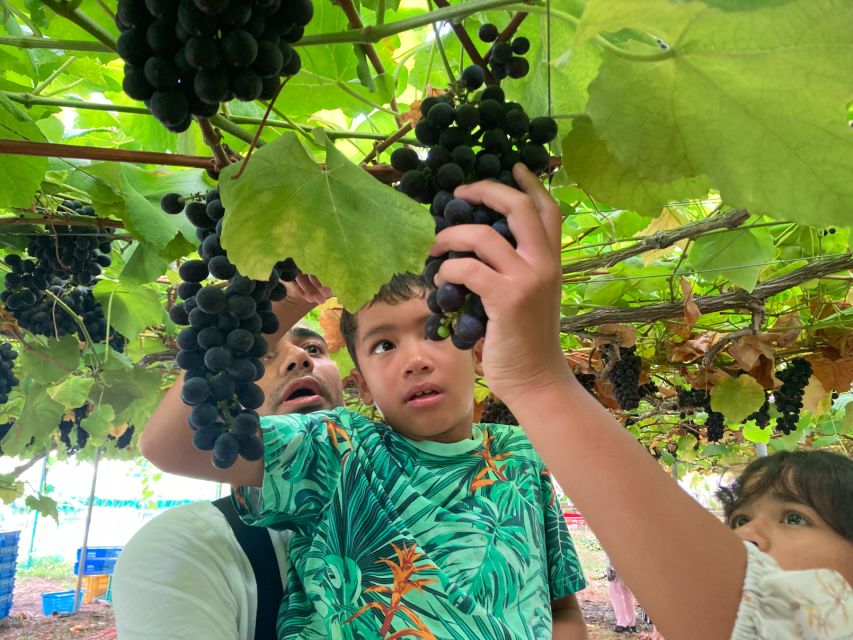
The tour’s other big “why it’s different” factor is that you’re not just sightseeing. You’re picking fruit in an orchard in Yamanashi Prefecture, and the orchard admission fee is included.
What makes this part feel fun instead of gimmicky is that the fruit schedule is spelled out by time of year. So you can plan around what you want to taste.
Fruit picking schedule (by season)
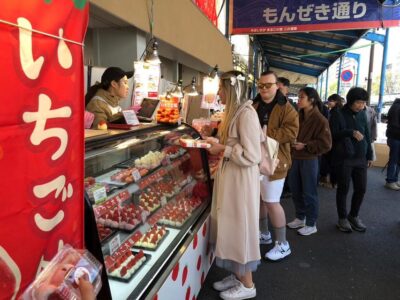
- Late Dec–early May: sweet strawberries
- June: Japanese cherry picking
- July: sweet peaches
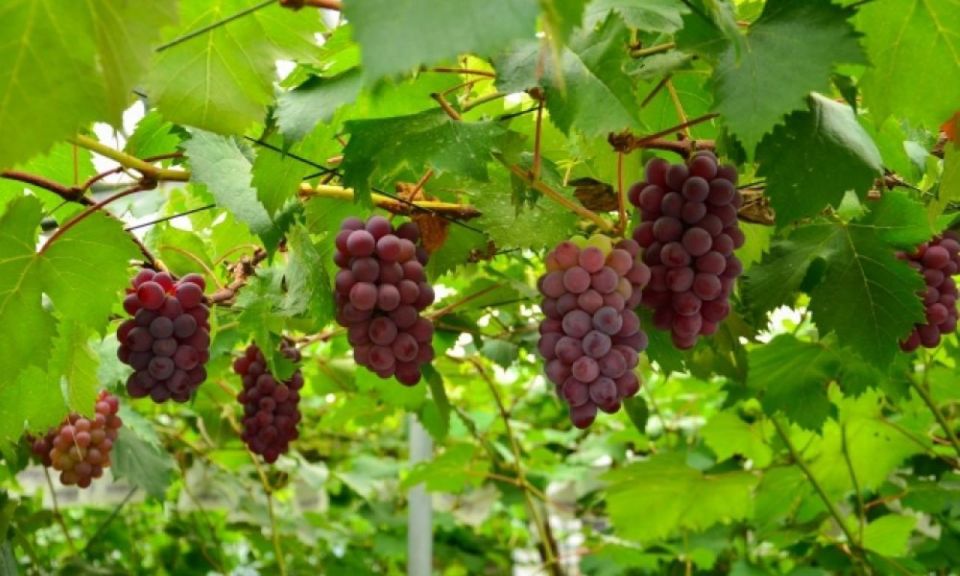
- August–late November: various types of grapes
It also says that depending on the season, you may be able to experience apple or orange picking.
The practical reality
Fruit picking is a hands-on activity. That’s why the tour’s packing list is short and honest: wear comfortable shoes. You’ll likely walk around orchard paths, and you’ll want to move without worrying about blisters.
Also, since fruit changes by month, don’t assume the fruit variety you want is guaranteed for your specific dates unless it matches the seasonal schedule. If you’re traveling around a shoulder season, you’ll want to double-check which harvest period your dates fall into.
Scenic stops around Mt. Fuji: Oishi Park and the seasonal “must-see” places
You’ll see different Fuji-area scenic spots depending on the time of year. The tour even notes that it operates according to an original itinerary that visits Oishi Park and Mt. Fuji until May 10, and that from May 25, 2025 there are changes designed to give you more time at each destination.
Why Oishi Park matters on this itinerary
Oishi Park shows up again and again as a seasonal anchor. In summer (June–July), it’s about lavender fields with Mt. Fuji as the backdrop. In autumn (Oct–Nov), it’s about fall foliage. That means the same general location can feel totally different across the year.
If you want photos that match the mood of your travel dates, this rotation is a big reason the day stays interesting.
The other season-specific stops
Other named highlights include:
- Saiko Iyashi no Sato (winter village atmosphere with Mt. Fuji views)
- Kawaguchiko cherry blossoms (spring)
- Fuji Shibazakura Festival at Motosu Lake Resort (late spring pink phlox effect)
- Mt. Fuji 5th Station (late summer for a closer, taller feeling)
- Momiji Corridor maple leaf tunnel (autumn foliage)
These stops are the kind of places you’ll remember because each one has a specific seasonal visual story, not just a view of the same mountain from the same angle.
Lunch in Yamanashi: houtou noodles, pork, and seasonal vegetables
Lunch is included if you select that option. The tour’s lunch description is one of the more convincing “value” components because it’s not generic buffet food.
You’ll get:
- Yamanashi thick houtou noodles
- pork
- fresh seasonal vegetables
And there’s a dietary adjustment option. If you request a Muslim-friendly meal, the contents of the menu will be adjusted.
This matters because Mt. Fuji day trips often include meals that are convenient rather than regional. Here, you’re eating something tied to the area, which makes the day feel more like an actual regional experience and less like a checklist.
Your guide and the “view-finding” mindset
This is a small detail, but it can shape your entire day. The operator includes an English-speaking guide, and the bus driver also plays a role in where you stop for views.
A high-score account credited Christy with being accommodating, and it also highlighted how the driver understood the eagerness of tourists to see the peak of Mt. Fuji and then chose a better spot for a good view. That kind of responsiveness is exactly what you hope for on a mountain day, because conditions can change fast.
With Mt. Fuji, you don’t just need the right schedule. You need the right mindset from the people coordinating the day, especially when clouds and fog move in.
Price and value: does $90 make sense?
At about $90 per person, this tour can be a good deal if you’d otherwise have to piece together transport plus a ropeway ticket plus a guided day.
Here’s what’s included, in plain terms:
- air-conditioned bus
- Mt. Fuji Panoramic Ropeway ticket (gondola)
- orchard admission for fruits picking
- English-speaking guide
- lunch (if selected)
- Wi-Fi service
What’s not included:
- drinks
- hotel pickup and drop-off (you start from the Tokyo meeting point)
If you try to do this on your own, you’d spend time figuring out transfers, then pay for the ropeway, then book orchard entry, and you’d still need a coherent route. Paying for the guide and the bundled logistics is often what turns a tiring day into a smooth one.
That said, if you’re the type who wants maximum flexibility and minimal structure, you might feel constrained by the set order and the weather-dependent schedule. In that case, you may prefer a different style of trip.
Weather, timing, and visibility: how to set expectations
This is the big honest truth for Mt. Fuji tours: visibility is not guaranteed.
The tour warns that Mt. Fuji may not be visible depending on humidity, heavy rain, and fog. It also states that no refunds are issued for claims related to weather or schedule changes applied by the guide or staff.
So for your planning mindset:
- Bring patience and plan for clouds as a possibility.
- If Fuji disappears, focus on the other seasonal stops and the fruit picking activity, which still gives you a full day.
- Wear comfortable shoes and be ready for walking and orchard movement, even if you’re chasing views.
Practical tips so your day runs smoothly
A few small moves will make the experience easier:
- Wear comfortable shoes. It’s the only item explicitly listed, but it’s also the right call for orchards and scenic walking.
- Check your month first. Fruit picking changes by season, and the scenic highlights change too. Your travel dates drive what you get.
- Be ready for reroutes. If the ropeway doesn’t operate, you’ll go to Fuji Visitor Center or Oshino Hakkai. Keep an open mind.
- Plan for a day trip rhythm. It’s Tokyo to Mt. Fuji and back in one day, so you’ll move. This is not a slow, wander-at-will schedule.
Should you book this Mt. Fuji ropeway and fruit picking tour?
You’ll probably love this tour if:
- you want Mt. Fuji views without doing a DIY logistics puzzle
- you like seasonal food experiences, not just sightseeing
- you’re traveling during a month that matches the fruit schedule you’re excited about (strawberries, peaches, grapes, and more)
- you want one included regional meal with houtou noodles
You might pass if:
- you need guaranteed visibility of Mt. Fuji (nobody can promise fog-free peaks)
- you hate structured group pacing
- you’re traveling with very young children and need guaranteed bus seats and lunch (the tour notes that children 0–2 can join free but won’t be provided seats or lunch unless booked under the child rate)
If you book, go in with the right expectation: this is a seasonal Mt. Fuji day where fruit picking and varied scenic stops are part of the payoff. When the sky cooperates, you get the ropeway views. When it doesn’t, you still get a full, seasonal day out in the Fuji region.
FAQ
What is included in the Mt. Fuji Scenic Views, Fruit Picking and Ropeway day tour?
It includes an air-conditioned bus, a Mt. Fuji Panoramic Ropeway (gondola) ticket, orchard admission fee for fruits picking, an English-speaking guide, lunch if you select the option, and Wi-Fi service.
Where do we meet for the tour in Tokyo?
You meet at a location where the guide holds the HIS logo blue flag or HIS logo meeting board. From JR Shinjuku Station, it’s about 10 minutes from the West Exit. From Tokyo Metro Marunouchi Line Nishi-Shinjuku Station, it’s about 3 minutes from exit E7.
What fruit can you pick on this tour?
The fruit depends on the season. Late Dec to early May focuses on sweet strawberries. June offers Japanese cherry picking. July is sweet peaches. August through late November includes various types of grapes. Depending on the season, you may also be able to pick apples or oranges.
Is lunch included?
Lunch is included if you select the lunch option. The tour specifies Yamanashi thick houtou noodles with pork and fresh seasonal vegetables. If you request a Muslim-friendly meal, the menu contents will be adjusted.
What happens if the ropeway does not operate?
If the Mt. Fuji Panoramic Ropeway does not operate, the tour will be redirected to alternative destinations such as the Fuji Visitor Center or Oshino Hakkai.
Will Mt. Fuji definitely be visible?
No. The tour notes that Mt. Fuji may not be visible depending on weather conditions such as high humidity, heavy rain, and fog.
Do I need to bring anything?
The tour recommends comfortable shoes.
Is the tour only for international tourists, and can children join?
Yes, it is only for international tourists. Children up to 0–2 years old may join free of charge, but they will not be provided bus seats or lunch unless you book under the child rate.