REVIEW · TOKYO
Join a Unique Cultural Ceremony at Tokyo’s Meiji Shrine
Book on GetYourGuide →Operated by Starboard.corp · Bookable on GetYourGuide
Tokyo slows down at Meiji Shrine. This tour pairs a peaceful walk through Meiji Jingu’s forest with the rare chance to witness the Shinto gokito ceremony in a quiet ceremonial space. I love how it feels both natural and respectful, not like a rushed stop on a checklist, but the main consideration is that Meiji Shrine involves a lot of walking.
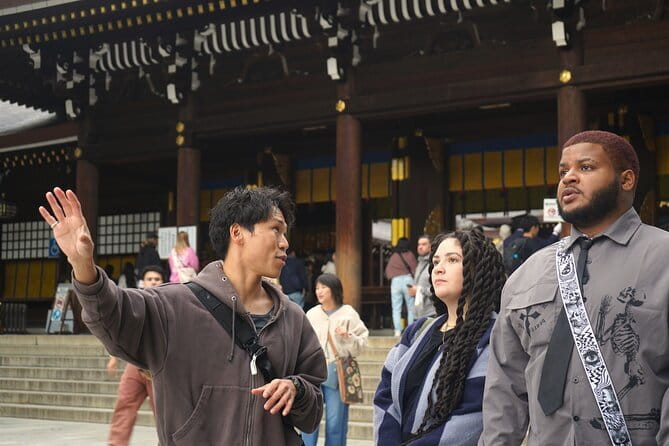
I also like that the whole experience is explained by an English-fluent guide connected to the shrine world, with real cultural context you can actually use. Guides like Alex and Kohei come up in past experiences, and you’ll get the kind of patient, plain-English framing that helps you notice details instead of just watching. If you’re planning to go while sick, note it’s not suitable for people with a cold.
In This Review
- Key Things You’ll Notice on This Meiji Shrine Ceremony Tour
- Why the Gokito Ceremony Changes Your Meiji Jingu Visit
- Walking from JR Yoyogi: Setting the Mood Before the Ceremony
- Entering the Ceremonial Hall: What You’ll See and Hear
- How the English Guide Helps You Read the Ritual
- Etiquette and Offering Details: Simple Ways to Avoid Awkward Moments
- Price and Value: Why $121 Can Be Worth It for This Access
- What the Tour Day Feels Like, Step by Step
- Small Tips That Make This Experience Easier on Your Body
- Who Should Book This Tour (and Who Might Skip It)
- Should You Book This Meiji Shrine Gokito Ceremony Tour?
Key Things You’ll Notice on This Meiji Shrine Ceremony Tour
- Forest calm first: you start with a deep-breath walk through the shrine grounds before anything ceremonial happens
- Access you can’t fake: a Shinto prayer ceremony (gokito) is the standout moment most visitors don’t see
- Sound and scent matter: cypress aroma, chanting, and the echo of flutes and drums shape what you feel
- A guide who translates culture: you get context that connects the ritual to everyday Japanese sensibilities
- Respectful participation: you’ll learn what to do and what not to do, including offering etiquette
- A small finish to reset: you can end with a Japanese snack after the ceremony
Why the Gokito Ceremony Changes Your Meiji Jingu Visit
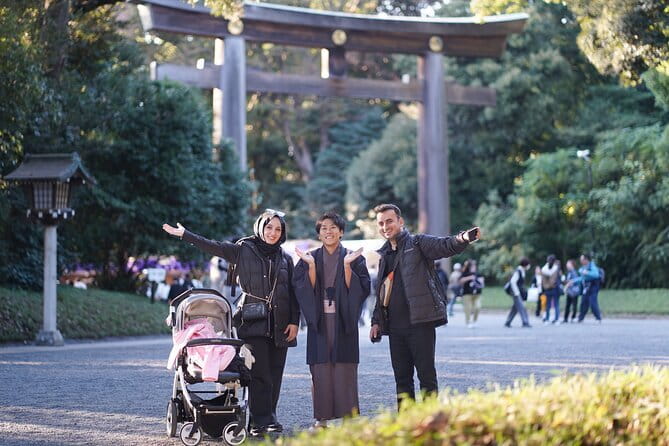
Meiji Shrine is already iconic in Tokyo. The problem with many shrine visits is simple: you arrive, you look, you move on. This tour changes the rhythm. You’re not just passing through buildings and gates. You’re guided into a ceremonial moment where the point is attention.
The star is the gokito, a traditional Shinto prayer ceremony. You don’t need to understand every word to appreciate what’s happening. What you get instead is the structure of the ritual: priests in traditional robes, a wooden hall setting with high ceilings and polished floors, and music that behaves like it has its own weather—slow, steady, and carried through the room.
That’s why this experience tends to stick with people. It’s not about converting you or teaching doctrine. It’s about giving your senses something to hold onto: sound, silence, posture, timing, and the feeling of stepping into a space designed for prayer.
You can also read our reviews of more tours and experiences in Tokyo.



Walking from JR Yoyogi: Setting the Mood Before the Ceremony
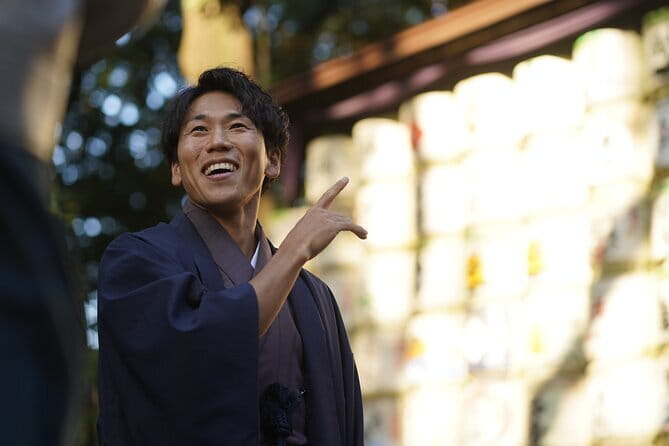
You meet at JR Yoyogi Station, at the WEST gate. There’s a map on the left when you walk outside, and a staff member from Legit Japan is waiting in Japanese attire. The walk to the shrine grounds isn’t just transportation. It’s part of the “okay, slow down” feeling.
Once you’re moving along the forest paths, you start noticing things you usually skip in big-city travel. The air cools. The noise fades. You’re walking through a deliberate buffer between Tokyo’s pace and the shrine’s quiet space. That matters because the ceremony experience is easier to receive when your body isn’t tense from constant movement.
One practical thing: Meiji Shrine involves lots of walking. If stairs and distance are tough for you, this may not be the best match. Prams and wheelchairs are available, but the tour still expects you to be mobile for the forest routes and the time spent on site.
Entering the Ceremonial Hall: What You’ll See and Hear

The tour builds up to the ceremony. After the forest walk, you step into a ceremonial hall with a strong sense of room and material—wood, polished floors, and high ceilings that help chanting and instruments travel.
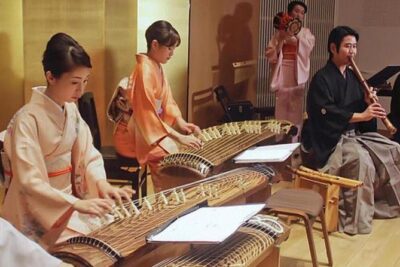
Inside, priests perform sacred prayer with chanting. Flutes and drums echo through the space, and the overall effect is physical. Even if you’re not fluent in Japanese, you can feel the rhythm and the formality. It often creates two reactions: calm focus for some people, and a little chills-for-the-back-of-the-neck feeling for others.
This is also where your guide’s role really matters. They help you understand what you’re looking at so you don’t miss the purpose of the moment. You’re encouraged to sit and listen. You don’t need to turn it into a performance for your phone.
A quick rule note so you don’t get caught off guard: audio recording is not allowed. You’ll be better off leaving devices stowed for part of the ceremony so you can actually stay present.
How the English Guide Helps You Read the Ritual

Shinto rituals can feel mysterious if you watch them like a museum display. The best version of this tour gives you a translation layer that doesn’t kill the atmosphere.
Your guide is English fluent and connected with official Meiji jinguu membership. That combination matters: they can explain etiquette and meaning without turning the ceremony into a lecture. You’ll also hear insights from someone who has lived abroad, which helps them explain Japanese spirit in terms you already understand.
Guides like Alex and Kohei show up in prior experiences as thoughtful, engaging explainers. The pattern is consistent: you get context before the important moments, then you’re free to experience rather than decode.
One payoff: when you move through shrines later in Japan, you tend to notice more. People often come away feeling closer to the sensibilities behind shrine life—not by learning slogans, but by learning how attention is practiced.
Etiquette and Offering Details: Simple Ways to Avoid Awkward Moments
There’s a difference between visiting a shrine and participating respectfully in its rituals. This tour helps you avoid the most common mistakes: not knowing what to do, when to do it, or what might be disrespectful.
You’ll learn what’s expected during the prayer moment. You’ll also be reminded about offerings. The offering box is part of the shrine setting, but you should know the tour does not include coins for the offering box or for buying any goods.
So plan for cash. The basic need is: coins for offerings, plus cash for drinks if you want them during the day. Even if you like paying by card, bring at least some cash for this outing. Also pack comfortable shoes and water.
You’ll also want to follow the rules: intoxication and alcohol and drugs are not allowed. If you’re sensitive to noise or crowds, this isn’t a loud tour—but it is a real ceremony space where behavior should be calm.






Price and Value: Why $121 Can Be Worth It for This Access
At $121 per person, this isn’t a budget-only shrine walk. The value comes from two things that are harder to find than you’d think in Tokyo.
First, the tour includes the fee to experience the traditional Japanese praying ritual. Most visits let you observe from the edge. Here, you’re guided into a ceremonial experience designed for that moment, with access that many people simply never see.
Second, you’re paying for translation and pacing. A guided walk through the forest is nice, but the main cost is buying your way past confusion. If you try to DIY a ceremony visit, you might get lucky—or you might end up with the much more common experience of just seeing the main areas without the same ritual focus.
Is it still worth it if you’ve visited Meiji Shrine before? If your last visit was more of a stroll to the main areas, this tour has a stronger “purpose per minute” ratio. You’ll come away with a different kind of memory: one shaped by ceremony, not just photos.
What the Tour Day Feels Like, Step by Step
You can think of the tour as three movements.
Movement 1: calm arrival and forest transition. You meet at JR Yoyogi Station, WEST gate, then move into the shrine grounds along quiet paths. Your goal here is to let your body shift gears.
Movement 2: the ceremony build-up. You reach the ceremonial hall area and settle into the moment. Priests chant and perform the prayer ritual. Flutes and drums add texture. The key instruction is simple: sit, listen, and let it run.
Movement 3: closure with a human touch. After the ceremony, you end back at the meeting point. Many experiences include a Japanese snack after, which is a nice reset after spending time in silence and listening.
There’s also an interesting practical benefit. If you’re the type who wants meaning—not just sightseeing—this tour teaches you how to approach future shrine visits with more attention.
Small Tips That Make This Experience Easier on Your Body
A few practical notes can make the day feel smoother.
- Wear comfortable shoes. The shrine grounds involve significant walking, and the forest routes can be uneven.
- Bring drinks. You’re told to bring them, and Tokyo mornings can be deceptively active once walking starts.
- Use cash. You’ll want it for the offering box coins and possibly drinks or goods.
- Skip devices during the ceremony. Audio recording is not allowed, and it helps to stay fully in the room.
- Consider the cold rule. The experience isn’t suitable if you have a cold, so plan around your health.
Also, go with the right mindset. This isn’t about collecting facts. It’s about practicing calm attention in a space built for it.
Who Should Book This Tour (and Who Might Skip It)
This is a great fit if you:
- want a deeper start to your Japan trip with something calm and authentically Japanese
- like thoughtful moments where senses do the work
- enjoy guided explanations that help you understand what you’re seeing
- have already been to Meiji Shrine once and want the ceremony layer you missed
You might skip it if:
- walking long distances is difficult for you, since Meiji Shrine requires a lot of it
- you’re traveling with a cold
- you want a loud, entertainment-style tour with constant activity (this one is about quiet focus)
If you’re a first- or second-time Tokyo visitor, I think this is an especially smart choice. It slows you down early, so the rest of your trip feels less frantic.
Should You Book This Meiji Shrine Gokito Ceremony Tour?
If you care about authentic cultural experience over checklist sightseeing, I’d book it. The price makes sense because you’re paying for the ritual access and for guided context that helps you actually experience the ceremony instead of just watching it.
Choose this tour if you want your Japan start to feel calm, meaningful, and sensory—not loud and crowded. Just come prepared for walking, bring cash, and set aside your phone for the core ceremony moment.