REVIEW · TOKYO
From Osaka: Kyoto & Nara Highlights Day Tour (7 attractions)
Book on GetYourGuide →Operated by JTOURSTORY · Bookable on GetYourGuide
One day, two ancient capitals. This Osaka-to-Kyoto-and-Nara tour strings together seven major cultural stops, with hands-on moments like meeting deer and big-photo sights like the torii gate tunnels at Fushimi Inari Taisha and the terrace views from Kiyomizu-dera. I like that the day feels structured but still lets you breathe at key points, especially if you want the photos without feeling totally herded.
The only real heads-up: it’s a busy day with a lot of walking, and crowds can limit how long you spend inside popular temples and shrines. If you need super slow pacing or you prefer deep history lessons at every stop, you might feel the day moves fast.
In This Review
- Quick hits: what makes this day tour work
- From Osaka pickup to a smooth day plan
- Nara Park deer: your first dose of atmosphere
- Todaiji Temple: the Great Buddha and the scale shock
- Kasugataisha Shrine: lantern-lit calm (even when the crowds show up)
- Byodoin Temple and the Phoenix Hall on the 10-yen coin
- Uji Omotesando: tea-house stroll and a lunch reset
- Fushimi Inari Taisha: walking the torii tunnel
- Kiyomizu-dera: the UNESCO stage and Kyoto panorama finale
- How the guides shape the experience (and why names matter)
- The pace reality: busy routes, traffic, and crowd friction
- Price and value: is $53 fair for seven stops?
- Who this tour fits best
- Final call: should you book?
- FAQ
- What time and where is the pickup in Osaka?
- What does the tour include?
- Are meals included?
- Do I need to pay admission fees?
- Is the tour wheelchair-accessible?
- Can I bring a stroller?
- What languages are the guides?
Quick hits: what makes this day tour work
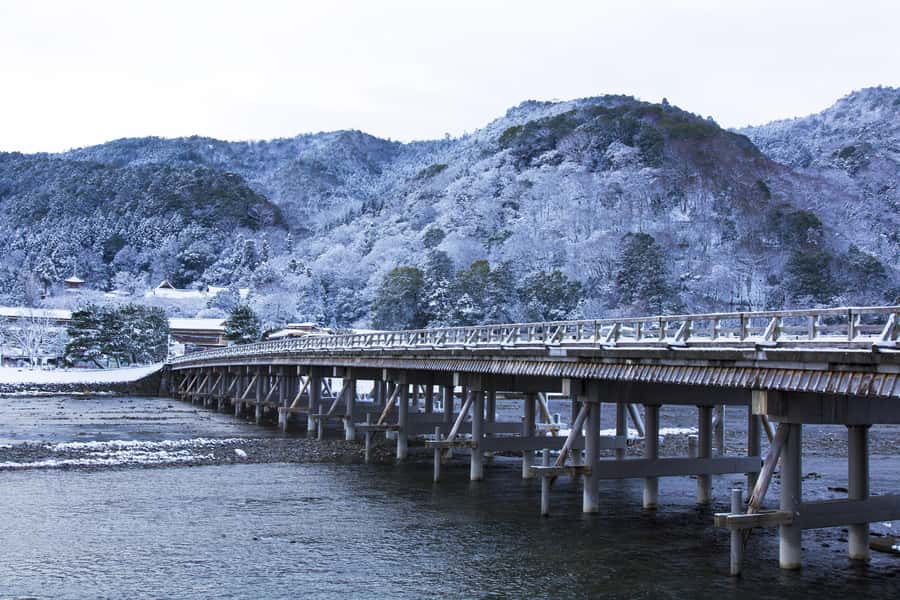
- Seven icons, one route: Nara Park, Todaiji, Kasugataisha, Byodoin, Uji, Fushimi Inari, Kiyomizu-dera—efficient and well connected.
- Deer time in Nara Park: free-roaming deer are part of the experience, not just a photo-op background.
- Lantern serenity at Kasugataisha: hundreds of stone and bronze lanterns turn the shrine walk into a calm reset.
- Uji lunch and matcha breaks: you get time on Uji Omotesando for tea houses and matcha treats (lunch is on you).
- Guides who manage the day: multiple guides are praised for clear explanations, safe driving, and even sending photos afterward.
- Views at the big finish: Kiyomizu-dera gives you that classic Kyoto panorama from its main stage area.
From Osaka pickup to a smooth day plan
Your day starts early. Meet in front of Tsurutontan Soemoncho by 7:50 AM, then you roll out at 8:00 AM. The tour is run with transportation included, plus an English & Korean speaking guide, so you’re not stuck trying to translate signage while you’re on the move.
What you’ll feel in practice is that someone’s trying to keep the day from falling apart. One of the most common themes from guide feedback is good coordination—finding people at the meeting spot fast, driving carefully, and keeping everyone moving while still allowing time to explore. You’ll also see a real-world truth built in: traffic and weather can shift the timing, and the guide may adjust the itinerary based on conditions.
This tour also matches well with the way Japan works on the ground. Vehicles can’t run longer than 10 hours under Japanese law, so if the day runs long for any reason, the plan can flex. That matters because a Kyoto-and-Nara day can be timing-sensitive—one late segment can throw off everything else.
You can also read our reviews of more tours and experiences in Tokyo.



Nara Park deer: your first dose of atmosphere
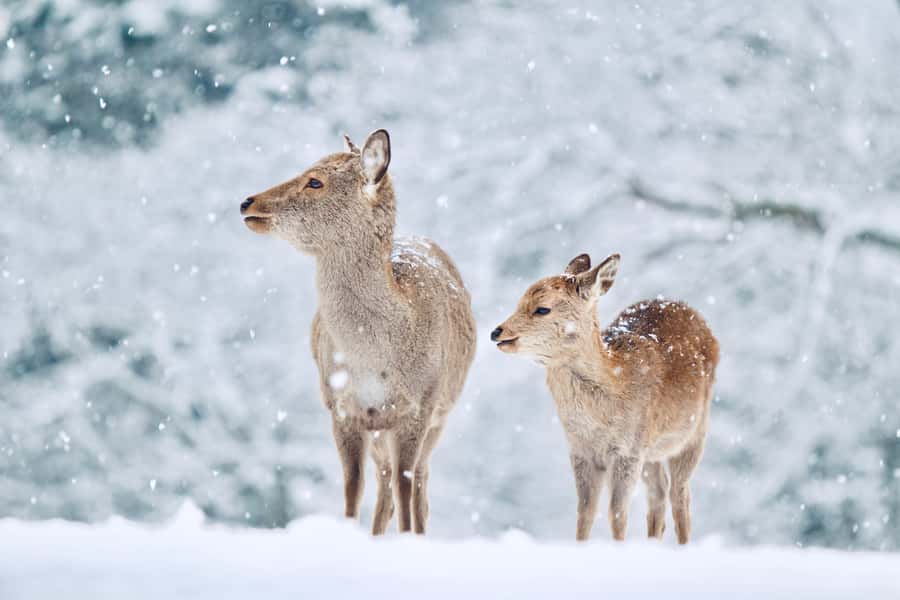
Nara Park is where the day turns from transportation to experience. You’ll arrive at a park full of hundreds of free-roaming deer, described as friendly, and you’ll have time to interact with them.
If you’ve never met deer in the wild (or semi-wild) like this, go in with two mindsets:
- Expect people, photos, and activity. Even if the deer are calm, the area around them can get crowded.
- Keep it simple. You’re here to enjoy the moment, not to turn it into a long feeding session.
It’s a great first stop because it sets tone. This isn’t just “see a temple, leave.” You start by slowing down a bit, watching animals move, and getting that classic Nara energy before the big Buddhist sites.
Todaiji Temple: the Great Buddha and the scale shock
From deer to one of Japan’s heavyweight spiritual sights. Todaiji Temple houses the Great Buddha, one of the country’s largest bronze statues, inside a massive wooden hall.
The main “wow” here is scale. When a Buddha is inside a huge hall, your brain takes a second to process size and distance. It’s also the kind of place where a guide can really help, because you’ll understand what you’re looking at—why the hall looks the way it does, and how the site fits into Japan’s Buddhist tradition.
There’s also a practical element: these halls can get busy. If your preference is lots of quiet time inside, plan to be flexible. Your best chance is to go early in the day (which this tour helps with) and stay patient if you’re sharing space.
Kasugataisha Shrine: lantern-lit calm (even when the crowds show up)
Next is Kasugataisha Shrine, a Shinto shrine known for pathways lined with hundreds of stone and bronze lanterns. The experience here is more about mood than muscle.
The lanterns create a sense of order—your walk feels directed even though you’re exploring at your own pace. It’s also a good contrast to the heavier “big statue” energy of Todaiji. Here, you’re shifting from monument to atmosphere.
One thing to remember: popular shrines in Kyoto and Nara get busy. If you find the crowds dense, don’t fight for the perfect angle for too long. Step back, watch the lantern line lengthen, and let the scene reset your attention.
Byodoin Temple and the Phoenix Hall on the 10-yen coin
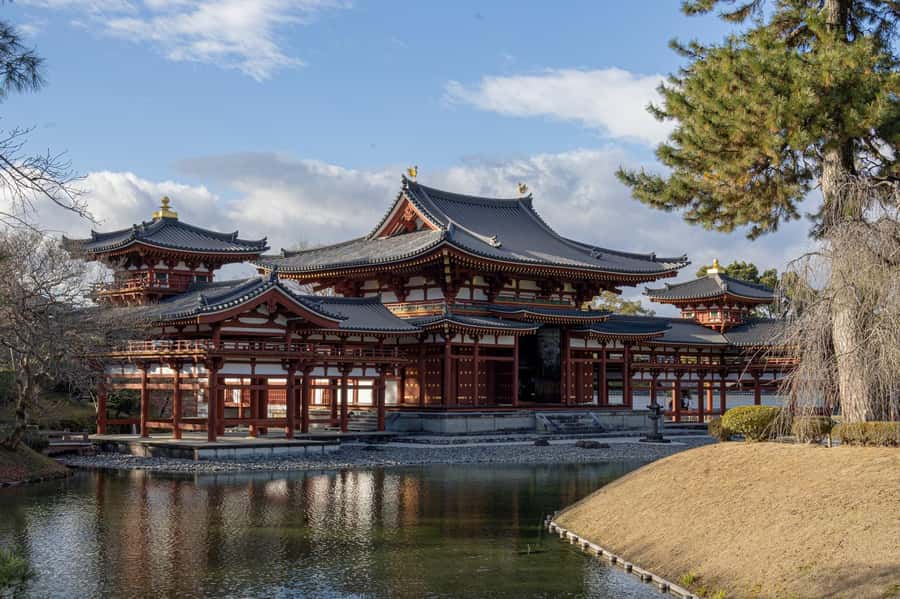
Midday brings you to Byodoin Temple, famous for its Phoenix Hall. This is the iconic structure shown on the Japanese 10-yen coin, and it’s designed to look even more striking with water reflection nearby.
You’ll get time to admire the golden Phoenix Hall and how it appears over the pond. This stop works well for two types of travelers:
- If you love photography, you’ll appreciate the classic view.
- If you want a mental break from shrine crowds, the pond-and-hall layout gives you an easier rhythm for lingering.
This is also one of those places where a guide can help you connect symbols to the bigger religious story. If you’re the type who likes to understand what you’re seeing, you’ll likely enjoy the explanations here.






Uji Omotesando: tea-house stroll and a lunch reset
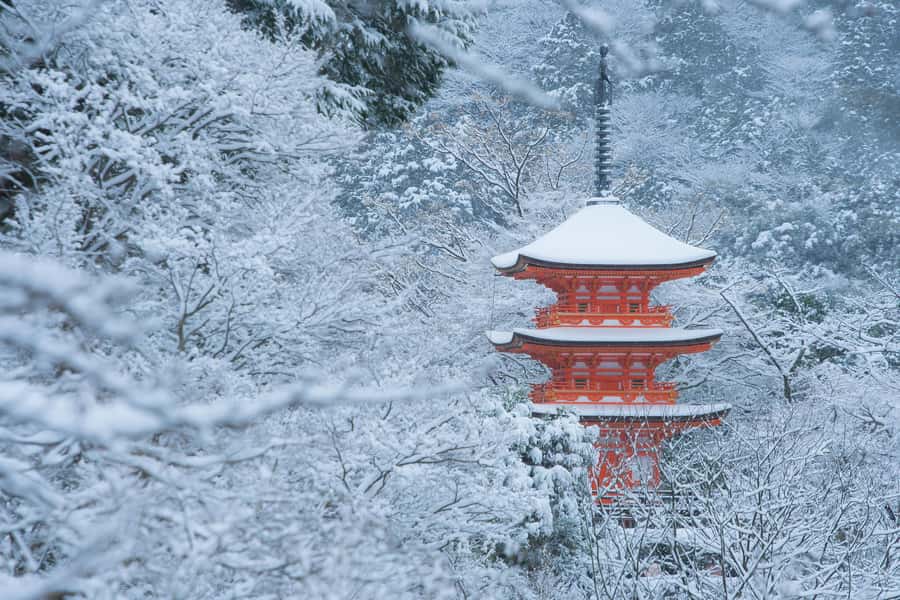
After Byodoin, you’ll head to Uji Omotesando, a street lined with traditional tea houses. This is your chance for a lunch break—important detail: lunch is not included, so you eat at your own expense.
Uji is known for matcha, and you’ll have time to try matcha treats while you wander. The best way to use this time is to treat it like a breather:
- Take your time walking the street.
- Choose one matcha item you’ll remember, not five random bites.
- Then regroup before moving on to Fushimi Inari, which is a lot more intense on foot.
If you’re traveling with kids, this sort of street segment can be a relief from major temple halls and strict crowd lines. Even one review mentioning a small child felt more manageable once the day included this kind of flexible break.
Fushimi Inari Taisha: walking the torii tunnel
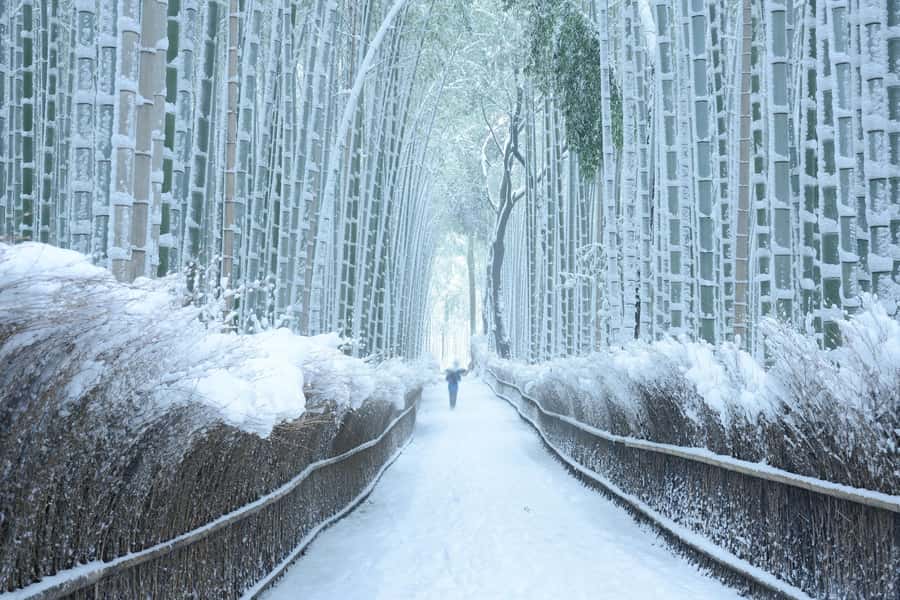
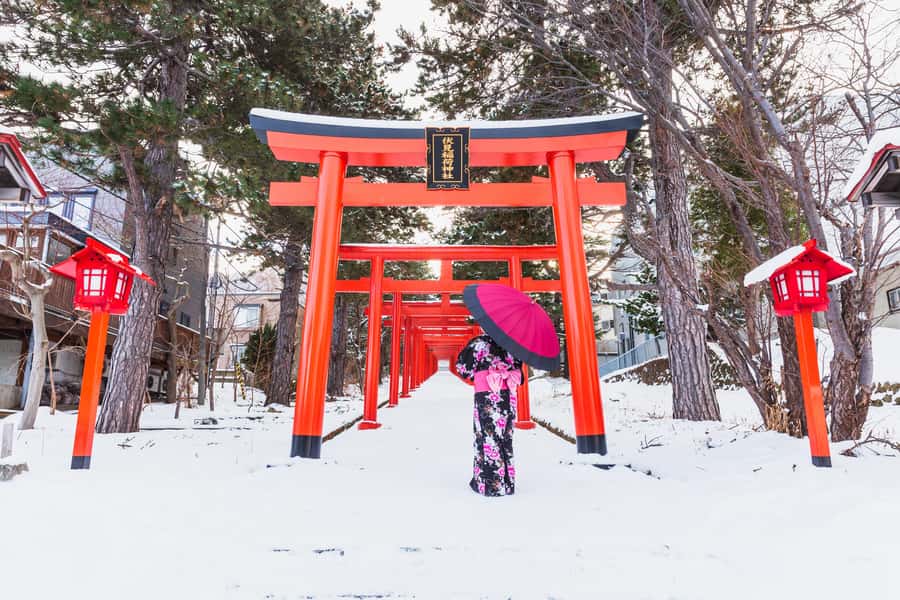
Then comes the headliner for many people: Fushimi Inari Taisha. You’ll walk through the stunning torii gate tunnels—thousands of vermillion gates climbing Mount Inari.
This section is one of the most visually addictive parts of the day. The gates create a repeating pattern that pulls your eyes forward. In busy periods, you’ll still get great views, but you’ll also feel the “everyone is here” effect.
Here’s my practical advice: wear shoes with traction and be ready to pause. If you try to power through the whole tunnel without breaks, your day can start to feel like a checklist. Instead, stop at a couple of gates where the tunnel line stretches, take your photo, then keep going at a pace that feels human.
Kiyomizu-dera: the UNESCO stage and Kyoto panorama finale
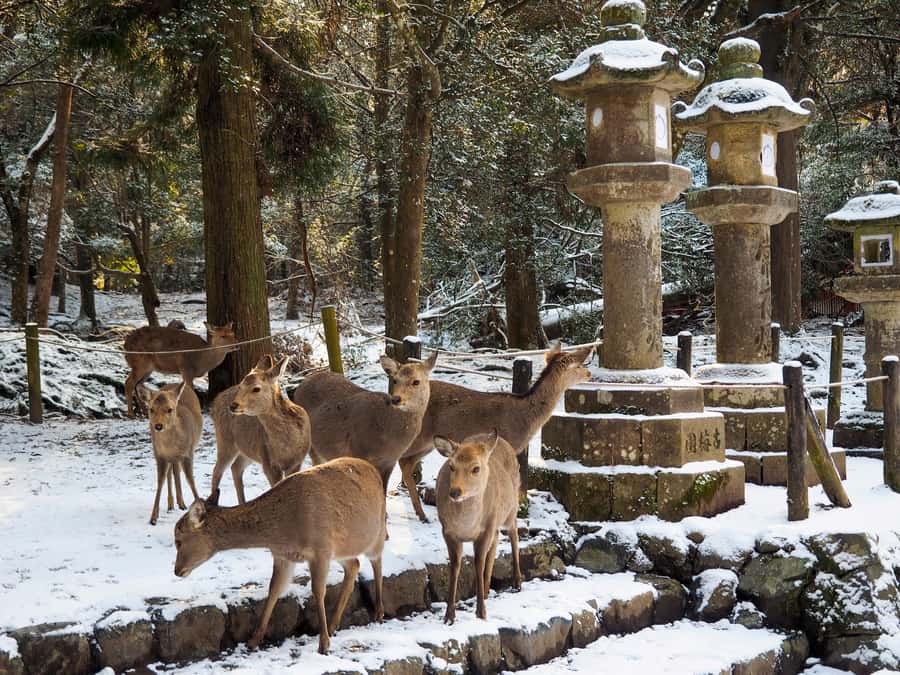
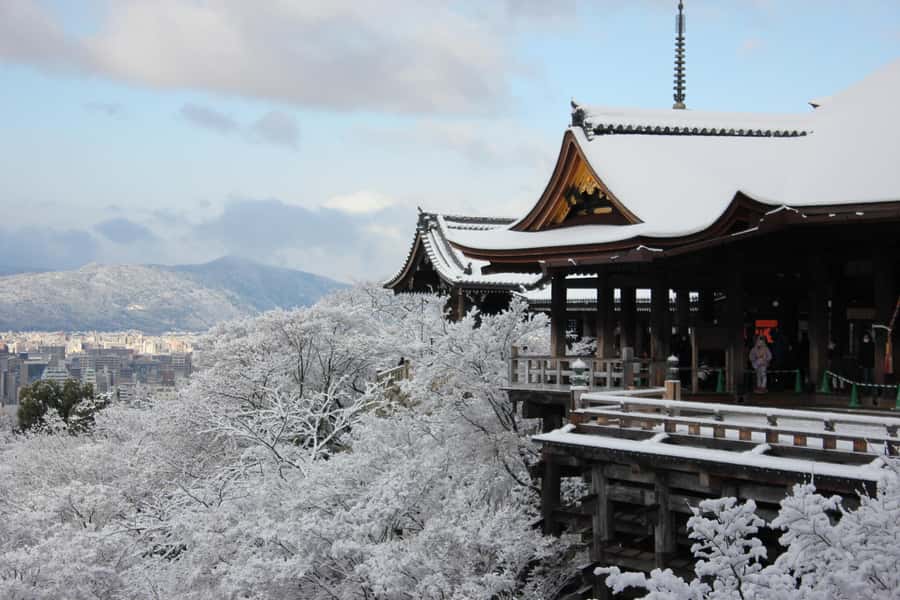
Your last big stop is Kiyomizu-dera Temple, a UNESCO World Heritage site. This is where the day turns scenic in a classic Kyoto way.
You’ll spend time around the temple grounds and reach the grand wooden stage, which offers panoramic views over Kyoto. The views are especially memorable in different seasons—cherry blossoms in spring, or vibrant maple leaves in autumn are both mentioned as standout seasonal moments.
This is also where you need to adjust expectations for crowds. Kiyomizu-dera is popular, and at peak times the queue lines and packed walkways can limit how much time you spend in specific interior areas. Still, even if the most iconic angles are busy, the overall vibe and the view from the stage area usually land well.
How the guides shape the experience (and why names matter)
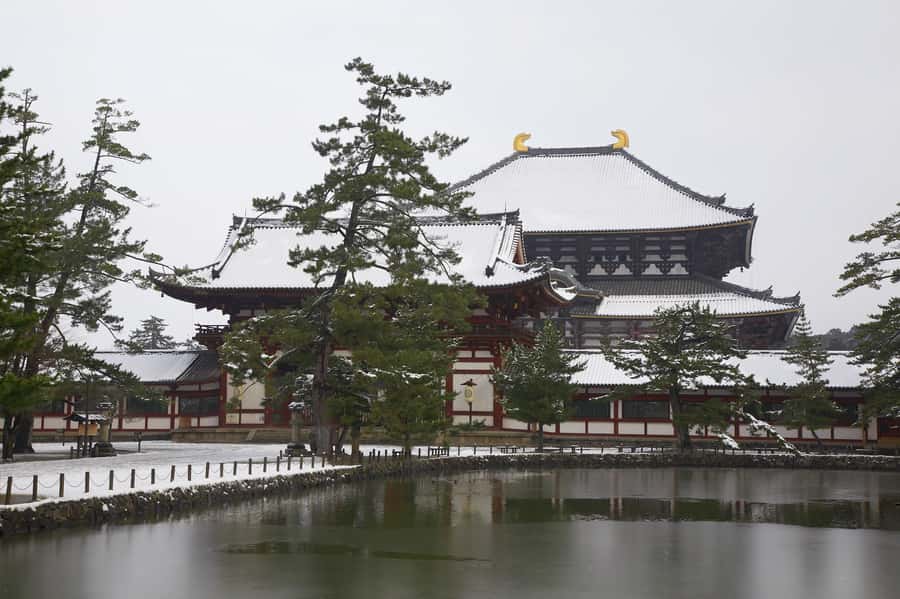
This tour’s quality swings a lot with the guide. The good news: multiple guides are praised for actually working the day, not just reciting facts.
I saw strong feedback for:
- Jeon, who was described as very helpful and friendly, sharing interesting facts and offering dinner tips for Osaka.
- Jo, credited for finding the meeting point easily, driving safely, and being patient with slower walking pace. Jo also recommended restaurants and helped with photo moments, including sending photos at the end.
- Min, praised for being informative and taking good care of the group.
- Tae Hyun, mentioned for safe driving and making people feel comfortable.
That said, there’s also a counterpoint: one less favorable experience complained about not enough history explanation and feeling like the day ran fast between stops. That doesn’t mean the tour is bad—it means your enjoyment depends on your style. If you want a very talk-heavy history lesson at every location, you may need to ask questions when you can, and accept that in crowded spots you’ll sometimes trade depth for movement.
The pace reality: busy routes, traffic, and crowd friction
This is a full-day route with seven attractions. That’s great for efficiency, but it comes with the typical trade-offs:
- You’ll walk a lot. Even if each stop includes some time, the transitions add up.
- Some sites may feel crowded. Popular temples and shrines can mean shorter “experience time” than you hoped.
- Timing can shift. The guide may adjust the itinerary based on traffic and weather, and the time at each stop can depend on season and on-site conditions.
A quick planning tip: go into the day expecting highlights, not total solitude. If you’re okay with that, the tour hits its target—major sights plus a guided day that keeps you from getting lost.
If you’re the type who wants every temple hall empty around you, then this tour might feel like a sprint. But if you’re flexible and you prioritize seeing key icons efficiently, it’s an easy way to get both Kyoto and Nara into one day.
Price and value: is $53 fair for seven stops?
At $53 per person, you’re paying for a lot more than “a bus to temples.” Transportation is included, and you get an English & Korean speaking guide through the day.
What’s not included is equally important: meals and admission fees and activity charges are not part of the price. So the true budget depends on what you choose to eat and which sites require tickets.
Still, value-wise, the structure is strong:
- Seven major destinations would be harder to stitch together on your own without lots of transit time.
- A guide helps with explanations and with navigating where to stand, where to look, and how to move efficiently in crowded areas.
- Group logistics often reduce decision fatigue, which is a real cost when you’re sightseeing all day.
If you want maximum value, treat included time as the “sightseeing engine,” and keep your own spending focused: pick lunch in Uji, bring snacks if you get hungry between segments, and accept that admissions are extra.
Who this tour fits best
This tour is a good fit if you:
- Want to see the best-known Kyoto and Nara icons in one day without planning each connection.
- Prefer guided structure with room to explore, especially during scenic segments like Uji Omotesando and the torii tunnel.
- Like spiritual sites but also want variety: deer, lantern shrine paths, a 10-yen coin temple, and a major view stop.
It’s less ideal if you:
- Need wheelchair access (it’s not wheelchair-accessible).
- Want a slow, quiet, deep-reading experience at every location.
- Are sensitive to crowd pressure inside very popular sites.
If you’re traveling with a stroller, it’s listed as stroller-friendly, and you should inform the operator ahead of time.
Final call: should you book?
I’d book this tour if your goal is simple: hit the big Kyoto and Nara moments with a guide and keep your stress low. The combination of Nara deer, Todaiji’s Great Buddha, Kasugataisha lantern paths, Byodoin’s Phoenix Hall, Uji tea streets, Fushimi Inari’s torii tunnel, and Kiyomizu-dera’s stage views is a strong one-day lineup.
But don’t book it expecting solitude or a slow museum-style pace. Bring comfortable shoes, accept crowds at peak times, and use the guide’s explanations and photo help—especially if you can ask questions while you’re moving between stops. If that sounds like your style, this is a solid value way to cover a lot of iconic ground.
FAQ
What time and where is the pickup in Osaka?
You meet in front of Tsurutontan Soemoncho by 7:50 AM, and the tour departs at 8:00 AM.
What does the tour include?
The tour includes transportation and an English & Korean speaking guide.
Are meals included?
No. Meals are not included, so lunch and any snacks are at your own expense.
Do I need to pay admission fees?
Admission fees and activity charges are not included, so you should expect extra costs at some stops.
Is the tour wheelchair-accessible?
No, this activity is not wheelchair-accessible.
Can I bring a stroller?
Yes, the tour is stroller-friendly. Let the provider know in advance if you will bring a baby stroller.
What languages are the guides?
The guides speak English and Korean.