REVIEW · TOKYO
Discover Shimokitazawa: Tokyo’s Bohemian Neighbourhood
Book on GetYourGuide →Operated by City Unscripted · Bookable on GetYourGuide
Tokyo gets weirder in Shimokitazawa. This tour is a quick hit of alt Tokyo with a real local host, mixing café culture, thrift shopping, and street-level sights around Shimokita Station.
I really like the personal matching. You answer questions first, and your guide builds a route around what you want—coffee, vinyl, retro fashion, or just the neighborhood’s everyday rhythm. I also like that you’re not stuck walking hungry: you get a coffee or non-alcoholic drink at a quirky stop.
One thing to consider: 2–3 hours is short, so you’ll need to choose the vibe you care most about (shopping vs. music vs. food-style stops) rather than trying to do everything.
In This Review
- Key points before you go
- Shimokitazawa: Tokyo’s indie side street you can feel
- The matching call: how you steer a 2–3 hour walk
- Walking experience: what the route feels like
- Around the station: where locals set the pace
- Coffee culture stop: the best excuse to slow down
- Vintage and retro hunting: Garage Department Store and Flash Disk
- Indie fashion streets: what your guide helps you notice
- Choosing your food energy: soba, sake, and Okinawan notes
- Izakaya and cocktails: how the included drink sets the tone
- Price and value: is $79 worth it?
- Who should book this Shimokitazawa tour
- Should you book Discover Shimokitazawa?
- FAQ
- How long is the Shimokitazawa tour?
- How much does it cost per person?
- Is it a private tour?
- What languages are the guides?
- Where do we meet the host?
- Is pickup included?
- What’s included in the tour price?
- Are food and drinks included besides the one drink?
- Is transportation during the tour included?
- Is the tour wheelchair accessible?
Key points before you go

- Matched to your style: tell your guide what you like, and you’ll walk a route built around that.
- Coffee culture + slow streets: you’ll see how locals actually spend time around Shimokita.
- Vintage and retro shopping stops: possible stops include Garage Department Store and Flash Disk.
- Indie art and music texture: your host helps you notice the details you’d miss on your own.
- A drink pause is built in: the tour includes a coffee or non-alcoholic drink, so it stays relaxed.
Shimokitazawa: Tokyo’s indie side street you can feel
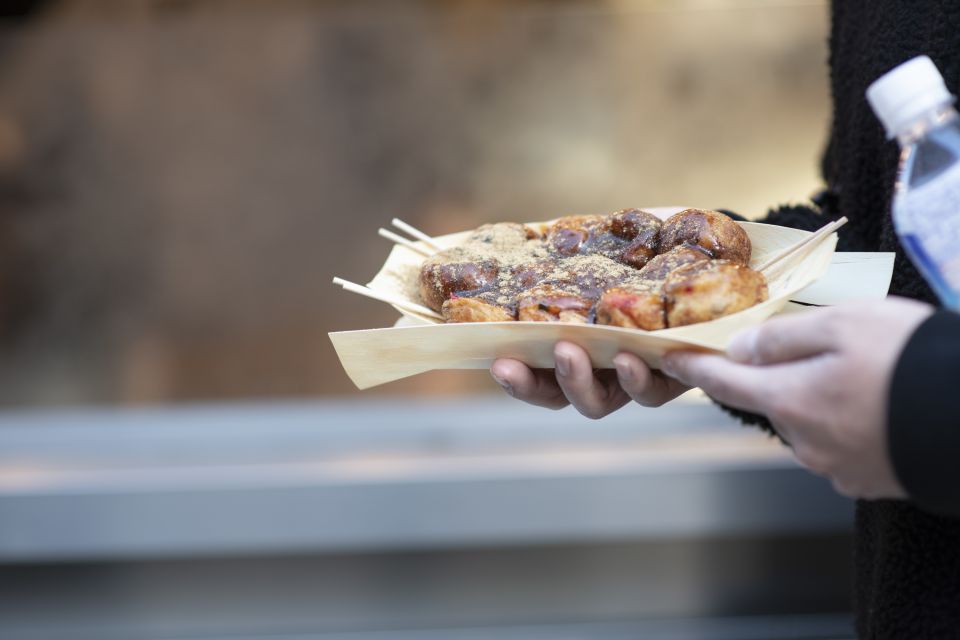
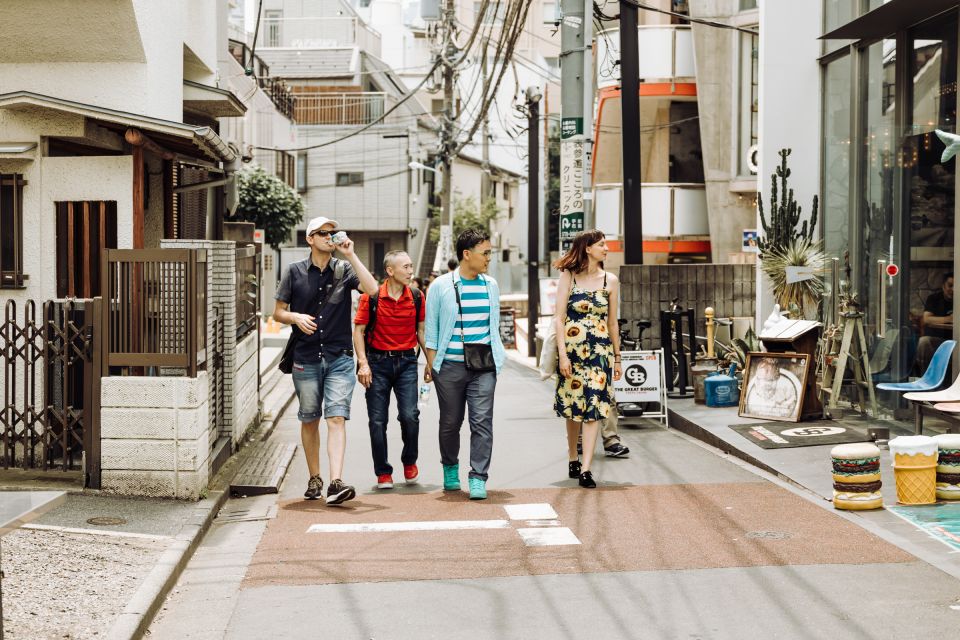
Shimokitazawa is the place where Tokyo’s fashion week energy and record-nerd obsession meet everyday life. The streets are small and the mood is creative, which means you don’t need a big-ticket attraction to have a good time. Just walking, you start spotting thrift signs, tiny music-related shops, and café windows that look like they’ve been open since the last decade of joy.
What makes it work as an introduction is that it’s not pretend. This is the kind of neighborhood where people actually show up—at the station area, in cafés, and in little shops that sell old clothes or old media. Your guide’s job is to translate what you’re seeing into something you can use: what to look for, where the good stuff tends to be, and how the scene fits together.
And if your idea of Tokyo is only big-name sights, Shimokitazawa is a fun left turn. It helps you see another version of the city: more personal, more offbeat, and way more about taste than landmarks.
You can also read our reviews of more tours and experiences in Tokyo.



The matching call: how you steer a 2–3 hour walk
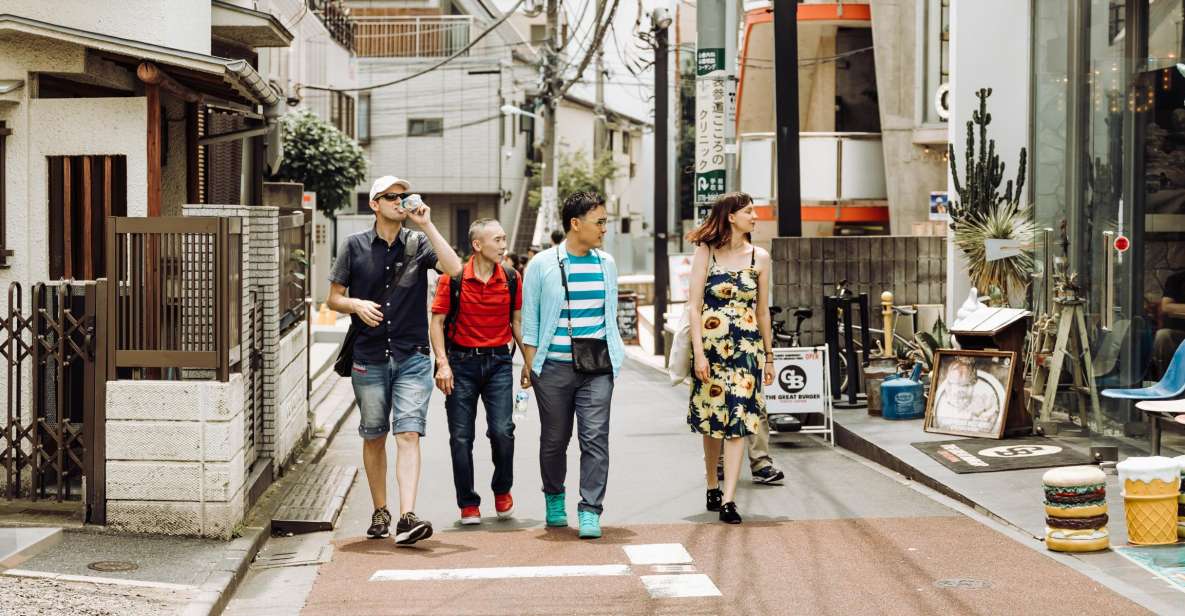
After you book, the hosts contact you within 24 hours and ask questions about your preferences. That’s not just small talk. It’s how they decide which version of Shimokitazawa you’ll get.
If you tell them you’re into thrift shopping, you’ll likely spend more time around vintage stores and retro finds. If you prefer café culture, the route shifts toward coffee stops and the little rhythms around them. If you’re more about indie music and alternative fashion, the guide can point out the scene’s visual clues—signage, shop style, and what locals seem to linger for.
This is where guides like Amir and Nobu stand out in the information you provided. Amir’s style is described as multilingual and multicultural, with a perspective that feels relatable. Nobu is described as friendly and good at answering questions beyond Shimokitazawa—more like a helpful conversation than a script. Either way, the aim is the same: you should feel like the tour belongs to you.
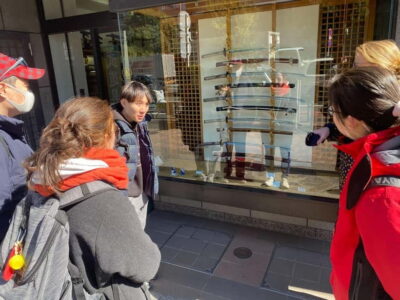
Practical note: private groups are normally no larger than 6 people. That small size matters because it keeps the walk flexible. If you want to linger in a shop window for 5 minutes, you can often do it without being herded.
Walking experience: what the route feels like
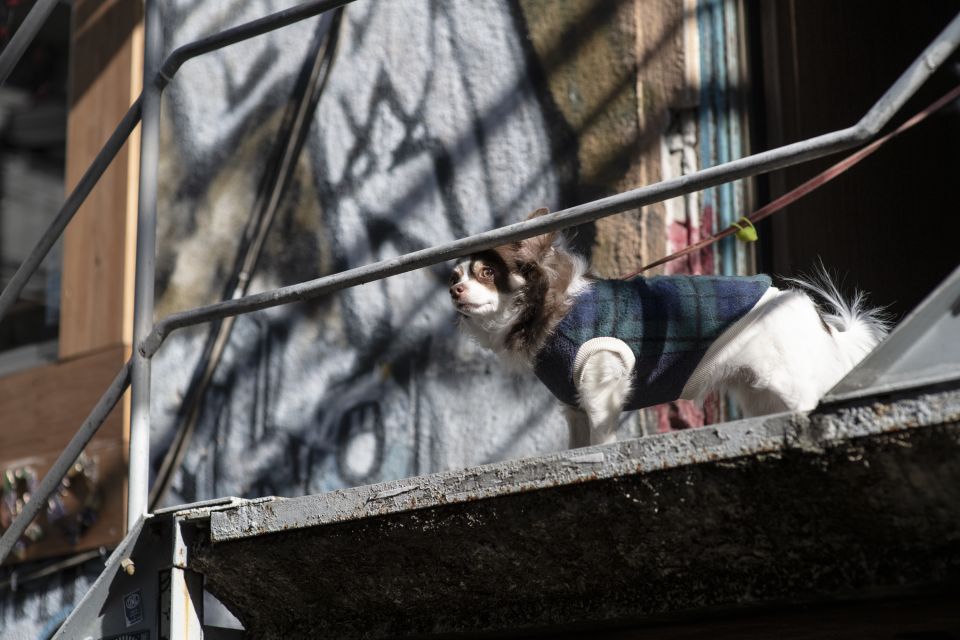
This is a walking tour, private, and built around a 2–3 hour window. That length is ideal for getting oriented and tasting the neighborhood without turning it into an all-day project.
In most cases, the flow looks like this:
- You meet the host in front of the café used as the meeting point.
- You start with a station-area orientation, because Shimokitazawa’s energy radiates from there.
- Then you move outward into the quieter backstreets where the most interesting shops and scene details tend to cluster.
- You end with a drink stop that ties the vibe together—coffee, or something non-alcoholic.
The tour is designed so you see both the obvious and the less obvious. That matters in Shimokitazawa because it’s easy to get “pretty street” overload on your own. With a guide, you’re more likely to walk past a shop that would’ve looked average from the outside, and then realize it’s perfect for your taste once you’re inside.
Around the station: where locals set the pace
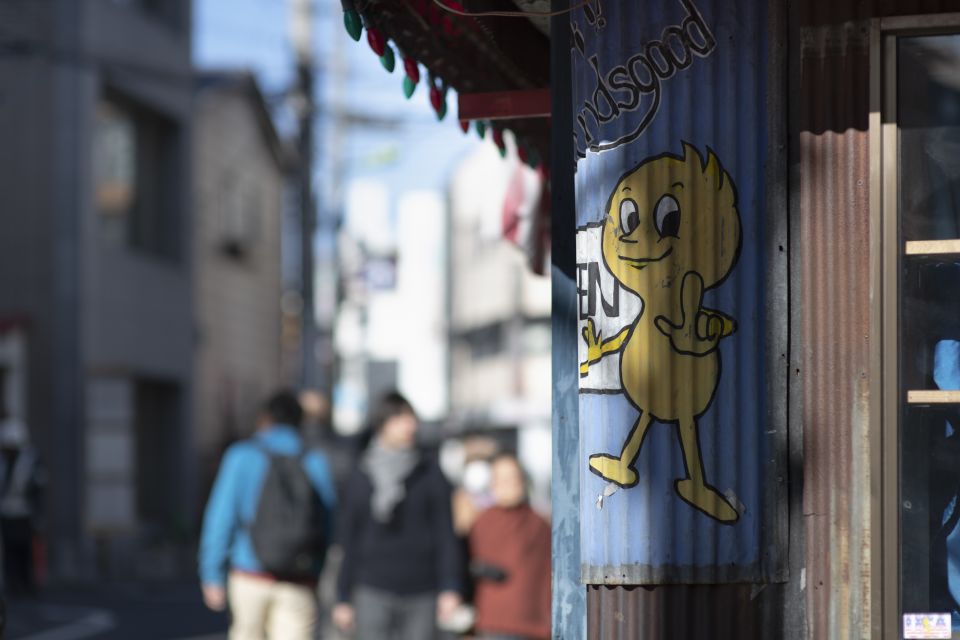
Start near Shimokita Station and you’ll feel the neighborhood’s real schedule. The area around transit points in Tokyo is where you catch the daily temperature of a place: students, shoppers, people meeting friends, and anyone killing time before the next thing.
This is also where the “slow life” vibe shows up. You might notice locals lingering before the evening shifts, or moving with an unhurried rhythm that’s different from the pace around Japan’s biggest tourist hubs. If your brain keeps searching for famous sights, the station area teaches a different skill: noticing social life in the open.
And yes, the neighborhood’s scene can include music energy too. The tour description points to the idea of locals jamming to music, then holding a hot bowl of soba and smoothing it down with sake. You might not witness every element in every visit, but it’s a clue to what the neighborhood is about: you’re in a place where food, music, and hanging out can overlap.
Coffee culture stop: the best excuse to slow down
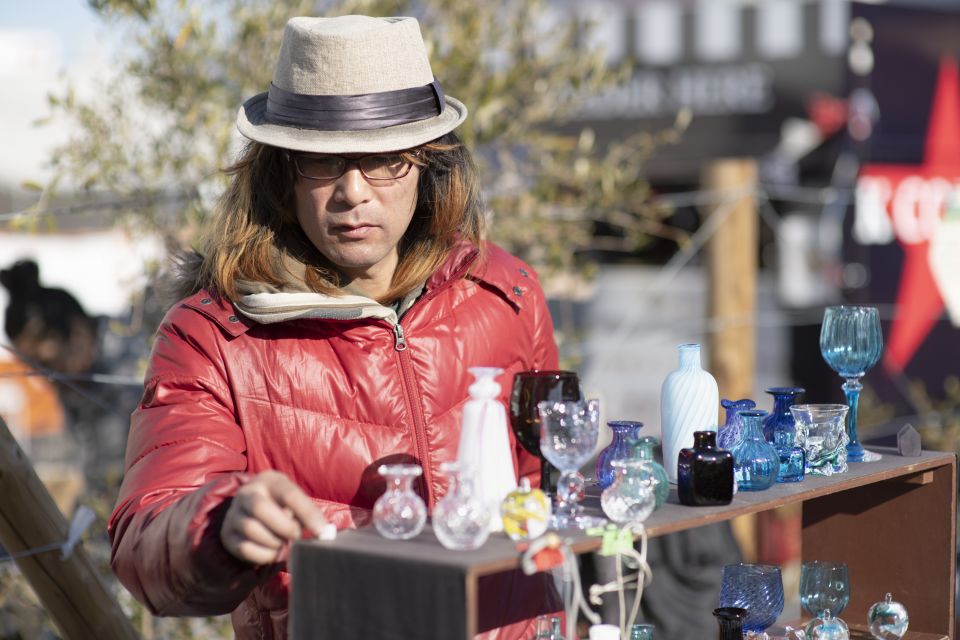
One drink stop is included. That sounds simple, but it’s a big deal in a neighborhood like Shimokitazawa. Coffee shops here often act like community rooms. Even if you don’t order a masterpiece-level pour-over, you’re still getting a front-row view of how people spend time.
Your guide can steer you toward a café or quirky bar style that fits your day. And because the drink is included, you don’t have to budget extra for the “rest stop.” For a 2–3 hour experience, that matters. It keeps the walk from feeling like a workout.
If you have a sweet spot—like wanting cozy and quiet, or wanting something more lively—tell your guide. That preference helps them pick the kind of place you’ll actually enjoy, not just the one they like best.





Vintage and retro hunting: Garage Department Store and Flash Disk
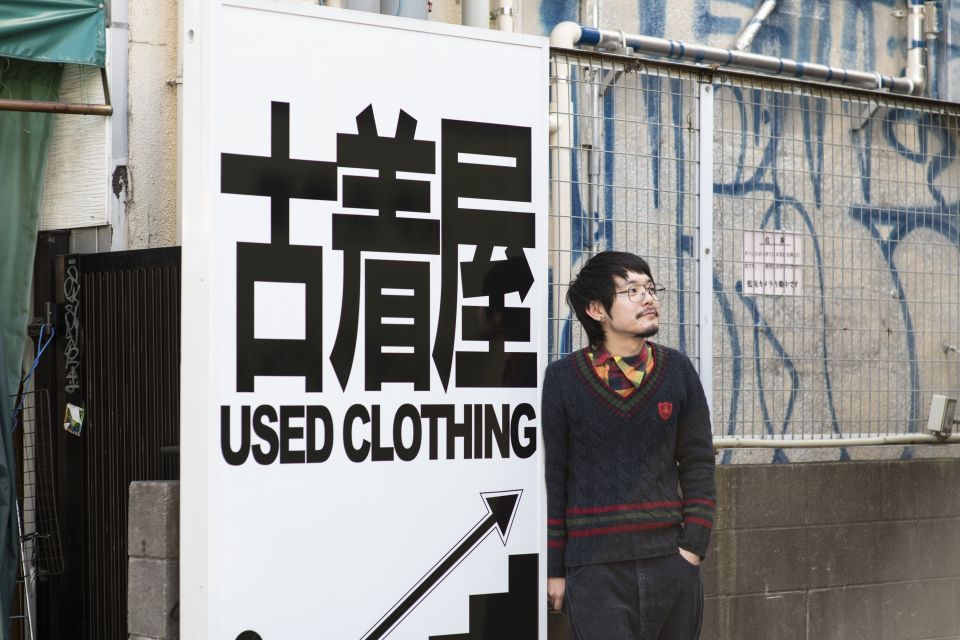
Shimokitazawa’s big draw is shopping that feels personal. Not mass-market. Not only souvenirs. More like: old stuff with stories, and places where you can browse until you forget the time.
Two shop names that come up are Garage Department Store and Flash Disk:
- Garage Department Store: described as a store with funk and all sorts of retro finds. If you like fashion with an edge—old jackets, graphic tees, and weird details—this is the type of stop that can turn a quick browse into a real win.
- Flash Disk: described as a place with mountains of old CDs, with an old-school setup. If you’re into music collecting, it’s a fun hunt because you’re browsing by mood and era, not by a recommendation algorithm.
Here’s the practical part. Vintage stores can be hit-or-miss depending on your size, your taste, and your patience. A local guide helps you shop smarter by pointing out what tends to match your interests, and by helping you understand how the store culture works. That reduces wasted time and helps you leave with something you’ll actually wear or play.
From the feedback you shared, at least one family enjoyed this “unusual pieces” side of the tour, with kids finding unique buys too. So if you think thrift shopping is only for adults, consider that Shimokitazawa can work for different ages—especially if your guide is actively shaping the route around what you want.
Indie fashion streets: what your guide helps you notice
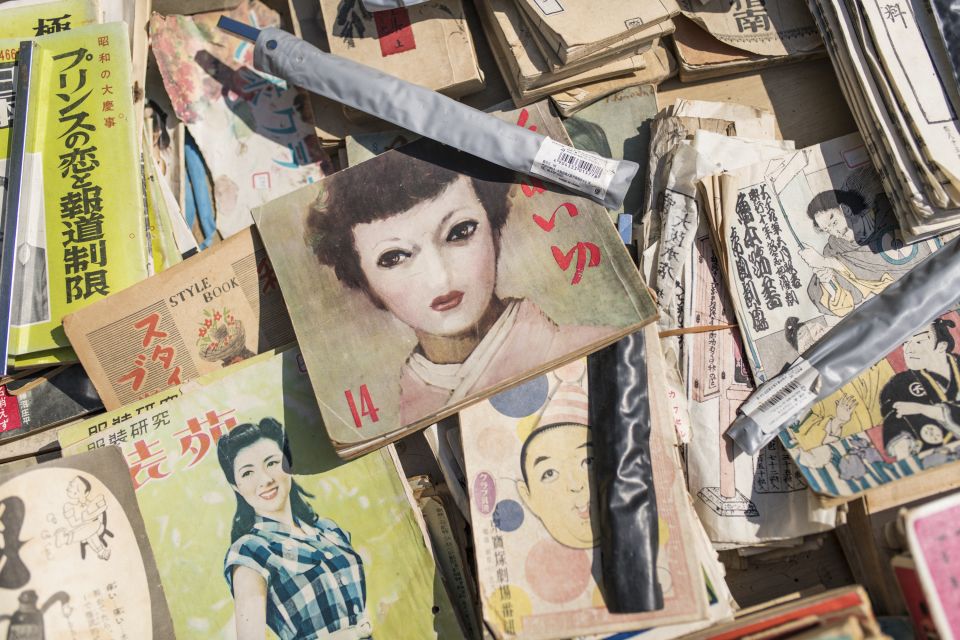
What you’re seeing in Shimokitazawa is not just merchandise. It’s a visual language. Tiny streets, shopfront styles, and the way people dress tell you what the scene values: originality, self-expression, and a love of older forms repurposed into current style.
A good guide doesn’t just tell you where to go. They explain what to look for. That could mean how certain clothing styles read as “alt” in Japan, or why some shops feel more music-focused while others feel more street-style. It’s the difference between walking past a storefront and understanding why the place exists.
This is also where asking lots of questions pays off. Nobu-style hosting is described as answering questions about Japan beyond just the neighborhood. If you’re curious—about how Japanese coffee culture works, how thrift scenes operate, or why indie music matters locally—lean into it during the walk.
It makes the whole 2–3 hours feel like you’re getting context, not just exercise.
Choosing your food energy: soba, sake, and Okinawan notes
This is not a food-focused tour, but it does connect with food culture in a few ways.
You might catch the idea of hot soba and sake energy around the station area as the day shifts toward evening. That’s not a guaranteed sit-down restaurant, but it’s part of the neighborhood’s atmosphere—people mixing meals and music and hanging out.
And there’s also a specific dining option named: Shimokitazawa Mother. It’s described as cocktail-friendly with Gaudi-esque decoration and it serves fine Okinawan cuisine. If you’d rather shift toward a more sit-down meal style (or you want to sample Okinawan flavors), your guide can likely adjust the plan—at least for the timing and the drink choice—since the tour includes only one drink and keeps actual food as optional.
The key point for you: if you’re hungry, plan to handle most meals outside the included drink. The tour doesn’t claim full-on dining coverage, and that’s not a bad thing. It keeps you flexible and lets you follow your nose afterward based on what you liked most during the walk.
Izakaya and cocktails: how the included drink sets the tone
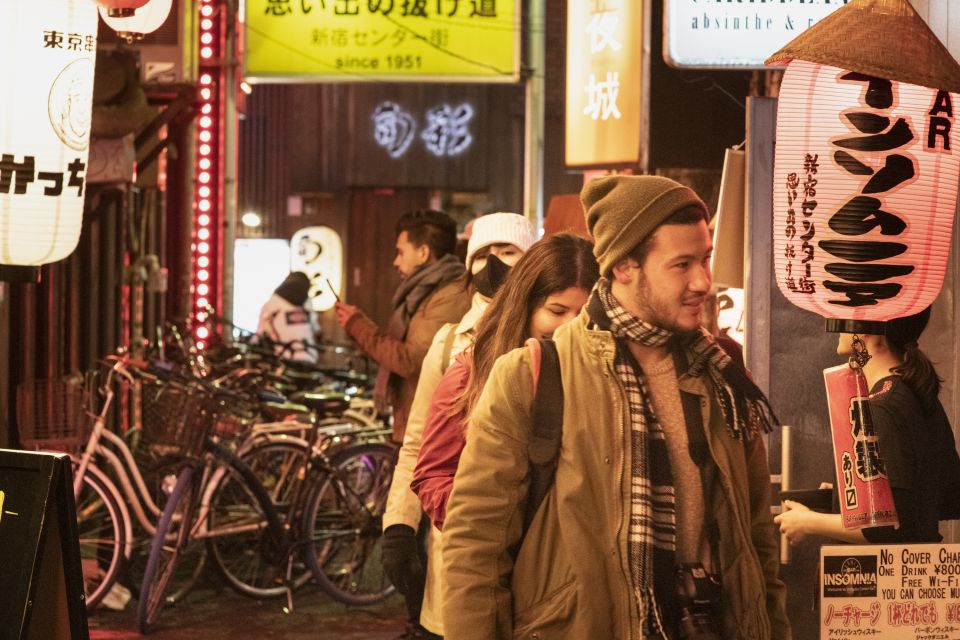
The included drink can be coffee, or it can be non-alcoholic in an izakaya-style setting. That choice is a big part of how Shimokitazawa feels at night versus daytime.
If you want something more social and a little playful, an izakaya-style stop can fit the mood. If you want calm and reflection after shopping, a café can do the job. The tour description calls out places like City Country City for coffee with jazzy vibes, and Shimokitazawa Mother for cocktails and atmosphere.
Because it’s included, you can treat the drink stop like a reset. You’ll have walked, browsed, and seen a lot. This is when you can regroup and ask last-minute questions while your guide points out what to do next in the neighborhood on your own.
Price and value: is $79 worth it?
$79 per person sounds like a fixed price, but the value comes from what that money buys in a neighborhood like Shimokitazawa.
You’re paying for:
- a private, personalized itinerary built around your interests
- a local host for 2–3 hours (not a generic group walk)
- pickup from your accommodation if it’s within reasonable distance
- a walking experience plus an included coffee or non-alcoholic drink
The big value lever here is time and matching. If you go on your own, you can absolutely wander and shop. But it’s easy to miss what you personally would’ve loved—especially with vintage. A guide helps you turn “random browsing” into “intentional finds.”
Also, your host can guide how to spend your limited time. That’s especially important because you’re not getting long transit coverage during the tour, and the plan stays focused on what you can see efficiently on foot.
In short: if you want a guided start in Shimokitazawa without turning the day into logistical math, this is a fair way to buy clarity and momentum.
Who should book this Shimokitazawa tour
This tour is a strong fit if you:
- like vintage and retro shopping and want help finding the right pockets of the neighborhood
- care about coffee culture and want to see it as a daily ritual, not just a café photo op
- want a neighborhood introduction that feels like conversation with a local, not a checklist
- prefer a private route shaped around you, with a group size that stays small
It’s less ideal if you:
- want a heavy, ticket-based sightseeing program (this tour keeps attractions optional and walks-focused)
- plan to pack in many separate shopping targets over several hours (2–3 hours is best for a focused hit)
- need the tour to include transportation between distant points during the walk (transport within the tour isn’t included)
Should you book Discover Shimokitazawa?
I’d book it if you want Tokyo that feels personal. Shimokitazawa is the kind of neighborhood where your enjoyment depends on taste. This tour tries to match your taste to the route, then gives you a built-in place to slow down with an included drink.
If your goal is to learn how the indie, vintage, café world works here—through walking, small-street details, and shop time—this is a smart use of a half-day. And if you get a host like Amir or Nobu in the mix, that conversational, Japan-wide context can make your whole trip feel smoother.
Go for it when you want style, street life, and shopping with a guide’s sense of direction.
FAQ
How long is the Shimokitazawa tour?
The tour runs for 2 to 3 hours, depending on the starting time available.
How much does it cost per person?
The price is listed as $79 per person.
Is it a private tour?
Yes. It’s a private group, and groups are normally no larger than 6 people.
What languages are the guides?
The live tour guide speaks English and Japanese.
Where do we meet the host?
The host waits in front of the café at the meeting point.
Is pickup included?
Pickup from your accommodation is included if it’s within a reasonable distance.
What’s included in the tour price?
You get a private and personalized itinerary, a 3-hour local host experience, a walking experience, and a coffee or non-alcoholic drink at a neighborhood bar or coffee shop.
Are food and drinks included besides the one drink?
Food and drinks are not included, except for the mentioned coffee or non-alcoholic drink.
Is transportation during the tour included?
Transportation to and from the meeting point is not included, and transportation during the tour is not included.
Is the tour wheelchair accessible?
Yes, it’s listed as wheelchair accessible.