REVIEW · TOKYO
Discover Japanese Umami: Onigiri & Dashi Masterclass in Tokyo
Book on Viator →Operated by 割烹道 · Bookable on Viator
Japanese cooking gets easier when you learn its base. This Tokyo umami and dashi masterclass shows you how savory flavor is built, starting with three dashis you can taste side by side. I especially like the chance to compare kombu, katsuobushi, and awase in a practical way, not just as a lecture.
You also get real hands-on time with classic washoku items, including dashimaki tamago on a rectangular tamagoyaki pan and hand-shaped onigiri with fillings. The class is designed for curious travelers with no cooking background, and the instruction is in English.
One thing to consider: the lesson includes fish-based dashi ingredients (like katsuobushi) and a sake tasting, so it may not fit if you avoid seafood or alcohol.
In This Review
- Key Highlights Worth Your Time
- Umami and Dashi: The Flavor Lesson That Makes Everything Else Easier
- Three Dashis Taught Up Close: Kombu, Katsuobushi, and Awase Compared
- Miso Soup and Side Dishes: Learning Washoku Balance Without Stress
- Dashimaki Tamago on a Rectangular Pan: The Technique You’ll Actually Use
- Onigiri by Hand: Shaping Rice Balls With Classic Fillings
- Kappodo Sake Tasting and Lunch: The Meal Part Isn’t an Afterthought
- Small Group Energy: Why Max 8 Travelers Helps
- Price and Value: Is $129.49 Worth a 2-Hour Workshop?
- What You Take Home: Recipes, Seasonings, and a Replayable Skill Set
- Practical Details That Affect Your Day
- Who This Umami and Onigiri Class Fits Best
- Should You Book This Tokyo Umami and Onigiri Masterclass?
- FAQ
- Do I need prior cooking experience?
- How long is the masterclass, and what time does it start?
- What group size should I expect?
- What’s included in the hands-on portion?
- Is alcohol included?
- What happens if I cancel?
Key Highlights Worth Your Time
- Three dashis compared side by side: kombu, katsuobushi, and awase, tasted so you can connect flavor to method.
- Hands-on tamagoyaki technique: make fluffy dashimaki tamago using a traditional rectangular pan.
- Onigiri shaping by hand: choose fillings and form rice balls with proper, satisfying control.
- Miso soup and side dish demo: learn how the meal components work together.
- Small group size (max 8): enough attention for questions while still keeping the class lively.
Umami and Dashi: The Flavor Lesson That Makes Everything Else Easier
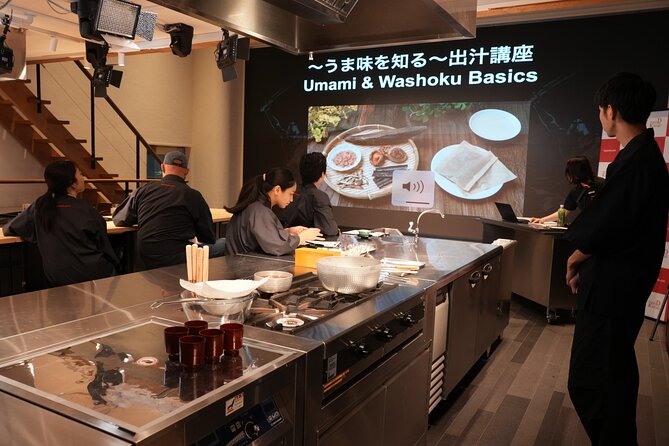
If you’ve ever wondered why Japanese food tastes so clean and focused, the answer often starts with umami and dashi. This class treats them like the foundation, not a random ingredient list. By the end, you’ll understand what dashi is doing for flavor and why Japanese seasoning feels so precise.
You’ll begin with a lecture on umami as Japan’s savory “fifth taste,” then put that understanding into practice right away. The teaching style matters here: you’re not just hearing definitions. You’re learning the logic behind them.
And because the class is led by instructors rooted in kappo tradition, the focus stays on technique you can repeat later. That’s the kind of skill that actually travels well, even if you don’t plan to become a full-time home chef.
You can also read our reviews of more tours and experiences in Tokyo.



Three Dashis Taught Up Close: Kombu, Katsuobushi, and Awase Compared
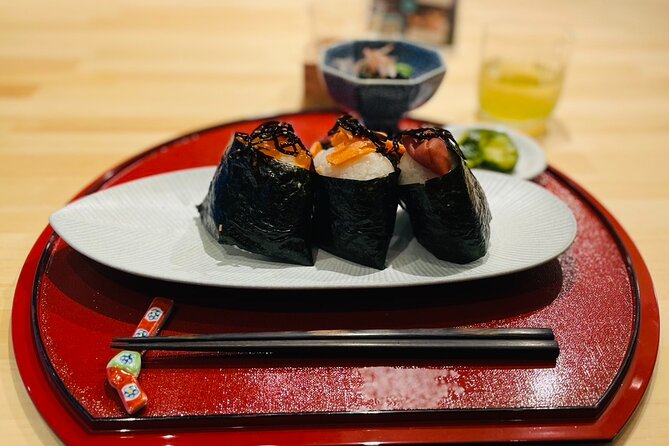
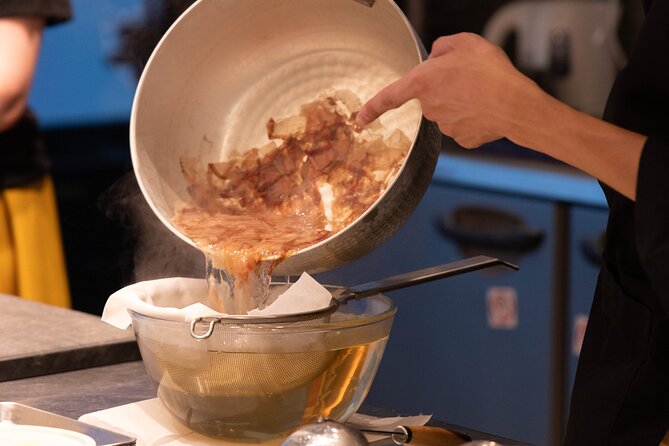
What makes this Tokyo dashi masterclass feel genuinely different is the tasting-and-comparison format. You don’t just see three types of stock. You watch how each one is made, then taste each side by side.
You’ll cover:
- Kombu dashi (kelp-based)
- Katsuobushi dashi (bonito-based)
- Awase dashi (combined approach)
That side-by-side comparison is the key. It helps you stop treating dashi as one vague “Japanese broth.” Instead, you learn how ingredients push flavor in slightly different directions—so later, when you try recipes at home, you can make smarter choices.
A practical benefit: once you know how kombu and bonito contribute, you’ll be more confident adjusting recipes when you substitute ingredients. Even if your kitchen has different brands, you’ll have a mental map for what you’re tasting.
Miso Soup and Side Dishes: Learning Washoku Balance Without Stress
After the dashi foundation, the class shifts to miso soup and traditional side dishes. You’ll watch how they’re prepared and plated, including the kind of step-by-step rhythm that makes washoku feel composed.
Miso soup is a great teachable moment because it’s simple enough to understand, but it still shows technique. You see how dashi, seasoning, and timing affect the final taste. It’s the same theme as before: small method changes lead to noticeable flavor differences.
The plating process is also part of the learning. That matters more than it sounds. In Japanese cooking, “how it’s arranged” often signals “how it should taste.” When you understand that mindset, you stop thinking of recipes as only food and start thinking of them as structured meals.
Dashimaki Tamago on a Rectangular Pan: The Technique You’ll Actually Use
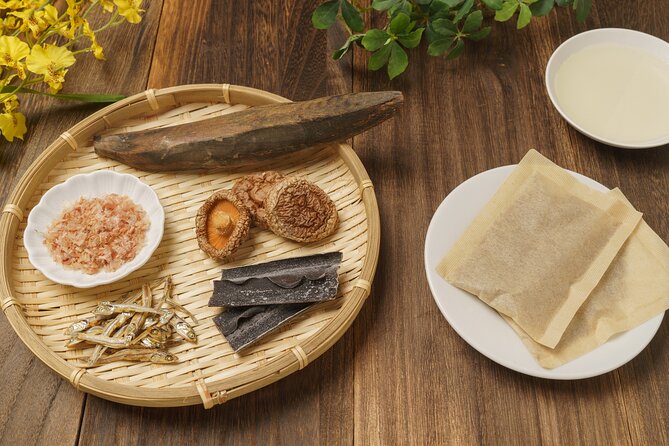
Then comes one of the most satisfying parts: making dashimaki tamago (Japanese rolled omelet). You’ll learn on how to work a rectangular tamagoyaki pan, which changes the way you roll and cook.
Why a rectangular pan matters: it’s part of the traditional shape, and it makes it easier to manage even layers. That’s exactly what you want when you’re aiming for fluffy, tender texture instead of a flat omelet.
This isn’t a vague “watch and clap” moment. You’ll be cooking as part of the class, so you get a feel for heat control and rolling technique. Even if your first roll isn’t perfect, you’ll leave knowing what to focus on next time.
If you’ve ever struggled with omelets because they seem too finicky, this is a good target skill. It’s specific, teachable, and it rewards practice.
Onigiri by Hand: Shaping Rice Balls With Classic Fillings
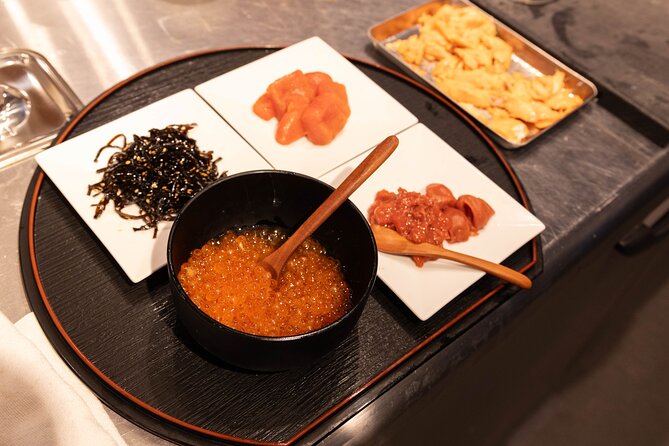
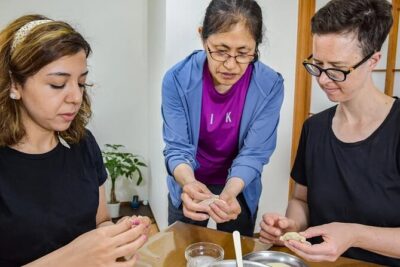
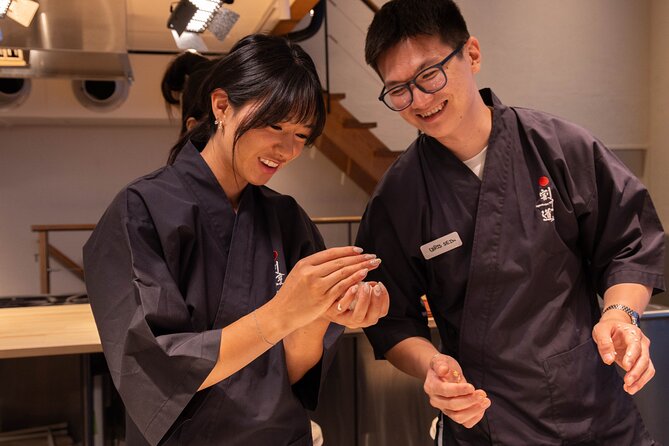
Finally, you’ll make onigiri by hand. You’ll choose from a variety of traditional fillings, then shape the rice balls yourself. This is where the class becomes fun in a practical way, because you can feel the difference between dry, sticky, and just-right rice handling.
Hand-shaping also teaches something you won’t get from a store-bought rice ball: consistency. You’ll see how technique affects both appearance and bite. It’s not just about making food; it’s about creating a repeatable form.
The fillings choice matters too. Even if you’re new to Japanese flavors, being able to pick classic options helps you connect dashi flavor to real eating experiences. And because the class is structured around umami, you’ll understand how the savory base supports the rest of the taste.
Come hungry. You’ll build a meal, not just sample parts.






Kappodo Sake Tasting and Lunch: The Meal Part Isn’t an Afterthought
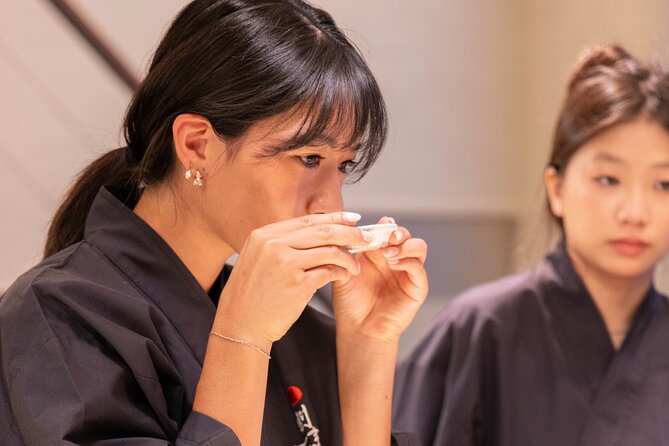
This is labeled as a hands-on cooking experience, and the meal component is built right in. You’ll have a lunch-style segment tied to your onigiri making, plus tasting as part of the overall session.
There’s also an alcoholic beverages tasting included: Kappodo original sake. The inclusion is a nice touch because it gives you a chance to experience how sake pairs with the flavors you’re learning—especially the savory, broth-driven taste that defines dashi-based cooking.
If you don’t drink alcohol, you might still enjoy the rest of the class. But the tasting is specifically listed as included, so keep that in mind when deciding.
Small Group Energy: Why Max 8 Travelers Helps
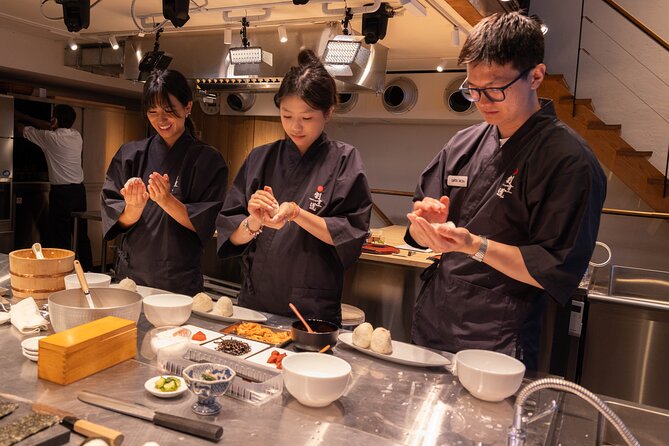
The group size is capped at 8 travelers. That matters for a cooking class more than it does for a walking tour. Smaller groups mean you can get help when you need it, and you’re more likely to get your questions answered on the spot.
English instruction is also listed clearly. If Japanese cooking terms feel intimidating, you can relax. You’ll be taught in a way that connects flavor concepts to actions you can do.
You’ll also get all tools and aprons used in lessons, which keeps things simple. You’re not trying to hunt down equipment before you arrive.
Price and Value: Is $129.49 Worth a 2-Hour Workshop?
At $129.49 per person for about 2 hours, this isn’t a budget class. But the value isn’t only the recipes. You’re paying for a guided, structured learning experience with:
- multiple hands-on cooking moments (onigiri shaping and dashimaki tamago),
- ingredient-level understanding (three dashis made and tasted),
- and take-home support (printed recipe set and Japanese seasonings).
You also get a certificate of participation, which is small, but it matches the “learn something real” style of the workshop.
When you look at the total package—food, sake tasting, tools, English instruction, and small-group teaching—the price starts to make more sense. This is best viewed as buying confidence and technique, not just eating a nice lunch.
If your main goal is to sample food in Tokyo, there are cheaper ways to do that. If your goal is to bring home usable cooking skills and flavor knowledge, this price feels more reasonable.
What You Take Home: Recipes, Seasonings, and a Replayable Skill Set
You’ll receive a printed recipe set and Japanese seasonings to take home. That’s important because recipes without ingredients won’t help much if you’re trying to reproduce the taste.
This class also gives you a technique-based memory: you’ll remember how dashi tastes, what makes tamagoyaki work, and how onigiri rice should feel. With the take-home materials, you can recreate the flavors without guessing.
The takeaway goal is clear: learn the structure behind Japanese flavor, then recreate it with your own ingredients at home.
Practical Details That Affect Your Day
- Location: Kappodo H.Q / Tokyo D kitchen studio in Nishiazabu (Minato City), Tokyo, starting at 11:00 am.
- Duration: about 2 hours (approx.), and it ends back at the meeting point.
- Transportation: private transport isn’t included, but it’s listed as near public transportation.
- Mobile ticket: included.
Because it includes lunch-style cooking and tasting, you’ll likely want to treat this as a main activity rather than a quick stop. Plan to arrive ready to work with your hands and eat what you make.
Who This Umami and Onigiri Class Fits Best
This is ideal if you want:
- a hands-on Tokyo cooking class where you learn technique, not just watch,
- a clear foundation in umami and dashi that you can apply later,
- and a small-group experience led by instructors who can answer questions in English.
It’s also a good pick for couples or small groups who want a shared activity that feels distinct from sightseeing. If you like food education and you’re the type who reads seasoning labels in the grocery store back home, you’ll probably enjoy this a lot.
One more nudge: if seafood avoidance is part of your diet, check whether you can fully participate in the dashi tasting and related steps. The stock types include katsuobushi, so it’s central to the experience.
Should You Book This Tokyo Umami and Onigiri Masterclass?
Book it if you want to leave with something you can repeat: dashi comparisons, dashimaki tamago technique, and onigiri shaping with classic fillings. The take-home recipe set and seasonings make it easier to recreate the taste rather than treating the class as a one-day event.
Skip it if you mainly want a broad, casual food crawl or you’re only interested in eating without learning how the flavor is built. Also think twice if you can’t do sake tastings or you avoid seafood, because fish-based dashi components are part of the core lesson.
If you’re on the fence, treat it like a skills purchase: this workshop is designed to teach you the foundation and the hands-on moves that turn Japanese home cooking from intimidating to doable.
FAQ
Do I need prior cooking experience?
No prior experience is needed. You’ll get instruction in English and learn step by step.
How long is the masterclass, and what time does it start?
It lasts about 2 hours and starts at 11:00 am.
What group size should I expect?
The class has a maximum of 8 travelers.
What’s included in the hands-on portion?
You’ll make lunch-style onigiri and dashimaki tamago, and you’ll also have a miso soup and side dish demonstration included.
Is alcohol included?
Yes. The experience includes an alcoholic beverage tasting of Kappodo original sake.
What happens if I cancel?
You can cancel up to 24 hours in advance for a full refund. If the minimum number of travelers isn’t met, you’ll be offered another date/experience or a full refund.