REVIEW · TOKYO
Tokyo: Tea Ceremony in Shibuya Tokyo
Book on GetYourGuide →Operated by Legalis · Bookable on GetYourGuide
Tea ceremony in Shibuya sounds unlikely. Still, I like the private setup (just your group, 1 to 4) and I like that English-speaking teachers guide you clearly from etiquette to matcha. One thing to plan for: you’ll want clothes that cover your knees, and if you don’t have them, they’ll lend a wrap skirt or pants.
This class is built like a calm, structured lesson. You get an intro to tea ceremony history and etiquette, a teacher-led demonstration of “Otemae,” plus a hands-on matcha moment where you make and taste your own tea, usually with traditional sweets right beforehand. For a dress-up option, there’s also a kimono experience mentioned with an extra charge, so check that ahead of time if it matters to your budget.
In This Review
- Key things I’d pay attention to
- A Private Tea Room Experience in Shibuya (Just Your Group)
- How the Tea Ceremony Etiquette Lesson Sets the Mood
- Otemae Demonstration: The Movements That Turn Tea Into Practice
- Making Your Own Matcha (Then Tasting It)
- Sweets First: Why Japanese Traditional Snacks Belong Here
- Kimono Options and the Knee-Covering Dress Rule
- What You Actually Pay: The $81 Value Breakdown
- Getting There Smoothly in Shibuya
- Who This Tea Ceremony Suits Best
- Should You Book This Shibuya Tea Ceremony?
- FAQ
- Where is the tea ceremony located?
- Is this experience private or shared?
- What exactly will I do during the class?
- Is the class taught in English?
- What should I wear, and is there a kimono option?
- What’s included in the $81 price?
- Is pickup available in Shibuya?
- What is the cancellation policy?
Key things I’d pay attention to
- Private class for 1 to 4 people with no mixed sessions
- English-speaking teachers who explain history, culture, and manners
- Otemae demonstration followed by your own matcha practice
- Sweet tasting before matcha, so you can compare flavors
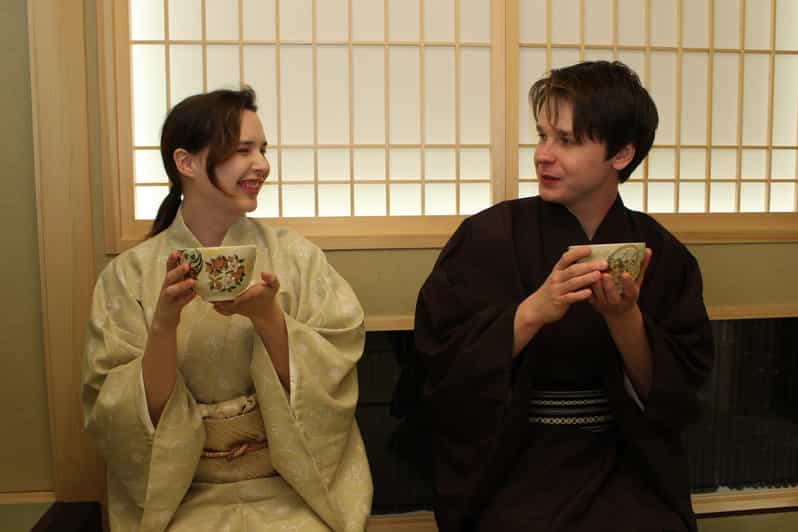
- Knee-covering dress rule with free borrowed pants or wrap skirt if needed
A Private Tea Room Experience in Shibuya (Just Your Group)
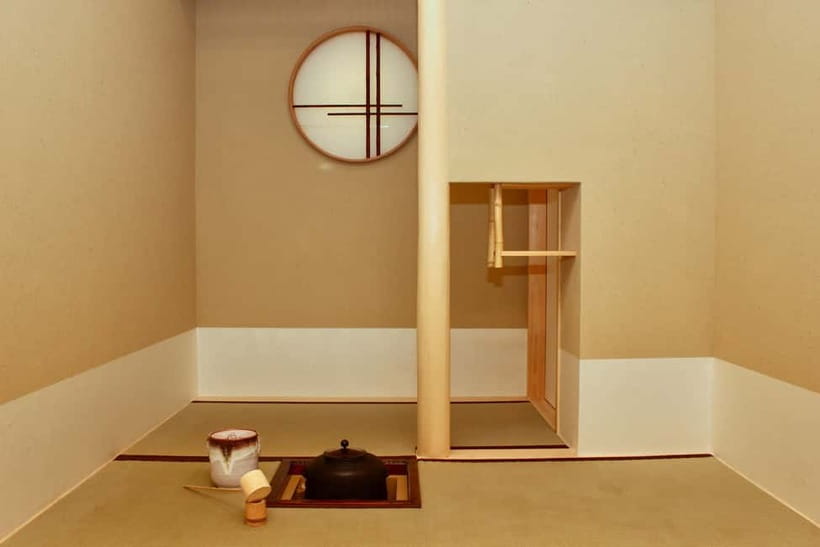
Shibuya isn’t where most people picture a traditional tea room first. That’s exactly why this works. You show up and slow down fast, because the format is designed for a small group to focus on tea, not logistics.
The big value point for me is the privacy. Your booking is for 1 person up to 4 people per booking, and sessions are not mixed. That matters if you’re traveling as a family, going with a friend, or just want space to ask questions without feeling rushed.
Language is another practical win. The class is in English, taught by teachers experienced in tea. That means you’re not left guessing what’s happening when utensils move across the tatami-style setting.
Pickup can be part of the plan too, if you need it. In a city that can be a little chaotic, having the option to reduce friction helps you arrive mentally ready for something quiet.
You can also read our reviews of more tours and experiences in Tokyo.



How the Tea Ceremony Etiquette Lesson Sets the Mood
Before you touch anything, you get an explanation of tea ceremony history and culture, plus etiquette. This isn’t just trivia. When you understand the “why” behind the movements, the experience stops feeling like a performance and starts feeling like a ritual you can participate in.
This is where the teacher’s personality really comes through. One example mentioned is Mako-san, described as charming and very knowledgeable, who guides the room with a calm pace. Even if you don’t follow every detail, you’ll feel the difference between copying motions and understanding meaning.
Etiquette also helps with expectations. You’ll learn what’s considered polite during the ceremony, and that keeps the experience smooth—especially if you’re sitting, turning, and handling items in a way that’s new to you.
If you’re the type who likes structure, you’ll appreciate how the class is sequenced: explanation first, then seeing the method, then doing it.
Otemae Demonstration: The Movements That Turn Tea Into Practice
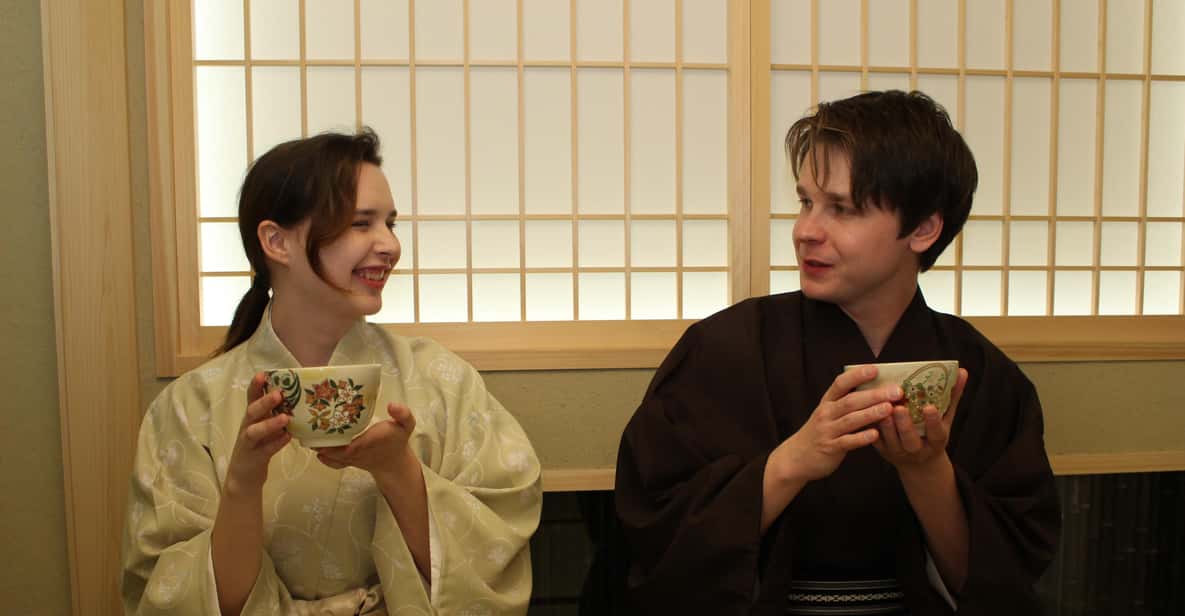
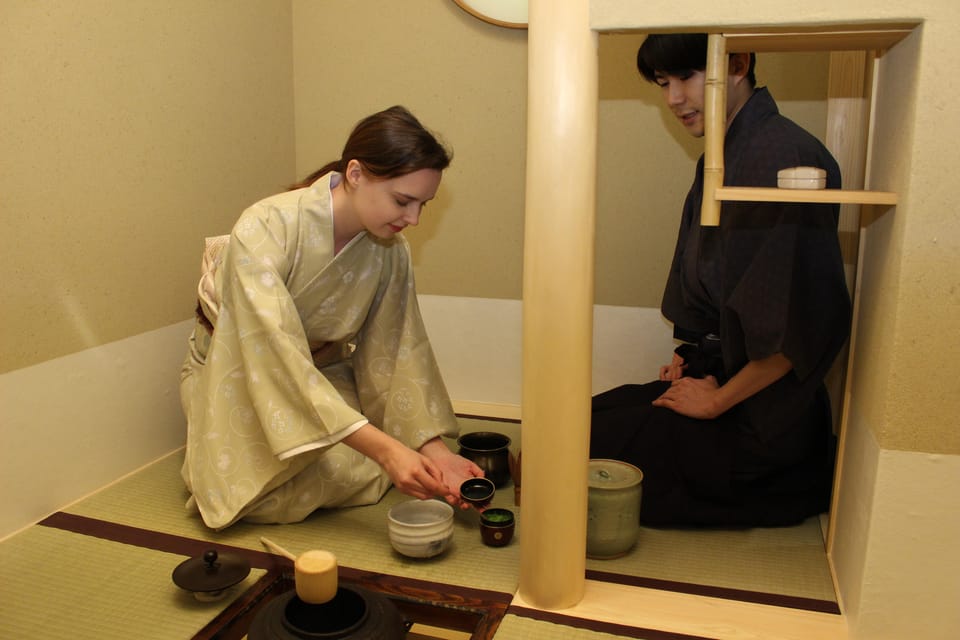
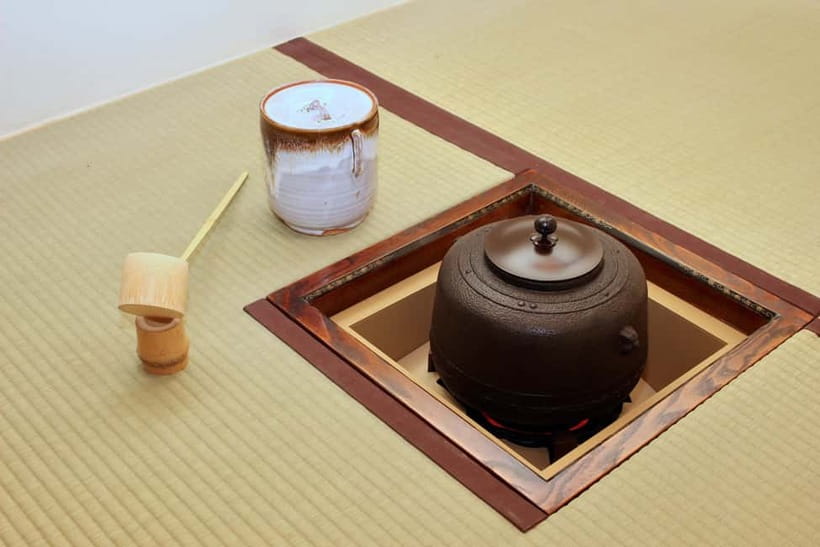
Next comes the Otemae demonstration. Otemae is the name for the prepared, step-by-step way tea is made and served in the ceremony. Watching it matters because the real skill is in timing and handling—not just in mixing matcha and water.
From a practical standpoint, this part teaches you what to pay attention to: how the teacher prepares the tools, how actions flow, and how the room’s calm is part of the method. You’re not just watching a how-to video. You’re seeing someone model the etiquette you just learned.
I also like that the class doesn’t skip the ceremony basics. Even for people who already drink matcha, Otemae gives you a different frame. Tea becomes a small guided routine, with intention in each step.
Then you shift from observing to participating. That handoff is key. It prevents the common problem where a cultural activity turns into passive watching.
Making Your Own Matcha (Then Tasting It)
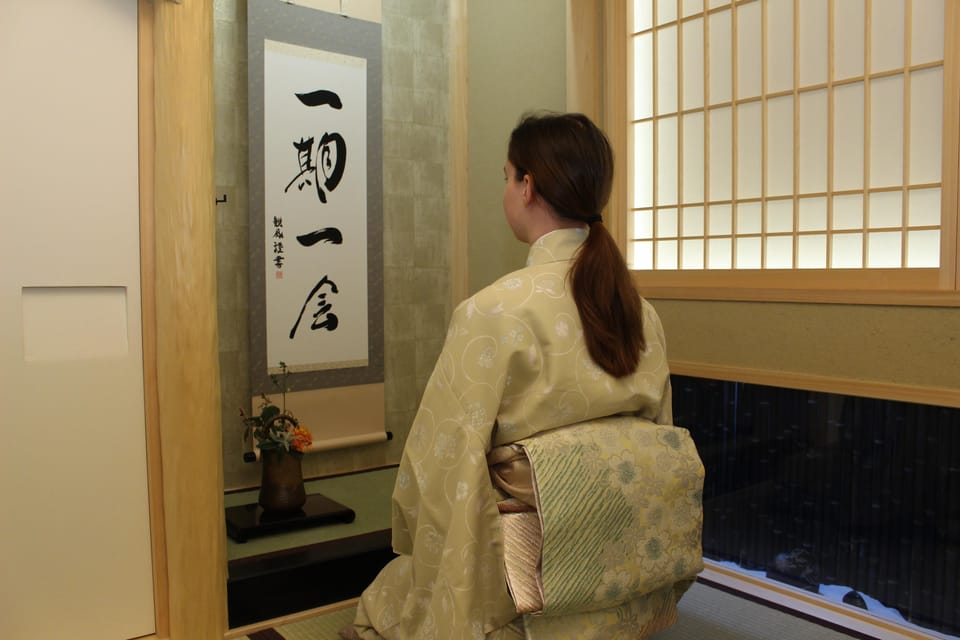
After the demonstration, you get to make your own matcha. This is the hands-on part that makes the class memorable, because you see how the technique affects the taste and texture you experience.
You’ll have guidance from the English-speaking teacher while you practice. The goal isn’t perfection. It’s learning enough to feel confident doing it yourself later, whether that means recreating a simple version at home or simply understanding what good preparation feels like.
Finally, you taste your matcha tea. This tasting isn’t an afterthought. Once you’ve made it, you can notice things like how the tea tastes after preparation and how your matcha compares to what the teacher made.
One more practical point: if you tend to be self-critical, loosen up here. The class is set up to teach. You’re participating in a process, not grading yourself.
Sweets First: Why Japanese Traditional Snacks Belong Here
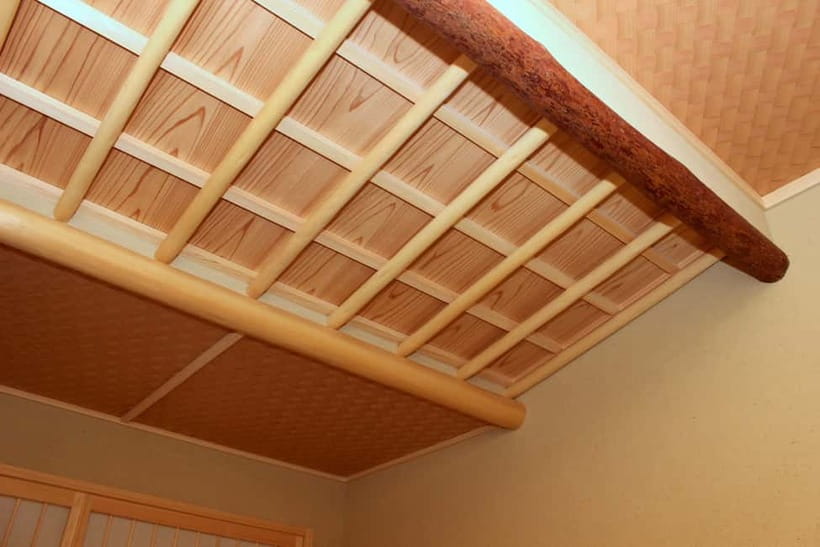
Before you make tea, the plan includes tasting traditional Japanese sweets. This is a smart ordering choice. Matcha has bitterness and grass-like notes, while traditional Japanese sweets are often designed to balance or contrast flavors.
Sweets also make the start feel welcoming. Instead of jumping straight into tools and steps, you ease into the experience with a quick tasting. It’s a way to set your palate for the tea you’re about to prepare.
If you’re curious about Japanese food beyond sushi or ramen, this sweet moment is one of the more approachable cultural details. You get to taste something made for the ceremony context, not just a snack chosen at random.





Kimono Options and the Knee-Covering Dress Rule
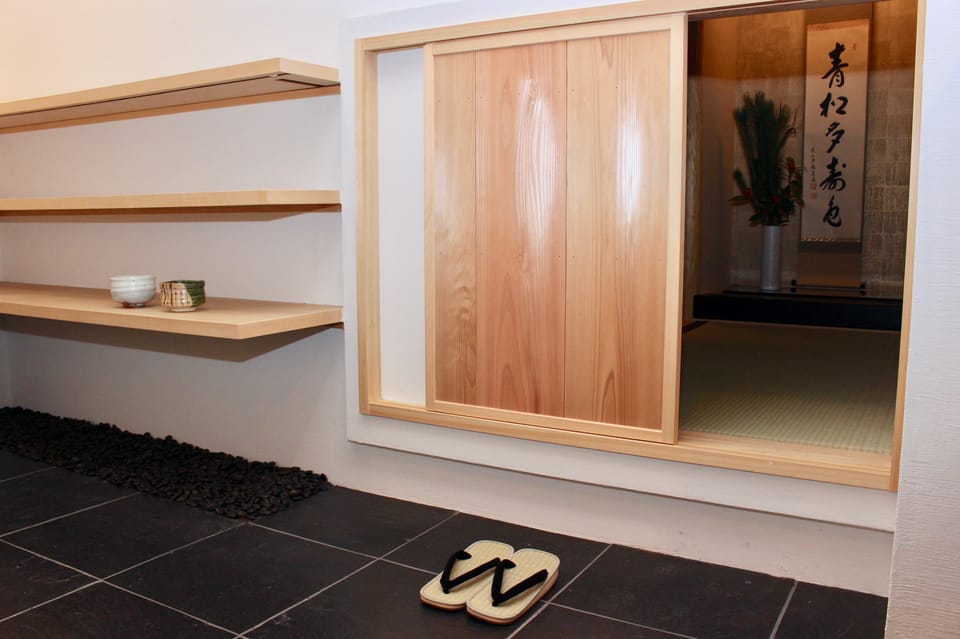
You don’t need to bring anything special. Still, you do need to plan around the ceremony’s dress requirements. The guidance is straightforward: wear skirts or pants long enough to cover your knees.
If your outfit doesn’t meet that rule, they’ll lend suitable pants or a wrap skirt for free. That’s a thoughtful touch for people who arrive with short skirts or cropped bottoms after walking around Shibuya all day.
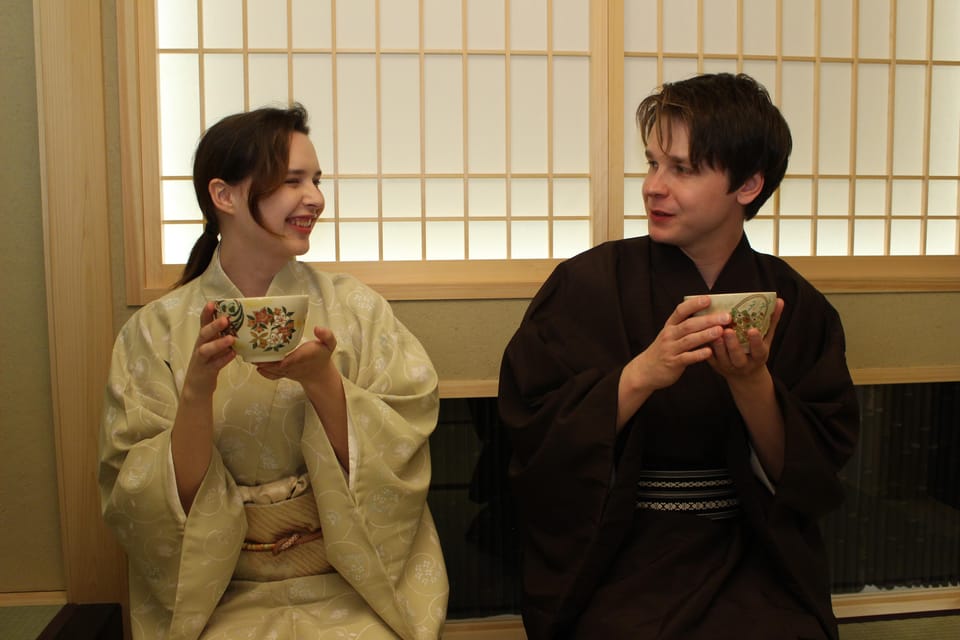
There’s also mention of kimono, with a charge. If wearing a kimono is part of your dream version of a tea ceremony, budget for that extra cost and confirm it in advance through the operator.
Either way, the practical takeaway is comfort. When you’re seated and participating, you’ll enjoy the experience more if your clothes cooperate.
What You Actually Pay: The $81 Value Breakdown
The price is listed as $81 per person. The key part isn’t just the number. It’s what’s included.
Your price includes tea and sweets fees, facility charges, and taxes. So you’re not showing up to find surprise add-ons for the ceremony basics. If pickup is needed, that service is also included.
What could cost extra? The kimono option is mentioned with an additional charge. If you want it, treat it like an add-on, not part of the base ceremony price.
This also tends to be good value for a small group. Because the class is private for up to four people, you’re essentially paying for a tailored session rather than sharing attention with strangers. If you’re traveling as a couple or small family, this can feel more worthwhile than the standard group tours where your participation gets diluted.
You’ll also book and pay in advance, though there’s a reserve and pay later option offered. That’s useful if you’re still locking down your Tokyo schedule.
Getting There Smoothly in Shibuya
Shibuya is easy to reach in theory, and sometimes a little annoying in practice. For a tea ceremony, you’ll want to arrive in a calm state, not frazzled.
The tour includes pickup service if needed, and you’re encouraged to contact them by email before you book. That’s especially helpful if you want pickup details coordinated for your hotel location.
My suggestion: plan to get there early enough to use the restroom and take a breath before the ceremony begins. Tea ceremonies reward patience, not last-minute sprinting.
Who This Tea Ceremony Suits Best
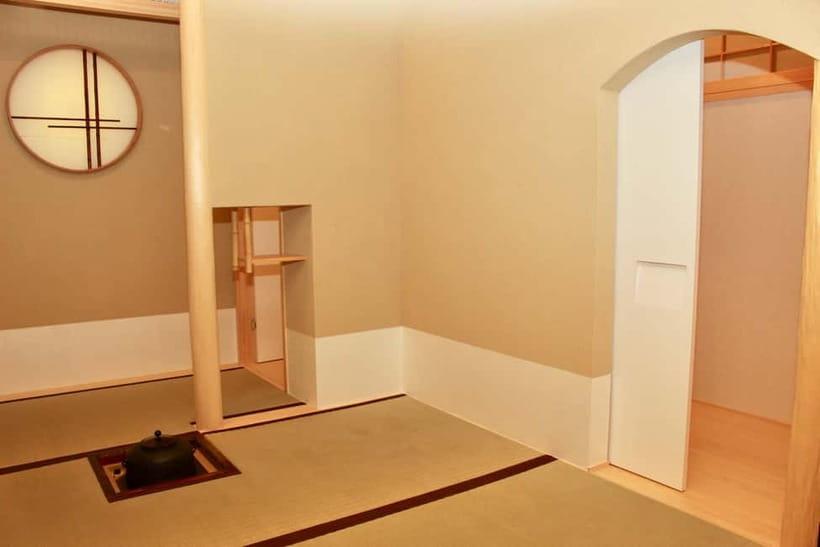
This is a great fit if you want a cultural experience that feels controlled and human-sized. The private format makes it work well for families, small groups, and solo visitors who prefer one-on-one attention in English.
It also suits people who learn by doing. You don’t just watch the Otemae. You make matcha yourself and taste it.
I’d also point it toward anyone who’s already spending time in Shibuya and wants a break from shopping intensity. This is a quiet counter-program: slower pacing, careful actions, and a focus on tea etiquette.
If you’re the type who hates sitting still for any length of time, you might want to consider whether the ceremony format will feel comfortable for you. The available dress guidance suggests you’ll be seated and participating, so plan for that with comfy clothing.
Should You Book This Shibuya Tea Ceremony?
Yes, I think you should book it if you want a private, English-friendly introduction to the Japanese tea ceremony. The combination of Otemae demonstration, hands-on matcha making, and sweet tasting before tea is a strong structure. You’ll come away with more than photos—you’ll leave with a sense of how etiquette and technique connect.
I’d hesitate only if kimono is a must-have and you’re trying to keep costs tight, since kimono is mentioned with an extra charge. Also, if you don’t have knee-covering clothes, it’s easy enough to solve with the free borrowed wrap skirt or pants.
FAQ
Where is the tea ceremony located?
It’s in a traditional tea room in Shibuya, Tokyo, in Honshu, Japan.
Is this experience private or shared?
It’s private for your group. You won’t be mixed with other people, and it’s booked as 1 person up to 4 people per booking.
What exactly will I do during the class?
You’ll learn about the tea ceremony’s history and culture, review etiquette, watch the Otemae tea preparation demonstration, taste traditional Japanese sweets, and then make and taste your own matcha.
Is the class taught in English?
Yes. The class is offered in English by English-speaking teachers experienced in tea.
What should I wear, and is there a kimono option?
Wear skirts or pants long enough to cover your knees. If needed, they will lend suitable pants or a wrap skirt for free. A kimono experience is mentioned, but it applies a charge.
What’s included in the $81 price?
The price includes tea and sweets fees, facility charges, and taxes.
Is pickup available in Shibuya?
Pickup service is included if needed. You should contact them by email before booking to coordinate.
What is the cancellation policy?
You can cancel up to 24 hours in advance for a full refund.