REVIEW · TOKYO
Tokyo Sumo Practice Watching & Visit Town from Samurai era
Book on Viator →Operated by Ken's tour · Bookable on Viator
Sumo practice in the morning is pure Tokyo. I loved getting ringside views of real training and hearing Ken explain sumo culture in plain, practical terms. You’ll also get a memorable chance for a photoshoot with the wrestlers. One thing to consider: this is a tight 3.5-hour morning plan, so if you want a lot of extra handouts or ultra-deep historical detail on demand, you may need to ask Ken for specifics.
Ken’s tour keeps the day moving in the best way. You start at Kiyosumi-shirakawa Station and shift from sports intensity to garden calm to an Edo-period town scene that feels oddly real. It’s a small group (max 15), and the tour is built around places most visitors never bother to reach.
If you’re coming to Tokyo for the first time and you want a real taste of tradition—without wasting time hunting down venues—you’ll likely like this format. The best part is that you’re not just watching sumo; you’re learning how people lived around it.
In This Review
- Quick hits you’ll remember
- Morning at Kiyosumi-shirakawa: where Ken meets you
- Shikoroyama-beya sumo stable practice ringside
- Photoshoot moment with sumo wrestlers
- Sumo viewing etiquette (the stuff that keeps the experience smooth)
- Kiyosumi Teien: quiet garden time after the intensity
- How to get the most from your time here
- Fukagawa Edo Museum: Edo streetscape you can almost step into
- What this adds to your sumo day
- Price and value: what $123.79 buys you (and why it can be worth it)
- The one “value risk” to watch for
- How well this tour fits your travel style
- Practical tips to make the most of it
- Should you book this sumo practice + Edo-era Tokyo tour?
- FAQ
- What is the price per person?
- How long is the tour?
- What time does the tour start?
- Where do we meet the guide?
- What is included in the tour price?
- Is private transportation included?
- Is the sumo stable visit actually permitted?
- Is there a group size limit and are there age restrictions?
- Is the ticket mobile?
- What is the cancellation policy?
Quick hits you’ll remember
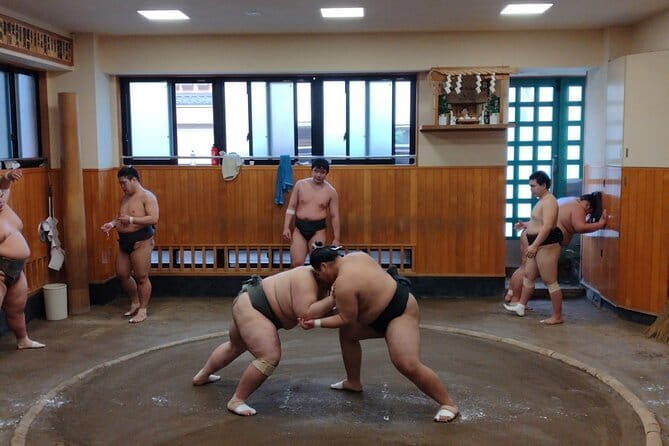
- Shikoroyama-beya practice ringside: see training firsthand with special stable access
- Ken as your guide: fluent, organized, and ready with answers as you walk
- Photoshoot chance with wrestlers: a rare add-on that you shouldn’t skip
- Kiyosumi Teien Gardens: quiet, scenic breaks from Tokyo’s pace
- Fukagawa Edo Museum: sound-and-light town scenes plus everyday tools inside homes
- Small group size: max 15 travelers, which makes the whole flow feel personal
Morning at Kiyosumi-shirakawa: where Ken meets you
This tour begins at 8:30am at Kiyosumi-shirakawa Station. You’ll meet at the ground level of the B1 exit, then walk together from there to kick things off. I like this meeting style because it’s not a vague “meet near the station” situation. You have a clear spot to aim for, and you’re not fumbling while hungry and half-awake.
The plan runs about 3 hours 30 minutes total, and it’s built as a straight line: station area, sumo stable, garden, then the Edo museum—ending back at the meeting point. That matters because Tokyo can eat time if you’re bouncing between far-flung neighborhoods. Here, the stops are close enough that your morning stays focused.
Your ticket is mobile, which is convenient. And because it’s a small group (up to 15), the guide can manage pacing and keep everyone together when you move through places with rules.
One more practical point: admission fees to all stops are included in the price, so you’re not doing math in your head while you’re already in Japan.
You can also read our reviews of more tours and experiences in Tokyo.



Shikoroyama-beya sumo stable practice ringside
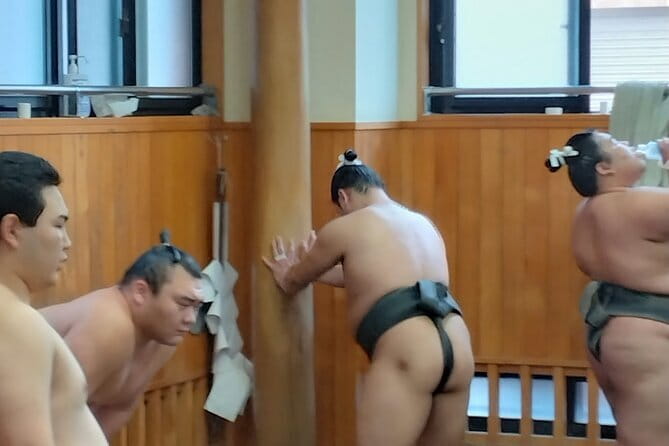
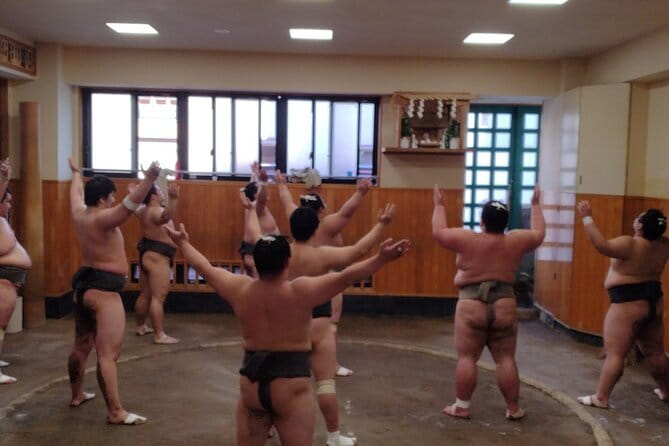
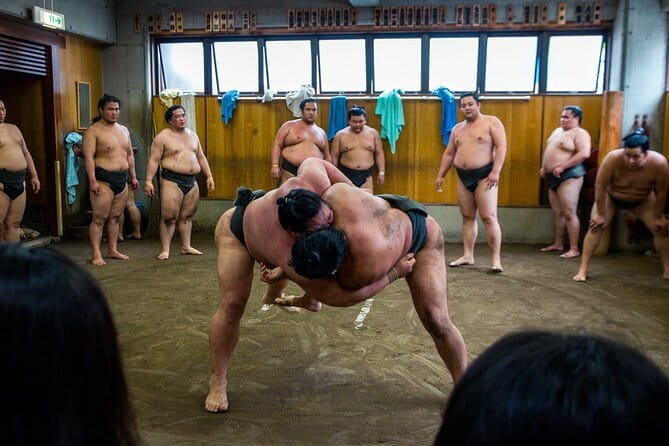
The main event happens at Shikoroyama-beya, a sumo stable. You watch real wrestlers practice from the ringside area. This isn’t a generic show. It’s about seeing the training rhythm up close—warm-ups, routine movements, and the physical intensity you can only really understand in person.
The stable access is the standout here. Special permission is required to enter, which is exactly why this tour feels different from the typical “walk past and hope” sumo experience. If you’ve ever watched sumo only through TV angles, this is the fix: you get to see how much the practice takes over the space, and how the whole atmosphere differs from a stadium day.
The stable stop runs about 1 hour 30 minutes, so you’re not rushed through. That’s important. Sumo is fast to film and slow to understand. With more time at the stable, you have a chance to notice patterns—how practice builds, how movement repeats, and how the routine has its own flow.
Photoshoot moment with sumo wrestlers
The tour also includes a chance to take a photoshoot with the wrestlers. Since the exact setup isn’t spelled out in the basic details, don’t assume you’ll have unlimited time or a specific pose. What you can count on is this: it’s a guided, permission-based moment, so you’ll want to follow Ken’s cues closely.
I recommend you come with your camera settings ready. If you’re using a phone, make sure your camera is unlocked and ready to shoot quickly. And if you’re bringing a heavier camera setup, practice quick handling before you arrive—your hands will be busy and your patience should be focused.
Sumo viewing etiquette (the stuff that keeps the experience smooth)
Even with guide-led access, there are a few behaviors that make a big difference:
- Keep your movements calm and follow Ken’s instructions for where to stand.
- Don’t crowd past other people trying to get their view.
- Be ready to pause filming if the guide needs your attention.
It sounds basic, but in a stable, basic is everything.
Kiyosumi Teien: quiet garden time after the intensity
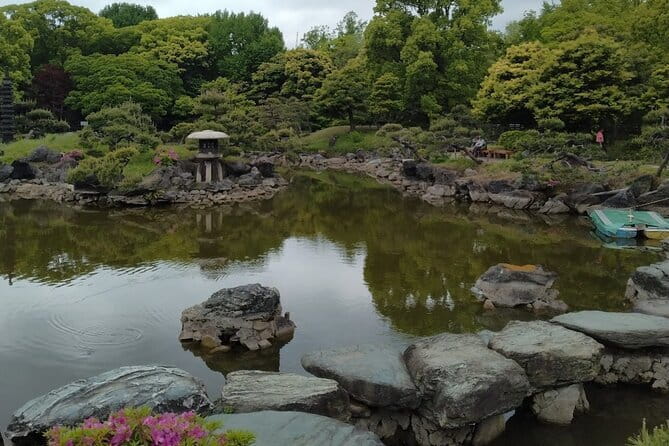
After the stable, you shift to Kiyosumi Teien, a Japanese garden stop about 50 minutes long. This is where the day cools down. Sumo practice is strong and loud in your senses; the garden is about stillness, spacing, and the feeling of walking through a designed quiet.
This place is described as a walking forest garden. That phrasing matters because you’re not just looking at a single view. You’ll move along garden paths and take in scenery at a slower pace. If you’re the kind of traveler who likes to reset between big cultural moments, this stop does the job.
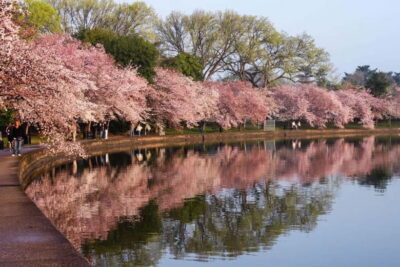
In reviews, people specifically mention seeing koi and cherry blossoms there, which tells you the garden can feel seasonal and alive rather than static. Even if your timing doesn’t line up with blossoms, expect the experience to feel contemplative—like Tokyo is holding its breath for a bit.






How to get the most from your time here
With about 50 minutes, you won’t do every corner forever. Decide what you care about most:
- If you want photos, pick one or two spots and enjoy the walk between them.
- If you want atmosphere, slow down and let yourself follow the garden’s pace rather than chasing the next perfect picture.
The best part of this kind of garden visit isn’t speed. It’s noticing how the scenery changes as you turn.
Fukagawa Edo Museum: Edo streetscape you can almost step into
Next up is the Fukagawa Edo Museum, about 1 hour. This stop is built around an end-of-Edo Tokyo streetscape recreation. It’s life-size, and it uses sound and lighting to create changes of the day. That combination is key: it moves the museum beyond static models.
Inside each house setting, you’ll find everyday tools placed in and around the spaces. That’s where the “I get it now” feeling comes from. You’re not just seeing architecture. You’re seeing how daily life was arranged—at least as interpreted by the museum’s recreated town.
What this adds to your sumo day
This is more than a separate attraction tacked on at the end. It gives context for the world sumo belonged to—an Edo-period urban rhythm where tradition and neighborhood life shared the same streets. After seeing wrestlers at their stable, the museum helps you picture a broader cultural frame instead of treating sumo as an isolated sport.
If you’re the kind of traveler who likes connections between topics, you’ll likely enjoy how the pieces fit together: training, tradition, and the daily environment surrounding that culture.
Price and value: what $123.79 buys you (and why it can be worth it)
At $123.79 per person for roughly 3.5 hours, this tour isn’t the cheapest way to spend a morning in Tokyo. But the value logic is pretty clear.
You’re paying for four things together:
- A professional guide for the full stretch from meeting point to ending point
- Admission fees for every stop
- Special stable access that needs permission
- A photoshoot chance with sumo wrestlers
Add those up and you’re no longer just buying a walk-and-look sightseeing loop. You’re buying access. And in Tokyo, access often costs more than you expect—especially when it involves a working stable.
Also, the group size caps at 15. Smaller groups tend to mean less chaos, faster answers, and a more controlled experience when entering places with rules.
The one “value risk” to watch for
The tour does not sound like it comes with a big take-home handout or a deep printed guide. One review point called out the desire for more detailed summary material about sumo and Edo-era context. If you love reading and you learn best from printed info, bring your own note-taking notebook. You can ask Ken questions on the spot, but if you need a document in your bag afterward, you may find yourself wanting more.
How well this tour fits your travel style
This experience is best for you if:
- You want real sumo practice rather than a distant viewing plan
- You like tours where the guide actually explains what you’re seeing
- You want both Edo history and a calm garden moment in one morning
- You’re visiting Tokyo for the first time and don’t want to spend time figuring out logistics
It might be less satisfying if:
- You only want the sumo part and would rather add your own museum time later
- You expect a long, classroom-style history lesson or printed handouts
- You strongly dislike early starts (it’s 8:30am)
Practical tips to make the most of it

A few small choices can make the day feel smoother:
- Wear comfortable walking shoes. You’ll be moving between four distinct stops.
- Have your phone charged for photos. The tour includes a photoshoot opportunity, and you’ll likely want to use it.
- Bring a notebook or notes app for Ken’s explanations. If you enjoy learning on the fly, you’ll get a lot out of capturing key points.
- Ask questions when you care about details. Ken’s English ability and patience are strengths, and you can steer him toward what you want to understand about sumo culture.
And if you’re the kind of person who plans around photos: Kiyosumi Teien and the Fukagawa Edo Museum both create good picture chances because they offer real scenery plus lighting and sound effects.
Should you book this sumo practice + Edo-era Tokyo tour?
If your goal is a Tokyo morning that feels authentic and structured around tradition, I’d book it. The stable access with permission, the ringside practice viewing, and the included photoshoot chance are the kind of “only here” moments that are hard to replicate on your own. On top of that, the garden and museum give you context, so sumo doesn’t feel like a standalone spectacle.
Book it especially if you value a good guide. Ken’s organization and helpful way of explaining what you’re seeing show up strongly in the experience overall. Just go in with the right expectation: this is a short, moving tour, not a full-day lecture. If you’re okay taking notes and asking questions, you’ll leave with a stronger understanding of sumo culture and a side of Tokyo most people skip.
FAQ
What is the price per person?
It costs $123.79 per person.
How long is the tour?
The duration is about 3 hours 30 minutes.
What time does the tour start?
The start time is 8:30am.
Where do we meet the guide?
You meet at Kiyosumi-shirakawa Station at the ground level of the B1 exit.
What is included in the tour price?
A professional guide, admission fees to all locations on the tour, and all fees and taxes are included.
Is private transportation included?
No, private transportation is not included.
Is the sumo stable visit actually permitted?
Yes. Entry to the sumo stable requires special permission, and the tour is designed around that access.
Is there a group size limit and are there age restrictions?
The tour has a maximum of 15 travelers, and there are no restrictions of age, height, or weight for the included activities.
Is the ticket mobile?
Yes, the tour uses a mobile ticket.
What is the cancellation policy?
Free cancellation is available up to 24 hours before the experience for a full refund. If you cancel less than 24 hours before the start time, the amount paid is not refunded.