REVIEW · TOKYO
Tokyo: Nikko Trip Toshogu Shrine Kegon Falls & Lake Chuzenji
Book on GetYourGuide →Operated by Hafiz Syed aqib Husain · Bookable on GetYourGuide
97 meters of roar in a single day. This Nikkō trip is a great mix of UNESCO Toshogu Shrine artistry and the sheer drama of Kegon Falls, with plenty of photo stops along the Daiya River. One thing to plan for: you’ll walk a lot in a long day, so comfy shoes are not optional.
I like that it’s built around a private-group pace with an English-speaking guide, so you get clear context at the shrines and helpful suggestions at lunch. In one experience, the guide Anees was especially good at explaining what you’re looking at and even pointing people toward a reasonable Indian lunch that felt home-style and tasty.
In This Review
- Key highlights you’ll remember
- Getting to Nikkō from Tokyo without losing your day
- Ueno Toshogu Shrine: a calm start before the famous one
- Toshogu Shrine and Ieyasu’s mausoleum: where the details do the talking
- Shinkyo Bridge: vermilion river photos and the Jizo walking trail
- Lunch in Nikkō: you’ll eat better with a guide’s suggestion
- Kegon Falls: planning for mist, the 97-meter drop, and viewpoint time
- Lake Chūzenji at Mount Nantai’s base: a calmer reset
- Optional Akechidaira Ropeway: panoramas if conditions are right
- Price and value: what $550 per group really means
- What to bring and how to avoid day-trip headaches
- Who this private Nikkō trip is for (and who should skip it)
- Should you book this Nikkō day trip from Tokyo?
- FAQ
- How long is the Tokyo to Nikkō trip?
- How much does the tour cost?
- What’s included in the price?
- Are meals included?
- Is there an optional upgrade?
- How long do you spend at Kegon Falls?
- Are children allowed?
- Is smoking or flash photography allowed?
Key highlights you’ll remember
- UNESCO Toshogu Shrine and Tokugawa Ieyasu’s mausoleum with its lavish decorations
- Three Wise Monkeys and the Yomeimon Gate, known as the Gate of the Sun
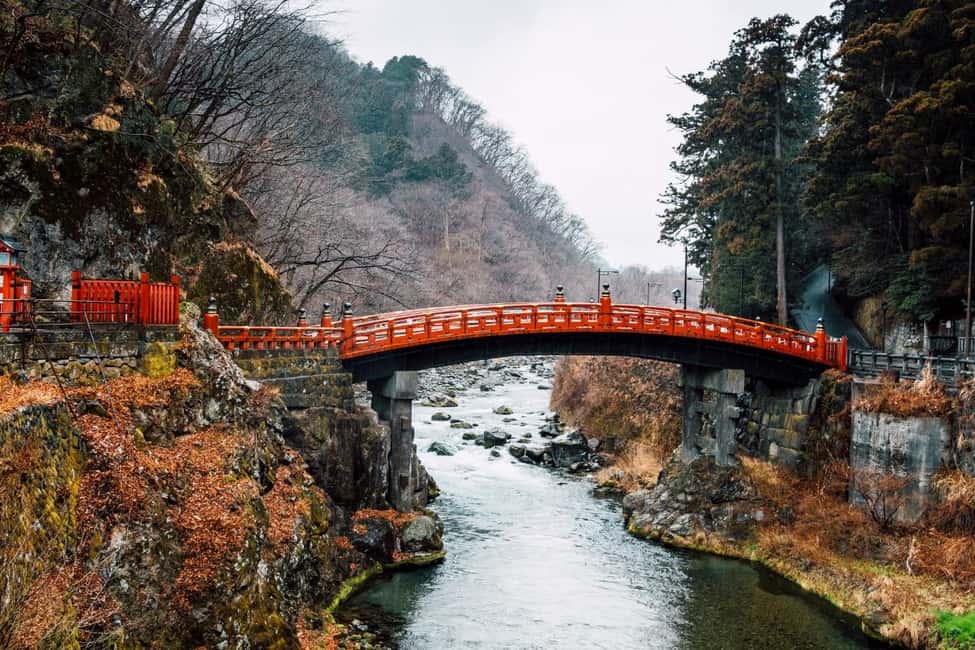
- Shinkyo Bridge: the vermilion arch over the Daiya River
- Kegon Falls (97 meters) with elevator access to a lower viewing deck
- Lake Chūzenji views at the base of Mount Nantai, especially good during autumn leaves
- Optional Akechidaira Ropeway for wider mountain and lake panoramas
Getting to Nikkō from Tokyo without losing your day
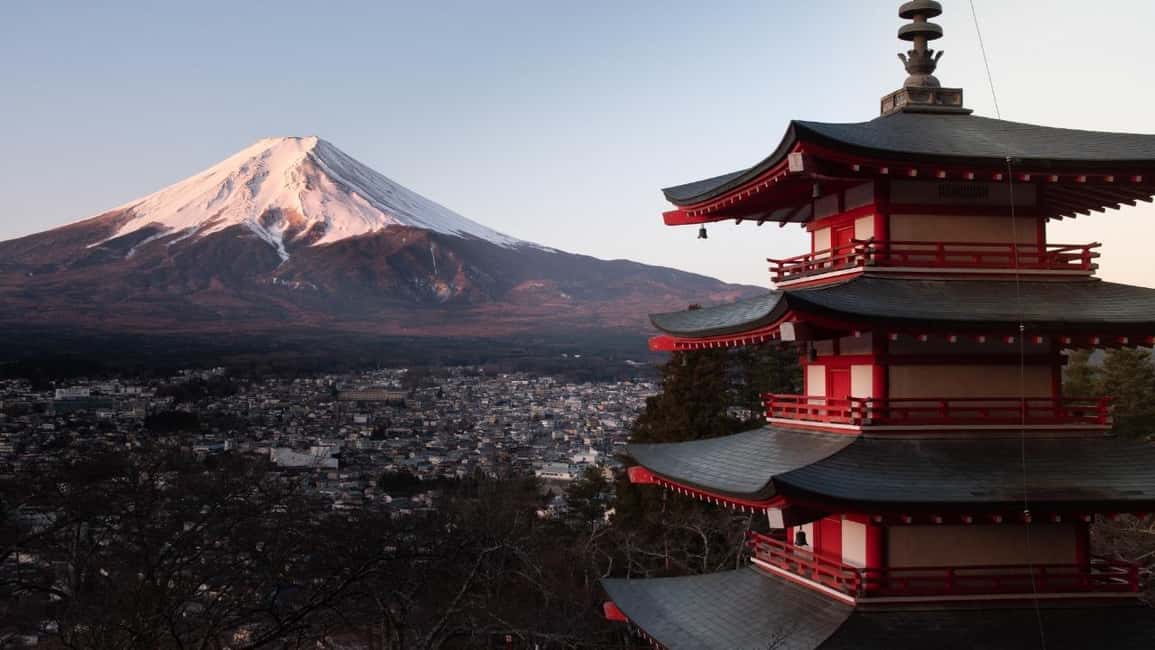
This is a long-but-manageable day trip: you’re picked up in Tokyo, then you’re back in Tokyo by the end of the afternoon/evening, for a total of about 8–9 hours. That structure matters because Nikkō can be easier to enjoy when transportation is handled and someone is keeping the stops flowing.
The tour also bundles the expensive friction points: round-trip transport plus admission to the major sights like Toshogu, Shinkyo Bridge, and Kegon Falls. That means you spend more time looking around and less time figuring out tickets while your day is ticking away.
Comfort is the big practical factor. You’ll do shrine walking, river-side strolling, and viewpoint steps. If you show up in anything besides cushioned shoes, your feet will tell you about it.
You can also read our reviews of more tours and experiences in Tokyo.



Ueno Toshogu Shrine: a calm start before the famous one
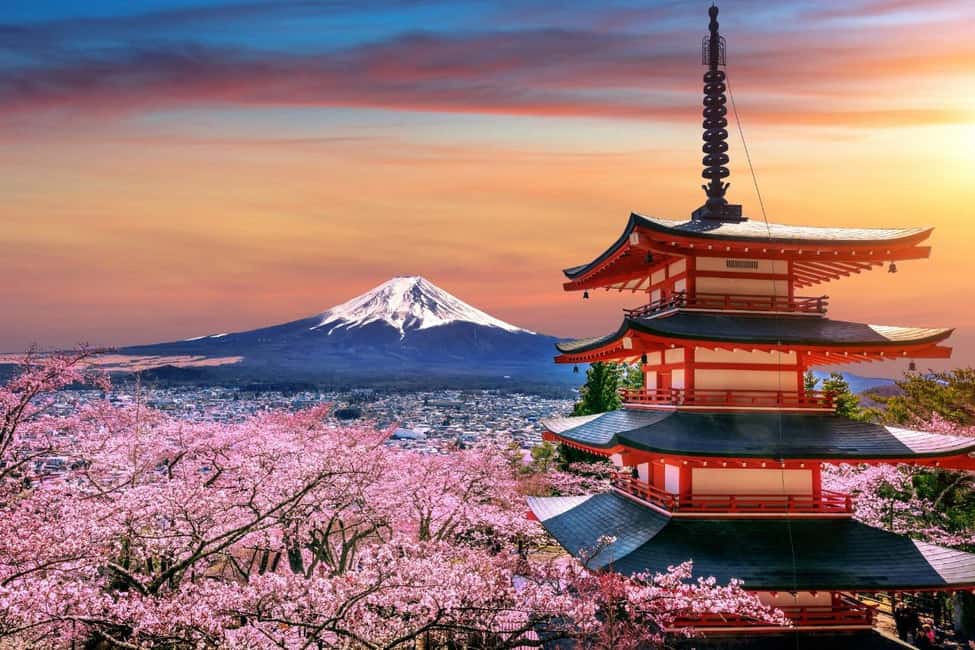
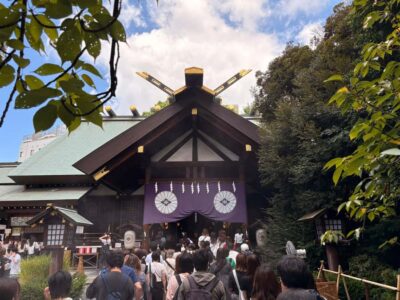
The day opens with Ueno Toshogu Shrine for about an hour. It’s a smart warm-up if you’re heading straight into Nikkō’s deeper shrine complex later, because it gets you in the right mindset: look for the ornate details, pay attention to the shrine setting, and start noticing the mix of design elements.
This stop also helps with pacing. You’re not immediately dropped into the largest highlight. Instead, you ease in, stretch your legs, and get oriented while the guide sets the scene. The main drawback is that it adds another walking segment, so treat it as part of the warm-up, not a bonus extra you can skip.
Toshogu Shrine and Ieyasu’s mausoleum: where the details do the talking
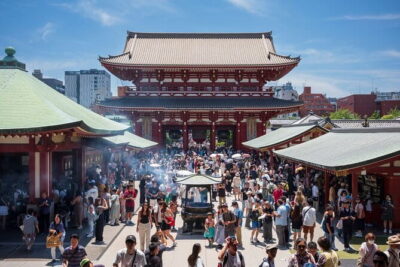
Nikkō’s center stage is the UNESCO Toshogu Shrine, famous for the lavishly decorated mausoleum of Tokugawa Ieyasu. This is one of those places where the beauty isn’t just in the big buildings. It’s in the carvings, patterns, and the way the whole complex feels planned down to the smallest ornament.
A few specific sights you’ll want to actively look for:
- The Three Wise Monkeys carving (it’s instantly recognizable once you know what to find)
- The Yomeimon Gate, known as the Gate of the Sun
- The sacred temple complex feel, where Buddhist and Shinto architecture share space with the mountain setting
Your guide’s role here is huge. With an English-speaking guide, you’ll get the stories behind what you’re seeing rather than just snapping photos of pretty woodwork. That’s the difference between visiting and really understanding why these elements matter.
Practical notes: photography rules can vary in certain areas, and flash photography is not allowed. So keep your camera ready, but stay flexible if the guide asks you to hold off in specific sections. Expect walking along forest paths and through areas with dense cedar trees, and plan for a steady pace rather than rushing from one photo to the next.
Shinkyo Bridge: vermilion river photos and the Jizo walking trail
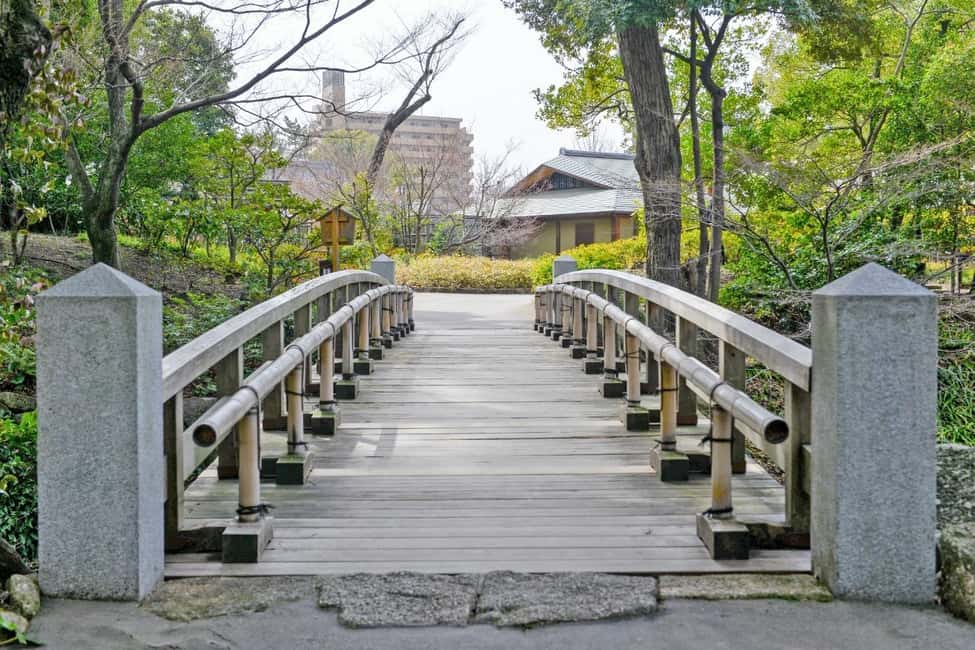
Next comes Shinkyo Bridge, with a dedicated photo stop plus scenic views on the way. The bridge itself is a bright vermilion arch over the Daiya River, and it’s one of those classic Japan scenes where the color does half the work for you.
This portion of the day also includes strolling time, so you can do two things well:
- Get your main bridge shot
- Take a slower look around the river area and approach paths
Along the Daiya River, you’ll see rows of Jizo statues. The fun detail here is that the count can seem to change as you walk—part of the charm of moving along the line instead of seeing it all at once from one angle. It’s the kind of small detail that makes the stop feel personal rather than like a single photo checkpoint.
The only caution is timing. You have a set chunk of time here (about 40 minutes), so if you want a lot of photos, don’t wait until the end of the stop to test angles and lighting.
Lunch in Nikkō: you’ll eat better with a guide’s suggestion
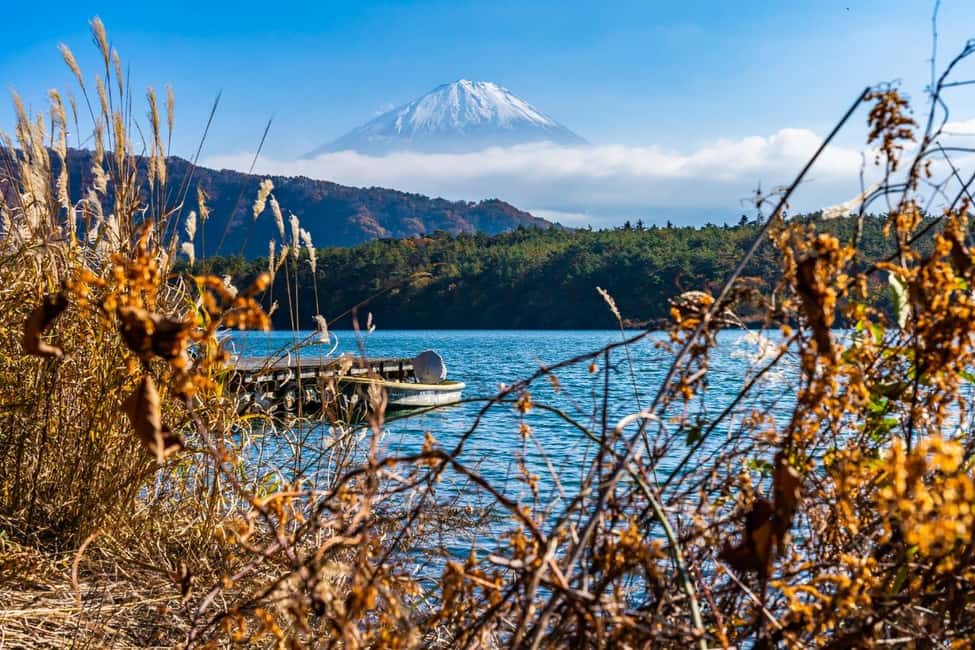
Lunch is included as a stop at a local restaurant, around 1 hour. Meals and drinks aren’t included, so you’ll be choosing what to pay for during that break.
This is also where a good guide earns their keep. In one instance, the guide Anees recommended an Indian restaurant for lunch and it was described as both reasonable and home-made tasting. That kind of recommendation matters because it helps you avoid the common trap of choosing whatever is closest to the tourist flow.
If you have preferences (vegetarian, spice level, avoiding raw items, etc.), this is the time to mention them. Even though your itinerary sets the schedule, you still control what you order inside that lunch window.






Kegon Falls: planning for mist, the 97-meter drop, and viewpoint time
Then you reach the main natural wonder: Kegon Falls, a 97-meter-tall waterfall and one of Japan’s top three waterfalls. This is where the day turns from “cultural sight” to “nature impact,” and it can be genuinely dramatic in real life.
You’ll have about 2.25 hours here, which is enough time to see the falls from different viewpoints without feeling like you’re sprinting. There’s also an elevator ride included as part of the experience flow, taking you up/down to a lower viewing deck for closer photos and mist.
What I think makes this waterfall stop work for most people is the variety of ways to experience it:
- Wide views that show scale
- Closer decks that let you feel the spray
- Photo opportunities that aren’t just from one single point
The key practical consideration is weather and footing. Mist can make surfaces slick, and you’ll want shoes that grip. If it’s rainy, cloudy days can still work well here—waterfalls often look better with softer light. If it’s extremely hot, bring that water you were told to bring and remember you’ll be standing around taking in the view for stretches of time.
Also note that Kegon Falls admission is included, so you’re not scrambling for tickets when you arrive.
Lake Chūzenji at Mount Nantai’s base: a calmer reset
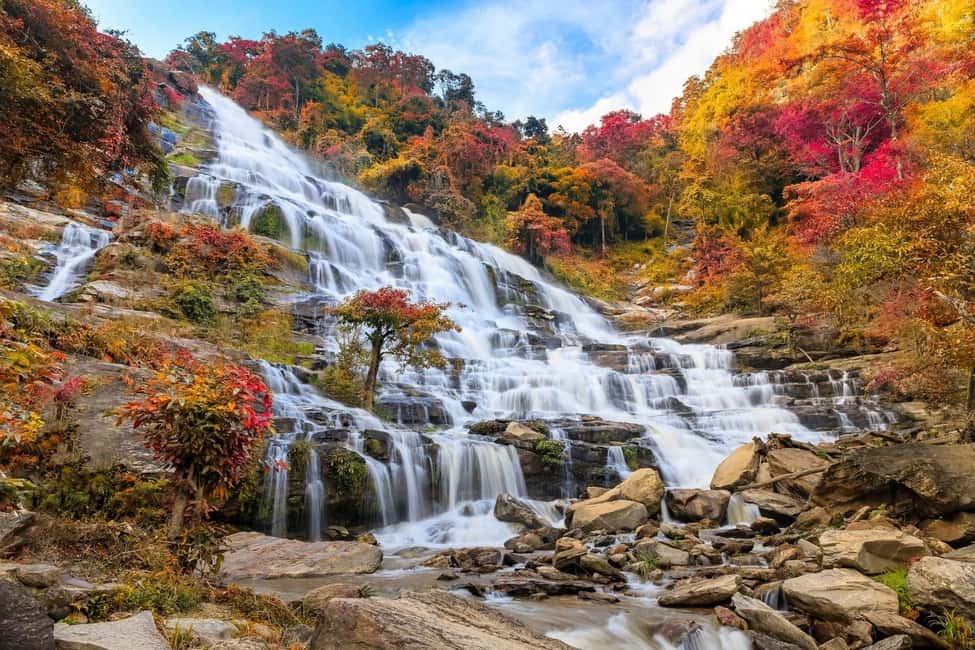
After the intensity of the falls, you move to Lake Chūzenji for a photo stop and sightseeing, about 45 minutes. This part of the day shifts gears: you’re looking for serene views rather than thunderous drop-offs.
Lake Chūzenji sits at the base of Mount Nantai, and the timing can matter. Autumn leaves season is especially mentioned for this stop, when the lake area can turn into a standout color backdrop for photos. Even outside fall, the mood tends to feel slower and more breathable than the waterfall crowds.
Because your time here is shorter, I’d treat this as a “find your viewpoint” stop:
- Decide where you want your main photo
- Take a few shots from a couple angles
- Then enjoy the quiet for the rest of the time
You’ll be glad you saved energy earlier, because this is your break from the more structured walking-heavy shrine areas.
Optional Akechidaira Ropeway: panoramas if conditions are right
If you want even bigger views, there’s an optional upgrade: the Akechidaira Ropeway. It adds extra cost, but the payoff is the broader panoramas—views of the Nikkō mountains, Lake Chūzenji, and Kegon Falls from above.
Whether it’s worth it comes down to one thing: weather clarity. If skies are clear, you’ll likely get the kind of wide-angle view that makes the extra fee feel justified. If it’s foggy or heavy rain, the ropeway can still be useful, but you may not get the full panoramic effect.
The practical upside is that it’s optional. You can choose it if you want higher views, or skip it if you’d rather keep the schedule simple or save energy.
Price and value: what $550 per group really means
The price is $550 per group, up to 6 people, and the tour runs 8–9 hours. That sounds like a lot until you do the math in context.
Because round-trip transportation and the key admissions are included, you’re basically paying for:
- Tokyo-to-Nikkō logistics
- An English-speaking guide
- Entry to Toshogu Shrine, Shinkyo Bridge, and Kegon Falls
Meals and drinks are not included, and the ropeway upgrade (if you take it) costs extra. But the rest is handled.
Here’s how it can work for your budget:
- If you fill the group (6 people), it’s roughly $92 per person.
- If you’re a smaller group (say 4 people), it becomes about $138 per person.
Private-group structure matters, too. You’re not blending into a huge bus crowd, and you can hear the guide without constantly craning your neck.
If your group size is small and you’re comparing to cheaper group tours, the value depends on how much you care about guide explanations plus a more personal pace. If those are priorities, the price can feel fair.
What to bring and how to avoid day-trip headaches
This tour is very straightforward about what helps: bring a hat, camera, sunscreen, and water. The hat and sunscreen are especially practical because you’ll be outside for bridge and waterfall areas, plus the walk between viewpoints.
You’ll want comfortable shoes. The day includes walking at multiple stops, including shrine areas and paths. If you’re prone to blisters, pack a basic blister solution and wear shoes you already trust.
On the rules side:
- Smoking is not allowed
- Flash photography is restricted in certain areas, so follow the guide’s instructions
Weather can change how the day feels, particularly at the falls and near the lake. Check forecasts and dress for it, not for your ideal day.
Who this private Nikkō trip is for (and who should skip it)
This works best if you want a single-day plan that hits both major culture and nature highlights—Toshogu Shrine, Shinkyo Bridge, Kegon Falls, and Lake Chūzenji—without needing to juggle trains, buses, or tickets.
It’s a private group format, and it’s not designed for every body or every age:
- Not suitable for children under 5
- Not suitable for pregnant women
- Not suitable for wheelchair users
It also asks for mobility because of the walking and viewpoint access. If you have limited stamina or strong sensitivity to misty/uneven surfaces, you might find the pace challenging.
Should you book this Nikkō day trip from Tokyo?
Book it if you want a guided, well-paced day that mixes UNESCO shrine art with one of Japan’s standout waterfalls, and you’ll appreciate context from an English-speaking guide. The chance to see spots like the Yomeimon Gate and the Three Wise Monkeys, then switch to Kegon’s misty power, is a rare combo in one day that makes the trip feel efficient and satisfying.
Skip or reconsider if you’re seeking a short, low-walking outing. This day is built for people who can comfortably move around for multiple stops. And if accessibility is an issue, this one isn’t set up for wheelchair users.
If you’re deciding last minute, the overall structure is the key: included transport plus admissions removes a lot of stress, and the optional ropeway gives you a choose-your-own-adventure extra when conditions look promising.
FAQ
How long is the Tokyo to Nikkō trip?
It runs about 8–9 hours.
How much does the tour cost?
The price is $550 per group, up to 6 people.
What’s included in the price?
Round-trip transportation from Tokyo, an English-speaking guide, and admission to Toshogu Shrine, Shinkyo Bridge, and Kegon Falls.
Are meals included?
No. Meals and drinks are not included.
Is there an optional upgrade?
Yes. You can upgrade with a ticket for the Akechidaira Ropeway.
How long do you spend at Kegon Falls?
About 2.25 hours.
Are children allowed?
Children under 5 years old are not suitable for this tour.
Is smoking or flash photography allowed?
Smoking is not allowed, and flash photography is restricted in certain areas. Follow the guide’s instructions.