REVIEW · TOKYO
Tokyo: Meiji Jingu Shrine & Inner Garden Guided Tour (2h)
Book on GetYourGuide →Operated by DeepExperience, Inc. · Bookable on GetYourGuide
Meiji Jingu slows your day down fast. This guided 2-hour walk takes you past the main gates and into the calm routines of worship, plus a scenic stroll through Shinen Garden. I especially like how the guide turns the place from scenery into something you can actually participate in, from the first ritual stops to the quieter pond area. You get a thoughtful pace, too, and guides like Minoru-San, Kai, Kyo, and Takashi are praised for sharing clear context and stories that help it all make sense.
Two things I really like: you’ll learn what to do (and why) at the handwashing ritual and how to pray properly, and you’ll get hands-on cultural moments like omikuji fortune-telling and the sake barrel offering connected to the Eternal Forest. One possible drawback: this is only 2 hours, so if you want to linger for long photo breaks everywhere, you may need to hustle a bit to keep up with the group rhythm.
In This Review
- Key things to watch for on this Meiji Jingu tour
- Entering Meiji Jingu at the first torii: why the start matters
- The 2-hour route: what you’ll see (and what you may skip)
- The sake barrel offering and the Eternal Forest meaning
- Handwashing at the grand torii: how to do the ritual right
- Omikuji fortune-telling and protective charm options
- Shinen Garden stroll: South Pond and the pace of calm
- How the guides shape the experience: Minoru-San, Kai, Kyo, Takashi
- Practical value: is $48 worth it for a 2-hour tour?
- Who this tour suits best
- Should you book this Meiji Jingu Shrine & Shinen Garden tour?
- FAQ
- Where does the tour meet?
- How long is the guided tour?
- What language is the guide?
- What is included in the price?
- Are food and drinks included?
- Is transportation included?
- What activities are part of the experience?
- Do you visit both the shrine and the garden?
- Can I get a protective charm?
- Is there free cancellation?
- Can I reserve without paying today?
Key things to watch for on this Meiji Jingu tour
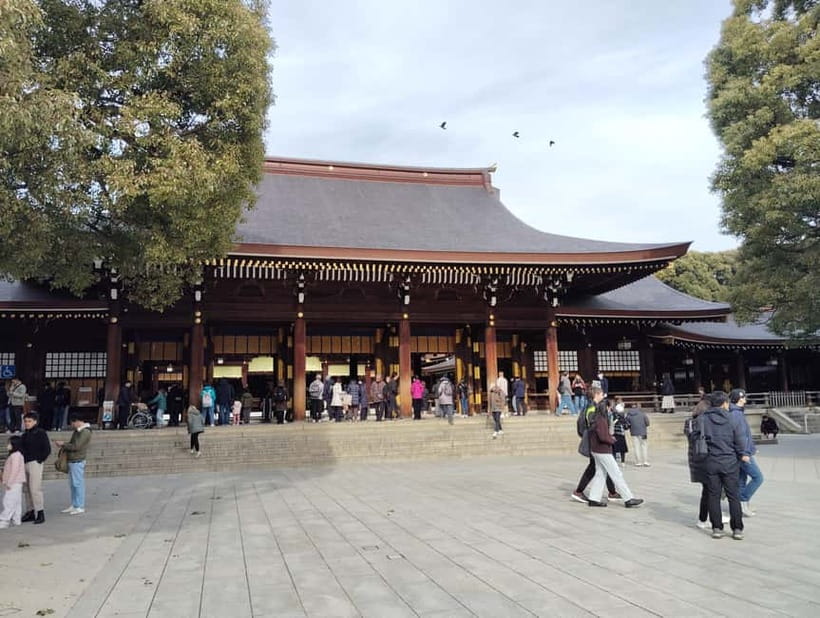
- Start at Ichinotorii and end there too, so you’ll get a clean flow without backtracking
- Sake barrel offering plus the meaning of the Eternal Forest lesson
- Handwashing ritual before you head into the shrine area, with guidance on what to do
- Omikuji fortune-telling experience, plus the option of a protective charm
- Shinen Garden focus around the South Pond, with Kiyomasa’s Well if time allows
- Small-group / private options mean you’ll be able to ask questions without shouting
Entering Meiji Jingu at the first torii: why the start matters
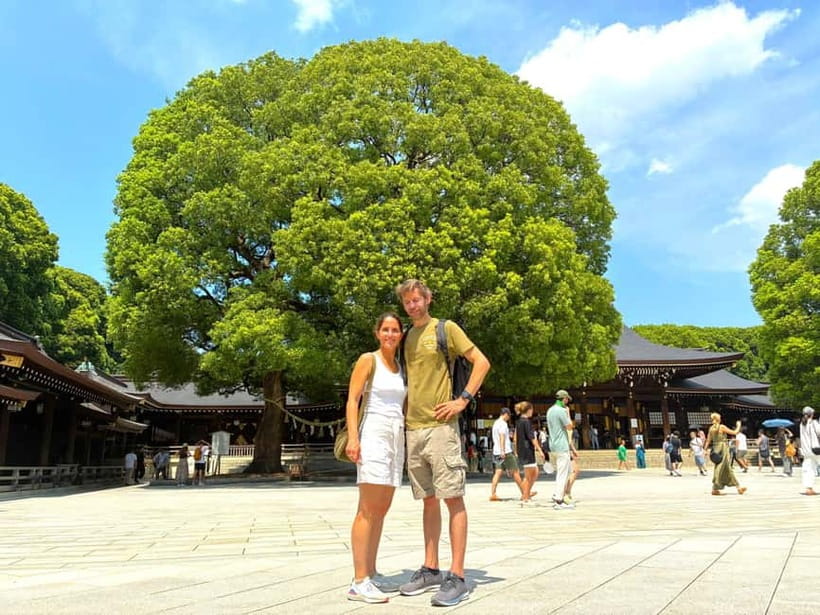
The tour begins at 明治神宮 一の鳥居 (Ichinotorii), the first torii you see at Meiji Jingu. That’s smart, because torii gates aren’t just decorations. They mark a shift from everyday noise into a more ritual space, and starting at the first one helps you get your bearings fast.
From there, you get a brief intro before you move deeper. The guide also sets the tone for what the next stretch is really about: Japanese spirituality, practiced in small steps. The best part is that the tour doesn’t treat you like a spectator. It nudges you toward doing the small actions correctly—like a sequence you can follow—so the shrine feels readable instead of mysterious.
Another nice detail: you’re told ahead of time when to expect photo stops. So you’re not stuck trying to guess when the “right moment” is, which is a common frustration at major temples and shrines.
You can also read our reviews of more guided tours in Tokyo


The 2-hour route: what you’ll see (and what you may skip)
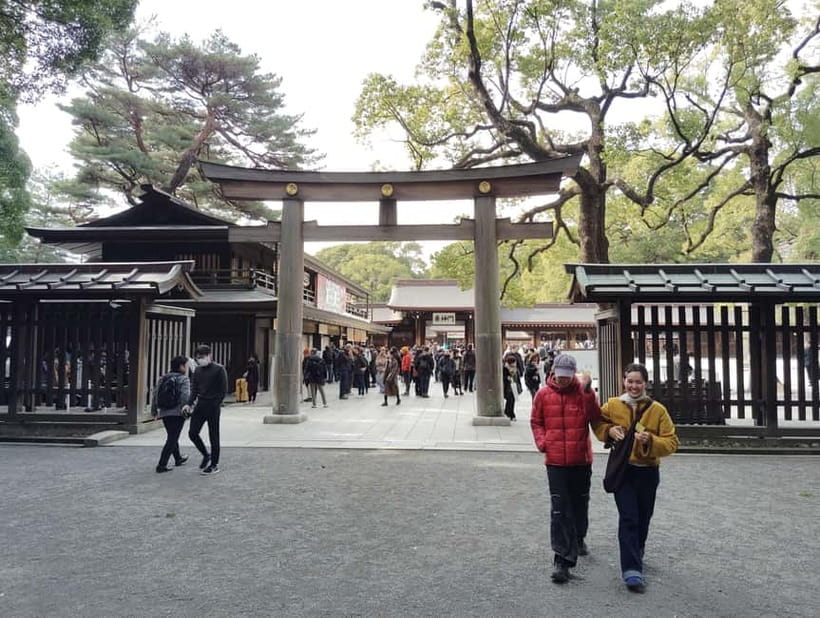
You’re on the schedule for about 2 hours, and the route is deliberately focused: shrine rituals up front, then garden calm at the end. That’s a good fit if you’re in Tokyo for a limited number of guided experiences, or if you already know you want one “Japanese culture with structure” outing rather than hours of wandering alone.
The pacing usually looks like this in real life:
- A start at Ichinotorii, with a quick orientation and the first guided stop
- A shrine area section where you’ll pause, look, and practice a key ritual
- A fun stop for fortune-telling (omikuji) and a protective charm option
- Then a slower walk through Shinen Garden, centered around the South Pond
- A return walk back toward the start area at Ichinotorii
One thing to consider: Kiyomasa’s Well is only if time allows. If that’s your top must-see, just be ready for the guide to run the timing based on the pace of the group.
The sake barrel offering and the Eternal Forest meaning
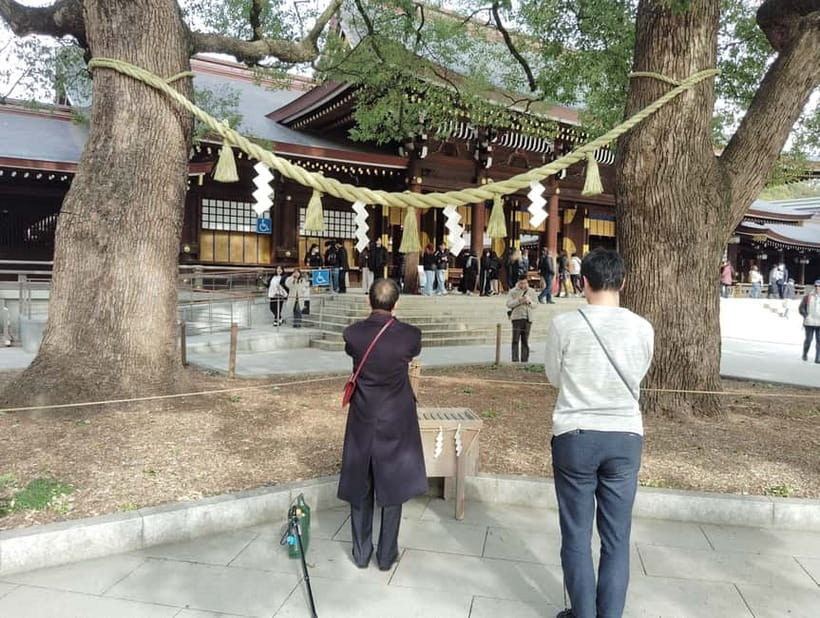
One of the most distinctive moments on this tour is the stop connected to the sake barrel offering and the lesson about the Eternal Forest. This is the kind of thing that would be easy to skim past on your own, because you’d see the setup and move on.
Instead, the guide explains what you’re looking at and gives you time for photos. That combination matters. You’ll get a visual in your camera, but you’ll also understand the symbolism. It’s the difference between collecting images and collecting context.
Also, this is a good checkpoint for your brain. After you’ve seen the big gate shapes and the general atmosphere, this kind of explanation gives you something concrete to hold onto. You start to notice details the rest of the tour relies on.
Handwashing at the grand torii: how to do the ritual right
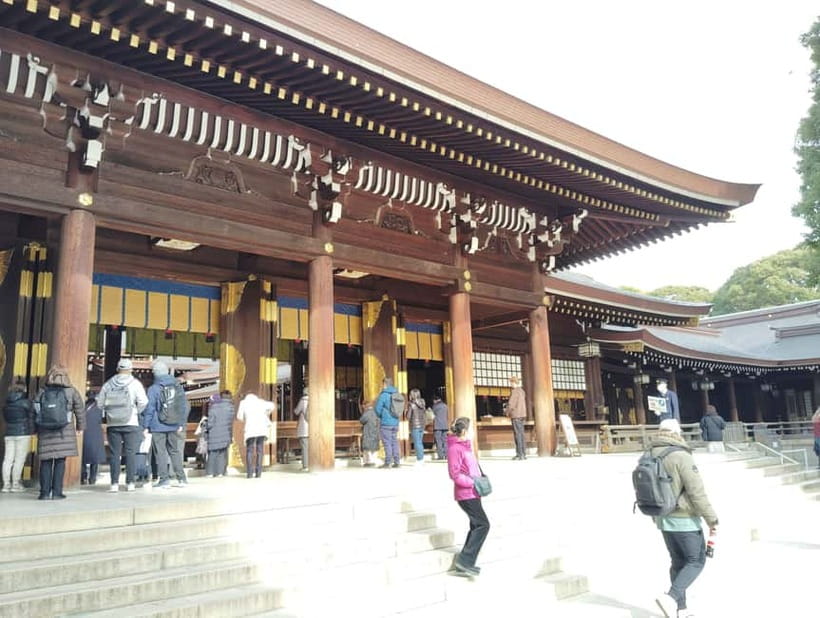
Before you go deeper into the shrine area, you’ll walk to the grand torii gate. Right there, you have the chance to join a traditional handwashing ritual.
This is one of those “small action, big meaning” moments. The guide doesn’t just point and say go. You get guidance on how to participate properly, which is crucial because shrine etiquette can be confusing if you’re guessing.
Then comes the part I think most people want: how to pray at Meiji Jingu. You’ll learn the proper way to pray, and you’ll have a moment for reflection. That’s the element that turns a sightseeing stop into a personal experience—quiet, guided, and doable even if you’re not religious yourself.
Practical tip: treat the handwashing and prayer as part of the same flow. Don’t rush the ritual, even if you feel slightly self-conscious. The guide’s job is to help you do it without anxiety.
Omikuji fortune-telling and protective charm options
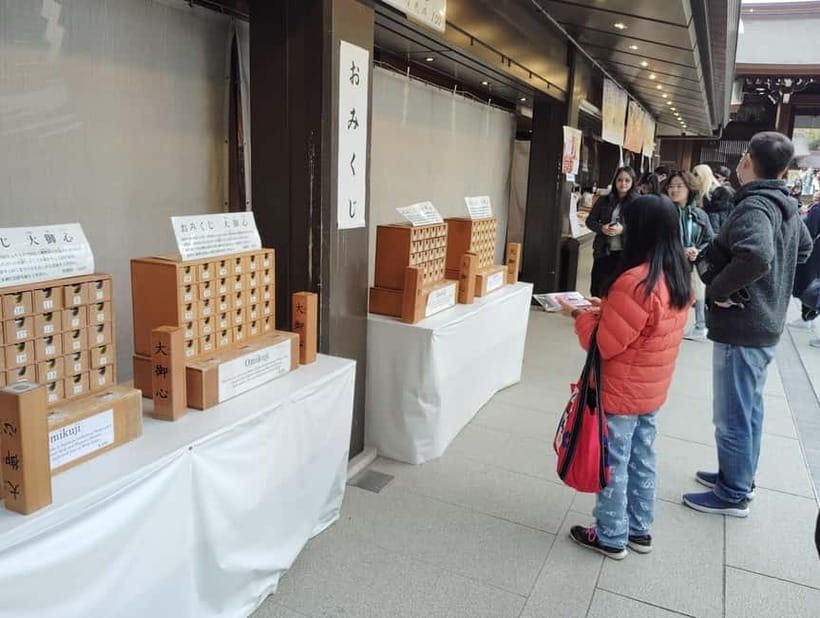
After the shrine prayer moment, the tour pivots into something fun and interactive: fortune-telling using omikuji. This part is especially good on a guided outing because it’s structured. You’re not standing there wondering which paper does what, or what you’re supposed to do with your result.
You also have the option to receive a protective charm. That gives the tour an extra takeaway—something you can bring home as a small reminder that you actually participated, not just watched.
A balanced way to think about this: fortune-telling is entertainment, reflection, and local custom all at once. If you want a cultural activity that feels light and human after more formal ritual steps, this section hits the sweet spot.
You can also read our reviews of more tours and experiences in Tokyo





Shinen Garden stroll: South Pond and the pace of calm
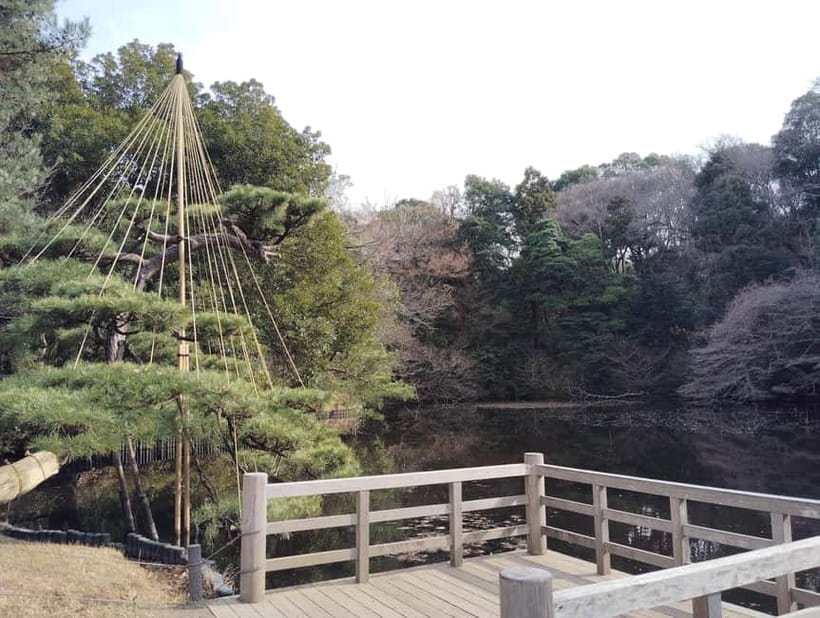
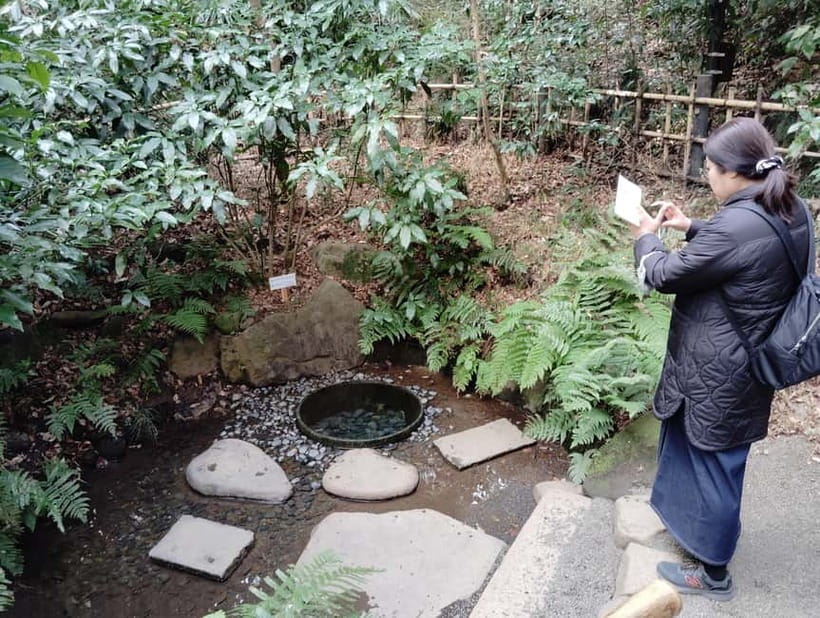
The final stretch is where the tour turns quieter. You’ll walk through the Meiji Jingu Garden, focusing on the South Pond area. Gardens at shrines can be hard to appreciate when you’re rushing. This guide format helps because it gives you a reason to slow down and look.
As you move through the garden, you’re guided toward noticing the layout and the mood: peaceful, with the sense that sunlight filters through the trees. That matters more than it sounds. It changes how you take photos, too. Instead of chasing a single perfect shot, you start capturing angles and spaces that feel like you’re walking inside a composed scene.
If you still have time, you may also visit Kiyomasa’s Well. Treat that like the bonus stop—worth aiming for, but not the whole purpose.
How the guides shape the experience: Minoru-San, Kai, Kyo, Takashi
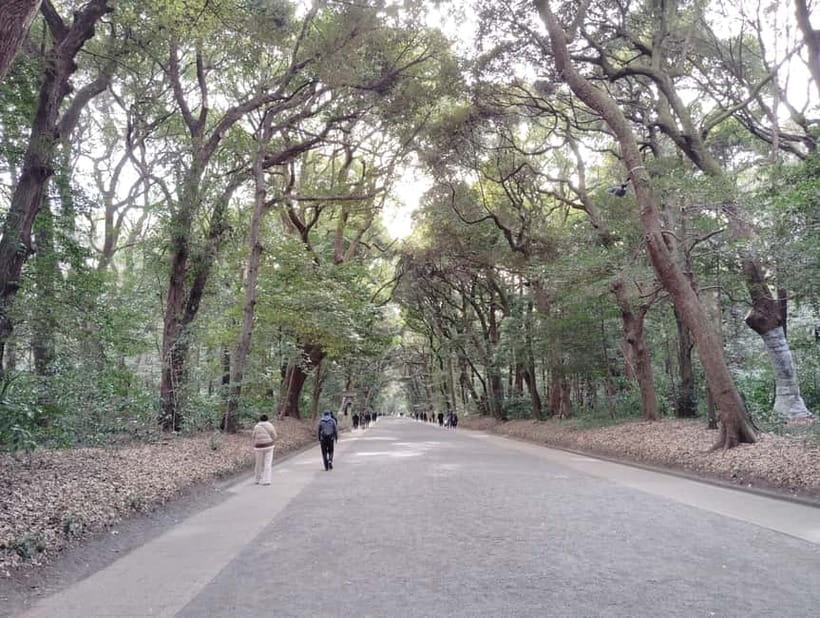
In small-group tours, the guide can make or break the day. Here, the strongest praise centers on how guides connect the visuals to meaning.
Minoru-San is singled out for being knowledgeable and kind, sharing detailed explanations and many anecdotes. Kai is praised for being especially friendly and for teaching not just the shrine, but Japanese culture itself. Kyo earns strong notes for being accommodating and for offering fresh perspectives that go beyond what you can skim from reading alone. Takashi is recognized for passion and for giving helpful historical background that makes the site easier to understand.
Even if your guide isn’t one of these names, you can take the cue: the best experience comes when you ask a question when something clicks for you. The tone here seems built for that—guides explain, then they make room for you to react and ask.
Practical value: is $48 worth it for a 2-hour tour?
$48 per person for 2 hours can feel “okay” or “a lot,” depending on what you compare it to. Here’s the practical breakdown of why it may be good value.
You’re not just paying for a walk-through. The tour includes:
- Entrance fee to Meiji Jingu Garden
- Omikuji and other experience fees
- Guide fee
- An in-person guide (English and Japanese listed)
You’re also getting guidance for activities that are easy to do wrong without instruction: the handwashing ritual and learning the proper way to pray. Those parts often matter more than the sightseeing itself, because etiquette is where many people feel lost.
What’s not included: food & drinks and private transportation. That’s normal for city tours, but you should plan accordingly—bring water if you’ll need it and budget for a snack before or after.
If you’re the kind of traveler who likes structure—so you don’t waste time figuring things out—this price looks reasonable. If you prefer free-form wandering with minimal guidance, you might decide to self-guide and pay only for garden entry, but you’d lose the ritual coaching and the meaning behind the stops.
Who this tour suits best
This is a great match if you:
- Want a short, focused experience that covers both shrine rituals and garden calm
- Like hands-on moments like handwashing and omikuji
- Appreciate having someone explain what you’re seeing, especially at sites where etiquette matters
- Prefer a plan that starts at a clear meeting point and ends back where you began
It’s also a good choice for visitors who might feel intimidated by shrine customs. The guided format helps you participate without overthinking.
If you’re a “walk alone, set my own pace” person, you might find the time limits slightly restrictive—especially with photo stops built into the schedule.
Should you book this Meiji Jingu Shrine & Shinen Garden tour?
I’d book it if your goal is to leave Meiji Jingu understanding what you did, not just what you photographed. The combination of the sake barrel offering lesson, handwashing ritual coaching, prayer guidance, omikuji fortune-telling, and the Shinen Garden South Pond walk is a lot of cultural payoff in 2 hours.
If you care most about a long, slow garden wander with zero group pacing pressure, then you might prefer self-guided time. But if you want to do the rituals correctly and come away with a calm, guided experience that feels culturally grounded, this tour is a strong bet.
FAQ
Where does the tour meet?
The meeting point is in front of Ichinotorii (the first torii) of Meiji Jingu Shrine, with the guide holding a yellow DeepExperience logo sign.
How long is the guided tour?
The tour lasts 2 hours.
What language is the guide?
The tour guide is available in English (and Japanese is listed for the in-person guide).
What is included in the price?
Entrance fee to Meiji Jingu Garden and Omikuji, plus other experience fees, and the guide fee.
Are food and drinks included?
No. Food & drinks are not included.
Is transportation included?
No. Private transportation is not included.
What activities are part of the experience?
You’ll explore Meiji Jingu Shrine and Shinen Garden, visit the sake barrel offering area, participate in a handwashing ritual, learn how to pray, try fortune-telling (omikuji), and walk through the garden (South Pond and possibly Kiyomasa’s Well).
Do you visit both the shrine and the garden?
Yes. The tour covers Meiji Jingu Shrine activities and then continues into Shinen Garden.
Can I get a protective charm?
Yes, the tour includes the option to receive a protective charm.
Is there free cancellation?
Yes. You can cancel up to 24 hours in advance for a full refund.
Can I reserve without paying today?
Yes. You can reserve now & pay later.