REVIEW · TOKYO
Tokyo: Learnt to cook Bento, Oyakodon and More!
Book on GetYourGuide →Operated by Alleyway Gourmet Lab · Bookable on GetYourGuide
Cooking in Japan is equal parts food and culture. This hands-on Tokyo class teaches bento and oyakodon with a local instructor, plus the “why” behind the flavors and habits. The main drawback is that the class isn’t set up for everyone: it excludes vegans, vegetarians, and people with certain food restrictions.
What I like most is the tight, small-group format (max 6) and the teaching style that keeps questions flowing. You also leave with detailed recipes you can actually follow at home. One thing to consider: it’s 2 hours, so you’ll cook, but you won’t have time for a full restaurant-style meal experience.
In This Review
- Key things to know before you book
- A Tokyo cooking class that feels like learning home habits
- Finding the place: gray building, alleyway entrance, second floor
- Two hours of cooking: what you’ll likely make
- The small-group setup (max 6) that makes Q&A actually work
- Building flavor with dashi and miso soup
- Oyakodon: the technique behind a comforting bowl
- Bento: putting food together with intention
- Recipes you can actually use later (not just a souvenir sheet)
- The extras: rental gear, souvenir surprise, and optional shopping
- Price and value: $83 for 2 hours of hands-on technique
- Who this class is best for
- Who should skip it or reconsider
- Quick practical tips before you go
- Should you book this Tokyo bento and oyakodon class?
- FAQ
- How long is the Tokyo cooking class?
- What dishes will I learn to cook?
- How big is the group?
- What languages are used in the class?
- What is included with the price?
- What should I bring?
- Are translation services available?
- Is the class suitable for vegetarians or vegans?
- Can I cancel for a refund, and do I need to pay right away?
Key things to know before you book
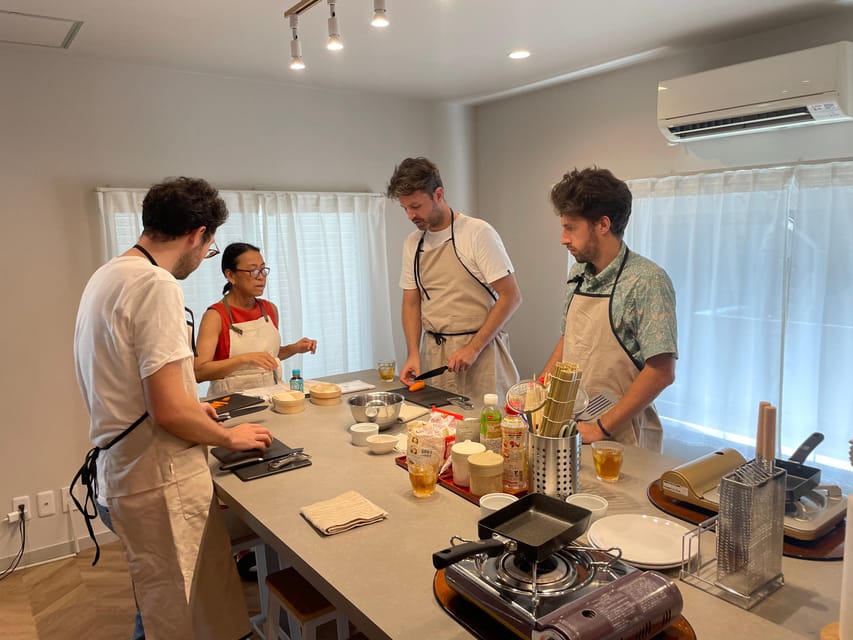
- Small group, real coaching: Limited to 6 participants for more hands-on help.
- Practical skills, not just theory: You learn techniques like making the dashi needed for dishes you’ll prepare.
- Culture built into the menu: You get context about customs and what each dish represents.
- Take-home recipes: Detailed instructions to recreate your cooking later.
- Surprise Japanese souvenir: Included with an optional extra souvenir purchase on-site.
- Modern, clean kitchen setup: Rental apron/towel/slippers mean you can focus on cooking.
A Tokyo cooking class that feels like learning home habits
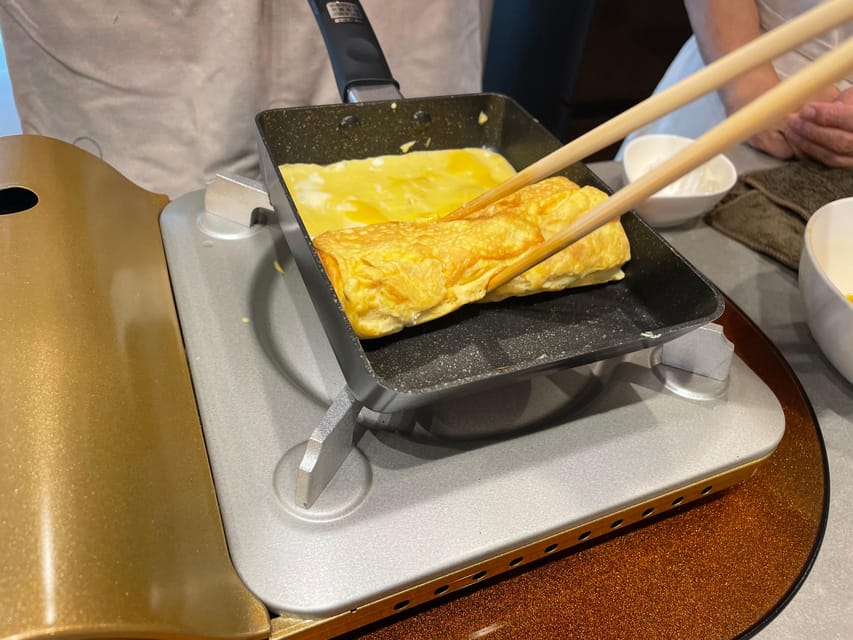
This isn’t a big, noisy show. The vibe here is closer to stepping into a Japanese home kitchen with a good instructor who knows how to explain things clearly. You get the basics of Japanese home cooking, but you also learn the small cultural rules that affect how food is made and served.
The payoff is simple: you’ll come away with skills and recipes you can use again, not just a memory of eating well. And because it’s hands-on, you’ll be actively doing the work instead of watching from the sidelines.
You can also read our reviews of more tours and experiences in Tokyo.



Finding the place: gray building, alleyway entrance, second floor
The meeting point is easy once you know what to look for. You turn into the alleyway and find a four-story gray building on the right. Enter through the door on the right labeled with the Alleyway Gourmet Lab sign, then go up to the 2nd floor.
This matters because Tokyo can be confusing when you’re on foot and carrying bags. If you arrive a few minutes early, you’ll have time to double-check the sign and settle in before the class starts.
Two hours of cooking: what you’ll likely make
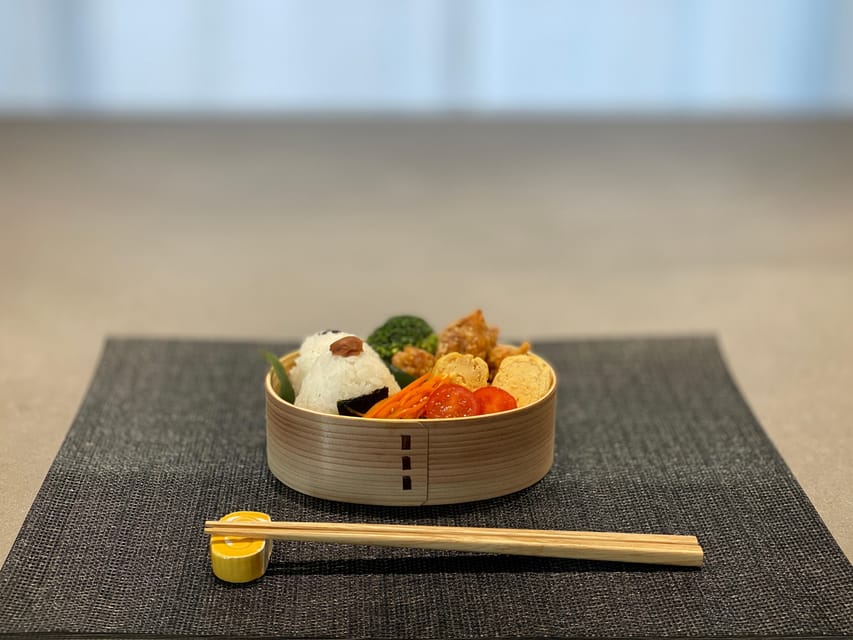
The class is built around traditional Japanese home dishes using straightforward ingredients. Based on what’s been taught and reported, you can expect a menu that commonly includes bento and oyakodon, with supporting dishes like miso soup.
Here’s the practical way to think about it: you’re not only making food—you’re learning the building blocks that make Japanese dishes taste balanced. One of the key skills highlighted is how to make the dashi broth, which shows up in miso soup and also supports the flavor base for oyakodon.
You’ll get guidance through each step, so even if you’re a beginner, you’re working toward outcomes you can repeat later.
The small-group setup (max 6) that makes Q&A actually work
The group size limit of 6 is a big deal. In a larger class, you might get rushed or stuck waiting for help. Here, the instructor can move around and explain things while you cook, and you can ask questions without feeling like you’re interrupting.
This also makes the class more conversational. Instructors here teach in English, and one review specifically praised an instructor named Yuki for clear English and confident answers. That combination of calm confidence and direct explanations is what turns a “cooking class” into a real learning experience.
Building flavor with dashi and miso soup
A lot of people can follow a recipe, but fewer people understand why the ingredients behave the way they do. That’s where dashi comes in.
You’ll learn how to prepare the dashi broth that supports both miso soup and other dishes in the class. Once you understand this base, Japanese cooking starts to feel less like a mystery and more like a set of repeatable flavor steps. Even if you never cook anything else, mastering this one foundation can level up how you cook.
Miso soup is a great training dish because it doesn’t hide behind heavy sauces. If your dashi is right, the soup tastes right. That’s a confidence-builder.






Oyakodon: the technique behind a comforting bowl
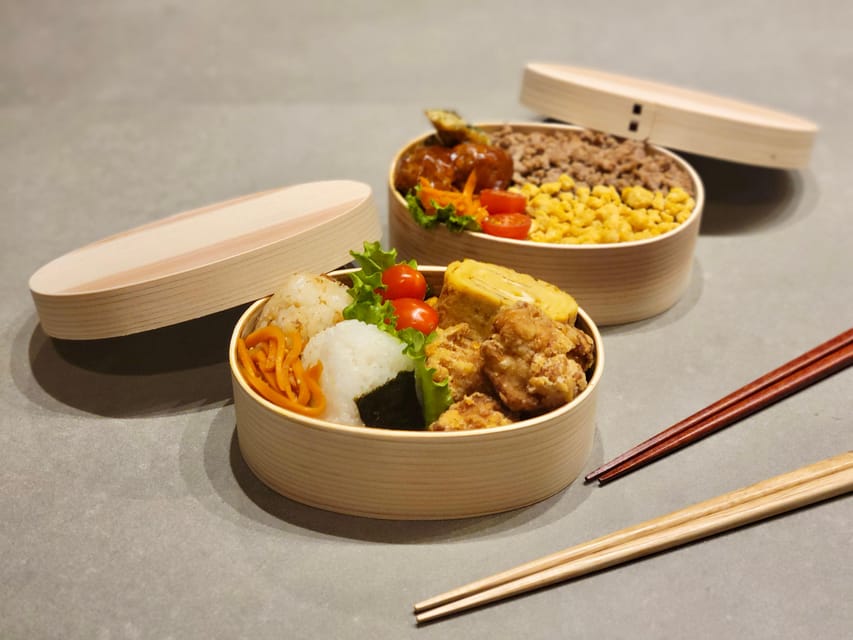
Oyakodon is all about timing and texture. You’re working with a dish that’s meant to feel homey and steady: savory, fragrant, and satisfying. The class teaches you how to assemble this bowl so it’s not just edible, but properly put together.
And because you’re learning alongside the dashi logic from earlier, oyakodon won’t feel like a totally separate recipe. You’ll understand how the components connect—base flavor first, then the specific dish steps.
One thing I value here is that the instructor typically gives tips while you cook, not after you’ve already missed the moment. That turns “watch and hope” into actual progress.
Bento: putting food together with intention
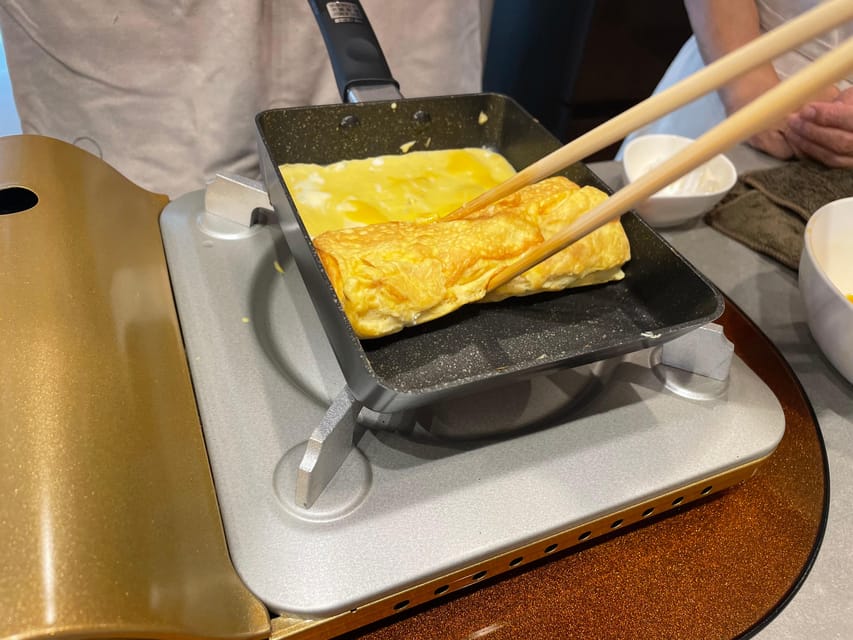
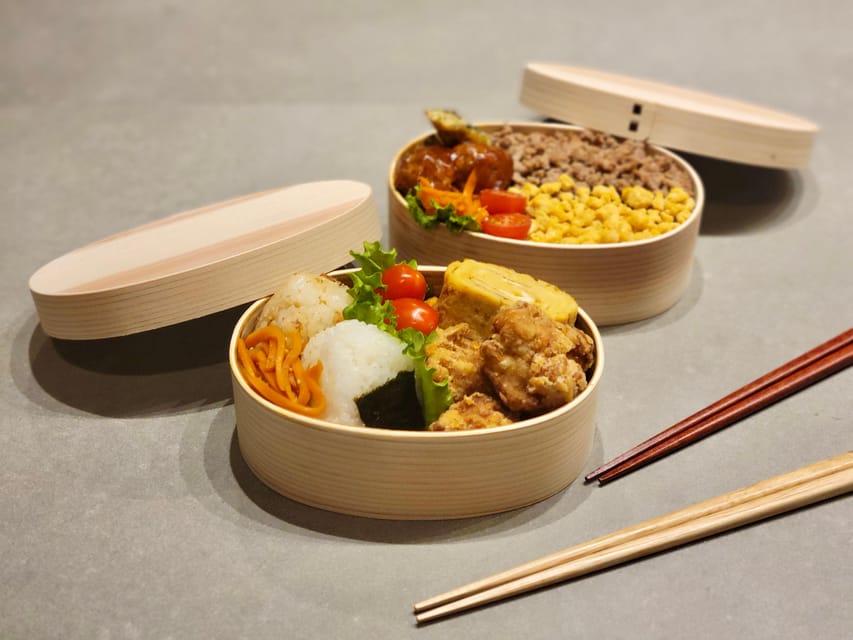
Bento can look like a simple container of food, but the technique is in the organization. You’ll learn the basics of Japanese home-style bento building, which is really about portioning and presentation that makes sense for eating.
This part is where Japanese habits show up. Bento isn’t only about taste. It’s also about how food travels, how flavors balance over time, and how the arrangement helps you eat comfortably. You’ll get culture context as part of the class, so the “why” behind the layout isn’t left out.
If you’ve ever tried to make bento at home and wondered why yours didn’t look as neat, this is the section that helps most. You’re learning a system, not just copying shapes.
Recipes you can actually use later (not just a souvenir sheet)
After class, you receive detailed recipes to take home. That’s the difference between a class that gives you inspiration and one that gives you results.
The recipes matter even if you cook only occasionally. They help you repeat:
- the key steps you practiced on-site,
- the ingredient logic (especially for broth basics),
- and the dish assembly you learned for oyakodon and bento.
If you want to impress friends, this is where you’ll win. When someone asks how you made something, you’ll be able to point to clear steps rather than guessing.
The extras: rental gear, souvenir surprise, and optional shopping
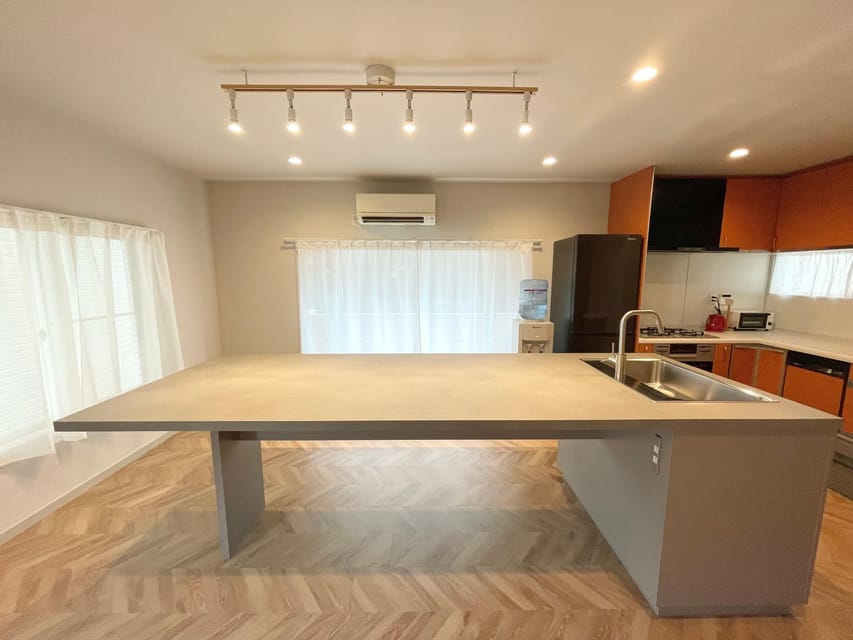
You don’t need to bring cooking tools. You’ll be provided with a rental apron and towel, and you’ll be given slippers as part of the indoor setup. Comfortable clothes are the only personal item called out, which is helpful if you’re traveling and don’t want to carry more than necessary.
You also get a Japanese souvenir included in the class. The exact contents are a surprise, and that’s part of the fun. If you want more, there’s an on-site selection of Japanese souvenirs for sale with an average price around ¥1,000.
Price and value: $83 for 2 hours of hands-on technique
At $83 per person for a 2-hour class, you’re paying for three things that are hard to replicate on your own:
- Instruction from an experienced local teacher,
- structured practice in making multiple Japanese dishes (including broth basics),
- and take-home recipes that save you time later.
If you were to buy ingredients, figure out dashi basics, and troubleshoot miso/oyakodon/bento steps alone, costs can add up fast—and so can frustration. This class gives you guided cooking time plus a clear path to repeat the dishes at home.
It’s also good value because it’s small group limited to 6, so you’re not paying for a “crowded demo.” You get active help.
Who this class is best for
This works especially well for:
- couples and friends who want a shared, hands-on experience,
- curious beginners who want structure,
- and anyone who likes learning the cultural side of food, not only the recipe.
It’s also a good match if you want Japanese home cooking you can recreate without needing a chef-level ingredient hunt.
Who should skip it or reconsider
This class isn’t suitable for a few key groups based on the rules provided:
- Vegans and vegetarians
- People with food allergies
- People with gluten intolerance
- People with nut allergies
- Children under 6
- Wheelchair users
- People under 120 cm (3 ft 9 in)
- People with a cold
- People over 80
If any of those apply to you, it’s worth choosing a different cooking option that matches your needs and ingredients.
Quick practical tips before you go
- Wear comfortable clothes. You’ll be moving, standing, and cooking.
- Plan on indoor shoe rules. Shoes indoors aren’t allowed, and slippers are provided.
- Avoid strong fragrances. This is called out as not allowed, likely for shared kitchen comfort.
- Don’t plan on extra translation services. The class language is English or Japanese.
Also, go in with a flexible mindset. You can usually adapt to your preferences as you cook, but it’s still a traditional class format.
Should you book this Tokyo bento and oyakodon class?
If you want Japanese home cooking with real technique and a friendly instructor-led flow, I’d say yes. The small group size, hands-on steps, and the fact that you leave with detailed recipes make it practical—not just a fun evening.
Book it if you’re aiming to:
- learn the flavor foundation (dashi) that powers multiple dishes,
- cook bento and oyakodon you can repeat later,
- and pick up cultural context you can actually use when ordering or cooking in Japan.
Skip or reconsider if you’re vegan/vegetarian, have allergies or gluten/nut intolerance, need accessibility accommodations, or you’re currently dealing with illness. When the fit is right, this class is an easy, smart way to learn Japanese cooking in just two hours.
FAQ
How long is the Tokyo cooking class?
The class lasts 2 hours.
What dishes will I learn to cook?
The experience focuses on traditional Japanese home cooking, including bento and oyakodon. Miso soup and the dashi broth needed for dishes are also taught.
How big is the group?
The group is limited to 6 participants.
What languages are used in the class?
The instructor teaches in English or Japanese.
What is included with the price?
You get the hands-on cooking class, insights into Japanese culture and customs, personalized attention from the instructor, detailed recipes to take home, all ingredients and equipment used in class, a Japanese souvenir (contents are a surprise), and a rental apron and towel.
What should I bring?
Wear comfortable clothes. You don’t need to bring cooking tools.
Are translation services available?
Translation services are not included beyond the class language (English or Japanese).
Is the class suitable for vegetarians or vegans?
No. The class is not suitable for vegans or vegetarians.
Can I cancel for a refund, and do I need to pay right away?
You can cancel up to 24 hours in advance for a full refund. You can also reserve now and pay later, depending on availability.