REVIEW · TOKYO
Tokyo After Dark Shinjuku Tour of Tradition and Pop Culture
Book on Viator →Operated by Reelu inc · Bookable on Viator
Tokyo at night can feel like a video game. This Shinjuku tour after dark strings together old alleys, tiny-bar culture, a quiet shrine pause, and modern neon streets in about 90 minutes.
I really like how the route keeps things easy: you’re not hunting for entrances in the dark, and you get a local guide to translate what you’re seeing. The other big win for me is the Purikura photo sticker booth, because it turns the tour from sightseeing into a fun keepsake you’ll actually use later. One possible drawback: this is a walking-focused format, so if you hate moving around at night (or your feet get cranky fast), plan for comfortable shoes.
In This Review
- Key Points to Know Before You Go
- Why This Shinjuku Night Plan Works So Well in 90 Minutes
- Getting Oriented: Start at Shinjuku Station East Exit Police Box
- Stop 1: Omoide Yokocho Lantern Lanes and Photo-Friendly Atmosphere
- Stop 2: Tokyu Kabukicho Tower and the Twist on Izakaya Food Court Culture
- Stop 3: Shinjuku Golden Gai Small Bars and Big Storytelling Energy
- Stop 4: Hanazono Shrine Calm Break from the Neon Noise
- Kabukicho Walkthrough: Neon Signs, Themed Stops, and Entertainment District Reality
- Purikura Included: The Fun Youth Culture Stop You’ll Actually Remember
- Price and Value: What You’re Paying For (and What You’re Not)
- Logistics That Matter: Duration, Group Size, and Comfort
- Who This Tour Is For (and Who Might Skip It)
- Should You Book Tokyo After Dark Shinjuku Tour of Tradition and Pop Culture?
- FAQ
- FAQ
- How long is the Tokyo After Dark Shinjuku tour?
- Where does the tour start and end?
- Is the Purikura photo sticker booth included?
- Are meals included in the price?
- What’s the approximate group size?
- Do I need to buy tickets for the stops?
- Is this tour ticket mobile?
- What if my plans change and I need to cancel?
Key Points to Know Before You Go
- Omoide Yokocho lantern alleys: Small lanes built for atmosphere and photos
- Golden Gai basics: Tiny bar lanes explained, so you don’t feel lost
- Hanazono Shrine reset: A peaceful Shinto stop inside busy Shinjuku
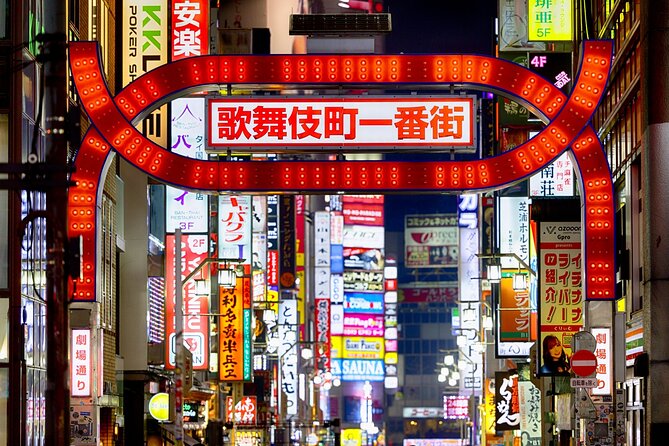
- Kabukicho + Tokyu Kabukicho Tower: Old-style izakaya vibes with modern entertainment
- Purikura included: Youth-culture photo booth session as a souvenir
- Small group size (max 12): More personal pace for questions and photo help
Why This Shinjuku Night Plan Works So Well in 90 Minutes
Shinjuku after dark is one of those places where it’s easy to get overwhelmed. You look up at signs, then look down at your phone for directions, then realize you missed the whole point. This tour is built to fix that. It’s a short guided walk that hops between very different neighborhoods without wasting time.
The pace matters here. At about 1 hour 30 minutes, you get enough time to see several micro-worlds—alleys, bar lanes, a shrine moment, and the neon entertainment scene—without turning the evening into an all-nighter. For a first night in Shinjuku, that’s a real value. And with a max group size of 12, you can usually get a straight answer when you ask what something is or how the place works.
Price-wise, you’re paying for guidance and a specific included activity (the Purikura fee). At $31.87 per person, it’s not a “cheap deal” in the sense of just walking with a friend. But it is a fair trade if you want someone to steer you through the areas most people stumble through on their own.
You can also read our reviews of more tours and experiences in Tokyo.



Getting Oriented: Start at Shinjuku Station East Exit Police Box
Your tour starts at the Shinjuku Station East Exit Police Box (3-chōme-38-1, Shinjuku). That’s a good choice because it’s a central landmark, not a vague “near the station” meeting point.
You’ll get a mobile ticket, which is handy once you’re juggling maps, trains, and late-night transit. The tour also ends at Hanazono Shrine (5-chōme-17-3). That’s useful because you finish in an area where you can immediately look for dinner nearby, and the guide can help with directions and recommendations.
If you’re coming in from another part of Tokyo, my practical tip is to arrive a little early and take two minutes to get your bearings. Shinjuku is large, and even if you’re close, the walking paths can feel like a maze at night.
Stop 1: Omoide Yokocho Lantern Lanes and Photo-Friendly Atmosphere
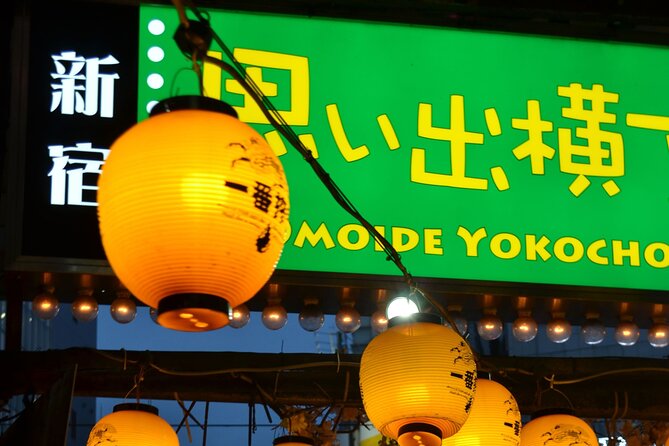
Omoide Yokocho is famous for its narrow, lantern-lit alleys. It’s the kind of place where you can tell, right away, that the “Tokyo night” vibe isn’t just neon. It’s also smoke, wood, small spaces, and the feeling that everyone knows where they’re going.
On this part of the tour, I like that the focus is on seeing and learning without turning it into a lecture. You’ll spend about 10 minutes here, which is just enough time to soak up the atmosphere, take a few photos, and understand what kind of nightlife culture the area represents.
The tour info also suggests the guide will help with photos in front of some of the mos… (the rest isn’t shown, but the intent is clear). Basically: if you want pictures that don’t look like you were battling your camera timer in the street, bring that expectation. This is one of the best places in the tour to aim your lens.
Potential drawback: Omoide Yokocho gets visually busy fast. If you only want wide shots and open views, this stop may feel cramped. But if you like details, it’s exactly the kind of place you’ll remember.
Stop 2: Tokyu Kabukicho Tower and the Twist on Izakaya Food Court Culture
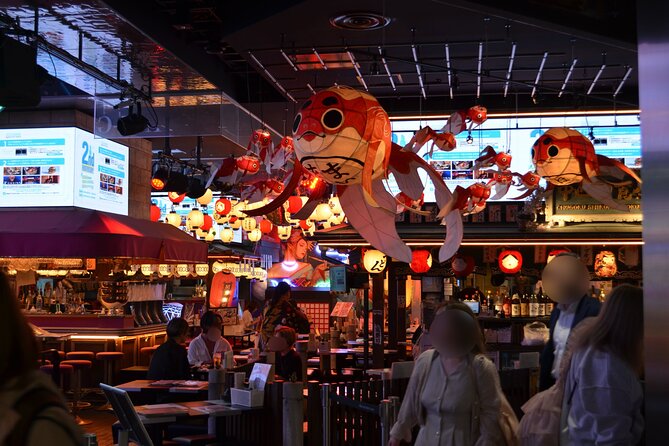
Next you head to Tokyu Kabukicho Tower, spending about 20 minutes. This is where the tour adds a modern layer to the night. You’re still in entertainment territory, but the setting is more structured than the old alley vibe.
Inside, you’ll find an izakaya-style food court concept, plus views and access to the broader Kabukicho scene. Even if you don’t plan to buy food on the spot (meals aren’t included), the value is in understanding how today’s Shinjuku reshapes nightlife into something that still feels familiar, just under a newer roof.
For me, the best benefit of this stop is the contrast. You go from tiny lanes and traditional alley energy to a place that looks like a hub—less about wandering and more about entering a themed space. It helps you build a mental map of Shinjuku: old-world nightlife culture still exists, but it also gets packaged and redesigned.
Stop 3: Shinjuku Golden Gai Small Bars and Big Storytelling Energy
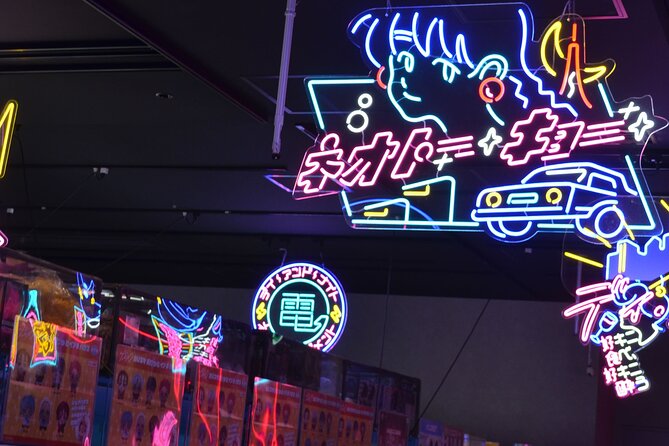
Then comes Shinjuku Golden Gai, a maze of over two hundred tiny bars tucked into narrow alleyways. You’ll spend about 10 minutes here, and that time is mostly about orientation.
Golden Gai can be intimidating if you’re going in cold. There’s no obvious “main square.” Instead, it’s a lot of doors, small spaces, and different bar identities. Having a guide here matters because you’re not just walking through; you’re being taught what you’re looking at—how these places differ and why the area became known for its character.
The best part of Golden Gai on this kind of tour is that you get to see the layout without feeling like you’re bothering anyone. Even if you don’t step into a bar, you get the sense of how the neighborhood works.
Potential drawback: Because the bars are small and the alleyways are tight, your walking path may feel stop-and-go. If you’re sensitive to crowds, you might want to keep your pace relaxed and expect a bit of “shoulder-to-shoulder” feel in tight sections.






Stop 4: Hanazono Shrine Calm Break from the Neon Noise
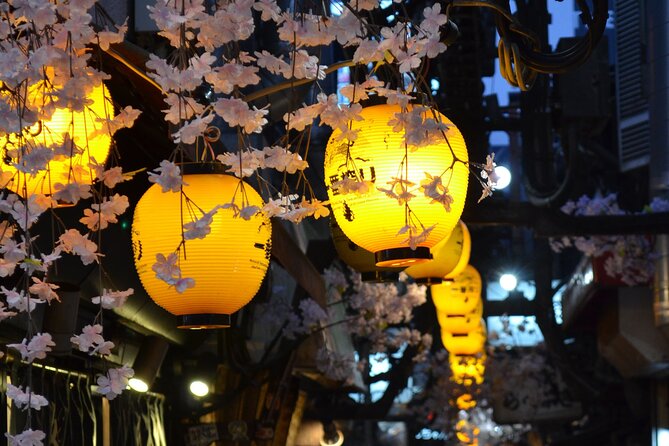
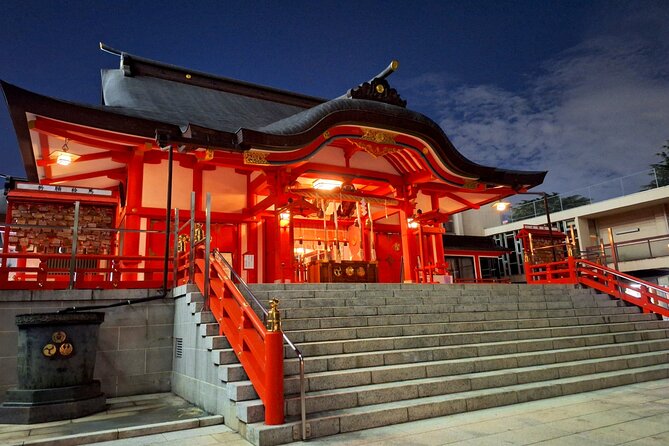
A shrine stop in the middle of an entertainment district might sound like a random detour—but it actually makes sense for Shinjuku. Hanazono Shrine is a peaceful Shinto sanctuary tucked near all the lights, giving you a reset you can feel in your body.
You’ll spend about 10 minutes here. It’s a short pause, but it’s long enough to slow down your senses after the alley chatter and neon signs. This is the moment where Shinjuku starts to feel like more than nightlife. It reminds you Tokyo still holds space for daily spirituality and quiet.
Also, the tour is structured so you end around this area. That can be useful if you want to keep walking after the tour finishes, because you’re not trapped at the “hardcore nightlife” core. You’re closer to options for dinner and a calmer exit back to transit.
Kabukicho Walkthrough: Neon Signs, Themed Stops, and Entertainment District Reality
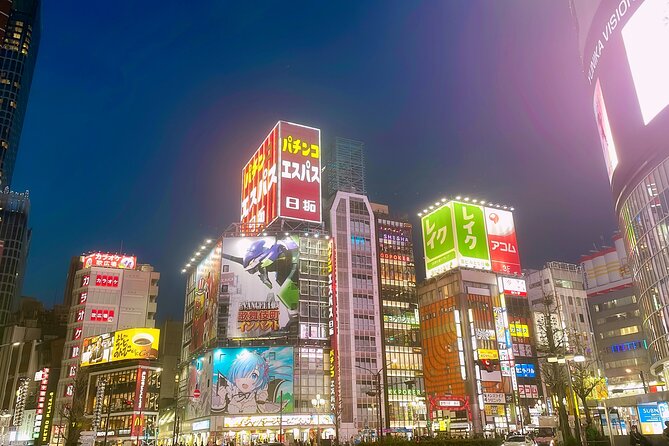
Between Golden Gai and the modern tower area, you’ll also walk through Kabukicho, Japan’s well-known entertainment district. This is where the tour leans into Tokyo’s pop culture side—flashing signs, themed restaurants, and the general high-energy feel you associate with Shinjuku at night.
I like this segment because it’s “show, don’t guess.” On your own, it’s easy to just stare at storefronts and miss the bigger idea: this district is designed to keep you moving, looking, and deciding. The guide’s job is to help you read the scene without getting lost in it.
If you’re a photo person, this is where you’ll likely take more pictures. If you’re not, it still helps to have someone explain what kinds of places you’re passing so you’re not wondering if an area is a bar block, a gaming zone, or something else entirely.
Purikura Included: The Fun Youth Culture Stop You’ll Actually Remember
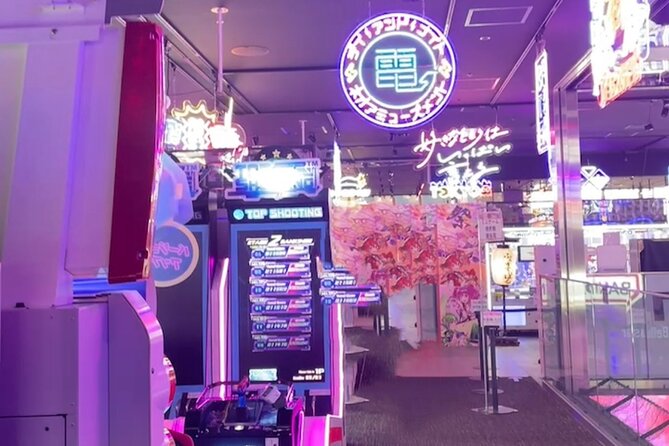
The highlight for a lot of people is the Purikura photo sticker booth. It’s included in the tour, along with the Purikura session fee.
Here’s why it matters: Purikura isn’t just a photo. It’s part style, part stickers, part quick makeover. It’s a snapshot of Japanese youth culture that you can take home, not just something you look at later on a phone.
On a practical level, it’s also a reset. You get a break from walking, you spend a few minutes making something playful, and it gives the tour a memorable “event” moment rather than being only street scenes.
My advice: if you wear something that photographs well, you’ll be glad you did. Even if the booth is quick, you’ll want to look like you planned it.
Price and Value: What You’re Paying For (and What You’re Not)
Let’s talk value plainly.
You’re paying $31.87 per person for:
- a local tour guide
- the Purikura session fee (included)
- time and access to several signature areas in Shinjuku at night
- a route that ends near a dining-friendly spot
You’re not paying for:
- meals (not included)
So the main question for you is: do you want help navigating the nightlife zones at night, plus an included activity that creates a take-home souvenir? If yes, the price feels reasonable for a short guided tour.
If you’re the type who already knows Shinjuku well, has friends who can point you around, and only wants photos from the outside, you might find the cost less tempting. But for most first-timers, a guided route saves energy and confusion—and that has real value.
Logistics That Matter: Duration, Group Size, and Comfort
The tour lasts about 1 hour 30 minutes. That’s short enough to fit into an evening without wrecking your next day, but long enough to feel like you actually covered something.
The group size cap of 12 travelers is important. It keeps the tour from turning into a long conga line. In smaller groups, you can hear what the guide is saying and ask questions without shouting.
You’ll also likely walk through a mix of streets and entrances that aren’t designed for giant groups. Comfortable shoes are a smart move.
One more practical note from the info: service animals are allowed, and the tour is near public transportation. That’s helpful for planning your evening route.
Who This Tour Is For (and Who Might Skip It)
This tour is a strong fit if:
- you want a first-time introduction to Shinjuku at night
- you like mixed scenes: old alleys plus pop culture streets
- you want guidance so you don’t feel awkward wandering into the wrong lanes
- you enjoy fun activities, especially photo-based souvenirs like Purikura
You might skip it if:
- you strongly dislike walking at night
- you only want major, iconic sightseeing and not small-bar alley vibes and micro-neighborhood character
- you want a food-focused tour (since meals aren’t included)
Should You Book Tokyo After Dark Shinjuku Tour of Tradition and Pop Culture?
If you want a smart way to experience Tokyo’s night mood without spending hours getting oriented, I’d book this. It’s built for variety in a short time: lantern alleys, tiny bar lanes, a quiet shrine reset, neon entertainment streets, and an included Purikura session that gives you something tangible to take home.
It’s also the kind of experience where your guide’s energy really matters. The tour style is meant to keep your attention on what you’re seeing, not just checking boxes. And with the small group size, you’re more likely to feel like you’re part of a guided walk rather than watching everyone else do the fun parts.
One last thought: plan dinner after. The tour ends near Hanazono Shrine in an area with dining options, and the guide can point you toward places to eat.
FAQ
FAQ
How long is the Tokyo After Dark Shinjuku tour?
It’s about 1 hour 30 minutes.
Where does the tour start and end?
It starts at the Shinjuku Station East Exit Police Box (3-chōme-38-1 Shinjuku) and ends at Hanazono Shrine (5-chōme-17-3 Shinjuku).
Is the Purikura photo sticker booth included?
Yes. The local guide and the Purikura fee are included.
Are meals included in the price?
No, meals are not included.
What’s the approximate group size?
The tour has a maximum of 12 travelers.
Do I need to buy tickets for the stops?
The stops listed show admission ticket free.
Is this tour ticket mobile?
Yes, it uses a mobile ticket.
What if my plans change and I need to cancel?
You can cancel for a full refund up to 24 hours before the experience starts.