REVIEW · TOKYO
Official Tokyo Shibuya : KIMONO Dressed EV-Go Kart Activity Tour
Book on Viator →Operated by Official Tokyo KIMONO Dressed EV-Go Kart Activity Tour · Bookable on Viator
Tokyo in a kimono and at go-kart speed. That combo is the whole point here: you get traditional style first, then a roofed electric Toyota kart guided around major sights and recognizable photo moments. I like how the route hits both big-name areas and quieter, more scenic stretches, while the guide keeps you moving with clear instructions.
Two things I’d put at the top of your value list. First, the kimono experience is practical: you can rent a kimono and use it right away for photo stops. Second, the supportive, bilingual staff—including guides like Michael, Mikey, Kazu, and Ide—focus on making sure you understand the kart and the route step by step.
One consideration before you book: you’ll need the right paperwork to drive. An International Driving Permit in the 1949 Geneva format is required (with listed exceptions), and you must carry the physical permit and passport during check-in.
In This Review
- Key takeaways before you go
- Kimonos and your roofed Toyota EV-Go Kart: first minutes count
- Shinjuku check-in and the Tokyo Metropolitan Government Building photo stop
- Meiji Jingu’s giant torii: a calm pause between city scenes
- Harajuku drive: fashion and culture at street speed
- Shibuya Crossing energy and the Roppongi/Lively-streets run
- Tokyo Tower photo moment and the Icho Namiki tree-lined street
- Tokyo Station red-brick style building and a Ginza-style finish run
- Imperial Palace area drive and Asakusa’s Senso-ji Gate photos
- Photos, lockers, and what you’re actually paying for
- Price and value: is $104.24 a fair deal?
- Driving rules in Japan: the part you must get right
- Who this fits best (and who should skip)
- Should you book the Official Tokyo Shibuya Kimono Dressed EV-Go Kart?
- FAQ
- Do I need to drive, or can someone ride without driving?
- How long is the EV-Go Kart and kimono tour?
- Is the kimono included, and can I choose one?
- What’s included in the price?
- Is vehicle insurance included?
- Where do I meet the tour?
- Do I need an International Driving Permit to participate?
- Are there any license exemptions?
- Will weather affect the tour?
- Is this tour private?
- What happens to photos and image data?
Key takeaways before you go
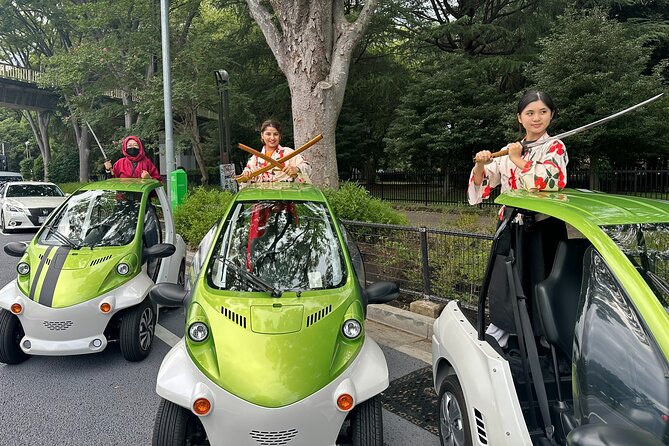
- Free kimono rental + costume variety so you can look the part for photos.
- Toyota COMS EV-go karts with roofs help with weather and comfort during the ride.
- English/Japanese-speaking guide who teaches you how to drive and where to go.
- Photo stops with image data at famous landmarks, not just passing by.
- Private group means it’s your group only, with a guide focused on your ride.
Kimonos and your roofed Toyota EV-Go Kart: first minutes count
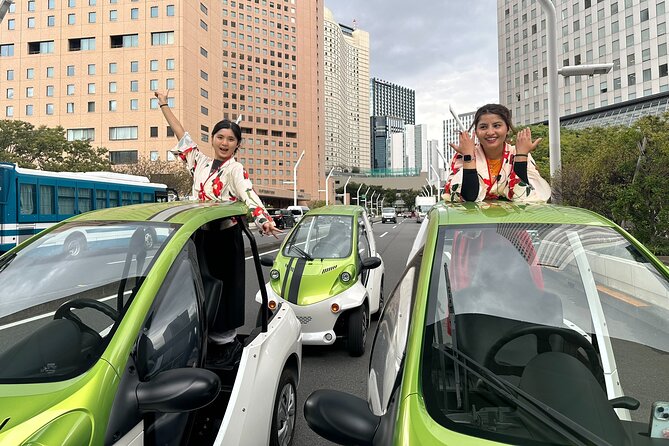
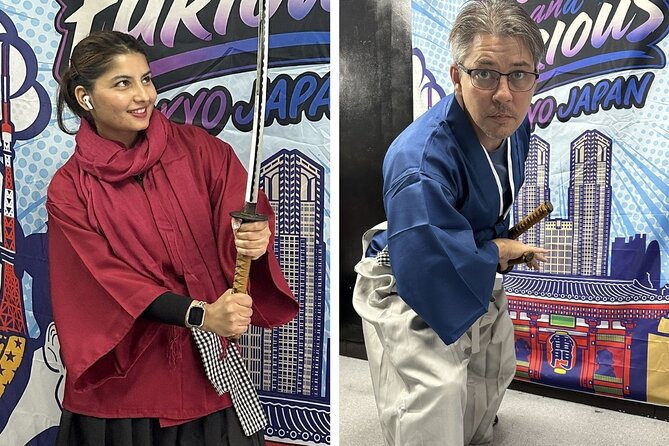
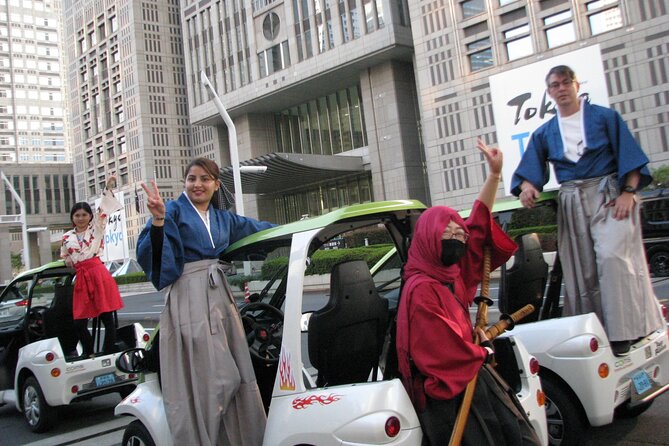
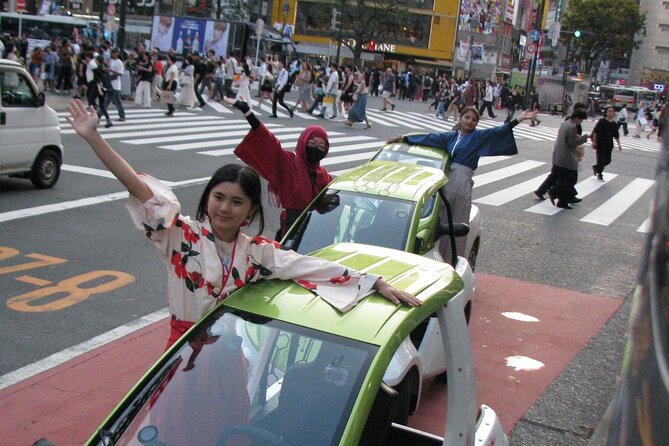
This tour mixes two parts that normally feel separate in Tokyo: getting dressed up and getting your bearings on the streets. You’ll start with the kimono wearing experience using a rental set provided for you. The experience is set up so you’re not just putting on clothes and hoping for the best—you’ll use the outfit immediately for photo moments later.
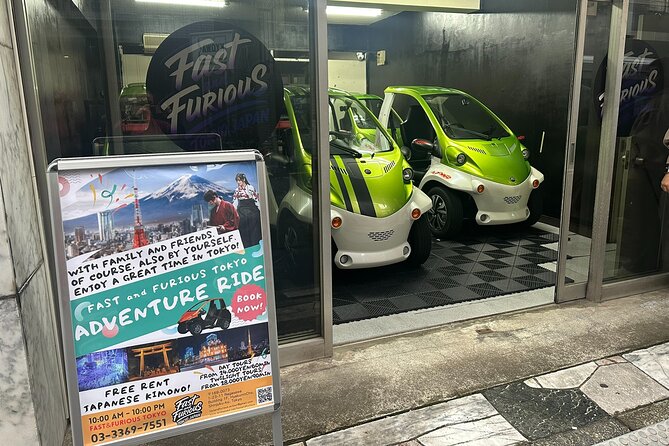
Then you shift gears to driving. The kart is an EV-go kart built by Toyota’s COMS brand, and it’s fitted with a roof. That matters more than it sounds. Tokyo weather can swing fast, and a roof helps you stay comfortable in wind/rain/cold or harsh sun conditions, so you’re less likely to feel stuck waiting around.
Safety and instruction are handled by the guide. The reviews I read put a strong emphasis on how the team walks you through the process clearly, especially if you’re new to driving a go-kart in city traffic. You shouldn’t expect to be thrown into chaos; you should expect a teach-and-go approach.
You can also read our reviews of more tours and experiences in Tokyo.



Shinjuku check-in and the Tokyo Metropolitan Government Building photo stop
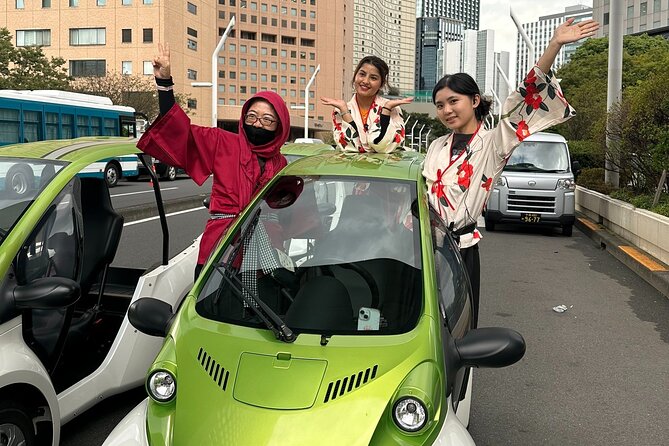
Your meeting point is Fast and Furious Tokyo Japan, in Shinjuku (Hyakuninchō area), and the activity ends back at the meeting point. That round-trip setup is one reason this works well if your Tokyo day already has plans elsewhere—you don’t lose time to transfers.
A typical early photo stop centers on the Tokyo Metropolitan Government Building area. Even if you’ve seen photos online, this spot gives you a clean “Tokyo” backdrop that feels official and recognizable. The goal here isn’t long sightseeing; it’s a quick pause to get that landmark shot while the rest of the route is still fresh.
What I like about starting with a photo moment early: you get your bearings before your driving rhythm kicks in. It lowers the mental load later when the streets get busier.
Meiji Jingu’s giant torii: a calm pause between city scenes
Next you head toward Meiji Jingu and its large torii gate. This is a very different mood from the glass-and-neon parts of Tokyo. You’re still on the kart route, but the torii area works like a reset—an iconic threshold that makes the whole “Japan” theme feel real, not like costume-and-photos only.
Practical tip: if you want a crisp photo, treat the moment like you would at any major gate—stand where the guide suggests, check your angles quickly, and avoid spending your whole stop fiddling with settings. The tour format keeps things moving, and that’s the trade-off for covering more ground.
Harajuku drive: fashion and culture at street speed
After the shrine stop, you’ll drive into the Harajuku area. This is one of the parts I’d call “Tokyo-on-the-move” because Harajuku is best understood by seeing it change blocks at a time. The tour doesn’t turn Harajuku into a shopping hour; it gives you the driving view of the district so you get the vibe without losing your schedule.
If you’re the type who loves street style, signage, and the visual mix of different generations, you’ll probably enjoy this segment. If you’re only after quiet temples and gardens, you might not get as much out of it—but the route balances the loud parts with calmer ones.
Shibuya Crossing energy and the Roppongi/Lively-streets run
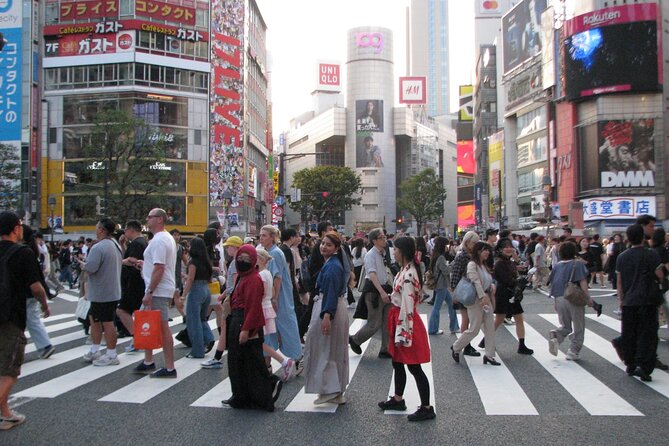
The big highlight many people come for is the Shibuya Crossing drive-through. You may know it from movies, but the real trick is that driving through it turns an image you’ve seen online into something you feel in real time. You also get the guide’s navigation so you aren’t stuck trying to figure out lanes and turns.
From there, the route includes the Roppongi area and later a drive through Tokyo’s largest nightlife district. The tour keeps it as a drive, not a long walking hangout, so you get the city’s contrast: trendy areas, nightlife streets, and the feeling of how neighborhoods shift.
A note on expectations: you’re not going to park, stroll, and take your time. You’re there for the driving experience plus the stops. If what you want most is slow wandering, you might prefer pairing this with extra time on foot afterward.






Tokyo Tower photo moment and the Icho Namiki tree-lined street
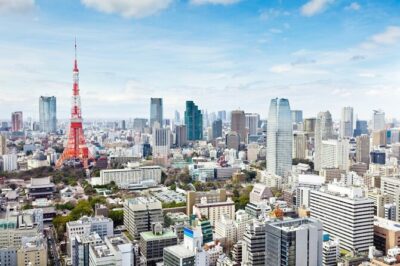
Then you hit one of Tokyo’s most photo-friendly backdrops: Tokyo Tower, where you’ll get another set of photos. The tower is one of those landmarks that can look good from almost any angle, and the tour timing is designed to give you a focused snapshot rather than letting you miss it.
After that, you’ll drive along Icho Namiki street, known for its lineup of ginkgo trees. This is a scenic change from pure urban signage. Even if the ginkgo season you visit isn’t peak, the long street feel still gives the route variety and makes the ride feel like more than a “highlight only” circuit.
Tokyo Station red-brick style building and a Ginza-style finish run
You’ll also pass by the Tokyo Station area, including photo time with the red-brick building as a backdrop. It’s a satisfying stop because it feels classic and formal, and it contrasts nicely with everything that came before.
Then the route continues through Ginza, described as one of Tokyo’s most high-end districts. From a driving perspective, that section helps you see the city as more than neighborhoods with one look. It’s a shift toward polished streets and upscale storefront energy.
If you’re the kind of traveler who likes to understand how Tokyo divides itself into different “worlds,” Ginza is a useful final-course ingredient.
Imperial Palace area drive and Asakusa’s Senso-ji Gate photos
Near the end, you’ll drive with views tied to the Imperial Palace area, giving you a sense of Tokyo’s official center. The tour doesn’t turn this into a long sightseeing walk, but it adds a “major Tokyo identity” layer to the ride.
Then you finish with Asakusa and Senso-ji, including photos by the Kaminarimon (Thunder Gate). This is one of the most recognizable temple-gate scenes in Japan, and it’s a great note to end on. Even if you’ve seen photos before, getting that gate as your final backdrop tends to make the whole experience feel like a full circle: modern Tokyo driving plus traditional Tokyo landmarks.
Photos, lockers, and what you’re actually paying for
The tour includes photoshooting and image data, which is a big deal for a go-kart activity. When you’re driving, you’re not also trying to line up shots and prevent your phone from flying out of your hand. Having the team take the photos at key stops saves time and reduces frustration.
You also get free locker use during the tour, so you can store luggage and keep your hands free for the essentials. That’s smart on a day when you already have bags from earlier in Tokyo.
And then there’s the included insurance piece: the tour provides personal injury and property damage insurance if there’s an accident. Still, vehicle insurance is not included and is listed as ¥1,000 per person. In other words, you’re not just paying for fun—you’re paying for a structured ride with safety coverage, plus a team handling the photos.
Price and value: is $104.24 a fair deal?
At $104.24 per person, this isn’t the cheapest way to see Tokyo, but it’s not priced like a luxury chauffeur service either. You’re paying for a bundle:
- a Toyota-made EV go-kart experience with a guide,
- free kimono rental you can use right away,
- multiple photo stops with image data,
- and a format that doesn’t require you to rent your own vehicle or spend hours on transfers.
For me, the value hinges on one thing: if you’d enjoy both dressing up for photos and driving through multiple landmark areas in one session, this is a strong use of time. If you only want walking sightseeing, you’d probably get more out of combining temple time with neighborhood wandering—and skipping the kart.
Driving rules in Japan: the part you must get right
This activity requires you to drive the kart. That’s why the documentation rules matter.
You’ll need an International Driving Permit issued in the format of the 1949 Geneva Convention, plus your physical permit and physical passport. The data also notes exceptions for drivers with licenses issued by specific countries: Switzerland, Germany, France, Taiwan, Belgium, or Monaco. For others, a Japanese translation may be needed (handled via the Japan Automobile Federation, JAF).
Important practical advice: don’t assume a phone photo of your permit will work. You should plan to show the physical documents at check-in, as required.
Also, the tour notes it’s not recommended if you have illnesses or injuries that impair your ability to drive. If you’re on medication that affects focus or reaction time, you may want to reconsider.
Who this fits best (and who should skip)
This tour is a great fit if you’re:
- a first-time Tokyo visitor who wants recognizable landmarks without planning a full transit day,
- someone who enjoys photos and wants a kimono look without doing a separate rental desk mission,
- comfortable driving after a short instruction period.
It’s less ideal if you:
- hate the idea of driving on the street even with a guide,
- prefer quiet walking sightseeing only,
- want lots of time to linger at each site.
Should you book the Official Tokyo Shibuya Kimono Dressed EV-Go Kart?
I’d book it if you want a Tokyo day that feels different from the usual museum-and-temple loop. The combo of kimono photo stops plus a roofed EV go-kart with a guide is a smart use of 1.5 to 2 hours—especially if you’ll be visiting multiple districts anyway.
I wouldn’t book it if you’re missing the correct driving documents or you’re hoping for slow, in-depth walking tours. This is an efficient, guided ride with timed photo moments. If you’re good with that trade, it’s a fun, memorable way to see Tokyo through the lens of speed and style.
FAQ
Do I need to drive, or can someone ride without driving?
This is an EV go-kart driving activity, and the tour data states that participants will need an International Driving Permit in the 1949 Geneva format to drive in Japan (with listed exceptions). So plan on driving as part of the experience.
How long is the EV-Go Kart and kimono tour?
The duration is listed as approximately 1 hour 30 minutes to 2 hours.
Is the kimono included, and can I choose one?
Kimono rental is included. The experience also includes rental of kimono and other colorful costumes, and the reviews describe that you can choose which kimono you want to wear.
What’s included in the price?
The included items are: EV-kart experience time (60 or 90 minutes), free luggage lockers, personal injury and property damage insurance, an English/Japanese-speaking guide, rental of kimono and other traditional/costume attire, and photoshooting with image data.
Is vehicle insurance included?
Vehicle insurance is not included. It’s listed as ¥1,000 per person.
Where do I meet the tour?
The meeting point is Fast and Furious Tokyo Japan, 169-0073 Tokyo, Shinjuku City, Hyakuninchō, 1-chōme 2311 ナガサワビル 1階. The tour ends back at the meeting point.
Do I need an International Driving Permit to participate?
Yes. The tour requires an International Driving Permit issued in the format of the 1949 Geneva Convention. You must carry the physical permit and your physical passport.
Are there any license exemptions?
The data lists exemptions for participants with licenses issued by Switzerland, Germany, France, Taiwan, Belgium, or Monaco. For other countries, a Japanese translation of your license may be required through JAF.
Will weather affect the tour?
The tour notes that the EV-kart has a proper roof, helping with weather impact on your schedule. It also says the experience requires good weather, and if it’s canceled due to poor weather you’ll be offered a different date or a full refund.
Is this tour private?
Yes. This is a private tour/activity, and only your group participates.
What happens to photos and image data?
The tour includes photoshooting and image data, meaning you’ll receive the photo content as part of the included service.