REVIEW · TOKYO
Martial Arts: Samurai Experience (Iaido)
Book on GetYourGuide →Operated by SMEKK Inc. · Bookable on GetYourGuide
A katana lesson with real samurai spirit.
This Iaido experience gives you hands-on practice with a Japanese sword, guided by a master at a dojo setting in Japan’s Kanto region. You’ll change into a training outfit, work through foundational movements, then learn how to use the katana during the session. After you’ve tried it yourself, you watch the master perform with shinken (a real sword), and you get commemorative photos plus time for Q&A.
What I like most is how practical it feels: you’re not just watching from the sidelines. You practice fundamental movements, learn usage of the katana, and get guided performance afterward. I also like the tone and support, since the leaders are described as professional, helpful, and willing to answer questions in a friendly way. The only drawback to consider is simple: food and drinks are not included, so plan your timing and meal before or after.
In This Review
- Key Highlights You’ll Care About
- Iaido in the Dojo: What You Actually Do During the Day
- Meeting Point at 3rd Floor: Getting There and Starting Right
- From Comfortable Clothes to Rental Outfit and Katana
- Fundamental Movements: Your First Real Practice Moment
- Learning Katana Usage: When the Training Turns Into Technique
- Shinken Performance: Seeing the Master at Work
- Photos and Q&A: Turning Awe Into Understanding
- What the Schedule Feels Like in a 1-Day Session
- Price and Value: Is $161 Worth It?
- Who This Samurai Iaido Experience Fits Best (and Who Should Skip It)
- Should You Book This Iaido Samurai Experience?
- FAQ
- Where does the Iaido session take place?
- How long is the experience?
- What languages are used during the class?
- What’s included in the price?
- Is food included?
- Do they pick you up from your hotel?
- What should I wear?
- Is it suitable for young children or wheelchair users?
Key Highlights You’ll Care About
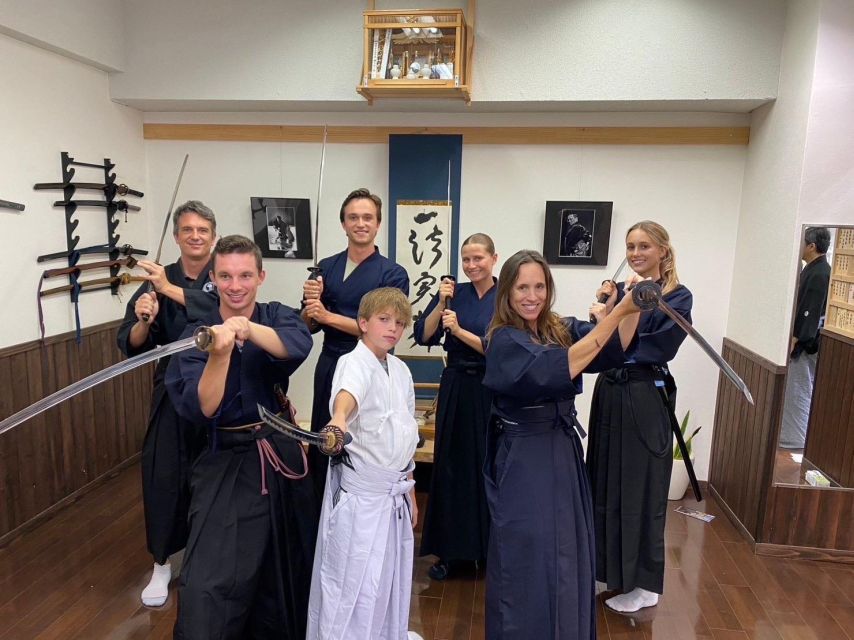
- Hands-on Iaido basics with a focus on fundamental movements and katana practice
- Real-shenkin performance (shinken) showing what mastery looks like
- Commemorative photos with the master after the practice and presentation
- Q&A in English or Japanese, so you can ask what you really want to know
- Rental outfit and katana included, so you just show up in comfortable clothes
Iaido in the Dojo: What You Actually Do During the Day
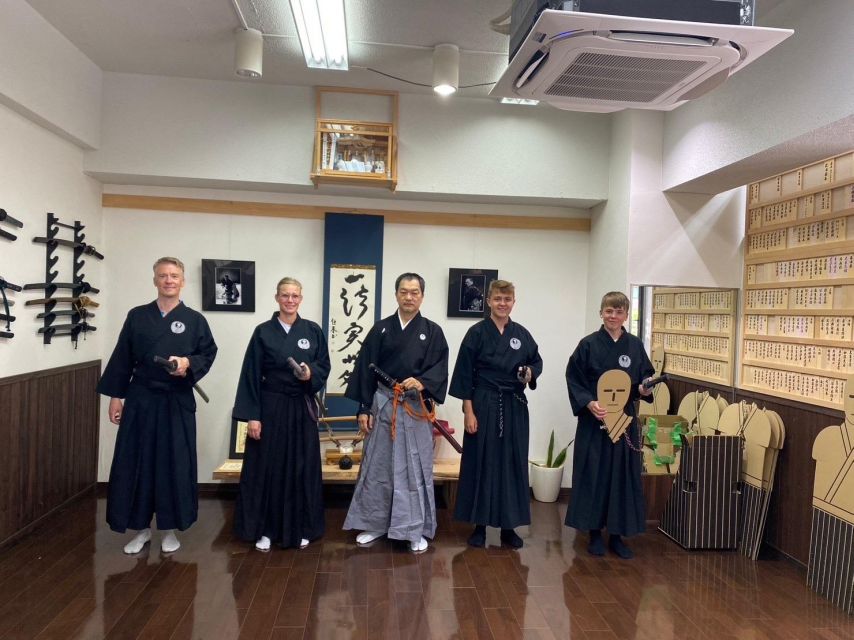
Iaido is often described as the sword technique of the samurai world, and this experience keeps it practical from start to finish. You go to a dojo where the session begins with an explanation of the basics and the movements you’ll work on. Then the day becomes a sequence of physical training: you change into gear, practice, and repeat with guidance.
The big appeal here is that it doesn’t stop at theory. You get to learn the practice of katana handling and see what the full form looks like when the master demonstrates it with a shinken sword. That combination makes it easier to connect what you’re doing with what mastery looks like.
Another valuable piece is the cultural framing. The experience talks about samurai pride and spirit being passed down through generations, and it notes the International Iaido Organization created to help spread Iaido training worldwide. Even if you’re new to the subject, that context helps the training feel meaningful, not like a costume show.
You can also read our reviews of more tours and experiences in Tokyo.



Meeting Point at 3rd Floor: Getting There and Starting Right
This activity starts and ends at the meeting point building, and the training is held on the 3rd floor. That means your day starts with a quick logistical win: you don’t have to figure out a complicated transfer across town. Still, you should plan to arrive early enough to find the 3rd-floor location comfortably.
Also, there’s no hotel pick-up or drop-off included. So you’ll want to build your own travel plan to the meeting point in the Kanto area. If your schedule is tight, this is the kind of activity where being late could stress you out, since the session likely runs on a set flow once it begins.
Because it’s one day and you’ll choose a starting time, I’d suggest you pick a time that matches your energy level. If you’re tired from travel or jet lag, sword practice and watching demonstrations afterward can feel like more than just a quick show. Choose a slot that gives you a calm start.
From Comfortable Clothes to Rental Outfit and Katana
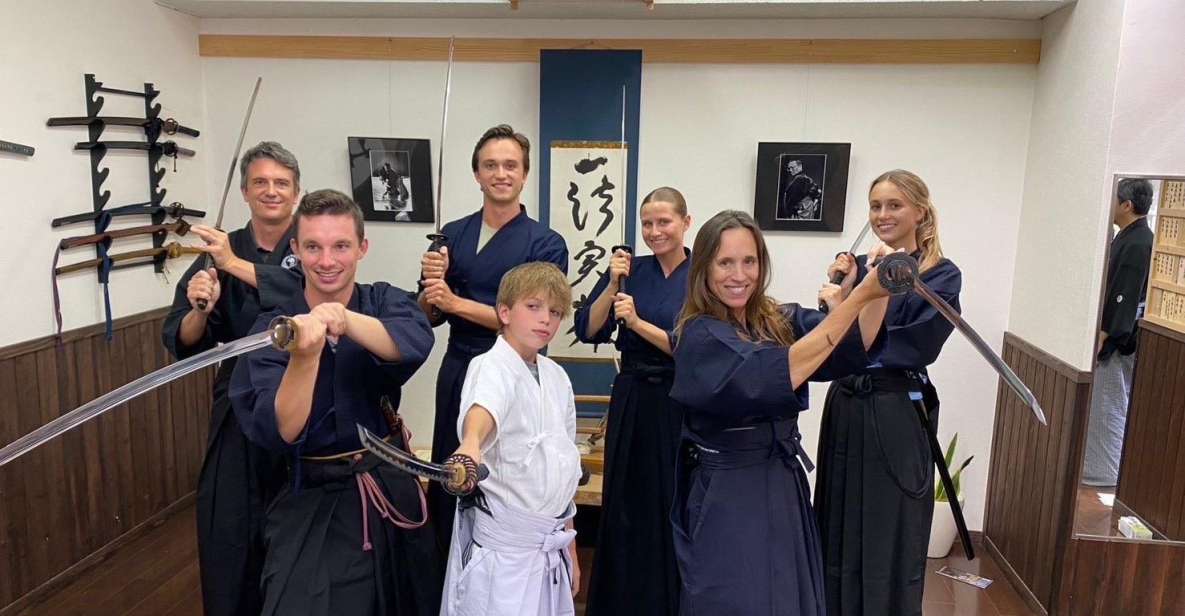
Once you’re at the dojo, the first step is outfit change. You’ll rent an outfit and a katana, and you’ll go through the transition before any practice begins. This is helpful for first-timers because you don’t need to bring any specialized equipment.
What I’d treat as a key detail: you should wear comfortable clothes for the changeover. The session setup revolves around getting into training gear, so your starting clothing matters more than you might expect. It’s the kind of activity where the simplest choice makes everything smoother.
One practical advantage of having rental gear is consistency. You’re not trying to fit different sizes or guess at what to use. When the outfit and katana are provided, the instruction can focus on form and technique within the session itself, not on setup problems.
Fundamental Movements: Your First Real Practice Moment
After you change, the instruction moves to practice fundamentals. You’ll learn the summary and basic movements of samurai sword technique in the Iaido style, with the master guiding what to do and how to move.
This part is valuable because it sets the tone for everything after. You’re not jumping straight into dramatic sword use; you’re being taught the baseline movements first. That matters for two reasons. First, you’ll understand what the later steps are building toward. Second, it reduces the feeling of random arm motions, so you can actually track your progress during the session.
Based on the tone of the experience, the teaching also aims to keep you engaged. One review highlights that the master teaches in a fun way, and that approach helps when you’re learning something unfamiliar. Sword technique can feel intimidating, but a clear breakdown makes it more approachable.
Learning Katana Usage: When the Training Turns Into Technique
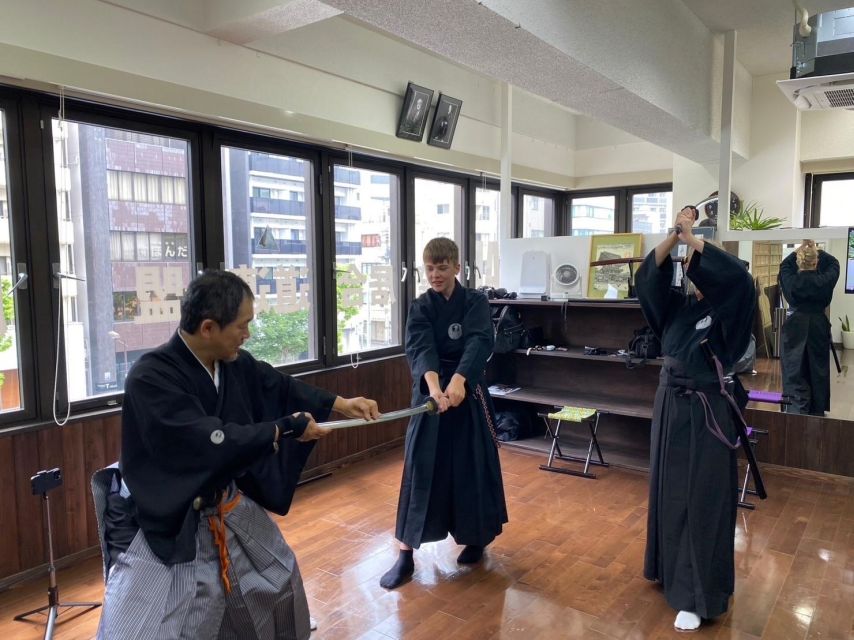
Next comes the portion where you learn the usage of katana and then practice the use more actively. The flow described is not just watching the master explain; you get to work through what you’ve been taught as you move from basics to applying the technique.
This is the stage where you’ll likely notice the biggest difference between reading about samurai and physically doing sword movements. Even with basic practice, there’s a rhythm to the motions—standing, drawing, control, and precision. The master’s guidance is what keeps it from turning into a clumsy workout.
Also, the experience sequence is designed to build confidence. You start with fundamental movements, then move into usage, then into a more complete demonstration stage with the master. That step-by-step structure is a big reason the session earns high marks.






Shinken Performance: Seeing the Master at Work
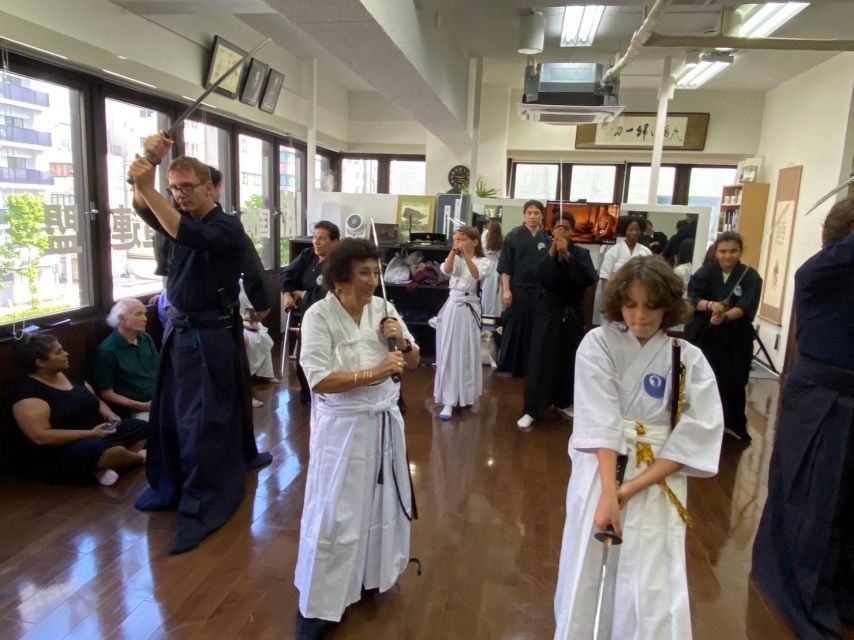
Then comes one of the most memorable parts: the master’s performance with shinken, described as a real sword. This isn’t just a quick flourish. You’re meant to watch the technique after your own practice, so you can compare what you tried with what an expert execution looks like.
If you like Japanese history and the samurai era, this is the moment that really connects the culture to the movement. The day doesn’t treat the sword as a prop—it frames it as disciplined technique tied to samurai tradition.
It also helps that the session includes performance from the master and assistance from pupils. One review specifically calls out impressive witnessing of the art of wielding the sword and mentions a show-fight by pupils. That gives you variety in what you see, so the demonstration feels like a lived practice rather than a single person acting out a scene.
Photos and Q&A: Turning Awe Into Understanding
After the demonstration, you’ll take commemorative photos with the master. This is a simple add-on, but it’s also the sort of thing that makes the day feel complete. You’re not leaving with only a memory; you leave with a photo that captures the moment.
Then there’s Q&A. This part matters more than people expect, especially if you came in curious about samurai culture or the training itself. The leaders are described as nice and helpful, and able to answer questions. With English and Japanese instructors available, the Q&A is also where the session can become personal—like clarifying what you did right, or what to focus on if you practice again later.
If you’re the type who asks questions during tours, this is your moment. Ask what parts felt hardest and why. Ask how the fundamentals connect to the later kata-like movements. Even a few good answers can make the whole experience stick in your head.
What the Schedule Feels Like in a 1-Day Session
This is listed as a 1-day activity with starting times you choose from availability. The session itself follows a clear order: outfit change, fundamental movements practice, katana usage practice, a more complete use sequence, master performance with shinken, commemorative photos, then Q&A. After Q&A, the activity ends back at the meeting point location.
That structure is great for planning. You’re not stuck guessing what happens next. You can also plan meals around it, since food and drinks aren’t included. If you tend to get hungry during physical activity, aim to eat before you go or have a plan for afterward.
Duration-wise, it’s a full day in the sense that it’s a scheduled experience, but it’s not an all-day wandering tour. You’re moving through a single activity with a defined arc: learn, practice, watch, ask questions, leave.
Price and Value: Is $161 Worth It?
At $161 per person, this is not a budget activity. But the value comes from what’s included.
You get:
- the activity fee
- rental outfits and katana
- travel insurance
You’re also getting instruction from an English/Japanese instructor setup, a master performance with shinken, and commemorative photos.
In plain terms, you’re paying for guided training plus a structured cultural demonstration, with equipment and insurance handled for you. If you had to rent a sword outfit and arrange a proper lesson elsewhere, the cost would likely be much higher—at least that’s the general reality of paid instruction plus equipment.
What you should weigh against the price is what you want from the experience. If you want to hold a katana, do some basic form practice, and leave with a memorable master performance and photos, this is a strong fit. If you only want a short show with no practice, you might consider whether a longer lesson is worth it for you.
Who This Samurai Iaido Experience Fits Best (and Who Should Skip It)
This experience is a good match if you:
- like Japanese history and the samurai era
- want a hands-on activity, not just a museum-style look
- enjoy structured instruction with Q&A time
- appreciate having gear provided so you can focus on learning
It’s also a strong fit if you’re traveling with someone who wants something more active. You’ll share the same flow: practice, demonstration, and then the chance to ask questions together.
It’s not suitable for children under 5 years, and it isn’t suitable for wheelchair users. If accessibility is part of your planning, you’ll want to choose alternatives that fit your needs.
And because the session involves physical practice, you should show up ready to move in comfortable clothes. No special gear required beyond what they provide.
Should You Book This Iaido Samurai Experience?
I think you should book it if you want real instruction and a full samurai-themed arc: learn the basics, practice katana usage, then see the master perform with shinken and ask questions afterward. It’s the combination of doing and watching that makes the experience land.
If you’re sensitive to the idea of sword training, or you’re expecting a casual cultural walk-through, adjust your expectations. This is a practice-based activity with a clear training structure, gear included, and no food or hotel transfers.
In short: if Iaido and katana practice are on your list, this is a solid use of a day in Japan’s Kanto region.
FAQ
Where does the Iaido session take place?
The Iaido will be held on the 3rd floor of the meeting point building, and it ends back at the meeting point.
How long is the experience?
It’s listed as a 1-day activity. Starting times depend on availability.
What languages are used during the class?
The instructor language options are English and Japanese.
What’s included in the price?
The price includes the activity fee, rental outfits and katana, and travel insurance.
Is food included?
No. Food and drinks are not included.
Do they pick you up from your hotel?
No. Hotel pick-up and drop-off are not included.
What should I wear?
Bring comfortable clothes, since you’ll be changing into the rental training outfit.
Is it suitable for young children or wheelchair users?
It’s not suitable for children under 5 years, and it’s not suitable for wheelchair users.