REVIEW · TOKYO
Make Your Own Bonsai with a Professional Bonsai Artist in Tokyo
Book on Viator →Operated by Beauty of Japan · Bookable on Viator
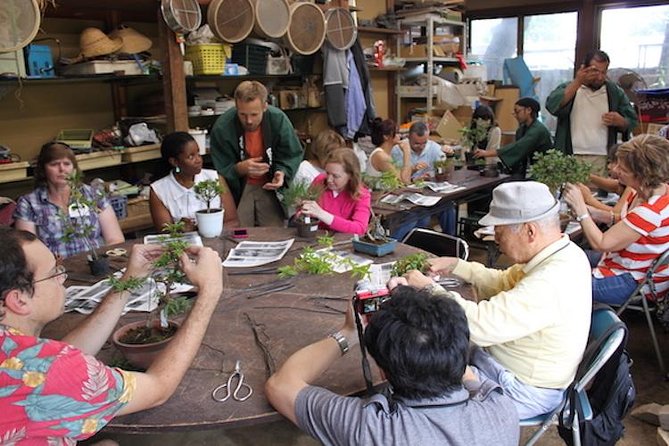
A bonsai class is quiet magic. In Tokyo’s Shunkaen Bonsai Museum, you get a hands-on workshop with a pro bonsai artist, plus a translator so the techniques make sense fast. Small-group size (max 6) also means you’re not just watching from the back, and there’s even been the chance to meet Master Kunio Kobayashi.
I especially like how much you learn without feeling rushed—basic decisions like how to wire a tree and shape it start to click. The setting helps too: the museum grounds are calm, with plenty of beautiful bonsai to study. One catch: getting your bonsai home can cost extra, and food and drinks are not included.
In This Review
- Key things I’d plan around
- Shunkaen Bonsai Museum: more workshop, less tourist stop
- Your 2-hour bonsai class plan (and how it usually feels)
- 1) Arrival and museum time (the included admission part)
- 2) Hands-on instruction with a professional bonsai artist
- 3) Finishing up your tree and asking the practical questions
- Small-group advantage: why max 6 changes everything
- Translator support: learning the craft, not just copying steps
- Price and value: what you’re really paying for
- Location and timing: fits Tokyo without taking over your day
- What you’ll learn beyond the finished tree
- Who this tour is best for
- A couple of things to consider before you go
- Should you book the Tokyo bonsai-making workshop?
- FAQ
- How long is the bonsai-making experience in Tokyo?
- Is the museum admission included?
- Is there a translator during the class?
- What’s the group size?
- Are shipping and transportation included in the price?
- Where do I meet for the workshop?
Key things I’d plan around
- Max 6 people means real hands-on time, not a demo you half-watch
- Translator support helps you learn the “why,” not just copy the motions
- Shunkaen Bonsai Museum admission is built into the workshop, so you can study the collection
- Wiring and shaping basics are taught, including hands-on work on a juniper-style tree
- Extra fees may apply if you want to ship (shipping isn’t included) or take the tree elsewhere
- Expect some walking/standing on museum paths and terraces, so moderate mobility helps
Shunkaen Bonsai Museum: more workshop, less tourist stop
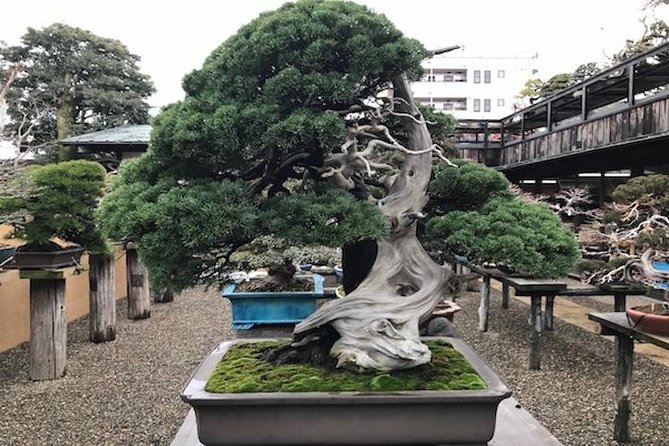
This experience is built around one place: Shunkaen Bonsai Museum in Edogawa City, Tokyo. That matters, because bonsai isn’t a quick craft you do once and forget. You’re learning in the exact environment where bonsai is treated as living art—trees are displayed with intent, and you can actually compare styles and shapes while you’re there.
I also like that the class is tied to the museum visit rather than separating them. You get time to look at the collection and ask questions, then you translate what you saw into your own small creation. That “see it, then do it” loop is where the learning sticks.
You can also read our reviews of more tours and experiences in Tokyo.



Your 2-hour bonsai class plan (and how it usually feels)
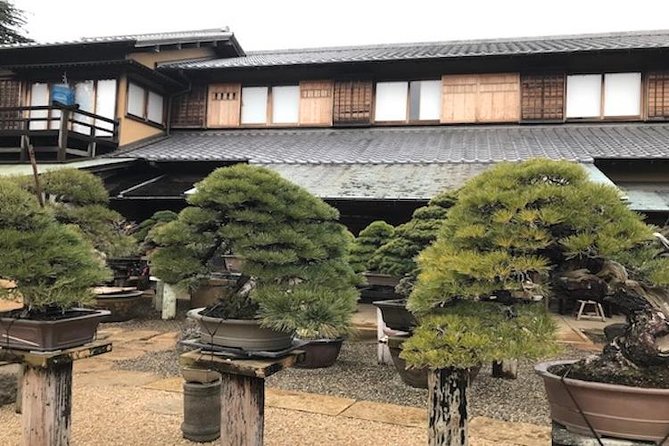
The whole session runs about 2 hours and keeps things moving enough for a busy Tokyo itinerary. The structure is simple: you start at Shunkaen Bonsai Museum, get the admission included, and then take part in the bonsai-making instruction.
Here’s the rhythm you can expect:
1) Arrival and museum time (the included admission part)
You begin at the museum address (1-chōme-29-16 Niihori, Edogawa City). The admission is included, so you’re not paying twice just to wander. Use this time to slow down and study. Bonsai teaches you to look differently: you start noticing trunk movement, branch placement, and how the tree communicates with empty space.
In the visit area, you’ll often find staff and apprentices around who can answer questions. If you’re the type who loves plants and details, this part can feel almost like a mini lecture—just visual.
2) Hands-on instruction with a professional bonsai artist
The main event is making your own bonsai with an expert. The class is capped at 6 participants, which is the right size for real coaching. The instruction is tailored, and you have translator support to help you understand the steps and the reasoning behind them.
From what you’re taught in class, the basics tend to center on shaping. One technique that comes up in this workshop is wiring—specifically wiring a juniper tree as a hands-on lesson. Even if you’ve never held a wire tool in your life, you’ll get guidance on how to handle it without damaging the tree.
3) Finishing up your tree and asking the practical questions
This is where I think the experience is strongest. You’re not just leaving with a souvenir. You’re leaving with a better idea of what comes next—how you should care for the bonsai after the class.
You may also be offered tea during the session, which fits the atmosphere and makes the whole thing feel more like a cultural stop than a rushed activity.






Small-group advantage: why max 6 changes everything
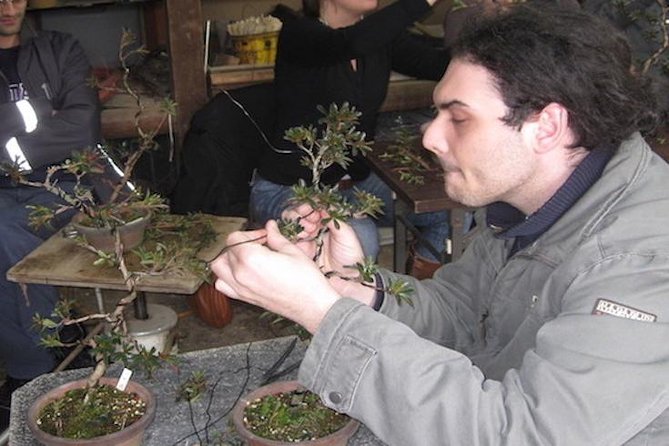
In Tokyo, there are plenty of workshops. What makes this one worth your time is the group size. When you’re with fewer people, the instructor can actually watch what your hands are doing and correct you before you pick up bad habits.
This is especially important for bonsai wiring and shaping, where small differences matter. If you go to a class with big groups, you often end up repeating motions without understanding how the tree is supposed to change. Here, you’re more likely to get the quick, specific feedback that turns effort into results.
Translator support: learning the craft, not just copying steps
A lot of hands-on classes sound good on paper but break down in practice if you can’t understand the advice. Here, the translator is part of the experience, and that changes the whole tone of the lesson.
Instead of nodding along, you can ask questions about care, technique, and why certain steps are taken. That makes the workshop feel like learning a skill you can use later, not just completing a craft project.
If you’re traveling in Japan and want Japanese culture that isn’t just food and photos, this is one of those activities where language support really pays off.
Price and value: what you’re really paying for
The price is $78.83 per person, and it’s about 2 hours long. That’s not cheap, but it’s also not the kind of price that only makes sense if you’re already an expert.
Here’s where the value comes from:
- Admission to the museum is included, so you’re paying for both the collection access and the class
- Instruction is tied to a professional bonsai artist, not just a general guide
- You’re capped at 6 people, which reduces the chance you’ll get “watch from the side” instruction
- You also get translator support, which helps you actually learn
What can add cost later is anything related to taking the bonsai home. The workshop does not include a bonsai shipping fee, and transport to and from the museum isn’t included in the price. So budget for that if you want the tree to leave with you.
Location and timing: fits Tokyo without taking over your day
The experience is near public transportation, so you’re not locked into taxis or complicated logistics. The meeting point is at Shunkaen Bonsai Museum, and the activity ends back where you start.
The lesson length—about 2 hours—is a big plus if you like to keep your days flexible. You can plan this as an afternoon reset or a calmer morning activity, especially if the rest of your Tokyo schedule is packed with big sights.
One practical note: the session includes a moderate physical fitness level requirement. That doesn’t mean you need to be an athlete, but you should expect some walking and standing around museum areas.
What you’ll learn beyond the finished tree
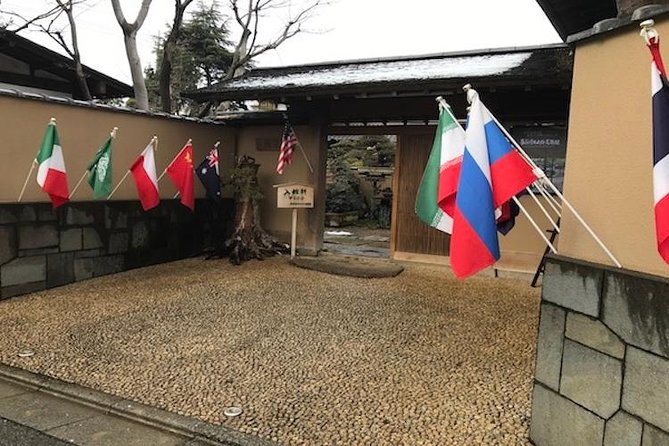
Bonsai looks beautiful in photos, but the real education is in how you think about the tree.
During the workshop, you’ll be introduced to core ideas like:
- how wiring helps direct branch structure (and how to handle wiring carefully)
- how shaping is about guiding growth over time, not forcing an instant look
- how bonsai care is part of the art, not an afterthought
The museum visit reinforces this because you can compare multiple bonsai examples in different styles. When you see those choices up close, your own tree starts to make more sense.
Who this tour is best for
This is a great fit if:
- you want a hands-on Japanese cultural activity in Tokyo (not just watching)
- you love plants, flowers, and horticulture
- you prefer small-group instruction over a big class where you get little attention
- you’re comfortable asking questions (the translator support makes that easier)
It’s also a smart pick if you’re returning to Japan or planning another trip soon, because bonsai is the kind of craft where learning one technique makes you notice everything differently afterward.
A couple of things to consider before you go
1) Taking the bonsai home can be extra
Shipping isn’t included, and if you want your tree delivered or moved long-distance, you’ll need to plan for that. There are also mentions that you may be able to take the tree with you for a fee (depending on where you live), so ask at the museum about the options that apply to your situation.
2) No food or drinks
If you get hungry after two hours of careful work and museum walking, you’ll want to plan a snack or meal before or after.
Should you book the Tokyo bonsai-making workshop?
Yes, if you want a real bonsai experience in Tokyo—one that’s hands-on, small-group, and tied to a museum collection you can study while you’re learning. The value is strongest when you count what’s included: museum admission, professional instruction, translator support, and time to ask questions.
I’d skip it only if you’re looking for something purely sightseeing-based with zero focus on plants, or if you don’t want to deal with potential extra costs for taking your tree home.
If you’re even mildly curious about bonsai, this is one of those classes where you come away with both a new skill and a new way to look at living art.
FAQ
How long is the bonsai-making experience in Tokyo?
It’s about 2 hours total.
Is the museum admission included?
Yes. Admission to the Shunkaen Bonsai Museum is included as part of the workshop.
Is there a translator during the class?
Yes. You get tailored instruction with the help of a translator.
What’s the group size?
The class is limited to a maximum of 6 travelers.
Are shipping and transportation included in the price?
No. Bonsai shipping fees and transportation costs are not included.
Where do I meet for the workshop?
You meet at Shunkaen Bonsai Museum, 1-chōme-29-16 Niihori, Edogawa City, Tokyo 132-0001, Japan, and the activity ends back at the meeting point.