REVIEW · TOKYO
Make a temple stamp book with artist
Book on GetYourGuide →Operated by Chikako Oshiro · Bookable on GetYourGuide
A goshuin notebook is personal craft. You pick from 100+ kimono fabrics, learn the steps to make your own stamped-book, and finish with your first shrine stamp. The biggest watch-out is that the visit and classroom are reached via about 10 steps, and it is not suited for mobility impairments.
This workshop sits in Honshu and stays convenient if you are already exploring around Shibuya. You get hands-on crafting, plus guidance on how to visit a shrine formally, which is exactly what makes this feel more than a souvenir stop. If you hate structured activities or need a full quiet break, the format may feel a bit paced.
In This Review
- Key things I’d circle before you go
- A Goshuin Workshop Near Shibuya That Feels Like Real Japan
- Meet In The Right Spot, Then Get Started Fast
- Choosing From 100+ Kimono Fabrics Is More Than Decoration
- Folding and Gluing: The Part That Makes It Feel Legit
- Learning How to Visit a Shrine Formally (Before You Stamp)
- Your First Goshuin Stamp: A Small Moment With Long Memory
- Small Group Energy: Up to 8 People, Real Help
- Duration and Timing: 2 Hours That Don’t Stretch Your Day
- Price and Value: $38 Includes the Workshop, Not the Stamp Fee
- Who This Workshop Is Perfect For (And Who Should Skip It)
- Should You Book This Goshuin Stamp Book Workshop?
- FAQ
- How long is the workshop?
- What is the price, and what does it include?
- Are shrine stamp fees included?
- How many people are in the group?
- Is the instructor available in English?
- Does the experience run in bad weather?
- Where do I meet the instructor?
- Is this suitable for children or mobility impairments?
- Can I cancel or pay later?
Key things I’d circle before you go
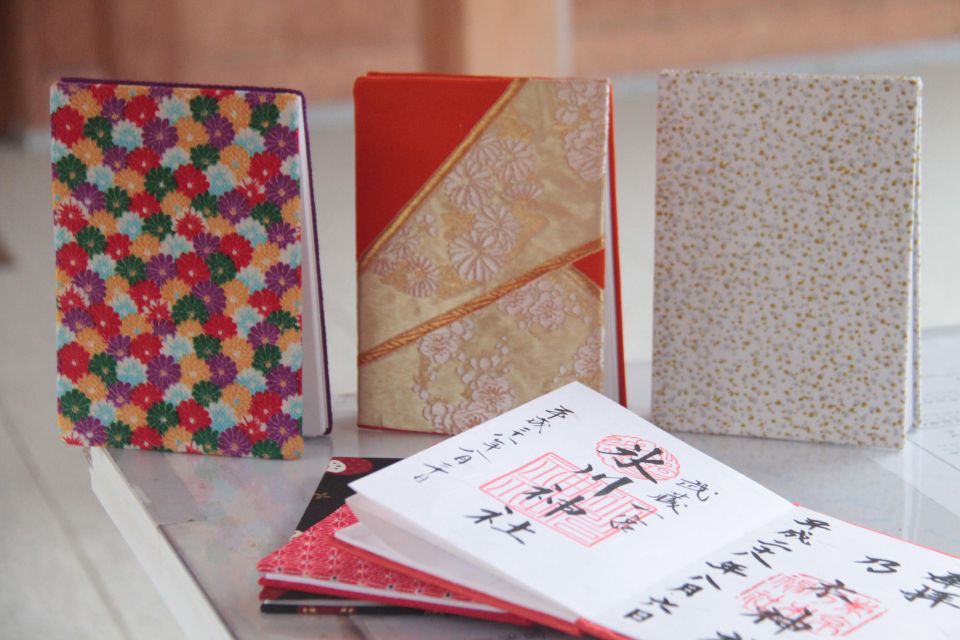
- 100+ kimono fabric choices for a truly original goshuin notebook
- Chikako Oshiro teaches in English with clear, practical instruction
- A small group of up to 8 people so you actually get help
- You make the notebook structure (folding and gluing), not just decorate
- Your first goshuin stamp at a local shrine is part of the experience
- Rain or shine means you should plan for weather, not schedule changes
A Goshuin Workshop Near Shibuya That Feels Like Real Japan
If you want a Japan memory that is actually yours, this goshuin temple-stamp book workshop hits the mark. You start with a creative choice that feels meaningful right away: fabric. Then you turn that fabric into a notebook designed to collect stamps from shrines and temples.
I like that it is not only craft. You also get taught how to visit a shrine formally, so when you do your first stamping, you are doing it with the right context. One small drawback to consider: the workshop includes walking to the classroom and shrine, with about 10 steps along the way, so you should think about your comfort level before booking.
You can also read our reviews of more tours and experiences in Tokyo.



Meet In The Right Spot, Then Get Started Fast
Your meeting point is simple but easy to miss if you are rushing: meet in front of the entrance located between a drug store and Cozy Corner (cake shop). Once you find that spot, the whole session moves at a friendly pace.
From there, you go to the classroom and then on to the shrine. The good news is that this is a short, focused 2-hour experience, not a half-day project. The “rain or shine” part is also important: the plan does not pause if the weather turns, so bring what you need to stay comfortable.
If you are trying to fit this around a Shibuya day, the location helps. You are still in the Honshu area with easy access to popular city sightseeing, while getting a slower, more traditional activity.
Choosing From 100+ Kimono Fabrics Is More Than Decoration
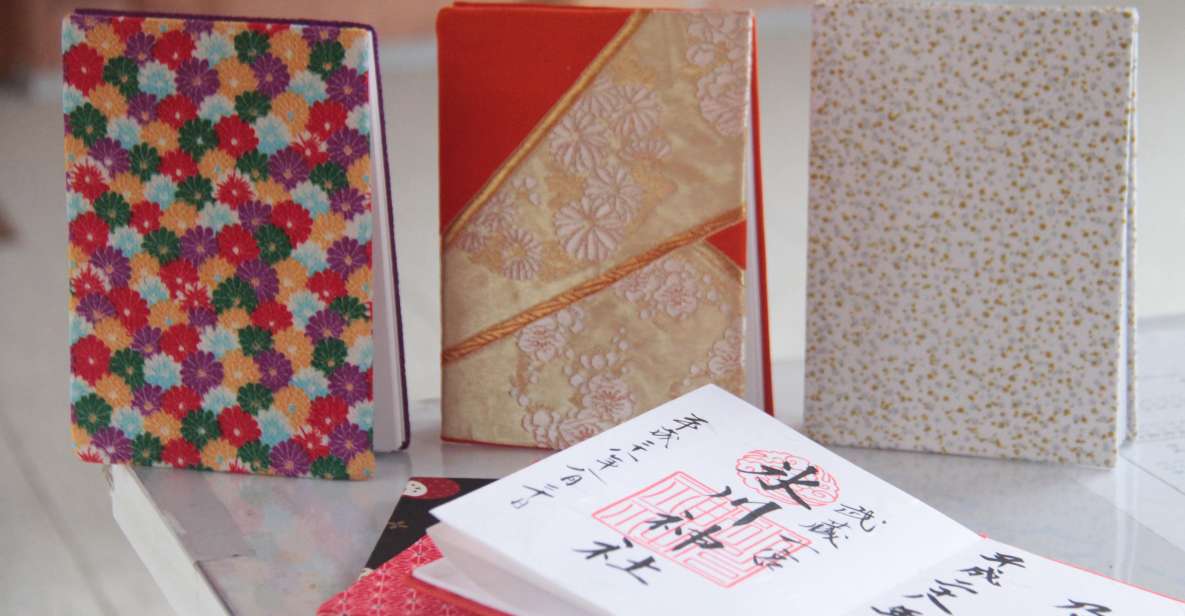
The creative heart of the workshop is the fabric selection. You will be shown a wide range of kimono fabrics and asked to choose your favorites to build your goshuin notebook. This is where a lot of the joy lives, because it is not random. You get to pick patterns and textures you genuinely like.
In the reviews, people really appreciated that the instructor helps you make decisions and keeps the process friendly. You are not just handed materials and left to figure it out. You are guided through picking fabric and understanding how that choice connects to what you are collecting.
One practical upside of fabric-first design: even if you are not artsy, you can still produce something that looks intentional. Your notebook will feel like a personal souvenir, but it is also made to function as a goshuin collection book.
Folding and Gluing: The Part That Makes It Feel Legit
A goshuin notebook is not only a cover and a cute idea. In this workshop, you learn how to make the notebook properly by folding and gluing papers together. That “construction” step matters. It turns a craft into a usable tool for collecting stamps, not a decorative object that lives in a drawer.
The instructions are clear and hands-on, and you are not expected to know the technique ahead of time. People also noted that materials are provided, which is a big deal when you are traveling and do not want to hunt down supplies.
One detail I especially liked from the experience feedback: the instructor provided extra glue for after the workshop. That kind of small service means your notebook can still be maintained later, once you start adding more stamps from future visits.
Learning How to Visit a Shrine Formally (Before You Stamp)
Right after you make your goshuin notebook, you go to a local shrine. This is where the workshop becomes culturally useful, not just decorative.
You learn how to visit the shrine formally as part of the experience, guided by the instructor. I like this approach because it solves a common problem in Japan: people want to do things respectfully, but they do not always know what “correct” looks like. Having a teacher explain your role before you arrive at the shrine helps you feel confident.
Then comes the practical payoff. You get your very first goshuin stamp there, directly into the notebook you just made. That makes the whole session click, because the craft and the cultural practice are tied together.






Your First Goshuin Stamp: A Small Moment With Long Memory
The shrine visit is short and focused, but it is the point of the entire workshop. You go with a new notebook, and you leave with your first stamp added. That first stamp is more than paperwork. It is a tangible start to a collecting habit that many visitors enjoy across Japan.
Just remember one cost detail: the stamp fee at the shrine is not included. The workshop fee covers the crafting instruction and session, but when you reach the shrine, you will handle the stamp fee on site.
Also, pay attention to what the instructor says at the shrine. The point is to follow the formal steps you were taught, because that is what turns the experience from “I got a stamp” into “I joined the tradition correctly.”
Small Group Energy: Up to 8 People, Real Help
This is a small group workshop limited to 8 participants, and that matters more than it sounds. When you are learning folding, gluing, and presentation techniques for a goshuin notebook, you want quick feedback. A smaller group means you are not waiting forever for help.
The instructor, Chikako Oshiro, teaches in English. That helps a lot if you are not confident with Japanese, especially for the shrine-visit etiquette part. The teaching style comes through in the positive feedback people shared: instructions are described as generous, informative, and easy to follow.
If you are the type who likes asking questions, this setup makes it realistic. You can get clarification without feeling rushed.
Duration and Timing: 2 Hours That Don’t Stretch Your Day
The workshop runs for 2 hours. That length is a sweet spot. It is long enough for you to choose fabrics, build the notebook, and then stamp it at the shrine. It is short enough to fit into an already-packed day in Tokyo or the wider Shibuya area.
Because the experience includes both the classroom and the shrine, you should still plan to stay flexible. You will be doing a little walking and climbing since there are about 10 steps involved to reach the classroom and shrine. If your day includes lots of steep hills or long subway transfers, consider placing this session when you still have energy.
Price and Value: $38 Includes the Workshop, Not the Stamp Fee
The price is $38 per person. For that, you get the workshop fee and guided instruction to make your own goshuin notebook. The big value point is that you are not only learning how to stamp. You are making the book that holds the stamps, choosing fabric for it, and getting your first stamp during the session.
What is not included is the stamp fee at the shrine. So the real cost is $38 plus whatever stamp fee applies when you arrive. That is the only surprise you should budget for.
If you compare this to paying for a generic souvenir notebook or buying a pre-made stamp book, this workshop feels fair because the time and teaching are part of the package. You leave with a notebook that you assembled, plus a first stamp that starts your collection.
Who This Workshop Is Perfect For (And Who Should Skip It)
This is a strong fit if you want:
- A hands-on cultural activity with a clear end result
- A personalized goshuin notebook made with fabrics you pick
- A guided first shrine visit so you can do it formally, not guess
It is also ideal if you are near Shibuya and want something traditional that does not eat an entire day.
Skip it if you:
- Have mobility limitations that make about 10 steps difficult
- Need activities designed for very young children (it is not suitable for children under 3 years)
- Dislike structured activities that include both craft and a shrine stop
If you are traveling as a couple, this can be a nice shared experience. If you are traveling alone, the small group format also helps you avoid feeling like you are doing everything by yourself.
Should You Book This Goshuin Stamp Book Workshop?
I would book it if you want a Japan memory you can use and keep, not just photograph. The combination is the key: you make the notebook by folding and gluing, you choose from 100+ kimono fabrics, and you add your first goshuin stamp at a local shrine with formal guidance.
The main reasons to hesitate are the physical steps and the extra shrine stamp fee that you should budget for. If those are manageable, then this workshop is one of those rare short activities that still feels deep. You get creativity, cultural practice, and a keepsake that will age well as you add more stamps.
If you are trying to build a goshuin collection later, starting with a notebook you made yourself is a satisfying way to begin.
FAQ
How long is the workshop?
The workshop lasts 2 hours.
What is the price, and what does it include?
It costs $38 per person, and the workshop fee is included.
Are shrine stamp fees included?
No. The stamp fee at the shrine is not included.
How many people are in the group?
The group is small and limited to 8 participants.
Is the instructor available in English?
Yes. The instructor is English-speaking.
Does the experience run in bad weather?
Yes. It takes place rain or shine.
Where do I meet the instructor?
Meet in front of the entrance located between a drug store and Cozy Corner (cake shop).
Is this suitable for children or mobility impairments?
It is not suitable for children under 3 years, and it is not suitable for people with mobility impairments. There are about 10 steps to reach the classroom and shrine.
Can I cancel or pay later?
You can cancel up to 24 hours in advance for a full refund. You can also reserve now and pay later.