REVIEW · TOKYO
Cook Favorite Japanese Dishes with a Tokyo Mom
Book on Viator →Operated by Tokyo Mom's Kitchen · Bookable on Viator
Cooked food, real family technique. This Tokyo cooking class is a warm, hands-on lesson in washoku—Japanese home cooking—run by an English-speaking Japanese host, Aki, in a cozy kitchen setting in Shinjuku.
I love the focus on dashi from scratch (no additives, built from basics), and I love that you’re making a full, balanced meal—norimaki or onigiri, a miso soup bowl, plus sides that actually belong on a Japanese table. The one drawback to consider: you need to show up on your own since transportation isn’t included, and the class starts and ends at the meeting point.
This isn’t a stage show. It’s more like getting invited into someone’s weekly cooking rhythm—explained in clear steps, with help for both beginners and experienced cooks. Reviews also highlight Aki’s teaching style with pictures and short history notes for why each part matters.
In This Review
- Key things you’ll enjoy in Tokyo Mom’s Kitchen
- Why washoku starts with homemade dashi
- Norimaki sushi rolls vs onigiri rice balls
- Pick your main side dish: chicken, fish, or gyoza
- The seasonal vegetable dish and miso soup
- Inside Aki’s kitchen: clear steps, real home vibe
- Timing in a 2.5-hour session: what to manage
- What’s included (and how that boosts value)
- Price and value: is $120 fair for Tokyo home cooking?
- Who should book this class, and who might not
- Booking this in Shinjuku: getting there without stress
- Should you book Tokyo Mom’s Kitchen?
- FAQ
- What dishes will I make in the class?
- Can I choose between different main side dishes?
- Is there a vegetarian option?
- How long is the cooking class?
- Where does the class take place?
- Is transportation included?
- Can I cancel for a full refund?
Key things you’ll enjoy in Tokyo Mom’s Kitchen
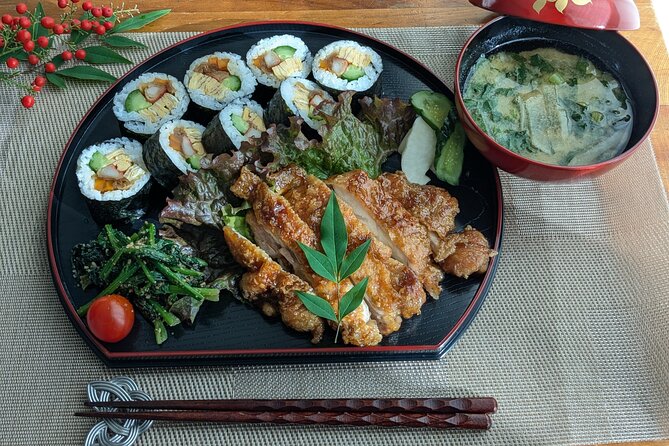
- Dashi from scratch first: learn the flavor foundation of everyday Japanese food
- Handmade norimaki or onigiri: your choice, guided step-by-step
- Pick one main side dish: teriyaki chicken, saikyo yaki, or gyoza
- Seasonal vegetable dish included: not an afterthought, it balances the meal
- All ingredients and tools provided: you cook without hunting for supplies
- English support + recipe PDF: you’ll leave with a guide you can use at home
Why washoku starts with homemade dashi
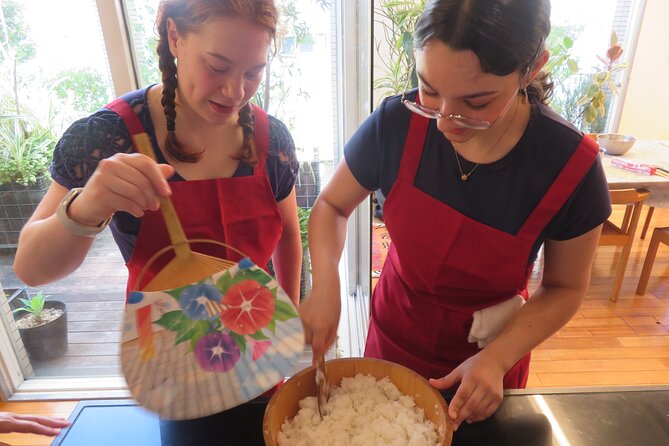
If you only learn one thing from this class, I’d bet it’s dashi. In Japanese cooking, dashi isn’t optional flavoring. It’s the broth-like backbone that makes miso soup taste like miso soup, and makes simmered or sauced dishes taste deeper without heavy seasoning.
Here, you’ll make dashi completely from scratch. The class emphasizes using natural ingredients and no additives, which matters because many store-bought substitutes taste flat or overly standardized. In real home cooking, people adjust and refine. You’ll learn the process enough to understand what’s happening, not just memorize a recipe.
Why this is a big deal for you: once you know how to make a dependable dashi base, a bunch of Japanese meals become easier. Even if you only make miso soup afterward, you’ll taste the difference immediately—clean, warm broth flavor instead of something vaguely brothy.
You can also read our reviews of more tours and experiences in Tokyo.



Norimaki sushi rolls vs onigiri rice balls
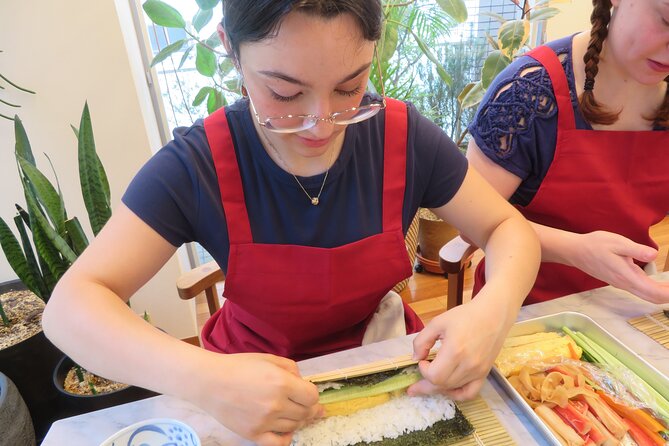
The class menu includes traditional norimaki, which is a rolled sushi-style rice-and-filling technique. If you’d rather skip the roll style, you can substitute onigiri (rice balls). Either way, you’re practicing the key idea behind both: shaping and handling rice so it holds together and tastes right.
This is where the class feels more practical than showy. You’re not watching someone do it once for the camera. You’re working through the steps—timing, texture, and how to assemble neatly. Reviews mention Aki teaching clearly even for people who are new to cooking, and also supporting experienced cooks with the details that make the results look good.
A quick consideration: rice handling is a skill. If you’re the type who gets frustrated when rice sticks or falls apart, you might feel a little messy at first. That said, this class is designed for learning. You’ll use what you make right away as part of the meal, so it stays motivating.
Pick your main side dish: chicken, fish, or gyoza
After you build the dashi foundation and start on your rice component, you’ll choose one main side dish. This is one of the best value parts of the experience because you get agency while still following a structured class.
Your options:
- Teriyaki Chicken: tender chicken glazed with a sweet-savory soy-based sauce
- Saikyo Yaki: miso-marinated fish grilled for a delicate, rich flavor
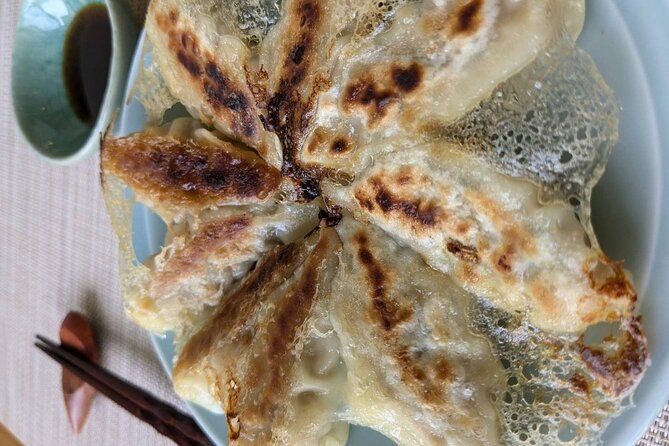
- Gyoza: pan-fried dumplings with pork and vegetables
Here’s how to choose based on what you want your cooking takeaway to be.
If you want a crowd-pleaser: teriyaki chicken is forgiving and teaches sauce balance—sweetness, saltiness, and how glaze clings.
If you want lighter but more nuanced: saikyo yaki focuses on marination and grilling. It’s great if you like flavor that tastes layered rather than heavy.
If you want hands-on technique with structure: gyoza is about stuffing and pan results. It’s not just mixing filling—it’s about how you cook them for that satisfying finish.
Reviews also praise the way the class walks through each step, and there’s a notable comment about Aki teaching both novice and experienced cooks. That usually means you’ll get enough explanation to understand the why, not only the what.
The seasonal vegetable dish and miso soup
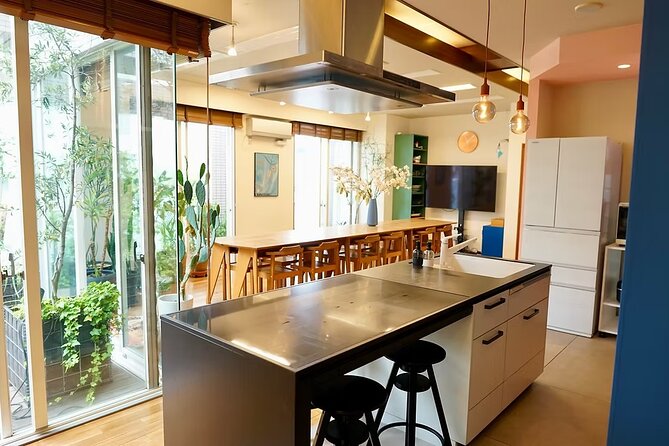
A Japanese home meal isn’t only the main or the fun part. The sides matter because they balance flavors and textures across the table. In this class, you’ll also make:
- a seasonal vegetable dish (included in all menus)
- a comforting bowl of miso soup
Miso soup is where your dashi work pays off again. If your dashi is strong and clean, the miso tastes rounded and cozy instead of salty. If your dashi is weak, miso can taste sharp. Learning both in the same session helps you connect cause and effect.
The seasonal vegetable dish is also a useful pattern for you to take home. Even if you don’t use the exact same vegetables later, you’ll learn how Japanese cooks think about pairing textures: crisp and soft, warm and fresh, simple and well-seasoned.
One more practical note: the class offers a vegetarian option upon request. So if you want to keep your menu meat-free, you can plan ahead when booking.
Inside Aki’s kitchen: clear steps, real home vibe
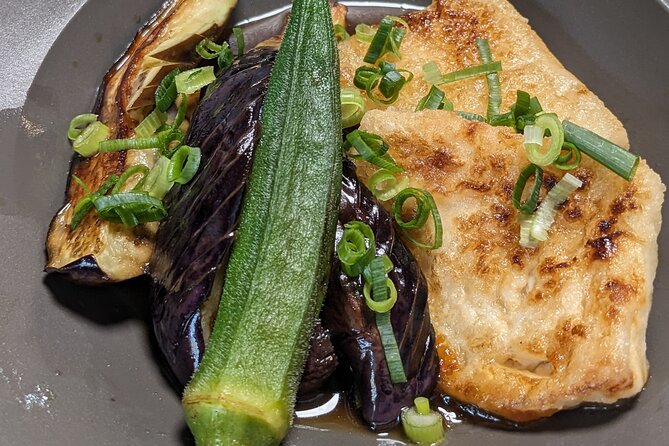
This is a private class, so it’s only your group. That usually makes a difference in the pace. You can ask questions, you’re not squeezed into a big crowd, and the host can adjust explanations if you’re stuck.
Aki’s teaching style stands out in reviews. People liked how the class uses pictures and short history notes for the food being prepared. That structure helps your brain remember steps later, and it also gives context—why a technique exists and why a flavor behaves the way it does.
You’ll get kitchen tools use and an apron rental, plus all ingredients for cooking. That combination matters because Tokyo kitchens can be full of small specialized tools. Here, you won’t be stuck wondering where something is or whether it’s included.
Also, since it’s a real home-kitchen environment, expect a more relaxed feel than a commercial studio. The best part is that you’re learning a method you can repeat, not just a one-night performance.






Timing in a 2.5-hour session: what to manage
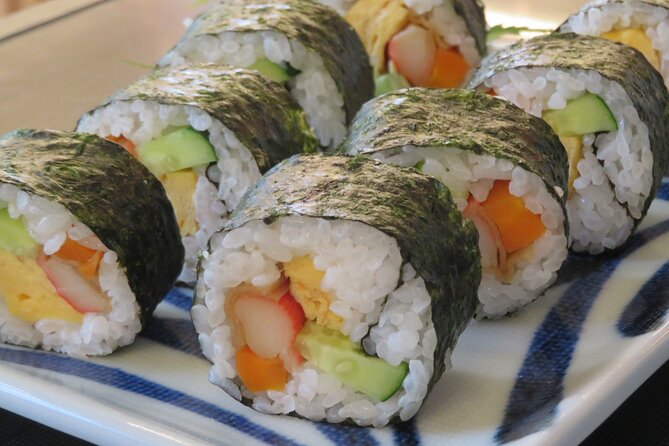
The class runs about 2 hours 30 minutes. In that time, you’re making multiple components: dashi, norimaki or onigiri, miso soup, plus your chosen main side and a seasonal vegetable dish.
For you, the main thing to remember is focus. The session moves because you’re cooking everything on a home-kitchen timeline, not a slow demonstration. If you want photos, take them during safer moments like after prep steps. During active cooking, give yourself permission to just cook.
This is also why the class includes a digital recipe sheet (PDF). During the session, you’ll be busy. After the class, the PDF becomes your safety net so you can rebuild the meal at home without guessing what you did.
What’s included (and how that boosts value)
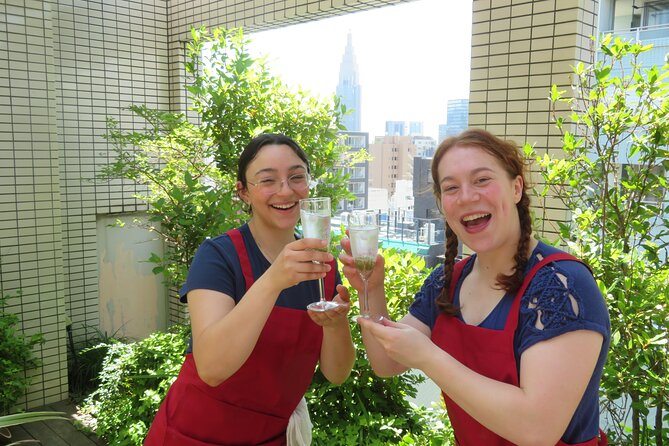
You’re not paying just for instructions. You’re paying for the full setup so you can cook.
Included items:
- all ingredients for cooking
- full use of kitchen tools
- apron rental
- digital recipe sheet (PDF)
- English-speaking Japanese host
That’s a strong value mix. In many cooking classes, you still spend extra money on ingredients or deal with tool gaps. Here, you step in and cook. Also, the recipe PDF is a real practical benefit. It helps translate the class experience into repeatable results, especially for dashi and rice handling.
One more small detail that matters: the class uses a mobile ticket. That makes check-in smoother and keeps things simple on a busy Tokyo day.
Price and value: is $120 fair for Tokyo home cooking?
At $120 per person, this class sits in the middle-to-better range for Tokyo food experiences, especially since it’s a private activity and includes a full meal you help prepare.
What makes it feel worth it:
- You’re learning a core skill (dashi from scratch) that changes how many Japanese dishes taste
- You’re making multiple components, not a single dish workshop
- You get a chosen main side dish, so the payoff matches your preferences
- Ingredients, tools, and apron are all included, so there’s no surprise add-on budget
- You get an English-speaking host and a recipe PDF afterward
What could make it less worth it for you: if you only want to eat Japanese food and do zero cooking, it won’t feel efficient. But if you like learning technique—especially flavor bases—this price starts to look like a good deal.
A practical note: it’s often booked about 37 days in advance on average. If you’re traveling at a busy time, don’t wait until the last week.
Who should book this class, and who might not
This class is a strong match if you:
- want hands-on technique, not a lecture
- care about washoku basics and how flavors are built
- want a meal you can recreate, including miso soup and dashi
- like the idea of either norimaki or onigiri depending on your comfort level
It may not be for you if:
- you hate multi-step cooking sessions and prefer only one simple dish
- you’d rather have transportation handled for you (you’re required to come directly)
- you’re looking for a big entertainment-style group class
Also consider this: it’s ideal for food lovers who like authentic, everyday cooking. The vibe is warm and family-style, and the teaching is aimed at getting you functional in the kitchen, not just impressed.
Booking this in Shinjuku: getting there without stress
The meeting point is in Shinjuku at アイ・ディール株式会社 1-chōme-24-7 Shinjuku, Shinjuku City, Tokyo 160-0022, Japan. It’s near public transportation, but you should plan to navigate to the venue yourself since transportation isn’t included.
The activity ends back at the meeting point. That makes it easier to plan the rest of your evening—especially if you want to pair the class with a nearby dinner or a quick walk after.
Should you book Tokyo Mom’s Kitchen?
Yes, if you want real home cooking technique with a clear takeaway. This class does a rare thing: it teaches a fundamental skill (homemade dashi) and ties it to a full meal you build yourself. Add in the choice of norimaki or onigiri and a customizable main side, and you’re not stuck with a menu that doesn’t fit your taste.
Skip it only if your goal is mostly to eat without cooking, or if you know you’ll struggle with a focused, multi-component cooking timeline.
If you’re the kind of traveler who wants Tokyo to stay useful after you fly home, this is the sort of lesson that tends to stick.
FAQ
What dishes will I make in the class?
You’ll make norimaki (sushi roll), or you can substitute onigiri (rice ball), plus a chosen main side dish, a seasonal vegetable dish, and miso soup.
Can I choose between different main side dishes?
Yes. For the main side dish, you can choose from teriyaki chicken, saikyo yaki, or gyoza.
Is there a vegetarian option?
A vegetarian option is available upon request.
How long is the cooking class?
The class lasts about 2 hours 30 minutes.
Where does the class take place?
It takes place in Shinjuku, Tokyo, starting at アイ・ディール株式会社 1-chōme-24-7 Shinjuku, Shinjuku City, Tokyo 160-0022, Japan. It ends back at the meeting point.
Is transportation included?
No. You need to come directly to the venue. Transportation is not included.
Can I cancel for a full refund?
Yes. You can cancel up to 24 hours in advance for a full refund. If you cancel less than 24 hours before the experience starts, the amount paid won’t be refunded.