REVIEW · TOKYO
Tokyo: Toshogu Shrine (Nikko Toshogu), Lake Chuzenji, Kegon Falls
Book on Viator →Operated by Scenic Bend · Bookable on Viator
One day, three Nikko icons. This trip connects Nikko Toshogu Shrine with big views from the Akechidaira observation deck, then finishes at Kegon Falls. I like how it feels packed but not chaotic, since the big photo moments are built into the timing.
I also like the seasonal contrast at Lake Chuzenji, where you get a quick hit of what makes this area special in spring, summer, autumn, and winter. And you get a classic Nikko feel from the drive along Iroha Mountain Road, with lots of chances to see why people plan whole trips around this region.
The main drawback is organization and crowd flow at the start. One review flagged it as hard to locate the guide in a busy shrine area, with no standout signage, so you’ll want to be extra alert at the meeting point and pickup timing.
In This Review
- Key highlights to look for
- Nikko Toshogu Shrine: a Tokugawa shrine you can understand fast
- The Iroha Mountain Road drive: 48 turns and big window time
- Akechipingira Observatory (Akechidaira): the 1373-meter view stop
- Lake Chuzenji: the seasonal star you can taste in one hour
- Kegon Falls: 99 meters of waterfall power
- Price and logistics: does $105.99 feel fair?
- Group size and the one real caution: finding your guide
- Who this Nikko day trip is best for
- Should you book this Tokyo to Nikko day tour?
- FAQ
- How long is the tour?
- Which days does it depart from Tokyo?
- What is included besides transportation?
- Do I need a physical ticket?
- Is there a limit on how many people are on the tour?
- What about luggage?
- Can I cancel for a full refund?
Key highlights to look for
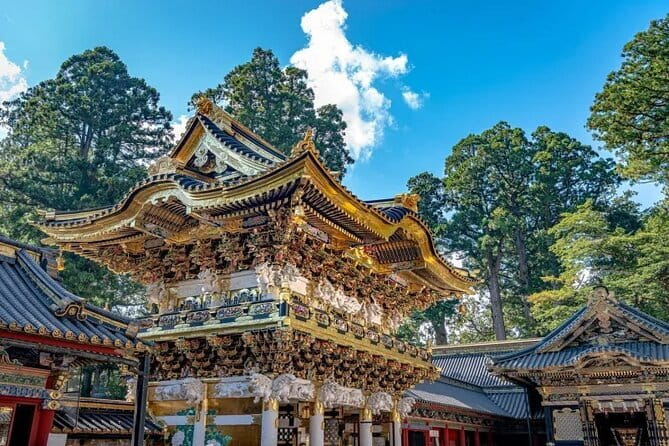
- Nikko Toshogu Shrine World Heritage details tied to Tokugawa Ieyasu, including the Mingyang Gate and Tang Gate
- Iroha Mountain Road with 48 turns on the Nikko City to Lake Chuzenji drive
- Akechipingira Observatory access by cable car to an altitude of 1373 meters
- Lake Chuzenji in all seasons (azaleas in spring, red leaves in autumn, snow in winter)
- Kegon Falls timing that gives you a focused photo stop without eating the whole day
Nikko Toshogu Shrine: a Tokugawa shrine you can understand fast
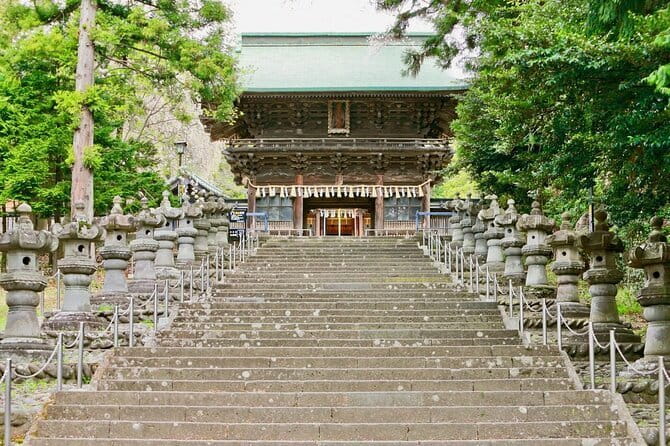
Nikko Toshogu Shrine is the headline stop, and for good reason. It is the headquarters shrine for Toshogu Shrine, honoring Tosho Ogongen, which is the enshrined figure associated with Tokugawa Ieyasu, the first shogun of the Edo shogunate. If you only have one day, this is where the symbolism, carving, and mountain-setting all land at once.
What I like is that you get time to actually look instead of just passing through. You have about 2 hours here, and admission is listed as free. The shrine complex is built against the Nikko Mountains, so the buildings feel like they belong to the terrain. You’ll also recognize the most famous gates: the Japanese-style Mingyang Gate and the Chinese-style Tang Gate. They are iconic enough that even if your Japanese is limited, you can still make sense of what you are seeing just by how the architecture signals its style.
Nikko Toshogu also has UNESCO World Heritage status under the group Shrines and Temples of Nikko. The designation dates to December 1999, which helps explain why this place draws serious crowds year-round. In fact, if your morning hits peak tour groups, the shrine area can feel packed. That matters because it affects how easy it is to spot your guide when everyone is moving at once.
Practical tip: when you arrive at the first stop, don’t assume the guide will be easy to find. Use your departure reminder email to note the pick-up time and vehicle registration number, then get oriented early. If the area is loud and crowded, standing still for a minute and confirming you are in the right group can save you a lot of stress.
You can also read our reviews of more tours and experiences in Tokyo.



The Iroha Mountain Road drive: 48 turns and big window time
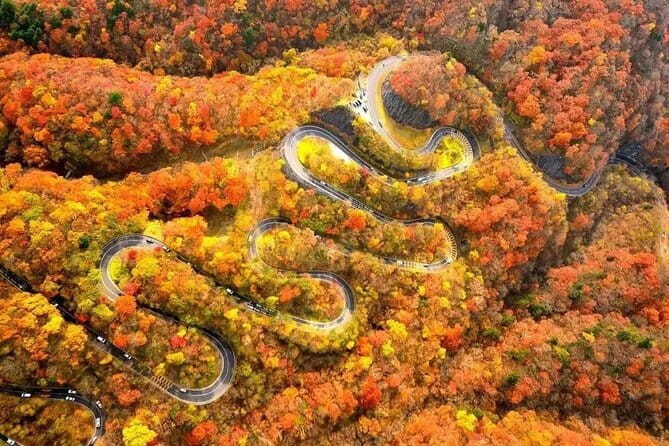
Between Nikko City and Lake Chuzenji, you’ll ride a famous road called Iroha Mountain Road. It’s listed as one of Japan’s Top 100 Roads, and it is 15.8 kilometers from Nikko City to Lake Chuzenji and Oku-Nikko. One detail that makes this drive feel like more than a transfer: there are 48 turns on the up and down route.
This isn’t just trivia. Those switchbacks are why people love Nikko. You can watch the scenery change as the road climbs, and autumn is the standout season because the mountain trails show red leaves in multiple colors. Even if your timing isn’t peak fall, the road still gives you that Nikko sense of height and distance, with viewpoints that pop up as the bus or van winds along.
Also keep in mind you may see Kegon Falls and Lake Chuzenji from the Akechipingira Ropeway area later on, so the drive sets context before the cable car and viewpoints. That way, when you reach Akechipingira, the lake and waterfall stop feel connected rather than random.
What to watch for: mountain weather moves fast. If clouds roll in, views may soften. Pack a layer even in warmer months, since the Nikko Mountains can feel cooler than Tokyo.
Akechipingira Observatory (Akechidaira): the 1373-meter view stop
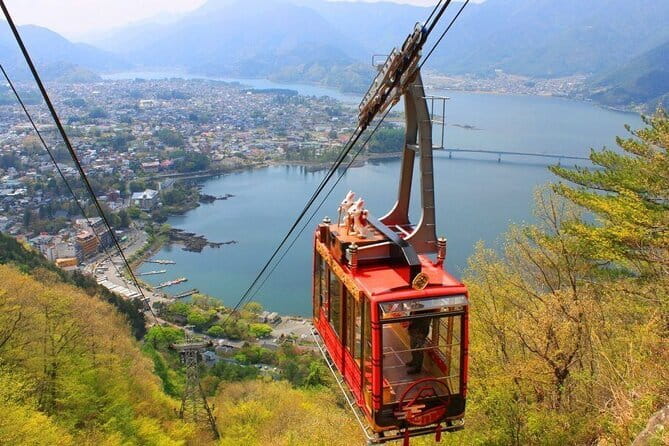
Akechipingira Observatory, also called Akechidaira observation area, is the tour’s included “wow” stop. It’s described as the most popular observatory in the Nikko area, with views over Lake Chuzenji and Huayan Waterfall. From the east side of the observatory, you can also see Pingfeng Rock, which is described as continuous cliffs, plus rolling mountains in the distance.
You get around an hour here, and the observation time is paired with a very short cable car ride. You take the cable car to reach the observatory at an altitude of 1373 meters, and the ride is listed as about 3 minutes. That makes it a good stop for families and for anyone who doesn’t want a long hike just to reach a viewpoint.
What I like about this part of the day is how the view supports the rest of your stops. From up high, Lake Chuzenji looks like the main stage, while the waterfall area sits in the background. Even if you’re not focused on geography, the altitude makes it easier to understand why Kegon Falls is worth the extra effort later.
There’s one more useful detail: the tour’s description notes that from this observatory area you can see Pingfeng Rock and distant mountains. That means you can frame photos not only with the lake and waterfall, but also with the cliff line that gives the Nikko region its dramatic feel.
Practical tip: bring a small camera strap or secure your phone carefully. Wind can kick up at altitude, and you do not want to be fighting your gear while you try to line up a shot.
Lake Chuzenji: the seasonal star you can taste in one hour
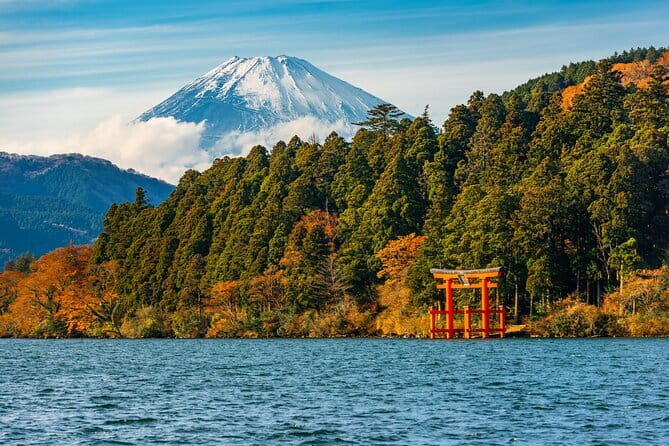
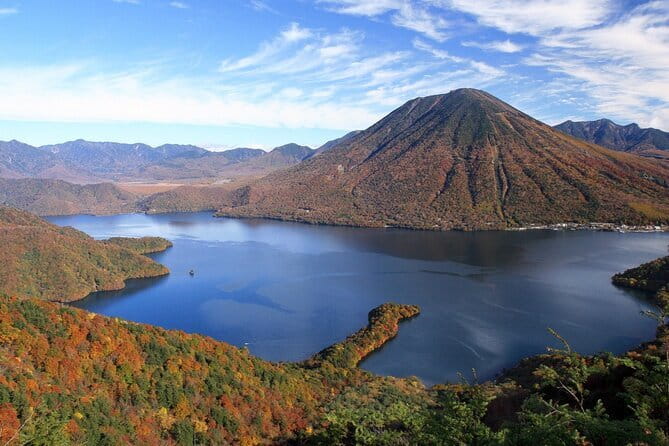
Lake Chuzenji is the next big moment, and the tour gives you about 1 hour here with admission included. This lake is described as the highest natural lake in Japan, and that claim helps explain why it feels different from most lakes you might know.
The tour highlights what you can expect across the seasons:
- spring: azaleas
- summer: green trees
- autumn: red leaves
- winter: snowy scenery
Even without knowing the exact month you’re traveling, you can see the pattern: this lake is set up for repeat visits. The seasonal plants create a different photo story each time, and in spring and autumn, the tour description notes a steady stream of visitors who come specifically to photograph the colors.
What makes this time slot smart is the balance. One hour doesn’t let you do everything around the lake, but it does let you:
- grab a few viewpoints,
- take photos,
- and reset before Kegon Falls.
You’ll likely feel the crowd energy during the seasonal peaks. That’s normal for Nikko. If you want calmer photos, aim to start walking as soon as you arrive at the lake stop rather than waiting for everyone to drift toward the most obvious spots.
Family-friendly note: Lake Chuzenji works well for kids because you can choose your walking pace. You don’t need to commit to a long hike to enjoy the view.
Kegon Falls: 99 meters of waterfall power
Kegon Falls is one of Japan’s three famous waterfalls and a major Nikko National Park destination. Here, you get a shorter stop of about 30 minutes, with admission listed as free.
Why 30 minutes is enough: Kegon Falls is highly visual. The waterfall is fed by water from Chuzenji Lake, which flows toward the Ojiri River at the eastern end. The description says the water crosses Mount Nantai and then drops from a height of 700 meters, with the main waterfall segment at about 99 meters high.
Then there’s the shape detail that helps you recognize what you’re seeing. The upper rock protrudes forward, and the water pours through rock gaps where 12 small waterfalls flow out. In autumn, the area becomes especially photo-worthy as red leaves blanket the surroundings.
Even if you are not traveling in peak foliage season, Kegon Falls still plays well in a short time window because the waterfall itself does the work. You can stand, watch, take photos, and move on without needing a long route.
Practical tip: if conditions are misty, water droplets can get on lenses fast. Bring a microfiber cloth if you have one.




Price and logistics: does $105.99 feel fair?
At $105.99 per person for an 11-hour day, the value depends on what you would otherwise pay for transport and guided timing. This tour is built as a full-day vehicle package. Included items cover:
- vehicle service fees and fuel costs,
- tolls and highway tolls,
- driver service fee,
- and vehicle service time within 10 hours (Japanese law).
So you’re paying for the one-day logistics puzzle: getting from Tokyo to Nikko, then moving between Toshogu Shrine, Akechidaira, Lake Chuzenji, and Kegon Falls.
Admission is a mixed bag. Toshogu Shrine and Kegon Falls are listed as free, while Akechidaira and Lake Chuzenji are listed as included. That mix is fairly common in Japan day trips. The key value is that you get the schedule stitched together without having to coordinate buses and timing yourself.
Two practical notes also affect value:
- Meals are not included. Lunch time is treated as part of the leftover hours after the sightseeing blocks. If you’re picky (or traveling with kids who need predictable food), you’ll want a plan for where lunch happens.
- The tour is capped at 15 travelers and uses a mobile ticket, which generally reduces last-minute friction.
One more thing: the tour operates on Tuesdays and Saturdays and requires a minimum of 4 people. That means the schedule works best if your dates align with those departure days.
Group size and the one real caution: finding your guide
This tour can be a great day when it runs smoothly. The schedule is tight enough to feel efficient, and the sightseeing choices are the big Nikko names most first-timers want.
But there is one clear operational caution based on a real experience: finding the guide can be tricky at the start. One review described the morning as crowded and hard to navigate, with an anarchic flow of tourists and no distinctive sign to identify the guide.
That’s not something you can fix from your side, but you can manage it:
- Read your departure reminder email the night before and note the pick-up time and contact info.
- Arrive at the meeting area early enough to orient yourself.
- If you see multiple buses or groups, stand back for a minute and confirm before moving into the crowd.
- Keep your valuables and passport on you during the trip.
And remember: guides do not initiate contact with guests. You wait where you’re told, then you follow the group once you’ve identified the right person.
Who this Nikko day trip is best for
This is a strong fit if you want the main Nikko sights without building a whole independent itinerary.
I’d especially recommend it if:
- you’re an adventure-minded traveler who likes scenic drives and viewpoints,
- you’re traveling with kids and want short, timed stops rather than long hikes,
- you want a day trip structure that includes a cable car viewpoint and a major waterfall,
- you prefer the comfort of a vehicle and driver rather than renting or chaining local transit.
It may be less ideal if:
- you hate crowds and want slow, flexible pacing,
- you’re the kind of traveler who likes to linger for hours at one site,
- you have a difficult time dealing with meeting points in a busy area.
Should you book this Tokyo to Nikko day tour?
If your goal is a high-impact Nikko overview—Toshogu Shrine, the mountain-road drive, Lake Chuzenji, and Kegon Falls—then this is a sensible way to do it. The schedule is designed around iconic viewing moments, and the included observation stop at Akechidaira helps you get altitude views without needing a long climb.
If you do book, go in with two expectations: crowds are part of Nikko, and the first meeting moment can take extra focus. With that mindset, you’ll spend your day seeing the best of the region instead of wrestling logistics.
Overall, I think this is worth it for first-timers, families, and anyone who wants a straightforward day trip from Tokyo that hits the headline sights without requiring planning-heavy skills.
FAQ
How long is the tour?
The tour is listed as about 11 hours.
Which days does it depart from Tokyo?
It departs on Tuesdays and Saturdays, with a minimum of 4 people.
What is included besides transportation?
Vehicle service fees, fuel costs, tolls/highway tolls, driver service fee, and vehicle service time are included. Admission is included for Akechidaira Observation Area and Lake Chuzenji, while Nikko Toshogu Shrine and Kegon Falls are listed as free.
Do I need a physical ticket?
No. This activity uses a mobile ticket.
Is there a limit on how many people are on the tour?
Yes. The maximum group size is 15 travelers.
What about luggage?
It is not recommended to carry luggage for a one-day trip. If you need luggage, register it when you book. One luggage item is allowed per person, and an extra 100 yuan per piece can apply if you did not note luggage or if more than 1 piece per guest is found.
Can I cancel for a full refund?
Yes. You can cancel up to 24 hours in advance for a full refund. If you cancel less than 24 hours before the start time, the amount paid is not refunded.