REVIEW · TOKYO
Tokyo: Matcha Tea Ceremony Experience at Japanese room in Shibuya
Book on Viator →Operated by Japan Culture Experience · Bookable on Viator
Tokyo tea culture can feel formal. This matcha tea ceremony in Shibuya keeps it calm and hands-on, so you learn etiquette while you actually whisk and taste. It’s a short 1-hour session in a Japanese room setting, capped with a guided compare of different teas, including matcha and others.
I like that you’re not just watching. You prepare your own bowl of matcha with step-by-step guidance, and that makes the basics stick fast. I also love the small-group feel (max 8), plus the instructor personalities show up in the reviews, with guides like Taku, So-Wa, and Ryota being specifically praised for friendly explanations.
One possible drawback: you’ll be in and out quickly. With about 1 hour total, you get a solid taste of the tradition, but it’s not the kind of deep, multi-hour ceremony some people expect.
In This Review
- Key Highlights You’ll Care About
- A Calm Matcha Lesson in Shibuya’s Japanese Room
- Price and What You Actually Get for $32.58
- Getting There: The Shibuya Meeting Point That’s Easy to Find
- The Ceremony Flow: Etiquette, Matcha Prep, Then Taste
- Learning the manners step by step
- Making your own bowl of matcha
- Traditional sweets, when included
- The Tea Tasting Part: Comparing Flavors, Not Just Sipping
- Small Group Size Means Better Attention
- Who This Matcha Ceremony Is Best For (And Who Might Not Need It)
- Practical Tips for Getting the Best Experience
- Should You Book This Matcha Tea Ceremony Experience?
- FAQ
- How long is the Tokyo matcha tea ceremony experience?
- Where does the experience take place?
- How many people are in the group?
- Do I get to make matcha, or is it only watching?
- Will I taste more than one tea?
- What is the cancellation policy?
Key Highlights You’ll Care About
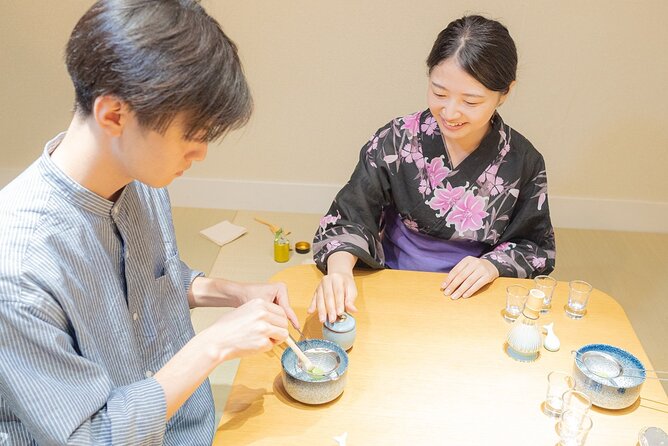
- Hands-on matcha preparation instead of sitting there and hoping it clicks
- Beginner-friendly etiquette explained in plain, usable steps
- Three-tea tasting so you can compare flavors, not just sip
- Helpful instructors named in reviews like Taku, So-Wa, and Ryota
- Small group size (up to 8) for better attention and questions
A Calm Matcha Lesson in Shibuya’s Japanese Room
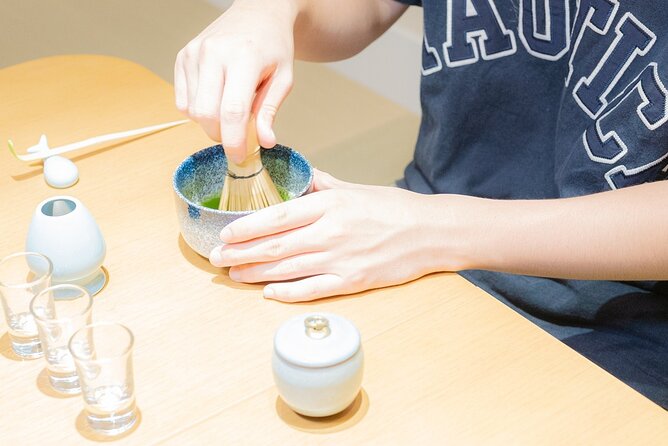
Shibuya is loud most of the time, so it’s a little magical to step into a quieter Japanese-room setting for a matcha tea ceremony experience. The whole point is to slow down for about an hour and learn the way tea culture uses manners, attention, and small gestures to create a more mindful moment.
What makes this one especially practical is that it’s not only about etiquette as theory. You’re guided through what to do, then you do it. That’s how I’d want to learn anything in Japan: watch briefly, try yourself, and get corrected gently.
You’ll also get a real comparison of teas, not just one cup. Reviews highlight that the session includes tasting multiple teas (often described as three), which helps you understand why matcha gets the spotlight and where other Japanese teas fit on the flavor map.
And yes, the vibe is meant to feel welcoming. People specifically mention it as relaxed and beginner-friendly, which matters because tea ceremony settings can sound intimidating before you arrive.
You can also read our reviews of more tours and experiences in Tokyo.



Price and What You Actually Get for $32.58
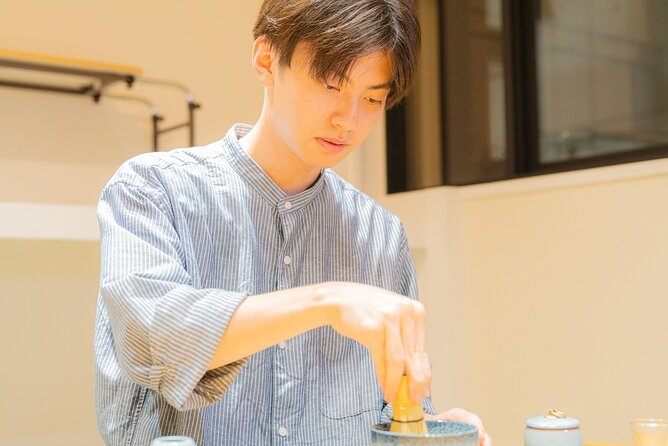
At $32.58 per person for about 1 hour, this sits in the “worth it if you’ll actually use it” category. You’re paying for three things that combine well:
- Instruction plus participation: You prepare your own bowl, so you’re not paying only for ambiance.
- Tea tasting as a learning tool: Comparing teas during the same session gives you quick context.
- A small group format: With a maximum of 8 travelers, it’s easier to ask questions and get hands-on help.
For tea lovers, the value is straightforward. You don’t just drink matcha; you learn how the ceremony frames the experience and how different teas taste when you’re paying close attention. One review even mentions learning about hojicha and becoming a fan after the tasting. That kind of outcome is exactly what you want from a short activity in Tokyo.
For first-timers, the value is also clear because the format is short enough to fit into a busy itinerary. You can do this on the same day you explore Shibuya and still feel like you made time for something genuinely Japanese rather than just another photo stop.
Getting There: The Shibuya Meeting Point That’s Easy to Find
The meeting point is listed at 2-chōme-14-13 Shibuya, Tokyo 150-0002. The good news is that it’s stated as near public transportation, so you’re not stuck with the kind of location that turns into a half-hour detour.
This matters because you’ll want your brain switched on when you arrive. Tea ceremony etiquette is easiest when you’re not rushing, and it’s much more enjoyable when you can take a breath before you start.
You’ll also receive a mobile ticket, which is convenient on a smartphone. In Japan, that’s one less thing to manage, especially if your day is full of trains, stations, and quick transfers.
The Ceremony Flow: Etiquette, Matcha Prep, Then Taste
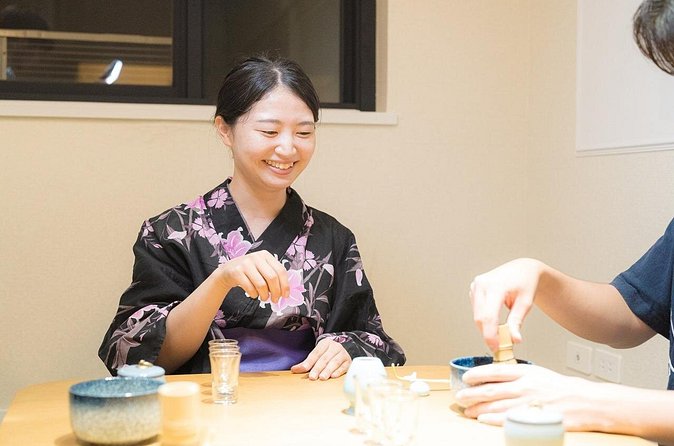
This experience is built around a simple cycle: etiquette → your matcha → compare teas. That order is smart. It keeps you from feeling lost, and it gives you a reason to pay attention to the tea once you’re the one making it.
Learning the manners step by step
You’re guided through basic Japanese tea ceremony etiquette in a calm, welcoming atmosphere. Even if you’ve never done anything like this, the instruction is designed to be approachable. Reviews repeatedly describe the experience as relaxed and enjoyable, with instructors answering questions and explaining both traditional and modern angles of Japanese tea culture.
In practical terms, etiquette lessons are what keep this from becoming just a drink-making class. The ceremony is partly about tools and technique, but it’s also about timing, posture, and the gentle rhythm of serving and receiving tea.





Making your own bowl of matcha
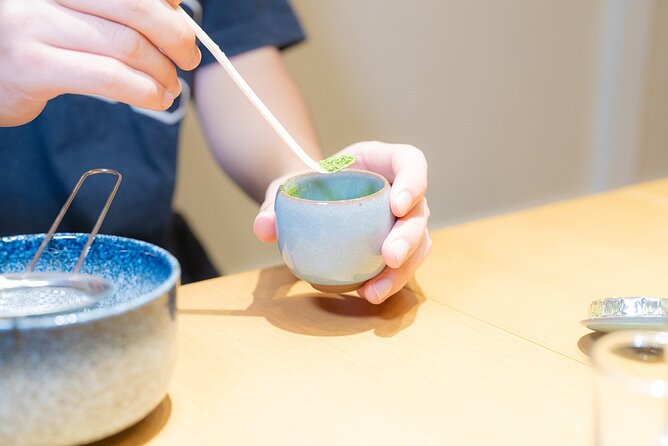
Then you move from learning to doing. You’ll prepare matcha yourself under instructor guidance, learning the essential techniques step by step. This is the moment where it stops being theoretical.
Matcha preparation can feel slightly technical if you’ve only ever bought it as bottled powder. In a guided setting, you get correction in real time, and that makes the difference between a watery bowl and a cup that feels right in texture and taste.
One of the strongest themes in the reviews is that people felt they got help making the perfect cup. If you care about doing something correctly (or you just want to avoid embarrassing mistakes), this format is reassuring.
Traditional sweets, when included
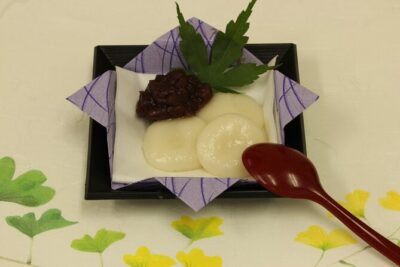
One review specifically mentions matcha being accompanied by traditional sweets. That’s not detailed in every listing line, but since it’s directly mentioned in the experience feedback, it’s worth expecting you might be offered something sweet alongside your matcha. If so, it’s a classic pairing that helps you notice the tea’s bitterness and balance it with flavor.
The Tea Tasting Part: Comparing Flavors, Not Just Sipping
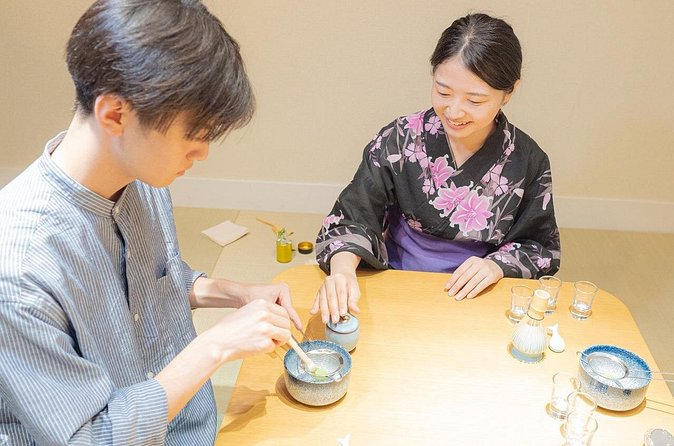
The tasting segment is the practical payoff for most people. You learn by tasting in sequence, and you start noticing how each tea has its own personality.
The experience description says you’ll taste different kinds of Japanese tea and compare flavors while learning the tradition behind them. Reviews add detail by pointing to teas like hojicha and describing how people leave with new favorites.
Here’s how I’d use this section to your advantage: treat it like a mini flavor lab. When you taste each tea, think about:
- How it smells right away
- How it feels on your tongue (light, thick, smooth, or drying)
- Whether it’s more nutty, smoky, or green and grassy
- How it changes when you sip slowly
Because it all happens in one session, you’ll build a quick mental comparison that makes it easier to buy tea later in Japan. You’ll know what you like and why, instead of grabbing the prettiest package.
And since the experience is structured for beginners, you don’t need a tea vocabulary to participate. The instructors can explain what you’re tasting while you taste it.
Small Group Size Means Better Attention
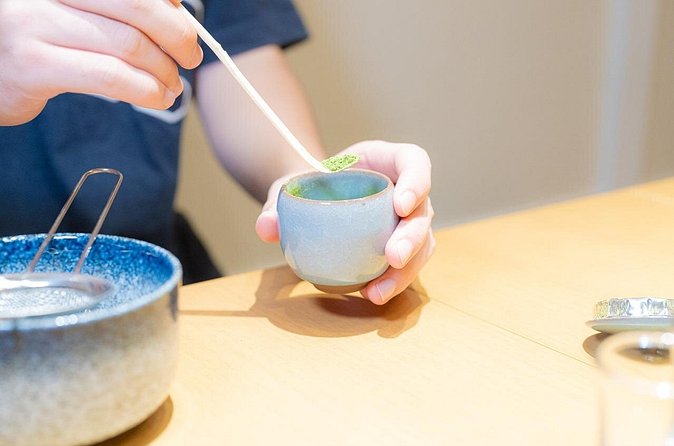
A maximum of 8 travelers is a big deal for a tea ceremony. With a group this size, you’re less likely to get stuck waiting your turn while the instructor addresses everyone else.
It also creates a friendlier tone. Reviews highlight that the sessions feel full of friendship and harmony, and that the teachers are happy to answer questions. That’s exactly what you want in a cultural activity: you learn more because you feel comfortable asking.
If you’re the type who worries about doing things wrong, small group instruction helps. You can get corrected during the parts that matter most—especially when you’re whisking matcha.
Who This Matcha Ceremony Is Best For (And Who Might Not Need It)
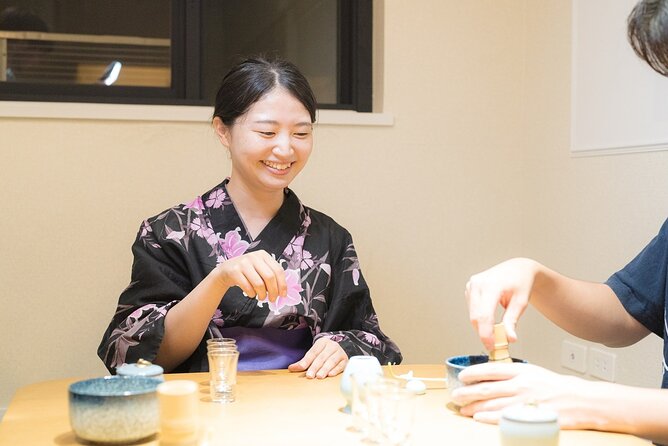
This experience is a strong match for:
- First-timers who want a gentle introduction to Japanese tea ceremony basics
- Tea lovers who want hands-on matcha prep plus a tasting comparison
- Beginners who need step-by-step guidance rather than watching from the sidelines
- Anyone building a Tokyo itinerary that includes at least one meaningful cultural activity
It might be less ideal if:
- You’re looking for a long, full-length ceremony with extended symbolism and multiple courses. This is about 1 hour, so it’s a short-format experience.
- You only want matcha and don’t care about learning etiquette or tasting other teas.
If you fall into either of those groups, you may still enjoy it, but you should go in with the right expectations.
Practical Tips for Getting the Best Experience
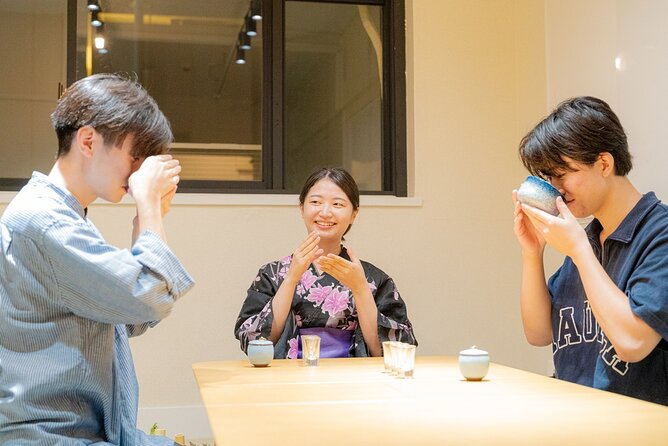
I’d plan your time so you arrive with a calm buffer. Tea ceremony etiquette is easiest when you’re not rushing. If you’re hopping off the train and sprinting, your experience will feel stressful even if the instructor is kind.
A few other common-sense points that help:
- Wear something comfortable for sitting and standing in a calm room setting.
- Keep your phone put away once the lesson starts. You’ll learn more when you’re fully present.
- Ask questions. In reviews, instructors like Taku are praised for answering and explaining, including topics like matcha and hojicha.
Also, remember that instructors may vary by session. Reviews specifically call out Taku, So-Wa, and Ryota, which suggests different teachers can lead the experience. Either way, the theme is consistent: clear guidance and a friendly approach.
Should You Book This Matcha Tea Ceremony Experience?
If you want a short, authentic-feeling Japanese tea experience in Tokyo that’s more than just a performance, I’d book it. The best reason is simple: you make matcha yourself, then you taste and compare teas right after. That combination is what makes the hour feel like a real learning experience rather than a quick tourist stop.
Go for it if you like:
- hands-on cultural activities
- calm moments inside a busy city
- learning basics you can carry home (like how to think about matcha vs other Japanese teas)
Skip it only if you’re looking for a longer, more ceremonial multi-hour program. For most schedules in Tokyo, this hits the sweet spot: practical, guided, and memorable without swallowing your whole day.
Cancellation is free up to 24 hours in advance of the experience start time, so you can book now and adjust if your Tokyo plans change.
FAQ
How long is the Tokyo matcha tea ceremony experience?
It lasts about 1 hour (approx.).
Where does the experience take place?
You meet at 2-chōme-14-13 Shibuya, Tokyo 150-0002, Japan. The activity ends back at the meeting point.
How many people are in the group?
There is a maximum of 8 travelers.
Do I get to make matcha, or is it only watching?
You’ll prepare matcha yourself with hands-on instruction from the instructor.
Will I taste more than one tea?
Yes. The experience includes tasting and comparing different kinds of Japanese tea, with reviews describing tasting multiple teas.
What is the cancellation policy?
Cancellation is free if you cancel at least 24 hours before the experience starts. Less than 24 hours before the start is not refundable.