REVIEW · TOKYO
Sushi-Making Experience
Book on GetYourGuide →Operated by True Japan Tour · Bookable on GetYourGuide
Sushi lessons feel surprisingly doable. In this 2-hour workshop in Honshu, you’ll make nigiri, gunkan, and hosomaki step by step, then sit down to eat your own sushi with Japanese dining etiquette. I especially like the hands-on focus and the fact you get two sushi-making kits to keep practising after class. One catch: there’s no hotel pickup, so you’ll need to get yourself to the meeting point.
The class is built for small groups (up to 10), and the instructor works in English. You’ll also learn how different sushi condiments and sauces fit into the meal, not just how to roll rice and seaweed.
If you’re counting on a super flexible schedule, note it runs a set 2-hour block. Still, for beginners and returning fans alike, this is a smart way to get real technique quickly—without the pressure of a full restaurant experience.
In This Review
- Key things you’ll love in this sushi workshop
- Sushi-making that actually teaches, not just entertains
- Getting to the meeting point near Tokyo Tower
- The 2-hour flow: from demo to your own sushi at the table
- Three sushi techniques you’ll practise (and why it’s worth doing all)
- Nigiri zushi: hand-formed basics
- Gunkan maki: shaping with a filling mindset
- Hosomaki zushi: getting your roll tight and even
- Sushi sauces and condiments: tasting with context
- Two take-home kits: real practice beats memory
- Price and value: why $106 makes sense here
- Who should book this sushi class—and who might not need it
- Final call: should you book?
- FAQ
- How long is the sushi-making experience?
- What kinds of sushi will I make during the class?
- What’s included in the price?
- Do I get sushi kits to take home?
- What language is the instructor?
- Where do I meet the instructor?
- Is hotel pickup included, and can I cancel?
- Is the workshop wheelchair accessible?
Key things you’ll love in this sushi workshop
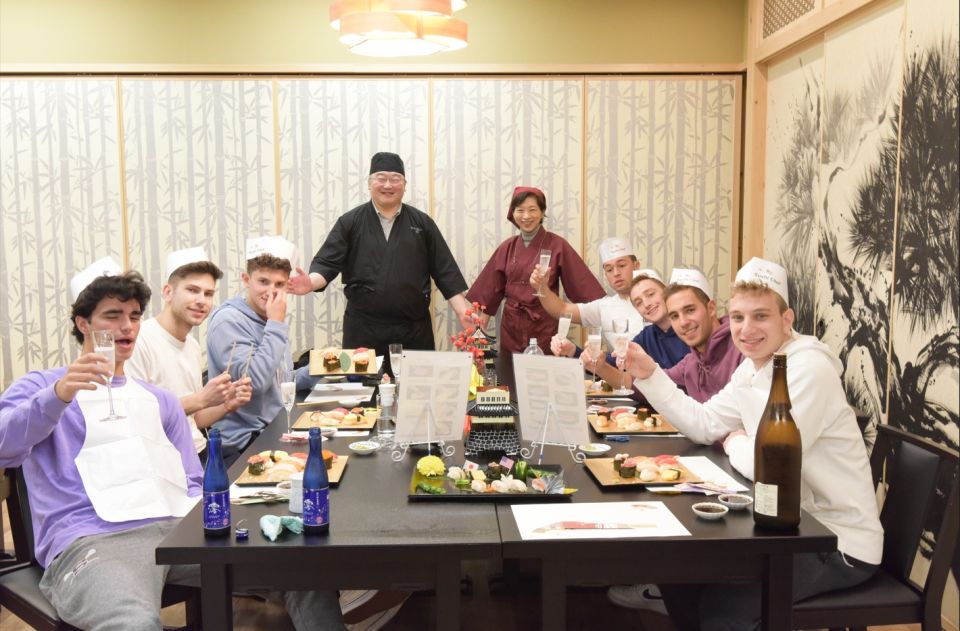
- Three sushi types in one session: nigiri zushi, gunkan maki, and hosomaki zushi
- Small group coaching: limited to 10 participants, with expert help while you practise
- Two take-home kits: practise again at home with easy-to-use tools
- Sushi meal included: you’ll sit down with what you made and use traditional condiments
- Japanese dining etiquette: learn the rules of the table, not just the food
- Tokyo Tower area meeting point: easy reference landmark, with a backup check-in inside the building
Sushi-making that actually teaches, not just entertains
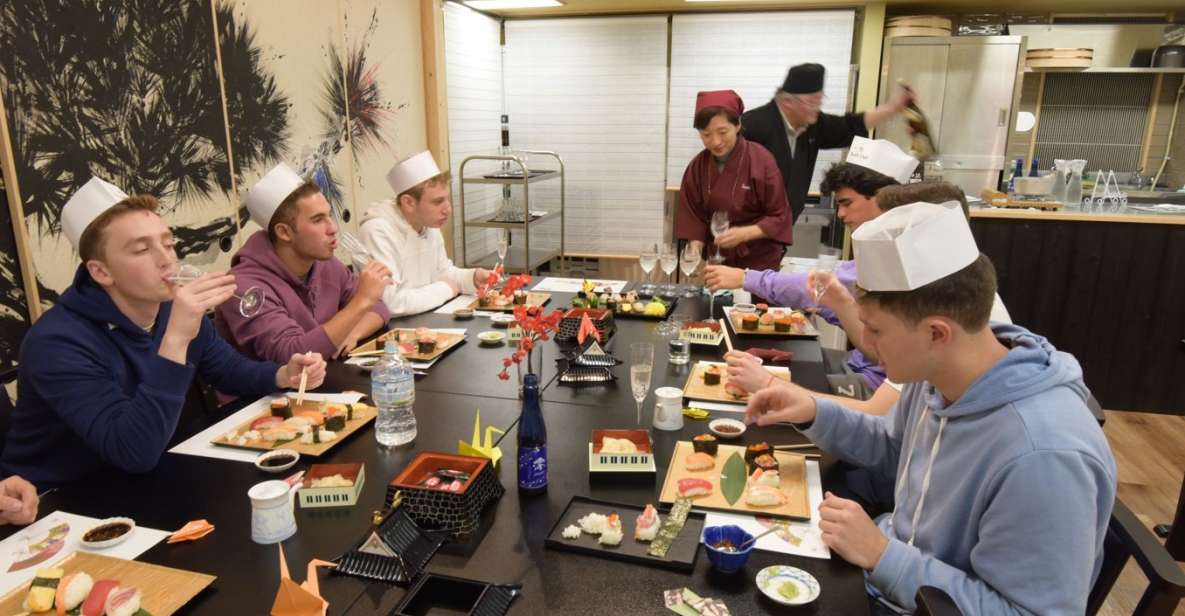
A lot of food classes end with you holding a finished plate and a blurry photo. This one is different because the goal is skill. You start with an overview of sushi in Japanese culture, then you get ingredients ready, watch a demonstration, and practise the core methods with help close by.
That matters because sushi is a craft where small details change everything: rice handling, how you form pieces, and how you build the roll. With three techniques in one workshop, you’re not just repeating one motion—you’re learning the basic toolkit behind popular sushi styles. And when you’re learning in a small group, you’re less likely to get stuck watching everyone else and hoping your turn comes soon.
Also, the class isn’t only about making. You finish by eating your sushi as a meal and learning Japanese dining etiquette. That pairing is practical. You don’t just learn sushi as a show—you learn sushi as part of a real dining routine.
You can also read our reviews of more tours and experiences in Tokyo.



Getting to the meeting point near Tokyo Tower
Plan on meeting your instructor at the main entrance of the Kiaki Shinko Kaikan building on the 1st floor. The building is directly opposite Tokyo Tower, which makes it easy to orient yourself when you’re walking around that side of town.
If you can’t find your instructor right away, there’s a clear backup: visit True Japan Tour (Room B109) on the B1 floor inside the same building. This is the kind of detail that saves time and stress, especially in Japan where buildings can be multi-level and entrances can look similar.
One small practical note: since hotel pickup and drop-off aren’t included, you’ll want to leave yourself a little buffer time. Tokyo is easy to navigate, but you don’t want to arrive late and feel rushed before you even start rolling rice.
The 2-hour flow: from demo to your own sushi at the table
This workshop runs for 2 hours, and the schedule is tight in a good way. You start by meeting your friendly chef and group, then get a quick overview of sushi’s place in Japanese dining. It’s brief, but it sets the tone: you’re not just cooking—you’re learning a cultural food practice.
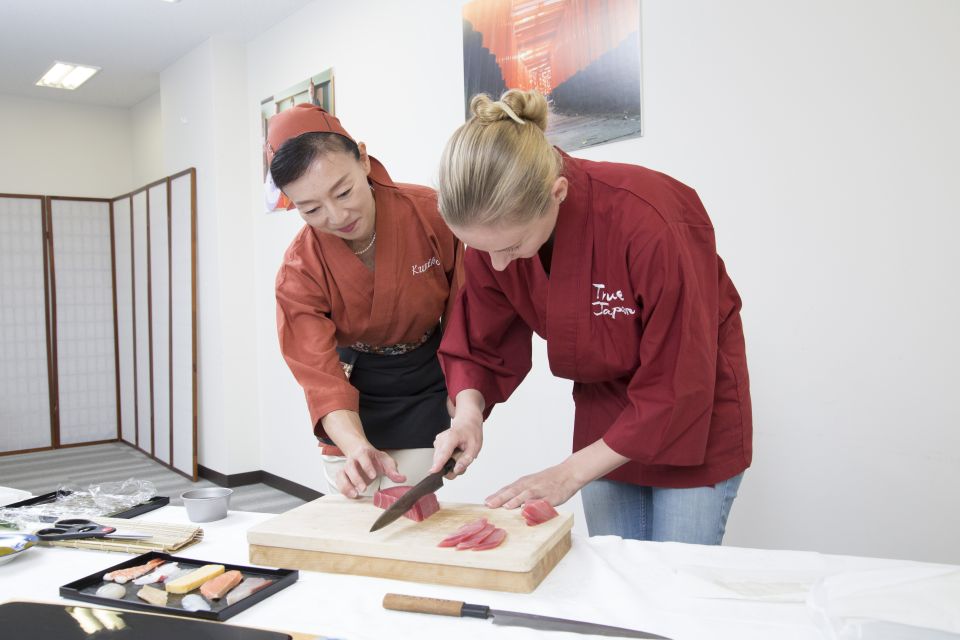
From there, you’ll prep ingredients. That hands-on prep is useful because it shows you what you’re working with and why it’s handled the way it is. Next comes a demonstration where you watch the key methods first. This is where instructors often cover the small steps that you’d miss if you tried to figure everything out on your own.
Then you practise with expert help. You’ll be making three types of sushi:
- Nigiri zushi
- Gunkan maki
- Hosomaki zushi
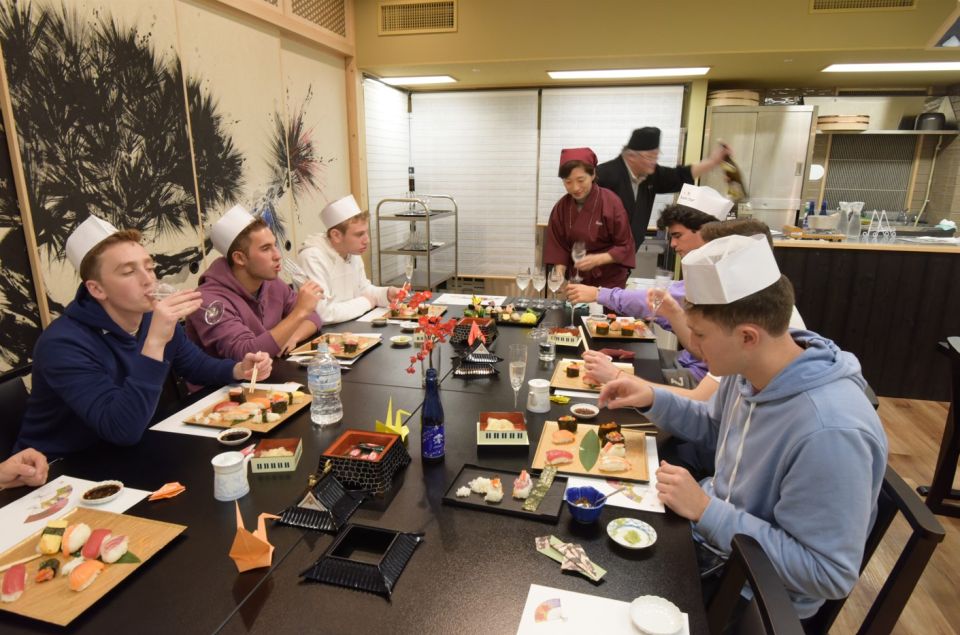
Once your photo-worthy sushi is finished, you sit down to eat. The meal part is key, because it turns your work into something you can judge: texture, balance, and how well the sushi condiments go with what you made.
Then the icing on the cake is Japanese dining etiquette. You’ll learn how to handle the meal in a way that fits local table manners—helpful whether you’re a first-timer or you just want to stop guessing when you order sushi in Tokyo.
Three sushi techniques you’ll practise (and why it’s worth doing all)
Learning three sushi styles sounds ambitious for a 2-hour class, and it is. But that’s exactly why it’s good value for your time: you walk out with transferable technique rather than one repeated shape.
Nigiri zushi: hand-formed basics
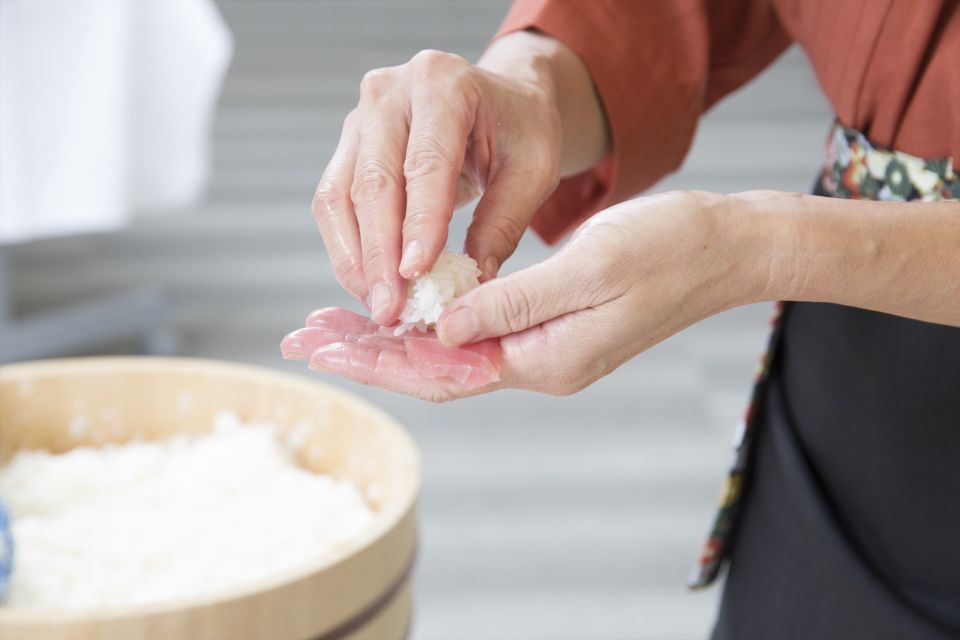
With nigiri, the focus is forming rice and pairing it with a topping properly. In class, your goal is to learn the method so the pieces look neat and feel balanced. Even if you’re a beginner, practising the hand-forming step teaches you how rice should hold together and how to build a clean bite-size piece.





Gunkan maki: shaping with a filling mindset
Gunkan maki is a different challenge because you’re working with a structure that holds a topping or filling. Instead of thinking only about the rice shape, you’re learning how to create a base that can hold onto sauces and textures without falling apart. This is a fun one for people who like hands-on problem-solving.
Hosomaki zushi: getting your roll tight and even
Hosomaki is the thin roll style, and the main skills are rolling control and consistency. You’re learning how to assemble the roll, roll it smoothly, and end up with pieces that cut cleanly enough to look good and eat well.
Doing all three means you’ll understand sushi as a set of methods. Next time you see nigiri, gunkan, or hosomaki on a menu, you’ll recognise the craft behind the presentation.
Sushi sauces and condiments: tasting with context
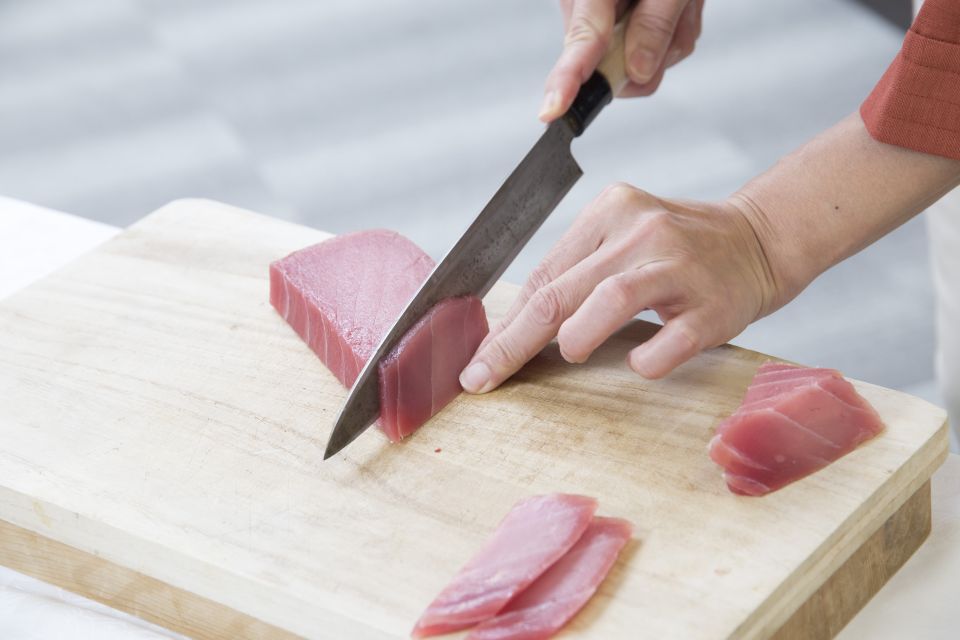
One of the smartest parts of this workshop is that you don’t just build sushi—you learn to eat it. The class includes trying different flavors with a variety of sauces traditionally paired with sushi. That matters because sushi can taste very different depending on what you pair it with and how you balance salty, savoury, and tangy notes.
In practice, this is what you should look for while eating:
- How the condiment changes the bite (especially when you’re tasting your own nigiri or roll)
- Whether the sauce feels designed to complement the topping rather than overpower it
- How you should experience sushi as a meal, not a snack
You’re also learning Japanese dining etiquette during the meal. Etiquette sounds formal until you realise it’s mostly about keeping things tidy, respectful, and straightforward—so you can enjoy the food without awkward guesswork.
Two take-home kits: real practice beats memory
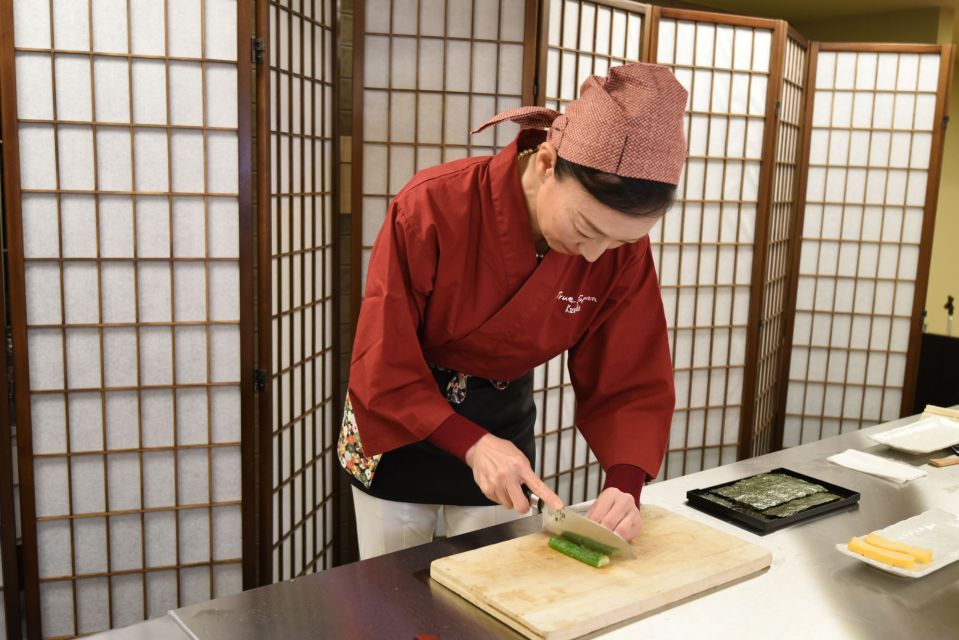
The workshop includes two easy-to-use sushi-making kits to keep practising at home. That’s a big deal for value, because your first “I made sushi” moment usually fades fast unless you repeat the steps.
With kits in your kitchen, you get a second phase of learning. You can review what you did right, what felt awkward, and what you want to try again with better rhythm.
For you as a traveller, this also changes what the experience feels like. Instead of a one-and-done activity, it becomes a skill you can bring into your trip’s “afterglow” at home—especially if you’re the type who likes cooking even on vacation.
Price and value: why $106 makes sense here
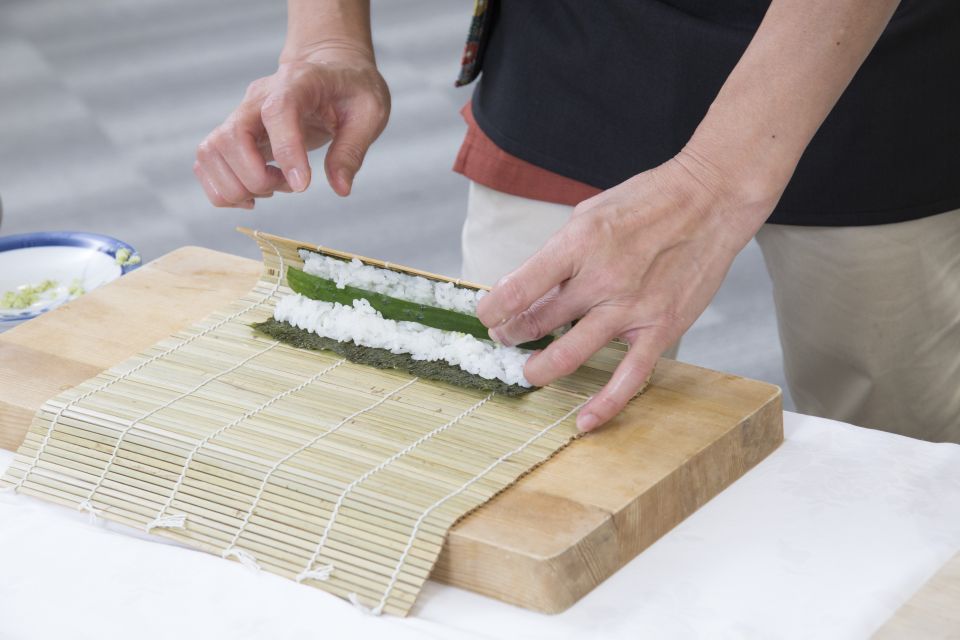
At $106 per person for a 2-hour workshop, it’s fair to ask what you’re actually paying for. Here’s what you get: a workshop with a nationally-accredited sushi instructor, ingredients, a sushi meal, and two take-home kits. On top of that, you’re learning three sushi styles and dining etiquette in English, in a small group limited to 10.
If you tried to recreate this experience on your own, you’d still need ingredients, a way to learn technique, and time for practice. A kit helps, but the real cost is usually your learning curve. This class compresses that learning curve into two hours with instruction and guidance while you work.
One thing to consider: hotel pickup isn’t included. That doesn’t make the price bad—it just means you should budget a bit of time for transit and arrive ready to start.
Who should book this sushi class—and who might not need it
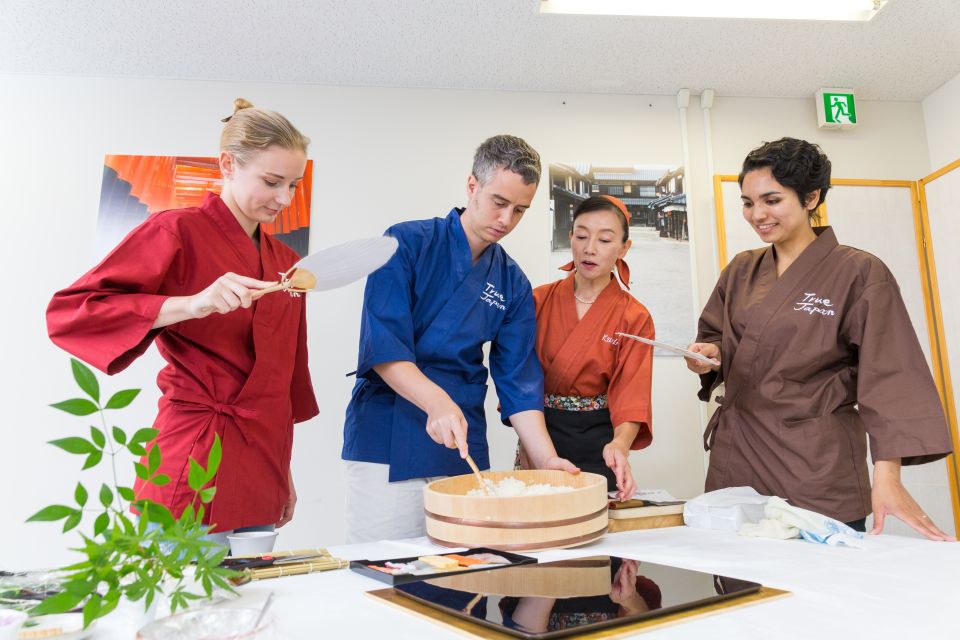
This workshop is ideal if you:
- Want real sushi technique without needing advanced cooking skills
- Like food experiences that also teach table manners and culture
- Are curious about sushi beyond ordering it and eating it
- Prefer small-group instruction where you can get help while practising
It may be less ideal if you want a long, slow class with lots of free time for experimentation. The structure is intentionally compact: you’ll learn, practise, eat, and leave with kits for follow-up.
Final call: should you book?
I’d book this if you want a high-structure, hands-on sushi lesson that ends with a real meal and then gives you tools to practise again. The biggest strengths are the small-group setup, the focus on three sushi styles, and the fact you leave with kits—not just memories.
If you’re okay taking transit on your own and you can get to Kiaki Shinko Kaikan near Tokyo Tower, this is a smart, practical way to spend two hours in Tokyo and come away with skills you’ll actually use.
FAQ
How long is the sushi-making experience?
The workshop lasts 2 hours.
What kinds of sushi will I make during the class?
You’ll learn techniques for three types of sushi: nigiri zushi, gunkan maki, and hosomaki zushi.
What’s included in the price?
The price includes the workshop with a nationally-accredited sushi instructor, ingredients, a sushi meal, and two sushi-making kits.
Do I get sushi kits to take home?
Yes. You receive two easy-to-use sushi-making kits so you can practise at home.
What language is the instructor?
The instruction is in English.
Where do I meet the instructor?
Meet the instructor at the main entrance of the Kiaki Shinko Kaikan building on the 1st floor. If needed, you can also check at True Japan Tour, Room B109, on the B1 floor.
Is hotel pickup included, and can I cancel?
Hotel pickup and drop-off aren’t included. You can cancel up to 24 hours in advance for a full refund. You can also reserve now and pay later.
Is the workshop wheelchair accessible?
Yes, the activity is wheelchair accessible.