REVIEW · TOKYO
Samurai Experience – Learn Bushido through Kendo, in Tokyo
Book on GetYourGuide →Operated by Kendo Spirit · Bookable on GetYourGuide
A shinai can change your posture fast. What makes Samurai Experience stand apart is the way it starts with etiquette and intention before you ever swing a sword, then builds toward a Ki–Tai–Ken drill flow and a real kendo match. I especially like the small-group feel (up to 8), and the way English instruction keeps the pace clear even if you are totally new. One thing to consider: it is a workout, and putting on protective gear plus sparring takes effort, so you’ll want to come ready to move.
If you want the Japan beyond photos, this is built for that. The dojo time is structured around Bushido principles you practice with your feet, your breath, and your control, not just your arms. I also like that they handle the gear for you, plus drinks and souvenirs are included. The potential drawback is mostly practical: the class runs close to the 2-hour mark with continuous training energy, so plan your day around it.
In This Review
- Key Points That Matter Before You Go
- Why Bushido Starts With a Bow, Not a Sword
- Ki, Tai, Ken: The Three-Core Model You Actually Use
- Your 2-Hour Flow: From Footwork to Protected Sparring
- Etiquette, rules, and mindset
- Controlled movement drills
- Shinai technique in stages
- The match and the pressure test
- Meet the Sensei Energy: Clear English and Patient Corrections
- What the Armor Teaches You About Control
- Price and Value: Why $103 for 2 Hours Can Make Sense
- Getting to the Dojo Near Tokyo Station
- Who This Is Best For (and Who Should Skip It)
- Should You Book This Samurai Experience?
- FAQ
- Is the kendo experience in English?
- Where is the dojo in Tokyo?
- Do I need kendo experience to join?
- What should I bring?
- Do I get photos or videos after the session?
- What is the group size?
- Can I book a private session?
- Is the class only for athletic people?
- Can I cancel and get a full refund?
- Are alcohol and drugs allowed?
Key Points That Matter Before You Go
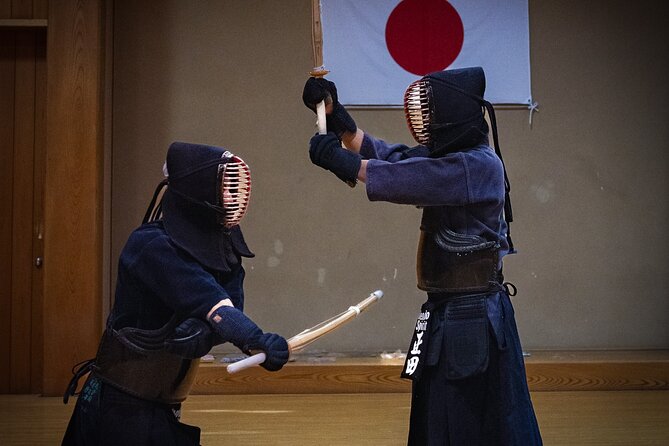
- You learn the sequence: calm mind and bowing first, then Ki, Tai, Ken, then Ki-Ken-Tai-Itchi as a single idea.
- Small group, real coaching with up to 8 participants, so you get corrections and pacing that fit beginners.
- A real match moment at the end, with instructors demonstrating intensity and control.
- English-led explanations while still respecting Japanese budo culture and commands.
- Everything is provided, including kendo attire, shinai, and protective equipment during training.
- Photos and video are included and sent by email after the experience.
Why Bushido Starts With a Bow, Not a Sword
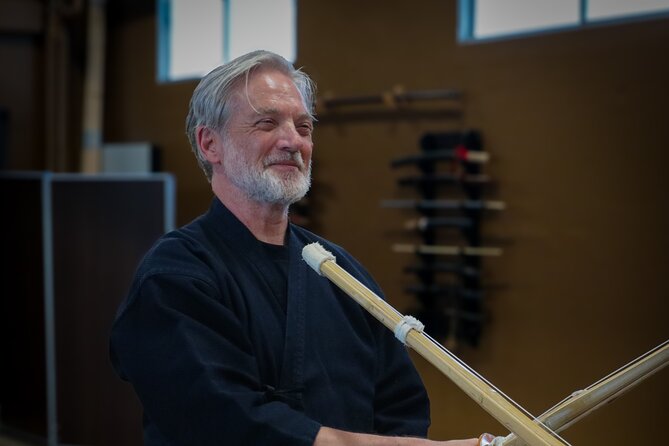
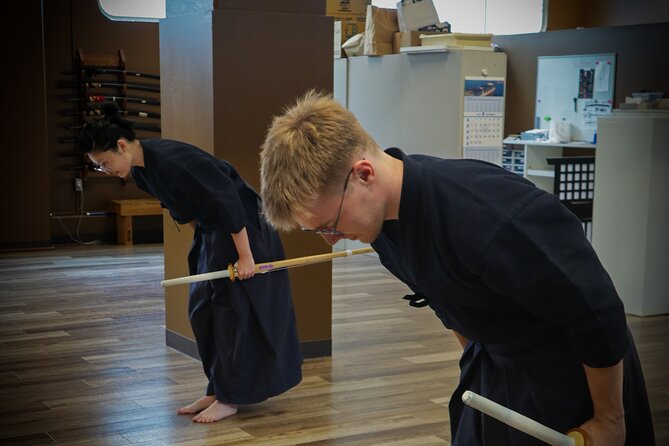
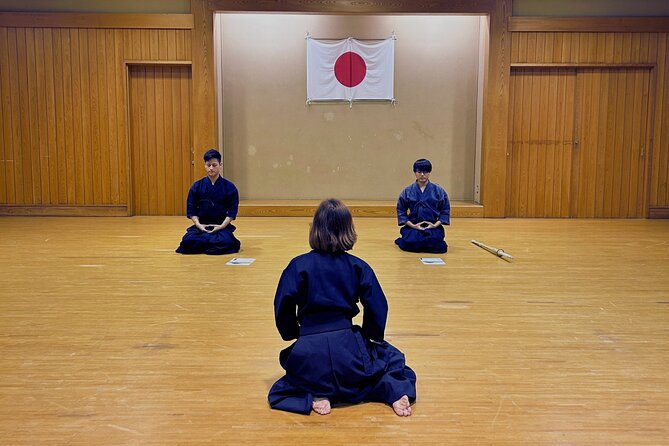
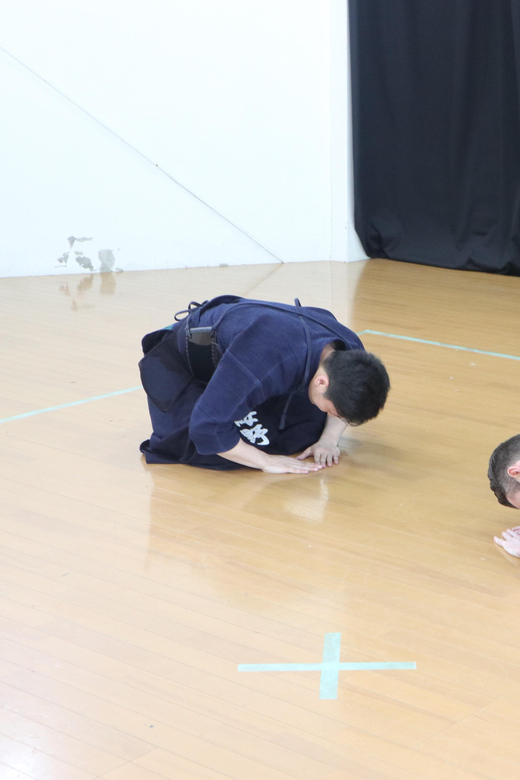
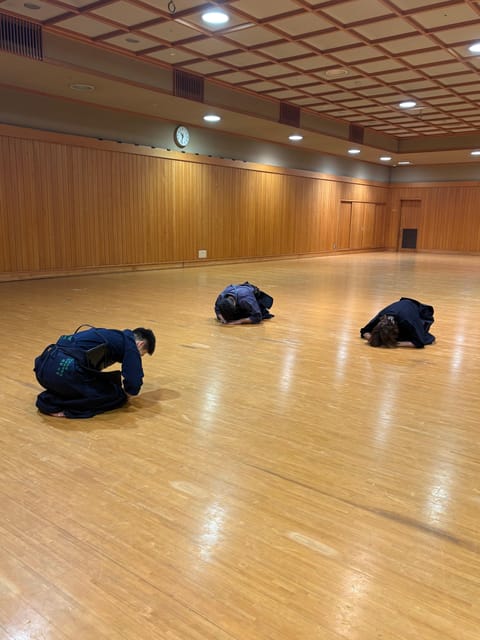
In many tourist-style activities, you start with the props. Here, the training starts with your mindset. Before any shinai work, you calm down, bow, and learn that respect is not a script. It is how you face other people, including your opponents, your instructors, and even the room.
That matters because kendo is built on discipline. If you come in expecting a casual sword lesson, the first minutes might feel stricter than you expect. But that early formality is the point: it sets the tone for controlled movement later, including how you enter and exit training safely and respectfully.
You can also read our reviews of more tours and experiences in Tokyo.



Ki, Tai, Ken: The Three-Core Model You Actually Use
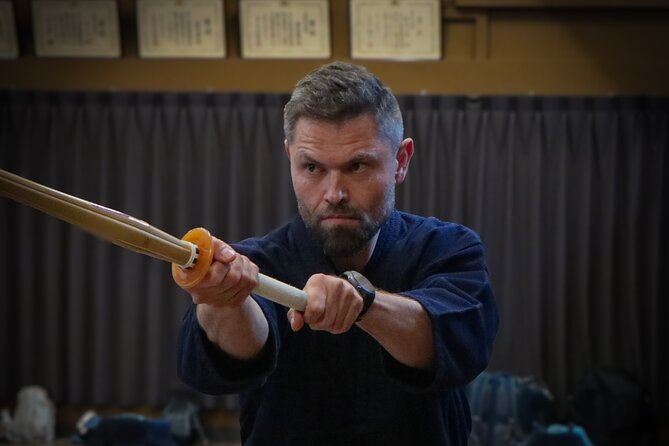
The experience teaches kendo through a simple framework: Ki (spirit), Tai (body), and Ken (sword). Instead of treating these as separate topics, you practice them as a progression, then tie them together as Ki-Ken-Tai-Itchi—spirit, sword, and body working as one.
- Ki is about presence and focused intent. It is not about anger. It is about staying centered while you commit.
- Tai is about being grounded. Your footwork and balance come first so your strikes come from structure, not just force.
- Ken is the sword work. You learn how to hold the shinai, how to swing, and how to move with it.
This is one of the most practical parts of the class. You can feel the logic in your body. If your stance is shaky, the rest won’t land. If your intent is scattered, the swing will look random. By the time you get to the combined drills, you are not just copying motions—you are learning how kendo organizes power.
Your 2-Hour Flow: From Footwork to Protected Sparring
You do not start by lifting a sword and pretending. You start with the background of why kendo carries Bushido, and how modern practice still preserves the spirit shaped by samurai traditions. Then the session moves into training that ramps up in a steady way.
Etiquette, rules, and mindset
You begin with bowing and respectful behavior, practiced like muscle memory. You also learn basic kendo vocabulary and rules, so when the instructor signals, you know what it means and how to respond.
Controlled movement drills
Next come the foundation drills. Expect footwork that keeps you balanced and ready. This is where you set your base: stepping, turning, and maintaining the kind of posture that lets you react quickly without losing control.




Shinai technique in stages
Only after you have your stance and intent starts to make sense do you focus on holding and swinging the shinai. The instruction is paced so beginners can follow. Even if you have never done martial arts before, the “first you do this, then you add that” structure helps you avoid getting lost.
The match and the pressure test
Near the end, you practice everything in a match format. This is where you feel the difference between practicing alone and applying technique under pressure. Some participants are invited to challenge a veteran instructor, and the point is to feel real contact with the intensity of kendo—not to see who can do the hardest hit.
You’ll also see demonstrations that show power and control. Multiple reviews mention that it is not a staged performance. The instructors demonstrate what strong kendo looks like and how control stays intact even when it is intense.
Meet the Sensei Energy: Clear English and Patient Corrections
The class is guided by instructors who use English and Japanese. In practice, what matters to you is clarity. Several reviews call out how well steps are explained and how patiently coaches work with beginners.
In particular, sensei names like Daichi and Makoto show up repeatedly in participant feedback. You’ll feel the difference between a teacher who wants you to imitate and one who wants you to understand. Here, the emphasis is on correct fundamentals, and corrections happen often during drills.
That matters for two reasons:
1) You leave with usable muscle memory, not just a cool photo.
2) The match at the end feels safer because you already understand the rules and the posture.
What the Armor Teaches You About Control
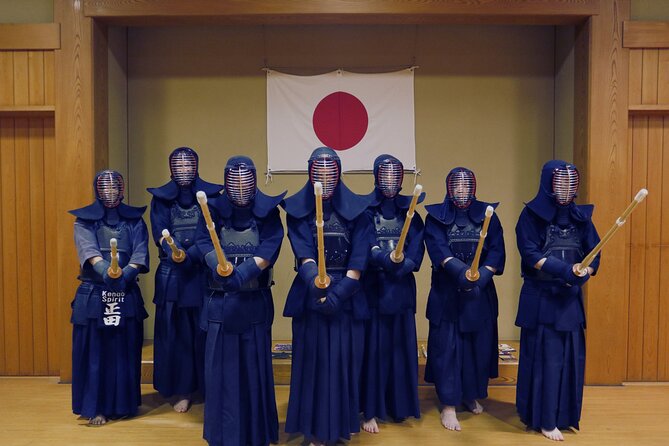
Putting on protective kendo gear changes everything. It limits certain instinctive moves and forces you to stay within proper form. Reviews describe the armor as a strong “stepping into another era” moment, but the deeper value is practical: it turns the session into controlled sparring rather than a chaotic sword play.
Once you have the helmet and pads on, you learn to keep your focus even while your body is working hard. That is a key part of the Bushido connection people talk about. The spirit of kendo is about discipline under conditions that feel intense.
If you get a moment facing an instructor in a match-like setting, you may find your brain goes quiet for a second. That freeze feeling can actually be useful. It shows you what you need to work on: readiness, breath control, and keeping your posture steady.
Price and Value: Why $103 for 2 Hours Can Make Sense
At $103 per person for 2 hours, the price is not just for the shinai. You are paying for:
- A structured lesson that starts with etiquette and spirit, not random swings
- Instruction from trained coaches (with English support)
- Equipment handling: kendo attire and bamboo sword are provided
- Protective gear for the match phase
- Drinks during the session
- Souvenirs
- Photos and videos sent by email afterward
In other words, the value comes from guided coaching plus a real application at the end. If you only want a photo opportunity in a costume, you can probably find cheaper. If you want to practice kendo fundamentals the way a real club does, this format feels like a fair trade: two hours of focused work, not half a day of walking around for a quick photo stop.
Also, the group size capped at 8 helps you get attention instead of waiting your turn endlessly.
Getting to the Dojo Near Tokyo Station
Good news for your schedule: the dojo is about 15 minutes from Tokyo Station. That makes it easier to fit into a Tokyo itinerary without losing half your day to transit.
Because the class uses training gear, you’ll want to plan for a smooth day flow:
- Wear comfortable clothes for changing
- Leave time so you arrive calm, not rushing
- If you get warm during training, take the rest periods as offered and sip the included drinks
One small practical note from real feedback: the combination of training intensity and protective equipment can make it warm, so coming prepared to sweat helps.
Who This Is Best For (and Who Should Skip It)
This is for you if you want Japan with meaning. You’ll likely enjoy it if you care about discipline, respect, and the “why” behind Japanese practices. It is also a strong choice if you are curious about martial arts culture but do not have prior experience.
You do not need to be athletic in the sporty sense. Most participants are beginners, and the pace is set up so you can participate comfortably. Still, you should be ready for a physical workout. The match portion and gear time ask more effort than a seated demonstration.
It is not suitable for pregnant women, babies under 1 year, or people over 95 years.
Should You Book This Samurai Experience?
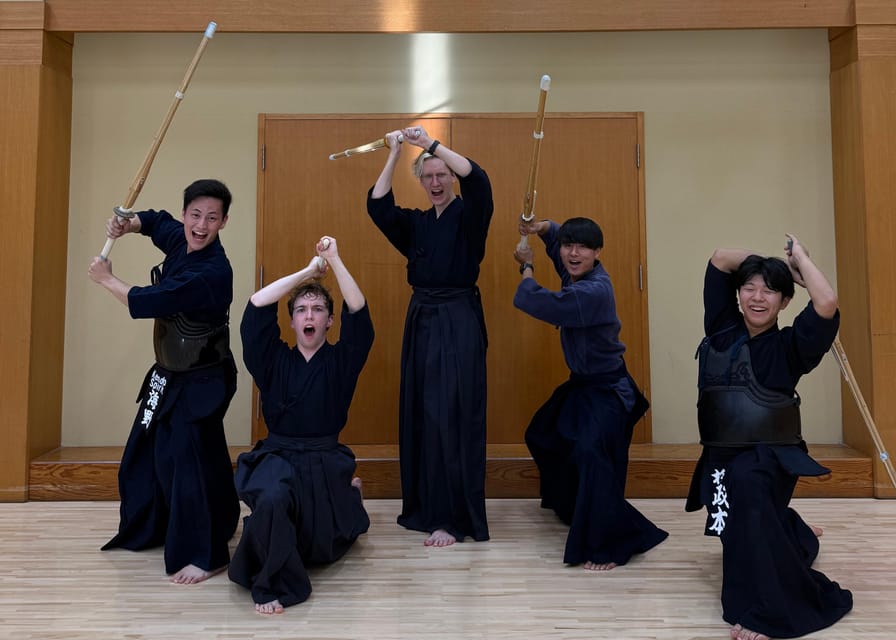
Book it if you want a real kendo lesson with Bushido values built into every step. I’d especially recommend it if you:
- Want hands-on practice, not just a show
- Like structured instruction and clear pacing
- Think the “mindset” part of martial arts is as important as the technique
- Want a meaningful Tokyo activity that still feels genuinely Japanese
Skip it only if you’re chasing something purely relaxing or you hate workouts. This is respectful training with an end match moment, so the energy is part of the product.
If you want a class where etiquette, spirit, body, and sword come together—and you leave with photos and a memory you can feel—this is an easy yes.
FAQ
Is the kendo experience in English?
Yes. The experience is conducted in English, and you can always ask questions during the session.
Where is the dojo in Tokyo?
It’s located within approximately 15 minutes of Tokyo Station.
Do I need kendo experience to join?
No. Beginners are welcome, and the instruction is paced so most participants can participate comfortably.
What should I bring?
Nothing at all. All equipment is provided, including kendo attire and a bamboo sword (shinai). Drinks are also included.
Do I get photos or videos after the session?
Yes. The team takes photos and videos during the experience and sends the data to you by email afterward.
What is the group size?
The experience is kept small, limited to 8 participants.
Can I book a private session?
Yes. Before payment, add Exclusive Private Session (one add-on per group). Private sessions are only available on dates that still show 8 available spots.
Is the class only for athletic people?
No. Many participants are beginners and not highly athletic. Still, expect a workout since you’ll train and do match practice.
Can I cancel and get a full refund?
Yes. You can cancel up to 24 hours in advance for a full refund.
Are alcohol and drugs allowed?
No. Alcohol and drugs are not allowed during the experience.