REVIEW · TOKYO
Kickboxing & Body Training with EX-Pro Fighter
Book on Viator →Operated by Tokto International Friends & Events · Bookable on Viator
Punches, pads, and polite Japanese structure. This Tokyo kickboxing session with ex-professional MMA fighter Kato Sensei (and Japanese pro Kato Minoru) is built like a real training block, with safety first and technique drills that actually make sense. I like that the class is easy to follow even if you’re brand new, and I also like how the session stays well-structured from warm-up to mitt work and defense practice.
One thing to consider: it’s an intense 1-hour workout and it doesn’t include bottled water, so plan to arrive ready to sweat and hydrate.
In This Review
- Key Highlights You’ll Feel Fast
- Kickboxing With Kato Sensei and Minoru Kato: What You’re Paying For
- Where The Class Meets in Higashiikebukuro (8:00 pm Start)
- Your 1-Hour Session Breakdown: Safety, Stretching, Pads, and Defense
- Safety and precautions first
- Stretching to prep your body
- Fist and foam making (hand prep)
- Basic steps and footwork
- Basic punching and kicking
- Kickboxing mitt training
- Defense practice with protectors
- Weekly program to keep going
- Beginner-Friendly Technique Without Getting Overwhelmed
- What’s Included at the Gym (and What You Should Bring)
- Value in Practice: $39 for Fitness, Skills, and a Social Night
- Who Should Book This Kickboxing Class—and Who Might Skip It
- Should You Book This Class? My Call
- FAQ
- How long is the kickboxing and body training session?
- What time does the class start, and where do I meet?
- Who is the instructor?
- What will you do during the session?
- What’s included in the price?
- Is bottled water included?
- How big is the group?
- What if the weather is bad or I need to cancel?
Key Highlights You’ll Feel Fast
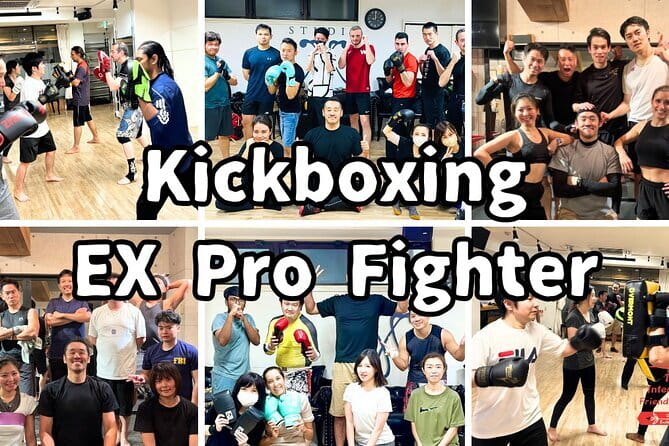
- Ex-pro instruction: Learn from Kato Sensei, an ex-professional MMA fighter, with help from Japanese kickboxing pro Kato Minoru.
- Clear step-by-step pacing: You’ll start with basics like safety, stretching, and fundamental steps before moving to combinations.
- Kickboxing mitt training: Focused pad work helps you practice accuracy and timing without guesswork.
- Defense practice with protectors: You work on responses while staying safer and more controlled.
- Small group size (max 7): You get a better chance of real coaching instead of disappearing in the back row.
- A weekly program handoff: The session doesn’t just end with the workout; you leave with a training rhythm to continue.
Kickboxing With Kato Sensei and Minoru Kato: What You’re Paying For
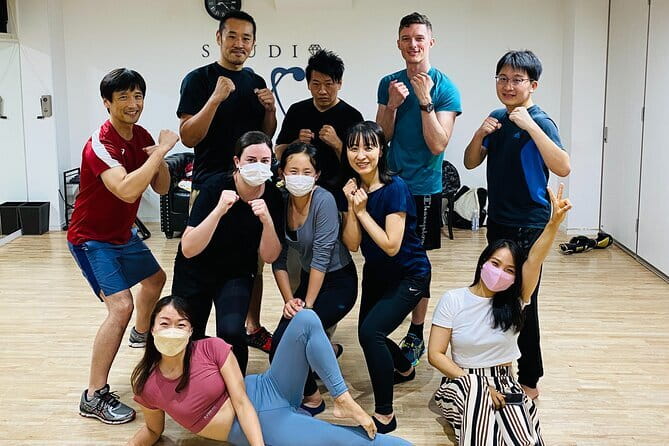
For $39, you’re not buying a casual fitness demo. You’re buying coaching from people who know how to teach striking safely. The setup matters. Kato Sensei brings an MMA background, which tends to emphasize discipline, form, and control. Kato Minoru adds that specifically Japanese kickboxing style, so you get both combat-athlete experience and sport technique.
This price lands in the sweet spot for short-term visitors and busy schedules. You’re getting a full training flow in about one hour, not a half-day commitment. And because the class is capped at 7 people, it feels more like a focused session than a drop-in crowd.
The biggest value for you is feedback on technique. The lesson is described as structured and not strict for beginners, which is exactly what you want in a first kickboxing class in Japan. If you’re worried about feeling lost, this format is built to help you get your bearings fast—without turning the room into a boot camp.
You can also read our reviews of more tours and experiences in Tokyo.



Where The Class Meets in Higashiikebukuro (8:00 pm Start)
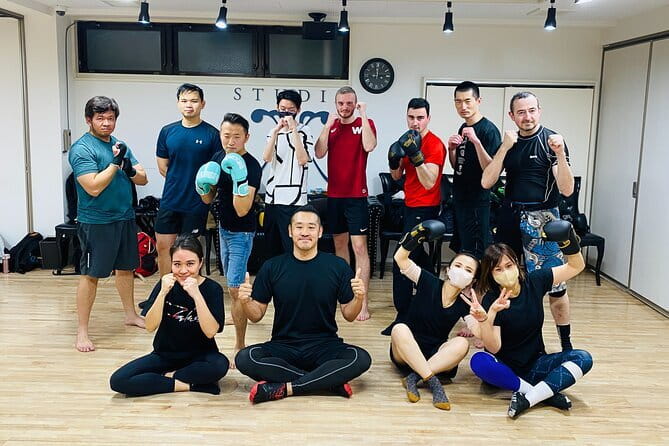
The session starts at 8:00 pm in Higashiikebukuro, Toshima City. The meeting point is in an address area listed as 2-chōme 4510, Higashiikebukuro, with the full local address provided for check-in. The activity ends back at the meeting point, so you’re not dealing with a complicated route afterward.
This neighborhood is a smart base if you want something lively but not too touristy. Also, the listing notes it’s near public transportation, which matters for an evening class. In practice, that means you’re less likely to arrive late because you got stuck crossing town.
One practical tip: since the workout begins at night, you’ll want dinner planned early. You don’t want to sprint from a late meal to pads. If you can, eat earlier in the evening and keep your expectations realistic: by 8:00 pm you’re there to train, not to wander.
Your 1-Hour Session Breakdown: Safety, Stretching, Pads, and Defense
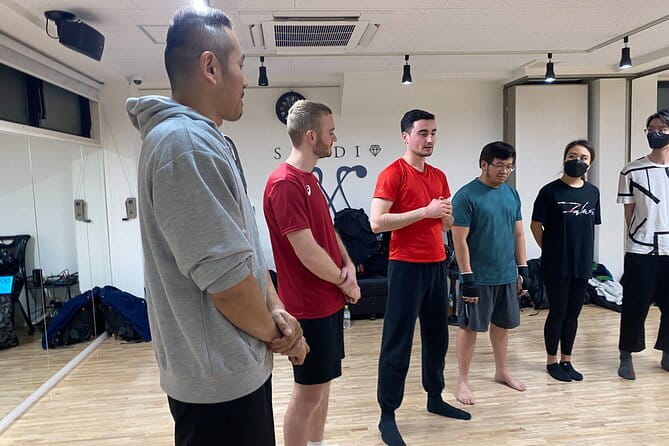
The session follows a clear progression, and that’s one of the reasons people keep coming back. Here’s what the hour looks like, in plain English, and why each piece is useful.
Safety and precautions first
Before you move, you get an explanation of safety and precautions. This isn’t filler. In a striking class, the rules decide whether the session stays productive and comfortable. You’ll likely learn how to interact during drills, how to protect yourself, and what to do (and not do) during contact practice.
If you’re new to kickboxing, you’ll appreciate this. It reduces the mental load. You can focus on technique instead of worrying about what the instructor expects.
Stretching to prep your body
Next comes stretching. Again, not just for show. It helps you get the muscles you’ll use—hips, legs, shoulders—ready for kicks and punches. For a one-hour session, it’s important that the warm-up is efficient, and the class structure is built for that.






Fist and foam making (hand prep)
Then you move into fist and foam making. Based on the wording, this is your hand prep step—basically getting your hands ready for safe striking. Even if you’ve worn gloves before, hand protection matters, because technique depends on how stable and supported your fist is.
This part also helps you understand the difference between swinging wildly and hitting with the right mechanics.
Basic steps and footwork
After that, you start with basic steps. In kickboxing, your feet do more work than people expect. Good footwork makes your punches and kicks land with balance instead of strain. It also helps you stay coordinated for combinations.
If you’ve only done cardio classes, this may feel new—in a good way. You’ll probably learn where your weight should be and how to stay ready between strikes.
Basic punching and kicking
Now you build the core movements: basic punching and kicking. Expect form-focused reps, not just random bag punching. The key here is repetition with structure, so you can start learning what looks correct and what feels correct.
This is also the stage where beginners often relax. When the instructor keeps things understandable, you stop guessing.
Kickboxing mitt training
Then comes mitt training with kickboxing pads. This is where the class shifts from isolated technique to applied practice. Mitt work tends to improve:
- timing (when to hit),
- accuracy (where to aim),
- and rhythm (how combinations flow).
Because you’re training with pads, you can go hard enough to feel the workout, while still keeping it safer and more organized than full-contact sparring.
Defense practice with protectors
Defense comes next with protectors. The idea is to practice how to respond—block, evade, or counter—while still staying controlled. Even if you don’t think you’ll ever fight in real life, defense drills teach awareness. You learn to react instead of only throwing.
That’s the “fitness plus skills” combo. You’re not just burning calories; you’re training body control and reaction habits.
Weekly program to keep going
Finally, there’s a weekly program. The benefit is simple: you leave with an idea of what to do after the class, instead of starting from zero the next day.
If you’re in Tokyo for a short time, that matters. If you live elsewhere and want to keep improving, it matters even more. It’s a gentle bridge from one class to a routine.
Beginner-Friendly Technique Without Getting Overwhelmed
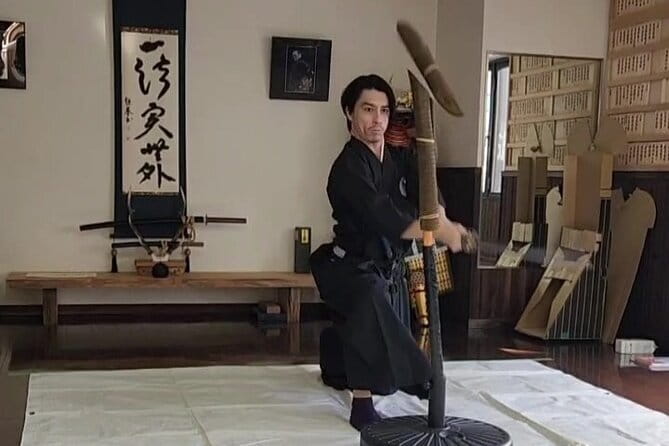
This class has a reputation for being easy to follow and not strict for beginners. That matters more than most people think.
A strict or chaotic class can create two problems fast:
1) You burn energy but don’t learn,
2) You worry you’re doing it wrong, which kills confidence.
Here, the structure is designed to guide you through basics first—safety, stretching, stepwork, then punches and kicks—before moving to mitt and defense. When you build in that order, your brain gets time to understand what you’re doing.
Also, the small group size helps. With a max of 7 people, instructors can correct technique and keep things moving. You’re less likely to feel like a prop in the room.
My practical advice: come with the mindset of learning, not proving. You’ll get more out of the hour if you focus on form and effort, not speed.
What’s Included at the Gym (and What You Should Bring)
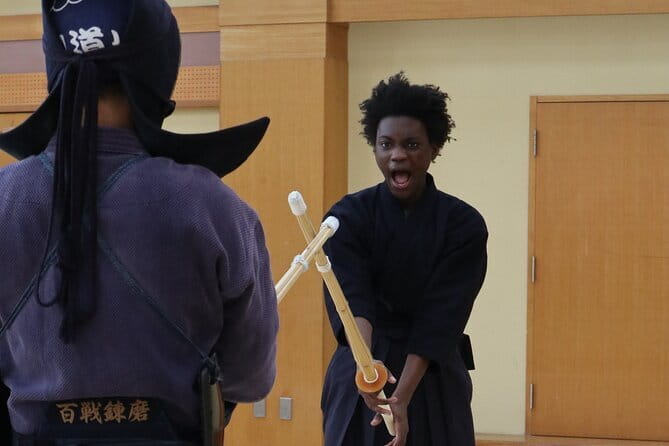
Included:
- Kickboxing equipment
- Gym
So you don’t have to hunt down gloves or try to guess what the class provides. Equipment being included is a real value point for a short trip. It saves time, packing space, and headaches.
Not included:
- Bottled water
That one’s easy to fix. Bring your own bottle or plan to buy water nearby. And yes, you’ll want it. Kickboxing—even in a beginner format—tends to move your breathing quickly.
Other helpful “don’t guess” items:
- Wear comfortable athletic clothing you can move in.
- If you wear wraps or have preferences for hand protection, you might want to follow the class’s guidance since the session includes a foam/hand-prep step.
Value in Practice: $39 for Fitness, Skills, and a Social Night
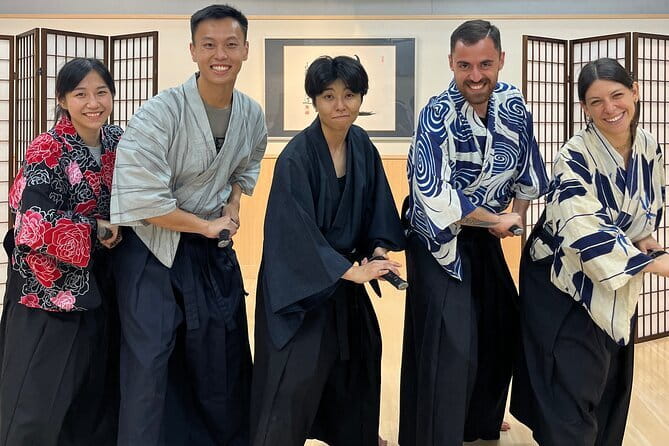
At $39 per person for about one hour, this class is priced like serious short-session training, not like a big fancy production. For that money, you get:
- ex-pro MMA and kickboxing coaching,
- a full warm-up to defense progression,
- included gym and equipment,
- and a capped group size that supports real interaction.
The timing also works well. Starting at 8:00 pm gives you a solid option for evenings when most sightseeing is done. You train, you sweat, you cool down, and then you still have time for an after-class ramen run.
There’s also a social angle. People describe it as fun and a place to meet new people, and you’ll likely see why: when you’re all doing the same basic drills, conversation happens naturally between rounds. It’s easier than walking up to strangers in a bar.
And if you’re the kind of person who likes repeating a good activity, this one has a repeat-ability factor. Some people say they come often, which usually means the instructor keeps the session engaging instead of running the same routine every time.
Who Should Book This Kickboxing Class—and Who Might Skip It
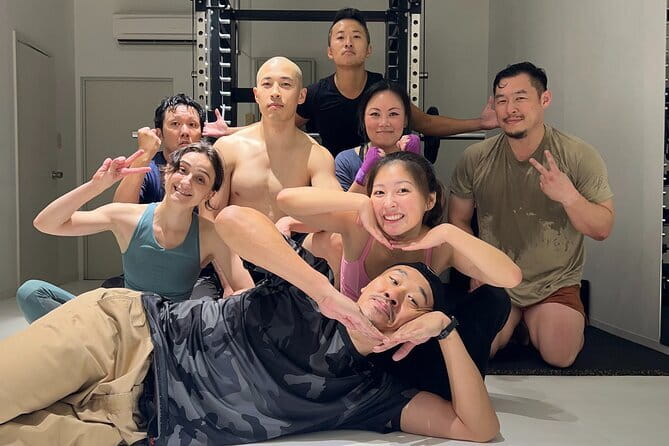
You should book it if:
- you want a first kickboxing experience that’s structured and beginner-friendly,
- you like technique training (pads, footwork, basic combinations),
- you want a short, high-energy workout that still teaches skills,
- you prefer smaller group sessions with better coaching.
You might consider skipping it if:
- you’re expecting a long class or a deep sparring session (this is listed as about 1 hour),
- you hate the idea of evening workouts (it’s scheduled for 8:00 pm),
- you don’t want to do hands-on exercise that raises your heart rate quickly.
Should You Book This Class? My Call
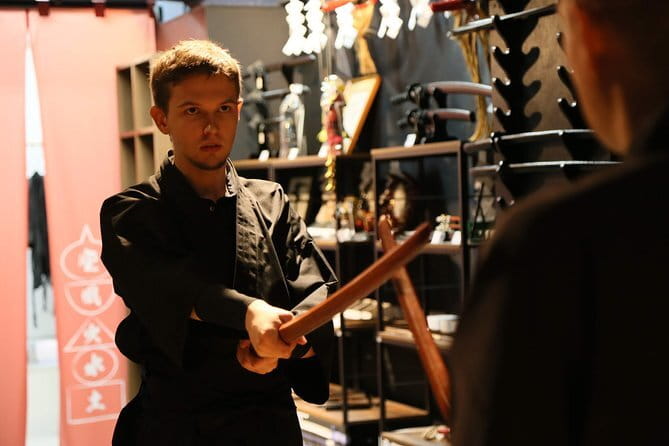
Yes—if you want a real kickboxing workout in Tokyo that still feels manageable for beginners, this is a smart buy. The best sign is the way the session flows: safety and stretching first, then fundamentals, then mitts and defense with protectors. That structure gives you confidence, and the coaching should help you leave knowing what to practice next.
Book it early if you can. The experience is often booked about 38 days in advance on average, so popular evening slots don’t wait forever. If you’re in Tokyo and want a hands-on fitness experience that feels both professional and fun, this is worth your time.
FAQ
How long is the kickboxing and body training session?
The class is listed as about 1 hour.
What time does the class start, and where do I meet?
It starts at 8:00 pm. The meeting point is in Higashiikebukuro, Tokyo (170-0013), at the specific address provided for the activity. The session ends back at the meeting point.
Who is the instructor?
The class is led by Kato Sensei, an ex-professional MMA fighter, and you’ll also learn from Japanese professional kickboxer Kato Minoru.
What will you do during the session?
You’ll do safety and precautions, stretching, fist and foam making, basic steps, basic punching and kicking, kickboxing mitt training, defense practice with protectors, and a weekly program.
What’s included in the price?
The price includes kickboxing equipment and use of the gym.
Is bottled water included?
No. Bottled water is not included.
How big is the group?
The maximum group size is listed as 7 travelers.
What if the weather is bad or I need to cancel?
The experience requires good weather. If it’s canceled due to poor weather, you’ll be offered a different date or a full refund. You can cancel up to 24 hours in advance for a full refund.